
Reviewed · MACHU PICCHU TOURS
4 Days Inca Jungle to Machu Picchu Standard
The Inca Jungle route reaches Machu Picchu by mixing mountain biking, jungle hiking, rafting, and hot springs instead of following a single trail. From Abra Málaga at 4,350 meters, you descend by bike through villages and streams, then spend the next two days walking through coffee, cocoa, fruit trees, and waterfalls before entering Machu Picchu on foot.
I like the variety and the small-group size, capped at 15 people. I also like the human scale of the route: meals in rural communities, simple lodgings, and a stop at Cocalmayo where tired legs get a proper soak. The main caution is that the $455 price does not include rafting, ziplining, the Machu Picchu shuttle bus, or some hot-spring costs, so you need to budget beyond the headline price.
Key points to know before you book
- Abra Málaga starts the adventure high: You begin at 4,350 meters, then descend by mountain bike for about three hours.
- The route uses several kinds of travel: Hiking, biking, rafting, and optional ziplining keep the four days varied.
- Cocalmayo is the best recovery stop: The hot springs near Santa Teresa give you a welcome break after a four-hour forest walk.
- The final walk follows the railway route: On day three, you hike from the hydroelectric station to Aguas Calientes for about three hours.
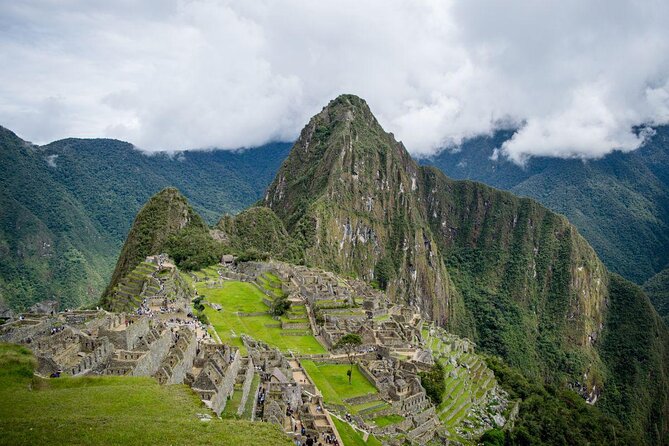
- Machu Picchu begins early on foot: The group climbs from Aguas Calientes, with about two hours of guided touring inside the sanctuary.
- Extra charges need attention: Rafting, ziplining, the bus to Machu Picchu, Huayna Picchu, Machu Picchu Mountain, and some hot-spring fees are separate.
What the $455 price really covers
At $455 per person, this four-day trip offers a fair bundle of transport, lodging, meals, guiding, and outdoor activity. You receive pickup, transport from Cusco through Ollantaytambo to Abra Málaga, mountain bikes, helmets, gloves, a bilingual professional guide, three nights of accommodation, and a first-aid kit.
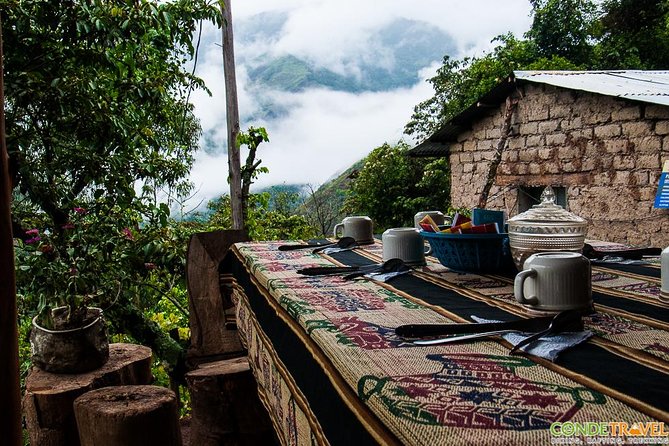
The food plan covers four breakfasts, three lunches, and three dinners. That matters on a route where you spend much of the day away from shops and restaurants. The first night is at Conde Ecolodge in Pispitayoc, in a shared room. The second night is in a Santa Teresa hostel with Wi-Fi and hot water, and the third is in Aguas Calientes with a private bathroom and hot water.
The price looks less attractive once you add the extras. Rafting and ziplining are not included, even though they are part of the route description as optional activities. The bus from Aguas Calientes to Machu Picchu is also extra, and so are Huayna Picchu and Machu Picchu Mountain permits.
You may also pay separately for the Cocalmayo hot springs. If you want the Llactapata option, the stated price is $55 per person with a minimum of two people. That option replaces the Santa Teresa lodging and adds about two and a half hours of walking, with lodging and transport connected to the added route.
I would ask for a written breakdown of every extra before paying. Some people on the same departure may have booked activities through a different arrangement, and the information given about what is included has not always been consistent. The tour can still be good value, but only if you know the final price.
More Jungle Tours in Cusco
- 4-Day Inca Jungle Adventure, Mountain Biking, Rafting and Zipline
★ 5.0 · 60 reviews - From Cusco: 4-Day Inca Jungle Adventure to Machu Picchu
★ 4.8 · 45 reviews - Inca Jungle Premium to Machu Picchu 4-Day and 3-Nights
★ 5.0 · 40 reviews
Day one: Abra Málaga to biking, rafting, and Huyro
The day begins at 5:00 a.m. with breakfast and a drive through villages and mountain scenery toward Abra Málaga. At 4,350 meters, the pass is a dramatic starting point, but the important detail is that your bike ride goes downhill from there. You do not begin with a long uphill cycling test.
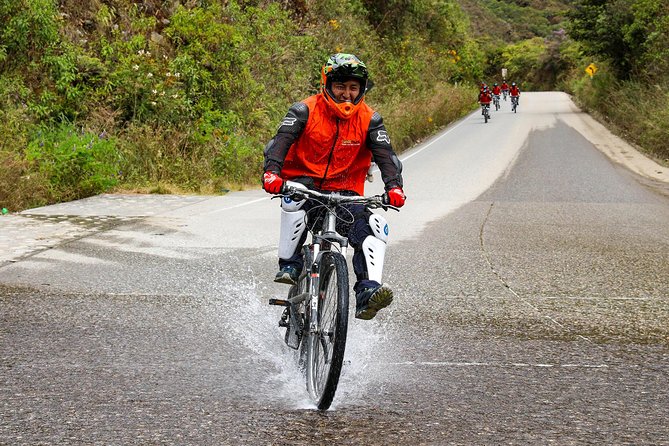
The descent lasts about three hours and passes rural villages, rivers, orchards, and streams. You ride toward Huamanmarca, where you can buy water and snacks if needed, then continue to Huyro for lunch.
This section gives you a quick change in climate and scenery. The high pass feels cool and exposed, while the route below becomes warmer and more tropical. Bring a light jacket for the start, then keep it handy rather than buried in your bag.
After lunch, private transport takes the group to Santa María for rafting. The rafting activity is listed as an extra, so confirm the price and whether the river conditions allow it. Once rafting ends, you return to Huyro for the night at Conde Ecolodge in Pispitayoc.
The first day is active, but it is also broken into many parts. You bike, eat, transfer, raft, and transfer again. One downside is that the schedule can include more waiting around than you expect, especially between activities. That is not a serious problem if you enjoy a social trip, but it can frustrate you if you want four straight days of movement.
Day two: coffee country and Cocalmayo hot springs
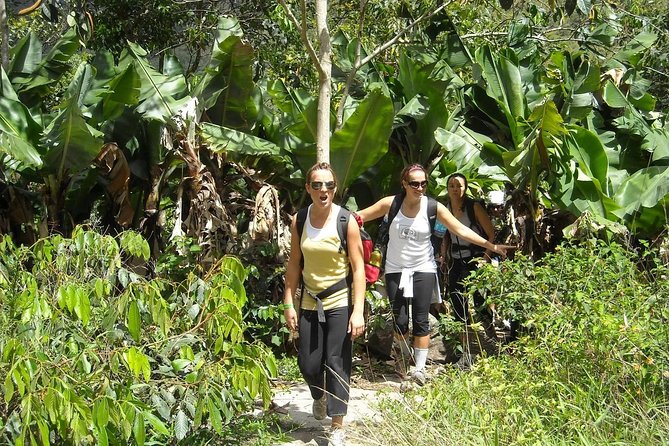
After breakfast, transport takes you to Pasto Grande, where the main walk begins. The hike lasts about four hours through high forest, with coffee and cocoa plants, fruit trees, orchids, birds, and other wildlife along the way.
The value of this section is not a single famous sight. It is the close look at how people live and farm in the area around the route. You pass small plantations rather than simply walking past walls and ruins. The guide can explain the plants, local farming, and the natural setting as you go.
Near the top, you reach Inca Carcel, an archaeological site associated with punishment in Inca society. Your guide gives information about the site, and there is time to rest before continuing along the Inca road.
Lunch comes in the community of Pumachaca. The meal is described as filling and based on fruits and tubers, though you should not assume that every dietary request can be handled. Vegetarian food has not always been easy to arrange in remote family-run settings, so tell the operator well before departure and carry a backup snack if your diet is strict.
After lunch, the path continues toward Cocalmayo. The hot springs are one of the most sensible stops on the whole trip. After several hours on foot, warm water gives you a chance to loosen your muscles before transport takes you to Santa Teresa.
The Cocalmayo admission fee may be paid on site. Bring a swimsuit, flip-flops, and a small towel if possible. You may also buy a beer there, but personal drinks and care items are your responsibility.
Day three: Santa Teresa, optional zipline, and Aguas Calientes
The third day begins in Santa Teresa. If you reserve the zipline in advance, you take part while the rest of the group continues by foot. The zipline is not included in the $455 price, and participants later rejoin the group by bus at the hydroelectric station.
Those who do not zipline hike for about three hours to the same meeting point. The group then eats lunch at the hydroelectric station before setting off toward Aguas Calientes.
The afternoon walk lasts about three hours and follows a route with waterfalls, coca plants, and coffee farms. It is a useful alternative to taking a train, since you reach Machu Picchu Pueblo by walking through the valley rather than simply arriving by rail.
The route is not presented as a technical trek, but it requires a moderate fitness level. You need to be comfortable walking for several hours on two consecutive days, along with the cycling on day one and the early climb on day four.
You reach Aguas Calientes at about 4:00 p.m. and go to the hostel. This is the most comfortable lodging of the trip, with a private bathroom and hot water. At dinner, the guide explains the next morning’s visit to Machu Picchu.
Pack a small day bag rather than carrying everything you brought from Cusco. The walking is easier with less weight, and the practical gear list is simple: insect repellent, sunscreen, swimwear, flip-flops, a light jacket, and a headlamp. Wi-Fi is available at the Santa Teresa hostel, but you should expect little or no connection during much of the route.
more ways to reach machu picchu
- From Cusco: Full-Day Group Tour of Machu Picchu
★ 4.7 · 1,767 reviews - Machu Picchu Day Trip from Cusco
★ 4.5 · 1,644 reviews - Machu Picchu: Full-Day Tour from Cusco with Optional Lunch
★ 4.6 · 927 reviews - Cusco: 4-Day Inca Trail to Machu Picchu with Accommodation
★ 4.8 · 432 reviews
Day four: walking up to Machu Picchu
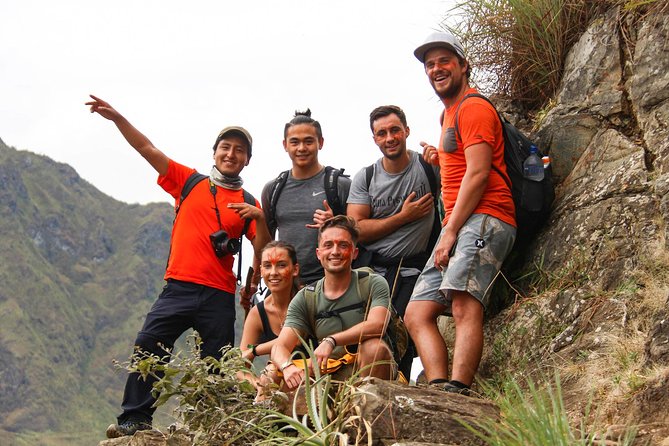
The final morning starts early. From Aguas Calientes, you follow an uphill path through high forest toward Machu Picchu. The climb takes about two hours, and an early departure may give you a chance at sunrise.
You can pay for the shuttle bus from Aguas Calientes to the sanctuary if you prefer not to walk. That bus is not included, so decide in advance whether you want to save your legs for the site itself or keep the final approach on foot.
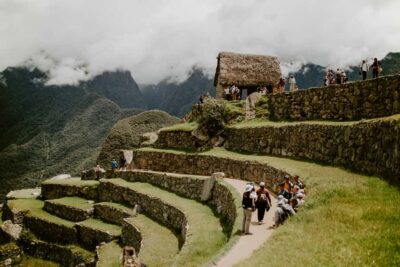
The guide leads a visit of roughly two hours inside Machu Picchu. That guided time helps you understand what you are seeing rather than simply reaching the viewpoint, taking photographs, and wandering without context. After the tour, you are free to explore on your own, subject to the site’s entry rules and the ticket you hold.
Huayna Picchu and Machu Picchu Mountain are not included. If you want either climb, arrange the proper permit in advance. An extra night in Aguas Calientes is possible for $30, with return the following day. That can make sense if you plan to climb Huayna Picchu or Machu Picchu Mountain, but those entries still cost extra.
The return plan requires attention. The group walks back from Aguas Calientes to the hydroelectric station, a trip of about two hours, where the bus is scheduled to leave at 3:00 p.m. The stated arrival in Cusco is around 9:00 p.m. That makes the last day long, and you should not plan an important evening commitment in Cusco.
Guides, group size, and organization
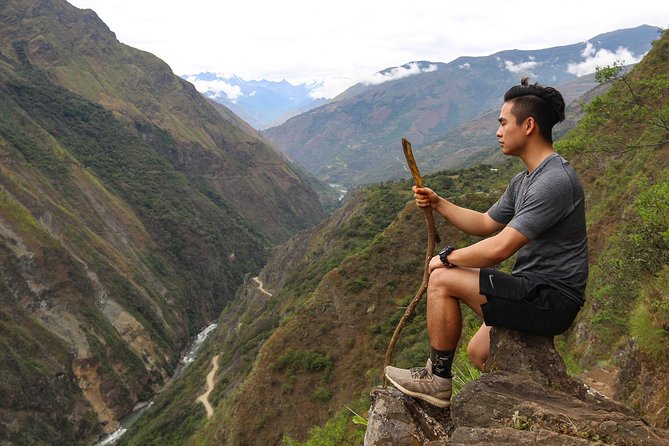
The group limit is 15 people, which is a useful size for a route involving bikes, meals, lodging, and several transfers. Smaller groups can keep a steady pace and make it easier to ask questions, though your actual group may be smaller or larger within that limit.
Guides named in past departures include Jonathan and Carlitos. The guide’s role matters here because the route is not just a series of transport links. You rely on the guide for safety during cycling and rafting, explanations at Inca Carcel and Machu Picchu, meal coordination, and directions through the walking sections.
A briefing takes place at the company office on the evening before departure. Treat it as essential, not optional. Use that meeting to ask which activities are included in your booking, what you must pay locally, where the pickup will occur, and how the final return from the hydroelectric station works.
Organization appears to be the area where you should remain alert. Pickup is scheduled early, and a delay can be especially unpleasant when you are standing outside before dawn. Confirm your hotel pickup and keep the company’s contact details with you.
The tour has received an overall rating of 4.5 from 48 ratings, but the range of experiences is wide. That tells me the route itself can be excellent while the quality of communication and arrangements may depend on the departure. Good guides have been praised for keeping the group together, explaining the route in English, and adjusting the pace to the group’s ability.
How hard is the Inca Jungle route?
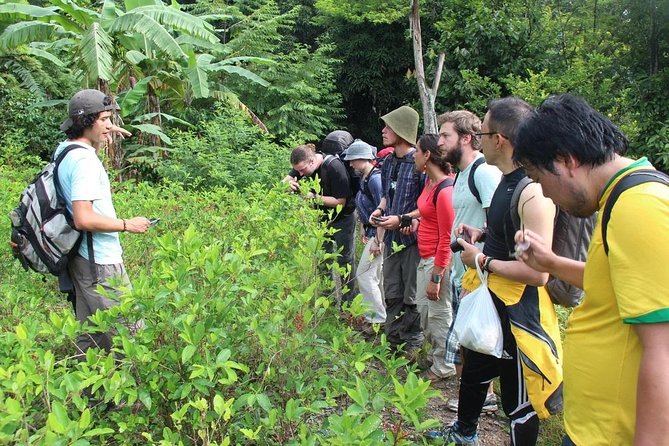
This is an active trip, but it is not the same physical test as the classic multi-day Inca Trail. You walk for about four hours on day two, about six hours in total on day three with a break at the hydroelectric station, and about two hours uphill to Machu Picchu on day four.
Day one adds three hours of downhill biking. The cycling is generally easier than a long climb, but descending on rough or wet roads still demands attention and confidence. Helmets and gloves are provided, and you should use them.
A moderate fitness level is required. The route suits you if you can walk for several hours, manage warm and humid conditions, and handle an early start. It is a good choice for an active couple, a mixed-age group, or anyone who wants more movement and variety than a standard rail-based Machu Picchu visit.
It is not ideal if you want a relaxed sightseeing holiday, need guaranteed private rooms, or dislike changing transport and accommodation. Sleeping arrangements are basic, and room assignments may not always match what you expected. Confirm whether your room will be shared, double, or triple.
Food, rooms, and what to pack
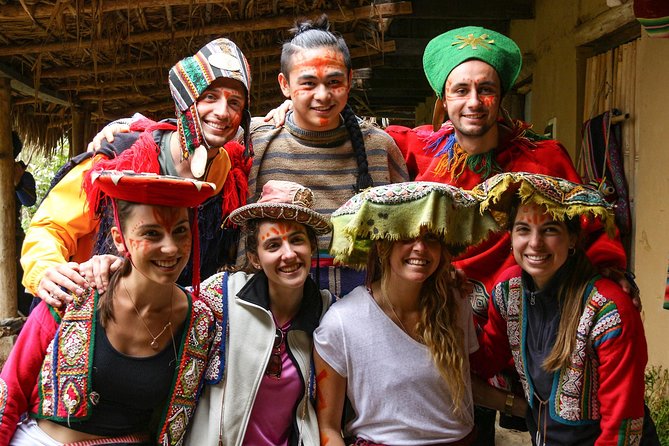
The meal plan is generous for a four-day route: four breakfasts, three lunches, and three dinners. Meals are part of the value because you spend much of the time in smaller communities where independent dining choices may be limited.
Lodging is functional rather than luxurious. The first night uses shared accommodation, the Santa Teresa hostel includes Wi-Fi and hot water, and the Aguas Calientes hostel has private bathrooms and hot water. Take earplugs if you are sensitive to group sleeping arrangements, though that is a general packing suggestion rather than a promised tour amenity.
Your small pack should include:
- Passport and required booking details
- Insect repellent and sunscreen
- Swimwear and flip-flops for Cocalmayo
- Light jacket for Abra Málaga and the early Machu Picchu start
- Headlamp
- Comfortable walking clothes
- Water and snacks for the cycling and hiking sections
Personal care items are not included. The route passes shops and communities, but you should not count on finding every item you need.
Who should book this four-day route?
I would choose this trip if I wanted Machu Picchu to be part of a broader outdoor adventure. The strongest feature is the mix of transport and scenery. You do not simply walk one trail: you cycle down from a high pass, pass farms and forest, soak in hot springs, walk beside the railway route, and finish at the sanctuary.
It also suits people who enjoy meeting a mixed group. Past departures have included couples around 60, younger adults, families, and international participants. That mix can make the trip lively, though it also means the group may have different walking speeds and expectations.
I would be cautious if you are booking because the price appears to include every listed activity. It does not. Ask specifically about rafting, ziplining, Cocalmayo admission, the Machu Picchu shuttle, mountain permits, and the return transfer.
The experience is non-refundable and cannot be changed after booking. Make sure every participant’s passport name, number, expiry date, and country are correct at the time of booking.
Should you book it?
Book the 4 Days Inca Jungle to Machu Picchu Standard if you want an active, varied route and can accept simple rooms, long days, optional paid activities, and some uncertainty around logistics. The best parts are genuinely strong: the downhill ride from Abra Málaga, the forest walk through coffee and cocoa country, Cocalmayo, and the final approach to Machu Picchu.
Before committing, get the full cost in writing and confirm the pickup, room arrangement, activity fees, and return schedule. If those details are clear, $455 can be a reasonable price for transport, meals, lodging, equipment, guiding, and the Machu Picchu visit. If you want a polished, fully inclusive package, compare other operators first.
FAQ
What time does the tour start?
The meeting and pickup time is 5:00 a.m.
How many people can join the group?
The tour has a maximum of 15 participants.
What fitness level is needed?
You should have a moderate level of physical fitness. The route includes three hours of mountain biking, several hours of hiking on days two and three, and an uphill walk of about two hours to Machu Picchu.
Is rafting included in the price?
No. The rafting activity is listed separately from the included services and must be paid for independently.
Is ziplining included?
No. Ziplining is an optional extra. You need to reserve it in advance if you want to take part.
Is the bus from Aguas Calientes to Machu Picchu included?
No. The bus from Aguas Calientes to Machu Picchu is not included. You can also walk up to the sanctuary.
Can I stay an extra night in Aguas Calientes?
Yes. You can stay one additional night in Machu Picchu Pueblo for an extra $30 and return the next day. This may be useful if you plan to climb Huayna Picchu or Machu Picchu Mountain, though those activities require separate arrangements.
More 4-Day Experiences in Cusco
- 4 Day Tour to the Manu National Park
★ 5.0 · 81 reviews - Choquequirao Trek 4 days and 3 nights
★ 5.0 · 81 reviews - Cusco Sacred Valley and Machupicchu 4 Days
★ 5.0 · 80 reviews - Ancascocha Trek To Machu Picchu 4 Days And 3 Nights
★ 5.0 · 77 reviews
More Amazon Lodges and Jungle Days
- Inca Jungle 4-Day Tour: Full Adventure to Machu Picchu Included
★ 5.0 · 38 reviews - 07 Day: Inca Jungle Adventure with Mountain Bike, Rafting, Zipline & Trek
★ 5.0 · 36 reviews - 4 days/3 nights: Inka Jungle Trek to Machu Picchu
★ 4.7 · 25 reviews - Living Nature from Cusco: 3 Days Manu Jungle all inclusive
★ 4.9 · 12 reviews
Recently added around Cusco
- Palcoyo colored mountain hike + stone forests★ 4.6 · 3 reviews
- Maras Moray★ 5.0 · 3 reviews
- Full-Day Condor Viewpoint & Inca Sites Tour★ 5.0 · 3 reviews
- From Cusco: Vinicunca Mountain of Colors Excursion + Ticket★ 5.0 · 3 reviews
- Excursion Cusco – Puno – Titicaca Observatory Train★ 5.0 · 3 reviews
- Machu Picchu: Private Tour Guide Service for up to 15 people★ 4.5 · 3 reviews
- Machu Picchu: 1-day tour by Vistadome Observatory train★ 5.0 · 3 reviews
- Cusco: Chonta Canyon and Condor Flight Tour with Lunch★ 5.0 · 3 reviews
Machu Picchu Tours, compared.
4-Day Inca Trail to Machu Picchu with Accommodation
Read our review →
2-Day Trip to the Sacred Valley and Machu Picchu
Read our review →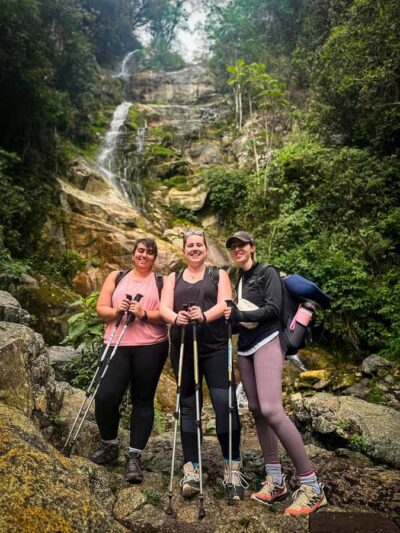
Machu Picchu 2-Day Inca Trail with Panoramic Train
Read our review →
Browse the lists this tour appears in