
Reviewed · CUSCO TOURS
Choquequirao Trek 4 days and 3 nights
Choquequirao is the kind of Inca site you reach by working for it. There are no easy roads to the ruins, so you trade crowds for steep trails, canyon views, and the rare feeling of having a major archaeological site largely to yourself. I like the quiet setting and the way a guide, cook, and porter take care of the hard practical work.
I also like the strong food and camp support. Guides such as Elias and Sebastian have been praised for patience, history, and encouragement, while cooks including Leandro, Oscar, and Balbino have produced varied meals on the trail. The catch is simple: this is a demanding trek, not a gentle sightseeing tour, and the published day-by-day details contain a few inconsistencies you should clarify before booking.
Key points to know before you book
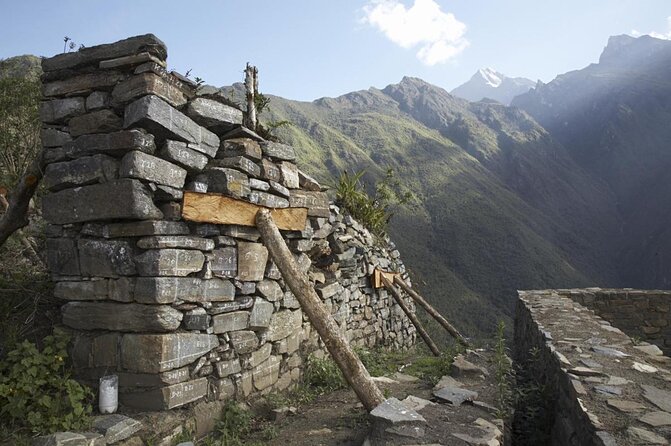
- Choquequirao without the usual crowds: The remote ruins are the main reward, with time to explore in a calm setting.
- A serious four-day hike: Expect long days, steep downhill sections, and a hard final climb back to Capuliyoc.
- Cusco pickup is included: Transport begins early, around 4:30 to 5:00 a.m., and returns you to your hotel around 5 p.m. on day four.
- Meals are a major strength: A chef prepares four breakfasts, four lunches, and three dinners, with vegetarian and special-diet options available if requested ahead.
- Porter help reduces your load: A personal porter carries up to 7 kilograms of your personal gear.
- Check the group size and schedule: The description refers to both 12 and 16 as the maximum group size, and some itinerary figures do not match.
Why Choquequirao is worth the effort
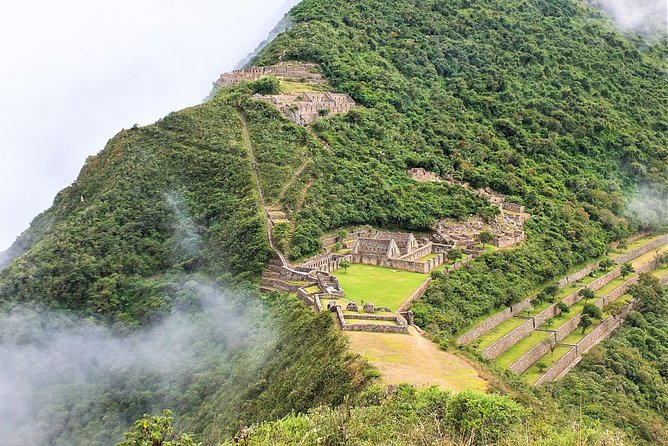
Many visitors to Peru know Machu Picchu, but Choquequirao offers a much quieter encounter with Inca stonework. The approach begins high above the Apurimac Canyon, then drops through changing vegetation before climbing again toward the ruins. That physical effort gives the site its power.
I like this trek for people who want more than a quick photo stop. You spend four days moving through the Andes, watching the terrain change from high-country slopes to warmer, greener areas near the canyon. The scenery is not simply a backdrop. It is the reason the route feels like an expedition.
The peace comes with a price. This trek includes about six to eight hours of hiking on the scheduled days, with significant elevation changes. A moderate fitness level is requested, but I would treat that as a minimum. You should be comfortable walking for several hours, handling steep descents, and climbing for much of a day.
The small-group promise also matters. A group of 12 would allow more personal attention on steep sections and at camp. The supplied details elsewhere list a maximum of 16, so ask TreXperience which limit applies to your departure. Either size is smaller and more manageable than a large coach excursion, but the difference is noticeable on a strenuous trail.
More Hiking Tours in Cusco
- From Cusco: 7 Lakes Ausangate Trek with Breakfast and Lunch
★ 4.8 · 360 reviews - Cusco: Rainbow Mountain Tour and Red Valley Hike (Optional)
★ 4.7 · 149 reviews - Cusco: Full-Day Rainbow Mountain & Red Valley Trekking Tour
★ 4.5 · 121 reviews
Day one: Capuliyoc to Santa Rosa
Your pickup begins very early in Cusco, between 4:30 and 5 a.m. The drive crosses the Andes toward Capuliyoc and takes roughly four hours, with breakfast planned on arrival. This early start is not glamorous, but it gives you enough daylight for the first long walking day.
Capuliyoc sits at about 2,911 meters, or 9,550 feet. From here, the route drops for roughly four hours to Chiquiska, at about 1,893 meters. That descent opens the first broad views into the Apurimac Canyon, one of Peru’s deepest canyon areas.
The changing vegetation is one of the day’s best features. You begin in the highlands, then move toward warmer, more heavily planted slopes and cloud-forest conditions. I like routes that let you feel the altitude change under your feet, and this first day does exactly that.
Lunch is planned at Chiquiska. After eating, you continue downhill for about two more hours to Santa Rosa, where the first camp is located at approximately 1,478 meters. The total distance is listed as 10.8 kilometers, with about six hours of hiking.
The main difficulty here is not the distance alone. A long downhill walk can be hard on knees and thighs, especially after a long drive and an early breakfast. Trekking poles are optional, but I would strongly consider bringing or renting them. They are not included in the tour price.
Day two: The route toward Marampata and Choquequirao
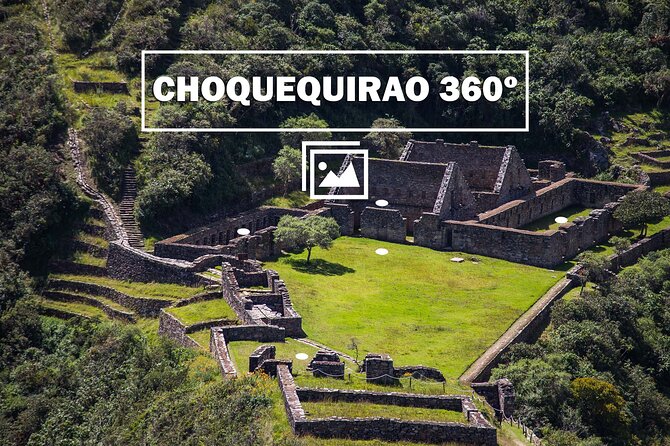
The day-two heading points toward Marampata and Choquequirao, which is the key stage of the trip. However, the detailed description repeats day one instead of giving a clear schedule for this section. That is worth addressing before departure.
You should ask for the exact walking distance, elevation gain, camp location, and time planned inside the citadel. The broad purpose is clear: this is the approach to Choquequirao after camping near Santa Rosa. The precise figures are not clear enough to use for training or pacing.
That lack of detail does not necessarily mean the operator cannot run the trek properly. It does mean you should not rely on the printed figures alone. Ask at the 6 p.m. pre-departure briefing for a clean route outline, including where you will sleep and how much time you will have at the ruins.
The guide makes a real difference on a day like this. Past groups have been led by people including Elias, Sebastian, Gary, Sergio, and Pepe. Their roles have included explaining Inca and Quechua culture, helping people manage steep hills, and keeping morale steady when legs start to tire.
The support team is another strong part of the package. A cook and assistant prepare meals, while a mule handler or porter team moves camp supplies. Personal porter service covers up to 7 kilograms of your belongings, not your entire suitcase. Pack carefully and keep your daypack light enough for water, rain gear, layers, snacks, and anything you need while walking.
Reaching the Choquequirao Inca citadel
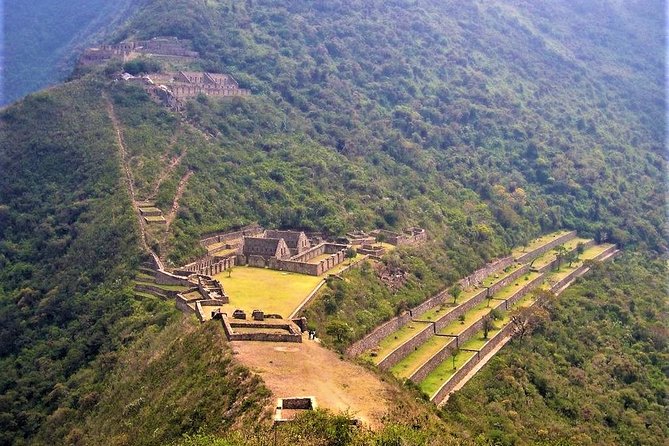
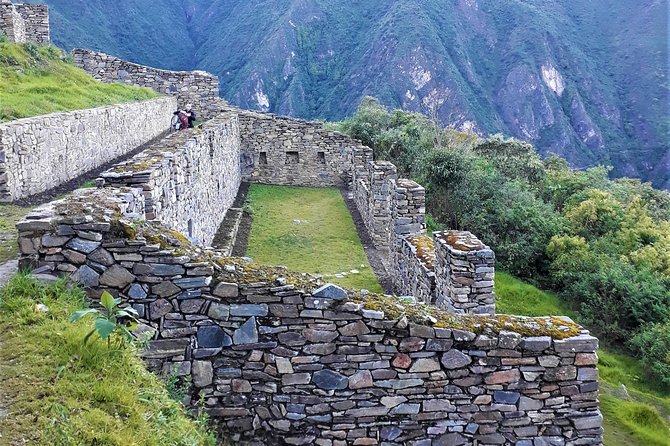
The ruins are the emotional center of the trek. Their remoteness is the point. You do not arrive after stepping off a bus or walking a short path from a car park. You reach Choquequirao after canyon walking, steep grades, and several days of effort.
That setting lets you pay attention to the stonework and the surrounding mountains without the constant movement found at Peru’s most famous archaeological sites. The experience is especially good for you if quiet ruins matter more than checking off a famous name.
Allow yourself time to look closely. The guide can add meaning to the terraces, buildings, and ceremonial spaces, while the open setting gives you a sense of how carefully the site was placed above the canyon. The supplied schedule refers to sunrise at this magical area, so the timing may allow an early start near the ruins or a memorable morning view. Confirm the exact overnight location and visiting hours with your guide.
Do not expect a relaxed half-day visit. The route around the citadel still involves walking, and the days remain physically demanding. Weather can change, trails can be muddy, and the elevation shifts are part of the challenge. Good shoes, layers, sun protection, and rain protection are sensible essentials.
more Cusco days to weigh up
- Salkantay Trek Challenge – 3 Days / 2 Nights
★ 5.0 · 101 reviews - From Cusco: Rainbow Mountain Trek
★ 4.5 · 98 reviews - Private Palccoyo Rainbow Hike Without the Crowds
★ 5.0 · 86 reviews - Machu Picchu: 5-Day Salkantay Trek with Panoramic Train
★ 5.0 · 79 reviews
Day three: A long return through canyon country
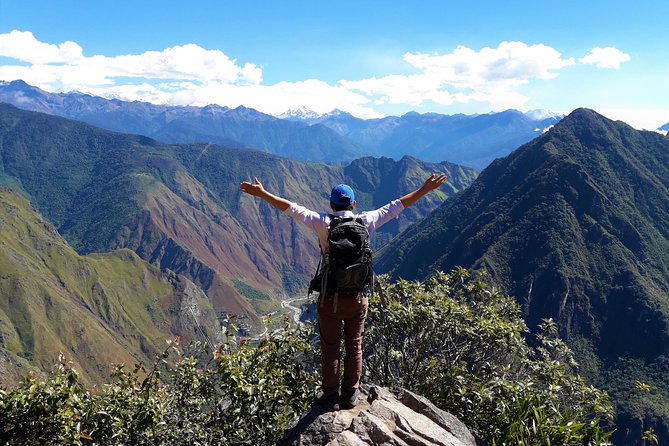
The day-three schedule lists about eight hours of hiking. It includes a downhill section to Santa Rosa for lunch, followed by more downhill walking and then roughly two hours uphill to the next camp at Chiquiska.
This is an unusual rhythm: down, down, then up. It can be tiring because the climb comes after several hours on the trail. Still, the day offers a fine chance to notice details you may have missed on the way in, including flowers, birds, and distant waterfalls.
The supplied figures need checking here as well. The distance appears as both 8 kilometers and 11.32 miles, which are not equivalent. The elevation figures also vary within the schedule. Use the guide’s briefing for the final route rather than treating these numbers as exact.
The camp elevation is listed around 1,450 meters, or 4,350 feet. That is much lower than Cusco, but lower altitude does not make the walking easy. By this point, accumulated fatigue is likely to matter more than altitude.
The strongest practical advantage is that you do not need to prepare camp meals yourself. Chef Leandro has been praised for varied dishes and careful presentation, while other cooks named in past departures include Julio Cesar, Juvenal, Lucio, and Balbino. The recurring theme is fresh, varied food that feels far more substantial than basic trail fare.
Vegetarian meals are available, and specific dietary needs can be accommodated if you provide details when booking. I would still repeat those needs during the pre-departure meeting.
Day four: The final climb and Saywite
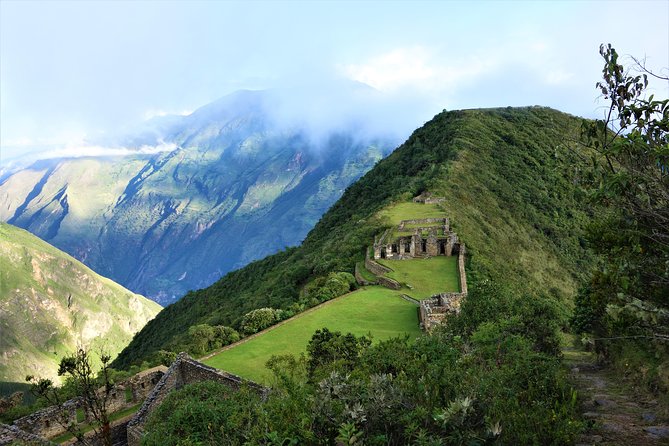
The last morning begins with breakfast and preparation for the final four-hour climb to Capuliyoc. This is the clearest test of your legs. You have already spent several days descending and climbing through canyon terrain, so the uphill finish will feel earned.
Lunch at Capuliyoc marks the end of the walking portion. You then say goodbye to the trekking team and board private transportation to Saywite, an archaeological site known for its mysterious carved rock.
Saywite gives the final day a useful change of pace. Instead of ending the trip with only a vehicle ride back to Cusco, you get time to examine another archaeological site before hotel drop-off at about 5 p.m. The stop is included, but the amount of walking and exact time there should be confirmed at the briefing.
The final-day listing gives both 8 kilometers and 11.32 miles, another mismatch. It also lists about eight hours and a highest elevation of approximately 2,850 meters. Because the morning climb is described as four hours, the full eight-hour estimate may include transport and the Saywite visit, or it may be a simple data error. Ask for clarification.
What the $698 price covers
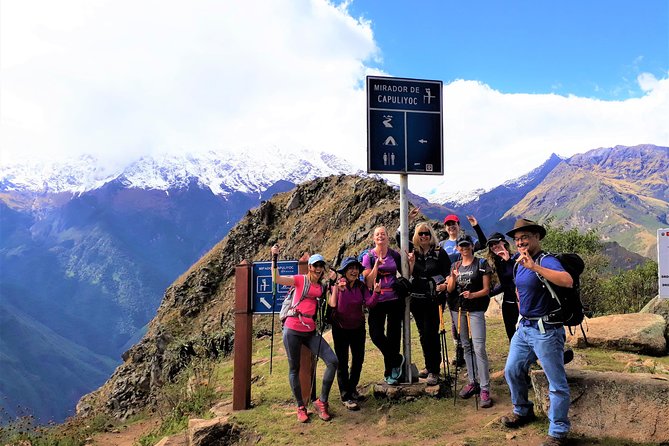
At $698 per person, the tour is not a budget independent trek, but it includes the costly and labor-intensive parts of a supported Andes trip. You receive round-trip transportation, hotel pickup, professional English-speaking guides, a chef, meals, and a personal porter for up to 7 kilograms.
The food allowance is substantial: four breakfasts, four lunches, and three dinners. You also receive transport from the beginning through the end of the outing, which removes the need to arrange the early transfer to Capuliyoc and the return after Saywite.
Entry tickets are listed as included during the scheduled stops. The major extra costs are practical equipment items. A mattress, sleeping bag, and trekking poles are optional and are not included, so ask about rental prices or bring your own suitable gear.
I see the value most clearly if you want support but do not want a large organized group. A guide can set the pace, a cook handles meals, and porters move supplies between camps. You are still responsible for the walking, but the service removes much of the camp work.
The people who make the trek work
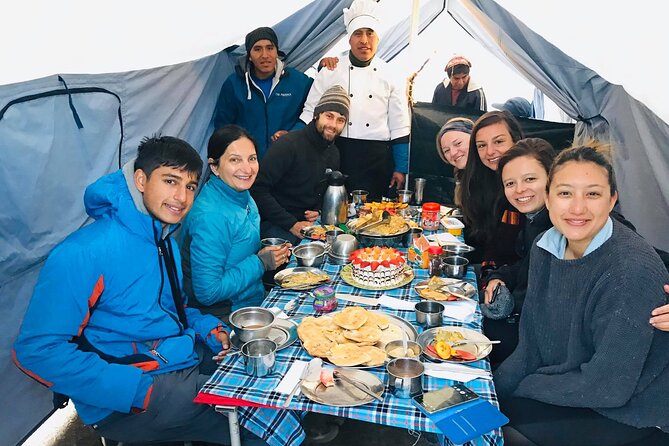
A remote trek is only as good as its support team. Here, the guide is not just a source of dates and facts. The guide has to watch the group, explain the ruins, encourage people on steep grades, and respond when someone is struggling.
Past teams have included Elias, Sebastian, Gary, Sergio, Pepe, Abelardo, Alexis, and Renato. Their reported strengths include patience, humor, cultural explanation, and personal help on difficult steps. Since staff can change, treat these names as examples of the company’s guide pool rather than a promise about your departure.
The cooks receive especially strong praise. Leandro, Oscar, Julio Cesar, Juvenal, Lucio, and Balbino have all been associated with different departures. Meals are described as varied, fresh, and carefully prepared, with no need to expect the same dish repeatedly.
Porters and mule handlers carry the behind-the-scenes burden. Personal porter service is limited to 7 kilograms, so you should still pack with care. A small, organized bag will make mornings easier and prevent you from depending on the porter for something you need during the day.
Who should book this trek
I would choose this trip if you want a remote Inca site, strong mountain scenery, and a supported trek rather than a simple guided walk. It suits people who enjoy long hiking days and accept that comfort comes from good organization, not hotels and easy access.
It is less suitable if you want a gentle introduction to Peru’s archaeological sites. The schedule includes repeated downhill and uphill sections, early starts, camping, and a final climb. Children must be accompanied by an adult, and every participant should have a moderate level of physical fitness.
You also need to be comfortable with some uncertainty in the written schedule. The duplicated day-two description and conflicting distance figures do not give enough detail for precise planning. That is my biggest reservation, and it is easy to address by requesting the current route plan before you pay.
The tour requires good weather and a minimum number of participants. If poor weather or insufficient enrollment cancels the departure, you are offered another date, another experience, or a full refund. Standard cancellation is free up to 24 hours before the start time, while cancellations inside that window are not refunded.
Should you book the Choquequirao Trek?
Book it if your priority is quiet ruins and real trail time, not ease. The Apurimac Canyon views, small-group support, strong cooking, and access to Choquequirao make the $698 package a fair deal for a four-day supported expedition.
Before booking, confirm three points: the actual group limit, the day-two schedule, and the correct distance and elevation figures for days three and four. If you are fit, prepared for steep walking, and happy to camp, this is one of the better ways to reach Choquequirao without handling every meal, transfer, and camp chore yourself.
FAQ
How long is the Choquequirao Trek?
The experience lasts approximately four days and includes three nights of camping.
What time does the tour begin?
Pickup begins between 4:30 and 5 a.m. from your Cusco hotel or the airport.
Is transportation included?
Yes. Transportation is included from the beginning of the trek through the return journey, including pickup and the transfer to Saywite on the final day.
Are meals included?
Yes. The tour includes four breakfasts, four lunches, and three dinners prepared by a chef.
How much luggage can the personal porter carry?
A personal porter can carry up to 7 kilograms of your personal gear.
Are sleeping bags, mattresses, and trekking poles included?
No. A mattress, sleeping bag, and trekking poles are optional extras and are not included in the listed price.
Can I request vegetarian or special meals?
Yes. Vegetarian meals are available, and you should provide details of any dietary requirements when booking.
More 4-Day Experiences in Cusco
- Cusco: 4-Day Inca Trail to Machu Picchu with Accommodation
★ 4.8 · 432 reviews - 4 Day Tour to the Manu National Park
★ 5.0 · 81 reviews - Cusco Sacred Valley and Machupicchu 4 Days
★ 5.0 · 80 reviews - Ancascocha Trek To Machu Picchu 4 Days And 3 Nights
★ 5.0 · 77 reviews
Recently added around Cusco
- Palcoyo colored mountain hike + stone forests★ 4.6 · 3 reviews
- Maras Moray★ 5.0 · 3 reviews
- From Cusco: Vinicunca Mountain of Colors Excursion + Ticket★ 5.0 · 3 reviews
- Full-Day Condor Viewpoint & Inca Sites Tour★ 5.0 · 3 reviews
- Excursion Cusco – Puno – Titicaca Observatory Train★ 5.0 · 3 reviews
- Machu Picchu: Private Tour Guide Service for up to 15 people★ 4.5 · 3 reviews
- Machu Picchu: 1-day tour by Vistadome Observatory train★ 5.0 · 3 reviews
- Cusco: Chonta Canyon and Condor Flight Tour with Lunch★ 5.0 · 3 reviews
Cusco Tours, compared.
Humantay Lake Tour with Breakfast and Buffet Lunch
Read our review →
Sacred Valley & Maras Salt Mines Tour with Lunch
Read our review →
Moray, Maras Salt Mines & Chinchero Weavers Tour
Read our review →
Half-Day City Tour with Sacsayhuaman and Q’enco
Read our review →
Sacred Valley, Pisac, Ollantaytambo, Salt Mines Moray
Read our review →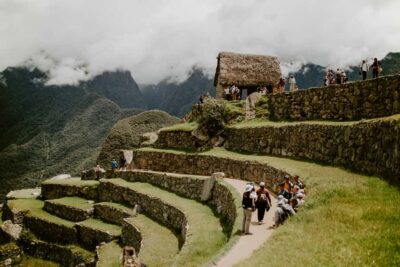
Browse the lists this tour appears in