
Reviewed · MACHU PICCHU TOURS
Cusco: 4-Day Inca Trail to Machu Picchu with Accommodation
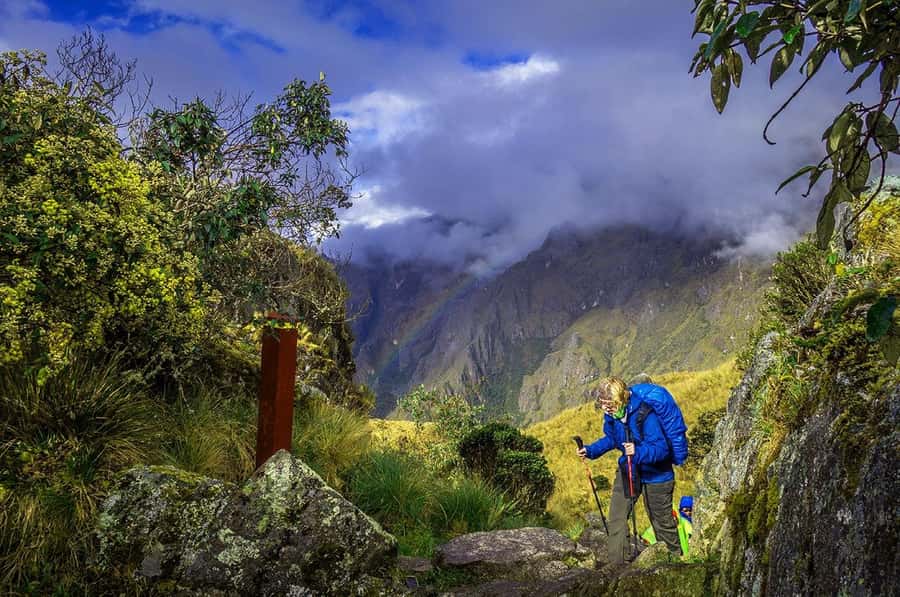
The best part of this four-day route is that Machu Picchu is only the finale. You reach it after biking 50 kilometers downhill from Abra Málaga, walking through coffee and coca country, sleeping in a forest eco-house, and following the railway to Aguas Calientes. It feels like a journey, not just a photo stop.
I like the mix of activity and local contact. The coffee lesson at Pispitayoc is hands-on, and the Cocalmayo thermal baths give your legs a proper break. Guides such as Francis, Gerson, Luis, Amaru, and Franchesco have been praised for their warmth, organization, and ability to explain Andean culture in plain English.
The main catch is comfort. The eco-house and hostels are clean and usable, but they are simple, and the second hiking day is a real six-hour effort. You will also need extra cash for the hot springs, optional adventure activities, bottled water, and the optional bus to Machu Picchu.
Four details that define this Machu Picchu route
- A 50-kilometer downhill bike ride: Start high at Abra Málaga and roll from the Puna into the warmer Cloud Forest.
- Coffee made by you: Roast and prepare coffee at the forest eco-house in Pispitayoc.
- A useful hot-spring break: Stop at Cocalmayo after the longest hiking day, with admission paid separately.
- A small-group feel: The maximum group size is nine, which makes it easier to ask questions and keep together.
- Machu Picchu entrance and return transport included: Your package covers the citadel ticket, train to Ollantaytambo, and bus back to Cusco.
- Optional thrills along the way: White-water rafting and ziplining are available at extra cost, though they are not needed to enjoy the core trip.
What kind of Inca Trail is this?
First, a useful bit of naming. This is generally called the Inca Jungle route, not the classic four-day Inca Trail that crosses high mountain passes and camps in the hills. You still walk on part of the old Inca road network, known as the Qhapaq Ñan, but the route mixes roads, jungle paths, villages, thermal baths, and a railway walk.
That difference matters. The classic Inca Trail is more focused on stone paths, archaeological sites, and high-altitude camping. This trip is more varied and usually feels less repetitive because you switch between a bike, van, hiking trail, train track, and train.
For $470 per person, the value is strong. You get three nights of accommodation, nine included meals, a professional bilingual guide, bike equipment, Machu Picchu admission, the return train to Ollantaytambo, and the bus back to Cusco. You still pay for your first breakfast, last lunch, Cocalmayo admission, the optional Machu Picchu bus, and extra activities.
The small group helps too. A limit of nine means the guide can keep an eye on slower walkers and explain plants, history, or local customs without shouting across a crowd. The strongest part of this experience is often the guide’s personality. Francis is repeatedly praised for keeping spirits high, while Gerson, Luis, Amaru, Armando, Richard, and Franchesco are noted for their organization and cultural explanations.
more ways to reach machu picchu
- From Cusco: Full-Day Group Tour of Machu Picchu
★ 4.7 · 1,767 reviews - Machu Picchu Day Trip from Cusco
★ 4.5 · 1,644 reviews - Machu Picchu: Full-Day Tour from Cusco with Optional Lunch
★ 4.6 · 927 reviews
Day 1: Abra Málaga to a forest eco-house
Your day starts early, with pickup at 6:00 am from Cusco’s Plaza Mayor. Look for the guide calling your name and wearing the agency jacket. The drive passes through Chinchero, Urubamba, and Ollantaytambo, giving you a quick look at the Sacred Valley before the road climbs toward Abra Málaga.
At the pass, the air is cold and the views reach toward Huacay Willca. You receive a Kona bicycle, helmet, gloves, goggles, elbow pads, knee pads, and a rain jacket. The equipment list is generous, but you should still check the bike and make sure the helmet sits firmly before setting off.
The downhill ride lasts about three hours and covers roughly 50 kilometers. You pass from the high Puna zone into the Cloud Forest, so the scenery changes as quickly as the temperature. This is the easiest day physically for many people, but it is not a free ride. You need to control your speed, pay attention to the road, and be comfortable on a bicycle for several hours.
The route ends near the Huaman Marq’a ruins. A short van ride and walk bring you toward Santa Maria, followed by the forest setting of Pispitayoc. Your overnight stay is in an eco-house, often described as a simple family-run place with a friendly atmosphere. One particularly memorable feature is the forest coffee session the next morning, so this is more than a bed for the night.
Dinner is included. Keep your expectations practical: this is rural accommodation, not a polished hotel. It is part of the appeal for some people and the first sign of the basic comfort level for others.
Day 2: Coffee, Qhapaq Ñan, and Cocalmayo
After breakfast, your guide introduces coffee roasting. You do not simply hear about local coffee production. You take part in roasting and preparing it, which gives the morning a useful connection to the farms and plantations around you.
The trail then follows part of the Qhapaq Ñan through forest and small agricultural areas. You may see birds and plantations of coca, coffee, and fruit trees. Guides often add context about Andean life, local crops, and Inca customs, and this is one of the days when a good guide makes a major difference.
The trail reaches the Huancarcasa viewpoint at about 1,750 meters. Take the break seriously. You get wide views across the surrounding valleys, but the day continues with a descent to Qellomayo at around 1,200 meters, where lunch is served.
After lunch comes another roughly two-hour walk toward Cocalmayo. The thermal baths sit at about 1,450 meters, and admission is not included in the $470 price. Bring soles for the ticket and any drinks or snacks you want along the way.
This stop is well timed. By this point, your legs have spent hours climbing and descending, and warm water is a welcome change from the trail. It is also one of the few parts of the route where you can simply slow down and enjoy the setting.
You finish the day in Santa Teresa, at about 1,515 meters. Dinner and hostel accommodation are included. The day is the hardest walking section for many people, with about six hours of hiking broken into manageable parts. A reasonable level of fitness helps, though the guide can adjust the pace and provide regular breaks.
Some departures offer optional white-water rafting or ziplining around Santa Teresa. These activities cost extra. One useful budgeting note: extra transport charges can apply around optional activities, so ask about the full cost before agreeing. The zipline has been described as safe and professionally organized, but it is entirely optional.
Day 3: Santa Teresa to Aguas Calientes
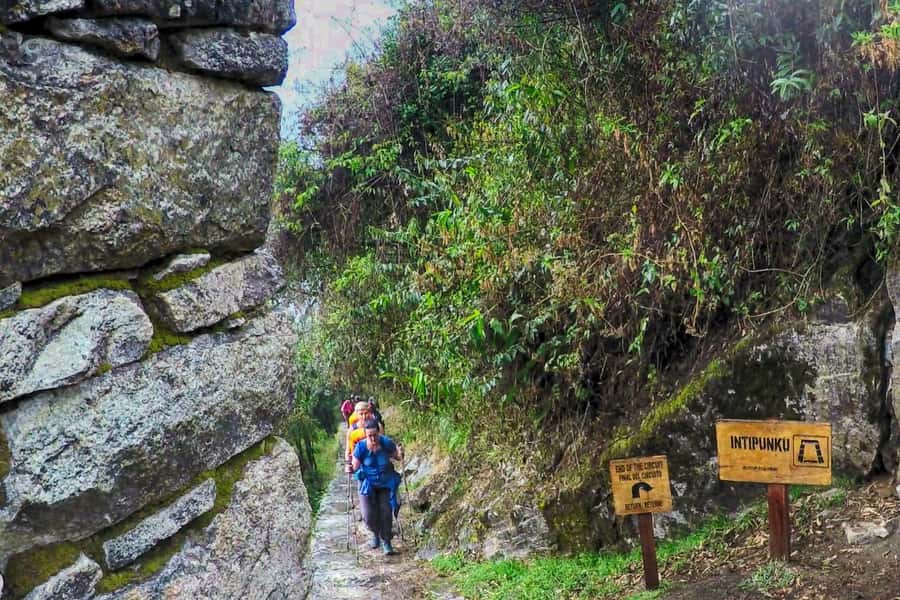
Day three starts with breakfast in Santa Teresa. The morning hike takes about three hours through coffee and coca plantations before reaching Hidroeléctrica at roughly 1,900 meters.
This section gives you a closer look at the warmer, greener side of the Cusco region. It is not an archaeological parade, but the plants, farms, and changing climate help explain why this route feels different from the high-altitude classic Inca Trail.
Lunch and a rest break come at Hidroeléctrica. Then you walk for another three hours beside the railway toward Aguas Calientes, the town below Machu Picchu. This is mostly flat and less strenuous than the previous day, but walking on or beside railway tracks requires attention. Stay with the group and follow the guide’s instructions.
The train line gives the final approach a distinct character. You are not yet at the citadel, but you can feel the trip narrowing toward its main event. Aguas Calientes is at about 1,950 meters and offers a chance to rest, wash, and explore on your own during the afternoon.
Your hostel night is included. Accommodation here is functional rather than luxurious, and some people find it more basic than expected. Pack earplugs if you are a light sleeper, though the supplied information does not promise a particular hotel or room setup.
In the evening, the group meets for dinner and discusses the early start for Machu Picchu. This briefing matters because the final morning begins at 4:00 am. Use the evening to organize your passport, water, warm layer, and anything needed for the citadel visit.
more inca trail departures
- Cusco: Machu Picchu 2-Day Inca Trail with Panoramic Train
★ 4.9 · 260 reviews - From Cusco: 2-Day Inca Trail to Machu Picchu
★ 4.2 · 244 reviews - Machu Picchu: Inca Trail 2-Day Overnight Guided Tour
★ 4.9 · 203 reviews - Short Inca trail to MachuPicchu || 2days – 1nigth ||
★ 5.0 · 103 reviews
Day 4: The climb to Machu Picchu
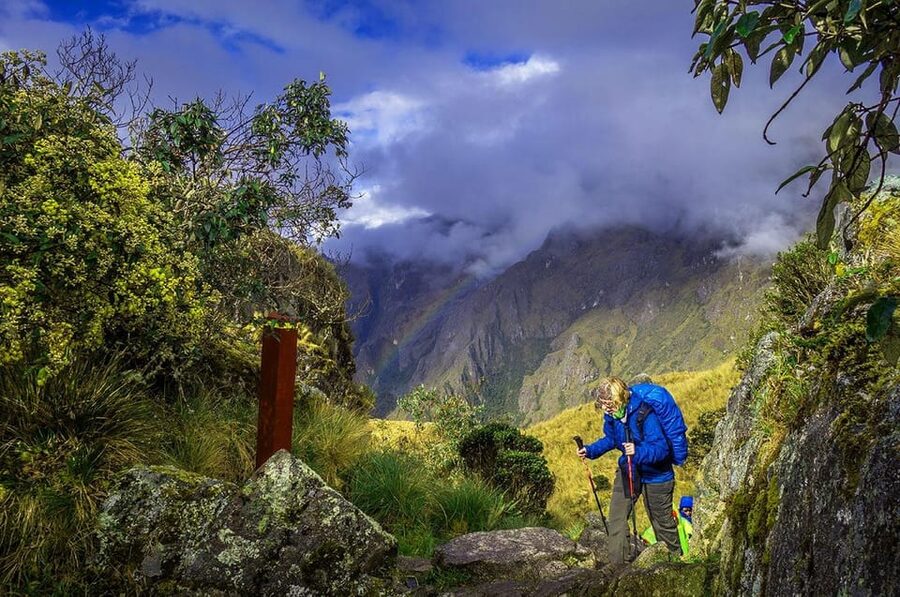
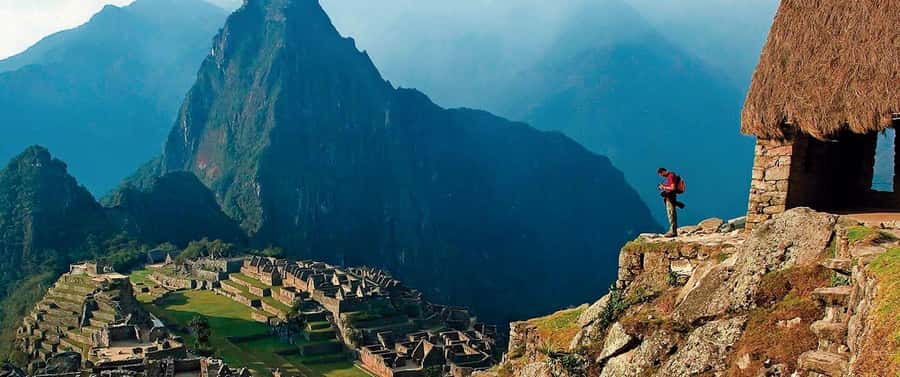
The final morning begins at 4:00 am. You hike uphill from Aguas Calientes to Machu Picchu, gaining about 450 meters and taking around 90 minutes. The climb is optional in the sense that you can pay for the bus up, but the bus ticket is not included.
Walking lets you arrive under your own power, though you should not treat it as a casual stroll. After three days of activity, the early start and stairs can feel demanding. If you choose the bus, you will pay separately for the ride up and down.
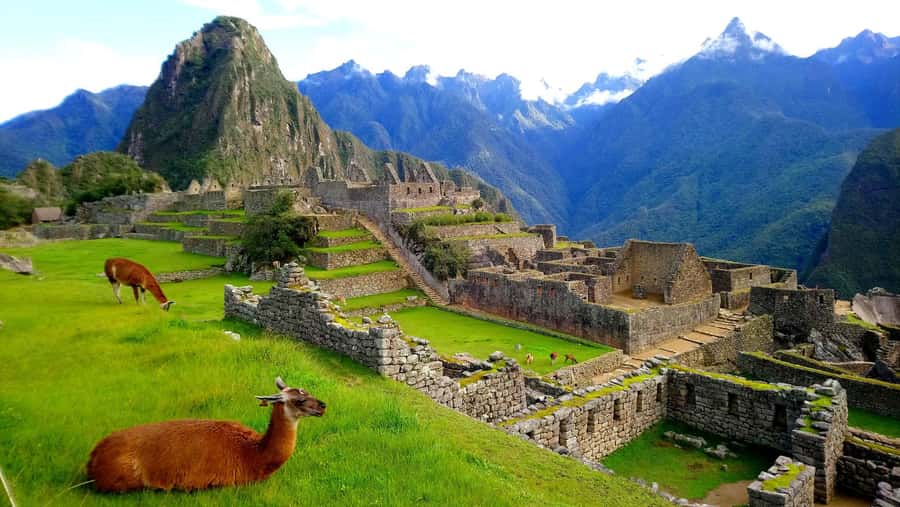
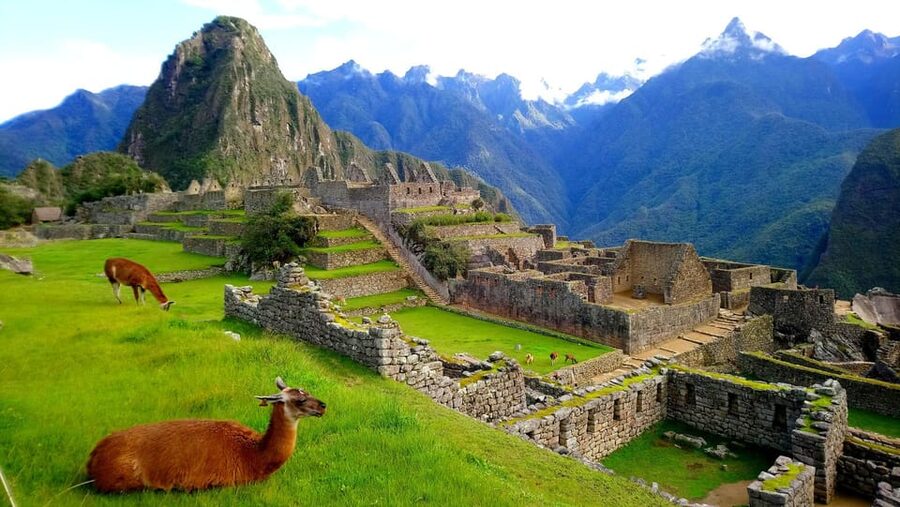
Inside the citadel, the guide leads a two-hour visit through the most important sections. This is where the guide’s historical and cultural skill pays off. Several guides, including Gerson, Luis, Amaru, and Richard, have been praised for explaining Inca culture in an accessible way and for helping groups handle the timing and entry arrangements.
You then have free time to explore on your own. The exact route through Machu Picchu depends on the entrance ticket and current access rules, so check what your booking provides. The tour includes admission, but not every optional mountain or circuit upgrade is necessarily part of the package.
Afterward, you return to Aguas Calientes to collect your belongings. The package includes a train from Aguas Calientes to Ollantaytambo, followed by a bus back to Cusco. The train is a comfortable finish after several active days, though remember that your final lunch in Aguas Calientes is not included.
Food, rooms, and what to carry
Three breakfasts, three lunches, and three dinners are included. The meals are one of the pleasant surprises of the package, with generous portions frequently noted in the supplied feedback. Vegetarian food has also been handled well, but tell the operator about dietary needs during the briefing.
Water is not included. You can buy it along the route, but some stops charge much more than you might expect. Carry a refillable bottle and enough soles for water, snacks, thermal-bath admission, optional activities, and small transport fees.
Accommodation changes each night:
- Pispitayoc: an eco-house in the forest, with a local coffee-making experience.
- Santa Teresa: a basic hostel after the longest hiking day.
- Aguas Calientes: a hostel in town before the early Machu Picchu start.
The places are intended for rest, not pampering. One person found them disappointing, while others considered them clean and fully adequate. That range tells you what to expect: bring a flexible attitude and do not book this trip for hotel comfort.
The required item is a passport or identification card, and a copy is accepted. Wear sturdy walking shoes, bring sun protection and insect repellent, and pack layers for the cold pass and warmer jungle. A small daypack is useful. Some departures offer paid bag transport, which can make the route easier if you do not want to carry everything yourself.
How hard is the four-day route?
You need general fitness, but you do not need to be an elite hiker. The first day is mainly downhill biking. Day two includes the most sustained walking, with a viewpoint, a long descent, lunch, and the walk to the hot springs. Day three combines a three-hour plantation walk with a mostly flat railway walk. Day four adds the early climb to Machu Picchu.
The biggest challenge is cumulative fatigue. You are active for four days in changing weather, and you wake before dawn for the final climb. Take the breaks, drink often, and keep your pace steady rather than trying to race the group.
The route is not suitable for pregnant women, people with back problems, or wheelchair users. If you are unsure about your fitness, ask the operator for current walking times and the exact optional activity schedule before paying, since the activity is non-refundable.
Who will get the most from this trip?
I would choose this route if you want Machu Picchu with more variety than a straight hiking program. It suits you if you enjoy mixing outdoor activity with food, farming, local communities, and a little adrenaline.
It is also a good fit for solo visitors. A group of up to nine is small enough to become sociable, and several guides are praised for making people feel included. The trip has a friendly, shared rhythm, with meals, hikes, and optional activities giving you natural chances to meet others.
I would think twice if you want a quiet archaeological trek, upscale lodging, or a carefully controlled luxury schedule. The cycling, rafting, zipline, and simple rooms make this an active package with a few rough edges. The route also includes several transfers, so it is not a pure footpath experience.
The strongest value comes from what is bundled together. Machu Picchu admission and the return train alone remove two major planning tasks, while the meals, guide, equipment, and transport keep the extra costs fairly clear. Just budget for the items left out and ask about optional activity charges before joining them.
Should you book it?
Book this four-day adventure if you want a lively, social approach to Machu Picchu and like the idea of earning the citadel through several different kinds of movement. The downhill bike ride, coffee roasting, Cocalmayo baths, jungle paths, and railway walk give the trip a much fuller shape than a simple transfer to Aguas Calientes.
I would especially recommend it for active first-time visitors, solo travelers, and anyone who cannot or does not want to hike the classic high-altitude Inca Trail. Choose another route if archaeological sites and mountain camping are your main goal.
At $470, the package offers a lot for the price. Go in prepared for basic rooms, extra charges, an early final morning, and a demanding second day. With those expectations set, this is a practical and memorable way to reach one of Peru’s great sights.
FAQ
Where does the tour begin?
Pickup is at 6:00 am from the Main Square, or Plaza Mayor, in Cusco. The guide calls the guest’s name and wears the agency jacket.
How large is the group?
The group is limited to nine participants.
Which languages does the guide speak?
The professional guide provides the tour in English and Spanish.
Is the classic Inca Trail included?
The route uses part of the Inca Trail network, known as the Qhapaq Ñan, but this is an Inca Jungle route combining biking, hiking, road transport, and a railway walk.
Is admission to Machu Picchu included?
Yes. The entrance ticket to Machu Picchu is included, along with a two-hour guided tour and free time afterward.
Are the Cocalmayo thermal baths included?
No. Admission to the Cocalmayo hot springs costs extra.
Is the bus up to Machu Picchu included?
No. You can choose to hike up from Aguas Calientes or pay separately for the optional bus.
More 4-Day Experiences in Cusco
- 4 Day Tour to the Manu National Park
★ 5.0 · 81 reviews - Choquequirao Trek 4 days and 3 nights
★ 5.0 · 81 reviews - Cusco Sacred Valley and Machupicchu 4 Days
★ 5.0 · 80 reviews - Ancascocha Trek To Machu Picchu 4 Days And 3 Nights
★ 5.0 · 77 reviews
Recently added around Cusco
- Palcoyo colored mountain hike + stone forests★ 4.6 · 3 reviews
- Maras Moray★ 5.0 · 3 reviews
- From Cusco: Vinicunca Mountain of Colors Excursion + Ticket★ 5.0 · 3 reviews
- Full-Day Condor Viewpoint & Inca Sites Tour★ 5.0 · 3 reviews
- Excursion Cusco – Puno – Titicaca Observatory Train★ 5.0 · 3 reviews
- Machu Picchu: Private Tour Guide Service for up to 15 people★ 4.5 · 3 reviews
- Machu Picchu: 1-day tour by Vistadome Observatory train★ 5.0 · 3 reviews
- Cusco: Chonta Canyon and Condor Flight Tour with Lunch★ 5.0 · 3 reviews
Machu Picchu Tours, compared.
2-Day Trip to the Sacred Valley and Machu Picchu
Read our review →
Machu Picchu 2-Day Inca Trail with Panoramic Train
Read our review →
The First Class Machu Picchu Train by Inca Rail
Read our review →Browse the lists this tour appears in