
Reviewed · MACHU PICCHU TOURS
4 days/3 nights: Inka Jungle Trek to Machu Picchu
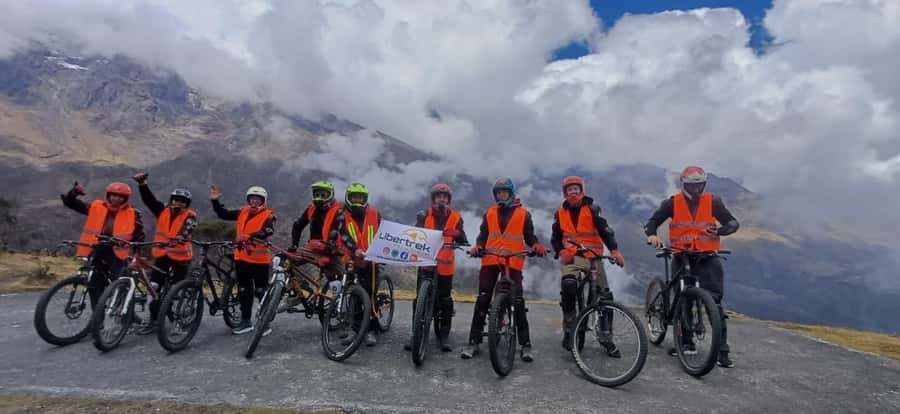
The best part of this Inka Jungle Trek is the variety. In four days, you cycle down from the high Andes, hike beside the Urubamba River, cross through local villages, soak at hot springs, and reach Machu Picchu on foot. Guide Gustavo Candia has earned especially warm praise for his care, history knowledge, and good humor.
I like the small group size, capped at 15, and the amount included for $420: three nights, meals, Machu Picchu entry, the train to Ollantaytambo, and transport back to Cusco. I also like that the route gives you more contact with rural Peru than a standard train visit. The drawback is that Day 2 is a long, demanding walk, and one serious complaint involved poor support after a knee injury and confusion over guiding at Machu Picchu.
Key points to know before booking
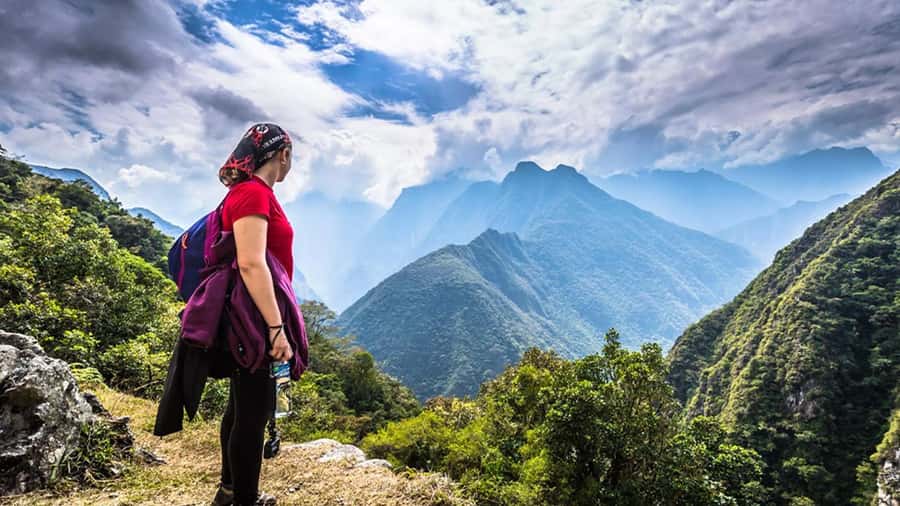
- A 3 to 4 hour bicycle descent takes you from Abra Málaga toward the warmer jungle around Santa María.
- Day 2 is the physical test: expect 7 to 8 hours of walking over climbs and descents beside the Urubamba River.
- Cocalmayo hot springs provide a welcome rest in Santa Teresa, but the entrance fee is extra.
- The railway walk to Aguas Calientes takes about 3 hours and can mean carrying your larger pack for roughly 11 kilometers.
- Machu Picchu entry is included, but the shuttle bus and Wayna Picchu mountain ticket cost extra.
- Rafting depends on river conditions from January 1 through March 31, with no refund if high water cancels it.
What the Inka Jungle route is really like
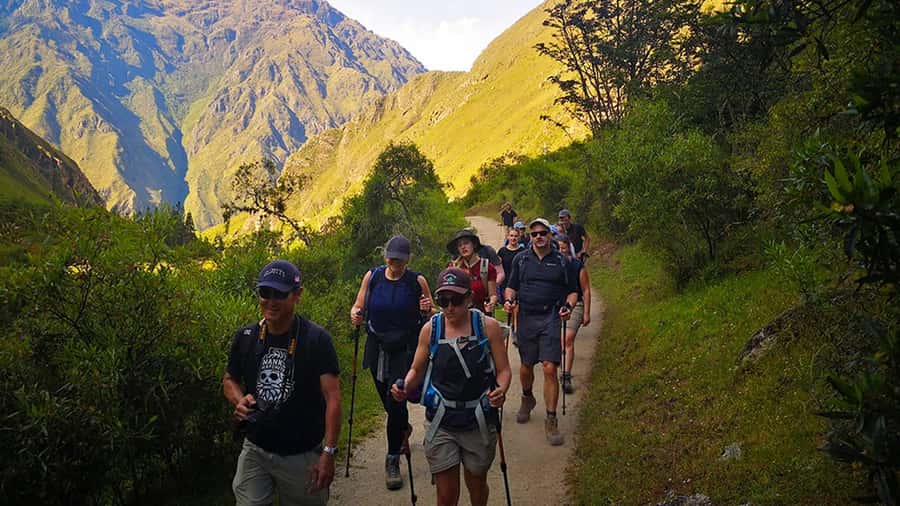
This is not a quiet walking holiday. It is an active route with several different ways to move: private road transport, mountain biking, hiking, river activities, a possible zip line, and a final train ride. That mix is the reason to choose it over a direct train trip or a more traditional multi-day trek.
You start at altitude near Abra Málaga and finish in the warm, humid setting of Machu Picchu Pueblo. The change in climate is part of the fun, but it also means you need to prepare for sun, rain, insects, slippery paths, and changing energy levels.
The tour costs $420 per person. For that price, you receive transport from Cusco to the trailhead, a guide, Machu Picchu admission, three breakfasts, three lunches, three dinners, accommodation each night, biking equipment, and the return train and bus connection. That is a solid package, especially if you want one booking to handle the route.
Still, the price does not cover every expense. You pay separately for Santa Teresa hot springs, the Machu Picchu shuttle bus, Wayna Picchu, breakfast on Day 1, lunch in Aguas Calientes, and personal spending. The route is good value for an active visitor, but it is less attractive if you want a soft bed, short walking days, or every cost settled in advance.
More Hiking Tours in Cusco
- From Cusco: Salkantay trek 5 days/4 nights meals included
★ 4.0 · 3 reviews - From Cusco: 7 Lakes Ausangate Trek with Breakfast and Lunch
★ 4.8 · 360 reviews - Cusco: Rainbow Mountain Tour and Red Valley Hike (Optional)
★ 4.7 · 149 reviews
Day 1: Cycling from Abra Málaga to Santa María
Your day begins with a hotel pickup at 6:30 in the morning. Private transport takes about four hours through the Málaga Pass to San Luis, where the cycling portion begins.
The ride lasts roughly three to four hours and is mainly a descent. That sounds easy, but a long downhill ride still requires balance, braking, and attention. You should wear proper shoes, use the supplied biking equipment, and bring sunscreen, sunglasses, a hat, water, and a light layer for the high starting point.
The scenery changes quickly as you lose altitude. Mountain views give way to warmer jungle vegetation, and you pass through a striking range of climates in one day. The archaeological center of Huamanmarca adds an ancient Inca-era stop to what could otherwise feel like a road transfer with bicycles.
Santa María is your first overnight stop. The accommodation is described as a hostel, and the meals included on the tour begin with dinner here. Do not expect a luxury lodge. This is a practical base for a route that is built around outdoor activity.
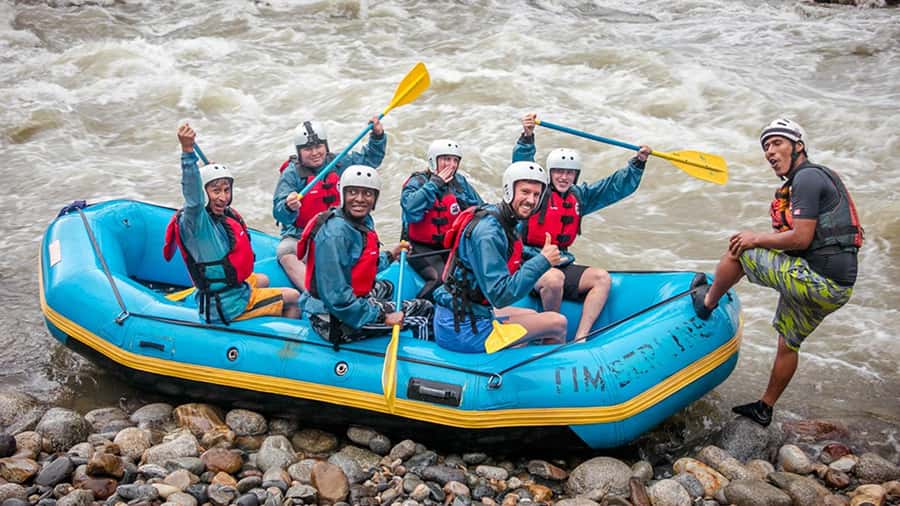
At 3 p.m., you may have the option to go rafting on the Vilcanota, also called the Urubamba River. The rapids are listed as Class III and IV, so this is not a gentle float. It is a good match for people who want a little more action after the bike ride, but you should confirm how the optional activity is handled when booking because the information describes rafting as both included and optional.
There is a key seasonal warning. From January 1 through March 31, high river levels can cancel rafting. If that happens, there is no refund. One January booking had exactly this problem. The road cycling and walking still went ahead, but the rafting charge was not replaced with another activity or payment.
Day 2: Old Inca paths and Cocalmayo hot springs
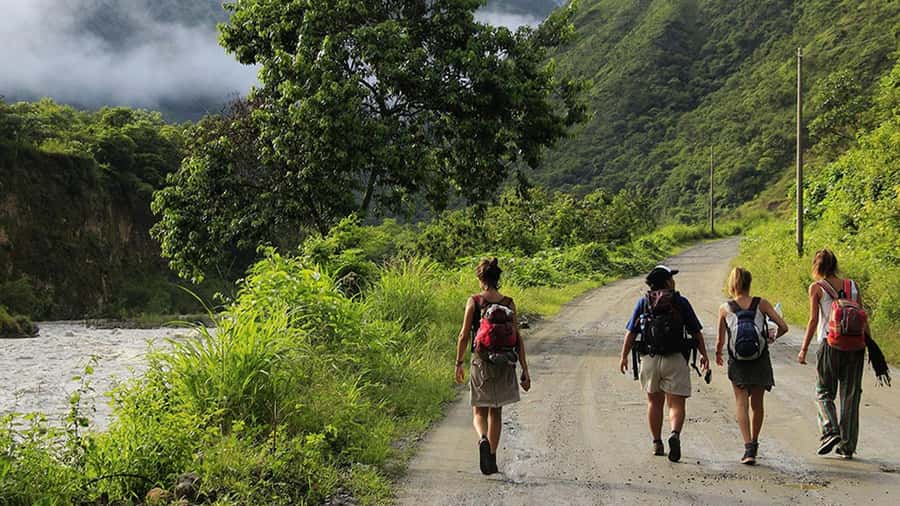
Day 2 is the heart of the trek, and it is also the day that demands the most from your legs. After an early breakfast, you walk for about seven to eight hours beside the Urubamba River, with repeated ascents and descents.
Part of the route follows a well-preserved old Inca road. You pass fruit plants, medicinal plants used by local people, and birds such as parrots. The value here is not simply reaching Machu Picchu. You get time to see how the river valley is used and how the warm climate supports crops and plant life.
The guide matters a great deal on this day. A good guide can explain the plants, point out wildlife, manage the pace, and warn you about trail hazards. Gustavo Candia received repeated praise for his English, his explanations of local history, and his attention to group needs. That said, one difficult account described the guide walking far ahead after a participant injured a knee. If you have an injury or need a slower pace, speak up early and make sure you know how the group handles separation and emergencies.
The route crosses the Urubamba by an oroya, a small suspended platform used to move people across the river. It is an unusual detail that gives the day a local, hands-on character. From there, you continue toward Santa Teresa and the Cocalmayo hot springs.
Cocalmayo is well timed. After a long day of walking, warm mineral pools give you a chance to rest before dinner. The entrance fee is not included, so carry cash. You should also bring swimwear and a towel, both listed among the recommended items.
The overnight stay is in Santa Teresa. The wording about the accommodation is not precise beyond hostel-style lodging, so keep your expectations practical. The setting and the hot springs are the attraction, not polished hotel service.
Day 3: Zip lines, Machu Picchu views, and the railway walk
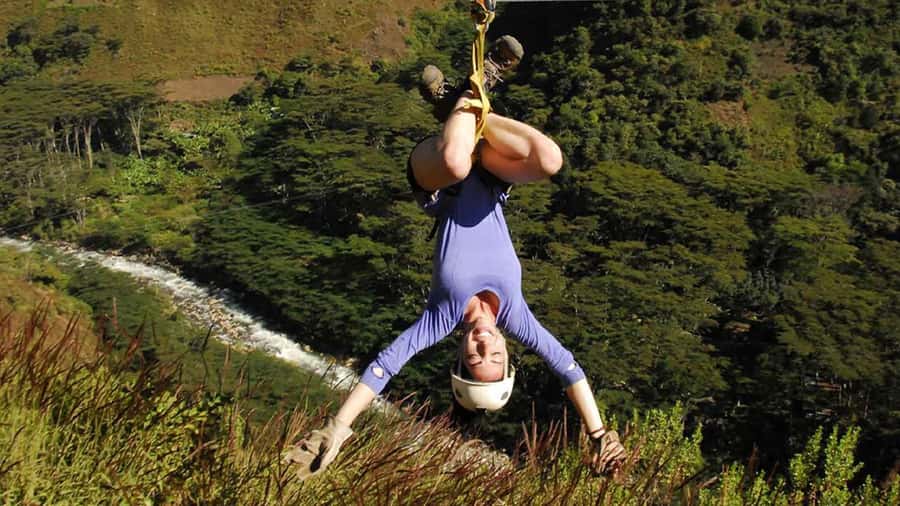
You can begin Day 3 with a zip line at Cola de Mono. The activity is presented as an option, although zip-line equipment is also listed among the inclusions. Confirm the final schedule and payment details before departure so there are no surprises.
After breakfast, you walk toward Hidroeléctrica. The route passes through a narrow canyon with a pleasant climate, and the first clear view of Machu Picchu Mountain comes into sight along the way. This is a satisfying moment because you can see the destination before reaching it.
Lunch is at Hidroeléctrica. Afterward, you follow the railway tracks for about three hours to Aguas Calientes, the town below Machu Picchu. A walking route along the tracks is a very different experience from riding a train straight to town. You hear and see the railway system up close, and the long approach gives you time to think about the next morning.
This is also where luggage planning becomes important. One participant said the group was not told during the briefing to pack a small daypack and had to carry a heavy backpack for about 11 kilometers. That is useful advice even if your operator manages bags differently: ask clearly what you will carry on Day 3 and what, if anything, can remain at the hostel.
You spend the night in Aguas Calientes. The final accommodation received one poor report, with a complaint about an uncomfortable room and no option to change it. Most of the accommodation details provided are basic rather than specific, so ask for the hotel names and room arrangements before paying if comfort matters to you.
Aguas Calientes is where you buy lunch for the next day, since lunch there is not included. You should also have cash ready for the shuttle bus if you do not want to walk up to Machu Picchu.
More Jungle Tours in Cusco
- 4-Day Inca Jungle Adventure, Mountain Biking, Rafting and Zipline
★ 5.0 · 60 reviews - 4 Days Inca Jungle to Machu Picchu Standard
★ 4.5 · 48 reviews - From Cusco: 4-Day Inca Jungle Adventure to Machu Picchu
★ 4.8 · 45 reviews - Inca Jungle Premium to Machu Picchu 4-Day and 3-Nights
★ 5.0 · 40 reviews
Day 4: Entering Machu Picchu before the crowds
The final morning begins with the walk from Aguas Calientes to Machu Picchu. The goal is an early entry and, if timing allows, sunrise views. This uphill walk is optional in practice because you can buy a bus ticket up and down for $24, but the bus is not included.
Walking saves that extra cost and makes the arrival feel earned. It also requires an early start after three active days. If your knees are tired, or if you want to conserve energy for the ruins, the bus may be money well spent.
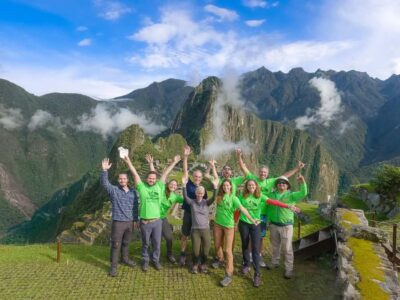
Your Machu Picchu admission is included. The visit includes a guided tour of major places such as the Inti Watana, Temple of the Condor, and Sacred Rock. These sites make more sense with explanation, especially if this is your first visit to the Inca citadel.
Pay close attention to the ticket circuit assigned to you. One participant reported receiving a Group 2 ticket while the rest of the group had Group 3 tickets, which led to confusion about the guide and a much shorter explanation of the site. That is a serious service concern. Before entering, confirm your circuit, meeting point, and exactly how the guide will handle people with different ticket groups.
Wayna Picchu is not included. The optional ticket costs $65 and must be arranged separately. Do not assume you can add it casually on the morning of your visit. The tour information describes it as an extra option, not part of the standard Machu Picchu entry.
After your visit, you return to Aguas Calientes at the proper time to board the tourist train to Ollantaytambo. A tourist bus then takes you back to your hotel in Cusco. The return connection is included, which is a major convenience after a tiring morning.
Meals, accommodation, and what to pack
Three breakfasts, three lunches, and three dinners are included during the Inka Jungle portion. Breakfast on the first day is not included, and lunch in Aguas Calientes is also your responsibility.
The food arrangement helps keep the total price under control, but you should still carry cash for snacks, drinks, hot springs, the bus, and lunch in Aguas Calientes. Cash is specifically recommended, and card payment should not be assumed along the route.
Pack for both cool mountain air and hot jungle conditions. Your core kit should include:
- Passport
- Comfortable walking and hiking shoes
- Hiking pants and comfortable clothes
- Sunscreen, sunglasses, and a hat
- Insect repellent
- Swimwear and a towel
- Camera
- Personal medication
- Cash
A small backpack is especially important. You may not need to carry everything every day, but the Day 3 walk can be long, and unclear luggage instructions caused a real problem for one person. Ask before departure if you will carry your full pack or only daily items.
Fitness, safety, and group size
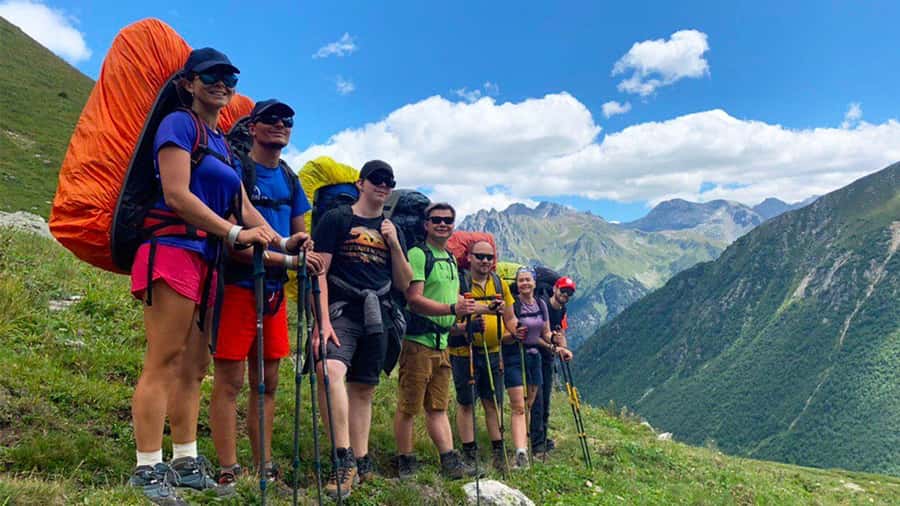
A group limit of 15 is a useful middle ground. You get more personal contact than on a large bus tour, but the group may still have different walking speeds and fitness levels. Several strong ratings singled out the guide, particularly Gustavo, which suggests that good group management can make a noticeable difference.
You should be comfortable cycling for several hours, walking for up to eight hours on Day 2, handling repeated climbs and descents, and walking for about three hours along the railway on Day 3. This is not an extreme mountaineering expedition, but it is more demanding than a sightseeing trip.
Bring personal medication and do not drink untreated stream water. One experienced guide specifically warned about this basic safety point. Also ask what happens if you are injured or separated from the group. Mobile phone service may be unreliable, and one account described difficulty getting medical help after a knee injury.
The river activities carry their own risks and restrictions. Rafting is subject to water levels, particularly during the January through March period. You should expect the operator to cancel it if conditions are unsafe, but remember that the stated policy offers no refund.
The guide makes or breaks this experience
The strongest praise centers on the guiding. Gustavo Candia is named repeatedly, with particular credit for his English, local history, trail knowledge, warnings about hazards, and personal attention. Other guides may lead the departure, so ask if Gustavo is scheduled when you book rather than treating his presence as guaranteed.
A well-run trek needs more than facts about Inca ruins. You need clear instructions about luggage, ticket circuits, pace, emergency procedures, and optional activities. The positive experiences describe a guide who made the trip feel personal and well organized. The negative experience shows what happens when those details are not handled clearly.
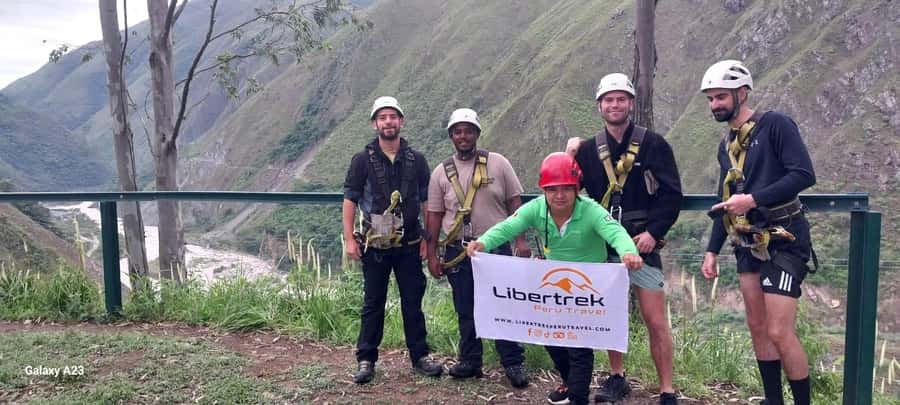
The tour operator is Libertrek Peru Travel Agency. The advertised language choice is English or Spanish, and the group size is limited to 15 participants. Free cancellation is available up to 24 hours before departure, and the reserve-now, pay-later option gives you some flexibility while finalizing plans.
Who should book this $420 trek?
I would choose this trip if you want Machu Picchu combined with active travel and varied scenery. It suits you if cycling, long walks, hot springs, river activities, and simple local lodging sound better than a direct train and a comfortable hotel.
It is also a good fit if you want the main costs bundled together. The included entry ticket, meals, accommodation, return transport, and guide save you from arranging several separate pieces. The small group can make the route feel more personal, especially with a strong guide.
I would look elsewhere if your main goal is comfort. The hostels are basic, Day 2 is long, and the final lodging may not meet higher expectations. I would also be cautious if you have knee problems or need guaranteed medical support, since the trail and railway walk are not forgiving.
FAQ
How long is the Inka Jungle Trek to Machu Picchu?
The tour lasts four days and three nights, beginning in Cusco and ending with transport back to Cusco after your Machu Picchu visit.
What languages does the guide speak?
The tour is offered with a live guide in English or Spanish.
How large is the group?
The group is limited to 15 participants.
Is Machu Picchu admission included?
Yes, standard entrance to Machu Picchu is included. Wayna Picchu requires an additional $65 ticket.
Is the bus from Aguas Calientes to Machu Picchu included?
No. Bus tickets up and down cost $24 as an optional extra. You can walk from Aguas Calientes to the entrance instead.
Is rafting guaranteed?
No. Rafting is subject to weather and river conditions from January 1 through March 31. If high water cancels the activity, there is no refund.
What accommodation and meals are included?
Accommodation is provided each night in Inka Jungle hostels. The package includes three breakfasts, three lunches, and three dinners, but not breakfast on Day 1 or lunch in Aguas Calientes.
Should you book it?
Book this tour if you want a busy, active route with cycling, hiking, hot springs, and Machu Picchu in one package. At $420, the inclusions offer good value, and the repeated praise for guide Gustavo suggests that the right guide can make the experience special.
Before paying, confirm four things: who your guide will be, what luggage you carry on Day 3, how your Machu Picchu ticket circuit will be handled, and whether rafting and zip lining are included or optional on your departure. If those details are clear and you are ready for basic lodging and a demanding second day, this is an appealing alternative to the standard train journey.
More Amazon Lodges and Jungle Days
- Tambopata Peruvian Amazon Jungle for Three Days/Two Nights
★ 4.5 · 329 reviews - Puerto Maldonado: 4-Day Tambopata Rainforest Tour
★ 4.6 · 213 reviews - 3-Day All Inclusive Guided Jungle Tour from Iquitos at Maniti Eco-Lodge
★ 4.5 · 74 reviews - 4 Day Tambopata Amazon Wildlife & Canopy Experience
★ 4.5 · 72 reviews
More Ways to Reach Machu Picchu
- Machu Picchu: Group Guided Tour
★ 4.7 · 102 reviews - Machu Picchu: Tour Guide Service & Entrance Ticket Circuit-2
★ 4.6 · 90 reviews - Cusco: One Day Tour to Machu Picchu with Train Transfers
★ 4.8 · 28 reviews - Machu Picchu: historical and photographic guided tour
★ 4.9 · 27 reviews
Recently added around Urubamba
- From Cusco:Chinchero, Moray, Maras, Ollantaytambo with lunch★ 5.0 · 3 reviews
- From Cusco: Sacred Valley & Moray, Salt Mines with Lunch★ 4.6 · 3 reviews
- From Cusco: Sacred Valley VIP Tour with Buffet Lunch★ 4.7 · 3 reviews
- Peru in 5 days: Lima, Cusco, Machupicchu & Rainbow Mountain★ 5.0 · 3 reviews
- Guided tour of Cusco and its 4 ruins★ 3.8 · 3 reviews
- Cusco | Visit Maras, Moray, Chinchero, Pisac | Valle Vip★ 4.4 · 3 reviews
- 1 Day – Humantay Lake★ 3.1 · 3 reviews
- Classic Sacred Valley full day★ 5.0 · 3 reviews
Machu Picchu Tours, compared.



4-Day Inca Trail to Machu Picchu with Accommodation
Read our review →
2-Day Trip to the Sacred Valley and Machu Picchu
Read our review →
Machu Picchu 2-Day Inca Trail with Panoramic Train
Read our review →
Browse the lists this tour appears in