
Reviewed · SILLAR ROUTE TOURS
Arequipa: The White City Origins – Sillar Route Half Day
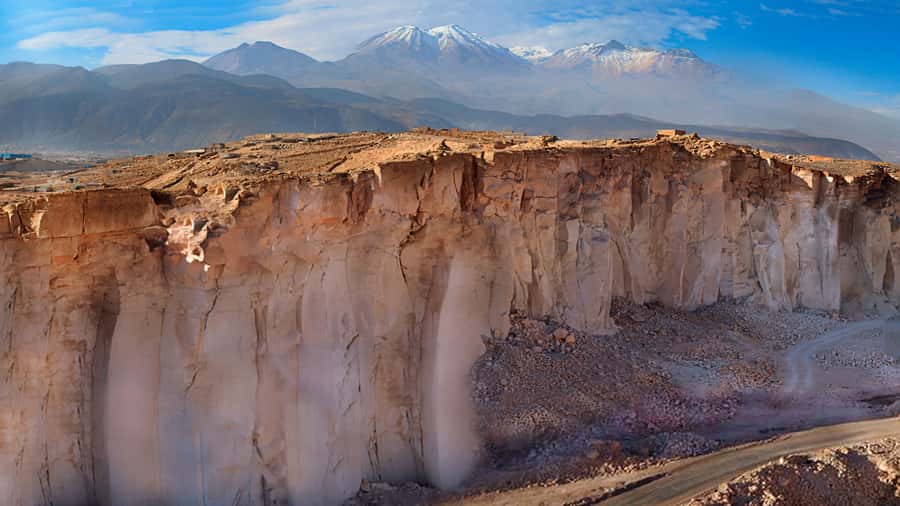
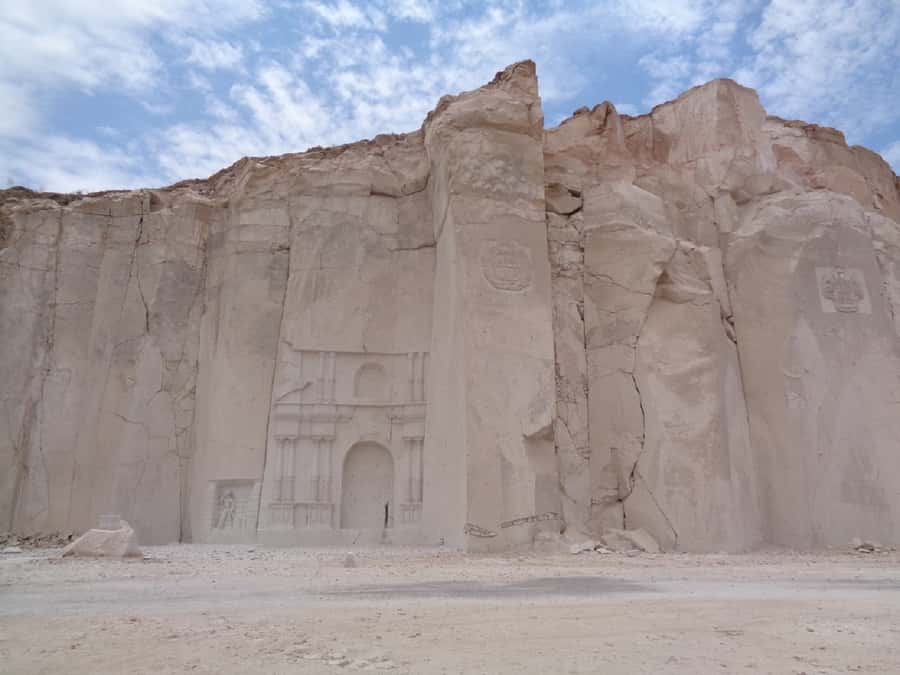
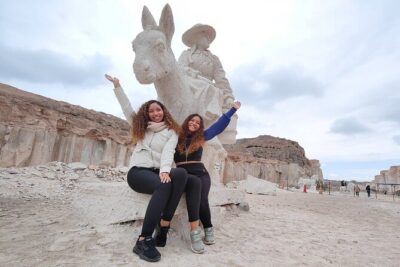
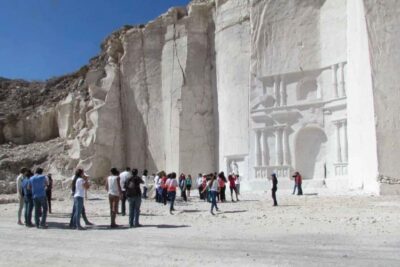
The most striking part of this tour is seeing where Arequipa’s famous white building stone comes from. At Añashuayco Quarry, you walk past high cut walls, artisan workshops, carved facades, and the unusual Pink Sillar, which turns rosy in the sun.
I like the direct contact with working stonecutters, and I like the short walk through Culebrillas ravine to see Wari petroglyphs. The main drawback is that the $23 price does not include the S/ 5 entrance fee, a payment to the master cutters, food, or a ride back to your hotel.
Key points at a glance
- Two very different quarries: Añashuayco shows active stonework and carved sillar, while Culebrillas offers a narrow ravine and ancient rock drawings.
- A working craft, not just a viewpoint: You can see artisans use traditional tools and watch how sillar is extracted and shaped.
- The Pink Sillar stop: Sunlight brings out an intense pink color created by the mix of sillar, sand, and rocks.
- Useful Arequipa context: The stone helped build the historic city center, a UNESCO World Cultural Heritage site.
- Good use of half a day: The four-hour outing fits neatly into a busy Arequipa schedule.
- Plan for small extra costs: Bring cash for the S/ 5 entrance fee, handicrafts, and the optional payment to the stonecutters.
Why Arequipa’s white stone matters
Arequipa is often called the White City because sillar appears throughout its historic buildings. This pale stone gives churches, colonial facades, courtyards, and other structures their distinctive look.
The Sillar Route takes you beyond the polished city center. Instead of only admiring finished buildings, you see the quarries where the material was taken from the ground and the workshops where it became part of Arequipa’s architecture.
That change in viewpoint is the real value of the tour. You begin to notice the work behind the city’s appearance: extraction, cutting, carving, and the steady skill needed to turn rough stone into decorative details.
The stone is also tied to Arequipa’s UNESCO designation. The city’s historic center is recognized as a World Cultural Heritage site, and sillar is a key part of the visual identity that made the city worthy of that status.
More City Tours in Arequipa
- Arequipa: Walk through the Historic Center of the City
★ 4.9 · 87 reviews - Arequipa Walking Tour city center and drinks experience
★ 5.0 · 72 reviews - Arequipa, Historic and Colonial City and Santa Catalina Monastery
★ 4.5 · 42 reviews
Morning pickup from central Arequipa
The tour includes morning pickup from hotels in the historic center of Arequipa. You should wait in the hotel lobby about 10 minutes before the scheduled pickup time.
Transportation is included, which makes this easier than arranging your own way to the quarries. The route heads toward Cerro Colorado, outside the central streets, and continues to the Añashuayco area at the foot of Chachani Volcano and beside the Chili River.
The pickup area is limited to centrally located hotels. If you are staying outside the historic center, check the meeting arrangement before booking, since hotel drop-off is not included at the end.
The tour lasts four hours. That is long enough to visit both quarry areas without taking a full day away from Arequipa. It also leaves room for a museum, city walk, or relaxed lunch afterward.
Añashuayco Quarry and the people who shape sillar
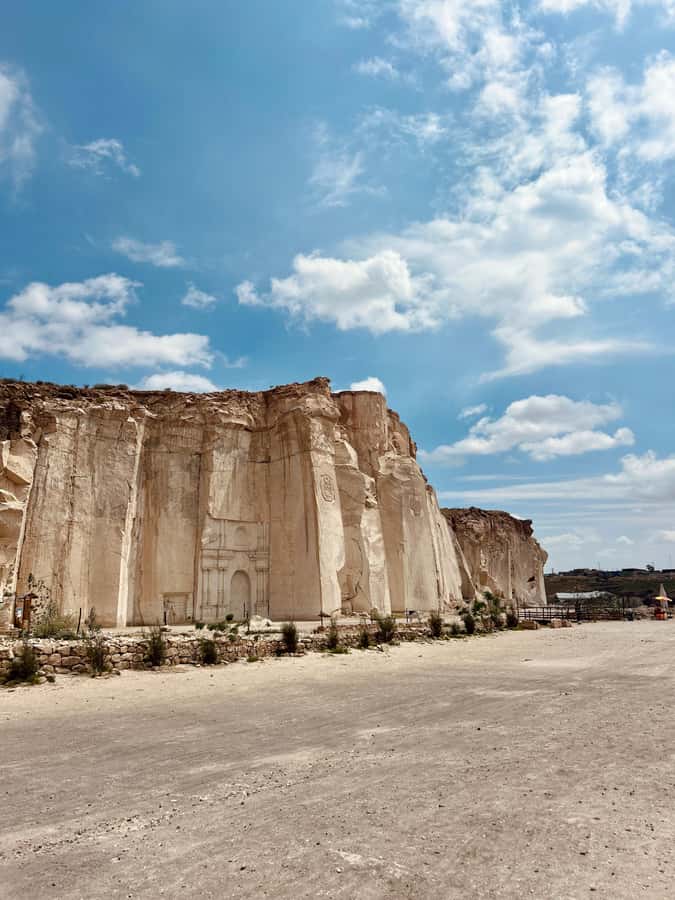
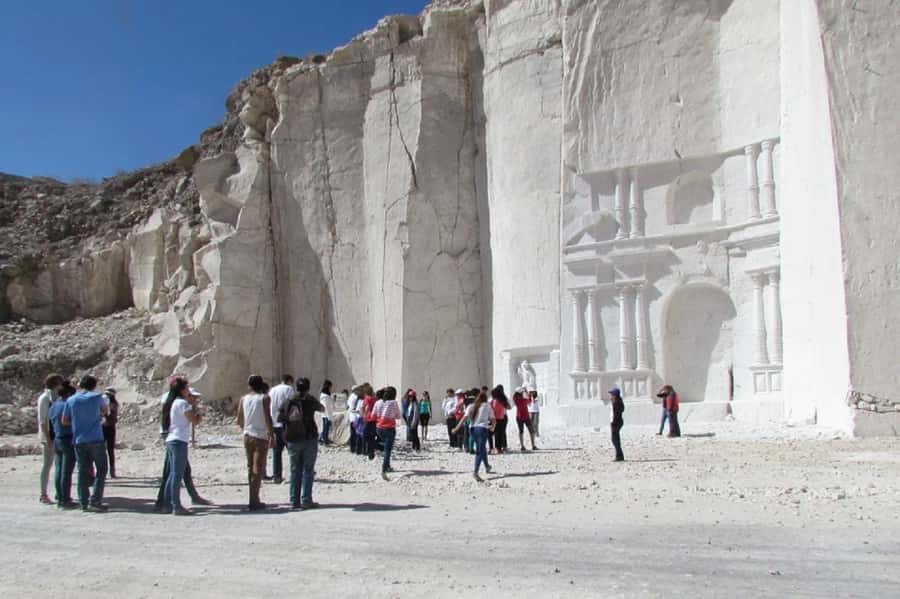
Añashuayco is the main working stop. Here, you walk through the area used by master stonecutters and see sillar in several stages, from quarry material to finished decorative work.
The tour includes a look at handcrafted pieces such as colonial-style facades and carvings. These examples help you connect the raw quarry with the buildings you see downtown.
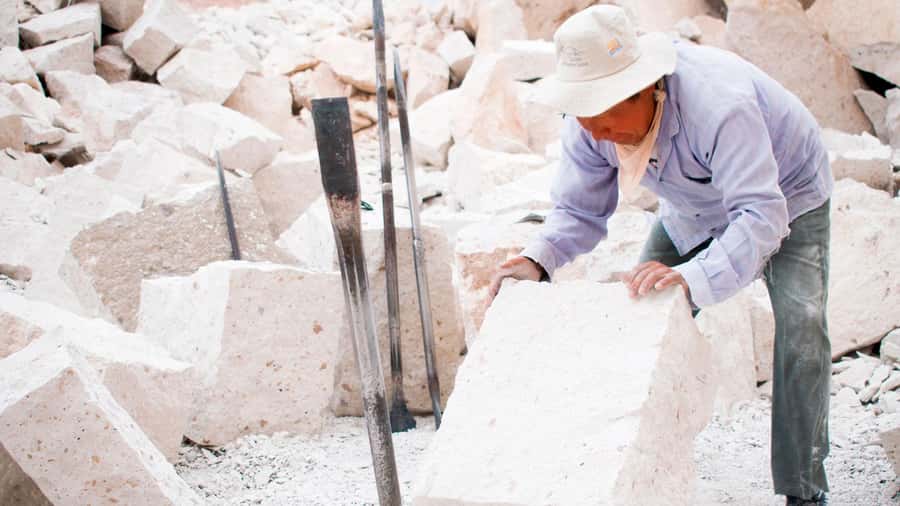
The most useful part for many people will be the artisan workshop visit. You can watch how sillar is worked with ancestral tools and learn about the craft from people who practice it. This is more informative than simply stopping for photographs because it shows the physical process behind the stone.
You also have the chance to observe extraction. The details of the process matter here. Sillar is not simply a ready-made building block waiting on the ground. It has to be removed, shaped, and prepared by hand, and the workshop visit gives that work a human scale.
A payment to the master cutters is not included. The amount is not specified, so carry cash and ask your guide how this contribution is handled. You can also buy handicrafts if you want a small, locally made reminder of the visit, though purchases are optional.
The Pink Sillar and the best photo stop
The Pink Sillar area adds color to a route usually associated with white stone. In sunlight, the quarry takes on an intense pink shade because of the combination of sillar, sand, and rocks.
Light will affect how strong the color appears. Sunglasses and a hat are useful, and sunscreen is sensible for an outdoor walk. Bring comfortable clothes as well, since the route includes walking around quarry areas and a ravine rather than staying on a vehicle the whole time.
This stop is also a good reminder that sillar is not visually uniform. The color can change with the materials around it and with the angle of the sun. If photography matters to you, pay attention to the timing of the stop and ask your guide when the color looks strongest.
more sillar route mornings
- From Arequipa: Sillar Route Trek
★ 4.2 · 461 reviews - Sillar Route and Culebrillas Petroglyphs
★ 4.5 · 89 reviews - Sillar Route in Arequipa and viewpoint of the Volcanoes
★ 4.0 · 71 reviews - 4 hours Tour: Route of Sillar with Trek in Culebrillas
★ 4.2 · 69 reviews
Culebrillas Ravine and Wari petroglyphs
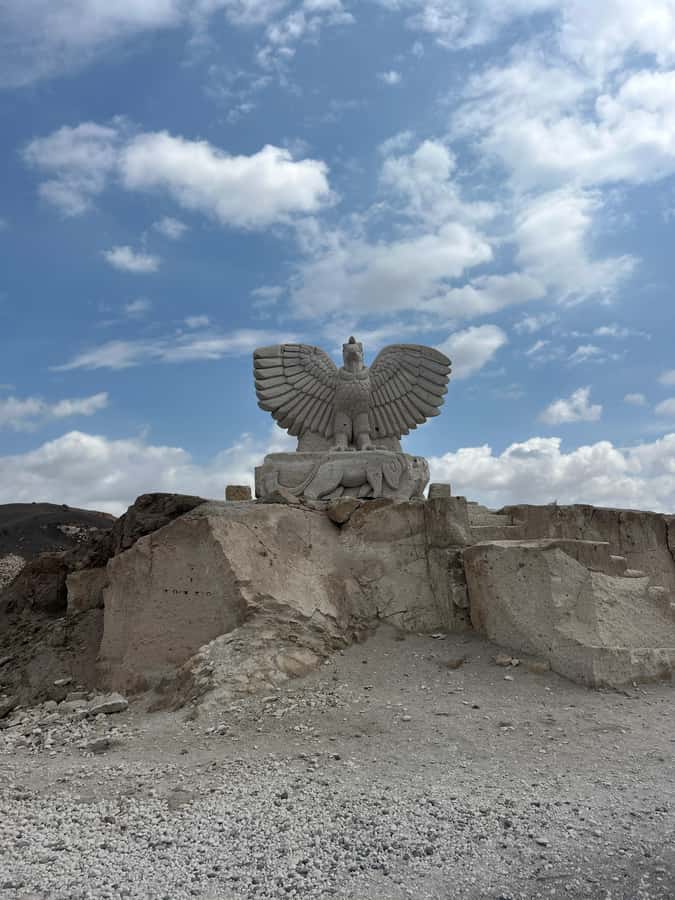
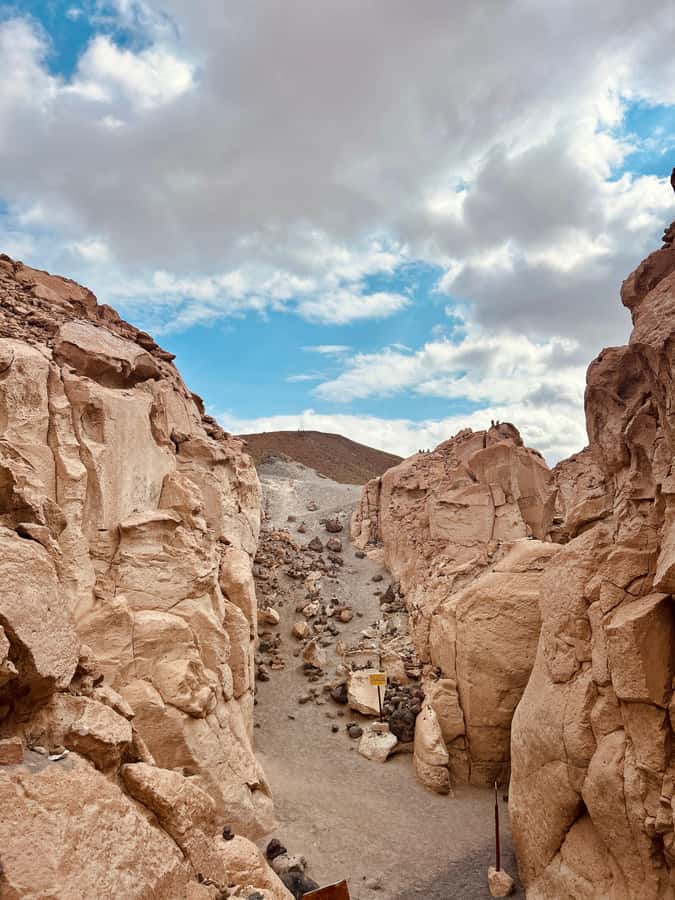
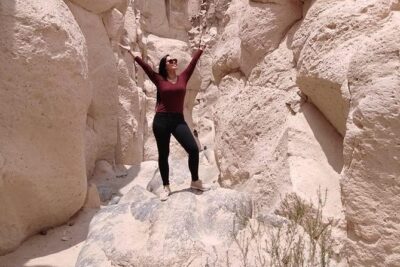
The second major stop is Culebrillas Quarry. Here, water and wind erosion formed a narrow natural ravine with walls reaching around 30 meters high.
The setting is different from Añashuayco. The first quarry focuses on active stonework, tools, carvings, and extraction. Culebrillas gives you a more enclosed walk through rock walls, followed by a look at ancient drawings.
Along the ravine, you can see petroglyphs depicting animals such as birds, felines, and snakes. These drawings are associated with the Wari culture, an Andean civilization that flourished between the 7th and 13th centuries AD.
This part gives the tour a second layer. You are not only learning about the material used to build Arequipa. You are also seeing traces of an earlier Andean culture in the same broader region.
The information provided does not specify the exact walking distance or terrain conditions, so comfortable footwear is a sensible choice. The tour is described as suitable for all ages, but anyone who dislikes uneven outdoor paths should still ask the guide about the conditions on the day.
Guides who add more than quarry facts
The guide is important because the quarries alone do not explain themselves. A good explanation connects the stone, the workshops, Arequipa’s districts, local people, and Peruvian culture.
Andreas received especially strong praise for being precise, available, and passionate about the subject. His explanations went beyond the Sillar Route to include Arequipa, its people, its districts, and wider Peruvian culture.
Fiorella was also singled out for her friendly manner and cheerful approach. Since the guides may vary, you should expect an English or Spanish professional guide rather than a guaranteed specific person. Still, Andreas and Fiorella show the kind of personal guidance this tour can provide.
The tour is offered in English and Spanish. If you want the most from the workshops and the Wari carvings, listen closely to the explanations rather than treating the stops as quick photo breaks.
Is $23 good value?
At $23 per person, this is a reasonably priced way to reach two quarry areas with transportation, a live guide, and central hotel pickup. The price works best for you if you want context and structure, or if you have limited time in Arequipa.
The extras are modest but worth planning for. Entrance costs S/ 5 per person in local currency. Food and drinks are not included, and you may want cash for handicrafts or a payment to the master cutters.
Hotel drop-off is also excluded. The tour returns to central Arequipa, but you should not expect to be taken back to your specific hotel. If you want a private visit focused only on the quarry or canyon, taking a taxi may be more direct. One booking experience specifically noted that option as worth considering for someone who only wants to see one site.
That comparison is fair. A taxi can give you more control, but it does not automatically provide the explanations, workshop connection, or organized visit to both Añashuayco and Culebrillas. The tour costs more than simply finding your own transport, yet the guide and combined itinerary are the main reasons to choose it.
Who should book this half-day outing?
I would recommend it to first-time visitors who want to understand how Arequipa’s architecture was made. It also suits anyone with only a few days in the city, since four hours covers two distinct places without consuming a full day.
Families can consider it too. The activity is suitable for all ages, and children age two and younger are free when seated on a parent’s lap.
This is a good fit if you enjoy craft, geology-related scenery, archaeology, and local culture in one outing. It is less suitable if you want a long, quiet hike, a private tour, or a detailed archaeological visit focused only on the Wari petroglyphs.
You should also choose clothing for sun and walking rather than for a city tour. Bring your passport, sunglasses, sunscreen, a hat, comfortable clothes, and cash. The provider also includes a first aid kit and a COVID kit.
Practical planning before you go
The tour offers free cancellation up to 24 hours before departure, and you can reserve now and pay later. Starting times vary, so check availability for the date you want.
Pickup is included only from centrally located hotels in Arequipa’s historic center. Wait in the lobby 10 minutes early, since a delayed departure can reduce time at the quarries.
The tour does not include meals, so plan food before or after the outing. The supplied details do not identify a meal stop, so do not count on lunch during the four-hour route.
Bring soles as well as any other payment method you use. The entrance fee is listed in local currency, and cash is useful for optional purchases and the master cutters.
My recommendation: book it for context, not just scenery
Book this tour if you want to see how sillar shaped Arequipa and meet the people who still work with it. The mix of workshops, extraction, Pink Sillar, Culebrillas Ravine, and Wari petroglyphs gives you more than a single quarry viewpoint.
Skip it in favor of independent transport if you only want a quick look at one site or prefer total control over timing. For most visitors staying in central Arequipa, though, $23 is a fair price for a guided half-day that links the city’s white buildings to the quarries outside town.
FAQ
Where does the Sillar Route tour take place?
The tour visits the Añashuayco Quarries and the Culebrillas Quarry in the Arequipa Region of Peru.
How long does the tour last?
The activity lasts four hours.
Is hotel pickup included?
Yes. Pickup is included from centrally located hotels in the historic center of Arequipa.
Is hotel drop-off included?
No. The tour returns to the city center, but hotel drop-off is not included.
What languages are available?
The live guide service is available in English and Spanish.
What is the entrance fee?
The entrance fee is S/ 5.00 per person, payable in local currency.
Can I buy handicrafts during the tour?
Yes. You have the option to purchase handicrafts at the artisan workshops.
What can I see at Añashuayco Quarry?
You can see master stonecutters, carved sillar works, colonial-style facades, artisan workshops, the Pink Sillar area, and the process of sillar extraction.
What can I see at Culebrillas Quarry?
You can walk through a ravine formed by water and wind erosion and see petroglyphs of birds, felines, and snakes associated with the Wari culture.
What should I bring?
Bring your passport, sunglasses, sunscreen, comfortable clothes, a hat, and cash.
Recently added around Arequipa
- From Arequipa: 1 Day Tour to the Colca Canyon + Buffet lunch★ 4.2 · 3 reviews
- Arequipa: Colca Canyon Trekking 2 days and 1 night + food★ 4.8 · 3 reviews
- Arequipa: Catarata de Pillones and Bosque de Piedras Tour★ 4.3 · 3 reviews
- 2-Day Colca Canyon Tour to Puno with accommodation★ 3.9 · 3 reviews
- From Arequipa: Full Day Colca Canyon Tour★ 4.5 · 3 reviews
- From Arequipa: Colca Canyon and Condor Watching Day Trip★ 3.7 · 3 reviews
- Cooking Class Typical Food in Arequipa★ 3.9 · 3 reviews
- Walking tour through the Historic Center of Arequipa★ 4.0 · 3 reviews
Sillar Route Tours, compared.
Sillar Route in Arequipa and viewpoint of the Volcanoes
Read our review →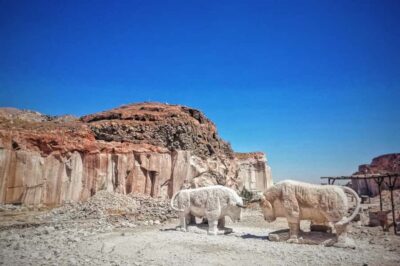
4 hours Tour: Route of Sillar with Trek in Culebrillas
Read our review →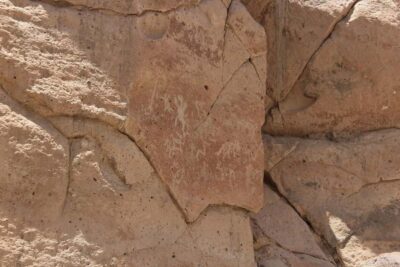
Route of the Sillar | Quarries of Añashuaycos | Half day
Read our review →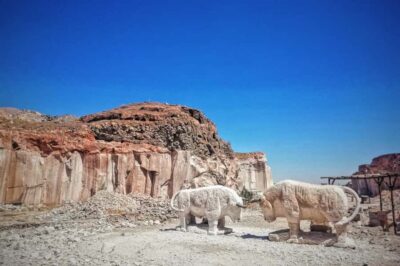
4-hour excursion: Sillar Route with Hiking in Culebrillas
Read our review →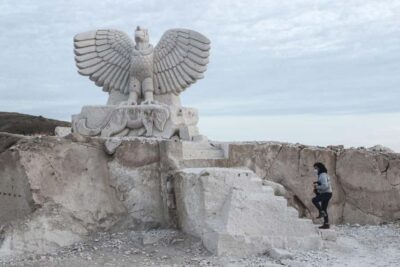
Trek to the Route of the Sillar and Culebrillas in Arequipa
Read our review →Browse the lists this tour appears in