
Reviewed · AREQUIPA TOURS
Arequipa: Walk through the Historic Center of the City
Arequipa’s best introduction may be on foot, where white volcanic-stone buildings give way to old cloisters, narrow lanes, and ancient tambos. This two-hour walk moves beyond the usual main square and finishes at a rooftop or lookout with views toward Misti, Chachani, and Pichu Pichu.
I like the small groups, limited to six, and the chance to ask questions without being lost in a crowd. I also like the practical local advice, from restaurants and bars to other things worth doing in Peru. The one drawback is that the tour can feel light on commentary during some stretches of walking, and one past participant felt $15 was a little high for a basic route.
Key Points
- A strong first-day orientation: Learn the layout, customs, food spots, and main sights before exploring on your own.
- Five historical sites: The route includes the Cathedral, colonial cloisters, tambos, and other important places in the center.
- Small groups of up to six: The format allows for questions and may become a private tour if others cancel.
- A local guide with personal ties: Joss, also called Joseph or Jose, is from Arequipa and often adds favorite places and personal suggestions.
- A memorable finish: End at a lookout or terrace with wide views of the surrounding volcanoes, sometimes paired with a pisco sour.
- Flexible booking: You can cancel up to 24 hours ahead for a full refund and reserve without paying immediately.
Starting in San Lazaro at Campo Redondo
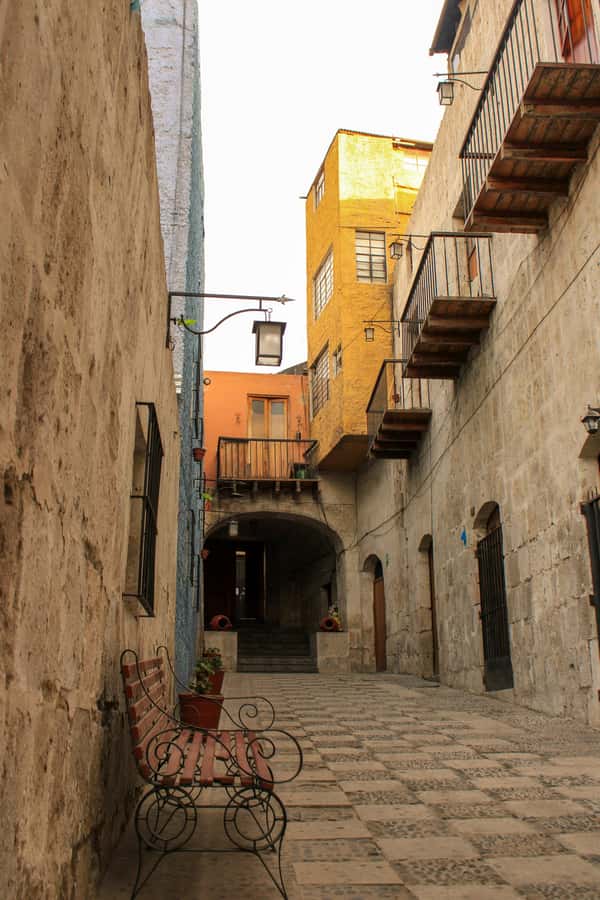
The meeting point is Campo Redondo San Lazaro, at coordinates -16.3934138, -71.5336117. This places you in one of Arequipa’s oldest and most atmospheric areas, rather than beginning at the crowded center of the Plaza de Armas.
That choice matters. San Lazaro gives the walk an immediate sense of place. You start among cobbled streets and older buildings, then work toward the grand civic and religious buildings that define central Arequipa.
You should plan to arrive with comfortable shoes, water, sun protection, and a little spare room in your schedule. The walking portion is described as about an hour and a half, while the full activity lasts two hours. That difference likely allows time for stops, explanations, and the final viewpoint.
The tour is available in the morning or afternoon. Morning is useful if you want an early orientation before visiting other sights. An afternoon departure may offer softer light at the lookout, though the exact quality of the view depends on weather and visibility around the volcanoes.
More City Tours in Arequipa
- Arequipa Walking Tour city center and drinks experience
★ 5.0 · 72 reviews - Arequipa, Historic and Colonial City and Santa Catalina Monastery
★ 4.5 · 42 reviews - Arequipa: City and Country Tour
★ 3.7 · 27 reviews
The Cathedral and Arequipa’s White-Stone Center
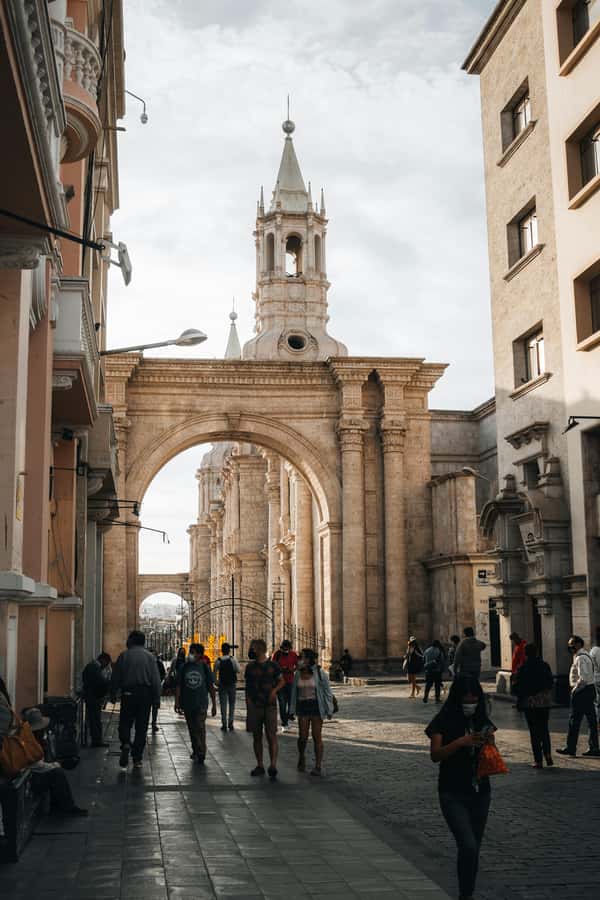
The first major stop is the Cathedral, one of Arequipa’s most recognizable buildings and a useful starting point for understanding the city. Its scale and position give you a clear sense of how the Plaza de Armas anchors the historic center.
The tour includes a visit to the Cathedral, but it is worth noting what that means when you book. This experience is primarily a walking tour, not a long specialist visit devoted to every chapel, painting, or architectural detail inside the building. If you want a fuller Cathedral visit, you may need a separate guided visit afterward.
That said, the Cathedral works well as part of a broader route. You can connect what you see inside with the streets, arcades, and religious buildings outside. A good guide can help you understand how Arequipa’s public center developed instead of treating each building as an isolated photo stop.
Joss, Joseph, or Jose is the guide most often named in the feedback supplied for this experience. His approach appears to combine architecture, geography, local customs, and everyday recommendations. If you care about the story behind a building as much as the building itself, that mix should suit you.
Colonial Cloisters and Details You Could Miss
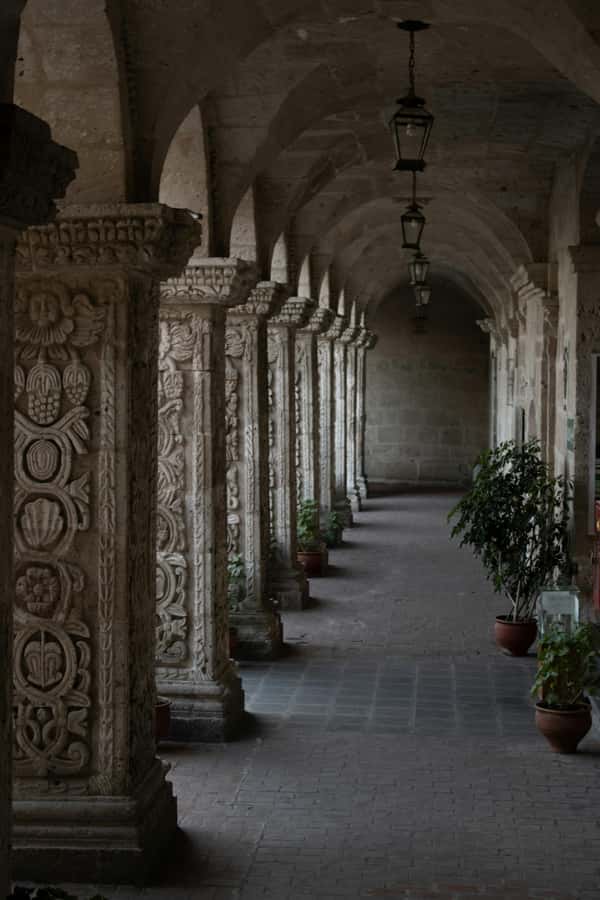
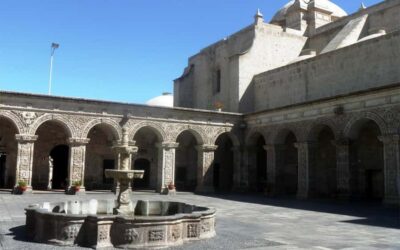
The walk continues through colonial cloisters, spaces built around enclosed courtyards and arcades. These places can be easy to pass without noticing from the street, especially if you are focused on the larger monuments around the Plaza de Armas.
The cloisters are valuable because they slow the pace. You get a closer look at carved stone, arches, courtyards, and the way religious and civic life once fitted together. The guide also explains the background of these places, linking their design to the city’s colonial past.
Do not expect every stop to feel like a formal museum visit. The appeal here is the combination of short visits and walking between them. You may spend part of the time looking closely at architecture, then move on while hearing about a local tradition, legend, or detail you would not have picked up from a guidebook.
This is also where the small-group format helps. With no more than six people, you can ask about a carving, a doorway, or a custom without interrupting a large group. If only two or three people book, the experience may feel almost private. In one case, a pair received a private tour after other participants cancelled.
Tambos and the Everyday Side of Arequipa
One of the more distinctive elements is the visit to Arequipa’s tambos. These old lodgings were important to life in the city for centuries, and they offer a different angle from the grand Cathedral and formal cloisters.
A tambo helps you think about movement, trade, and daily life. Grand churches show public power and faith. A lodging house shows where people stayed, met, worked, and passed through. That contrast gives the walk more range than a simple circuit of famous facades.
This part of the route is especially useful if you want to see Arequipa as a living city rather than a set of postcard buildings. The tour includes historical places, but it also points toward the way residents used them. You may hear stories and legends handed down through generations, adding a local voice to the stonework.
The exact five historical sites are not individually listed in the booking details, so you should not expect a fixed museum-style checklist with every stop named in advance. The known route includes the Cathedral, colonial cloisters, tambos, and other central sites selected by the guide.
more ancient sites near Arequipa
- Walking tour in the Historic Center of Arequipa
★ 4.4 · 180 reviews - Walking tour through the Historic Center of Arequipa
★ 4.0 · 3 reviews - Guided Tour of Historic and Monumental Trujillo
★ 5.0 · 930 reviews - Lima’s Vibrant Heritage: Exploring the City’s Landmarks Half-day
★ 4.5 · 581 reviews
Cobblestone Streets, Legends, and Local Advice
Much of the experience happens between the main stops. You walk through picturesque cobbled streets while the guide explains traditions, stories, and curious facts about Arequipa and Peru.
This informal time can be the most useful part of the tour, but it depends heavily on the guide and your own questions. Joss is praised for discussing architecture, geography, cultural influences, and places he personally likes. He has also helped people choose restaurants, bars, museums, and activities after the walk.
That makes this a good first activity in Arequipa. You are not just collecting facts. You are building a short list for the rest of your stay. One participant described using the guide’s recommendation for a later Cathedral visit, while others received restaurant and bar suggestions.
The practical advice is not limited to Arequipa. The tour includes tips for things to do in Peru, along with cultural exchange. You can ask about local customs or broader trip plans, though the usefulness will depend on what you want to know and how much time remains in the group.
There is one fair caution. One participant felt there were stretches of walking with too little information about the streets and buildings passed along the way. If you prefer a nonstop lecture, you may find the pace uneven. If you prefer time to look around, take photos, and ask questions, those quieter stretches may be welcome.
The Final View of Misti, Chachani, and Pichu Pichu
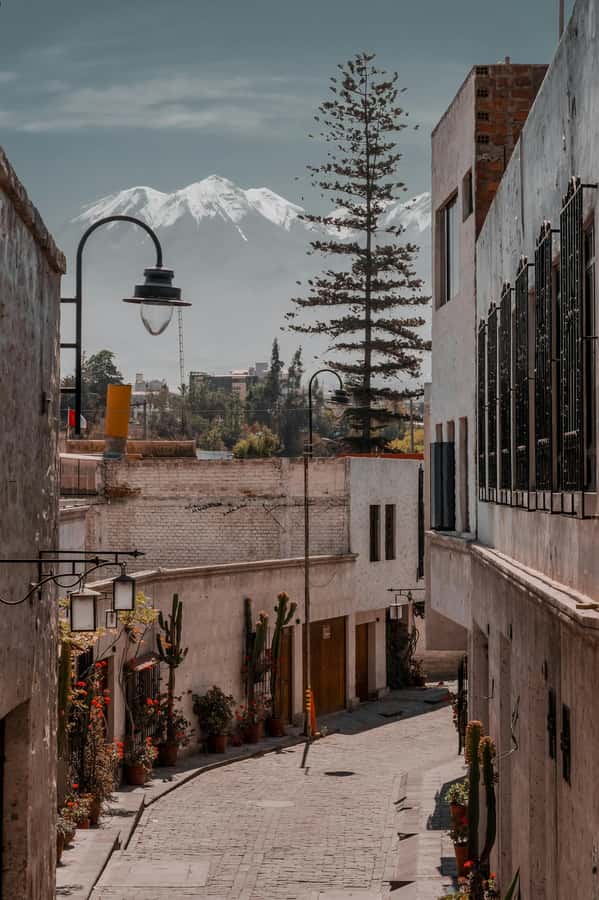
The tour ends at a viewpoint with a broad panorama of the volcanoes around Arequipa. Misti, Chachani, and Pichu Pichu are the key names to look for.
This ending gives the route a satisfying change of scale. You begin with doorways, courtyards, and street-level details, then finish by seeing the city in relation to its dramatic volcanic setting. The view is likely to be one of the most memorable parts of the two hours, especially if the air is clear.
Several participants specifically liked the final terrace or rooftop setting, with some describing pisco sours and sunset views. The supplied details do not promise that drinks are included, so treat a pisco sour as a possible part of the venue rather than a guaranteed inclusion. The confirmed elements are the viewpoint and the volcano views.
An afternoon booking may make sense if the final stop is important to you. Still, sunset timing varies by season, and the tour is advertised as available in both morning and afternoon. Check the starting time when booking instead of assuming the afternoon departure will reach the viewpoint at sunset.
How Much Value Do You Get for $15?
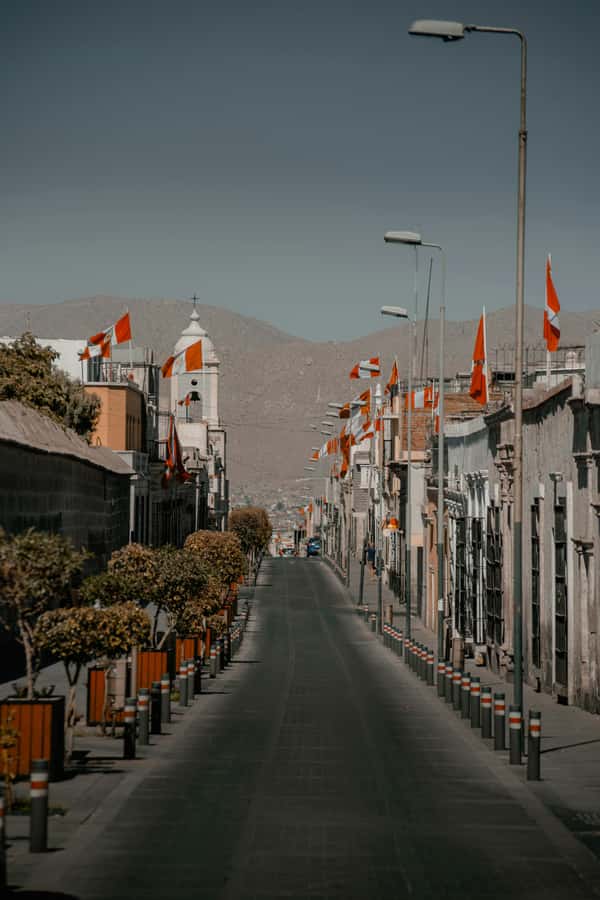
At $15 per person, this is priced as an affordable small-group orientation rather than a full-day cultural excursion. You are paying for about two hours of guiding, visits to five historical sites, local stories, recommendations, and a final viewpoint.
The value is strongest if you are new to Arequipa. A good first walk can save you time later by showing where the main sights are and pointing you toward places you might otherwise miss. It can also help you decide which buildings deserve a longer visit.
The small group adds real value. A six-person limit is much more personal than a large free walking tour, and you are less likely to spend the entire time trying to hear the guide. The possibility of a private tour when other bookings cancel is another benefit, though you should not count on having the guide to yourself.
The price may feel less attractive if you want detailed commentary at every building or long interior visits. One participant considered the route too basic for the cost and wanted more explanation along the streets. For that reason, I would see this as a city introduction, not a specialist architecture tour.
The included recommendations also matter. Advice about restaurants, bars, museums, and later activities can be worth more than another block of general facts, especially on a short visit. If you ask clear questions, you are more likely to get useful answers.
English, Spanish, and the Guide’s Personal Style
The tour is offered in English and Spanish. Joss is praised for speaking clear English, while other comments describe him as friendly, punctual, accommodating, and passionate about Arequipa.
Names appear in several forms, including Joss, Joseph, and Jose. These may refer to the same guide, but the provider is Huallata Experiences, and guide assignment can depend on the date. If having Joss specifically matters to you, confirm that before booking.
The strongest fit is for someone who likes a conversational walk. You can expect stories, legends, facts about architecture and geography, and suggestions for the rest of your Peru trip. You should also be ready to walk and listen while moving between sites.
Some content is shown in its original language. That note is brief, so if you need every explanation in a particular language, confirm the language option before reserving.
Who Should Book This Arequipa Walk?
I would choose this tour for a first morning or afternoon in Arequipa, especially if you have only a short stay. It gives you a working map of the historic center and helps you decide what to revisit at greater length.
It is also a good match for solo visitors, couples, and small groups who prefer a personal guide. The six-person limit makes it easier to ask about food, customs, transport, and other parts of Peru.
You may want something else if your priority is an exhaustive architectural study, a long Cathedral interior visit, or a packed schedule with constant commentary. The route includes important buildings, but it also leaves room for ordinary streets, conversation, and pauses.
The walking is manageable for most people who are comfortable with a roughly 90-minute urban walk, but the route is still on foot over cobblestones. Wear shoes with a firm sole and avoid carrying more than you need.
Booking Details That Affect Your Choice
The tour costs $15 per person and lasts two hours. You can choose a morning or afternoon departure after checking availability.
The group is limited to six participants, and the guide speaks English or Spanish. The meeting point is Campo Redondo San Lazaro, not a hotel pickup point, so make sure you can reach that location before the start time.
You can cancel up to 24 hours in advance for a full refund. You can also reserve now and pay later, which helps if your Peru plans are still changing.
Should You Book It?
Book this walk if you want a friendly, small-group introduction to Arequipa that mixes major buildings with tambos, cloisters, local stories, and lesser-known corners. The final volcano view and the practical restaurant advice add value beyond a basic monument tour.
I would book it early in your Arequipa stay, then use the guide’s suggestions to plan the next few days. At $15, the experience makes sense when you value local orientation and conversation. If you want dense architectural commentary at every stop, read the route as a light introduction rather than a complete study of the city.
FAQ
Where does the walking tour meet?
The meeting point is Campo Redondo San Lazaro in Arequipa. The listed coordinates are -16.3934138, -71.5336117.
How long does the tour last?
The full activity lasts two hours. The walking portion is described as approximately one and a half hours, with additional time for stops and the final viewpoint.
Which languages are available?
The live tour guide is available in English and Spanish. Some content may be shown in its original language.
How large is the group?
The tour is limited to six participants. If other participants cancel, your booking may become a private tour.
What places are included?
The route includes five historical sites, including Arequipa’s Cathedral, colonial cloisters, and ancient tambos. It also includes cobbled streets, local stories, and a final viewpoint with views of Misti, Chachani, and Pichu Pichu.
Can I cancel or pay later?
You can cancel up to 24 hours in advance for a full refund. The reserve-now, pay-later option lets you hold a place without paying immediately.
More Walking Tours in Arequipa
- Arequipa: Walking Tour and Santa Catalina Monastery
★ 4.4 · 7 reviews - Arequipa Walking Tour and Santa Catalina Monastery
★ 5.0 · 4 reviews - Lima: Miraflores Trending Flavors Half-Day Walking Tour
★ 4.9 · 98 reviews - Lima Private Walking Tour
★ 5.0 · 65 reviews
Recently added around Arequipa
- From Arequipa: 1 Day Tour to the Colca Canyon + Buffet lunch★ 4.2 · 3 reviews
- Arequipa: Colca Canyon Trekking 2 days and 1 night + food★ 4.8 · 3 reviews
- Arequipa: Catarata de Pillones and Bosque de Piedras Tour★ 4.3 · 3 reviews
- From Arequipa: Full Day Colca Canyon Tour★ 4.5 · 3 reviews
- 2-Day Colca Canyon Tour to Puno with accommodation★ 3.9 · 3 reviews
- From Arequipa: Colca Canyon and Condor Watching Day Trip★ 3.7 · 3 reviews
- Cooking Class Typical Food in Arequipa★ 3.9 · 3 reviews
- Walking tour through the Historic Center of Arequipa★ 4.0 · 3 reviews
Arequipa Tours, compared.

Tour to the Salinas Lagoon and National Reserve in Arequipa
Read our review →

Chili River White Water Rafting with Hotel Pickup
Read our review →
2-Day Tour Colca Canyon in Arequipa with end in Puno
Read our review →
Walking tour in the Historic Center of Arequipa
Read our review →Browse the lists this tour appears in