
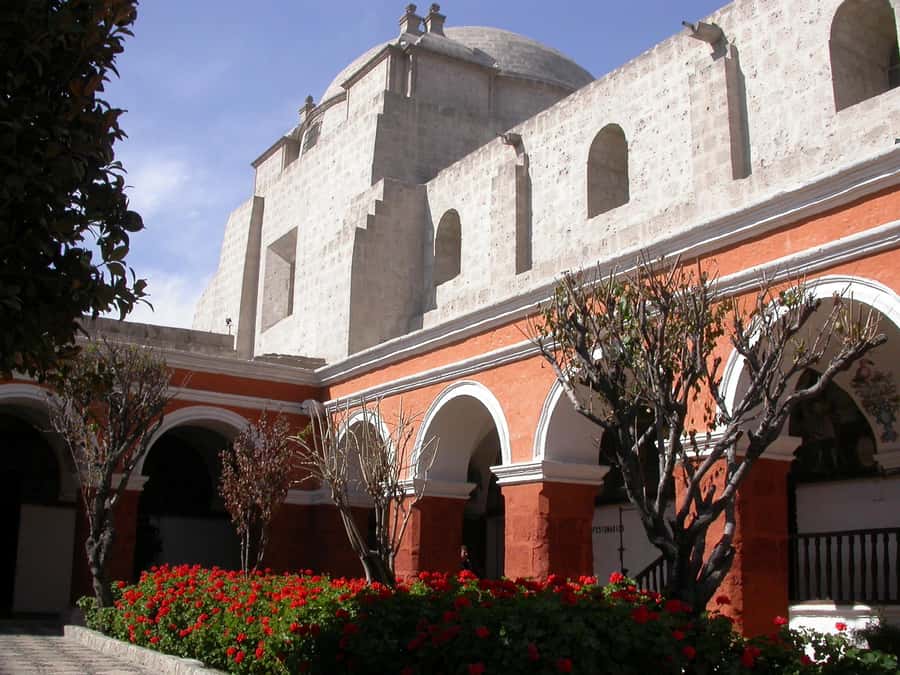
Reviewed · AREQUIPA TOURS
Arequipa: Walking Tour and Santa Catalina Monastery
Arequipa’s best sights fit together neatly on this three-hour walk. You’ll move from the quiet white-stone lanes of San Lázaro to the Chili River district, the grand Plaza de Armas, and finally the maze-like Santa Catalina Monastery, one of Peru’s most memorable colonial sites. The sillar architecture gives the city a look you won’t find elsewhere.
I like two things here: the route shows you more than the main square, and the monastery visit gives the walk a strong finish. You see working residential spaces in Tambo El Matadero and Tambo La Cabezona, not just polished monuments. A possible drawback is the pace. With several stops and only an hour at Santa Catalina, you’ll get a useful introduction rather than a slow, detailed study of every room.
- San Lázaro’s small lanes: See old houses and walls made from Arequipa’s pale volcanic stone.
- Two historic tambos: Visit former lodging and commercial spaces beside the Chili River.
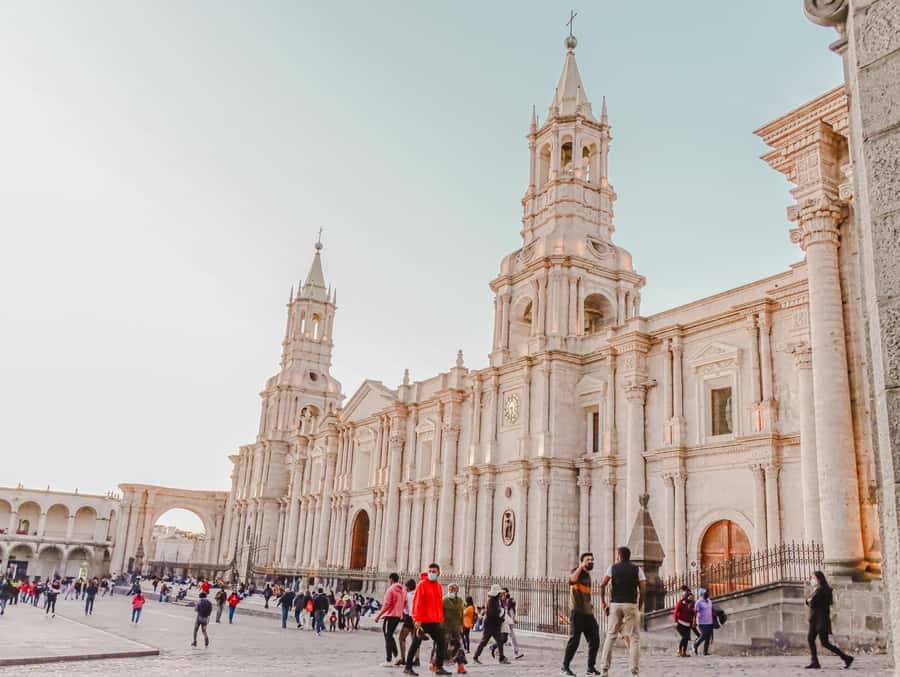
- Plaza de Armas: Reach Arequipa’s grand central square and Cathedral.
- Santa Catalina’s 20,000 square meters: Walk through cloisters, patios, streets, a church, and bell tower.
- English or Spanish guidance: Guides named in recent bookings include Gisela, Milei, and Sline.
- Flexible booking options: Pickup and monastery admission depend on the option selected.
Why San Lázaro Makes the Right Starting Point
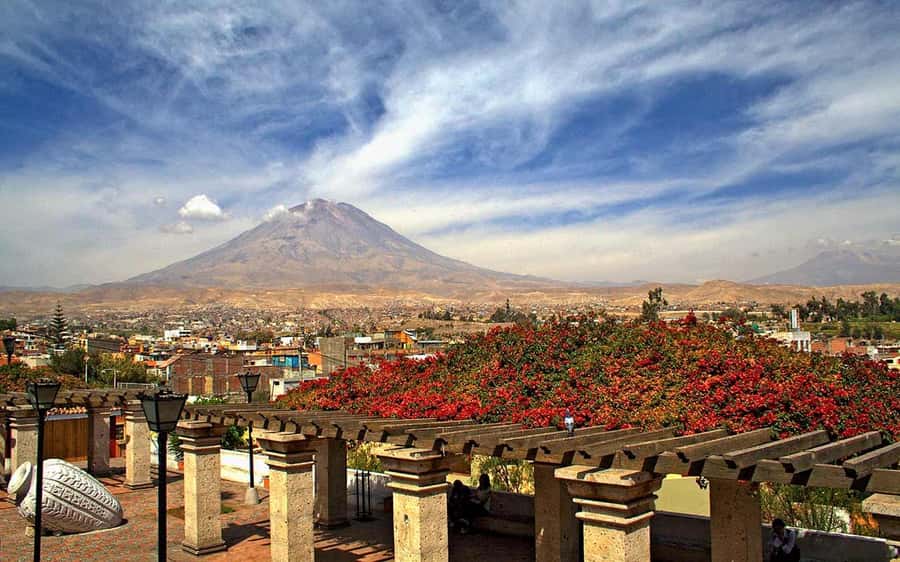
The tour begins in San Lázaro, about five blocks from Arequipa’s Plaza de Armas. If you are staying in the historic center, a short van ride brings you here, with the vehicle portion listed at about 10 minutes.
San Lázaro is a good place to begin because it eases you into Arequipa. Instead of opening with the city’s largest square, the route starts with narrow streets, small squares, and low white walls made from sillar. This volcanic stone is one of the visual signatures of Arequipa, and here it appears in a more domestic setting, in old houses and neighborhood buildings.
Your guide will explain that this area was occupied by pre-Inca and Inca cultures before the Spanish conquest and the founding of the colonial city. That context matters. The district is not simply attractive old architecture. It is part of the Historic Center of Arequipa, recognized as a UNESCO World Heritage Site, with layers of settlement beneath the colonial streets.
You’ll have about 20 minutes here for a guided walk, sightseeing, and photographs. That is enough to get a feel for the neighborhood, but not enough to wander down every lane. Keep your camera ready, since the appeal is in the small details: stonework, quiet corners, and the contrast between the pale walls and the strong sunlight.
Barrio del Solar and the Chili River Side
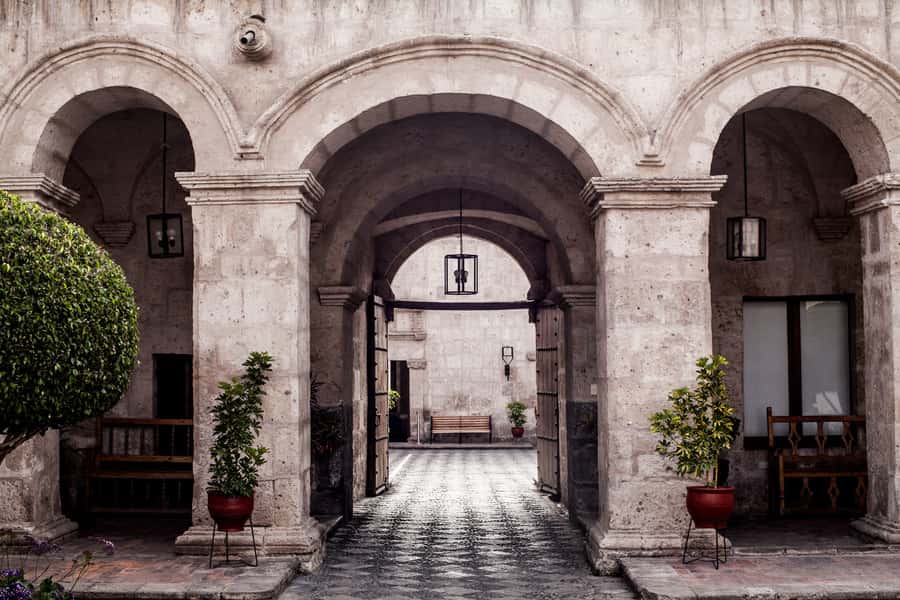
From San Lázaro, you walk for about 15 minutes to Barrio del Solar. This part of the route takes you nearer the Chili River and into a district of traditional and colonial buildings.
The walk is useful because it links the city’s famous central monuments with less formal historic areas. You are not only crossing from one attraction to another. You are seeing how old houses, communal spaces, and former lodging places fit into the city’s urban life.
The stop in Barrio del Solar lasts about 20 minutes. The tour description gives time for photographs, sightseeing, and explanation, but it does not promise entry into every building. Expect an outdoor neighborhood visit, with your guide pointing out architectural and historical details along the streets.
This is one point where comfortable shoes matter. The tour includes several walks of 10 to 15 minutes between stops, and the route is not designed for wheelchair users. You should also be ready for sun. Sunglasses, sunscreen, a hat, and comfortable clothing are listed as useful items. Insect repellent is suggested as well.
more walking tours in Arequipa
- Walking tour in the Historic Center of Arequipa
★ 4.4 · 180 reviews - Arequipa: Walk through the Historic Center of the City
★ 4.9 · 87 reviews - Arequipa Walking Tour city center and drinks experience
★ 5.0 · 72 reviews
Tambo El Matadero: A Working Piece of Colonial Arequipa
The first tambo is Tambo El Matadero, a seventeenth-century building whose original purpose was the slaughter of animals. The name and function give you a less decorative view of colonial Arequipa. This was not built as a church or palace. It was part of the practical infrastructure that supported trade and daily life.
Today, about 30 families live in the complex. That detail changes the way you look at the site. You are seeing an old building that remains part of the city’s present, not a preserved shell emptied of ordinary life.
The visit takes about 20 minutes. You’ll have time for a guided look and photographs, though you should follow the guide’s instructions carefully in a residential space. Be respectful with cameras, particularly if people are going about their day.
I like this stop because it adds balance. Santa Catalina is highly polished and dramatic, while Tambo El Matadero shows a more grounded side of Arequipa. If your idea of sightseeing is limited to grand squares and religious buildings, this stop broadens the picture.
Tambo La Cabezona and the Story of the Mill
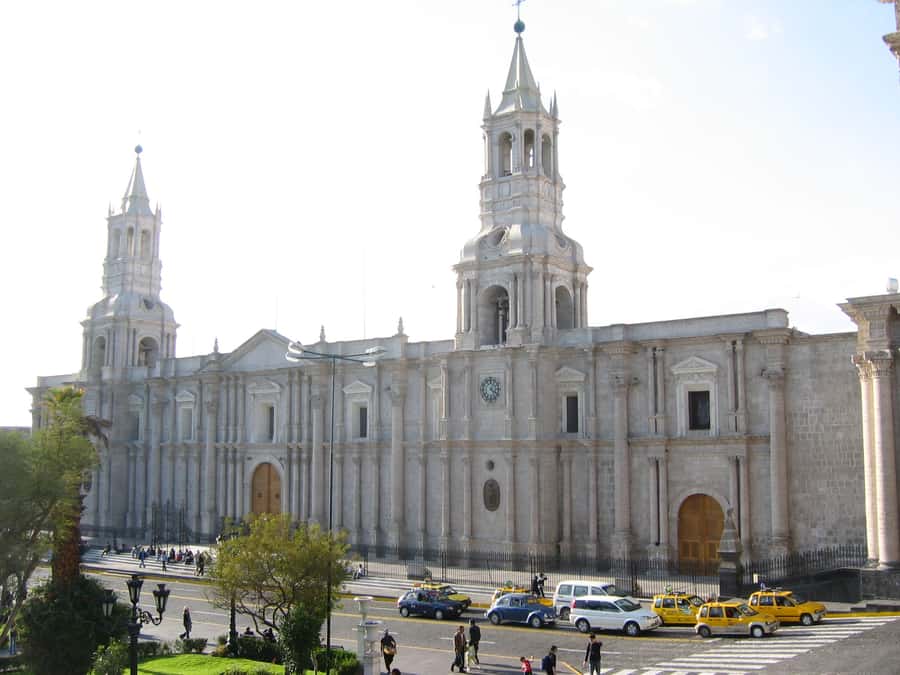
After Tambo El Matadero, the walk continues to Tambo La Cabezona. The transfer on foot takes about 10 minutes.
La Cabezona is a colonial group of houses with a communal entrance. Its origins date to the sixteenth century, and the site is associated with one of Arequipa’s first mills. That makes it a useful stop for understanding how homes, commerce, and food production once shared the same urban setting.
The communal entrance is an important detail. Colonial housing was not always arranged like a modern private home with a separate front door for each household. Shared access points and connected buildings shaped how people moved through the neighborhood.
You’ll spend roughly 20 minutes here with the guide. The stop includes a walk and sightseeing, so this is another place where the value comes from explanation. Without a guide, you might see old walls and pass through quickly. With context, the buildings become evidence of how the city worked.
The two tambos are close enough to visit in one outing, but different enough to avoid feeling repetitive. El Matadero connects the past with a residential present. La Cabezona points toward early industry and shared urban life.
Plaza de Armas, Arequipa’s Grand Public Room
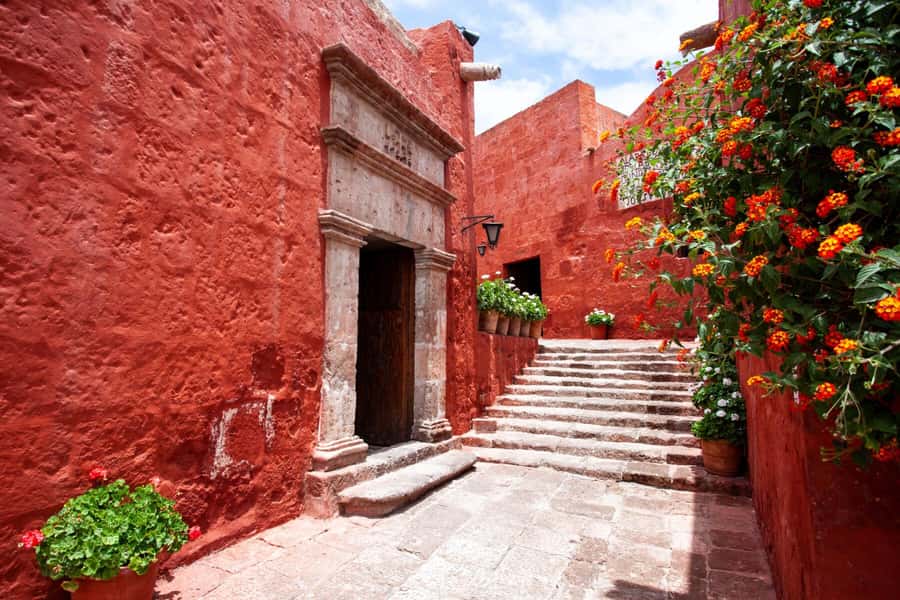
The route then heads to Plaza de Armas, with about 15 minutes of walking before a 30-minute stop. This is the main meeting point of Arequipa and the place where the Cathedral dominates the scene.
The square is framed by elegant portals and has a bronze fountain in the middle. After the smaller streets of San Lázaro and Barrio del Solar, the open space feels like a change of scale. You’ll have time for photographs, a guided explanation, and a broad look at the Cathedral and surrounding buildings.
A half-hour is sensible here. The square rewards a pause, and the guide can explain how it functions as the city’s public center. You also get a chance to take in the architecture before entering Santa Catalina.
Do not expect a full Cathedral tour as part of this experience. The stated visit focuses on a panoramic tour of the square, followed by a short five-minute walk to the monastery. If the Cathedral interior is high on your list, you’ll need to make separate plans.
Somewhere else entirely, still within reach of Arequipa:
- From Arequipa: Colca Canyon Full-Day Guided Tour with Meals
★ 4.5 · 982 reviews - Tour to the Salinas Lagoon and National Reserve in Arequipa
★ 4.5 · 548 reviews - From Arequipa: Sillar Route Trek
★ 4.2 · 461 reviews - Arequipa: Chili River White Water Rafting with Hotel Pickup
★ 4.8 · 329 reviews
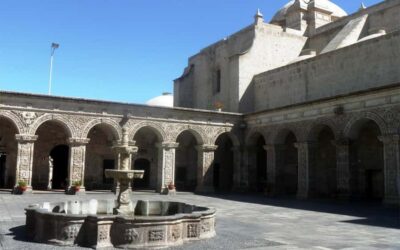
Entering Santa Catalina’s 20,000 Square Meter Convent
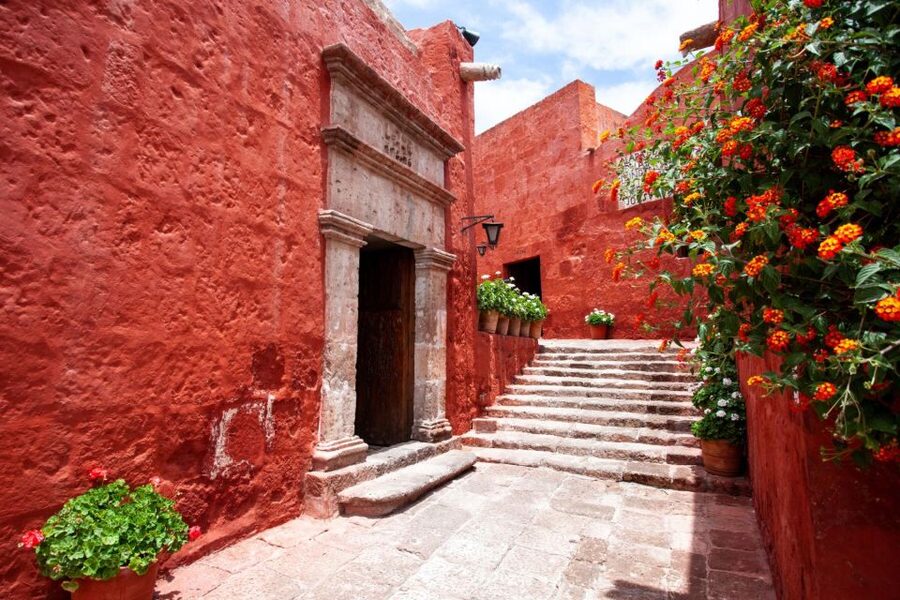
Santa Catalina Monastery is the main event, and the tour allows about one hour inside. Founded in 1579, the convent covers roughly 20,000 square meters. Its plan includes cloisters, patios, small squares, streets, a bell tower, and a church.
Calling it a monastery can make it sound like one single building. It is better understood as a walled city within the city. You walk through connected spaces with different colors and uses, including ashlar streets and sections with natural red walls.
The convent was founded during the viceroyalty. Doña María de Guzmán, a wealthy woman of the period, donated her properties and began life as a cloistered nun. Many of the women who entered came from wealthy families. Cloistered nuns still live at Santa Catalina today, which gives the place an active religious presence as well as a historic one.
Your guide will take you through several parts of the complex. One named area is the Patio del Silencio, where nuns met to pray and read the Bible in silence. It is an especially helpful place to understand the disciplined, enclosed life the convent was designed to support.
The hour is long enough to see the principal spaces and take photographs. It is short if you want to read every panel, inspect every courtyard, and linger in each street. I suggest listening closely during the guided portion, then using any remaining time for photographs. The monastery’s layout can feel confusing at first, so the guide’s sequence helps you make sense of it.
The experience description distinguishes between the tour guide and a local monastery guide. Check the booking option carefully to see if Santa Catalina admission and its local guide are included. If you choose the option without entrance fees, admission is paid locally: 45 PEN for adults and 25 PEN for people from 7 to 21 years old. Children aged four and younger are complimentary.
Santa Catalina closes on December 25 and Good Friday. If your visit falls near either date, confirm availability before making plans.
How the Three Hours Feel on Foot
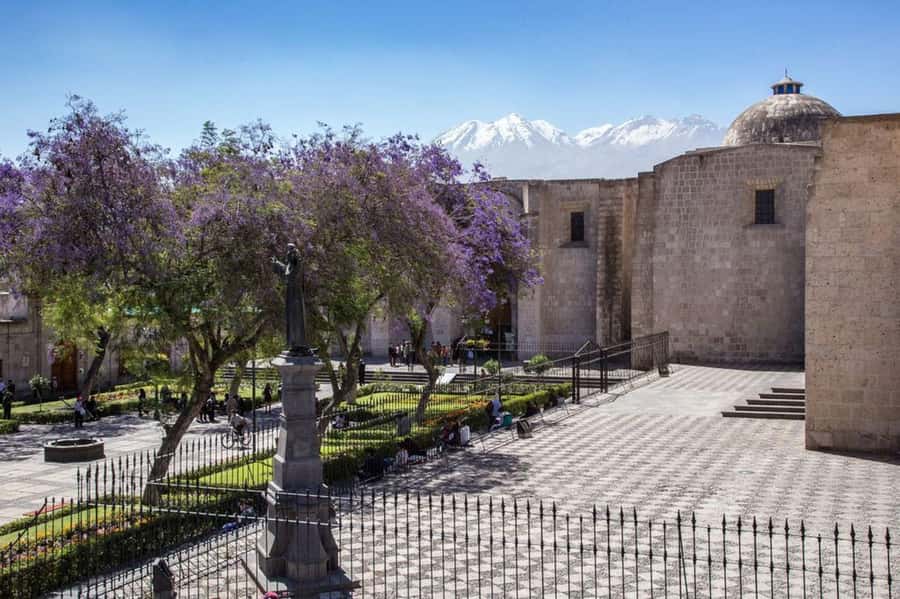
The timing adds up to a compact route: about 20 minutes in San Lázaro, 20 minutes in Barrio del Solar, 20 minutes at Tambo El Matadero, 20 minutes at Tambo La Cabezona, 30 minutes at Plaza de Armas, and one hour in Santa Catalina. Walking transfers add roughly 45 minutes, with short van rides at the beginning and end.
That leaves little room for a long café stop or unscheduled wandering. You should book this experience if you want structure and historical explanation. If you prefer to stop often, shop, or explore at your own pace, a self-guided day may suit you better.
The route also includes uneven walking conditions and old urban spaces. It is not suitable for wheelchair users. Wear shoes you can walk in for several hours, and bring sun protection. There is no food or drink included, so carry water if you need it.
Guides, Language, and Personal Attention
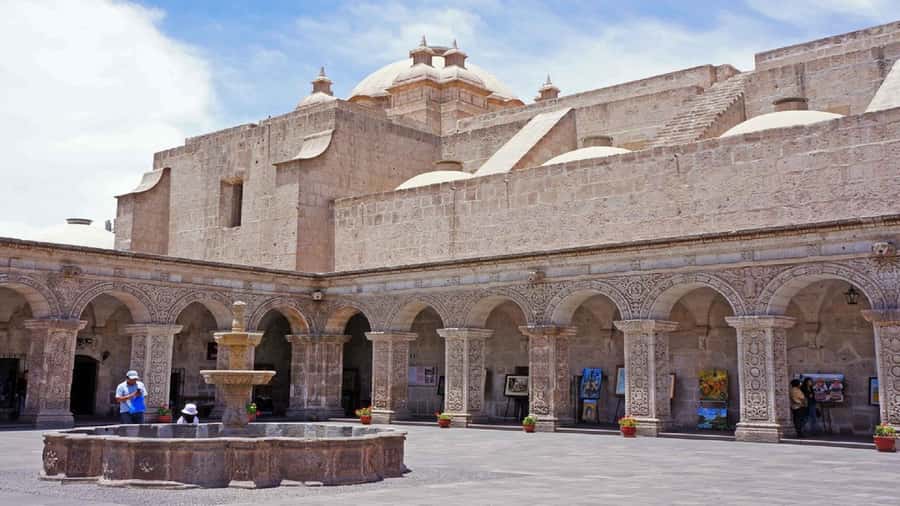
The tour is offered in Spanish and English with a professional guide. Recent booking feedback identifies guides named Gisela, Milei, and Sline. Gisela is described as cordial and precise, while Milei is noted for her empathy, kindness, clear explanations, and ability to answer questions. Sline is described as friendly, warm, and strong on historical detail.
Guide quality matters on this particular route. The attractions are easy to photograph, but the meaning of the tambos, the convent’s social structure, and the older layers of San Lázaro are harder to grasp without explanation.
You should feel free to ask questions as you walk. The strongest guide reports emphasize clear answers and a friendly manner, which suggests this works best for people who want conversation rather than a silent procession from one landmark to the next.
Is $35 a Fair Price?
At $35 per person, the experience can be good value if your selected option includes monastery admission, a professional guide, and pickup and drop-off within the historic center. You are paying for a three-hour route that combines several smaller historic sites with the city’s major convent.
The price needs a closer look because the inclusions vary. Hotel pickup and drop-off are optional, and entrance to Santa Catalina may also be optional. If admission is not included, add 45 PEN for an adult or 25 PEN for someone aged 7 to 21. You should compare the final option price with the cost of arranging a guide and reaching the meeting point yourself.
Pickup is available only for hotels in Arequipa’s Historic Center. If you stay outside that area, meet at Calle Zela 301, beside Santa Catalina and Hotel Mirador del Monasterio. The exact meeting time is confirmed after booking.
At the end, the van can return you to a hotel in the Historic Center if access is good. Otherwise, you may be dropped near the hotel. These details are minor if you are centrally located, but important if your lodging sits outside the old center.
The activity offers free cancellation up to 24 hours in advance and a reserve-now, pay-later option. That is useful when your Peru schedule is still shifting.
Who Should Book This Arequipa Walk?
I would choose this tour for a first visit to Arequipa, especially if you have one morning or afternoon to get oriented. It gives you the city’s defining stone architecture, a pair of less obvious historic sites, the central plaza, and Santa Catalina without requiring a full day.
It also suits you if you want history explained in English or Spanish. The route is not just a photo circuit. San Lázaro introduces the city’s early settlement, the tambos show practical colonial life, and Santa Catalina explains the role of wealthy cloistered women during the viceroyalty.
Families can bring children, with free admission for those aged four and younger. Still, the amount of walking and the monastery’s many passages may be tiring for very young children. People who use wheelchairs should not book this route because it is specifically marked as unsuitable.
I would be more cautious if your main goal is a slow, detailed museum visit. One hour inside Santa Catalina is useful, but the full route has several stops to cover. For a broad first look, the schedule works. For deep study of the convent, plan a separate visit if possible.
Should You Book It?
Book it if you want an efficient introduction to Arequipa with a guide who can connect the city’s architecture to its past. The best feature is the variety: quiet San Lázaro, residential tambos, the grand Plaza de Armas, and the huge Santa Catalina complex all appear in one outing.
Before paying, confirm three things: if monastery admission is included, if hotel pickup applies to your address, and which meeting point you will use. If those details suit your plans, $35 is a reasonable price for a focused half-day introduction to Arequipa’s UNESCO-listed center.
FAQ
How long does the Arequipa walking tour last?
The activity lasts three hours, including the walking route, visits, transportation at the beginning and end, and the monastery visit.
Where does the tour begin?
Pickup is available from selected locations in the Historic Center of Arequipa. If your hotel is outside the Historic Center, meet at Calle Zela 301, beside Santa Catalina and Hotel Mirador del Monasterio.
Is hotel pickup included?
Hotel pickup and drop-off are optional. They are available only for hotels in the Historic Center, and the exact meeting time is confirmed after booking.
Is Santa Catalina Monastery admission included?
Admission depends on the option you select. If you choose an option without entrance fees, adults pay 45 PEN locally and people aged 7 to 21 pay 25 PEN.
What languages are available?
The professional tour guide is available in Spanish and English.
How much time is spent inside Santa Catalina Monastery?
The planned visit to Santa Catalina Monastery lasts about one hour.
Is the tour suitable for wheelchair users?
No. The activity is not suitable for wheelchair users.
What should I bring?
Bring sunglasses, sunscreen, insect repellent, comfortable clothing, and a hat. Food and drinks are not included.
Recently added around Arequipa
- From Arequipa: 1 Day Tour to the Colca Canyon + Buffet lunch★ 4.2 · 3 reviews
- Arequipa: Colca Canyon Trekking 2 days and 1 night + food★ 4.8 · 3 reviews
- Arequipa: Catarata de Pillones and Bosque de Piedras Tour★ 4.3 · 3 reviews
- From Arequipa: Full Day Colca Canyon Tour★ 4.5 · 3 reviews
- 2-Day Colca Canyon Tour to Puno with accommodation★ 3.9 · 3 reviews
- From Arequipa: Colca Canyon and Condor Watching Day Trip★ 3.7 · 3 reviews
- Cooking Class Typical Food in Arequipa★ 3.9 · 3 reviews
- Colca Canyon Day Trip: From Arequipa to Puno★ 3.5 · 3 reviews
Arequipa Tours, compared.

Tour to the Salinas Lagoon and National Reserve in Arequipa
Read our review →

Chili River White Water Rafting with Hotel Pickup
Read our review →
2-Day Tour Colca Canyon in Arequipa with end in Puno
Read our review →
Walking tour in the Historic Center of Arequipa
Read our review →Browse the lists this tour appears in