
Reviewed · SILLAR ROUTE TOURS
Sillar Route and Culebrillas Petroglyphs
Arequipa was built from volcanic stone, and this half-day outing shows you where its famous white sillar came from. You’ll look across the city from Yanahuara, watch local workers shape the stone, then walk through narrow Culebrillas canyon to see ancient petroglyphs and traditional apachetas. The quarry, not the city center, is the star of the show.
I like the excellent price of $19, which includes both entrance fees, transport, and a certified guide. I also like the canyon walk, a short but memorable stroll through curving volcanic walls that feels more adventurous than the easy city sightseeing nearby.
The trade-off is uneven delivery. Some guides, including Mike, Alexandra, Christina, and Sandra, have provided clear bilingual explanations, while other departures have suffered from rushed stops, weak English explanations, pickup confusion, or uncomfortable transport. Bring a mask for dust and allow some flexibility.
Key points to know before you go
- The white stone built Arequipa: See the Añashuayco quarry where sillar, the city’s signature volcanic building stone, is cut and shaped.
- Yanahuara gives you the classic view: Look toward Arequipa and the snow-capped peaks of Misti, Chachani, and Pichu Picchu.
- Culebrillas is the best walk: Expect about 20 minutes on a bumpy path, plus a short five-minute climb.
- The petroglyphs are subtle: Bright midday sun and dark volcanic rock can make the carved animals hard to pick out.
- Dust is part of the deal: A face mask, water, sun protection, and sturdy shoes will make the outing more comfortable.
- It is good value, with limits: At $19, this is an inexpensive way to reach several sites, but the schedule and guide quality can vary.
Why Arequipa’s white stone matters
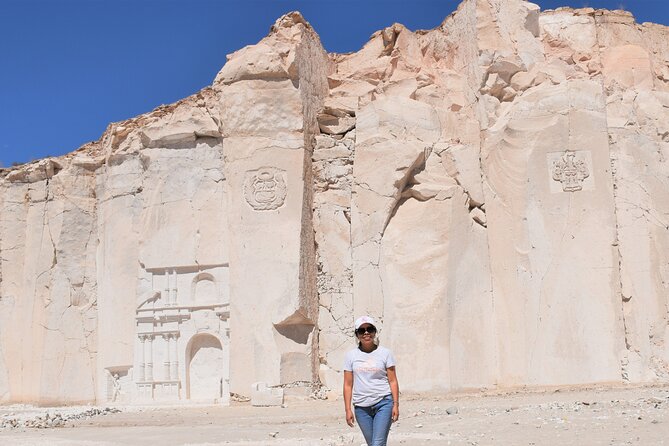
Sillar is more than a pretty photo background. It is the white volcanic stone used in many of Arequipa’s colonial buildings, churches, arches, and courtyards. The city’s pale appearance comes directly from this material, quarried from the dry country outside town.
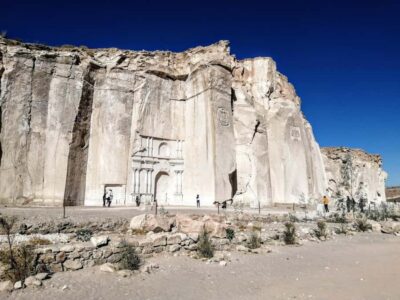
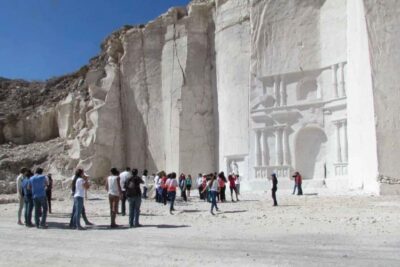
At the Añashuayco quarry, you can see the stone in its natural setting rather than only admiring it after it has been placed into a church wall. Local builders explain how they extract, cut, and shape it, along with the ways it has been used in Arequipa.
That direct link between the quarry and the city gives the visit real value. You begin to notice the work behind Arequipa’s famous architecture. A carved arch is no longer just a decorative feature. It represents heavy volcanic blocks, hand tools, practical skill, and generations of local craft.
The quarry is also a working site, not a polished museum. You may see sculptures and display pieces made from sillar, but the setting can be hot and dusty. Some departures offer a detailed explanation, while others leave you with free time to look around. If you want the cultural background, stay close to the guide and ask questions early.
more sillar route mornings
- From Arequipa: Sillar Route Trek
★ 4.2 · 461 reviews - Sillar Route in Arequipa and viewpoint of the Volcanoes
★ 4.0 · 71 reviews - 4 hours Tour: Route of Sillar with Trek in Culebrillas
★ 4.2 · 69 reviews
Yanahuara and the three volcanoes
The first stop is Yanahuara, a traditional district known for its ashlar arches and viewpoint. The arches frame views across Arequipa and toward three well-known snow-capped mountains: Misti, Chachani, and Pichu Picchu.
You have about 20 minutes here, although traffic or a late departure can shorten that time. One departure reportedly lost much of its morning schedule to city traffic, leaving only about 10 minutes at Yanahuara and a shorter quarry visit. That makes an early pickup especially useful if you want time for photographs.
The viewpoint is a quick orientation stop rather than a full neighborhood visit. You are not touring every lane of Yanahuara. Instead, you get a chance to see the white city against its volcanic setting and understand why the mountains shape Arequipa’s identity.
I would keep your camera ready and avoid spending the entire stop on one photograph. The view can change with haze, and the mountains may not all appear equally clear. The stop is simple, but it gives the rest of the excursion a useful sense of place.
Inside the Añashuayco sillar quarry
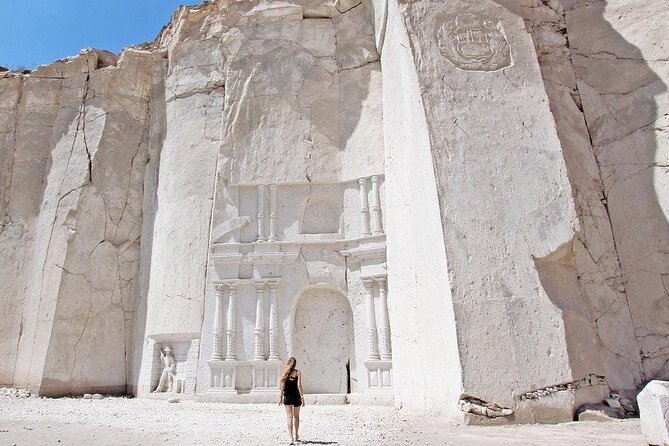
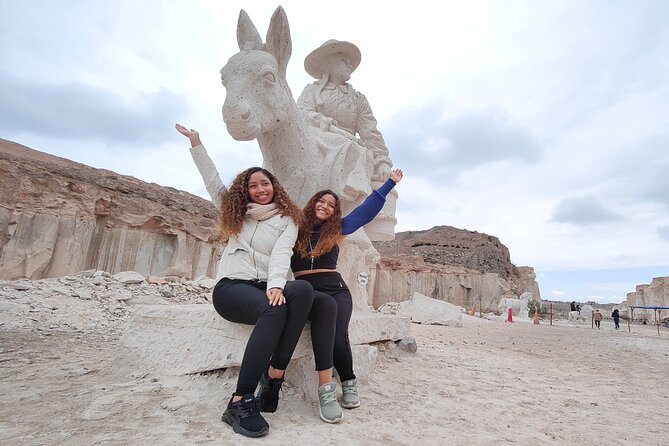
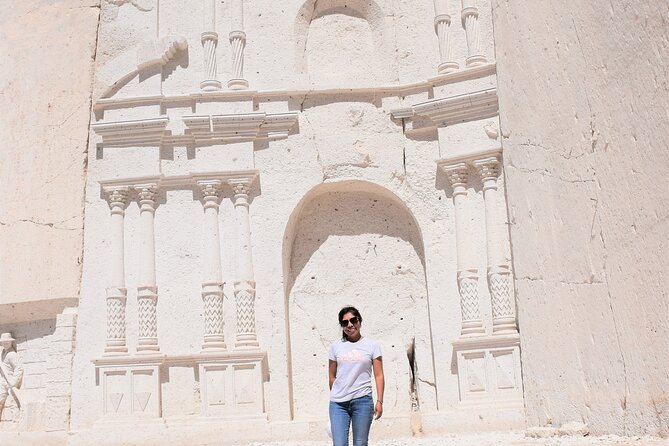
The quarry visit lasts about an hour in the planned schedule and includes admission. This is where the outing becomes more than a scenic drive. You see the pale stone cut from the earth and learn how local workers turn rough blocks into building pieces and artistic forms.
Some of the most enjoyable parts are the carved sculptures and stone displays. They give you a sense of what can be done with sillar, and they make the stop appealing even if you are not especially interested in construction methods. You will likely want photographs, though some of the more impressive displays may involve small extra charges depending on the section you enter.
That point is worth clarifying before you book. The listed price includes the Añashuayco entrance fee of S/5 and the Culebrillas entrance fee of S/5. Some past departures included optional sculpture areas or sections with additional small charges. Ask your guide what is included before walking off to photograph a separate display.
The quarry can feel tourist-oriented, with sculptures arranged for viewing and photographs. That is not necessarily a problem, but it means you should not expect a quiet archaeological site. The value comes from seeing the stone source and the craft in place, not from a long museum-style lecture.
Dust is the practical concern. One person found a face mask very useful because the quarry air became uncomfortable, while another departure was made unpleasant by dust inside the vehicle. I would pack a mask even if you do not normally need one. If you have a dust allergy, this is probably the wrong excursion.
Walking the curves of Culebrillas canyon
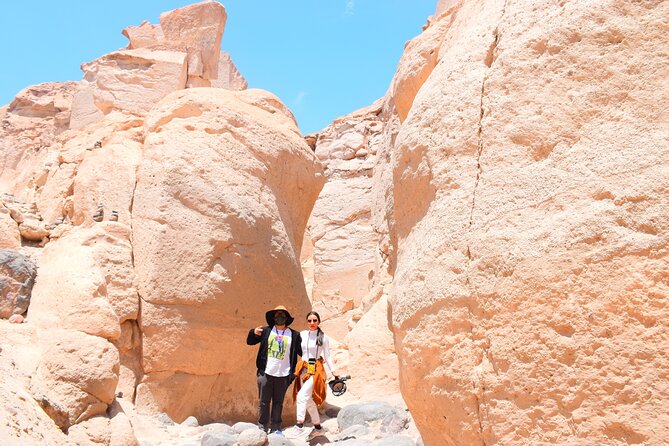
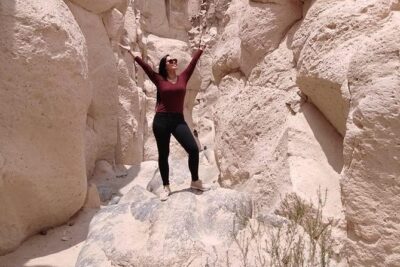
After the quarry, the vehicle continues for about 15 minutes to Culebrillas. This is the strongest part of the outing for many people, and I can see why. The canyon is narrow, curving, and shaped by an ancient river. Its walls create a series of bends that feel different from the open quarry.
The walk lasts roughly 20 minutes, with a further five-minute climb to reach the apachetas. The path is described as bumpy and moderately challenging rather than long. You should have a reasonable level of mobility and wear shoes with a good grip. Older adults or anyone uneasy on uneven ground may find this section uncomfortable.
The petroglyphs are carved into the canyon walls. You may see shapes interpreted as animals, but do not expect large, sharply outlined figures. The marks can be difficult to identify, especially in bright midday light against volcanic rock. Your guide’s explanation helps, but you may still need patience and imagination.
I would not rush this stop. Narrow paths, other people, and the desire to photograph the canyon can make the walk feel crowded. Keep your footing first, then look for the carvings at an angle where the shadows help. Water is important, since the walk is exposed and the dry air can make the short hike feel warmer than expected.
At the end, you see apachetas, small mounds of stones linked to a local mystical tradition. They are modest objects, but they add a cultural layer to the canyon. Take care not to move or add stones unless your guide specifically explains that it is appropriate.
Somewhere else entirely, still within reach of Arequipa:
- From Arequipa: Colca Canyon Full-Day Guided Tour with Meals
★ 4.5 · 982 reviews - Tour to the Salinas Lagoon and National Reserve in Arequipa
★ 4.5 · 548 reviews - Arequipa: Chili River White Water Rafting with Hotel Pickup
★ 4.8 · 329 reviews - 2-Day Tour Colca Canyon in Arequipa with end in Puno
★ 4.6 · 248 reviews
What the bilingual guiding is really like
This is a group excursion of up to 18 people, and the guide may explain everything in both Spanish and English. When the bilingual work is handled well, it adds a lot. Guides such as Mike, Alexandra, Christina, and Sandra have been praised for clear, warm explanations in both languages.
You may also encounter a guide who speaks too quickly in English or gives the longer explanation in Spanish before offering a brief English version. That can leave you with plenty of free time but little understanding of what you are seeing. The difference is significant at the quarry, where the stonework needs context, and at Culebrillas, where the petroglyphs are not always obvious.
I suggest standing near the guide during explanations and asking for a slower English explanation if needed. Guides have been described as friendly and willing to help, so a direct request may improve the experience. If you are the only English speaker in the group, the best departures give you personal attention, but that is not guaranteed.
The guide can also help with practical matters such as where to meet, which sculpture areas are included, and how much time remains. Pay close attention before leaving each stop. A few departures have involved confusion about meeting points or a rushed schedule after late pickups.
The minibus, timing, and return to Arequipa
The excursion lasts about four hours, including the drive back to the city center. Pickup is offered at your hotel, but the exact return arrangement deserves attention. The program says the return ends at a central tourist stop rather than necessarily at your hotel, and one person was disappointed not to receive hotel drop-off.
The group size is capped at 18, though actual departures can be smaller. A 12-person minibus felt comfortable on one outing, while a full vehicle made another departure feel cramped. Vehicle condition also varies by experience. Some people found the van comfortable and well equipped, including working air conditioning and safety equipment. Others reported broken air conditioning, limited ventilation, or driving that felt too fast on rough roads.
I would confirm the pickup location by message the day before and check where the return ends. The operator provides recommendations one day before departure, which is a good moment to ask about clothing, meeting points, and the day’s expected timing.
Traffic in central Arequipa can disrupt the schedule. A 45-minute delay once shortened both Yanahuara and the quarry stops. If you have an important afternoon booking, keep a buffer rather than planning another activity immediately after the stated four-hour duration.
The return drive from Culebrillas takes about 40 minutes. That is a long ride compared with the walking time, but it is part of the price of reaching these sites without arranging separate transport. For a $19 excursion, the shared vehicle remains a strong reason to consider the tour.
Is $19 a good deal?
Yes, if you want a low-cost introduction to Arequipa’s volcanic stone and do not need a private guide. The price includes transport, a certified guide, and the two listed entrance fees totaling S/10. It also combines three different settings: a city viewpoint, a working quarry, and a canyon walk.
The value drops if you expect a carefully paced cultural tour with long explanations at every stop. The schedule is compact, and the quarry and canyon can both feel rushed when pickup runs late or someone holds up the group. Optional sculpture areas may also cost a few extra soles.
Compared with arranging separate transport to the quarry and Culebrillas, the group tour is convenient and inexpensive. Compared with a private half-day outing, it offers less control over timing, language, photo stops, and drop-off.
I would see it as a practical sampler. You get enough to understand why sillar matters and enough time to experience Culebrillas, but not enough for a slow study of every carving and petroglyph.
What to bring for a more comfortable outing
Pack lightly, but bring the right basics:
- A face mask or cloth covering for quarry dust
- Water
- Sturdy shoes with good grip
- Sun protection
- A camera or phone with enough space for photographs
- Small extra cash for optional displays or personal expenses
The operator has sometimes advised mosquito repellent, but the more relevant nuisance can be sand flies near the quarry. One person found spray ineffective and suggested oil instead. Conditions can differ, so repellent is a reasonable precaution, but dust protection and good shoes matter more for most people.
This outing is not recommended if you have a dust allergy. It is also not a good fit for anyone who cannot manage a bumpy canyon path and a short climb. Most people can take part, but the description is right to flag the rough section for older adults.
Who should book the Sillar Route?
I would recommend it to you if you have a half-day in Arequipa and want to see how the city’s architecture connects to the countryside around it. It suits budget-minded visitors, photographers, curious first-time visitors, and anyone who prefers a short walk through unusual scenery to another indoor city tour.
It is particularly good for you if the Culebrillas canyon sounds more appealing than a long museum visit. The curving walls, stone carvings, and apachetas provide the most distinctive experience of the day.
I would hesitate if you need flawless English guiding, guaranteed hotel drop-off, a relaxed photography schedule, or a fully accessible walk. In that case, a private arrangement may offer better control. Also skip it if dust causes breathing trouble.
The tour has free cancellation up to 24 hours before departure. Changes or cancellations made less than 24 hours ahead are not accepted for a refund.
Should you book it?
Book this tour if you want an inexpensive, efficient look at Arequipa beyond the central plazas. The quarry explains the city’s white stone, Yanahuara supplies the classic mountain view, and Culebrillas provides the outing’s best walk.
Go with realistic expectations. This is a shared four-hour trip, not a private archaeological study. Confirm pickup and return details, carry a mask and water, wear shoes suited to rough ground, and ask your guide to slow down for English explanations if needed. With those precautions, the Sillar Route and Culebrillas Petroglyphs make a worthwhile addition to an Arequipa visit.
FAQ
How long does the Sillar Route and Culebrillas tour last?
The experience lasts approximately four hours, including the visits to Yanahuara, the Añashuayco quarry, Culebrillas canyon, and the return to central Arequipa.
What is included in the $19 price?
The price includes a certified guide, group transportation, the Añashuayco entrance fee of S/5, and the Culebrillas entrance fee of S/5.
Is the Culebrillas walk difficult?
The walk takes about 20 minutes on a bumpy path, followed by a climb of roughly five minutes to see the apachetas. Older adults and anyone uncomfortable on uneven ground may find it challenging.
Should I bring protection from dust?
Yes. The quarry can be dusty, so a face mask is a useful precaution. The activity is not recommended if you have a dust allergy.
How many people can join the group?
The tour has a maximum capacity of 18 people.
Can I cancel for a full refund?
You can cancel at least 24 hours before the local start time for a full refund. Cancellations or changes made less than 24 hours before departure are not accepted for a refund.
Recently added around Arequipa
- From Arequipa: 1 Day Tour to the Colca Canyon + Buffet lunch★ 4.2 · 3 reviews
- Arequipa: Colca Canyon Trekking 2 days and 1 night + food★ 4.8 · 3 reviews
- Arequipa: Catarata de Pillones and Bosque de Piedras Tour★ 4.3 · 3 reviews
- From Arequipa: Full Day Colca Canyon Tour★ 4.5 · 3 reviews
- 2-Day Colca Canyon Tour to Puno with accommodation★ 3.9 · 3 reviews
- From Arequipa: Colca Canyon and Condor Watching Day Trip★ 3.7 · 3 reviews
- Cooking Class Typical Food in Arequipa★ 3.9 · 3 reviews
- Colca Canyon Day Trip: From Arequipa to Puno★ 3.5 · 3 reviews
Sillar Route Tours, compared.
Sillar Route in Arequipa and viewpoint of the Volcanoes
Read our review →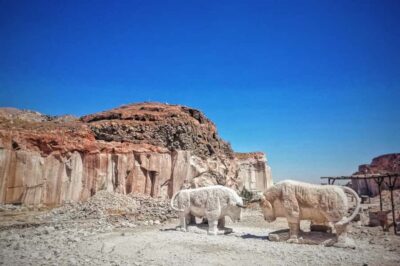
4 hours Tour: Route of Sillar with Trek in Culebrillas
Read our review →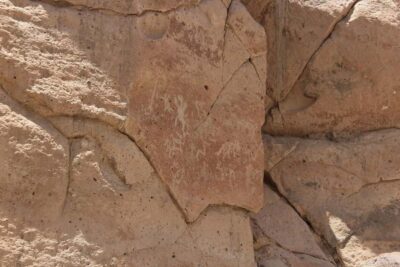
Route of the Sillar | Quarries of Añashuaycos | Half day
Read our review →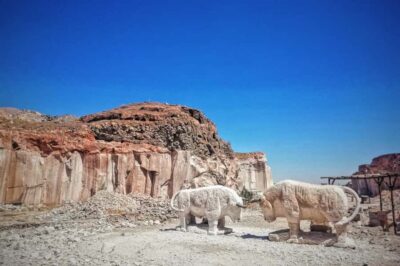
4-hour excursion: Sillar Route with Hiking in Culebrillas
Read our review →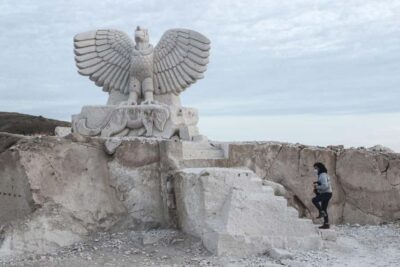
Trek to the Route of the Sillar and Culebrillas in Arequipa
Read our review →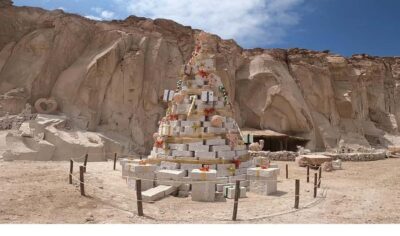
Arequipa | Tour of the Sillar Route + Culebrillas Canyon
Read our review →Browse the lists this tour appears in