
Reviewed · MACHU PICCHU TOURS
Salkantay trek to Machu Picchu – 5D/4N – Premium
The Salkantay Trek gives you five days of big mountain scenery, hard walking, simple camps, and a final visit to Machu Picchu. It is the best-known alternative to the Inca Trail, and this route swaps stone stairways for high passes, remote camps, coffee country, and the long approach through Hidroelectrica.
I like the small group size, capped at 15 people, and the practical package: meals, a chef, camping gear, Machu Picchu tickets, buses, and the train back are all covered. I also like that the route moves through several very different settings, from Humantay Lake and SalkantayPampa to Lucmabamba and Aguas Calientes.
The main concern is organization. One January 2025 departure involved changing guides, an itinerary that did not match the promised plan, and no clear support when a participant became ill. You should confirm the daily schedule and emergency arrangements before paying, since the activity is non-refundable.
Key points to know before you book
- 64 kilometers in four hiking days: Expect roughly 14 to 18 kilometers of walking each day, with outings lasting about six to seven hours.
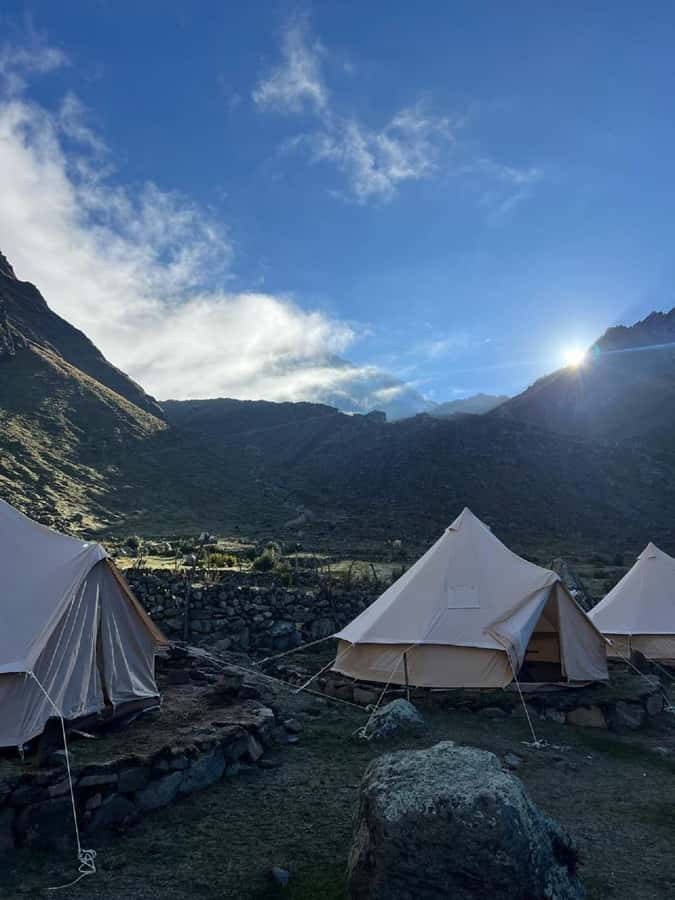
- SalkantayPampa means real camping: You spend three nights at campsites, including a basecamp setting designed to feel close to the mountains.
- Humantay Lake comes early: The first day combines a major scenic stop with a long 16-kilometer hike, so you begin at full effort.
- The route changes character fast: High mountain terrain gives way to warmer valleys, Lucmabamba, and the approach to Machu Picchu.
- Your return is fairly well covered: The package includes the Machu Picchu bus, train to Ollantaytambo, and transport onward to Cusco.
- Guide continuity needs checking: Eduardo earned strong praise for explaining nature, local traditions, and people, but one departure had three different guides.
What the $510 price really covers
At $510 per person, this is not a bare-bones walk with a guide and a tent. You receive transfers, route and Machu Picchu entry fees, three nights of camping, one hotel night in Machu Picchu Pueblo, meals listed in the schedule, a chef and assistants, a dining tent, a kitchen tent, a sleeping bag, buses at Machu Picchu, and the return journey by train and vehicle.
That matters because transport and entry fees can make a long Peruvian trek costly to arrange piece by piece. You also avoid carrying cooking equipment and most camping supplies. Vegetarian meals are available, which is useful, though you should make that request before departure.
The price does not include the first breakfast, the final day’s lunch and dinner, personal care items, or an entry to Huayna Picchu or Machu Picchu Mountain. Those two additional mountain entrances are separate choices, not small add-ons hidden in the basic package.
I see good value here for someone who wants a guided trek without building the logistics alone. The value drops if the promised route is changed or if staff communication is weak. Ask for the exact overnight stops, guide plan, and emergency contact details before committing.
More Hiking Tours in Cusco
- Machu Picchu: 5-Day Salkantay Trek with Panoramic Train
★ 5.0 · 79 reviews - Ancascocha Trek To Machu Picchu 4 Days And 3 Nights
★ 5.0 · 77 reviews - 4 Day Inca Trail Trek to Machu Picchu Multi day tour
★ 5.0 · 70 reviews
Day 1: Humantay Lake and SalkantayPampa
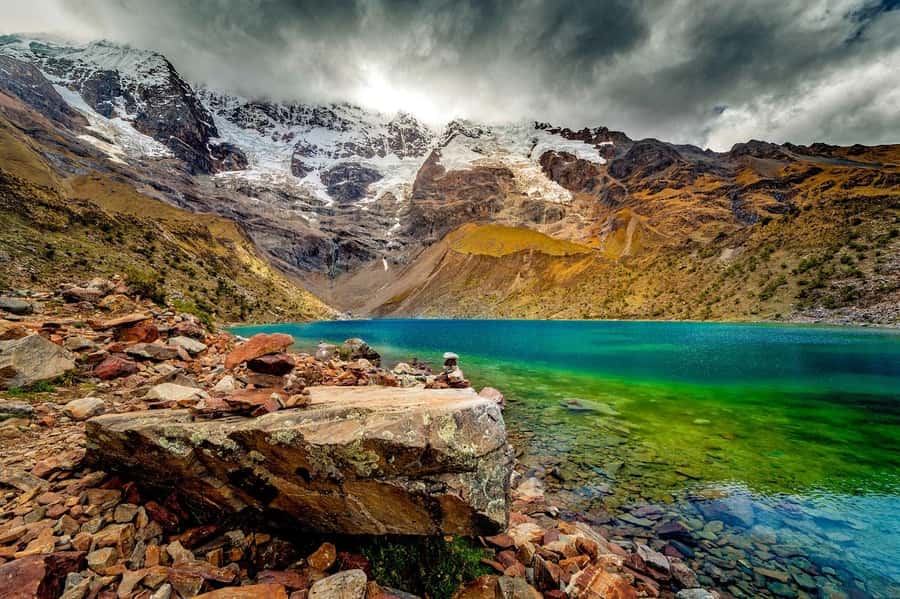
The first day runs from Cusco to Humantay Lake, then onward to the SalkantayPampa basecamp. The total is about 16 kilometers, with roughly seven hours on foot. That is a serious opening day, especially when altitude and a very early start are part of the Cusco Region setting.
Humantay Lake is the visual prize of the day. The route then continues toward SalkantayPampa, where you sleep at the trek’s main basecamp. The camp is intended to offer a more authentic outdoor night than a standard lodge, with a spacious dining tent and separate kitchen support.
I like this opening because it gets you into the high country at once. You are not spending the first day on a gentle warm-up near town. The drawback is just as clear: if your body reacts badly to the altitude or exertion, there is little margin in the schedule.
One participant became ill on the first day and later had to leave for a hotel. No radio was available for emergency contact, which is a serious point to clarify. Bring your personal medication, keep your phone charged, and ask the guide how help is summoned if you cannot continue.
Day 2: SalkantayPampa to Chaullay
Day two covers about 18 kilometers and takes around seven hours. It is the longest stated hiking day, so you should treat it as the trek’s main endurance test rather than a casual walk between camps.
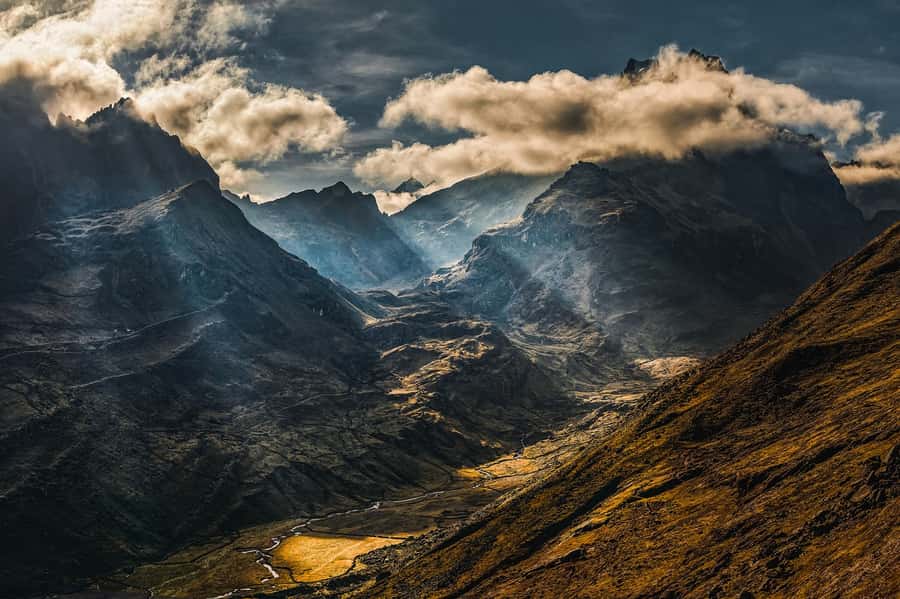
The route links the high basecamp with Chaullay. The scenery changes as you leave the stark upper zone and move toward lower, warmer ground. Exact elevation details are not provided, so I would not rely on a generic altitude chart when judging the difficulty. The useful facts are the distance, the time, and the rating of moderate to challenging.
This is where good pacing matters. Keep water, sunscreen, a hat, a snack, and an extra layer in your daypack. A small bag is better than a heavy one, since the route asks you to walk for most of the day.
The camping rhythm can be rewarding here. A chef and assistants prepare the included meals, and the dining tent gives the group a place to eat out of the weather. Still, campsite comfort is not hotel comfort. Bring a flashlight, warm clothing, and realistic expectations about sleeping outdoors.
Day 3: Chaullay to Lucmabamba
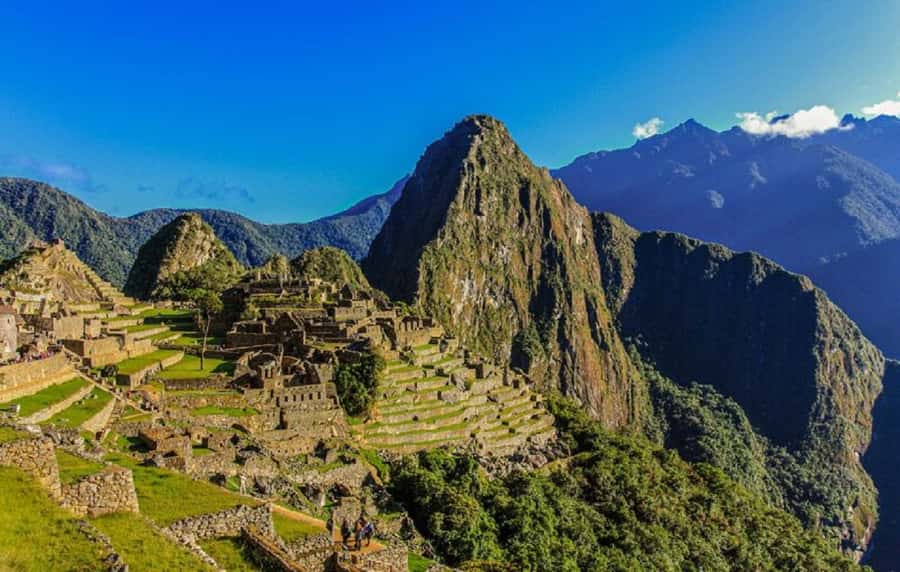
The third day is about 16 kilometers and six hours. That shorter schedule gives your legs a little relief after day two, while the route moves into a different climate around Lucmabamba.
Lucmabamba is important because it marks the trek’s shift away from the high mountain setting. You are now approaching warmer valley country, with vegetation and farming areas replacing the bare, cold feel of the upper route. The supplied details do not promise a particular farm visit or tasting, so you should enjoy the change in scenery without expecting extras that are not listed.
This is also your final campsite night. Three nights under canvas can be the heart of the trip if you enjoy the simple routine of walking, eating, and sleeping close to the route. If you prefer private rooms and reliable showers, the camping portion may feel long.
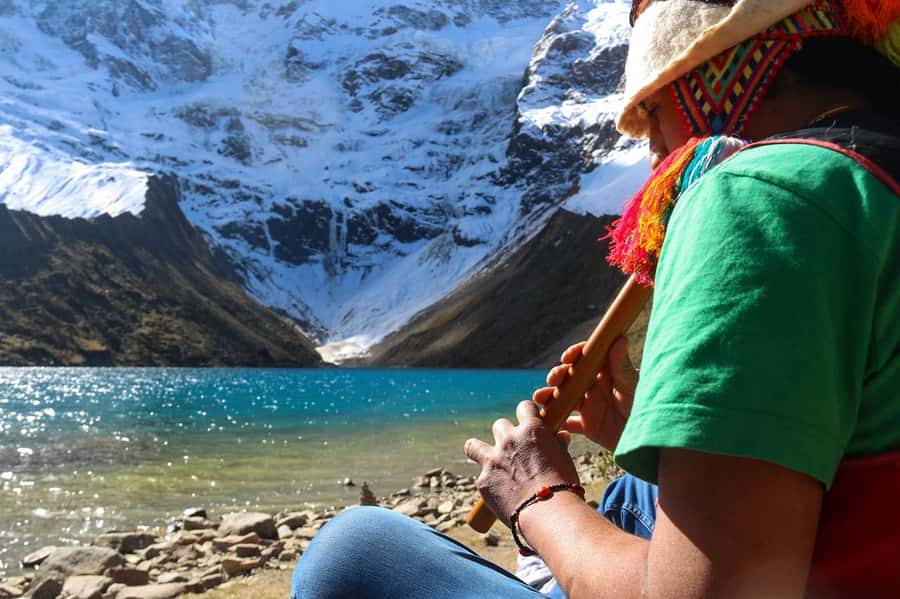
The guide can make a real difference on this day. Eduardo was singled out for explaining nature, local traditions, and the people of the region. That kind of interpretation adds meaning to a long walk. At the same time, one departure had three different guides despite an expectation of keeping one guide throughout. Confirm who will lead each day.
more ways to reach machu picchu
- From Cusco: Full-Day Group Tour of Machu Picchu
★ 4.7 · 1,767 reviews - Machu Picchu Day Trip from Cusco
★ 4.5 · 1,644 reviews - Machu Picchu: Full-Day Tour from Cusco with Optional Lunch
★ 4.6 · 927 reviews - Cusco: 4-Day Inca Trail to Machu Picchu with Accommodation
★ 4.8 · 432 reviews
Day 4: Lucmabamba, Llactapata, Hidroelectrica, and Aguas Calientes
The fourth day covers about 14 kilometers and lasts around six hours. It is the shortest stated hiking day, but it still packs in several sections: Lucmabamba to Llactapata, onward to Hidroelectrica, then the final connection to Aguas Calientes.
Llactapata is one of the route’s key historical and scenic points. From there, you continue toward Hidroelectrica, a common approach corridor for Machu Picchu. The route’s character now feels less like a remote mountain trek and more like a determined walk toward the famous citadel.
You spend the night in a hotel in Aguas Calientes, also called Machu Picchu Pueblo. That room is a welcome change after three campsite nights. It also puts you in position for the early Machu Picchu visit on day five.
The schedule is busy, so keep your daypack light and your shoes closed-toe. Open-toed shoes are not allowed, and the operator also bans oversized luggage, alcohol, drugs, baby strollers, electric wheelchairs, crutches, and nudity. Those rules are blunt, but they tell you this is a physically demanding group activity, not a flexible sightseeing transfer.
Day 5: Machu Picchu and the journey back to Cusco
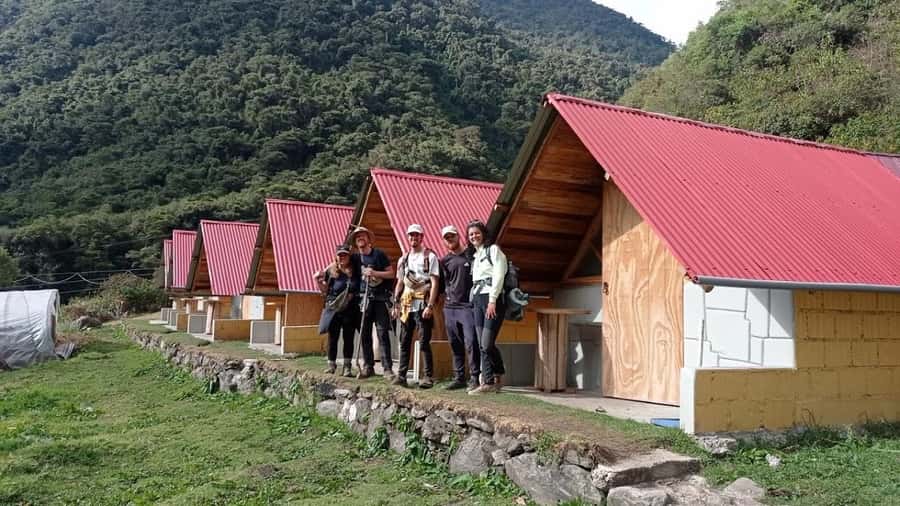
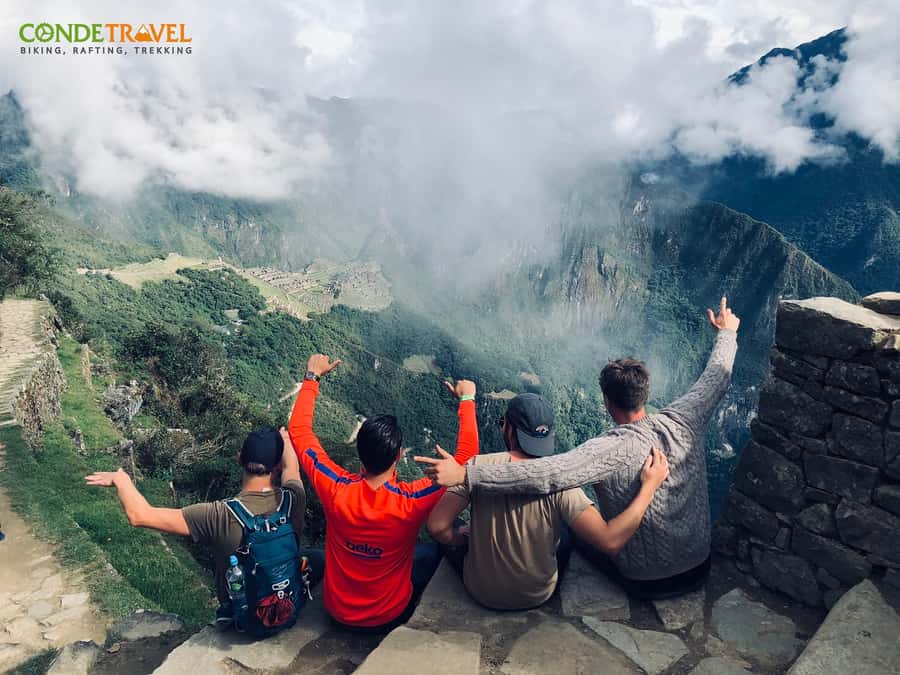
The final day centers on Machu Picchu citadel. Your package includes the entrance ticket and the round-trip bus between Aguas Calientes and the site, which saves you from arranging those pieces yourself.
The bus is useful after four days of hiking. You can arrive at the citadel with more energy for the guided visit instead of treating the final morning as another endurance exercise. The included ticket covers Machu Picchu itself, but not Huayna Picchu or Machu Picchu Mountain. If one of those climbs is essential to your plan, check availability and cost separately.
After the visit, the package includes a train from Aguas Calientes to Ollantaytambo, followed by transport to Cusco. The final day does not include lunch or dinner, so carry cash and plan for those meals.
A logistical problem did occur on one departure, with two days lost in Machu Picchu Pueblo while tickets were being handled. That is not a minor inconvenience after a five-day trek. Ask how tickets are issued and how much time you will have in Aguas Calientes before you book.
Camping, meals, and what you carry
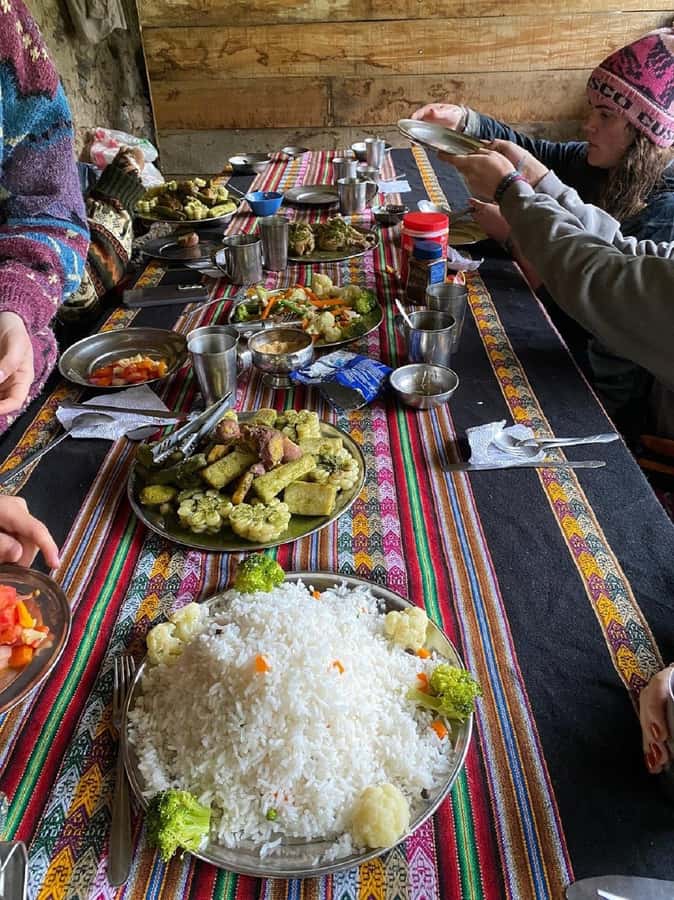
The three-night campsite plan is one of the most appealing parts of this package. SalkantayPampa is presented as a proper basecamp, with a dining tent and kitchen rather than a simple overnight stop. You also receive a sleeping bag, which reduces the amount of bulky gear you must bring.
The included food covers the meals specified in the daily plan. Vegetarian options are available. The first breakfast and final day’s lunch and dinner are not included, so budget for them and do not assume every meal from Cusco to Cusco is covered.
Your daypack should hold a hat, warm clothing, a change of clothes, sunscreen that is biodegradable, a flashlight, cash, personal medication, a charged smartphone, and a garbage bag. Closed-toe shoes are required. Snow clothing is also on the recommended list, a reminder that conditions can change sharply between the high camps and the warmer valley.
Personal care items are not included. Pack the items you need rather than expecting camp staff to supply them. Keep valuables and your passport secure, since the passport is required for the trip.
Difficulty, group size, and who should choose it
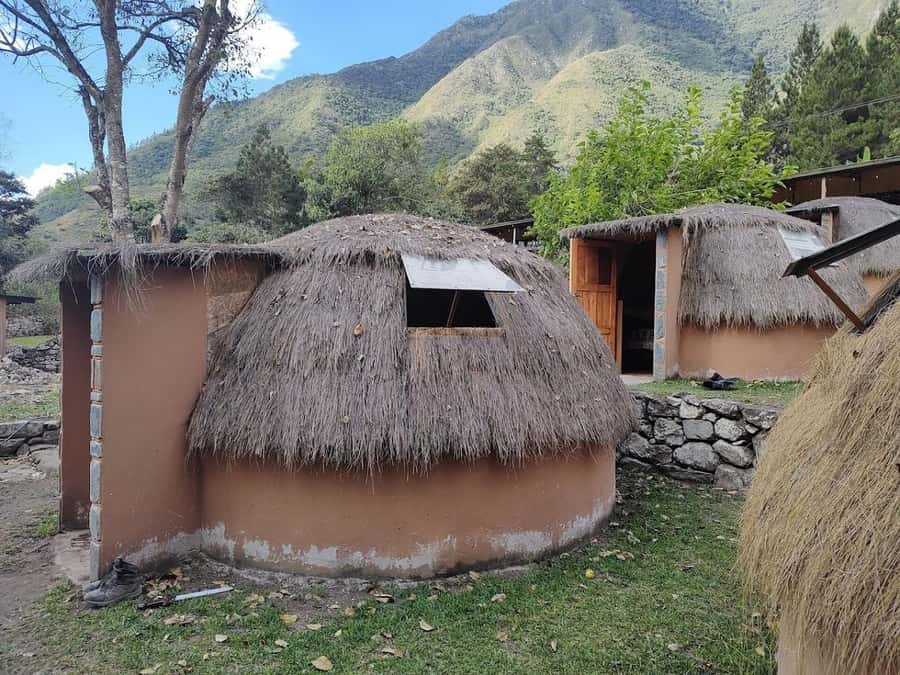
The official difficulty is moderate to challenging. The mileage explains why: 64 kilometers over four hiking days, with three days of 16 to 18 kilometers and walking times of six to seven hours. You do not need to be a technical mountaineer based on the information provided, but you should be comfortable with long days on foot and changing temperatures.
The small group limit of 15 is a good middle ground. It is small enough for a guide to keep an eye on the group, yet large enough to share the cost of the cook, assistants, tents, buses, and transfers. The actual guide experience remains important, so ask if the same English-speaking guide will stay with you throughout.
This trek is not suitable for children under five, pregnant women, people with back or heart problems, people with mobility impairments, wheelchair users, or people over 70. Those restrictions are clear and should be taken seriously.
I would choose this route if you want a stronger physical trip than a basic Machu Picchu package, enjoy camping, and like the idea of seeing several parts of the Cusco Region in one journey. I would look elsewhere if you need flexible pacing, guaranteed private support, or a fully polished medical and communication system.
Practical cautions before departure
Pickup is included from your hotel. Wait in the lobby 10 minutes before the scheduled time. The driver is supposed to carry a sign with your surname and the company logo, so have your booking name visible and avoid waiting outside where you might miss the vehicle.
The activity is offered in English and has a non-refundable cancellation policy. Check the start time before booking, since departure times are subject to availability.
The most important question concerns the itinerary. One participant found that the actual plan did not match the expected schedule and that the guide changed more than once. Get the daily route and overnight locations in writing, and ask what happens if illness prevents you from continuing. This is especially important because the advertised support details do not promise medical evacuation or hotel compensation.
Should you book this Salkantay Trek?
Book it if you want a reasonably priced, all-in-one route to Machu Picchu with real camping, long hiking days, a small group, and changing scenery from Humantay Lake to Lucmabamba. The included train, buses, tickets, meals, chef, sleeping bag, and Cusco transfers make $510 a fair price when the operation runs as planned.
Pause before booking if you are sensitive to poor communication or need dependable emergency support. The strongest account praises Eduardo for thoughtful explanations of nature, traditions, and local people, while the weakest account raises serious concerns about illness support, guide changes, and schedule control.
My advice is simple: confirm the guide, the exact four-night plan, ticket handling, and emergency procedure before making this non-refundable purchase. If those answers are clear, this can be a memorable and good-value alternative to the Inca Trail. If the answers are vague, choose a provider with firmer operational details.
FAQ
How long is the Salkantay Trek to Machu Picchu?
The trek lasts five days and four nights. The hiking distance is about 64 kilometers, or 39 miles.
Where does the trek depart from?
The tour departs from Cusco in Peru’s Cusco Region. Hotel pickup is included.
How many people can join the group?
The group is limited to 15 participants.
What language does the guide speak?
The live guide service is provided in English.
How many nights are spent camping?
You spend three nights at campsites, including the SalkantayPampa basecamp.
Where do you sleep on the fourth night?
The fourth night is in a hotel in Machu Picchu Pueblo, also known as Aguas Calientes.
Is food included?
Food listed in the itinerary is included, and vegetarian options are available. The first breakfast and the final day’s lunch and dinner are not included.
Is the train back to Cusco included?
Yes. The package includes a train from Aguas Calientes to Ollantaytambo and transportation from Ollantaytambo to Cusco.
Are Huayna Picchu or Machu Picchu Mountain included?
No. Entrance to Huayna Picchu and Machu Picchu Mountain is not included in the package.
More Hiking & Trekking in Machu Picchu
- 2 Day Hiking Short Inca Trail to Machu Picchu
★ 5.0 · 66 reviews - Short Inca Trail 2 Day Hike to Machu Picchu with Permits & Train
★ 5.0 · 51 reviews - 4-Day Lares Trek to Machu Picchu from Cusco
★ 5.0 · 47 reviews - 5-Day: Salkantay Trek to Machupicchu and Humantay Lake
★ 5.0 · 42 reviews
More Salkantay Treks
- Small Group 5 Days Salkantay and Machu Picchu by Llactapata Tour
★ 5.0 · 88 reviews - Salkantay Trek 4 Days to Machu Picchu by Glamping Sky Lodge Dome
★ 5.0 · 68 reviews - Salkantay Trek to Machu Picchu in 4 days
★ 4.5 · 50 reviews - Salkantay Trek To Machu Picchu 5 Days And 4 Nights
★ 5.0 · 44 reviews
Recently added around Machu Picchu
- Machu Picchu: Private Tour Guide Service for up to 15 people★ 4.5 · 3 reviews
- Machu Picchu: 1-day tour by Vistadome Observatory train★ 5.0 · 3 reviews
- Peru in 5 days: Lima, Cusco, Machupicchu & Rainbow Mountain★ 5.0 · 3 reviews
- Cusco: 5-Day Salkantay Ultimate Trek to Machu Picchu★ 5.0 · 3 reviews
- From Cusco: Machu Picchu by Car 2D/1N★ 3.5 · 3 reviews
- Huchuy Qosqo Trek To Machu Picchu★ 5.0 · 3 reviews
- Guide in Machu Picchu★ 5.0 · 3 reviews
- IN MACHU PICCHU: Private Tour Guide Service★ 5.0 · 3 reviews
Machu Picchu Tours, compared.



4-Day Inca Trail to Machu Picchu with Accommodation
Read our review →
2-Day Trip to the Sacred Valley and Machu Picchu
Read our review →
Machu Picchu 2-Day Inca Trail with Panoramic Train
Read our review →
Browse the lists this tour appears in