
Reviewed · MACHU PICCHU TOURS
4-Day Lares Trek to Machu Picchu from Cusco
The best part of this four-day route is that Machu Picchu comes at the end of a real mountain journey, not as a quick day trip from Cusco. You climb through the Lares Valley, camp near local communities, pass llamas and alpacas, and cross a 4,400-meter mountain pass before reaching the famous ruins.
I like two things right away. First, the group is small, with an average of four people and a maximum of 15. Second, the trip takes care of the hard logistics: a cook prepares three days of meals, horses carry equipment and 7 kilos of your belongings, and your guide handles the trek and Machu Picchu visit. The main drawback is clear: this is a difficult high-altitude hike, with long uphill stretches and cold nights.
Key points to know before booking
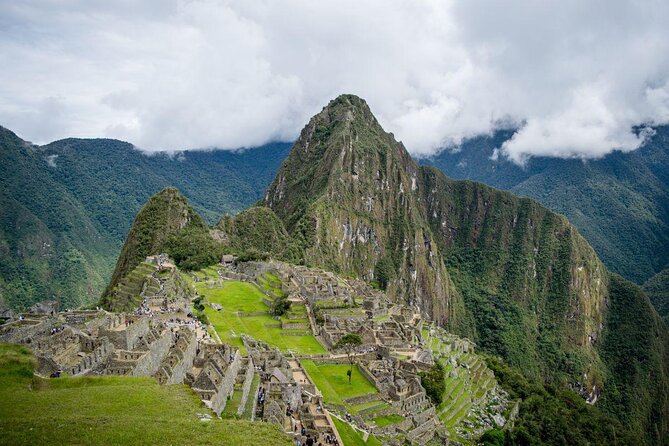
- The 4,400-meter Ipsayccocha Pass is the physical high point: Day 2 brings the toughest climb, followed by a long descent.
- You sleep in two different styles: Two nights are spent in tents, then you get a three-star hotel room in Aguas Calientes.
- Local contact is part of the route: The camps near Wakawasi and Patacancha offer a closer look at mountain communities, crops, llamas, and alpacas.
- Guide Percy has earned special praise: His English, humor, patience, and careful support on the trail are useful qualities at altitude.
- Meals are a major part of the package: A cook prepares fresh Peruvian dishes, snacks, hot drinks, and a vegetarian choice with advance notice.
- Huayna Picchu is not included: If you want that extra climb, you need a separate ticket, requested at least two weeks ahead.
Why choose the Lares route to Machu Picchu
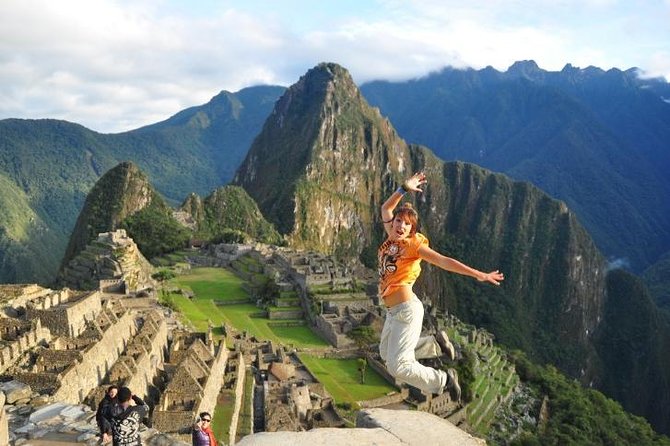
The Lares Trek gives you a more varied approach to Machu Picchu than simply taking a train from the Sacred Valley. You still get the train and bus connections needed to reach the ruins, but the first two days are spent walking through high Andean country.
That matters because the route gives you time to adjust to the scale of Peru. The mountains are not scenery viewed through a bus window. You cross them on foot, sleep beside them, and feel every meter of altitude in your legs.
The route is also a good fit if you want some contact with rural communities without giving up the comfort of a hotel night. You camp at Wakawasi and Patacancha, then sleep in Aguas Calientes before Machu Picchu. It is a practical mix of outdoor travel and standard sightseeing.
The tour costs $847 per person. That is not a budget walk, but the price covers transport from Cusco to Lares, camping equipment apart from the sleeping bag, a cook, horses, meals, the train, Machu Picchu buses, the hotel, and a bilingual guide. You will still pay for a sleeping bag rental, hot springs, bottled water, optional mountain hikes, tips, and your Cusco accommodation.
I see the price as reasonable for a guided four-day trip if you value having the moving parts arranged for you. The train and Machu Picchu entrance arrangements alone can be awkward to coordinate. The value is weaker if you already have camping equipment, transport plans, and experience organizing high-altitude hikes on your own.
More Hiking Tours in Cusco
- From Cusco: 7 Lakes Ausangate Trek with Breakfast and Lunch
★ 4.8 · 360 reviews - Cusco: Rainbow Mountain Tour and Red Valley Hike (Optional)
★ 4.7 · 149 reviews - Cusco: Full-Day Rainbow Mountain & Red Valley Trekking Tour
★ 4.5 · 121 reviews
Day 1: Lares hot springs and the climb to Wakawasi
Your day begins early, with pickup from your Cusco accommodation around 6:00 am. The bus takes you to Lares Town at 2,900 meters. You can visit the hot springs before hiking, but the admission fee is extra and listed at 10 soles.
The hot springs are a pleasant option, especially if you have spent several days in Cusco and want a gentle start. Keep an eye on the clock, though. The first hiking day is about 14 kilometers and six hours, and the route climbs to Wakawasi at 3,850 meters.
The trail rises in a zigzag pattern toward the campsite. Along the way, you can expect views of glaciers, mountain wildlife, and local communities. The appeal is not a single famous viewpoint. It is the gradual change from town to open mountain country.
Wakawasi gives the first night a local focus. You camp near the community and have the chance to meet families who live close to the land. This is one of the more meaningful parts of the route, but it also means you should arrive ready for a basic night outdoors. The camping package includes a tent for two and a basic sleeping mattress. Solo hikers share a tent with another person, while couples have a tent to themselves.
The first day includes lunch and dinner, but not breakfast. Bring something to eat before pickup, or arrange breakfast in Cusco. This small detail is easy to miss when you are focused on the early departure.
Day 2: Crossing Ipsayccocha Pass at 4,400 meters
Day 2 is the hardest day of the trek. You start with about four hours of uphill walking to Ipsayccocha Pass, which reaches 4,400 meters. At this height, the distance is only part of the challenge. Cold, thin air and a steady climb make pacing important.
You then walk downhill for about 40 minutes to a lake, where lunch is served. The lake provides a natural pause after the pass, although you should not expect the day to be nearly finished. From there, the trail continues for roughly three hours to Patacancha.
The full day covers about 15 kilometers and takes around eight hours. You will camp at approximately 3,800 meters, surrounded by llamas, alpacas, and native crop fields. This setting gives you a close look at highland farming and animal keeping, rather than a polished tourist version of rural Peru.
I would treat this day as a test of preparation, not a race. Use the hiking poles suggested by the operator, dress in layers, and keep rain protection close at hand. The packing notes also recommend thermals, gloves, warm socks, a hat, sunscreen, sunglasses, and a waterproof cover for electronics.
The horses carry cooking and camping equipment, plus up to 7 kilos for each hiker during the first three days. That allowance includes 2.5 kilos for the sleeping bag and mattress and 2.5 kilos of personal items. You still need to carry your day-use essentials, water, and anything you want during the walk.
Food on the trail: a real advantage
The food deserves more than a line in the inclusions list. A cook prepares breakfast, lunch, dinner, and snacks, using fresh ingredients and a menu that includes Peruvian dishes. Breakfasts may include hot porridge, quinoa, oats, eggs, pancakes, bread, and hot drinks.
Lunch and dinner can include soups, quinoa, potatoes, chicken, beef stew, fried rice, pasta, and dishes such as aji de gallina or ajiaco de olluco. Snacks include items such as popcorn, cookies, crackers, coca tea, coffee, hot chocolate, and boiled water.
The exact menu can vary, but the important point is that meals are cooked for the group rather than treated as an afterthought. One strong account singled out the food and the cook, which matters after long hours at altitude.
Vegetarian meals are available, but you need to request them at least two days before departure. Bottled water is not included, and water, snacks, and sports drinks can cost much more along the trail. Bring a refillable water bottle and extra cash.
more ways to reach machu picchu
- From Cusco: Full-Day Group Tour of Machu Picchu
★ 4.7 · 1,767 reviews - Machu Picchu Day Trip from Cusco
★ 4.5 · 1,644 reviews - Machu Picchu: Full-Day Tour from Cusco with Optional Lunch
★ 4.6 · 927 reviews - Cusco: 4-Day Inca Trail to Machu Picchu with Accommodation
★ 4.8 · 432 reviews
Day 3: Patacancha to Ollantaytambo, then by train to Aguas Calientes
The third day eases off the altitude work. From Patacancha, you walk about four hours to Ollantaytambo, covering roughly 12 kilometers. You have lunch there before boarding the train to Aguas Calientes.
This day is useful because it shifts the trip from remote mountain trekking back into the Sacred Valley transport network. It also gives you a chance to wash up and rest properly. Your overnight stay is at a three-star hotel in Aguas Calientes, a welcome change after two nights in a tent.
The hotel arrangement works differently for solo hikers and couples. A solo hiker may share a room with another person, while couples have a private room. If you want more time in town, an extra night in Aguas Calientes can be arranged when booking.
Your guide meets you in Aguas Calientes to explain the next morning. You can spend the rest of the day walking around town, using an internet cafe, sitting in a cafe, playing board games or cards, shopping, or simply resting.
Do not expect the guide to accompany you on every transfer. The trek and Machu Picchu visit are guided, but the bus and train portions are on your own. This is not difficult, but you should pay attention to departure times and know where you need to go.
Day 4: The first bus to Machu Picchu
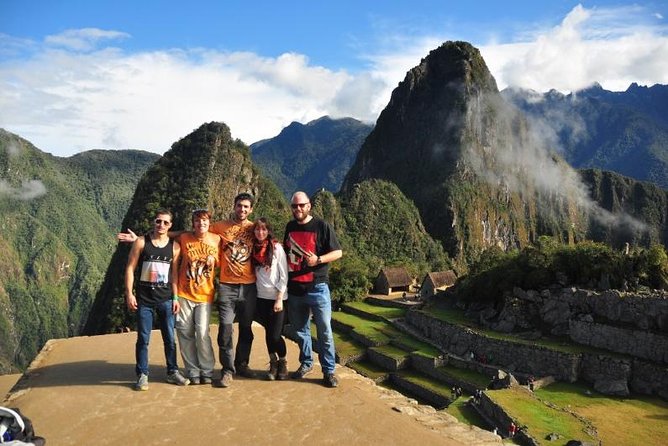
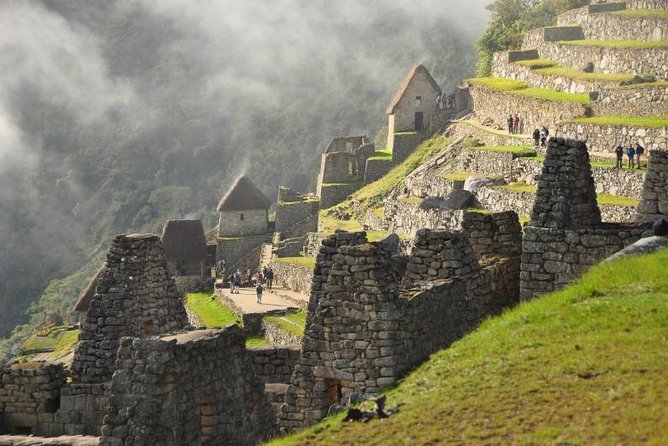
The final morning starts early. The plan is to catch one of the first buses around 5:30 am, with a ride of about 25 minutes to Machu Picchu. The early arrival is designed to let you see the ruins as morning mist clears and the light changes.
Your guide leads a walking tour of about two hours. The tour covers the main sites and the history of Machu Picchu, then you have free time to explore and take photos at your own pace.
That balance works well. A guided visit gives you the basic story and helps you understand what you are seeing. Free time lets you slow down, take photographs, and revisit the places that interest you most.
After the site visit, you take the bus back to Aguas Calientes. You can browse the marketplace near the train station before the train returns to Ollantaytambo. From there, a bus takes you to Cusco, arriving around 8:00 pm at Plaza San Francisco.
The final day is long, and the return to Cusco is not a simple afternoon transfer. You should avoid scheduling an important evening activity. Drop-off at your Cusco accommodation is not included, so plan to make your own way from Plaza San Francisco.
Huayna Picchu and Machu Picchu Mountain
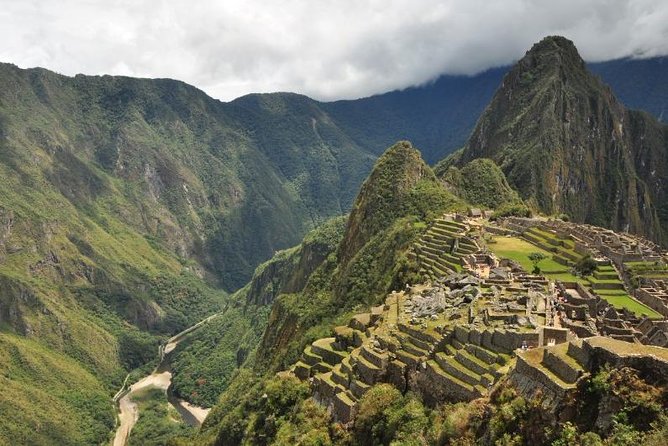
The standard package includes the Machu Picchu guided visit, but not the optional climbs. Huayna Picchu is the steep peak inside the archaeological site. The climb usually takes about 45 to 60 minutes and can be muddy.
You need to request a separate ticket at least two weeks ahead. Only 400 passes are available, split between 7:00 am and 10:00 am entry times. The extra ticket costs more, and prices can change, so confirm the current amount before departure.
Machu Picchu Mountain is another optional hike and requires advance booking at least one week ahead. I would not add either climb casually. The trek has already included two demanding high-altitude days, and the fourth day begins early. If you have strong energy and want a higher viewpoint, book ahead. If you prefer a relaxed visit to the ruins, the included two-hour tour and free exploration are enough.
The guide, group size, and working conditions
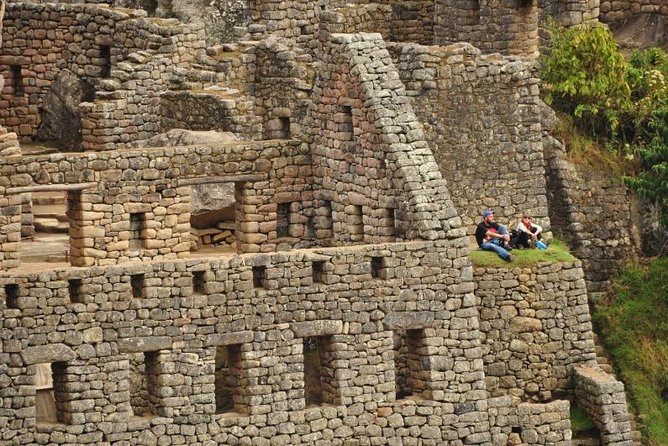
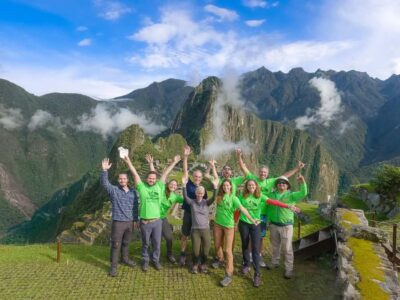
The tour uses a professional bilingual guide for both the trek and Machu Picchu. Percy is specifically identified as a guide who is experienced, funny, helpful, considerate, and comfortable speaking English. Those qualities are practical, not decorative, on a hard mountain route.
A guide who watches your pace and helps you handle the climb can make the difference between a rewarding day and a miserable one. The group size helps too. The average is four people, with a maximum of 15, so the experience is likely to feel more personal than a large bus-based tour.
A cook and horsemen support the trek, carrying equipment and preparing meals. Tips are optional, though customary. Suggested amounts are provided for the guide, assistant guide, horsemen, and cook, with the cook and horsemen amounts shared across the group as specified.
What to pack for four days
Pack for changing conditions. The trail reaches 4,400 meters, nights are cold, and rain is possible. The suggested list includes:
- Trekking poles and sturdy trekking boots
- Rain pants and a rain poncho
- Warm socks, thermals, a sweater, hat, and gloves
- Sun hat, sunscreen, and sunglasses
- Sandals for camp
- Water bottle and hand sanitizer
- Flashlight, spare batteries, and extra memory card
- Waterproof bags for your camera and other electronics
- Personal medication and a small first-aid kit
A sleeping bag is not included, but you can rent one in Cusco for $15. There is limited to no electricity during the camping portion, so charge your devices before leaving and carry spare batteries if you want photographs throughout the trek.
Bring your original passport. You must also carry the passport used for the booking if it has since been renewed or replaced, or bring a photocopy of it. Passport information must match the booking exactly, and the passport needs to be valid for at least six months after the travel date.
Who should book this trek
I would recommend this route to you if you want Machu Picchu but prefer to earn the arrival with several days of mountain walking. It suits hikers who enjoy simple camping, local contact, fresh cooked meals, and a small group.
You need moderate physical fitness, but I would personally read that as a minimum rather than a promise of an easy hike. The route includes long days and high altitude, with the most demanding climb on Day 2. The minimum age is seven, but age alone does not determine readiness for 4,400 meters.
This is less suitable if you want a relaxed holiday, dislike shared camping arrangements, or have no time to prepare for altitude. It is also not the right choice if you expect a guide to escort you through every bus and train connection.
Departure dates are Monday, Wednesday, and Saturday. Daily departures are available with a group of four or more. A mandatory briefing takes place at the Cusco office at 6:00 pm the evening before departure, where you receive the packing information and confirm the schedule.
Should you book the Lares Trek?
Book it if you want a challenging alternative route to Machu Picchu, value a small group, and like having transport, meals, camping support, and the main sightseeing arrangements handled for you.
Think twice if the high altitude worries you, if you need private accommodation every night, or if you want a short and gentle route. The $847 price buys a lot, but the trek still demands preparation, warm clothing, patience, and a willingness to sleep simply.
For the right hiker, the payoff is a strong four-day story: Lares hot springs, glacier views, community camps, the Ipsayccocha Pass, a comfortable night in Aguas Calientes, and Machu Picchu at dawn. The consistently strong 5-star rating and 100 percent recommendation fit the tour’s main strengths: good food, careful guiding, and a well-supported route.
FAQ
How long is the Lares Trek to Machu Picchu?
The experience lasts approximately four days. Hiking totals about 14 kilometers on Day 1, 15 kilometers on Day 2, and 12 kilometers on Day 3. Day 4 includes the Machu Picchu visit and return transport to Cusco.
What is the highest point on the trek?
The highest point is Ipsayccocha Pass at 4,400 meters. The tour notes that most of the trek takes place at elevations around 4,000 meters, so good physical condition and warm clothing are needed.
Is breakfast included on the first day?
No. Day 1 breakfast is not included. The package includes three breakfasts on the later days, along with three lunches, three dinners, and three snacks.
Are vegetarian meals available?
Yes. Vegetarian meals are available with advance notice. You should request this option at least two days before departure.
Is a sleeping bag included?
No. A sleeping bag can be rented in Cusco for $15. The camping package includes a basic sleeping mattress and a tent for two people.
How much luggage can the horses carry for each hiker?
Horses carry up to 7 kilos for each hiker during the first three days. This allowance includes 2.5 kilos for the sleeping bag and mattress and 2.5 kilos of personal items.
Is the Lares hot spring included?
No. The hot springs in Lares Town cost extra, listed at 10 soles. Bring a bathing suit if you plan to use them.
Is Machu Picchu entrance included?
Yes. The package includes the Machu Picchu visit, a two-hour guided tour, and round-trip buses between Aguas Calientes and the archaeological site.
Are Huayna Picchu and Machu Picchu Mountain included?
No. Both are optional activities with an extra cost. Huayna Picchu must be requested at least two weeks in advance, while Machu Picchu Mountain must be booked at least one week ahead.
Does the guide accompany the train and bus transfers?
No. The guide accompanies you during the trek and the Machu Picchu tour, but the bus and train transfers are not guided.
More 4-Day Experiences in Cusco
- 4 Day Tour to the Manu National Park
★ 5.0 · 81 reviews - Cusco Sacred Valley and Machupicchu 4 Days
★ 5.0 · 80 reviews - Ancascocha Trek To Machu Picchu 4 Days And 3 Nights
★ 5.0 · 77 reviews - 4 Day Inca Trail Trek to Machu Picchu Multi day tour
★ 5.0 · 70 reviews
More Hiking & Trekking in Cusco
- Salkantay Trek Challenge – 3 Days / 2 Nights
★ 5.0 · 101 reviews - From Cusco: Rainbow Mountain Trek
★ 4.5 · 98 reviews - Private Palccoyo Rainbow Hike Without the Crowds
★ 5.0 · 86 reviews - Choquequirao Trek 4 days and 3 nights
★ 5.0 · 81 reviews
Recently added around Cusco
- Palcoyo colored mountain hike + stone forests★ 4.6 · 3 reviews
- Maras Moray★ 5.0 · 3 reviews
- Full-Day Condor Viewpoint & Inca Sites Tour★ 5.0 · 3 reviews
- From Cusco: Vinicunca Mountain of Colors Excursion + Ticket★ 5.0 · 3 reviews
- Excursion Cusco – Puno – Titicaca Observatory Train★ 5.0 · 3 reviews
- Machu Picchu: Private Tour Guide Service for up to 15 people★ 4.5 · 3 reviews
- Machu Picchu: 1-day tour by Vistadome Observatory train★ 5.0 · 3 reviews
- Cusco: Chonta Canyon and Condor Flight Tour with Lunch★ 5.0 · 3 reviews
Machu Picchu Tours, compared.



4-Day Inca Trail to Machu Picchu with Accommodation
Read our review →
2-Day Trip to the Sacred Valley and Machu Picchu
Read our review →
Machu Picchu 2-Day Inca Trail with Panoramic Train
Read our review →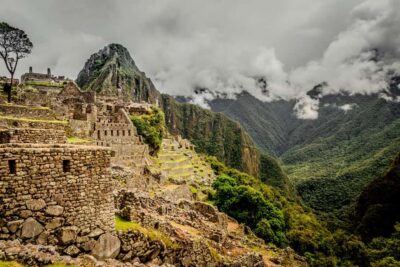
Browse the lists this tour appears in