
Reviewed · MACHU PICCHU TOURS
Salkantay Trek: 5 Days to Machu Picchu
The great appeal of this five-day Salkantay Trek is the change in scenery. You begin among snow-covered peaks and a high mountain lake, cross the 4,650-meter Salkantay Pass, then descend through coffee country, orchids, hot springs, and tropical forest before reaching Machu Picchu.
I like the small maximum group of 12, which gives your guide room to adjust the pace. I also like the practical support: cooks prepare four breakfasts, lunches, dinners, and hot drinks, while horsemen carry camping gear and up to 7 kilograms of your belongings. The catch is simple: this is a serious hike, especially on the first two days, and altitude sickness, steep descents, cold nights, and mosquitoes can all affect your enjoyment.
Key points to know before booking
- Humantay Lake and Salkantay Pass provide the trek’s biggest mountain views, with the pass reaching 4,650 meters.
- The first two days are the hardest, with long uphill and downhill sections at high altitude.
- The scenery changes fast, from bare Andean heights to coffee plantations, orchids, and tropical forest.
- Camping gear, meals, horses, and an emergency horse are included, making the trek easier to manage with a light daypack.
- The final approach to Aguas Calientes is on foot from Hydroelectric, followed by a guided Machu Picchu visit on day five.
- The price is $909, including transport back to Cusco by train and bus, but several useful extras cost more.
What the five-day route is really like
Salkantay is a strong alternative to the classic Inca Trail if you want big mountain scenery and fewer people on the path. It is not a gentle stroll to Machu Picchu. The route covers long hours on foot, reaches high altitude quickly, and uses campsites for three nights.
The reward is variety. The Inca Trail focuses more heavily on stone paths and archaeological sites. This route gives you glacier-fed mountain scenery, high passes, farming areas, jungle-edge vegetation, and a long walk beside the railway toward Aguas Calientes.
Your group leaves Cusco at 4:30 in the morning. That early start helps you reach the trail before the day gets hot, but you should expect a very early first alarm and a long day almost immediately. A pre-trek briefing takes place at your hotel the day before, giving you a chance to ask about packing, altitude, meals, and the walking schedule.
More Hiking Tours in Cusco
- From Cusco: 7 Lakes Ausangate Trek with Breakfast and Lunch
★ 4.8 · 360 reviews - Cusco: Rainbow Mountain Tour and Red Valley Hike (Optional)
★ 4.7 · 149 reviews - Cusco: Full-Day Rainbow Mountain & Red Valley Trekking Tour
★ 4.5 · 121 reviews
Day 1: Humantay Lake and the first night at Soraypampa
Pickup is scheduled for 4:30 am, followed by a bus journey through Izcuchaca and Limatambo to Mollepata. You reach Mollepata at about 7:30 am for breakfast. Breakfast on day one is not included in the tour price, so plan to pay for it separately.
At Mollepata, you can leave personal belongings for the muleteers. The information provided gives two different baggage figures: the day-by-day plan refers to 5 kilograms, while the inclusions list says 7 kilograms per person. Ask Tierras Vivas to confirm the current allowance before you pack.
A vehicle then takes you to Challacancha, at about 3,380 meters. From there, you walk for roughly three hours to Soraypampa, at about 3,900 meters. This first section is a useful test of how your body handles the altitude. The pace matters more than speed, so keep your steps short and drink water often.
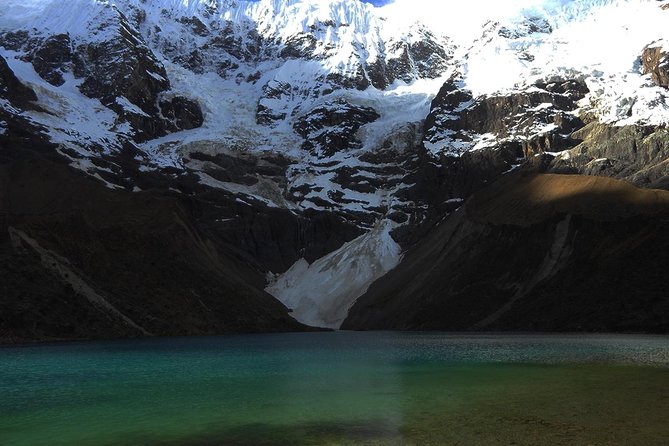
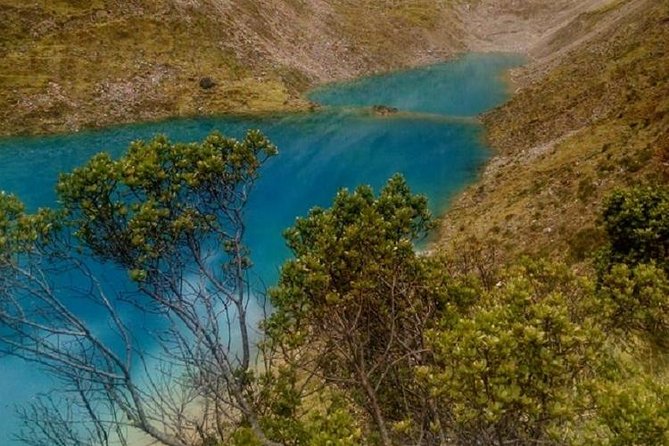
After lunch at camp, you walk to Humantay Lake. The lake is the day’s visual prize, set below the snowy Humantay peak. You return to Soraypampa to rest, with about five hours of walking listed for the day, not counting all stops and the lake visit.
The first night can be cold. The package includes double tents, an inflatable Therm-a-Rest mattress, a sleeping bag rated to minus 5 degrees Celsius, a blanket, and a pillow. That equipment is a real benefit, since carrying your own winter camping kit would make the trek much harder.
Day 2: The Salkantay Pass is the physical test
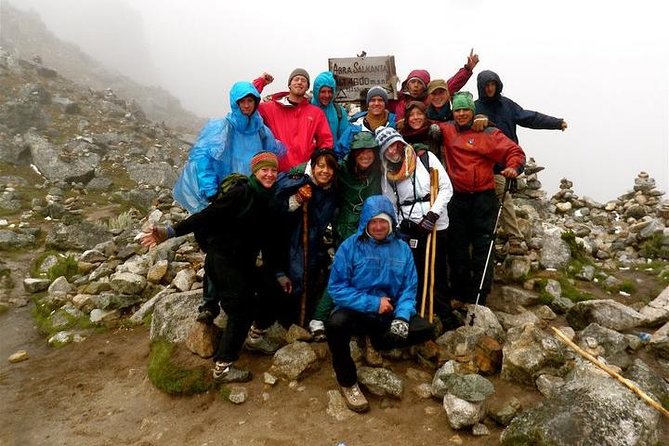
Day two starts at 5:00 am with breakfast. You climb from Soraypampa toward Abra Salkantay, the highest point of the route, at about 4,650 meters. The ascent takes around three hours.
This is the day to judge your own fitness honestly. High altitude can turn a normal uphill walk into a slow, breathless effort. The tour includes an emergency horse that you can ride if you feel ill or cannot keep pace. That safety option is reassuring, but you should not treat it as a substitute for preparing properly.
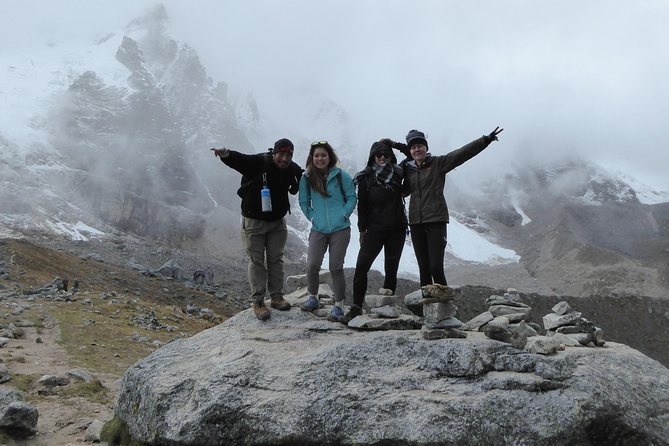
Near the pass, the route goes through Salkantaypampa and Soyrococha. You can see the snow-covered Salkantay, Humantay, Tucarhuay, and Pumasillo mountains. The open views and stark mountain air make this the most dramatic part of the trek.
After reaching the pass, you descend for about three hours to Huayracmachay, at 3,800 meters, for lunch. The descent continues for another three hours to Chaullay, at 2,900 meters, where you camp. The itinerary lists about ten hours of walking, making this the longest and toughest day.
Steep downhill walking can be harder on your knees than climbing. One 55-year-old participant needed changes to the route and rented horses along the way because the descents were painful. If your knees or ankles are a concern, bring trekking poles and discuss options with your guide during the briefing.
Day 3: From mountain air to coffee and orchids
The third day feels like a different trip. After breakfast at 6:00 am, you walk for about five and a half hours through the cloud forest, with regular climbs and descents.
The vegetation changes as you lose altitude. You pass coffee plantations, orchids, bromeliads, and plants used in local natural medicine. This is a good day to slow down and ask your guide about the plants, farming, and local culture. Guides such as Carlos, Nico, Juan de Dios, Diego, Jennifer, and Alvina have received strong praise for their English, organization, cultural explanations, and care with pacing. Your assigned guide may be different, but the operator uses bilingual professional guides.
You arrive at Playa Sahuayaco for lunch, then take included transport to the camp at Santa Teresa. This vehicle transfer breaks up the walking and saves your legs for the final approach to Machu Picchu.
Santa Teresa offers an important choice. You can visit the thermal baths at Cocalmayo, though the entrance ticket is not included, or choose the alternative archaeological-site visit described in the tour overview. The detailed day-by-day plan specifically explains the hot springs but does not name the archaeological site, so confirm the exact option and any extra cost before departure.
The tropical setting also brings mosquitoes. Pack repellent and light clothing that covers your arms and legs. This is one of the few parts of the route where comfort can drop sharply if you are not prepared.
more ways to reach machu picchu
- From Cusco: Full-Day Group Tour of Machu Picchu
★ 4.7 · 1,767 reviews - Machu Picchu Day Trip from Cusco
★ 4.5 · 1,644 reviews - Machu Picchu: Full-Day Tour from Cusco with Optional Lunch
★ 4.6 · 927 reviews - Cusco: 4-Day Inca Trail to Machu Picchu with Accommodation
★ 4.8 · 432 reviews
Day 4: Walking from Hydroelectric to Aguas Calientes
Breakfast comes in a tropical setting before transport takes you toward Hydroelectric. Lunch is served at a restaurant there, and then you walk through the forest to Aguas Calientes.
The railway walk is a different kind of trek from the mountain sections. You are no longer climbing toward a high pass. Instead, you follow the route toward the town below Machu Picchu, surrounded by tropical vegetation and steep valley walls.
The walk takes about five hours according to the schedule. At the end, you check into accommodation in Aguas Calientes. The inclusions call this a hotel night in Machu Picchu, while the daily plan calls it a hostel in Aguas Calientes. These refer to the same town area, but the standard and exact property are not specified, so ask for the accommodation details if that matters to you.
Dinner with your guide is scheduled for 6:30 pm. This meeting covers the next morning’s Machu Picchu plan. It is useful because the final visit involves an early wake-up, a timed entrance, and a return to Aguas Calientes for the train.
Day 5: Machu Picchu and the journey back to Cusco
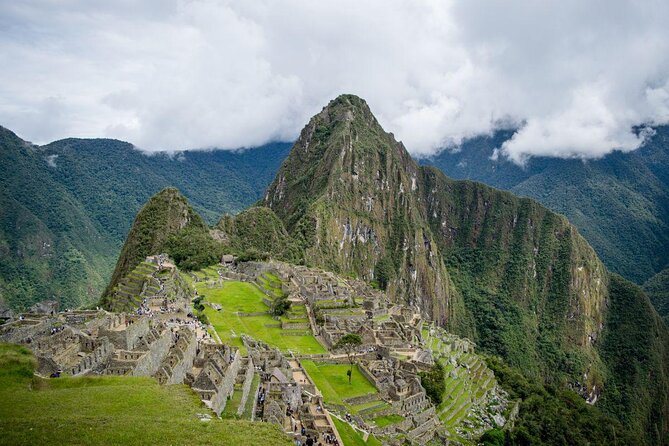
You get up early for Machu Picchu. The guide leads you through the citadel, including temples, terraces, palaces, and platforms, then gives you time for photographs and independent exploring.
The guided portion is listed as about two hours. That is enough for an introduction to the main areas, but it is not an all-day archaeological tour. The information supplied does not clearly state the cost or inclusion of the standard Machu Picchu entrance ticket, even though a guided visit is scheduled. Confirm that point before paying, since the listed exclusions mention Huayna Picchu but do not explicitly spell out the regular citadel ticket.
The shuttle bus between Aguas Calientes and Machu Picchu is not included. It costs $12 each way, or $24 for a return trip. The itinerary says you descend to Aguas Calientes at the appropriate time, so you should also confirm whether your group walks down or uses the bus.
Your return includes a tourist train from Aguas Calientes to Ollantaytambo and a tourist bus from Ollantaytambo to Cusco. A representative meets you there and takes you to your Cusco hotel. Lunch on the final day is not included, so keep money available for food during the return journey.
Guides, cooks, and the value of support
The strongest part of this trip is its support team. The guide is not just there to point out the route. You need someone who can explain Inca history and local culture, watch for altitude problems, keep a group together, and adjust the pace when the trail gets rough.
The named guides connected with past departures include Carlos, Nico, Juan de Dios, Diego, Jennifer, Alvina, Edy, and Daniel. Carlos was noted for clear English and strong knowledge of mountain and Inca history. Nico was repeatedly praised for his care, humor, and willingness to arrange extra help, including a massage in Aguas Calientes for one group. Juan de Dios was praised for explaining plants, animals, culture, and history while keeping the group organized.
Food is another major strength. The professional cooks prepare four breakfasts, lunches, dinners, and afternoon hot drinks. Meals have included vegetarian versions at no extra charge when requested in advance. Several people singled out cooks including Leoncio, Clemente, Louis, Jesus, and Daniel for food that went well beyond basic camp meals.
This matters because you burn a lot of energy on days one and two. A proper dinner and hot drink can make a cold camp feel far more manageable. You still need to tell the operator about dietary needs when booking, rather than waiting until the trek begins.
What the $909 price includes, and what it does not
At $909, the package is not cheap, but it covers many costs that quickly add up on a five-day trek. You receive transport from Cusco to the trailhead, three nights of camping, one night in Aguas Calientes, meals from breakfast on day two through dinner on day four, cooking staff, mule support, water after the first four hours, camping equipment, sleeping gear, trekking poles, and the return train and bus.
That makes the price reasonable for someone who wants a supported trek rather than an independent camping trip. The small group also adds value. You are not managing campsite setup, cooking, heavy equipment, or the full transport chain yourself.
Budget separately for:
- Breakfast on day one
- Lunch on day five
- Cocalmayo hot springs
- The Aguas Calientes to Machu Picchu shuttle bus
- Huayna Picchu, listed at $25
- Travel insurance
- Tips and other extras
- The regular Machu Picchu entrance fee, which should be confirmed before booking
The baggage allowance also needs clarification because the supplied details list both 5 and 7 kilograms. That is a small point, but it affects what you carry each day.
Who should book this trek
I would choose this route if you want a demanding mountain walk with a broad mix of scenery. It suits people who like camping, early mornings, long walking days, and a final cultural highlight at Machu Picchu.
You should have a moderate level of physical fitness. The first two days are the key hurdle, with high altitude, a 4,650-meter pass, and long descents. People with knee problems should plan carefully and ask about horse support. The tour lists a minimum age of four, but the physical demands make age alone a poor guide. A young child may be allowed to join, yet the adults need to judge the child’s ability to handle the altitude and hours on foot.
Give yourself time in Cusco to adjust before starting, although the exact acclimatization requirement is not stated. If you have suffered altitude sickness before, consult your doctor and bring any necessary medicine. The operator also advises you to prepare for altitude problems.
Practical details that affect the experience
Pickup is listed at 4:30 am from the Plaza de Armas area in Cusco, with the end transfer taking you to your hotel. The meeting information gives Plaza de Armas, Del Medio 123, as the start point and Plaza Haukaypata as the end point, so confirm the exact pickup arrangement during the briefing.
The tour uses mobile tickets and accepts a maximum of 12 people. Confirmation arrives within 48 hours of booking, subject to availability. That small group limit is useful, but it also means you should not assume a last-minute booking will work.
Bring your own water for the first four hours on day one. Water is supplied each day after that. Pack sun protection for the high sections, warm layers for Soraypampa, repellent for the tropical sections, and sturdy shoes for steep and uneven ground.
The cancellation terms are strict close to departure. Cancel at least six full days before the start for a full refund. Cancellations made two to six days before receive 50 percent, while cancellations within two days receive no refund. Changes follow the same cutoffs.
Should you book the Salkantay Trek?
Book it if you want a well-supported route with spectacular high-altitude scenery, excellent camp cooking, and a small group rather than a short, easy visit to Machu Picchu. The guides and cooks are a major part of the value, and the included train and bus simplify the return to Cusco.
Skip it if you dislike camping, struggle with steep descents, or want a relaxed schedule. Before paying, confirm the standard Machu Picchu entrance, your baggage allowance, the exact Aguas Calientes accommodation, and the archaeological-site option at Santa Teresa. With those details clear, the $909 price buys a demanding but carefully supported route through some of southern Peru’s most varied scenery.
FAQ
How long is the Salkantay Trek to Machu Picchu?
The trek lasts approximately five days, starting in Cusco and ending with a guided visit to Machu Picchu before your return to Cusco.
What time does the tour start?
Pickup is scheduled for 4:30 am on day one from the Plaza de Armas area in Cusco.
What is the highest point on the trek?
The route reaches Abra Salkantay at approximately 4,650 meters above sea level.
How difficult is the trek?
You should have a moderate level of physical fitness. The first two days are the most demanding, with long uphill and downhill sections at high altitude. An emergency horse is available if you become ill or cannot maintain the pace.
How many people can join the group?
The maximum group size is 12 people.
Are meals included?
The package includes four breakfasts, four lunches, four dinners, and four afternoon hot beverages. Breakfast on day one and lunch on day five are not included. Vegetarian meals are available at no additional cost if requested in advance.
Is camping equipment provided?
Yes. The package includes double tents, an inflatable mattress, a sleeping bag rated to minus 5 degrees Celsius, a blanket, and a pillow.
Is transport back to Cusco included?
Yes. A tourist train from Aguas Calientes to Ollantaytambo and a tourist bus from Ollantaytambo to Cusco are included. A representative then takes you to your Cusco hotel.
Are the hot springs and Machu Picchu shuttle included?
The Cocalmayo hot-springs entrance is not included. The shuttle bus between Aguas Calientes and Machu Picchu costs $12 each way. Confirm the standard Machu Picchu entrance fee before booking because it is not clearly identified in the supplied inclusion list.
More Hiking & Trekking in Cusco
- From Cusco: Rainbow Mountain Trek
★ 4.5 · 98 reviews - Private Palccoyo Rainbow Hike Without the Crowds
★ 5.0 · 86 reviews - Choquequirao Trek 4 days and 3 nights
★ 5.0 · 81 reviews - Ancascocha Trek To Machu Picchu 4 Days And 3 Nights
★ 5.0 · 77 reviews
More Salkantay Treks
- Salkantay Trek Challenge – 3 Days / 2 Nights
★ 5.0 · 101 reviews - Small Group 5 Days Salkantay and Machu Picchu by Llactapata Tour
★ 5.0 · 88 reviews - Machu Picchu: 5-Day Salkantay Trek with Panoramic Train
★ 5.0 · 79 reviews - Salkantay Trek 4 Days to Machu Picchu by Glamping Sky Lodge Dome
★ 5.0 · 68 reviews
Recently added around Cusco
- Palcoyo colored mountain hike + stone forests★ 4.6 · 3 reviews
- Maras Moray★ 5.0 · 3 reviews
- Full-Day Condor Viewpoint & Inca Sites Tour★ 5.0 · 3 reviews
- From Cusco: Vinicunca Mountain of Colors Excursion + Ticket★ 5.0 · 3 reviews
- Excursion Cusco – Puno – Titicaca Observatory Train★ 5.0 · 3 reviews
- Machu Picchu: Private Tour Guide Service for up to 15 people★ 4.5 · 3 reviews
- Cusco: Chonta Canyon and Condor Flight Tour with Lunch★ 5.0 · 3 reviews
- Machu Picchu: 1-day tour by Vistadome Observatory train★ 5.0 · 3 reviews
Machu Picchu Tours, compared.



4-Day Inca Trail to Machu Picchu with Accommodation
Read our review →
2-Day Trip to the Sacred Valley and Machu Picchu
Read our review →
Machu Picchu 2-Day Inca Trail with Panoramic Train
Read our review →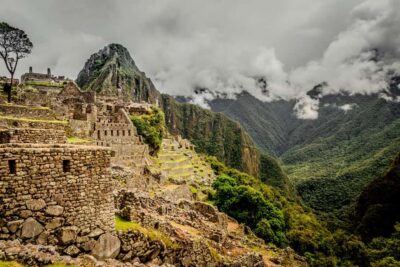
Browse the lists this tour appears in