
Reviewed · MACHU PICCHU TOURS
Inca Trail 4 Day Adventure to Machu Picchu with Panoramic Train
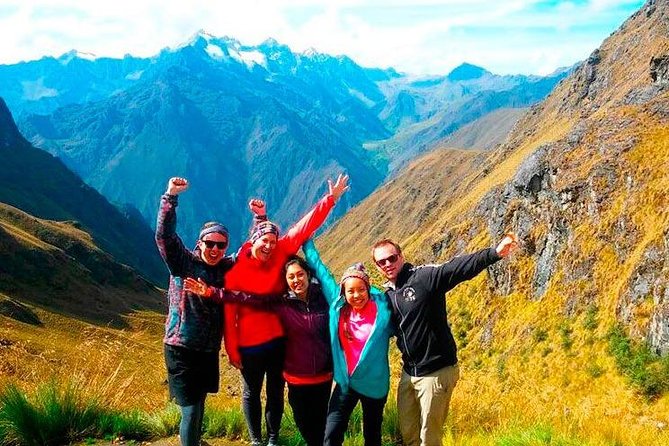
The best part of this four-day Inca Trail trek is the way Machu Picchu arrives at the end of a real journey. You do not simply ride to the ruins, take a few photos, and leave. You walk past Patallacta, cross the 4,200-meter Dead Woman Pass, reach the Sun Gate, and see the citadel from above before entering it.
I like the strong local focus and the practical support. Your guide, cook, and porters handle the camps, meals, and equipment while you concentrate on the trail. I also like the steady attention to different hiking abilities. Guides Paulo and Raul are repeatedly praised for their history talks, patience with children, and ability to set a comfortable pace.
The main caution is simple: this is a demanding mountain trek, not a gentle sightseeing trip. Day 2 is long and hard, the early starts are real, and the $950 price does not cover a sleeping bag, walking sticks, the bus down to Aguas Calientes, or the first and final meals.
Key points to know before booking
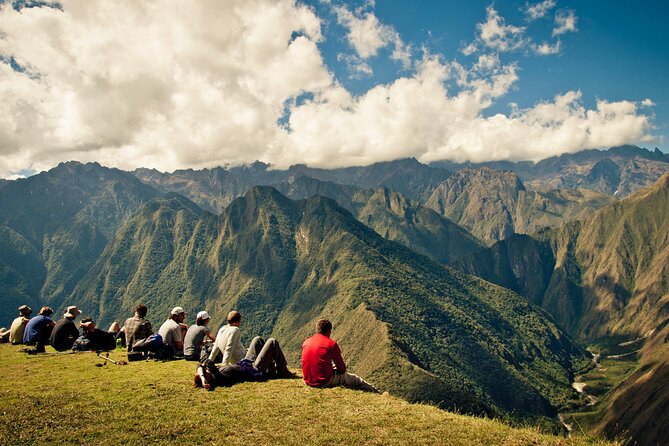
- The classic route begins at Km 82: You start near Piskacucho after a 5 a.m. pickup and walk through several major Inca sites before Machu Picchu.
- Day 2 reaches 4,200 meters: Dead Woman Pass is the physical test of the trek, with roughly eight hours of walking.
- Porters and a cook are included: Camping gear, mattresses, tents, three meals a day, snacks, and boiled drinking water are provided.
- The Sun Gate is your first Machu Picchu view: On Day 4, you enter through Inti Punku before a roughly two-hour guided visit.
- The train is included, but check the category: A tourist train to Ollantaytambo is part of the package. A Vistadome upgrade costs extra.
- The group can reach 16 people: That gives you company on the route, but it is not the same as a private two-person departure.
Why this four-day route is worth your time
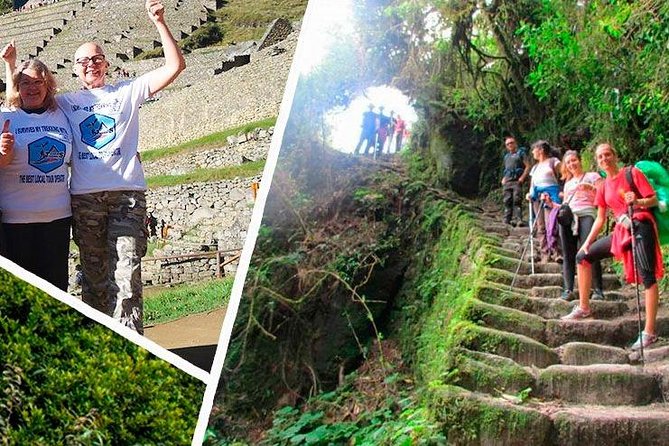
The Inca Trail earns its fame by linking scenery and archaeology in one continuous walk. The trail is not only a route to Machu Picchu. It is a chain of stone paths, terraces, mountain passes, cloud forest, and ceremonial sites that gradually changes as you gain and lose altitude.
This trip also uses a local operator based in Peru. The company says it directs resources toward remote communities, including school supplies such as books, notebooks, and pencils. That does not change the physical challenge, but it gives your booking a wider local purpose.
At $950, you are paying for more than an entrance ticket. The cost includes regulated Inca Trail permits, Machu Picchu admission, transport from Cusco, Urubamba, or Ollantaytambo, porters, cooking staff, camping equipment, a bilingual certified guide, meals, and the return train and private road transport.
That is a fair package for a four-day supported trek, but you should price the extras before deciding. A professional sleeping bag rents for $20, walking sticks cost $20 per pair, the bus from Machu Picchu to Aguas Calientes is $12, and the first breakfast plus the final lunch and dinner are yours to arrange. Tips are optional.
more ways to reach machu picchu
- From Cusco: Full-Day Group Tour of Machu Picchu
★ 4.7 · 1,767 reviews - Machu Picchu Day Trip from Cusco
★ 4.5 · 1,644 reviews - Machu Picchu: Full-Day Tour from Cusco with Optional Lunch
★ 4.6 · 927 reviews
Day 1: From Cusco to Patallacta and Wayllabamba
Your pickup is scheduled for 5 a.m. The drive heads toward Piskacucho, the trailhead at Km 82, with a short stop in Ollantaytambo first.
This stop is useful rather than decorative. You can buy last-minute equipment or personal items, and you can order breakfast at a local restaurant. Since breakfast is not included on the first morning, take this chance to eat well and check that you have everything you need before leaving the road behind.
At Km 82, the walking begins. The first day covers about six to seven hours, though the listed stop duration is roughly six hours. Expect a gradual introduction to the trail rather than the steepest test right away.
After about two hours, you reach Patallacta, one of the largest archaeological sites along the Inca Trail. Its terraces and stone remains make a strong opening to the trek. Your guide explains the site, so this is a good moment to ask about how the route connected settlements and mountain passes.
You then walk for about two more hours to lunch. Meals are served buffet-style, and a professional cook prepares three meals a day during the trek. Vegetarian, vegan, and pescetarian requests are supported, which matters on a route where you cannot simply stop for another meal if the menu does not suit you.
After lunch and a short rest, you continue for another two and a half to three hours to the first campsite at Wayllabamba. The pace may feel manageable compared with the next day, but do not treat Day 1 as a warm-up you can ignore. Save energy, organize your sleeping kit, and make use of the boiled water provided for drinking.
The tents are described as four-season models with space for two hikers. Mattresses and camping equipment are included, along with a kitchen tent, portable chairs, and a table. You should still confirm the tent dimensions if you are very tall. One past booking raised a concern after being told the tents measured 2.2 by 2.2 meters, so tall hikers should ask for exact current measurements before paying.
Day 2: Dead Woman Pass at 4,200 meters
Day 2 is the hard day. You wake early, drink coca tea as a greeting to the apus, or mountain spirits, and eat breakfast before setting off. The early start helps you walk while the mountain shade is more comfortable.
The route climbs toward Warmiwañusca, or Dead Woman Pass, at 4,200 meters, or 13,780 feet. The day takes about eight hours, making it the longest listed walking day. The air at this height can make every uphill section feel slower, even for people who are fit at home.
The reward is a clear view of changing ecological zones and microclimates. As the trail rises, the vegetation and conditions shift in front of you. This is one reason the four-day format works so well: you have enough time to notice the mountain changing instead of racing through it.
At the pass, rest briefly, take in the high mountain views, and then begin the descent toward the Pacaymayu Valley. The downhill section is not automatically easy. Stone steps can be tiring on knees and thighs after the climb, so walking sticks are worth considering. They are not included, but the company offers a professional pair for $20.
This is also the day when your guide’s pacing matters most. Guide Paulo is noted for adjusting his speed for families and children rather than treating the trek as a race. That kind of patience is more valuable than a fast guide who disappears around the next bend.
You need a moderate level of physical fitness for this experience. The provided information does not promise altitude acclimatization support beyond the guide, coca tea, early starts, food, and first-aid equipment with an oxygen cylinder. Give yourself time in Cusco before the trek if your wider Peru plans allow it, and discuss altitude concerns with a medical professional before traveling.
Day 3: Phuyupatamarca, cloud forest, and Wiñay Wayna
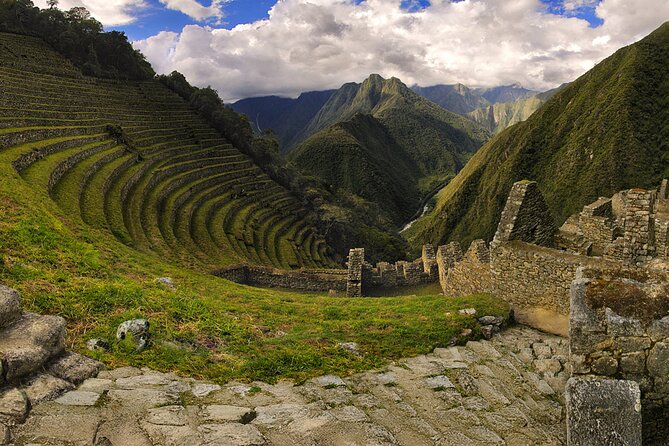
Many hikers consider Day 3 the prettiest section. It begins with an early breakfast and about two hours along a relatively level stretch known as the Inca Flat.
From there, you reach Phuyupatamarca, meaning Town in the Clouds, at about 3,650 meters, or 11,975 feet. The route offers views toward the snowy Salkantay mountain and the Vilcabamba range. The high pass of Day 2 is behind you, but the day still includes plenty of steps and uneven trail.
The route then enters cloud forest. Small streams and waterfalls appear among palms, orchids, bromeliads, and other plants suited to a warmer, wetter climate. Parrots and parakeets may be seen in this section. You should keep your camera handy, but also watch your footing. Uneven stone paths and wet ground can make stopping suddenly awkward.
After lunch, the trail continues to Wiñay Wayna, one of the great archaeological stops before Machu Picchu. The supplied itinerary is cut off before describing all the site details, but its position late on Day 3 is important. You reach it after the biggest climb, with the anticipation of the final morning already building.
This day lasts about six hours. It is a good test of endurance without the same high-pass strain as Day 2. You will probably appreciate the support system here: the cook handles meals, porters carry camping and kitchen equipment, and your tent is ready for the night.
Porter support deserves a practical note. The company carries shared camping equipment and kitchen supplies, but you should ask exactly what personal baggage allowance applies to your departure. One small daypack with water, rain gear, snacks, sun protection, and personal essentials is the sensible setup.
more inca trail departures
- Cusco: 4-Day Inca Trail to Machu Picchu with Accommodation
★ 4.8 · 432 reviews - Cusco: Machu Picchu 2-Day Inca Trail with Panoramic Train
★ 4.9 · 260 reviews - From Cusco: 2-Day Inca Trail to Machu Picchu
★ 4.2 · 244 reviews - Machu Picchu: Inca Trail 2-Day Overnight Guided Tour
★ 4.9 · 203 reviews
Day 4: Entering Machu Picchu through the Sun Gate
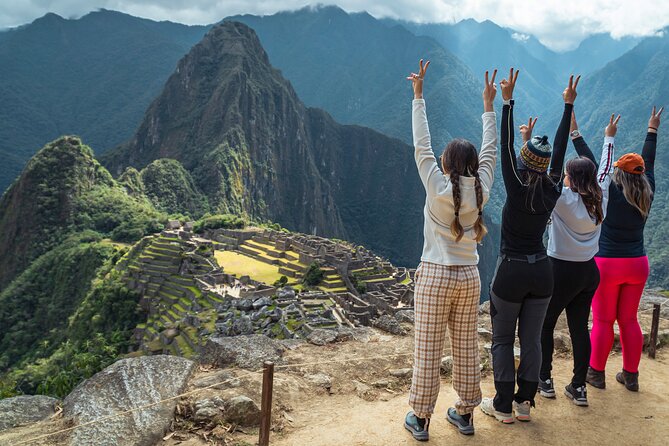
The final morning begins early. You say goodbye to the porters and cook, then walk toward Machu Picchu.
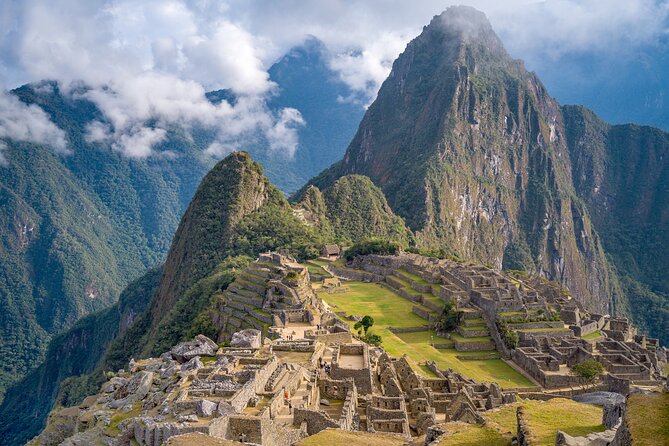
The first major arrival point is Inti Punku, the Sun Gate. This is a fitting entrance because the citadel appears as the destination of a long route, not as an isolated photo stop. The panoramic view from the gate is one of the emotional high points of the trek.
After registering, you enter Machu Picchu for a guided visit lasting about two hours. Your guide covers key places including the Temple of the Sun, the Temple of the Water, and the Temple of the Moon. The exact visit flow can depend on the entry rules and circuit assigned to your ticket, so listen closely to the guide and follow the site regulations.
You also receive time to explore on your own and take photographs. That balance is useful. A guide gives the ruins meaning and context, while independent time lets you slow down, look carefully, and make the visit your own.
Huayna Picchu is optional and costs extra. The climb takes about two hours, so you should only add it if the entry time is available and your legs still have something left after four days on the trail. The provided details do not state that the Huayna Picchu permit is included, so confirm availability and price before booking.
The package does not include the bus from Machu Picchu down to Aguas Calientes. The listed cost is $12. You may need to budget for this after the visit, along with your final meals. The tour then includes a tourist train from Aguas Calientes to Ollantaytambo, followed by private transport to Cusco.
Guides, porters, and the human side of the trek
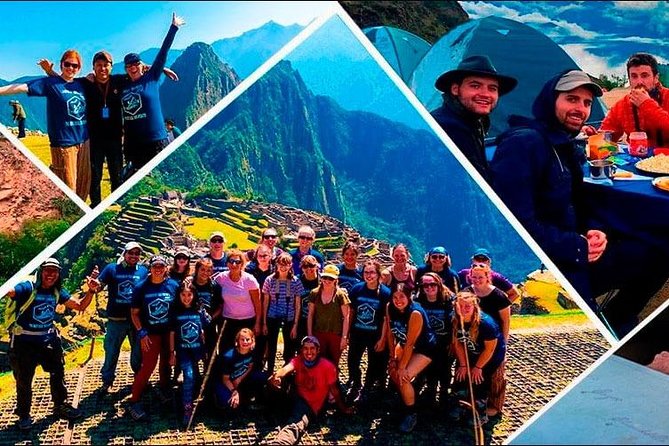
The strongest part of this operation appears to be the field team. Paulo is praised for clear explanations of Inca culture and history, kindness with children, and a relaxed pace. Raul is also described as enthusiastic, attentive to different ages and abilities, and able to make the archaeological sites easier to understand.
Those details matter because the trail is not just about endurance. You are spending four days with the guide, assistant staff, porters, and cook. A guide who notices when a child needs a slower pace, or when a group needs a pause, can change the feel of the entire trek.
The porters are not a background detail. They carry the tents, kitchen equipment, tables, chairs, and other shared supplies that make the camp possible. Treat them with respect, pack lightly, and ask the operator about current weight rules. Tips are not required, but the company says they are welcome.
The food program is another strong practical point. You receive breakfast, lunch, and dinner on the three trekking nights, plus a daily snack and boiled water. Meals are buffet-style, with vegetarian, vegan, and pescetarian preferences available. Mineral water is not included, though bottles can be bought at some campsites.
Group size, preparation, and extra costs
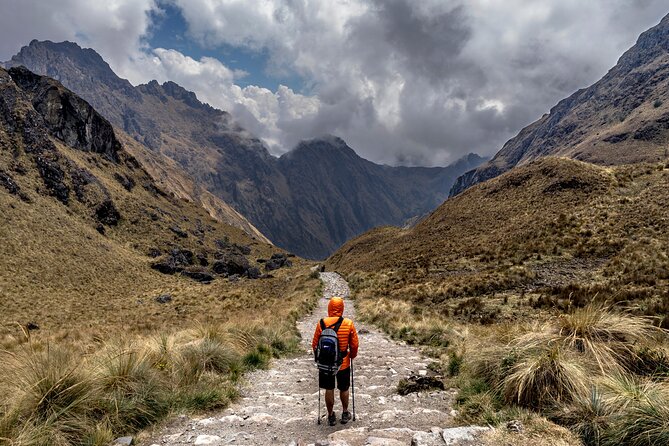
The maximum group size is 16 people. That is small enough for a shared experience but large enough that hiking speeds will differ. If you want a private departure or have a wide range of fitness levels in your party, ask how your specific booking will be organized.
Bring a valid current passport. You need it on the day of travel for permits and entry. The tour confirmation is subject to availability, and the information gives two confirmation timeframes, so confirm the current process before making nonrefundable hotel or flight plans.
The booking cannot be refunded or changed after purchase. That is especially important for the Inca Trail, where permits and entry spaces are limited. Check your dates, passport details, fitness, and travel insurance before committing.
Plan for these additional costs:
- First breakfast in or near Ollantaytambo
- Sleeping bag rental, listed at $20
- Walking stick rental, listed at $20
- Bottled mineral water
- Bus from Machu Picchu to Aguas Calientes, listed at $12
- First and final meals
- Optional Huayna Picchu visit
- Optional Vistadome train upgrade
- Tips for the guide, cook, and porters
The title refers to a panoramic train, but the included transport is described as a tourist train. A Vistadome upgrade is available for an additional fee. Ask which train class your $950 booking includes so you know what you are buying.
Who should book this Inca Trail experience?
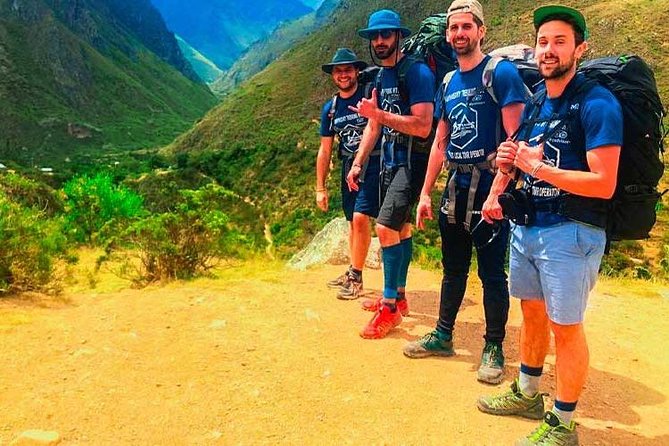
I would recommend this trek to you if you want the classic route, prefer a locally operated company, and value a full support team. It suits hikers who can manage six to eight hours of mountain walking and who are willing to prepare for high altitude.
It can also work well for families, provided everyone understands the effort involved. The guide feedback points to patient pacing with children, but the route itself remains demanding. A family should be honest about fitness and allow plenty of recovery time.
This is less suitable if you want a low-effort visit to Machu Picchu, dislike early starts, or need flexible cancellation terms. It is also not the right choice if you want every cost bundled into one payment. The base price is strong for what is included, but the extras add up.
Should you book it?
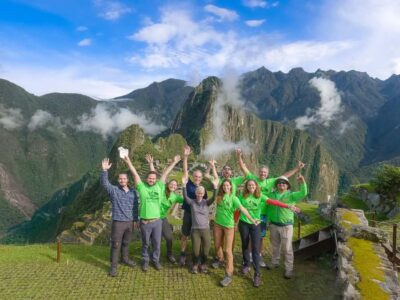
Book this four-day Inca Trail adventure if the trail itself is the reason you are going to Machu Picchu. You get the archaeological sites, mountain pass, cloud forest, Sun Gate arrival, guided citadel visit, porters, cook, meals, and return transport in one organized package.
Before paying, confirm the train category, tent size, personal baggage rules, Huayna Picchu availability, and every extra charge. If those details suit you and you can handle the altitude and long walking days, the local team and strong guide support make this a solid value at $950.
FAQ
How long does the Inca Trail tour last?
The tour lasts approximately four days and includes three nights of camping.
Where does the trek begin?
The trek begins at Piskacucho, also called Km 82, after transport from Cusco, Urubamba, or Ollantaytambo.
What time is pickup on the first day?
Pickup is scheduled for 5 a.m. from your hotel or accommodation.
Is breakfast included on the first morning?
No. The first breakfast is not included. You can stop in Ollantaytambo and order breakfast at a local restaurant.
How difficult is the trek?
You should have a moderate level of physical fitness. Day 2 is the hardest and longest day, with about eight hours of walking and a climb to 4,200 meters.
Are meals included during the trek?
Yes. Breakfast, lunch, and dinner are included for the three trekking days. Snacks and boiled drinking water are also provided.
Can dietary preferences be accommodated?
Yes. Vegetarian, vegan, and pescetarian meals are available when requested.
Are sleeping bags and walking sticks included?
No. Sleeping bags and walking sticks are extra. The listed rental price is $20 for a professional sleeping bag and $20 for a professional Black Diamond pair of walking sticks.
Is the train to Ollantaytambo included?
Yes. A tourist train from Aguas Calientes to Ollantaytambo is included. A Vistadome train upgrade costs extra.
Is Huayna Picchu included?
No. Huayna Picchu is optional, takes about two hours, and has an additional cost.
More 4-Day Experiences in Cusco
- Choquequirao Trek 4 days and 3 nights
★ 5.0 · 81 reviews - 4 Day Tour to the Manu National Park
★ 5.0 · 81 reviews - Cusco Sacred Valley and Machupicchu 4 Days
★ 5.0 · 80 reviews - Ancascocha Trek To Machu Picchu 4 Days And 3 Nights
★ 5.0 · 77 reviews
More Train Experiences in Cusco
- The First Class Machu Picchu Train by Inca Rail
★ 4.0 · 182 reviews - From Cusco: 1-day Machu Picchu Tour by Train
★ 4.6 · 138 reviews - 2-Day Machu Picchu Tour by train from Cusco ( All included )
★ 5.0 · 85 reviews - Machu Picchu: 5-Day Salkantay Trek with Panoramic Train
★ 5.0 · 79 reviews
Recently added around Cusco
- Palcoyo colored mountain hike + stone forests★ 4.6 · 3 reviews
- Maras Moray★ 5.0 · 3 reviews
- Full-Day Condor Viewpoint & Inca Sites Tour★ 5.0 · 3 reviews
- From Cusco: Vinicunca Mountain of Colors Excursion + Ticket★ 5.0 · 3 reviews
- Excursion Cusco – Puno – Titicaca Observatory Train★ 5.0 · 3 reviews
- Machu Picchu: Private Tour Guide Service for up to 15 people★ 4.5 · 3 reviews
- Cusco: Chonta Canyon and Condor Flight Tour with Lunch★ 5.0 · 3 reviews
- Machu Picchu: 1-day tour by Vistadome Observatory train★ 5.0 · 3 reviews
Machu Picchu Tours, compared.



4-Day Inca Trail to Machu Picchu with Accommodation
Read our review →
2-Day Trip to the Sacred Valley and Machu Picchu
Read our review →
Machu Picchu 2-Day Inca Trail with Panoramic Train
Read our review →
Browse the lists this tour appears in