
Reviewed · MACHU PICCHU TOURS
From Cusco: Salkantay Trek to Machu Picchu 5D/4N or 4D/3N
The Salkantay Trek earns its reputation the hard way: you climb to Salkantay Pass at 4,630 meters, then descend through high mountain country, rainforest, farms, hot springs, and finally to Machu Picchu. It is a big five-day story, not just a walk to an ancient citadel.
I like the excellent range of scenery and the practical support: a horse carries up to 6 kilos of your gear, and a chef prepares meals at camp. I also like the overnight stay in Aguas Calientes, which gives you a proper morning at Machu Picchu instead of forcing the entire visit into one frantic day.
The main caution is cost clarity. The advertised price is $50 per person, but major extras include the Machu Picchu entrance, buses, Humantay Lake, hot springs, and possibly transport on the shorter route. Confirm the final total and your Machu Picchu circuit before paying.
Key points to know before you book
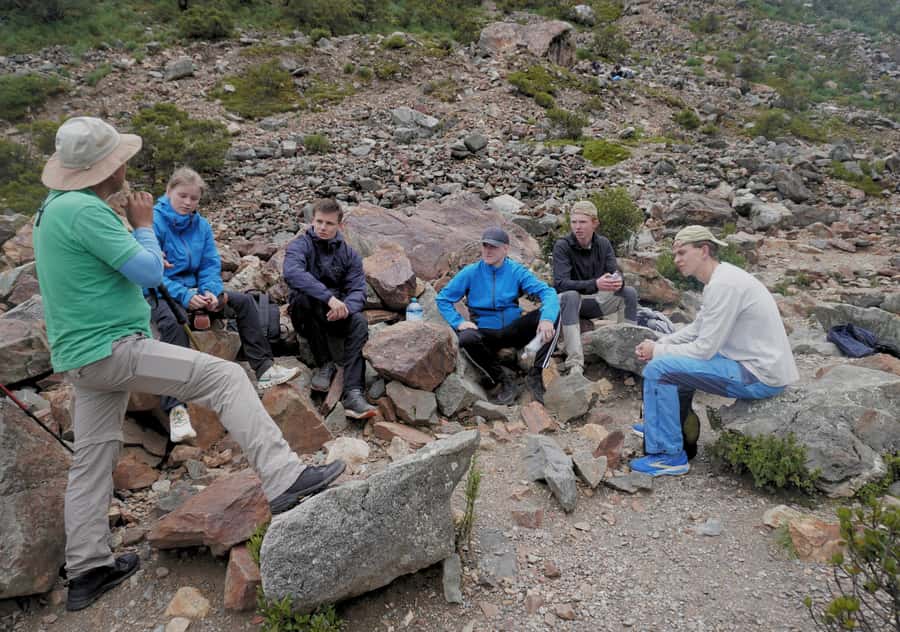
- The highest point is Salkantay Pass at 4,630 meters, with a long descent afterward.
- Humantay Lake sits at 4,200 meters, so the first day is short on paper but demanding in practice.
- Five days includes Cocalmayo hot springs and more walking, while the four-day version cuts out part of this section.
- Llactapata provides a view toward Machu Picchu before you reach Aguas Calientes.
- Your guide, chef, cabins, meals, and 6-kilo duffel service are included, but several entry fees and transfers are not.
- Machu Picchu circuit availability is crucial, especially if you want the full visit on Circuit 2A or 2B.
Why the Salkantay route is worth your time
The Salkantay route links several very different parts of the Cusco Region. You begin in cold, high country near snow-covered peaks, cross a mountain pass, then walk into warmer valleys filled with waterfalls, banana plants, passion fruit, and avocados. By the end, you are following an old Inca route toward Machu Picchu.
That variety is the main reason to choose this trek over a simpler Machu Picchu package. You do not spend four days looking at the same type of scenery. Each day has a clear change in altitude, weather, and vegetation.
It is also a route for people who want a supported trek rather than a fully independent hike. A professional English or Spanish speaking guide leads the way, a chef handles the meals, and a horse carries your duffel and cooking equipment. Portuguese guiding is also available.
The route is not easy. High altitude, long downhill sections, early starts, and basic camp conditions all matter. You should be comfortable walking for several hours at a time and prepared for cold, rain, sun, and quick weather changes.
More Hiking Tours in Cusco
- From Cusco: 7 Lakes Ausangate Trek with Breakfast and Lunch
★ 4.8 · 360 reviews - Cusco: Rainbow Mountain Tour and Red Valley Hike (Optional)
★ 4.7 · 149 reviews - Cusco: Full-Day Rainbow Mountain & Red Valley Trekking Tour
★ 4.5 · 121 reviews
Day 1: Humantay Lake at 4,200 meters
Your day starts early, with pickup in Cusco’s historic center at about 4:30 a.m. The first part is a long drive toward the trailhead, with breakfast along the way. The transport schedule includes several driving legs, so this is a morning for snacks, sleep, and watching the highlands pass by.
After breakfast, you begin walking toward Soraypampa at about 3,800 meters. The stated walking time is roughly three hours. This first section gives you a clear test of how your body handles the altitude.
After lunch, the route climbs for around two more hours to Humantay Lake. The lake sits at 4,200 meters, and its turquoise water is the visual prize of the day. The climb is steep enough that you should take it slowly, especially if you have only recently arrived in Cusco.
You then walk another two hours to the first campsite. Dinner follows, with the possibility of a clear starry sky if the weather cooperates. The cabins provide more shelter than a tent, but you still need warm clothes and rain protection.
The first day is often underestimated. The official walking sections add up to about seven hours, and the altitude makes every uphill stretch feel longer. Bring water, sunscreen, a hat, and layers that you can remove and put back on quickly.
The entrance to Humantay Lake costs PEN 20 per person and is not included. That is a small charge compared with the total cost of the trip, but it is one more item to add to your budget.
Day 2: Salkantay Pass and the long descent
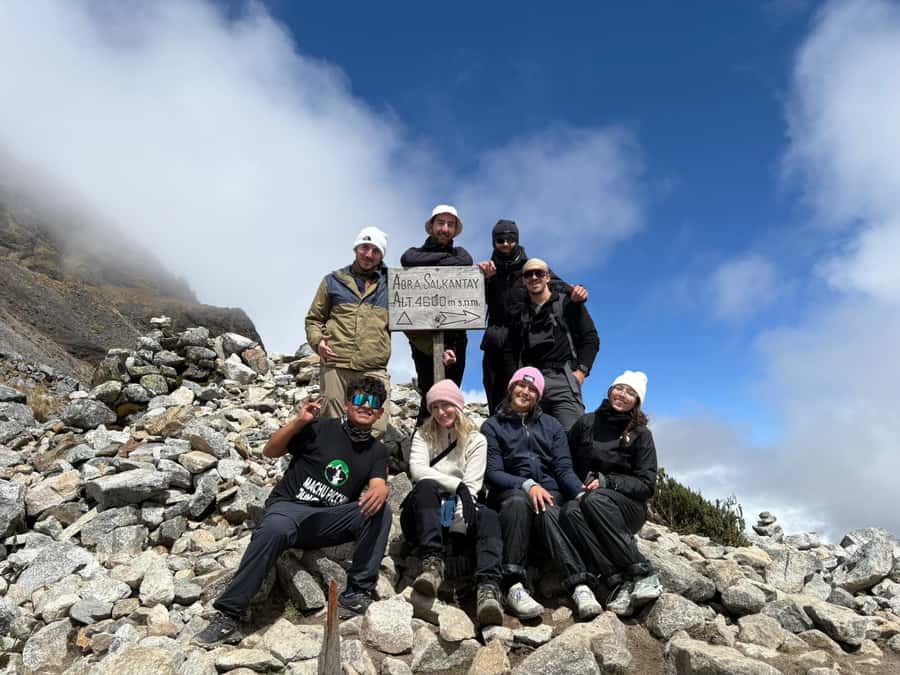
Day two is the trek’s physical centerpiece. You wake with coca tea or coffee, eat breakfast, and begin a roughly three-hour climb to Salkantay Pass, the highest point at 4,630 meters.
At the pass, you get broad mountain views and a sense of why this route feels more adventurous than a standard visit to Machu Picchu. There is also a nearby lake to see before the descent begins.
The downhill section leads to Wayracmachay for lunch, followed by another three-hour descent toward Chayllay or Collpapampa at about 2,770 meters. This is where your knees may complain. Trekking poles are useful, but they cost an extra $10 to rent for the whole trip.
The scenery changes as you lose altitude. Cold, exposed mountain conditions give way to warmer country, and eventually you reach camp near a local village. The difference between the high pass and this lower camp is one of the route’s best features.
You should not judge the day only by the altitude gain. The descent is long, and uneven ground can be tiring after the morning climb. Good footwear matters more than fancy equipment. Comfortable shoes with reliable grip are listed among the essentials, and rain gear is a sensible addition.
Day 3: Rainforest trails, farms, and Cocalmayo
Day three brings a welcome shift in pace and climate. After breakfast, you follow trails through the Santa Teresa rainforest, crossing wooden bridges and passing waterfalls and small plantations of bananas, passion fruit, and avocados.
The walk continues to La Playa, where lunch is served. This is also the point where the four-day and five-day versions differ. People on the four-day program leave this section and continue toward Hidroeléctrica, while the five-day route continues with an overnight near Lucmabamba and a visit to Cocalmayo.
For the five-day option, Cocalmayo is a useful rest day within the trek. The hot springs cost PEN 10 per person, and transport is extra, with the amount depending on how many people make the trip. You can also skip the bath and rest at camp.
The contrast is appealing. After two demanding days at high altitude, warm water and a lower elevation give your legs a break. A group bonfire and dinner finish the evening, although you should remember that the experience remains outdoors and simple rather than resort-like.
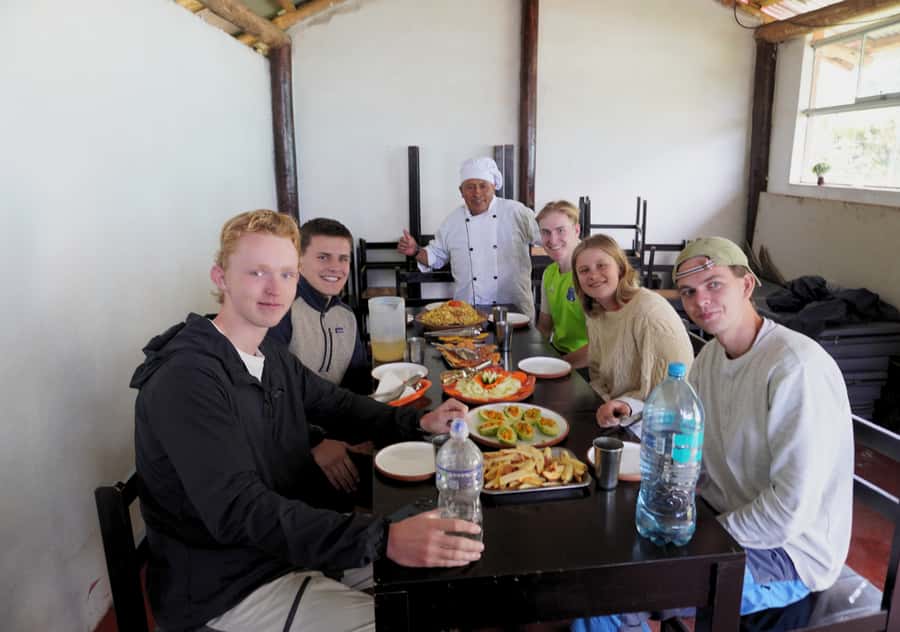
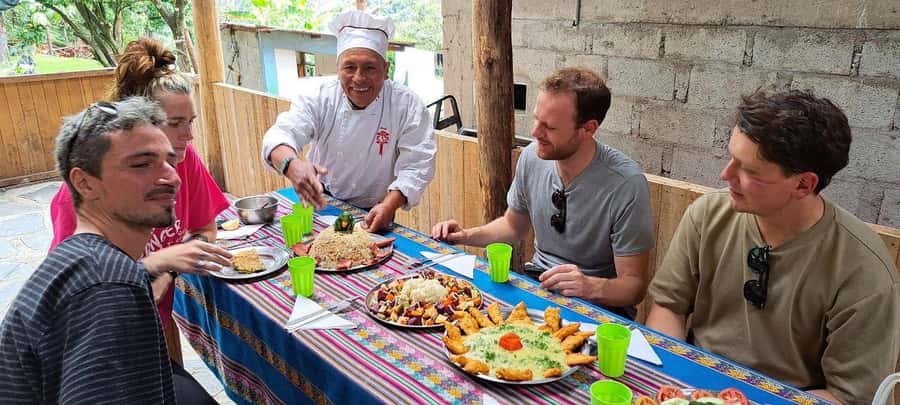
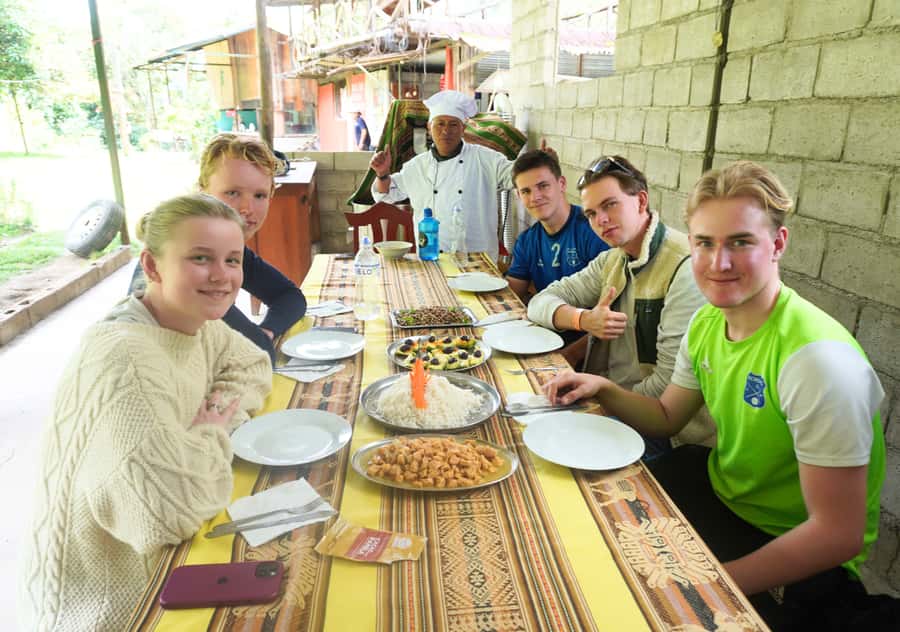
The food is one of the practical strengths of this trip. A professional chef prepares the meals, and vegetarian and vegan options are available without an extra charge. Afternoon tea includes popcorn, cookies, chocolate, and coffee, which is exactly the sort of small comfort that helps after a long walk.
The five-day itinerary includes four breakfasts, four lunches, and four dinners. The four-day version includes three of each. Your first breakfast, final lunch, and final dinner are not included, so plan for those separately.
more ways to reach machu picchu
- From Cusco: Full-Day Group Tour of Machu Picchu
★ 4.7 · 1,767 reviews - Machu Picchu Day Trip from Cusco
★ 4.5 · 1,644 reviews - Machu Picchu: Full-Day Tour from Cusco with Optional Lunch
★ 4.6 · 927 reviews - Cusco: 4-Day Inca Trail to Machu Picchu with Accommodation
★ 4.8 · 432 reviews
Day 4: Llactapata and the walk to Aguas Calientes
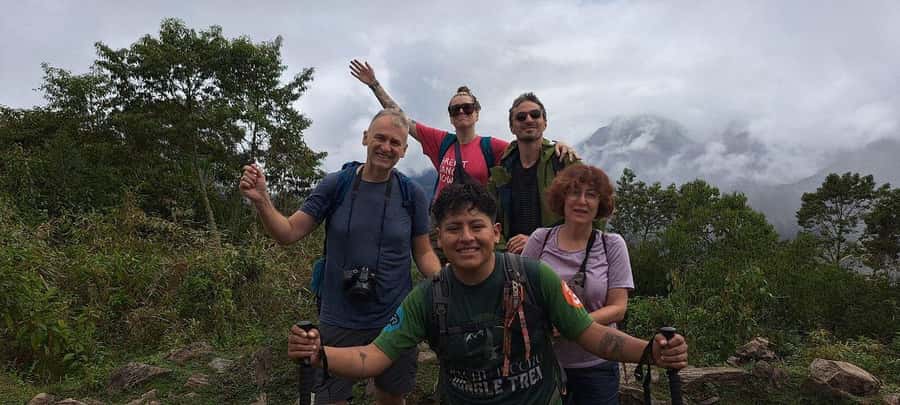
On the five-day route, you leave Lucmabamba after breakfast and climb for around two hours toward Llactapata at 2,700 meters. This archaeological site looks across toward Machu Picchu, giving you a preview before the main visit.
Llactapata is valuable because it changes the way you approach Machu Picchu. Instead of appearing suddenly as the day’s only attraction, the citadel becomes part of a larger route through mountains and valleys. You see it from a distance first, then continue toward it.
From Llactapata, you descend for around two hours to Hidroeléctrica for lunch. The walk from Hidroeléctrica to Aguas Calientes follows the railway route and takes several hours. It is a gentler finish than the pass crossing, but it can feel long after four days on foot.
You arrive in Aguas Calientes, check into a hotel, and have dinner with the group at about 7:00 p.m. This hotel night is an important part of the package. You get a bed, a shower, and a fixed base before the early visit to Machu Picchu.
On the four-day itinerary, the route is shorter. You say goodbye to the people continuing on the longer version at La Playa, then travel toward Hidroeléctrica. Transport from La Playa to Hidroeléctrica is not included, and the price depends on the number of people traveling.
The duffel arrangement also changes here. Transport for your duffel from Lucmabamba to Aguas Calientes is not included. You can pay to send it by car or carry it yourself, so pack the items you need for the final walk in your day bag.
Day 5: Machu Picchu and the return journey
The final morning starts early. After breakfast, the standard plan has you climb stairs for about an hour from Aguas Calientes to Machu Picchu’s main entrance, arriving around 6:30 a.m.
You can instead take a bus, but it costs $12 each way. The uphill walk saves that fee, though it adds another hour of effort after several days on the trail. The downhill bus costs another $12 if you want it.
Inside Machu Picchu, the guided visit lasts about two and a half hours. The included guiding is described as Circuit 2A or 2B, but circuit availability depends on the Peruvian government reservation system. This is not a small technical detail. The circuit determines what you can see and where you can take photographs.
Circuit 2A or 2B is the best choice if you want a full visit to the citadel and the most popular viewpoints. Circuit 3B focuses on lower sections, a middle viewpoint, and sacred temples. Circuit 1B gives you the upper terrace and the classic photo area, but it is a shorter visit.
Check the available circuit before booking. If the desired ticket is not available, the operator may arrange another circuit, or you may need to buy a ticket in Aguas Calientes. The stated local purchase price is PEN 152, or about $40 according to the supplied information, and you must have your passport.
After Machu Picchu, the return depends on your reservation. The car option requires you to walk back to Hidroeléctrica, where transport waits between about 6:00 and 9:00 a.m. at the latest. The train option lets you choose a departure time, with travel from Aguas Calientes to Ollantaytambo followed by a local car to Cusco.
The return is one part you should confirm carefully. A train is more comfortable and lets you control the timing, but it is not included in the listed package unless separately arranged. The car option keeps the price lower, but it adds the walk to Hidroeléctrica after your Machu Picchu visit.
What the $50 price really means
At $50 per person, this looks extraordinarily cheap for a multi-day trek with Machu Picchu. The number should be treated as a starting price, not the final amount you will spend.
The package includes substantial support: pickup in Cusco’s historic center, private transport to the trailhead, a professional guide, a chef, cooking equipment, cabins, a hotel in Aguas Calientes, meals, afternoon snacks, a horse for 6 kilos of belongings, and the guided Machu Picchu visit.
But the exclusions add up:
- Machu Picchu entrance, listed as PEN 152 or $40
- Humantay Lake entrance, PEN 20
- Machu Picchu bus, $12 up and $12 down
- Sleeping bag rental, $15
- Trekking pole rental, $10
- Cocalmayo entrance and transport on the five-day route
- La Playa to Hidroeléctrica transport on the four-day route
- Duffel transfer from Lucmabamba to Aguas Calientes
- First breakfast, final lunch, and final dinner
- Possible Wayna Picchu entrance, listed as $60
Ask for a written final price that separates included services from optional costs. The operator also asks for a passport in advance so reservations can be processed. A briefing takes place at 6:00 p.m. the day before departure, and that meeting is the right time to settle the Machu Picchu ticket payment and confirm the route.
You can cancel up to 24 hours before the activity for a full refund, and the reserve-now, pay-later option gives you some flexibility. Still, ticket availability is more important than the cancellation policy. Booking two to four months ahead is recommended.
Guides, meals, and camp support
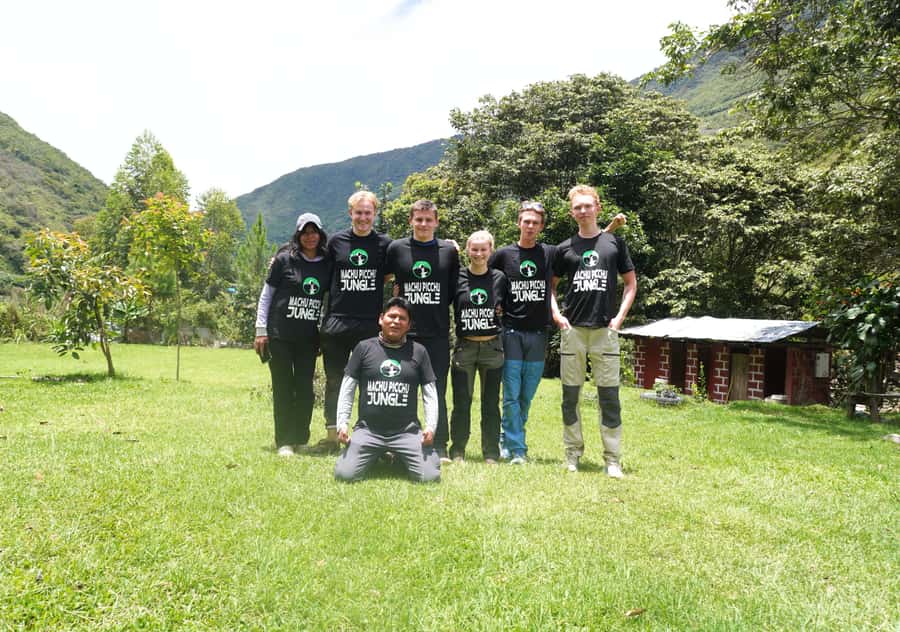
The trip uses English, Spanish, and Portuguese speaking guides and is described as a private group experience. The support team includes a professional chef and staff who handle the cooking gear and camp meals.
The guide named in the supplied feedback is Fernandez. He is described as kind, experienced, and helpful throughout the trek. Edgar is identified as the chef, with a focus on tasty, healthy food, while Eulogio is noted for being ready to help.
Those details matter on a route like this. A guide who helps you manage the pass and the long descents can make the difference between a hard day and an unpleasant one. Good camp food also matters when you are walking for hours and sleeping at altitude.
Three afternoon tea services include popcorn, cookies, chocolate, and coffee. Coca tea is served in the morning at camp. Do not mistake these comforts for luxury, though. The cabins are a practical place to sleep, and weather at high altitude can still make the nights cold.
The five-day version includes three nights in cabins and one hotel night. The four-day version includes two cabin nights and one hotel night. A sleeping bag is not included, so you need to bring one or rent it.
Who should choose four days or five?
Choose five days if you want the complete walking experience and enough time for the rainforest section, Cocalmayo, and Llactapata. It gives you more time to move through the route rather than shortening the middle section.
Choose four days if you need to limit the walking time or prefer to cut the hot springs section. The shorter option still includes the major mountain elements and Machu Picchu, but it removes some of the slower transition through Santa Teresa.
Neither choice removes the need for altitude preparation. The first two days are the hardest, especially the climb to Humantay Lake and Salkantay Pass. If you have limited hiking experience, the long route may feel demanding, but the horse support and guided pace help.
This trek suits you if you want nature, physical effort, and a gradual approach to Machu Picchu. It is less suitable if you want a relaxed sightseeing holiday, dislike early mornings, or want every cost folded into one simple payment.
Should you book this Salkantay Trek?
Book it if you want a strong mix of mountain views, high-altitude hiking, rainforest paths, local farms, hot springs, and a well-supported arrival at Machu Picchu. The guide and cooking team add real value, and the hotel night in Aguas Calientes makes the final visit easier.
Before booking, confirm four things in writing: the true total price, the Machu Picchu circuit, the return transport, and whether your chosen four-day or five-day route includes the transfers you need. If Circuit 2A or 2B is essential to you, do not assume it is guaranteed until the reservation is confirmed.
For the best experience, send your passport details early, bring rain gear and warm layers, and decide in advance if you will walk or take the bus to Machu Picchu. With those details settled, this is a good choice for an active visit that treats Machu Picchu as the finish of a real journey, not just a day trip.
FAQ
How long is the Salkantay Trek to Machu Picchu?
You can choose a four-day, three-night option or a five-day, four-night option. The five-day route includes more walking, Cocalmayo hot springs, and the Llactapata section.
What is the highest point on the trek?
Salkantay Pass is the highest point, at 4,630 meters. Humantay Lake is also high, at about 4,200 meters.
Is the Machu Picchu entrance included?
The reservation is arranged according to government availability, but the entrance fee is listed separately at PEN 152. If tickets are unavailable online, you may need to buy one in Aguas Calientes with your passport.
Which Machu Picchu circuit is included?
The tour information lists Circuit 2A or 2B for the guided visit, but availability must be confirmed before booking. Circuit 3B and Circuit 1B are also described as possible circuit choices, with different viewing areas.
Are meals and accommodation included?
The five-day trip includes four breakfasts, four lunches, and four dinners. The four-day trip includes three of each. The package includes cabin nights and one hotel night in Aguas Calientes, but the first breakfast, final lunch, and final dinner are not included.
What should I bring for the trek?
Bring your passport, comfortable shoes, a hat, camera, sunscreen, water, rain gear, and comfortable clothes. A sleeping bag and trekking poles are available to rent for an extra fee.
More Hiking & Trekking in Cusco
- From Cusco: Rainbow Mountain Trek
★ 4.5 · 98 reviews - Private Palccoyo Rainbow Hike Without the Crowds
★ 5.0 · 86 reviews - Choquequirao Trek 4 days and 3 nights
★ 5.0 · 81 reviews - Ancascocha Trek To Machu Picchu 4 Days And 3 Nights
★ 5.0 · 77 reviews
More Salkantay Treks
- Salkantay Trek Challenge – 3 Days / 2 Nights
★ 5.0 · 101 reviews - Small Group 5 Days Salkantay and Machu Picchu by Llactapata Tour
★ 5.0 · 88 reviews - Machu Picchu: 5-Day Salkantay Trek with Panoramic Train
★ 5.0 · 79 reviews - Salkantay Trek 4 Days to Machu Picchu by Glamping Sky Lodge Dome
★ 5.0 · 68 reviews
Recently added around Cusco
- Palcoyo colored mountain hike + stone forests★ 4.6 · 3 reviews
- Maras Moray★ 5.0 · 3 reviews
- Full-Day Condor Viewpoint & Inca Sites Tour★ 5.0 · 3 reviews
- From Cusco: Vinicunca Mountain of Colors Excursion + Ticket★ 5.0 · 3 reviews
- Excursion Cusco – Puno – Titicaca Observatory Train★ 5.0 · 3 reviews
- Machu Picchu: Private Tour Guide Service for up to 15 people★ 4.5 · 3 reviews
- Machu Picchu: 1-day tour by Vistadome Observatory train★ 5.0 · 3 reviews
- Cusco: Chonta Canyon and Condor Flight Tour with Lunch★ 5.0 · 3 reviews
Machu Picchu Tours, compared.



4-Day Inca Trail to Machu Picchu with Accommodation
Read our review →
2-Day Trip to the Sacred Valley and Machu Picchu
Read our review →
Machu Picchu 2-Day Inca Trail with Panoramic Train
Read our review →
Browse the lists this tour appears in