
Reviewed · SILLAR ROUTE TOURS
Excursion + Sillar and Culebrillas Route in Arequipa
Arequipa’s famous white stone is not just a building material. It comes from working quarries, where stonecutters still shape the blocks used across the city. This Sillar Route trip takes you from volcano views to the Añashuayco quarry, then into Culebrillas canyon for ancient Wari petroglyphs.
I like the hands-on quarry stop, where you can watch a stonemason work and try cutting a block yourself. I also like the compact itinerary: in about four hours, you get geology, local craft, archaeology, and a short walk without giving up a full day.
The main drawback is transport comfort. One verified booking reported delays while the group waited for other passengers, and the bus did not have air conditioning. The schedule can also run longer than the advertised four hours, so leave some room before your next plan.
Key points to know before booking
- Añashuayco is a working quarry: You see the tall ignimbrite walls created by years of sillar extraction, not a staged exhibit.
- The stone lesson is hands-on: A local stonemason may explain the daily work and let you try cutting a block.
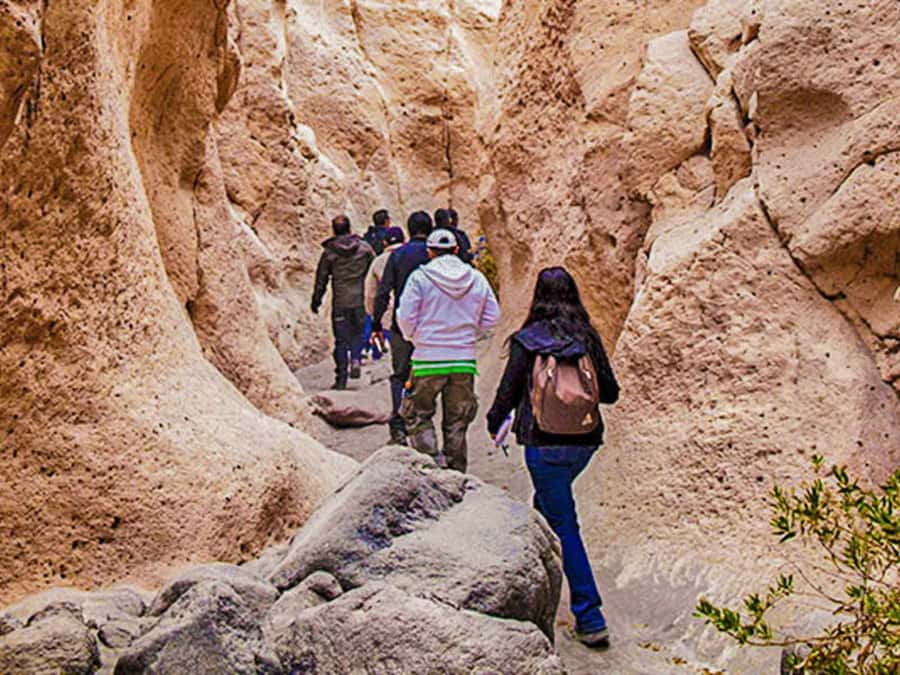
- Culebrillas adds a short outdoor walk: The canyon walk takes about 20 minutes, with walls rising 15 to 20 meters.
- Wari petroglyphs reward the walk: Ancient markings appear toward the end of the canyon.
- The price is low, but not all-inclusive: Transport and a professional guide are included, while admission costs 10 soles.
- Two departure shifts are available: The usual schedule begins at 9:15 a.m., with another shift at 2 p.m.
Why Arequipa’s sillar matters
Arequipa is closely tied to sillar, the pale volcanic stone used in its buildings and monuments. On this outing, you do not simply hear that fact in a city-center lecture. You go to one of the places where the stone originates and see the marks left by extraction.
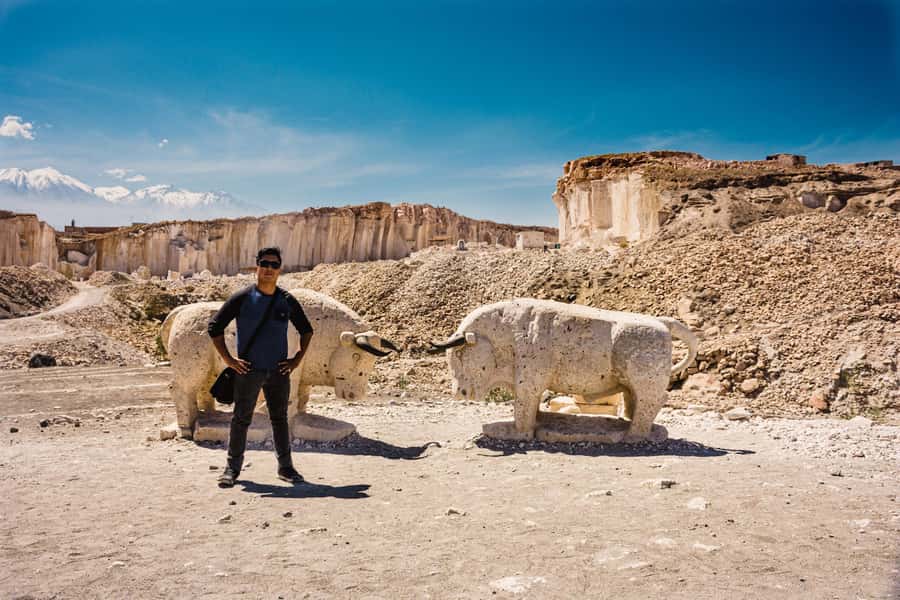
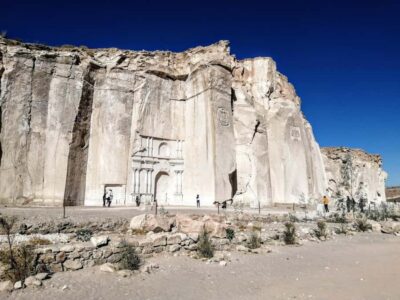
The Añashuayco quarry is still operating. Quarrymen begin work early, so the morning visit gives you the best chance to see the site as a workplace rather than a quiet photo stop. The immense walls show how blocks have been removed over time, leaving cliffs made of ignimbrite several meters high.
That setting gives useful context to the stone buildings you see in central Arequipa. The city’s pale appearance is connected to physical labor in places like this. You can better understand the material when you see its rough source, the cutting process, and the finished forms that local craftsmen produce.
The visit also brings a human side to the route. A stonemason can explain his daily work and demonstrate how a block is cut. The chance to try the task yourself is brief, but it changes the stop from a simple explanation into a practical lesson. Do not expect a full workshop. Think of it as a short introduction to a demanding craft.
more sillar route mornings
- From Arequipa: Sillar Route Trek
★ 4.2 · 461 reviews - Sillar Route and Culebrillas Petroglyphs
★ 4.5 · 89 reviews - Sillar Route in Arequipa and viewpoint of the Volcanoes
★ 4.0 · 71 reviews
The first stop: volcanoes and the Chilina Valley
The trip begins at about 9:15 a.m. and heads toward the Sillar Route. Before reaching the main quarry, the vehicle pauses at a strategic viewpoint with views of the volcanoes and the Chilina Valley.
This stop helps you get your bearings. Arequipa is famous for its volcanic setting, and the viewpoint connects the city to the forces that shaped the region and produced the stone. Depending on the time of year, the route may use another traditional viewpoint at the beginning, also offering views of the volcanoes.
The stop is short, so treat it as an orientation point rather than a long scenic break. Weather and visibility will affect what you see. Still, it is a sensible opening to the excursion because the volcanoes provide the larger setting for everything that follows.
Entering Añashuayco’s working quarry
The drive to Añashuayco takes about 45 minutes. That travel time matters when you judge the value of a four-hour activity, but it also gives the day a clear purpose. You are going to the source of Arequipa’s building stone, not visiting a nearby display made for quick sightseeing.
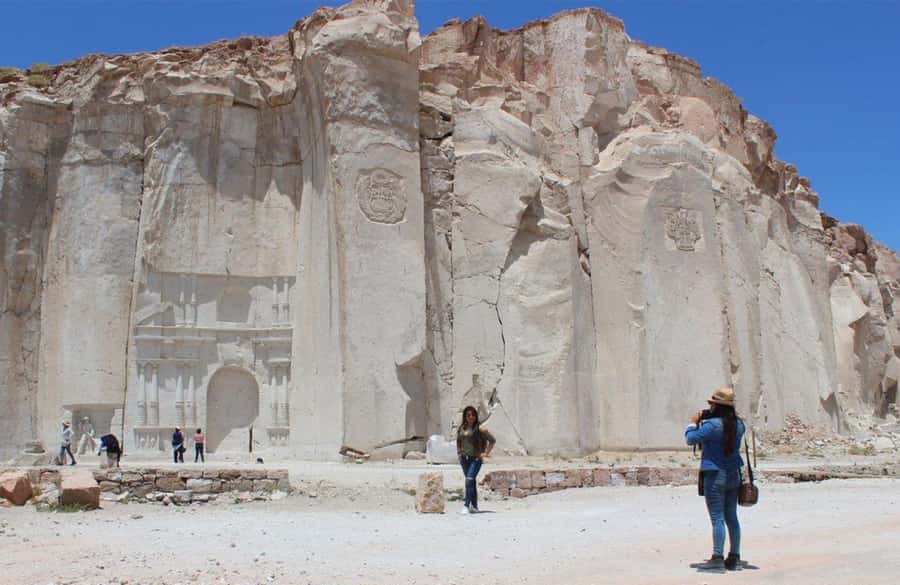
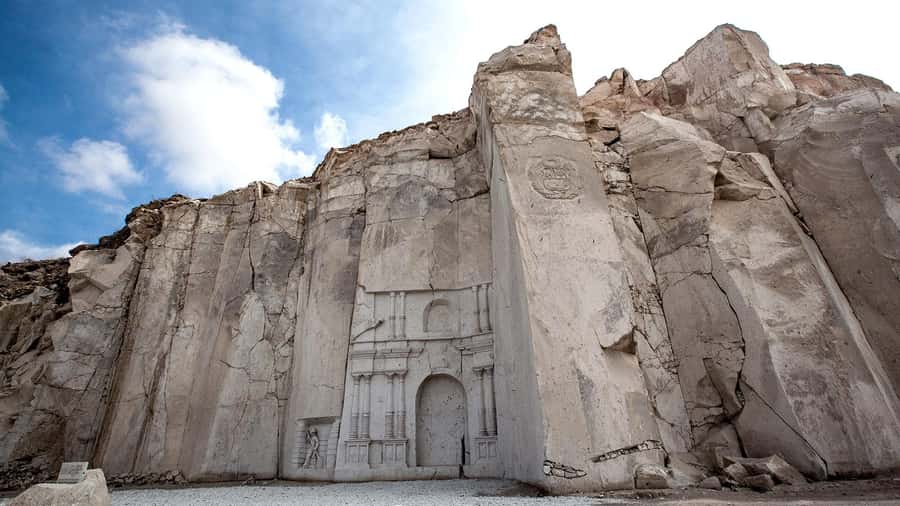
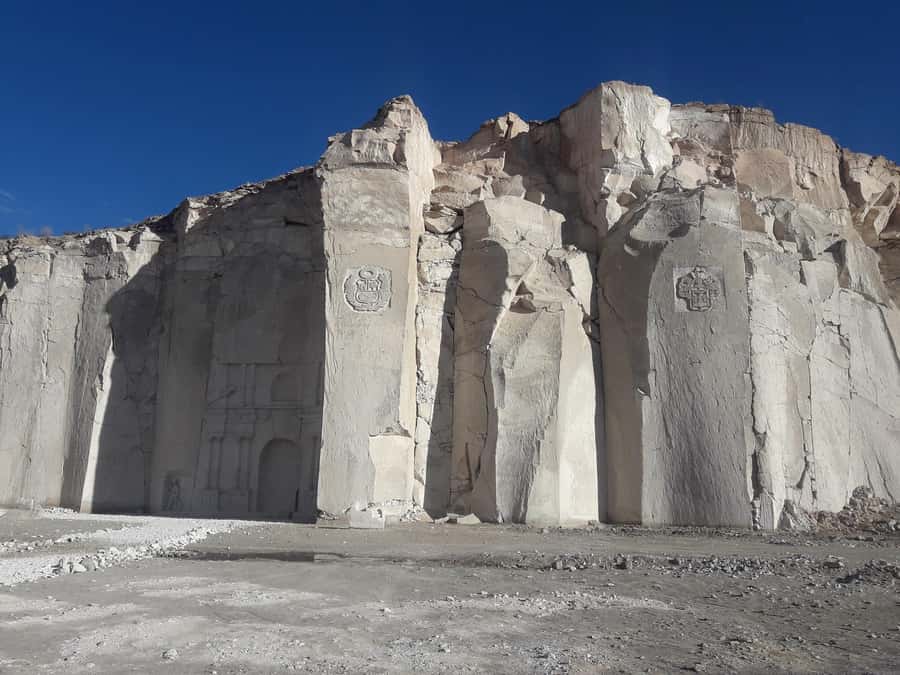
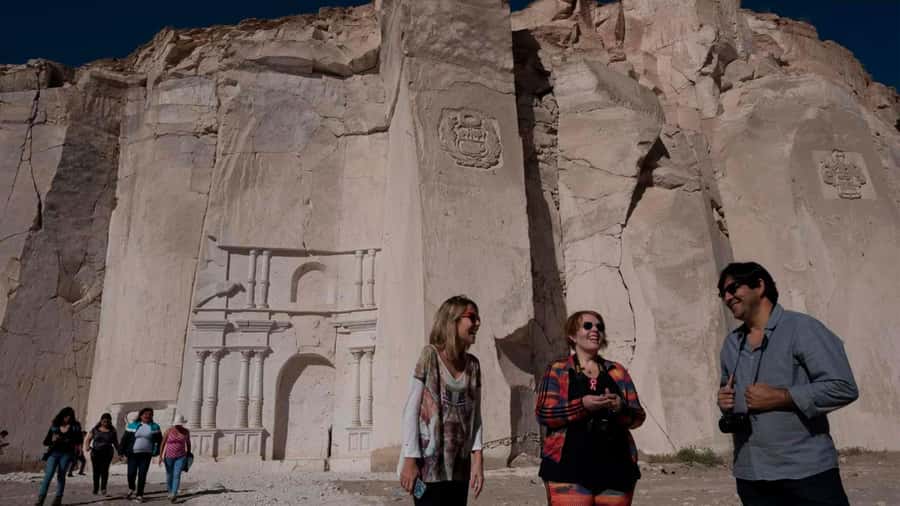
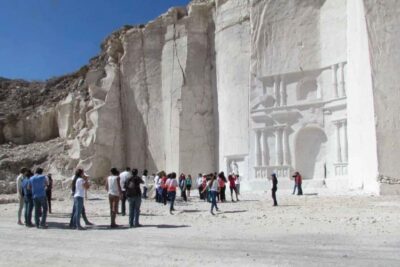
At the quarry, the tall ignimbrite walls are the main sight. Their size makes the extraction process easy to picture. The cliffs were formed as workers removed material to make sillar blocks, and the cut surfaces show the scale of the work.
Your guide explains the history of sillar, how it is produced, and how it has traditionally been used. An English- or Spanish-speaking guide is available, which is important here because the value of the stop depends on understanding the connection between quarry, craftsman, and city.
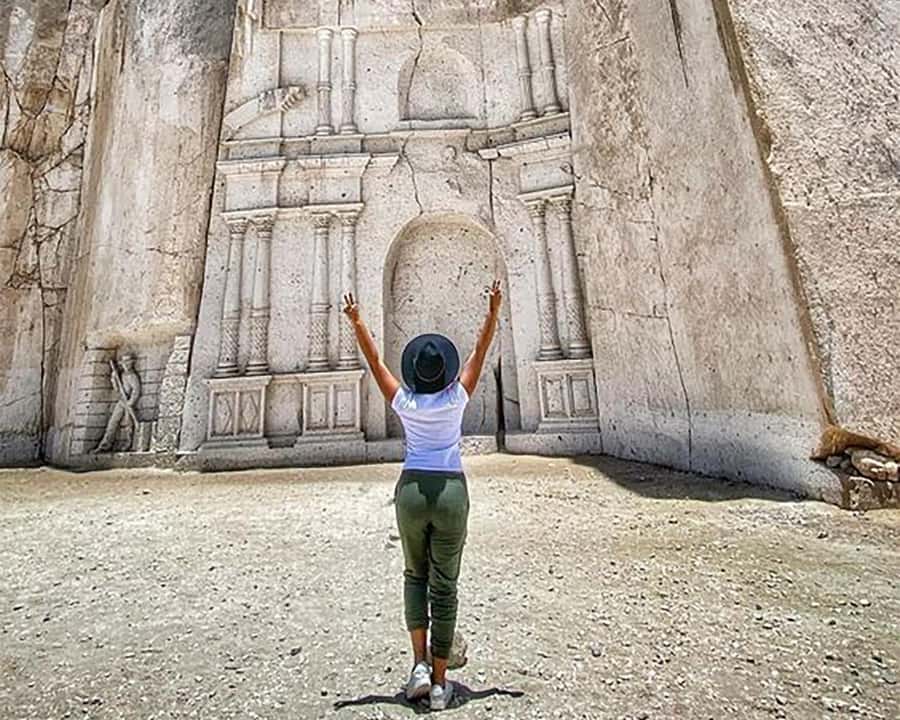
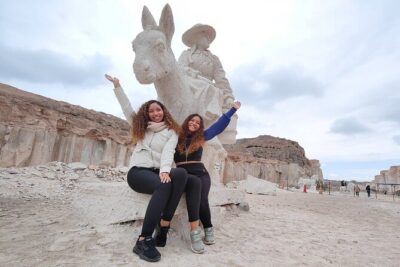
The quarry also includes a large carving of the Church of the Society of Jesus. Local stonemasons made this piece, and it shows what the material can become after it leaves the quarry. Seeing a carved church beside raw quarry walls gives you two ends of the same process in one place.
I would give this stop your full attention. The stone walls are easy to photograph, but the explanation about production and use is what makes the visit worthwhile. If you rush straight to photos, you miss the reason the site is included.
Meeting the craft behind the stone
The stonemason demonstration is one of the more unusual parts of the route. You can visit one of the workers, hear about his daily tasks, and try cutting one of the stone blocks yourself.
That small activity helps you understand that sillar is not simply quarried and delivered ready for construction. It must be shaped, and the finished forms seen in Arequipa depend on skilled manual work. Your attempt will not turn you into a master stonecutter, but it gives you a direct sense of the material.
The details here can depend on the day’s working conditions. The quarry is an active place, and the quarrymen start early. You should approach the demonstration as a working-craft encounter, not a polished show with a fixed performance.
This is also where the guide’s role matters most. A sweet, attentive guide can make the difference between watching a task and understanding it. The available feedback praises the guide’s manner and describes the activity as well organized, though no guide’s name is provided.
Somewhere else entirely, still within reach of Cusco:
- Cusco: Humantay Lake Tour with Breakfast and Buffet Lunch
★ 4.9 · 2,976 reviews - From Cusco: Sacred Valley & Maras Salt Mines Tour with Lunch
★ 4.8 · 2,227 reviews - From Cusco: Moray, Maras Salt Mines & Chinchero Weavers Tour
★ 4.8 · 1,925 reviews - From Cusco: Full-Day Group Tour of Machu Picchu
★ 4.7 · 1,767 reviews
From Añashuayco to Culebrillas canyon
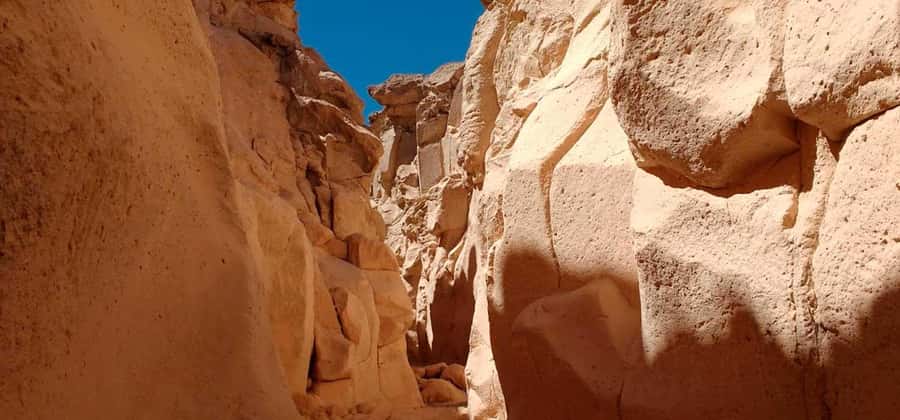
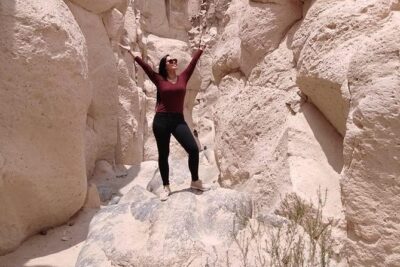
After the quarry, the vehicle travels about 30 minutes to Quebrada de Culebrillas. The change is useful. You move from a quarry shaped by human extraction to a narrow canyon formed by the passage of water.
The walk inside Culebrillas takes about 20 minutes. The canyon walls rise roughly 15 to 20 meters, and they become higher as you go farther in. This is not a long hike, but you should expect to walk on foot inside the canyon rather than view it only from the vehicle.
The route works well for you if you want some outdoor activity without committing to a demanding trek. The stated walk is short, and the main point is the shape of the canyon and what appears farther inside. Wear shoes suitable for a brief walk on uneven ground, though the available information does not specify a required type of footwear.
The canyon also gives the excursion a different rhythm. Añashuayco is open and tied to labor. Culebrillas feels enclosed and focused on rock, water, and old markings. Within a few hours, the outing shows two very different ways natural forces have shaped the area.
Finding the Wari petroglyphs
At the end of the Culebrillas walk, you can see petroglyphs attributed to the Wari culture and dated to more than a thousand years ago. They are easy to overlook if you are expecting a large archaeological complex, so listen closely to the guide’s explanation and look carefully at the rock surfaces.
The petroglyphs give the canyon a human history that reaches far beyond modern quarry work. You are not only looking at a geological formation. People used and marked this place many centuries ago, adding another layer to the short walk.
The activity description does not specify the exact number, size, or designs of the petroglyphs. I would keep expectations measured. Their importance comes from age and setting, not from the scale of a major archaeological site.
Because the walk is brief, the petroglyph stop fits neatly into the schedule. It also makes the Culebrillas section more meaningful than a simple scenic stroll. You get a reason to continue into the canyon, then a historical feature at the far end.
Apachetas and the return to Arequipa
Before heading back, the group stops to see apachetas. These are stone formations made by placing stones one on top of another. They symbolize gratitude toward nature and are also associated with good luck.
The apachetas add a cultural and personal note to the excursion. They are simple formations, but the meaning attached to them gives the stop a different mood from the quarry and petroglyphs. You may find the scene has a mystical quality, particularly after walking through the narrow canyon.
The return trip begins at about 12:30 p.m., with arrival near Plaza de Armas in central Arequipa planned for about 1:30 p.m. The advertised duration is four hours, while the listed schedule covers roughly four hours and 15 minutes from departure to city arrival. In practical terms, plan on about four hours and allow extra time in case the group runs late.
The drop-off near the main square is useful. You can continue sightseeing, find lunch, or return to your accommodation from the center. Do not book a tight connection immediately afterward, especially if you are taking the morning departure and need to wait for other people in the group.
How the transport affects the day
Tourist transport and a professional guide are included in the $14 price. That is a low cost for a half-day outing that covers a quarry, a canyon, a viewpoint, and an archaeological feature. You are paying mainly for shared transport and interpretation rather than a private experience.
The transport is also the part that deserves the most caution. One verified booking reported delays caused by waiting for group members. Another practical concern was the lack of air conditioning on the bus. This does not mean every departure will have the same issue, but you should be prepared for a basic shared vehicle rather than premium transport.
The drives are not short: about 45 minutes to Añashuayco and another 30 minutes to Culebrillas. A comfortable vehicle can make those transfers easier, while a warm bus can make the day feel less pleasant. If transport comfort is a major priority, this is worth weighing before you reserve.
The group format keeps the price down, but it reduces control over the pace. The quarry and canyon visits have set stages, and the return depends on the group staying together. The tour suits you best if you value access and a low price more than privacy or a custom schedule.
What the $14 price really covers
At $14 per person, the outing offers strong value for a short introduction to Arequipa’s stone-working tradition. You receive tourist transport and a professional guide, and the route includes several kinds of sights that would be difficult to connect efficiently on your own.
Admission is not included. The entrance fee is 10 soles for the places visited, so add that amount to the advertised price when calculating your real cost. The total remains modest, but the extra payment should not surprise you at the meeting point.
The value is strongest for someone with limited time in Arequipa. You can see a working quarry and Culebrillas in one morning, then return to the city early enough for an afternoon plan. It is less compelling if you already have detailed access to the quarries or prefer spending a whole day at one site.
The excursion also has value because of its mix. The stone demonstration appeals to anyone interested in craft, the viewpoint suits photographers, the canyon provides a short walk, and the petroglyphs add archaeology. No single stop fills a full day, but together they make a well-packed half-day.
Morning or afternoon departure
The main schedule begins at 9:15 a.m. and returns around 1:30 p.m. This is the better choice if you want to use the rest of the day in Arequipa or prefer to visit the quarry early, when the quarrymen have already begun work.
A 2 p.m. shift is also available. The supplied information does not give a precise return time for that departure, so check the available start times before booking and leave your evening open enough for the ride back.
The morning option may be the safer pick if you care most about seeing quarry activity. The workers begin early, and a later start could offer a quieter visit. At the same time, the afternoon departure gives you flexibility if your morning is already committed.
Free cancellation is available up to 24 hours before departure for a full refund, and you can reserve now and pay later. Those terms are useful if your Arequipa plans may change, but the main decision should still come down to your interest in the sites and tolerance for shared transport.
Who will enjoy this Sillar Route most
I would recommend this excursion if you want a short, affordable outing that explains where Arequipa’s pale stone comes from. It is especially suitable for you if you like seeing active craft work rather than only finished monuments.
It also fits well if you want a little walking but not a full-day hike. The Culebrillas section lasts about 20 minutes, and the rest of the route is reached by tourist transport. You get outdoor scenery and a canyon without signing up for an endurance activity.
Families and first-time visitors may appreciate the clear variety, though the shared vehicle and possible waiting time require patience. The attraction is not a single blockbuster sight. It is the connection between volcanoes, stone, workers, canyon, and ancient markings.
You may want to skip it if you need air-conditioned transport, a private schedule, or exact timing. The reported delay while waiting for group members is a real consideration, and the bus may be basic. You should also pass if a short canyon walk or quarry setting does not appeal to you.
Should you book the Sillar and Culebrillas Route?
Book it if you want an inexpensive half-day that gives you context for Arequipa’s architecture and adds a working craft visit, a canyon walk, and Wari petroglyphs. The hands-on stone cutting and the large Church of the Society of Jesus carving give the Añashuayco stop more substance than a quick photo visit.
Go in knowing that the experience is shared, transport comfort may be limited, and the schedule can stretch if people are late. Add the 10 soles entrance fee, avoid a tight appointment after the return, and choose the morning departure if seeing quarry activity matters most.
For many visitors, the $14 transport and guiding package is a sensible way to reach sites outside central Arequipa. If you accept a basic vehicle and a group pace, this route gives you a useful, varied look at the stone and culture behind the city.
FAQ
How long does the Sillar and Culebrillas Route take?
The activity is advertised as four hours. The morning schedule begins at 9:15 a.m., starts the return at about 12:30 p.m., and arrives near Plaza de Armas around 1:30 p.m.
What time does the morning departure begin?
The morning departure begins at approximately 9:15 a.m.
Is there an afternoon departure?
Yes. A 2 p.m. shift is also available. The exact return time for that shift is not provided.
What languages does the guide speak?
The live guide is available in Spanish and English.
Is transport included?
Yes. Tourist transport is included in the price, along with a professional guide.
Is the entrance fee included?
No. Admission to the places visited costs 10 soles and is paid separately.
What will I see at Añashuayco?
You will see a working sillar quarry with tall ignimbrite walls, learn about sillar production and use, and see a large carving of the Church of the Society of Jesus. You may also meet a stonemason and try cutting a block.
How long is the walk at Culebrillas?
The walk inside Culebrillas canyon takes approximately 20 minutes. The canyon walls are about 15 to 20 meters high and become taller farther inside, where you can see Wari petroglyphs.
Recently added around Cusco
- Palcoyo colored mountain hike + stone forests★ 4.6 · 3 reviews
- Maras Moray★ 5.0 · 3 reviews
- From Cusco: Vinicunca Mountain of Colors Excursion + Ticket★ 5.0 · 3 reviews
- Full-Day Condor Viewpoint & Inca Sites Tour★ 5.0 · 3 reviews
- Excursion Cusco – Puno – Titicaca Observatory Train★ 5.0 · 3 reviews
- Machu Picchu: Private Tour Guide Service for up to 15 people★ 4.5 · 3 reviews
- Machu Picchu: 1-day tour by Vistadome Observatory train★ 5.0 · 3 reviews
- Cusco: Chonta Canyon and Condor Flight Tour with Lunch★ 5.0 · 3 reviews
Sillar Route Tours, compared.
Sillar Route in Arequipa and viewpoint of the Volcanoes
Read our review →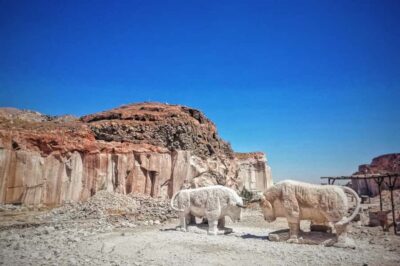
4 hours Tour: Route of Sillar with Trek in Culebrillas
Read our review →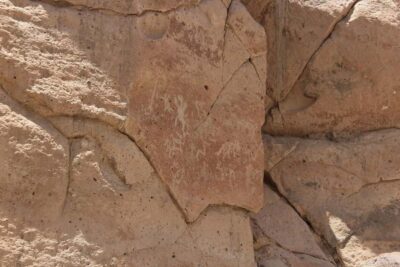
Route of the Sillar | Quarries of Añashuaycos | Half day
Read our review →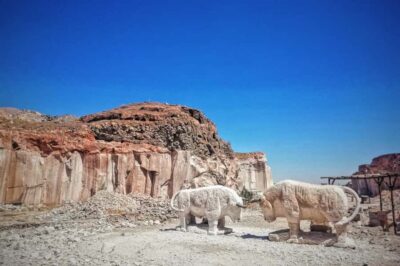
4-hour excursion: Sillar Route with Hiking in Culebrillas
Read our review →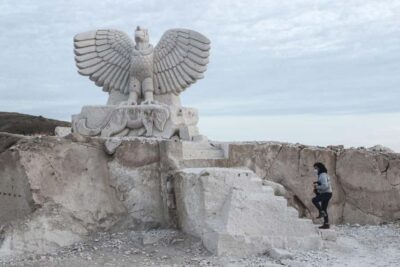
Trek to the Route of the Sillar and Culebrillas in Arequipa
Read our review →Browse the lists this tour appears in