
Reviewed · MACHU PICCHU TOURS
Classic Inca Trail 4 Days to Machu Picchu
The best part of this four-day trek is arriving at Machu Picchu through Inti Punku, the Sun Gate, after walking the old stone route used by the Incas. You do not simply ride in, take a photo, and leave. You earn that first view after 42 kilometers of mountain trail, cloud forest, stone steps, and archaeological sites.
I like the small group limit of eight, which makes the long days easier to manage and gives you more time with your bilingual guide. I also like the food and camp support: a cook and porters carry the shared gear, and one birthday cake has even appeared beside the tents. The catch is simple but serious: Day 2 reaches 4,216 meters, so you need good fitness and time in Cusco to adjust to the altitude.
Key points to know before you book
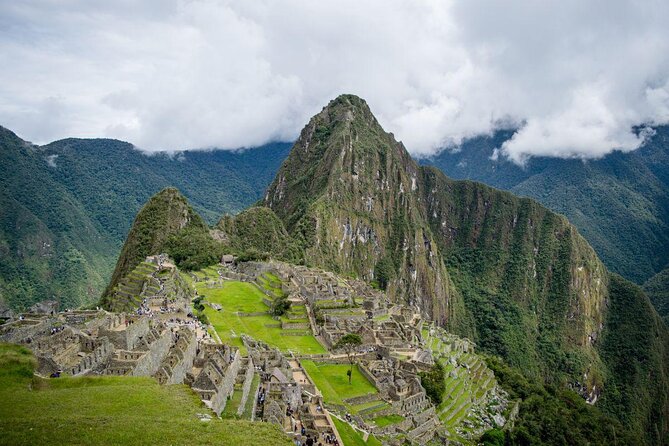
- The Sun Gate arrival: You reach Machu Picchu on foot through Inti Punku, with your first broad view of the citadel before entering.
- A demanding second day: The trail climbs to 4,216 meters, or 13,828 feet, making this the hardest section.
- Three nights under canvas: Camping, basic sleeping pads, a cook, and porters are included.
- Small groups matter: The maximum group size is eight people.
- Strong meal support: Three breakfasts, three lunches, and three dinners are included, with a cook preparing food on the trail.
- A full return journey: After Machu Picchu, you take the train from Aguas Calientes to Ollantaytambo, then continue by bus to Cusco.
What the $820 price really covers
At $820 per person, this is not a bare-bones hike where you carry everything yourself. The price includes camping equipment for two people, basic sleeping pads, porters for shared equipment, a cook, three breakfasts, three lunches, three dinners, a bilingual guide, the Machu Picchu tour, and the tourist train from Aguas Calientes to Ollantaytambo.
That package matters on the Inca Trail. You still carry your own personal daypack, but the heavy communal gear and cooking supplies are handled by the support crew. After a day of stone steps, that difference can feel enormous.
The price does not include the first day’s breakfast, lunch on Day 4, bottled water, a sleeping bag, or an optional inflatable mattress. The inflatable mattress costs $15. You should also budget for tips if you feel the guide, cook, or porters have served you well. Tips are optional, but the staff does much of the work that makes this trek possible.
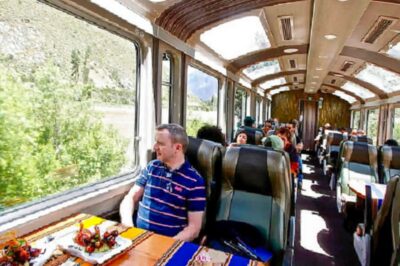
The train and onward bus are useful inclusions. You do not need to arrange your own transport after leaving Machu Picchu, and the two-hour train journey gives you a clear end to the walking portion. For a four-day trek with meals, camp support, guiding, site access, and the return connection, the price is reasonable for anyone who values convenience and a small group over independent travel.
more ways to reach machu picchu
- From Cusco: Full-Day Group Tour of Machu Picchu
★ 4.7 · 1,767 reviews - Machu Picchu Day Trip from Cusco
★ 4.5 · 1,644 reviews - Machu Picchu: Full-Day Tour from Cusco with Optional Lunch
★ 4.6 · 927 reviews
Day 1: Km 82, the first ruins, and Llactapata
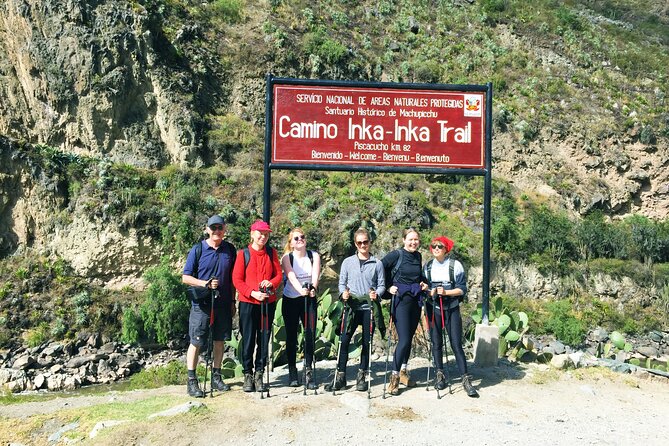
The tour collects you from your hotel in Cusco and drives to Km 82, the usual starting point for this route. After the checkpoint, you begin walking along the first section of the Inca Trail.
The opening day is a useful warm-up. You have time to settle into your boots, find your walking rhythm, and learn how the group moves together before the trail becomes more demanding. The day also begins with archaeology rather than a long push through the mountains.
The first archaeological site is explored with your guide before lunch. The information provided does not give the site’s name, so you should think of this stop as an early introduction to the trail’s stonework and old route system rather than a headline sight on the scale of Machu Picchu.
Before reaching the lunch spot, you visit Llactapata, an archaeological site with attractive mountain views and a story to hear from the guide. This is a good early reminder that the Inca Trail is not only a hike. The ruins are part of the route itself, and the guide’s explanation helps connect scattered terraces and stone structures to the larger Inca network.
The first day includes one archaeological visit listed at about 20 minutes and the Llactapata stop at about 20 minutes. Those times are brief, but the actual day includes driving, checkpoint procedures, walking, lunch, and camp arrangements. Do not treat the stop durations as the total length of the day.
Breakfast is not included on Day 1, so eat before pickup or arrange your own morning meal. Bottled water is also your responsibility throughout the trek. Carry enough for the day and ask the operator what refill arrangements apply before setting out, since the package itself does not include bottled water.
Day 2: The 4,216-meter climb to the high pass
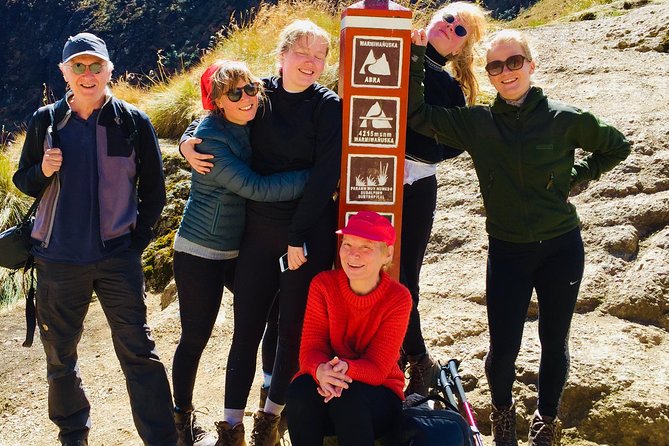
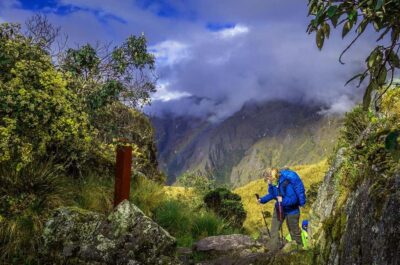
Day 2 is the test. The route climbs for about five hours toward the highest pass, at 4,216 meters, or 13,828 feet. This is the most difficult part of the four-day walk, but it is also the day that gives the trek its strongest sense of achievement.
Altitude is the main issue, not just the number of hours. At this height, even a moderate slope can feel slow. You will want to keep a steady pace, drink regularly, and avoid racing ahead early in the morning. The group limit of eight helps the guide keep track of everyone, but your own preparation still matters most.
The summit is a natural pause point. You have time to rest and take in the surrounding views before descending for several hours. The descent is not easy simply because it goes downhill. Inca Trail steps can be hard on knees and thighs, especially after the long climb.
Lunch comes after the descent, followed by the second camp near Pacaymayu at about 3,600 meters. The schedule leaves free time after lunch, which is welcome. You can rest, sort your gear, and prepare for another early night rather than rushing straight into another activity.
This is the day when arriving in Cusco a few days early becomes practical advice, not a minor suggestion. The available guidance specifically recommends allowing time to acclimatize. You should also get in shape before the trip and bring the right kit. Moderate fitness is the stated minimum, but the high pass rewards stronger preparation.
Day 3: Puyupatamarca, Runkuracay, and the cloud forest
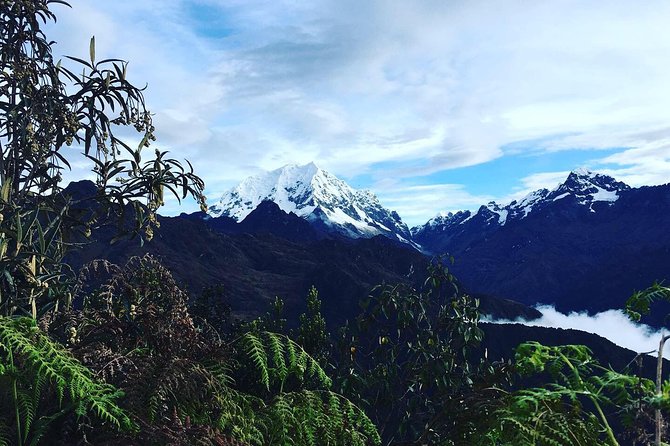
Day 3 changes the feel of the trek. The route moves between high mountain country and cloud forest, with archaeological sites placed along the way. It is arguably the most varied day, even if Day 2 remains the hardest.
After breakfast, you climb toward another pass at about 3,960 meters. During the morning, your guide explains several Inca sites along the route. The combination of walking and short historical stops keeps the day from becoming a pure endurance exercise.
You descend for lunch, then climb again toward the final pass at about 3,660 meters. From this area, you can see Machu Picchu Mountain. That glimpse gives the day a clear sense of direction: the destination is no longer an idea on a map, but a visible part of the mountains ahead.
Runkuracay is one of the main stops. You have about 20 minutes to explore and take photographs after the guide explains its history. The site’s curved form and high position make it especially suited to a short stop, though you should not expect a long, quiet archaeological visit. The trail schedule continues, and the walking remains the main event.
Puyupatamarca receives about 30 minutes of attention. Its position along the upper trail makes the stop valuable for both the ruins and the views. In the afternoon, you visit additional Inca sites before descending for a couple of hours to camp.
The day ends with dinner and a ceremony organized by the guide to thank the team. This is a small but meaningful part of the experience. Porters and cooks are not background service on a trek like this. They make the camp, meals, and shared equipment possible, and the ceremony gives the group a chance to recognize that work.
The description says you will take another path to the town, but the detailed Day 4 plan has you continue to Machu Picchu and then descend to Aguas Calientes. If that wording concerns you, confirm the exact route and camp location before departure. The main schedule clearly places the Machu Picchu arrival on the fourth day.
more inca trail departures
- Cusco: 4-Day Inca Trail to Machu Picchu with Accommodation
★ 4.8 · 432 reviews - Cusco: Machu Picchu 2-Day Inca Trail with Panoramic Train
★ 4.9 · 260 reviews - From Cusco: 2-Day Inca Trail to Machu Picchu
★ 4.2 · 244 reviews - Machu Picchu: Inca Trail 2-Day Overnight Guided Tour
★ 4.9 · 203 reviews
Day 4: Walking through the Sun Gate to Machu Picchu
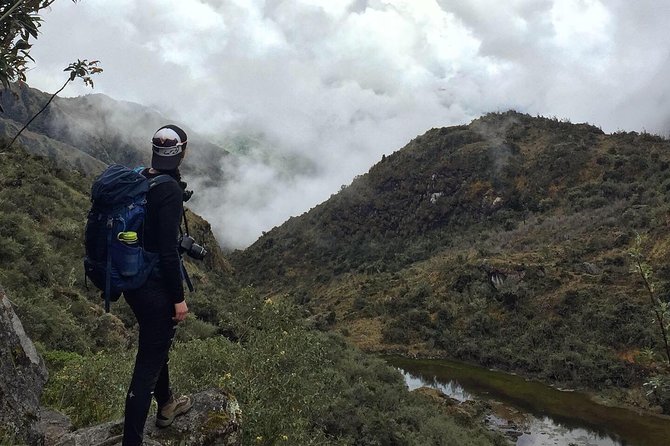
The final morning begins with another checkpoint and a hike through dense high rainforest toward Inti Punku, the Sun Gate. This is the feature that sets the route apart from a simple bus or train visit to Machu Picchu.
The walk to the gate takes a few hours. When you arrive, you can rest, eat your snack, and take in the first view of Machu Picchu. Weather and light can change the look of the site, so the Sun Gate moment is not a guaranteed postcard scene. Still, reaching it under your own power gives the arrival more weight.
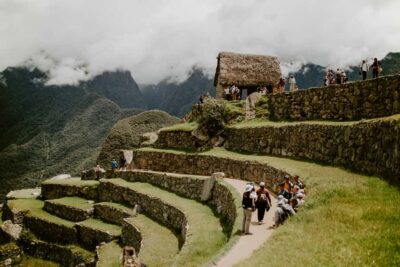
From Inti Punku, you continue down toward the citadel. The plan allows time for the classic photograph before you leave the site to use the restrooms or have a coffee. You then re-enter Machu Picchu for several hours of guided exploration.
That break is practical. After the final approach, a short pause lets you eat, regroup, and handle basic needs before the main visit. It also means you should keep your essentials organized rather than burying your snack, water, or camera gear at the bottom of your bag.
Inside Machu Picchu, your guide explains the main areas and the importance of the site. The included visit lasts about three hours. That is enough for a guided overview, though not enough to examine every corner at a slow pace. After four days on foot, most people will appreciate having a clear route and explanation instead of trying to interpret the site while tired.
Once you leave Machu Picchu, you go down to Aguas Calientes for lunch, which is not included. You then say goodbye to the guide before taking the train to Ollantaytambo. The train journey lasts about two hours, followed by a bus to Cusco.
This makes Day 4 long and logistically busy. You have a hike, the Sun Gate, the citadel, a break, a guided visit, a descent, lunch, a train, and a bus. The advantage is that the transport is arranged. The drawback is that you should not expect a relaxed afternoon after leaving Machu Picchu.
Camping, food, and what you carry
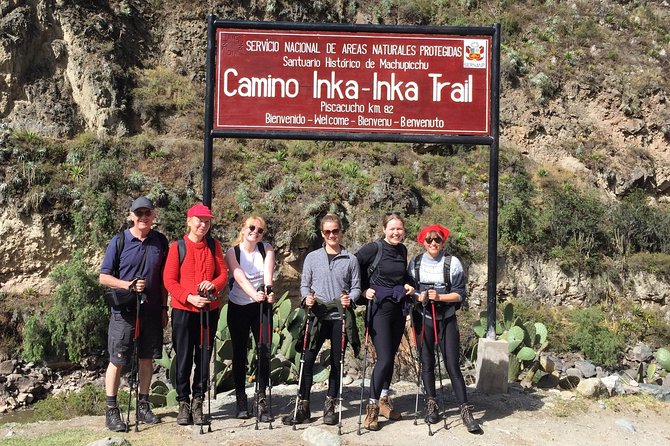
Camping accommodation includes a tent for two people and a basic sleeping pad. An inflatable mattress is available for $15, and you can also bring or rent a sleeping bag, since the sleeping bag is not included.
The sleeping setup is functional rather than luxurious. You should pack for rest, warmth, and changing mountain conditions, not comfort at a hotel level. Keep clothing and personal items protected inside your bag, especially during wet weather.
The cook prepares three breakfasts, three lunches, and three dinners. This is one of the strongest practical features of the trip. A hot meal at camp can restore energy after a high-altitude walking day, and the birthday cake prepared for one past trekker shows that the kitchen can add personal touches as well as calories.
Porters carry shared camping equipment, while you remain responsible for your personal belongings. Pack light, but do not cut essentials such as warm layers, rain protection, suitable walking clothes, and personal medication. The supplied information does not provide a detailed packing list, so ask for the operator’s current list before you go.
You need to cover Day 1 breakfast and Day 4 lunch yourself. Bring money for those meals, bottled water, the optional mattress, and tips. Those are small costs beside the tour price, but planning for them keeps the trip straightforward.
The guide and group size
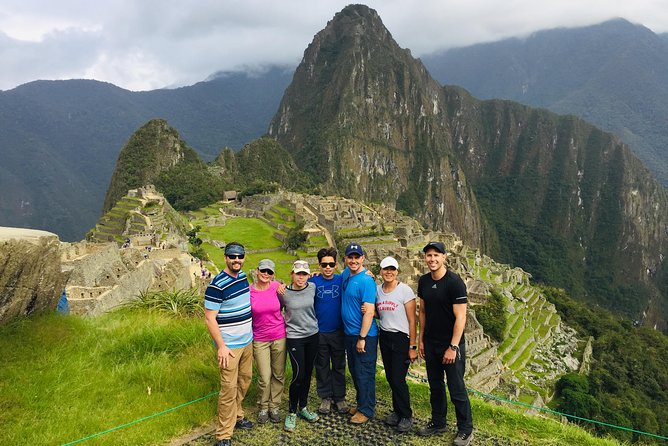
The group can have up to eight people, a useful limit on a narrow trail with varied fitness levels. A smaller group also gives you a better chance to ask questions at Llactapata, Runkuracay, Puyupatamarca, and Machu Picchu without turning every explanation into a speech for a large crowd.
The guide is bilingual and accompanies you on both the trek and the Machu Picchu tour. The available information does not provide the guide’s name, so you should not choose this trip based on a particular individual. The company’s experience on the trail is highlighted, and the guide organizes the final team-thanks ceremony.
Communication before arrival is important. Confirmation is provided within 48 hours of booking, subject to availability. The ticket redemption point is Vidal Expeditions Peru in the Santiago area of Cusco, with listed Monday to Friday hours from 9:00 a.m. to 8:00 p.m. Confirm the current meeting details and hotel pickup instructions before the trek.
Who should choose this four-day route
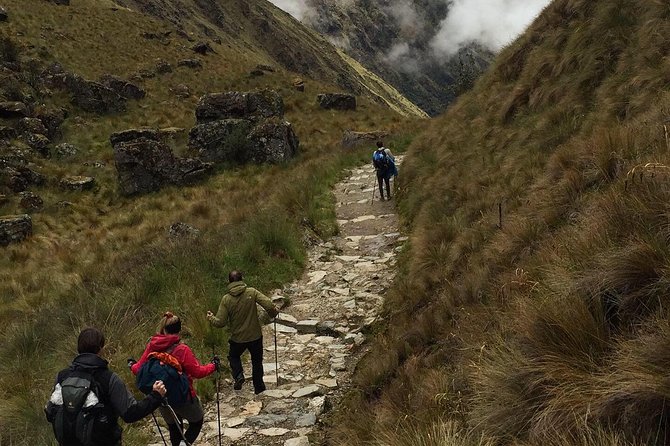
This trek suits you if you want the classic Inca Trail experience rather than the quickest route to Machu Picchu. You should be comfortable walking for several hours, climbing and descending stone paths, sleeping in tents, and managing high altitude.
It is a good fit for someone who values archaeology, mountain scenery, and a supported camping trip. The cook and porters reduce the physical load, while the small group keeps the experience personal.
It is not the right choice if you want a soft adventure with hotel beds, flexible mornings, or a short visit to Machu Picchu. Day 2 is genuinely strenuous, and Day 4 packs a lot into one day. Moderate fitness is required, but arriving in Cusco early and training beforehand will make the experience much more enjoyable.
The tour is also best for people who can commit firmly to their dates. The booking is non-refundable and cannot be changed for any reason. If poor weather cancels the trip, you are offered another date or a full refund. The same applies if the minimum number of participants is not reached, with the option of another experience.
Should you book the Classic Inca Trail?
Book it if walking into Machu Picchu through the Sun Gate matters to you, and if you are ready for a real four-day mountain trek. The strongest reasons are the small group, full camp support, included meals, bilingual guiding, and the carefully arranged return by train and bus.
Think twice if altitude, basic camping, or a demanding second day will spoil the trip for you. At $820, the value is good for a supported expedition with porters, a cook, camping, archaeological stops, Machu Picchu guiding, and transport, but it is not a low-cost day tour.
For the best chance of enjoying it, spend a few days acclimatizing in Cusco, train for long climbs, bring the proper gear, arrange your own water and sleeping bag, and keep the final day open for a long return to Cusco. If that sounds like a fair trade for reaching Machu Picchu on foot, Vidal Expeditions offers a well-supported way to take the classic route.
FAQ
How long is the Classic Inca Trail experience?
The trek lasts approximately four days. The route covers about 42 kilometers and ends at Machu Picchu on Day 4.
What is the highest point on the trek?
The highest pass is reached on Day 2 at 4,216 meters, or 13,828 feet.
Is the train included?
Yes. The tourist train from Aguas Calientes to Ollantaytambo is included and takes about two hours. A bus from Ollantaytambo to Cusco follows the train journey.
Are meals included?
Three breakfasts, three lunches, and three dinners are included. Breakfast on Day 1 and lunch on Day 4 are not included.
Is camping included?
Yes. Camping accommodation includes a tent for two people and a basic sleeping pad.
Is a sleeping bag included?
No. A sleeping bag is not included. An inflatable sleeping mattress is optional and costs $15.
How large can the group be?
The maximum group size is eight people.
What happens if poor weather cancels the trek?
If poor weather causes cancellation, you are offered a different date or a full refund. If the minimum number of participants is not reached, you are offered another date, another experience, or a full refund.
More 4-Day Experiences in Cusco
- 4 Day Tour to the Manu National Park
★ 5.0 · 81 reviews - Choquequirao Trek 4 days and 3 nights
★ 5.0 · 81 reviews - Cusco Sacred Valley and Machupicchu 4 Days
★ 5.0 · 80 reviews - Ancascocha Trek To Machu Picchu 4 Days And 3 Nights
★ 5.0 · 77 reviews
Recently added around Cusco
- Palcoyo colored mountain hike + stone forests★ 4.6 · 3 reviews
- Maras Moray★ 5.0 · 3 reviews
- Full-Day Condor Viewpoint & Inca Sites Tour★ 5.0 · 3 reviews
- From Cusco: Vinicunca Mountain of Colors Excursion + Ticket★ 5.0 · 3 reviews
- Excursion Cusco – Puno – Titicaca Observatory Train★ 5.0 · 3 reviews
- Machu Picchu: Private Tour Guide Service for up to 15 people★ 4.5 · 3 reviews
- Machu Picchu: 1-day tour by Vistadome Observatory train★ 5.0 · 3 reviews
- Cusco: Chonta Canyon and Condor Flight Tour with Lunch★ 5.0 · 3 reviews
Machu Picchu Tours, compared.
4-Day Inca Trail to Machu Picchu with Accommodation
Read our review →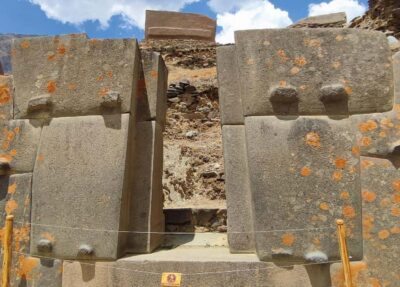
2-Day Trip to the Sacred Valley and Machu Picchu
Read our review →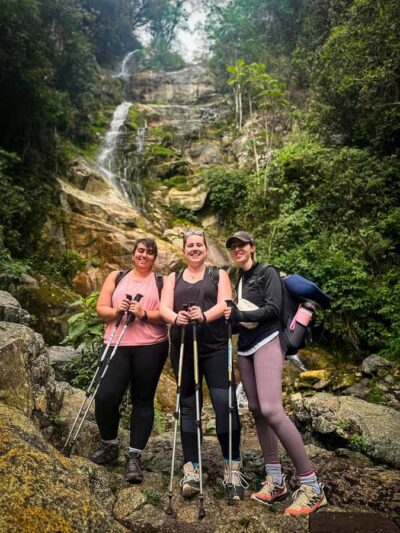
Machu Picchu 2-Day Inca Trail with Panoramic Train
Read our review →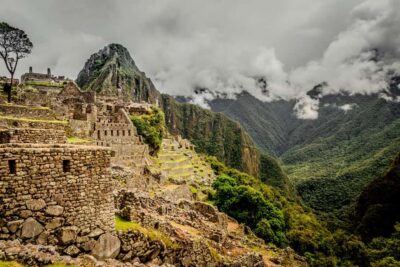
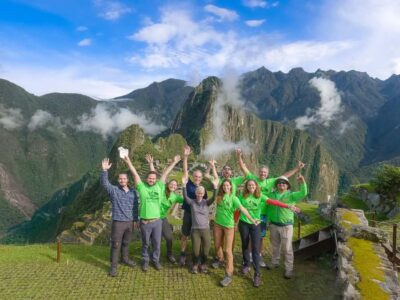
Browse the lists this tour appears in