
Reviewed · MACHU PICCHU TOURS
Cusco: 4-Day Salkantay Trek to Machu Picchu, Panoramic Train
The best part of this four-day trek is the dramatic change in scenery: you begin among high Andean peaks and turquoise water, cross the 4,630-meter Salkantay Pass, then walk down into cloud forest before reaching Machu Picchu. I like the thoughtful mix of outdoor challenge and comfort, especially the glamping camp, hotel night, and panoramic train ride back to Cusco. I also like the local food stops, including an underground Pachamanca barbecue and a coffee-making session at Lucmabamba.
The main caution is the second day. It includes the trek’s highest climb, followed by a long descent and several more hours of walking. The second night in Andean huts is also basic, and a warm shower may cost extra, so you should book this for the mountain route, not for polished lodging every night.
Salkantay Trek highlights at a glance
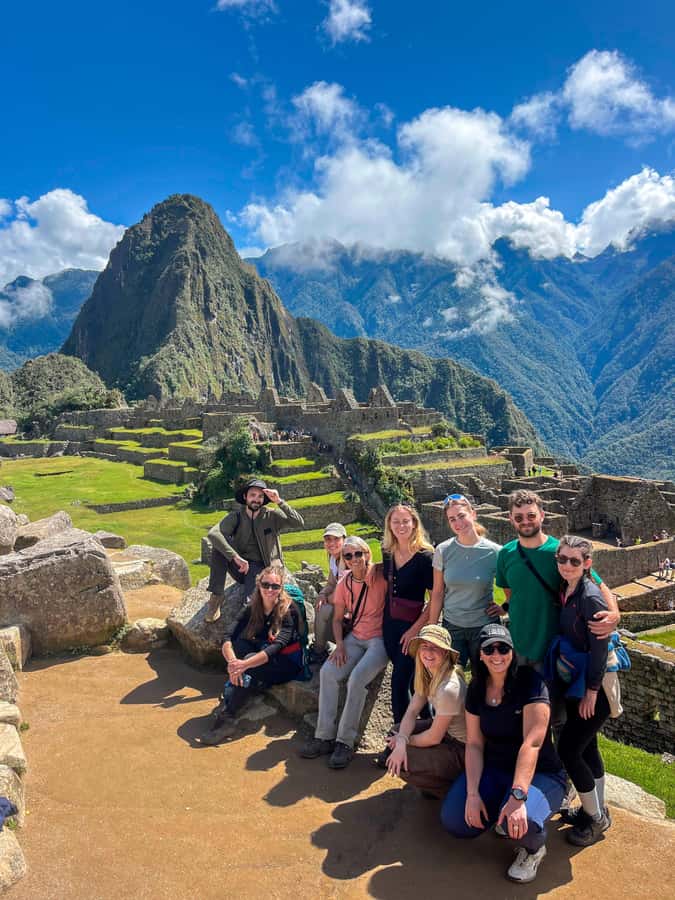
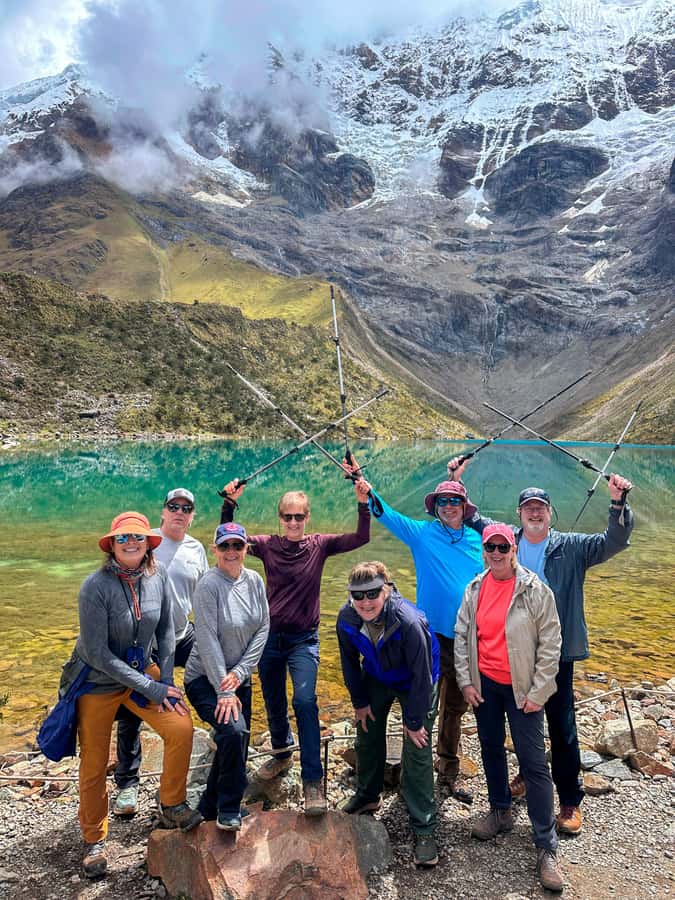
- Humantay Lake at the start: Reach the turquoise lake after a demanding uphill walk from Challacancha, with views of the surrounding peaks.
- 4,630-meter Salkantay Pass: The trek’s highest point brings wide views toward snow-covered mountains and the lake below Salkantay Mountain.
- Two very different camps: Sleep in a glamping tent at SalkaGlamp, then in simpler Andean huts at Collpapampa.
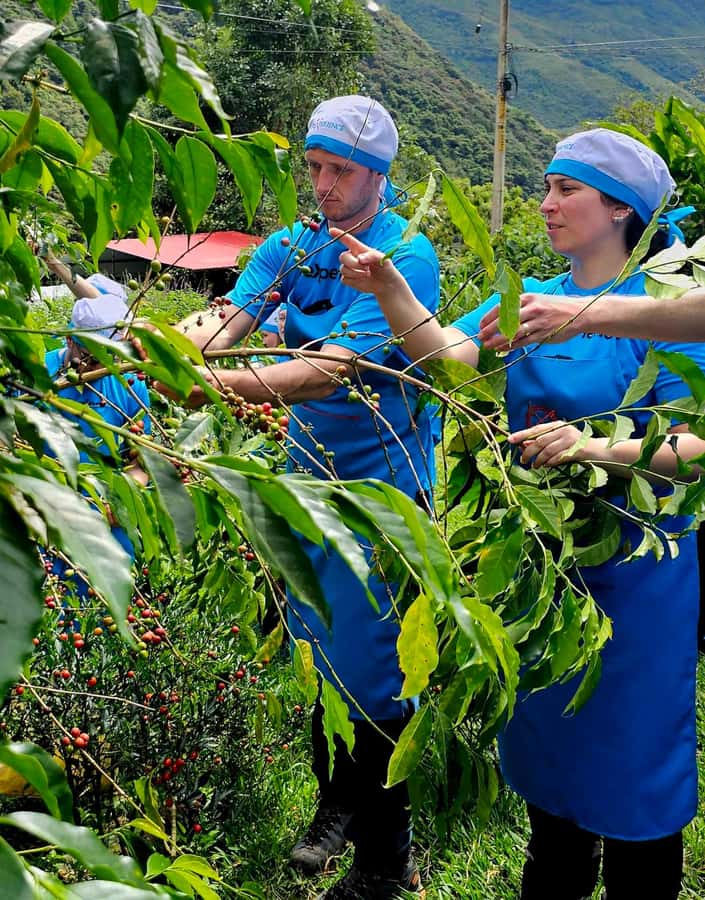
- Pachamanca and coffee at Lucmabamba: Watch an Andean barbecue cooked underground and prepare your own fresh espresso at a local coffee farm.
- Small-group support: Groups are limited to 16, with guides, cooks, a first-aid kit, oxygen, and a satellite phone.
- Scenic train home: Return from Aguas Calientes by Vistadome or 360° panoramic train rather than making the entire journey by road.
Why this route is different from the classic Inca Trail
The Salkantay route gives you a broad sweep of Peru’s mountain country in a short time. Instead of following one archaeological path, you move through several natural zones: high mountain terrain, open slopes, cloud forest, and the warm valley near Machu Picchu.
That variety is the real reason to choose this trip. Day one brings Humantay Lake. Day two takes you over the Salkantay Pass. Day three changes pace with food, coffee, and a long walk toward Aguas Calientes. Day four is devoted to Machu Picchu itself.
You should also know what this is not. It is not a gentle sightseeing tour with a little walking added. The route includes altitude, steep sections, long descents, early starts, and changing weather. The comfort touches help, but they do not remove the physical work.
The $552 price includes the trek, Machu Picchu entrance, guide, transport, meals on the trail, three nights of lodging, the return train, snacks, water, and a duffle transfer of up to 7 kilograms. That is a useful package for someone who wants one booking to cover the main moving parts. You still need to budget for lunch on the final day, optional mountain tickets, and rentals for items such as a sleeping bag or trekking poles.
More Hiking Tours in Cusco
- From Cusco: 7 Lakes Ausangate Trek with Breakfast and Lunch
★ 4.8 · 360 reviews - Cusco: Rainbow Mountain Tour and Red Valley Hike (Optional)
★ 4.7 · 149 reviews - Cusco: Full-Day Rainbow Mountain & Red Valley Trekking Tour
★ 4.5 · 121 reviews
Day one: 4:30 a.m. pickup, Humantay Lake, and SalkaGlamp
Your day begins early, with pickup at your hotel in Cusco’s historic center at 4:30 a.m. Be in the lobby 10 minutes ahead of time. If your lodging is outside the Cusco district, you will meet the group at a designated location near the main square.
The morning drive passes through Andean valleys before reaching Mollepata for breakfast. From there, the vehicle continues to Challacancha, where the walking begins. This opening transfer is useful because it places you directly into the mountain route, but the early hour can be rough after time in Cusco. Plan a quiet evening before departure.
The walk to Humantay Lake is uphill and takes you toward one of the trip’s most recognizable sights. The lake’s turquoise water contrasts with the rocky slopes and mountain peaks around it. Take your time here. The altitude makes even a short climb feel harder, and the first day is not the moment to spend all your energy racing ahead.
After the lake, you descend to Soraypampa for lunch. The downhill section gives your legs a break from climbing, though steep descents can still work your knees. Meals are provided on the trail, and water and daily snacks are included, which means you can carry less food yourself.
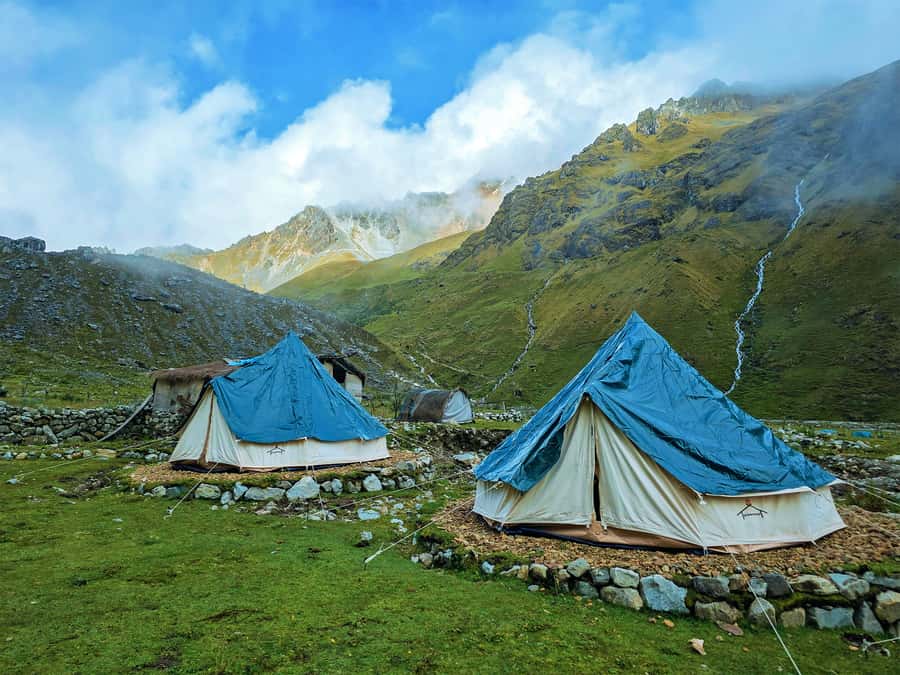
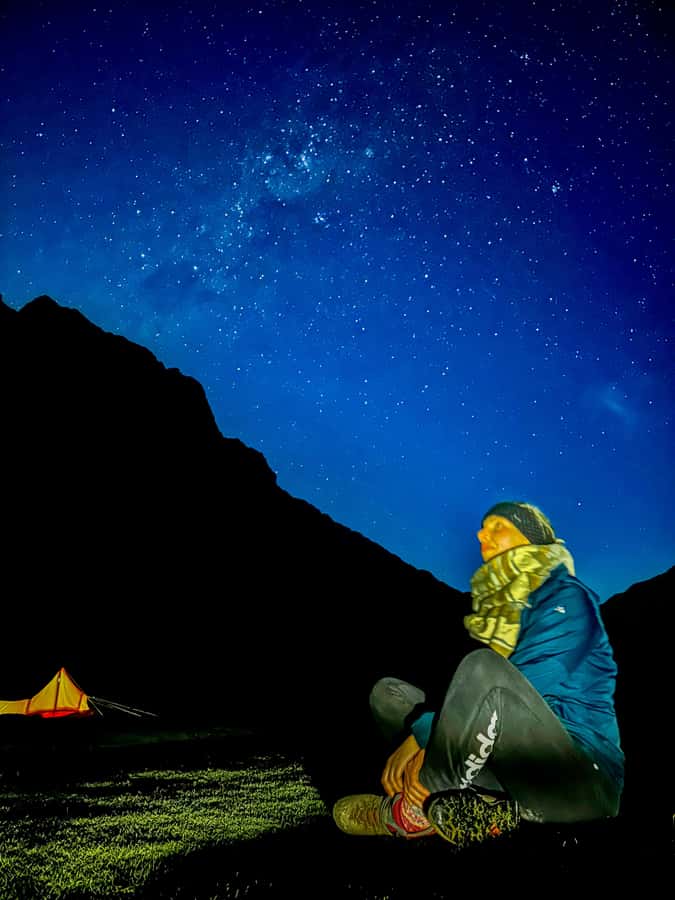
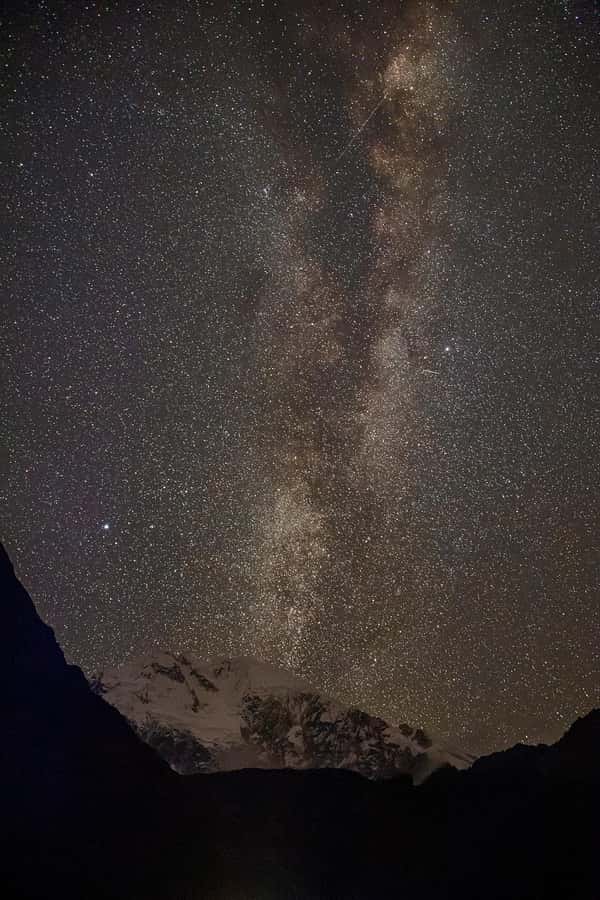
The route continues to the Salkantaypampa glamping camp. This is one of the more appealing comfort touches. You sleep in a tent with a pillow and sleeping pad provided, eat a warm dinner, and spend the night high in the Andes. The setting is quiet, and the clear nights can bring a strong view of the stars.
Day two: the 4,630-meter Salkantay Pass
Day two is the test. Coffee or coca tea is brought to your tent in the morning, followed by breakfast. Then you begin roughly two hours of climbing toward Salkantay Pass, the highest point of the trek at 4,630 meters, or 15,190 feet.
At this altitude, the climb deserves respect. Your pace should be steady and conservative. The guides are there to monitor the group, and the trip carries an oxygen tank, first-aid kit, and satellite phone, but no safety equipment can replace sensible pacing and attention to how you feel.
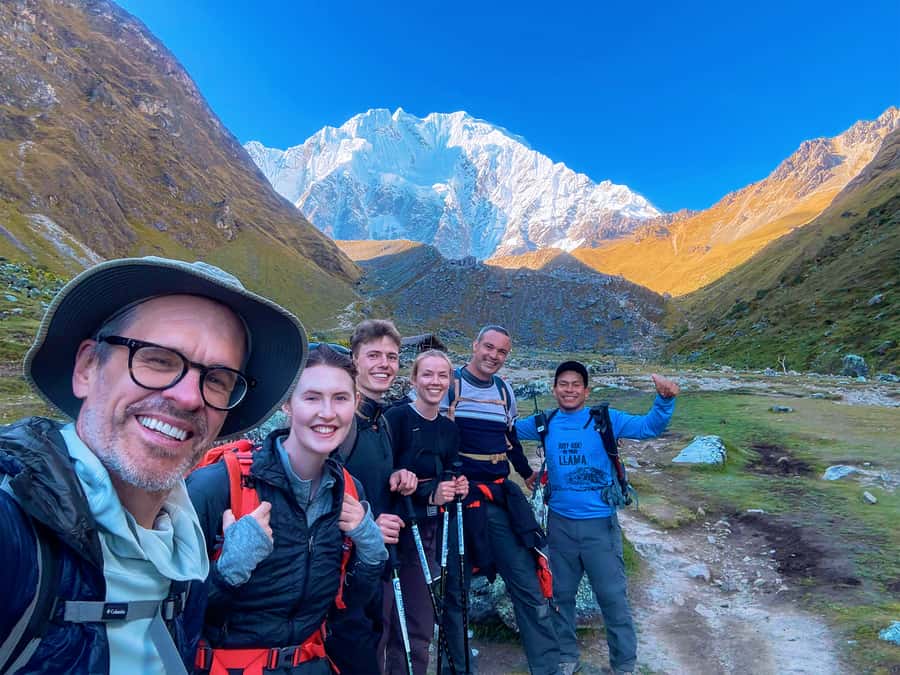
The pass gives you broad mountain views, including snow-capped peaks and the lake below Salkantay Mountain. This is the moment that defines the route for many people. You have worked upward through exposed mountain country, and the scenery opens in every direction.
From the pass, expect about three hours of descent to Wayracmachay for lunch. Descending sounds easier than climbing, but the long downhill can be tiring. Trekking poles are worth considering, and you can rent them if you do not bring your own.
After lunch, you walk for another three hours into cloud forest. The change is striking. Rocky highland scenery gives way to flowers, orchids, and hummingbirds. The air and vegetation shift as you lose altitude, creating one of the most memorable transitions on the route.
You finish at Collpapampa and sleep in Andean huts. These are practical rather than luxurious. One important cost issue is the possibility of an extra charge for a warm shower, and the condition of the huts and bathrooms may not match the glamping camp or hotel. Pack patience, toiletries, and a sense of humor for this night.
Day three: Pachamanca, coffee, and the road to Aguas Calientes
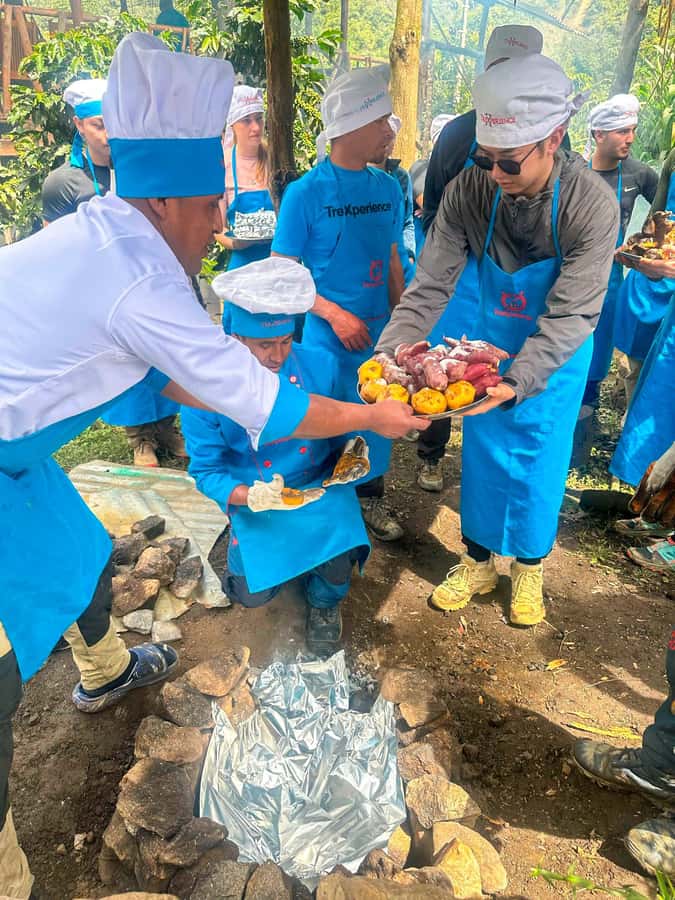
After breakfast, the third day brings a more cultural and food-focused part of the trek. You walk about three hours to Lucmabamba, a farming area where the group takes part in a Pachamanca barbecue.
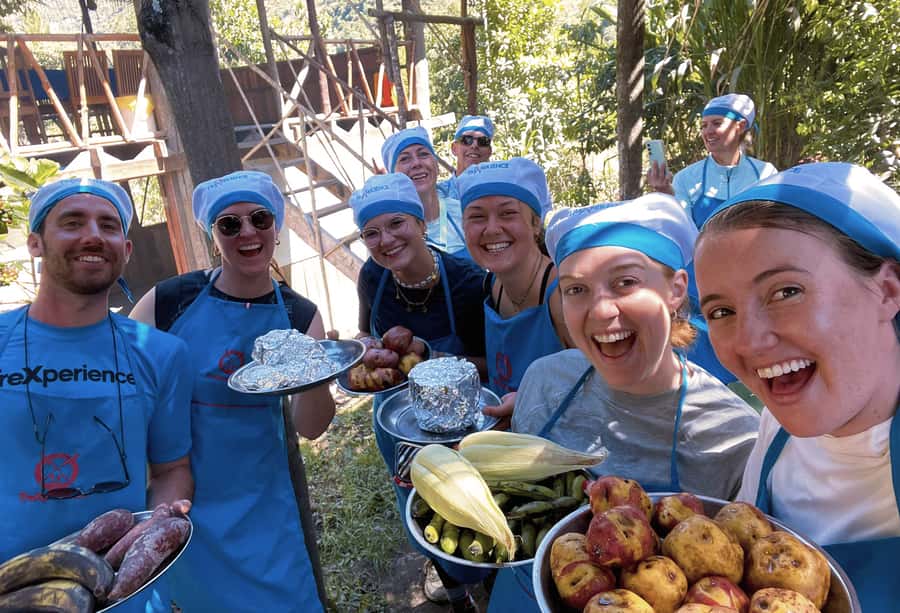
Pachamanca is an Andean cooking method in which vegetables, fruit, and meat are placed underground with hot stones. It is more than a trail meal. It connects the day’s route with local cooking traditions and gives you a welcome chance to sit down and eat food prepared in a distinctly Peruvian way.
Lucmabamba also brings a coffee experience. At a local farm, you learn how coffee moves from bean to cup, then prepare your own espresso. This stop adds a hands-on element that many mountain itineraries skip. If you care about food and farming, it may be one of the trip’s most satisfying moments.
After the meal and coffee, transportation takes you to Hidroeléctrica. From there, you walk for about three hours to Aguas Calientes, the town below Machu Picchu. This section is less about altitude than endurance. By now you have already crossed the pass and walked through changing terrain, so the final approach can feel long.
In Aguas Calientes, you check into a 3-star hotel, have dinner at a local restaurant, and prepare for an early morning. The hotel night is well timed. A proper bed and breakfast give you a chance to reset before the Machu Picchu visit.
more ways to reach machu picchu
- From Cusco: Full-Day Group Tour of Machu Picchu
★ 4.7 · 1,767 reviews - Machu Picchu Day Trip from Cusco
★ 4.5 · 1,644 reviews - Machu Picchu: Full-Day Tour from Cusco with Optional Lunch
★ 4.6 · 927 reviews - Cusco: 4-Day Inca Trail to Machu Picchu with Accommodation
★ 4.8 · 432 reviews
Day four: first buses to Machu Picchu and the panoramic train
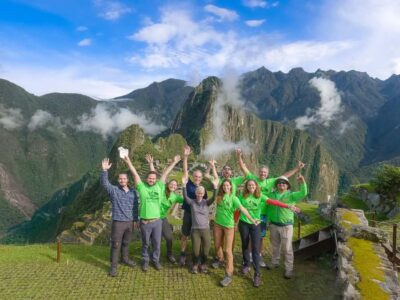
The final day starts early, with one of the first buses up to Machu Picchu. The aim is to reach the citadel in the morning, when the surrounding mountains may catch the first light. Weather can affect the sunrise view, but the early departure still helps you make good use of your time.
Circuit 2 is included by default. Your guide leads a two to three-hour visit through the main parts of the citadel, explaining the site’s past and the questions that still surround it. A guided visit matters here because Machu Picchu is easier to understand when you know what you are looking at, rather than simply walking among stone walls and terraces.
Machu Picchu tickets are included in the package, but the route may be adjusted to Circuit 1 or Circuit 3 if Circuit 2 has sold out. If you want Huayna Picchu or Machu Picchu Mountain, arrange those tickets well ahead of time. They are not part of the standard package.
After the visit, you return to Aguas Calientes for lunch, which you pay for yourself. Leave room in your budget for this meal, along with drinks or other purchases before the train.
The return is by Vistadome or 360° panoramic train. Large windows make the trip back part of the experience rather than a simple transfer. At the end of the rail journey, the team transfers you to your Cusco hotel.
Food, guides, and group support
The food program is one of the strongest parts of this trek. Three breakfasts, three lunches, and three dinners are included on the trail, along with water and daily snacks. The menu is designed to keep you moving, and recent departure teams have included cooks such as Félix, Zenobio, Ismael, Dionissios, and Evangelino in support roles.
You should state dietary needs when booking. That is especially important on a four-day route where most meals are supplied by the trekking team.
Guide quality can shape the whole trip. Teams on different departures have included Alex, José, Filio, Roger, and William. Alex has been praised for explaining the day’s plan, Inca history, and mountain stories. José and Evangelino have been noted for keeping close watch on the group, while William has supported slower walkers at the back. Filio has been described as patient and attentive, and Roger as strong on Inca history and humor.
Assignments can change, so do not book based on one person’s name alone. The useful point is that the operation uses more than one guide and support staff, which matters when the group has different walking speeds.
The group limit of 16 is another plus. It is small enough for personal attention without making the trip feel like a private expedition. If you are a slower walker, tell the guide early rather than hiding at the back. The support system works best when the staff knows what you need.
What to pack for four changing climates
You need clothing for cold, high-altitude mornings and warmer, wetter conditions lower down. Bring hiking shoes, comfortable clothes, hiking pants, rain gear, sunscreen, insect repellent, a sun hat, sunglasses, and a change of clothes.
A flashlight is specifically useful for camp mornings and evenings. Pack toiletries, hand sanitizer or tissues, cash, a camera, and your passport. Student identification may be needed if you are using a student rate or student entry arrangement.
The operator provides a duffle bag for up to 7 kilograms, a pillow, sleeping pad, rain poncho, and hand towels. A sleeping bag, air mattress, and trekking poles are available to rent, but they are not included. Check the weight limit before packing. Keep valuable documents and anything you need during the day with you rather than placing them in the duffle.
The route is not suitable for pregnant people, wheelchair users, or people with mobility, heart, or serious back problems. Children must be accompanied by a responsible adult. Weapons, sharp objects, smoking, alcohol, drugs, fires, littering, feeding animals, and unaccompanied minors are not allowed.
Who should book this Salkantay package?
I would choose this trip if you want Machu Picchu paired with a real mountain trek and you like variety. It fits an active visitor who values local food, a small group, and a few comfort upgrades but does not need a luxury camp every night.
It is also a good match if you want logistics handled for you. Transport, trail meals, lodging, entrance tickets, guide service, and the train are all bundled. That reduces the number of separate bookings you need to coordinate in Peru.
I would think twice if your main goal is a relaxed visit to Machu Picchu. The 4:30 a.m. start, high pass, long second day, and three-hour walk from Hidroeléctrica to Aguas Calientes demand stamina.
The non-refundable policy also matters. Confirm your dates, passport details, dietary needs, and preferred mountain add-ons before paying. Availability and starting times should be checked for your chosen date.
Should you book it?
Book this Salkantay trek if you want the high mountain route, changing scenery, hands-on food experiences, and a comfortable train ride at the end. At $552, the package offers solid value because it includes major transport, meals, lodging, guide service, Machu Picchu access, and safety support.
Do not book it expecting four nights of comfort. The Collpapampa huts may be basic, and the second day is genuinely demanding. For a fit hiker who accepts those tradeoffs, this is a well-planned way to connect Cusco, the Andes, the cloud forest, and Machu Picchu in one strong four-day trip.
FAQ
How long is the Salkantay trek to Machu Picchu?
The activity lasts four days and includes the Salkantay Pass, Humantay Lake, cloud forest, Aguas Calientes, and Machu Picchu.
What is the highest point of the trek?
The highest point is Salkantay Pass at 4,630 meters, or 15,190 feet.
Where does pickup take place in Cusco?
Pickup is included from accommodations in Cusco’s Historic Center. You should be in the lobby 10 minutes before the scheduled pickup. If you stay outside the Cusco district, you will meet the group at a designated point near the main square.
What lodging is included?
You spend one night in a glamping tent at Salkantay Camp, one night in Andean huts at Collpapampa, and one night in a 3-star hotel in Aguas Calientes.
Are meals included?
Three breakfasts, three lunches, three dinners, water, and daily snacks are included on the trail. Breakfast is included at the Aguas Calientes hotel. Lunch on the final day is not included.
Is the Machu Picchu entrance included?
Entrance to Machu Picchu is included. Circuit 2 is assigned by default, but Circuit 1 or 3 may be used if Circuit 2 is sold out.
Are Huayna Picchu and Machu Picchu Mountain included?
No. Tickets for Huayna Picchu and Machu Picchu Mountain are optional and must be arranged ahead of time.
What train returns to Cusco?
The return is by Vistadome or 360° panoramic train, followed by a transfer to your Cusco hotel.
Is this trek suitable for everyone?
No. It is not suitable for pregnant people, wheelchair users, or people with mobility, heart, or back problems. All children must travel with a responsible adult.
More Hiking & Trekking in Cusco
- From Cusco: Rainbow Mountain Trek
★ 4.5 · 98 reviews - Private Palccoyo Rainbow Hike Without the Crowds
★ 5.0 · 86 reviews - Choquequirao Trek 4 days and 3 nights
★ 5.0 · 81 reviews - Ancascocha Trek To Machu Picchu 4 Days And 3 Nights
★ 5.0 · 77 reviews
More Salkantay Treks
- Salkantay Trek Challenge – 3 Days / 2 Nights
★ 5.0 · 101 reviews - Small Group 5 Days Salkantay and Machu Picchu by Llactapata Tour
★ 5.0 · 88 reviews - Machu Picchu: 5-Day Salkantay Trek with Panoramic Train
★ 5.0 · 79 reviews - Salkantay Trek 4 Days to Machu Picchu by Glamping Sky Lodge Dome
★ 5.0 · 68 reviews
Recently added around Cusco
- Palcoyo colored mountain hike + stone forests★ 4.6 · 3 reviews
- Maras Moray★ 5.0 · 3 reviews
- Full-Day Condor Viewpoint & Inca Sites Tour★ 5.0 · 3 reviews
- From Cusco: Vinicunca Mountain of Colors Excursion + Ticket★ 5.0 · 3 reviews
- Excursion Cusco – Puno – Titicaca Observatory Train★ 5.0 · 3 reviews
- Machu Picchu: Private Tour Guide Service for up to 15 people★ 4.5 · 3 reviews
- Machu Picchu: 1-day tour by Vistadome Observatory train★ 5.0 · 3 reviews
- Cusco: Chonta Canyon and Condor Flight Tour with Lunch★ 5.0 · 3 reviews
Machu Picchu Tours, compared.



4-Day Inca Trail to Machu Picchu with Accommodation
Read our review →
2-Day Trip to the Sacred Valley and Machu Picchu
Read our review →
Machu Picchu 2-Day Inca Trail with Panoramic Train
Read our review →
Browse the lists this tour appears in