
Reviewed · CUSCO TOURS
Trek to Choquequirao 4 days
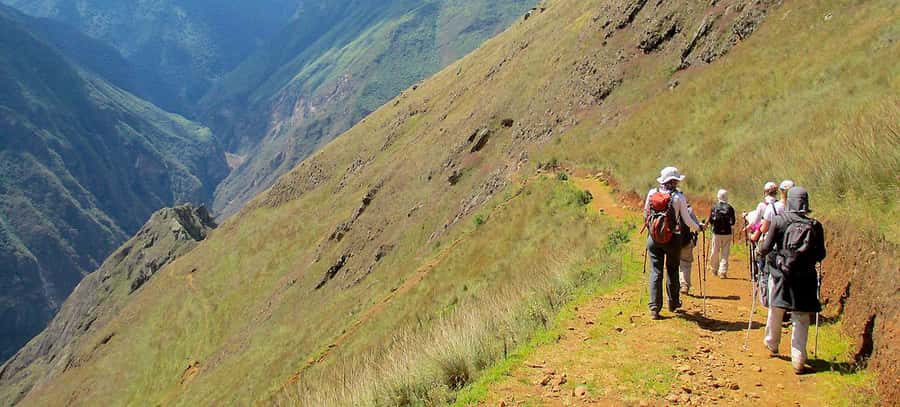
Choquequirao is the kind of archaeological site you earn the hard way. This four-day trek from Cusco drops into the Apurímac Canyon, climbs back out, and reaches a vast Inca complex that sees far fewer people than Machu Picchu. I like the powerful mountain views and the chance to explore Choquequirao with time to spare, rather than rushing through a quick day visit.
I also like that the $366 price covers transport, meals, a guide, rural accommodation, and a mule for extra luggage. The catch is simple: this is one of the hardest hikes around Cusco. You face long descents, steep climbs, strong sun, and a final four-hour uphill push. If you want an easy archaeological outing, choose another plan.
Key points at a glance
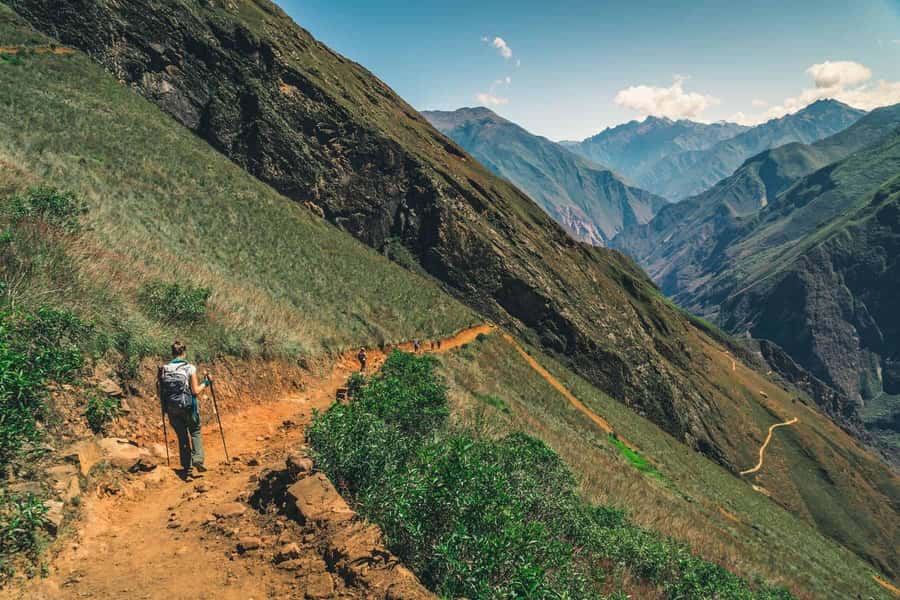
- Choquequirao without the crowds: Reach the remote Inca complex after hiking through the Apurímac Canyon.
- A serious physical test: Expect about three hours downhill on day one, a two-hour climb, and a four-hour uphill finish on day four.
- Small-group format: The group is limited to 15 people, with guiding in English or Spanish.
- Useful support on the trail: A mule and muleteer carry up to 5 kilograms of extra luggage in a provided Dafort bag.
- Food is part of the package: Breakfast, lunch, and dinner are provided during the trek, except for the first breakfast and final dinner.
- Budget for extras: The archaeological entrance fee, drinking water, showers, towels, Wi-Fi, poles, and optional horseback riding cost more.
Why Choquequirao is worth the effort
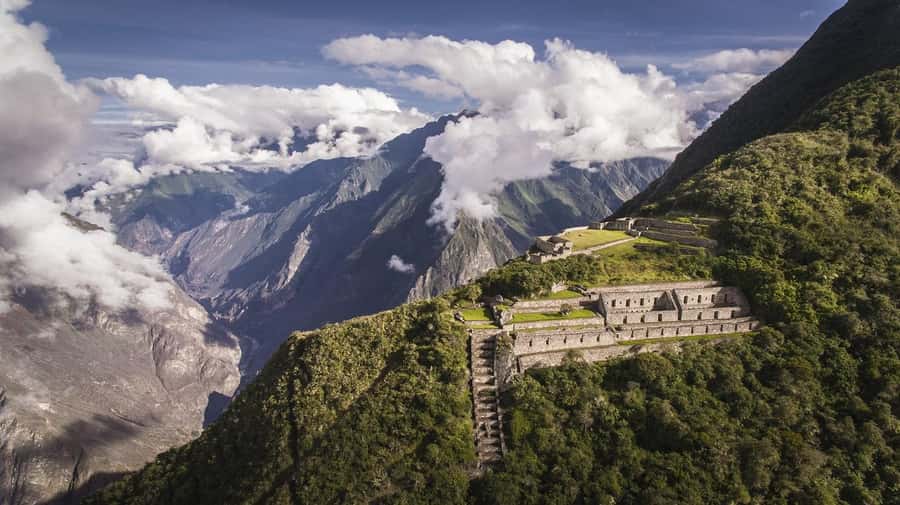
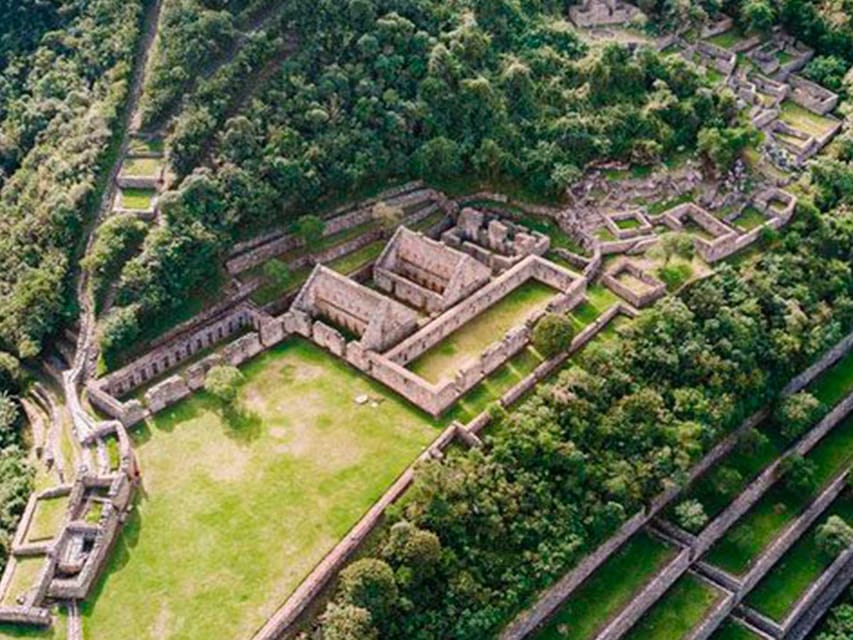
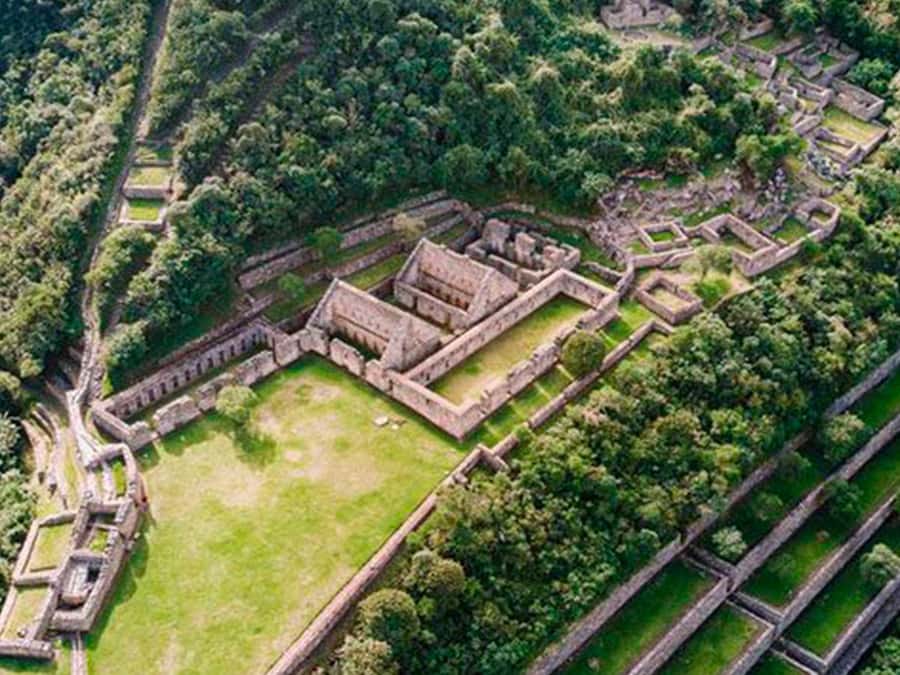
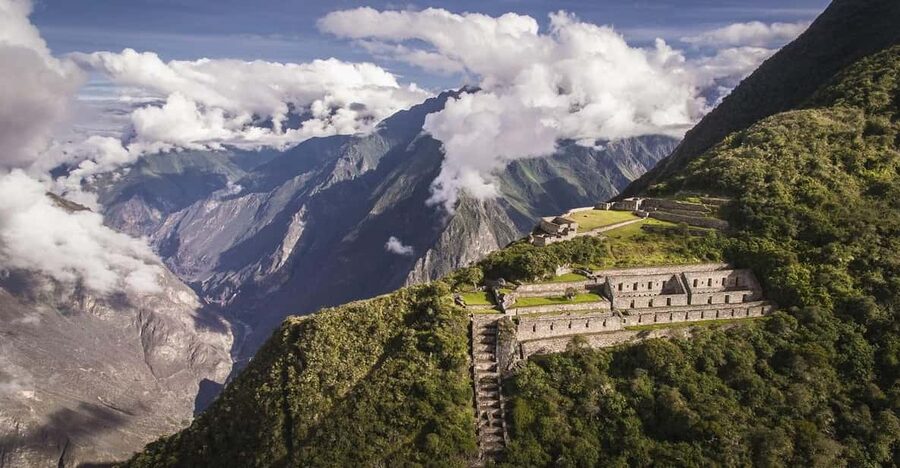
Choquequirao is often called Machu Picchu’s sister city, but that nickname can give the wrong idea. It is not a smaller copy reached by train and a short walk. It is a remote archaeological site spread across steep mountain terrain, reached by a demanding trail from the Capuliyoc viewpoint.
That effort changes the mood of the visit. You do not simply arrive, take a few pictures, and leave with a busload of people. You approach through the canyon, sleep near the route, and reach the site after a hard uphill section. The setting is a major part of the experience.
The site itself is full of history and mystery, though the available information does not give a full inventory of its buildings or terraces. Your guide explains the complex once you arrive, and you also have time to explore independently. That balance matters. You get context first, then room to walk at your own pace.
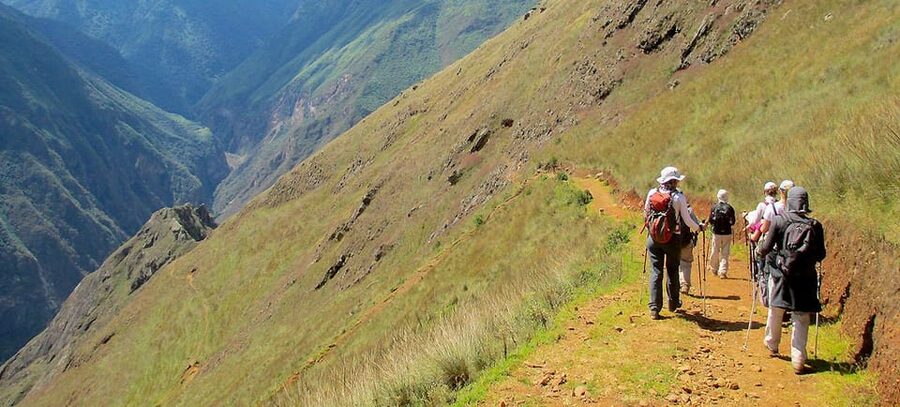
The tradeoff is that the trek demands more than many popular Cusco excursions. The elevation changes are the main challenge rather than one single long day. You descend deeply, climb to Choquequirao, descend again to the Apurímac River, and finish with another long climb to Capuliyoc.
More Hiking Tours in Cusco
- From Cusco: 7 Lakes Ausangate Trek with Breakfast and Lunch
★ 4.8 · 360 reviews - Cusco: Rainbow Mountain Tour and Red Valley Hike (Optional)
★ 4.7 · 149 reviews - Cusco: Full-Day Rainbow Mountain & Red Valley Trekking Tour
★ 4.5 · 121 reviews
Day 1: Capuliyoc to Santa Rosa by way of the canyon
Your day begins at about 5 a.m. at the meeting point in Cusco. The drive to Curawasi takes roughly three hours, where you stop briefly for breakfast. You then continue for about another hour to the Capuliyoc viewpoint.
That early transport matters. The drive is long before the hiking starts, and the first breakfast is not included, so you need to plan for that cost. Once you reach Capuliyoc, you get ready for the trail and begin the first major descent.
The walk to Chiquisca takes about three hours downhill. This is a useful warning for your knees: descending can feel easier than climbing at first, but the steady drop places its own strain on your legs. Take your time, use sensible footwear, and keep water within reach.
Lunch is prepared at Chiquisca, where the cooks are waiting for the group. Meals are one of the stronger practical features of this trek. You do not need to organize food stops each day, though rehydration water is not included.
After lunch, you continue down toward Playa Rosalinas. This gives you a short chance to rest before the trail turns upward. The climb to Santa Rosa takes about two hours, making day one a demanding combination of a long descent and a late uphill section.
At Santa Rosa, the crew prepares the camp and dinner. The information describes three nights of rural accommodation and refers to camps at each overnight stop. Do not expect hotel comforts. Hot showers and towels cost an extra 40 soles per person, and Wi-Fi costs 20 soles, so this is a trail-based trip rather than a comfort-focused one.
Day 2: The early climb to Maranpata and Choquequirao
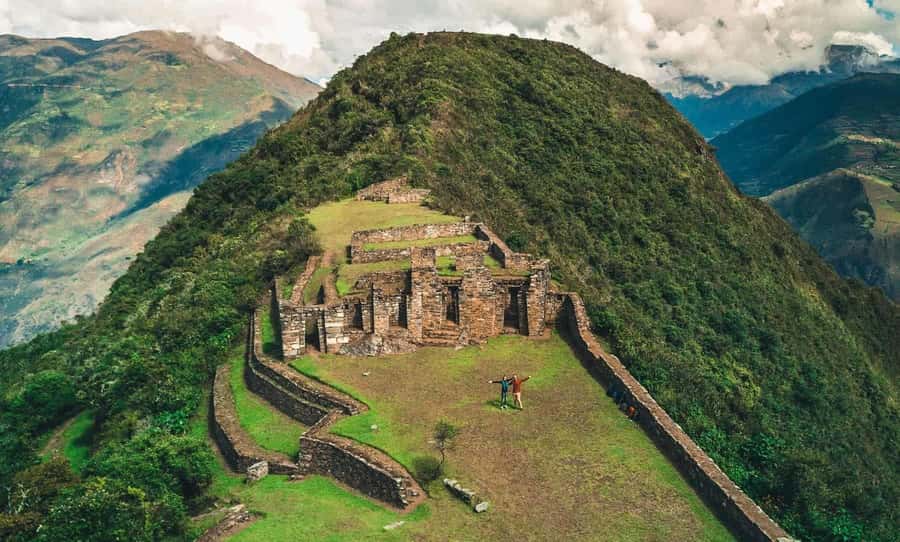
The second day starts around 6 a.m. with hot coca tea, followed by breakfast. From Santa Rosa, you climb uphill for about two hours to Maranpata.
Maranpata is an important staging point. The cooks, muleteers, and horses remain there while you continue to Choquequirao. The crew prepares lunch and brings it to the archaeological complex, which means you can spend the morning at the site without returning to the camp for a meal.
You are expected to reach Choquequirao at around 9:30 a.m. That early arrival gives you a useful block of time for the visit. Your guide explains the site and its background, then you have time to look around on your own. I like this arrangement because archaeological places are easier to appreciate when you first receive a clear explanation, then get a quiet stretch to notice details for yourself.
The main drawback is the approach. The site visit comes after the first uphill walk of the morning, and the previous day was already strenuous. You may arrive tired, especially if steep climbs are not part of your normal routine. Still, the challenge is also what makes Choquequirao feel separate from a standard sightseeing stop.
In the afternoon, you return to Maranpata for dinner and another night at camp. Since the schedule places the main site visit in the morning, you should not expect a full second day at Choquequirao. The value comes from reaching the complex on foot and having a guided visit with extra time to explore, not from covering every corner at a leisurely pace.
Day 3: From Maranpata to the Apurímac River
After breakfast around 8 a.m., you begin the return route toward Cusco. The first section drops for about three hours to the Apurímac River canyon.
This is another long descent, so day three is not a rest day. The river section gives you time to relax and eat lunch prepared by the cooks. It is a welcome pause before the trail turns uphill again.
The climb from the river to Chiquisca takes about two hours. You finish the day at the third camp, where you can prepare for the evening and spend time interacting with local people. The program also includes a chance to taste a traditional sugar-cane drink.
That local stop is a small but worthwhile part of the trip. It connects the hike with the communities along the route, rather than treating the canyon as scenery only. Keep your expectations grounded, though. The attraction here is the setting and local contact, not a formal cultural performance or a long scheduled activity.
Dinner and overnight accommodation follow at Chiquisca. By this point, your legs have dealt with several large changes in elevation. If you are prone to sore knees or tired calves, this is when trekking poles may become useful. Poles are not included, and the listed price is 30 soles per pair.
more Cusco days to weigh up
- Salkantay Trek Challenge – 3 Days / 2 Nights
★ 5.0 · 101 reviews - From Cusco: Rainbow Mountain Trek
★ 4.5 · 98 reviews - Private Palccoyo Rainbow Hike Without the Crowds
★ 5.0 · 86 reviews - Choquequirao Trek 4 days and 3 nights
★ 5.0 · 81 reviews
Day 4: The four-hour climb back to Capuliyoc
The final day begins very early, around 5 a.m., after breakfast. The reason is practical: the route back to Capuliyoc climbs for about four hours, and starting early helps you avoid the strongest sun.
This is the clearest measure of the trek’s difficulty. You are climbing steadily after three days of demanding walking, and the heat in the canyon area can make the effort tougher. Pace yourself from the start. A slow, steady climb is more useful than racing through the first hour.
At Capuliyoc, you wait for lunch while taking in views of the surrounding mountains and the Apurímac Canyon. Lunch comes before the drive back to Cusco, and the group is expected to arrive around 4:30 p.m.
The final transport is helpful because you do not need to arrange your own return from a remote trailhead. It also makes this a long final day. You should not schedule an important evening activity in Cusco unless you are comfortable with possible delays and a tired body.
What the $366 price really covers
At $366 per person, the package offers solid value if you want a supported trek rather than an independent hike. Transport from Cusco to Cachora and back, meals, a guide, three nights of rural accommodation, a muleteer, and a mule for extra luggage are included.
The luggage support is especially useful. A Dafort bag is provided for up to 5 kilograms of extra belongings. You still need to carry your daypack, but you can leave some clothing and other nonessential items with the mule support.
Several costs are outside the headline price:
- Adult entrance ticket: 60 soles
- Student entrance ticket: 30 soles
- First breakfast
- Final dinner
- Drinking and rehydration water
- Optional horseback riding: 200 soles
- Hot shower and towels: 40 soles per person
- Wi-Fi: 20 soles
- Trekking poles: 30 soles per pair
You also need travel insurance, which is not included. Water for your canteens is not supplied, so ask about your refill plan before setting off and budget for what you need along the route.
The optional horse costs 200 soles. That could be important if you are uncertain about managing the steep climbs, but the information does not specify exactly which sections allow horseback riding or how long the support lasts. Ask the provider for those details before relying on it as a backup.
Food, sleeping, and daily comfort
Meals are included during the trek, with cooks preparing breakfast, lunch, and dinner at the camps or archaeological site. The food is described as nutritious and delicious, and meals are a real convenience on a route where arranging supplies would be awkward.
You should buy or arrange your first breakfast before the early departure from Cusco. The final dinner is also your responsibility after returning to the city.
Sleeping is in rural accommodation, with the daily schedule referring to camps at Santa Rosa, Maranpata, and Chiquisca. This setup suits you if you can accept basic conditions and focus on the trail. It is not the right choice if a private room, reliable hot water, or internet access is central to your trip.
Hot showers and towels are available for an extra 40 soles per person, while Wi-Fi costs 20 soles. These options may be limited by the rural setting, so treat them as conveniences rather than guarantees of city-style comfort.
Guide quality and group size
The tour uses a live guide in English or Spanish, and the group is limited to 15 participants. That is a sensible size for a route with steep, narrow, and tiring sections. A small group also makes it easier for the guide to keep track of walking pace and explain the archaeological site.
The strongest praise in the available feedback focuses on the guide, the food, the natural scenery, and the group spirit. One participant rated the experience 10 out of 10 and singled out the challenge, the meals, and the guide. Another described it as very tiring but praised the guide and the route.
Those comments line up with the basic character of the trip. The guide can make a major difference here, especially at Choquequirao and during the long climbs. However, no guide names are provided, so you cannot choose a particular guide in advance based on the available information.
The 3.8 rating from four reviews suggests a generally positive but not flawless record. With such a small number of ratings, I would treat it as a useful signal rather than a final verdict. The clearest message is that the experience rewards people who are ready for a hard hike.
Who should book this trek?
You should consider it if you want:
- A demanding multi-day hike near Cusco
- A remote archaeological site with fewer people than Machu Picchu
- Guided support in English or Spanish
- Meals and transport arranged for you
- Mule support for up to 5 kilograms of extra luggage
- Mountain and canyon views as part of the main experience
You should think twice if you want a relaxed holiday, dislike early starts, or have not prepared for long uphill and downhill sections. The route includes about four hours uphill on the final morning alone, plus repeated steep changes in elevation on the earlier days.
This is also a better fit for someone who accepts basic rural accommodation. You can pay extra for a shower, towel, and Wi-Fi, but the trip remains centered on hiking and camping rather than comfort.
The free cancellation period allows you to cancel up to 24 hours in advance for a full refund, and the reserve-now, pay-later option keeps your plans flexible. Those policies reduce booking risk, but they do not reduce the physical demands of the route.
Should you book the Choquequirao trek?
Book this trek if Choquequirao is high on your Peru wish list and you want to reach it by a serious, scenic route. The package gives you the key support you need, including transport, meals, a guide, three nights of rural accommodation, and mule help for extra luggage.
Skip it if you are looking for a gentle introduction to hiking around Cusco. The long descents, repeated climbs, hot canyon conditions, and four-hour final ascent make this one of the region’s tougher treks.
My practical advice is to choose it for the challenge, not despite it. Pack light, budget for water and entrance fees, carry a daypack you can manage comfortably, and consider paying for poles if you prefer extra balance. If you are physically ready, Choquequirao offers the rare reward of a major Inca site reached through effort rather than convenience.
FAQ
How long is the Choquequirao trek?
The trek lasts four days, including transportation from Cusco to the trail area and the return trip to Cusco.
Where does the hike begin?
The walking portion begins at the Capuliyoc viewpoint after transport from Cusco through Curawasi and onward to the trailhead.
How early does the first day start?
Pickup from the meeting point in Cusco is scheduled for about 5 a.m. The drive to the trailhead takes several hours before hiking begins.
Is the entrance fee to Choquequirao included?
No. The entrance ticket costs 60 soles for adults and 30 soles for students.
Are meals included?
Meals are included during the trek, but the first breakfast and the last dinner are not included.
Is drinking water included?
No. Rehydration water and water for your canteens are not included.
What luggage support is provided?
A mule and muleteer carry extra luggage, and one Dafort bag is provided for up to 5 kilograms.
What languages does the guide speak?
The live guide service is available in English and Spanish.
More 4-Day Experiences in Cusco
- Cusco: 4-Day Inca Trail to Machu Picchu with Accommodation
★ 4.8 · 432 reviews - 4 Day Tour to the Manu National Park
★ 5.0 · 81 reviews - Cusco Sacred Valley and Machupicchu 4 Days
★ 5.0 · 80 reviews - Ancascocha Trek To Machu Picchu 4 Days And 3 Nights
★ 5.0 · 77 reviews
Recently added around Cusco
- Palcoyo colored mountain hike + stone forests★ 4.6 · 3 reviews
- Maras Moray★ 5.0 · 3 reviews
- Full-Day Condor Viewpoint & Inca Sites Tour★ 5.0 · 3 reviews
- From Cusco: Vinicunca Mountain of Colors Excursion + Ticket★ 5.0 · 3 reviews
- Excursion Cusco – Puno – Titicaca Observatory Train★ 5.0 · 3 reviews
- Machu Picchu: Private Tour Guide Service for up to 15 people★ 4.5 · 3 reviews
- Machu Picchu: 1-day tour by Vistadome Observatory train★ 5.0 · 3 reviews
- Cusco: Chonta Canyon and Condor Flight Tour with Lunch★ 5.0 · 3 reviews
Cusco Tours, compared.
Humantay Lake Tour with Breakfast and Buffet Lunch
Read our review →
Sacred Valley & Maras Salt Mines Tour with Lunch
Read our review →
Moray, Maras Salt Mines & Chinchero Weavers Tour
Read our review →


Half-Day City Tour with Sacsayhuaman and Q’enco
Read our review →
Sacred Valley, Pisac, Ollantaytambo, Salt Mines Moray
Read our review →
Browse the lists this tour appears in