
Reviewed · MACHU PICCHU TOURS
Salkantay 5-Day Trek To Machu Picchu
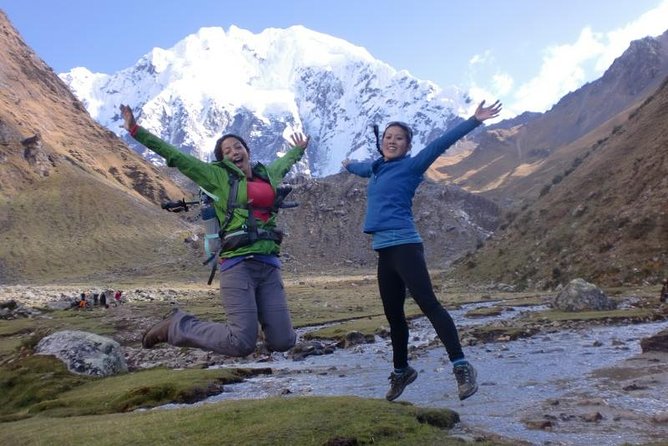
The great hook here is the route itself: in five demanding days, you move from glacial peaks and thin air to warm jungle and finally Machu Picchu. I especially like the Humantay Lake walk on day one and the chance to cross a 15,200-foot pass between the Salkantay and Humantay mountains.
I also like that the $797 price covers the hard-to-arrange pieces, including a bilingual guide, meals, camping, mules for gear, Machu Picchu entry, buses, train, and a hotel in Aguas Calientes. The catch is simple: this is a serious physical challenge, with long days, steep ground, altitude changes, and cold camping at nearly 13,000 feet.
Key points before you commit
- Humantay Lake comes on day one: The side hike adds roughly three hours of walking, but gives you an early Andean highlight.
- The high point is 15,200 feet: Day two reaches the pass between Salkantay and Humantay mountains, with an optional horse rental for the climb.
- The route changes dramatically: You leave the cold high country for waterfalls, tropical plants, fruit-growing areas, and the warmer town of Santa Teresa.
- The group stays small: The maximum is 16 people, with an average group size of four, so you should get more personal attention than on a large coach tour.
- Gear support is built in: Horsemen and mules carry cooking and camping supplies plus up to seven kilos per trekker.
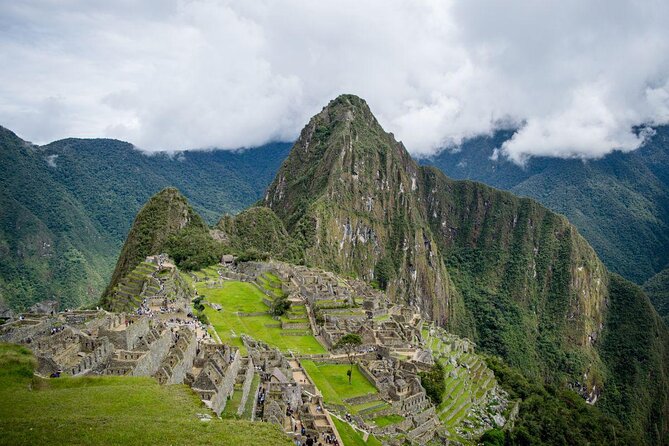
- Machu Picchu is the finish: You enter early by bus, take a roughly two-hour guided tour, then return by train and bus to Cusco.
What the $797 price really covers
At $797 per person, this is not a budget walk where you simply pay for a guide and find your own way. The price bundles most of the expensive and complicated parts of reaching Machu Picchu by foot.
You receive pickup from your Cusco accommodation, transport to Mollepata and Challacancha, a professional bilingual guide, three nights of camping, and one night in a three-star hotel in Aguas Calientes. The package also includes four breakfasts, four lunches, four dinners, three snacks, cooking support, basic sleeping pads, tents for two, entrance fees, Machu Picchu buses, the tourist train to Ollantaytambo, and the bus onward to Cusco.
That is a good deal if you want one booking to handle the route’s moving parts. The included train and buses matter because independent planning around Machu Picchu can quickly become a puzzle of timed tickets, transport connections, and limited departures.
Still, keep your wallet open for extras. Your first breakfast, bottled water, day-five lunch, sleeping bag, Santa Teresa hot springs, optional transport, tips, and any extra Cusco accommodation are not included. You can rent or buy some equipment in Cusco, but you should budget before departure rather than assume the package covers every need.
The seven-kilo porter allowance is useful, but it is not a full luggage service. Three kilos are assigned to your sleeping bag and mattress, leaving four kilos for personal items. You will still carry your daypack, water, rain gear, warm layers, and anything you need during the day.
More Hiking Tours in Cusco
- From Cusco: 7 Lakes Ausangate Trek with Breakfast and Lunch
★ 4.8 · 360 reviews - Cusco: Rainbow Mountain Tour and Red Valley Hike (Optional)
★ 4.7 · 149 reviews - Cusco: Full-Day Rainbow Mountain & Red Valley Trekking Tour
★ 4.5 · 121 reviews
Day one: Mollepata, Soraypampa, and Humantay Lake
The day begins early, with pickup between 5:00 and 6:00 am. A tourist-class bus takes you to Mollepata at about 2,900 meters, where you can stretch your legs and buy snacks before continuing by car to Challacancha.
This early start is practical, not luxurious. You gain walking time and reach camp with enough daylight to attempt the Humantay Lake side trip, but you will need to prepare breakfast yourself because it is excluded. Bring food from Cusco or buy something at the morning stop.
From Challacancha, you walk for about three hours to Soraypampa at 3,920 meters. Lunch comes with broad views of snow-covered peaks, a fine reward at the point where the route begins to feel properly remote.
The hike to Laguna de Humantay takes about 1.5 hours each way. It is a steep altitude walk, and the elevation makes the distance feel harder than it may look on paper. If you have just arrived in Cusco and have not adjusted to the altitude, this first day can be a rough introduction.
After returning to camp, you spend the night at 3,920 meters, the highest and coldest camp of the trip. The tents and basic sleeping pads are supplied, but you need a warm sleeping bag, thermals, gloves, and a hat. Dinner is included, and an early bedtime makes sense because day two is the hardest day.
Day two: the 4,650-meter Salkantay Pass
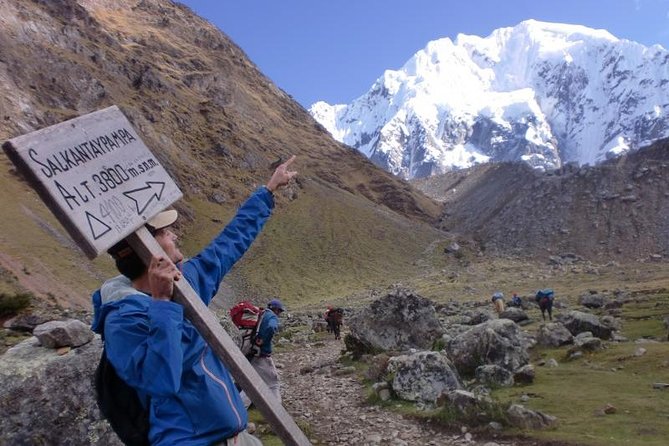
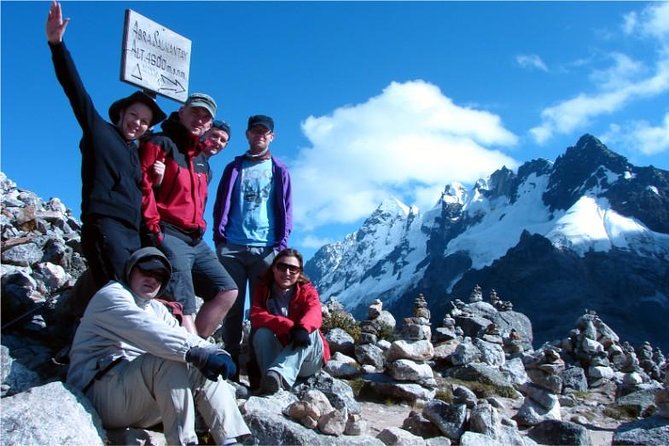
Breakfast is scheduled around 6:00 am, followed by roughly four hours of uphill walking to the trek’s highest point, 4,650 meters, or 15,200 feet. The pass sits between Salkantay Mountain, at 6,267 meters, and Humantay Mountain, at 5,900 meters.
This is the day that determines if the trek suits you. The air is thin, the weather may be cold, and the route can include snow. You should walk steadily, drink regularly, and keep your expectations sensible. Reaching the pass is an achievement, but you may need time there for photos and rest rather than a long stay.
An optional horse rental is available for the climb, priced at about 100 to 120 soles. That is a useful safety valve, not a sign of failure. If altitude hits hard, using a horse for part of the ascent can help you continue without exhausting yourself before the rest of the day.
After the pass, you descend for about two hours to Huayracpampa for lunch. The route then continues downhill for another three hours toward Challhuay or Colcapampa, near the beginning of the high-jungle zone at about 2,900 meters.
The full day is listed at 22 kilometers and nine to ten hours. That is a long stretch, especially after the previous day’s lake hike. The reward is a dramatic change in temperature and plant life as you lose altitude. Your legs may be tired, but the hardest climb is behind you.
Day three: waterfalls, plants, and Santa Teresa
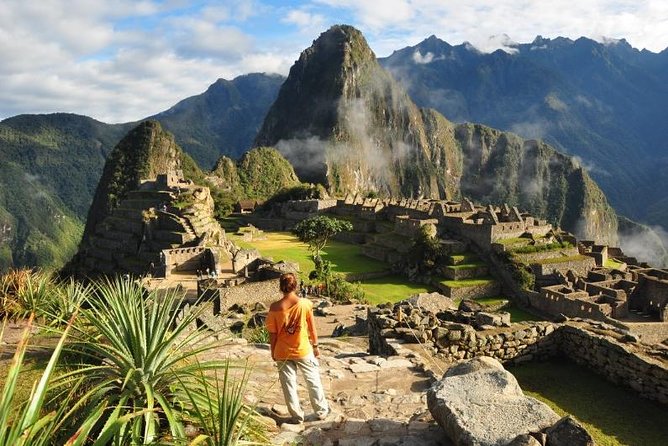
Day three starts at 6:30 am. The walking becomes less severe in terms of altitude, but you still cover about 15 kilometers in roughly 5.5 hours.
The route passes through the upper jungle, crosses the Santa Teresa River and smaller streams, and brings views of waterfalls, tropical plants, and fruit-growing areas. This is where the Salkantay route earns its appeal: the scenery does not simply change a little. It shifts from bare, cold mountain country to a warmer, greener zone in a matter of hours.
Lunch is served at La Playa, at around 2,200 meters. From there, a car takes you to Santa Teresa at 1,700 meters, where you camp in a warmer climate. That transfer is included and saves you from walking every section of the route.
After three demanding days, Santa Teresa’s hot springs offer an optional break. Entry costs about 20 soles. Bring a bathing suit if you want to go, and remember that it is an extra activity rather than part of the base price.
This is also a day when good food matters. Meals are prepared fresh, with vegetarian choices available if you request them at least two days ahead. Typical menus can include porridge, quinoa, eggs, pancakes, soup, rice, pasta, chicken, beef stew, potatoes, fruit, and simple desserts. The food is designed to keep you moving, not to imitate a restaurant tasting menu, but the quantity and variety are welcome after long walks.
more ways to reach machu picchu
- From Cusco: Full-Day Group Tour of Machu Picchu
★ 4.7 · 1,767 reviews - Machu Picchu Day Trip from Cusco
★ 4.5 · 1,644 reviews - Machu Picchu: Full-Day Tour from Cusco with Optional Lunch
★ 4.6 · 927 reviews - Cusco: 4-Day Inca Trail to Machu Picchu with Accommodation
★ 4.8 · 432 reviews
Day four: the railway walk to Aguas Calientes
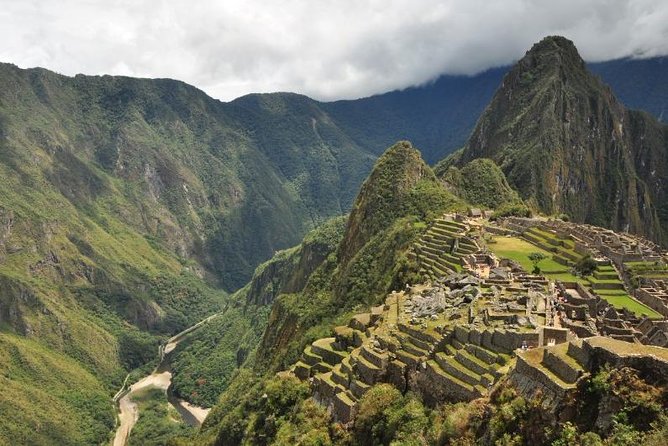
Breakfast comes later, around 8:00 am, which gives you a more human start after the high-pass day. The final trail section runs from Santa Teresa at 1,700 meters to the hydroelectric station at 1,880 meters, taking about three hours.
A box lunch is served at the station. From there, you can walk beside the railway for about three hours to Aguas Calientes, with a slight uphill grade. The total day is about 18 kilometers and six hours.
This section is less punishing than day two, but do not mistake it for a stroll. Your feet have already taken a beating, and the steady walk toward Aguas Calientes can feel long. The route’s appeal is its sense of approach: you are now moving toward the town at the base of Machu Picchu, with the major hiking challenge complete.
You can pay about 10 soles for a bus from Santa Teresa to the hydroelectric station. Another option is the train from the station to Aguas Calientes, listed at about $28. These extras make sense if your knees or feet are struggling, though walking is part of the point of choosing this route.
That night, you stay in a three-star hotel in Aguas Calientes and eat dinner at a local traditional restaurant. Single hikers share a room with another participant, while couples receive a private room. This change from tents to a bed and shower is welcome, though you should not expect a long evening: the next morning begins around 5:30 am.
Day five: an early Machu Picchu entrance
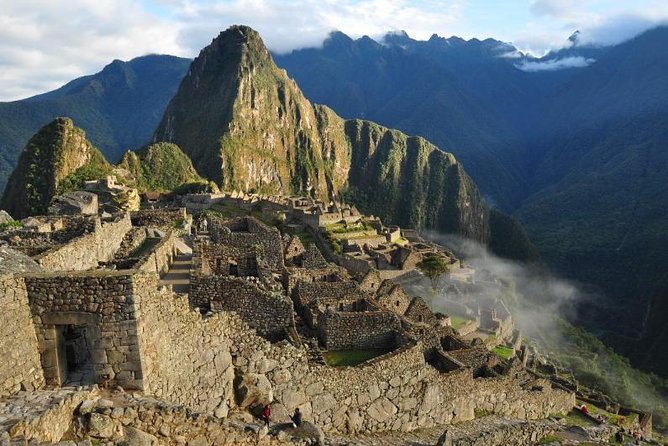
The final morning starts with one of the first buses from Aguas Calientes, scheduled at 5:30 am. The ride to Machu Picchu takes about 25 minutes, and the early entry gives you a chance to see the site as morning mist lifts.
A bilingual guide leads a walking tour of roughly two hours. Afterward, you can explore on your own within the time allowed by your entry arrangements. This balance works well: you get context and direction first, then space to look around without spending the whole visit in a group.
Huayna Picchu and Machu Picchu Mountain are separate paid options. They must be arranged in advance, with Huayna Picchu requiring booking at least two weeks ahead and Machu Picchu Mountain at least one week ahead. Do not count on adding either climb at the last minute.
After the site visit, the included bus returns you to Aguas Calientes. You then take the tourist train to Ollantaytambo and a bus to Cusco, arriving late in the day near Plaza San Francisco. There is no guide during the bus and train portions, so keep your tickets and instructions handy and expect to manage those connections yourself.
Camping, food, and the small-group setup
You camp for three nights in tents designed for two people. Solo hikers share with another participant, while couples have their own tent. Basic sleeping pads are supplied, but a sleeping bag is not, and cold-weather gear is essential for Soraypampa.
The cooking team prepares four breakfasts, four lunches, four dinners, and three snacks. Hot drinks, including tea, coca, coffee, chocolate, and milk, are part of the meal pattern. Vegetarian food is available with advance notice, which is important if you do not eat meat.
The horsemen and mules carry cooking and camping equipment plus the permitted seven kilos per trekker. This support lets you walk with a manageable daypack rather than haul all your overnight gear. It does not remove the need for a good pack, waterproof bags, and careful packing.
The maximum group size is 16, and the average is four. That average is particularly appealing because a small party can move at a more natural pace and make questions easier. The guide leads both the trek and the Machu Picchu visit, while transfers are handled independently.
Altitude, weather, and preparation
You should arrive in good physical condition. The route includes long walking days, uneven ground, a 4,650-meter pass, and major temperature changes between roughly 4,000 and 2,000 meters.
The minimum age is seven, but the physical requirements matter more than the age line. A young child may meet the minimum and still find the length, cold, and altitude too much. You should be comfortable with full-day hikes before choosing this five-day route.
Pack hiking poles, waterproof trousers, a rain poncho, sturdy trekking boots, sandals, warm socks, thermals, a sweater, gloves, a sun hat, sunscreen, sunglasses, a flashlight, extra batteries, a water bottle, hand sanitizer, and a small personal first-aid kit. Electricity is limited to nonexistent during the trek, so protect your phone and camera and carry backup power if you need it.
Water and snacks can cost more along the route. Bring extra cash for water, sports drinks, and food between included meals. Keep your original passport with you. If you renewed the passport used for booking, carry the old one or a photocopy as well.
A mandatory briefing takes place at the operator’s Cusco office the day before departure, normally at 7:00 pm for this trek. You must check in with your passport, receive the packing guidance, confirm departure details, and ask about rental gear or paid options.
The trek runs Monday, Wednesday, Thursday, and Saturday, with daily departures possible for groups of four or more. There are no departures in January or February because of unfavorable conditions.
Who should book this trek?
I would choose this trek if you want Machu Picchu to feel like the end of a real journey rather than a quick train excursion. You get high mountains, a major pass, camps, village stops, jungle scenery, and a guided visit to the ruins in one organized package.
It suits hikers with moderate fitness who can handle nine- to ten-hour days and who are prepared for altitude. It is also a good choice if you value a small group, included meals, and gear-carrying support.
I would hesitate if you dislike tents, cold nights, early starts, long descents, or changing weather. The first two days are not gentle, and the route does not offer much room for casual sightseeing between walking sections.
The guides and cooks are central to the experience. The strongest praise focuses on friendly guides, excellent food, a well-sized group, and the satisfying difficulty of the hike. That matches the design of the trip: the route is demanding, but the included support keeps the challenge from becoming needlessly harsh.
Should you book the Salkantay Trek?
Book it if you want a demanding, scenery-heavy route with most costs handled in advance. The $797 price is strong for the combination of guide, food, camping, mules, Machu Picchu entry, hotel, train, and return transport.
Skip it if you want a relaxed visit or if you are not ready for altitude and long walking days. Before paying, confirm your passport details exactly, arrange a sleeping bag, plan for water and optional costs, and allow time in Cusco to adjust to the altitude. For a fit hiker who wants a full five-day route to Machu Picchu, this is a well-supported and memorable choice.
FAQ
How long is the Salkantay trek to Machu Picchu?
The experience lasts approximately five days and four nights, including three nights of camping, one hotel night in Aguas Calientes, and the Machu Picchu visit.
What time does the trek begin?
Pickup begins between 5:00 and 6:00 am on day one. You must attend a pre-departure briefing at the Cusco office the previous day, normally at 7:00 pm for the Salkantay trek.
What is the highest point on the route?
The highest point is the Salkantay Pass at 4,650 meters, or about 15,200 feet.
Is a horse available on the high pass day?
Yes. An optional horse rental is available for the climb to the high pass and costs approximately 100 to 120 soles.
Is accommodation included?
Yes. The package includes three nights of camping and one night in a three-star hotel in Aguas Calientes. Solo hikers share tents and rooms with another participant, while couples have private arrangements.
Are meals included?
Four breakfasts, four lunches, four dinners, and three snacks are included. Breakfast on day one, lunch on day five, bottled water, and some personal snacks are not included.
Is vegetarian food available?
Yes. Vegetarian meals are available if you request them at least two days before departure.
Are Machu Picchu buses and trains included?
The package includes the round-trip tourist bus between Aguas Calientes and Machu Picchu, the tourist train from Aguas Calientes to Ollantaytambo, and the bus from Ollantaytambo to Cusco.
Can I add Huayna Picchu or Machu Picchu Mountain?
Yes, both are optional paid hikes. Huayna Picchu must be booked at least two weeks in advance, while Machu Picchu Mountain must be booked at least one week in advance.
What is the group size?
The maximum group size is 16 people, and the average group size is four. Departure dates are Monday, Wednesday, Thursday, and Saturday, with daily departures possible for groups of four or more.
More Hiking & Trekking in Cusco
- From Cusco: Rainbow Mountain Trek
★ 4.5 · 98 reviews - Private Palccoyo Rainbow Hike Without the Crowds
★ 5.0 · 86 reviews - Choquequirao Trek 4 days and 3 nights
★ 5.0 · 81 reviews - Ancascocha Trek To Machu Picchu 4 Days And 3 Nights
★ 5.0 · 77 reviews
More Salkantay Treks
- Salkantay Trek Challenge – 3 Days / 2 Nights
★ 5.0 · 101 reviews - Small Group 5 Days Salkantay and Machu Picchu by Llactapata Tour
★ 5.0 · 88 reviews - Machu Picchu: 5-Day Salkantay Trek with Panoramic Train
★ 5.0 · 79 reviews - Salkantay Trek 4 Days to Machu Picchu by Glamping Sky Lodge Dome
★ 5.0 · 68 reviews
Recently added around Cusco
- Palcoyo colored mountain hike + stone forests★ 4.6 · 3 reviews
- Maras Moray★ 5.0 · 3 reviews
- From Cusco: Vinicunca Mountain of Colors Excursion + Ticket★ 5.0 · 3 reviews
- Full-Day Condor Viewpoint & Inca Sites Tour★ 5.0 · 3 reviews
- Excursion Cusco – Puno – Titicaca Observatory Train★ 5.0 · 3 reviews
- Machu Picchu: Private Tour Guide Service for up to 15 people★ 4.5 · 3 reviews
- Machu Picchu: 1-day tour by Vistadome Observatory train★ 5.0 · 3 reviews
- Cusco: Chonta Canyon and Condor Flight Tour with Lunch★ 5.0 · 3 reviews
Machu Picchu Tours, compared.



4-Day Inca Trail to Machu Picchu with Accommodation
Read our review →
2-Day Trip to the Sacred Valley and Machu Picchu
Read our review →
Machu Picchu 2-Day Inca Trail with Panoramic Train
Read our review →
Browse the lists this tour appears in