
Reviewed · MACHU PICCHU TOURS
Salkantay Trek To Machu Picchu 5 Days And 4 Nights
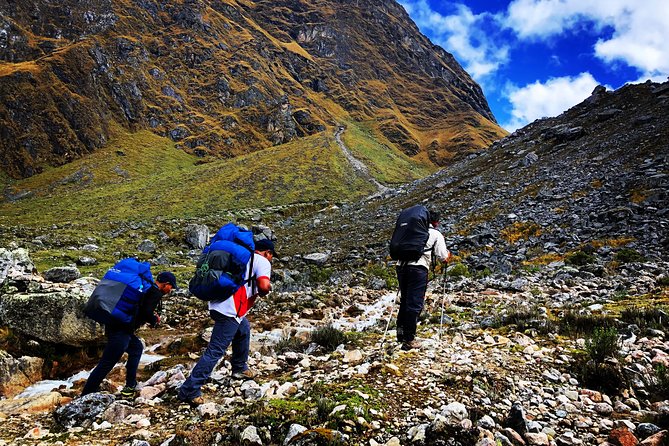
The Salkantay Trek reaches its high point at 15,252 feet, then drops through river valleys, rainforest, coffee country, and finally to Machu Picchu. That quick change of scenery is the trip’s great strength. In five days, you get a serious Andean hike and the classic ruins without spending every night in a tent.
I like the strong support system: horses carry up to 8 kilograms of your belongings, and a chef, assistant chef, guide team, and medical kit travel with you. I also like the balance of wild trail time and cultural stops, especially the offering at Salkantay Pass, the coffee plantation visit, and the first distant view of Machu Picchu from Llactapata.
The main caution is altitude and effort. Day two reaches the highest point and includes long descents, while the 4:30 am start on day one makes this a demanding holiday, not a gentle sightseeing tour. You should arrive with a moderate level of fitness and allow time in Cusco to adjust to the altitude.
Key points to know before booking
- 15,252-foot Salkantay Pass: The trek’s toughest and highest section comes on day two, after an uphill start and before a long descent.
- Humantay Lake at the beginning: Your first hiking day includes a two-hour excursion to one of the route’s most striking mountain lakes.
- Small groups capped at 16: The size allows the bilingual guide team to keep a closer eye on pace, comfort, and safety.
- Full camp support: Tents, mattresses, pillows, dining furniture, a kitchen tent, toilet tent, hot washing water, and horses are included.
- Excellent food is part of the value: The chef team serves breakfast, lunch, and dinner throughout the trek, with several meals described as generous multi-course spreads.
- A softer finish: After the trail, you sleep in a hotel in Aguas Calientes before visiting Machu Picchu and returning by train and private van.
What the $690 price really covers
At $690 per person, this is not simply a guided walk with a tent at the end of the day. The fee covers four nights of the five-day program, including three nights of supported camping and one night in an Aguas Calientes hotel with double occupancy.
You also receive five breakfasts, four lunches, and four dinners. The food provision matters here because carrying enough meals for a high-altitude trek would add weight and planning. A professional chef and assistant chef travel with the group, while wranglers and horses transport food, tents, tables, chairs, and other camp equipment.
The sleeping setup is more comfortable than basic backpacking. Two people share a four-person tent, with a mattress and pillow supplied. There is a separate dining tent, kitchen tent, and toilet tent with a portable toilet. Hot water is provided for washing, and boiled and cold water is available each morning for filling bottles.
That package gives the tour a strong value, especially if you do not want to arrange transport, permits, food, campsite gear, and the final hotel and train connections yourself. You still need to pay for a sleeping bag, trekking poles if you rent them, the Machu Picchu bus ticket, tips, and your day five lunch.
The train from Aguas Calientes to Ollantaytambo or Poroy is included, as is private transport from there to Cusco. The route therefore avoids the headache of sorting out your own return connection after the ruins.
More Hiking Tours in Cusco
- From Cusco: 7 Lakes Ausangate Trek with Breakfast and Lunch
★ 4.8 · 360 reviews - Cusco: Rainbow Mountain Tour and Red Valley Hike (Optional)
★ 4.7 · 149 reviews - Cusco: Full-Day Rainbow Mountain & Red Valley Trekking Tour
★ 4.5 · 121 reviews
Day one: Soraypampa and Humantay Lake
Your day begins with hotel pickup at about 4:30 am. The first drive takes roughly three hours to Mollepata, where you stop for breakfast at a local house. After another drive of about one hour and 45 minutes, you reach Soraypampa, the trailhead at approximately 12,467 feet.
This road journey is long, but it gives you an early look at the scale of the Andes. You see the Salkantay and Humantay mountains before setting out on foot, a useful preview of the terrain ahead.
At Soraypampa, the support crew takes charge of the heavy gear. Horses carry the camping supplies and your duffle bag, with up to 8 kilograms of personal belongings allowed. You keep a smaller daypack with the items you need while walking.
The hike to Humantay Lake takes about two hours as an out-and-back excursion. The lake is the day’s visual prize, surrounded by steep mountain slopes and high-altitude scenery. At this elevation, even a short hike can feel serious, so take the uphill sections slowly and listen to your guide’s advice.
After returning to the trailhead, you continue along the route for a total hiking day of about six hours. The supplied schedule does not give the camp name or complete distance for the later part of day one, so confirm the exact overnight location at the pre-departure briefing.
This first morning is the point at which the trek makes its demands clear. The early pickup, long vehicle transfer, high starting altitude, and lake hike combine into a tiring opening. In exchange, you begin with one of the route’s major sights rather than saving all the big scenery for Machu Picchu.
Day two: The hard climb to Salkantay Pass
Day two is the physical test. After breakfast, you climb for about one hour to the Salkantay Pass, the highest point of the trek at 15,252 feet.
The pass is more than a high photo stop. Your guide explains why Salkantay is venerated and leads an offering connected with Andean and Inca tradition. This gives the climb a cultural purpose and helps you understand why the mountain matters beyond its height.
At the top, conditions can feel cold and exposed. Keep your warm fleece, gloves, rain jacket, hat, and water within easy reach. A headlamp is also useful for camp mornings and evenings, even though the main walking takes place during daylight.
From the pass, the route drops for about two hours to Huayrac, at 12,464 feet, where lunch is served. Then comes another four-hour descent to Colpapampa, at roughly 10,170 feet. The total walking time is about eight hours.
The descent is easier on your lungs than the climb, but it can be harder on your knees and ankles. Trekking poles are recommended for exactly this reason, and you can rent them from the operator. Good boots are equally important, since the route changes from high mountain terrain toward warmer valleys.
This is the day when preparation pays off. The supplied emergency horse, oxygen bottle, medical kit, and support crew provide reassurance, but they do not remove the need for sensible pacing. If you are not acclimatized in Cusco, the pass may feel much harder than the hourly estimates suggest.
Day three: River trails and a local coffee plantation
After the pass, the route becomes gentler. From Colpapampa, you walk for about six hours over gradual ups and downs while following the Santa Teresa River through rainforest.
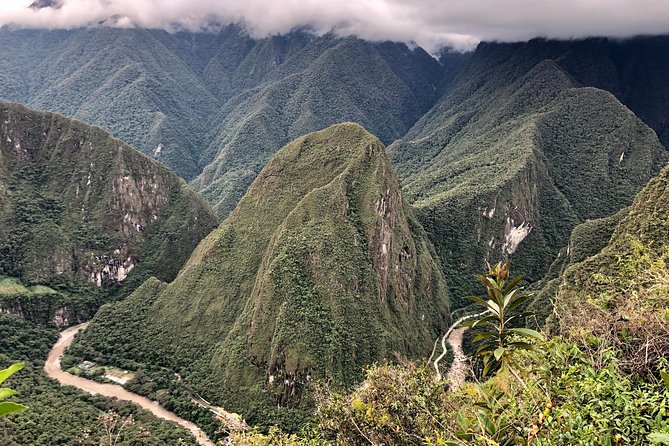
The change in climate is one of the best features of the route. The stark high Andes give way to thicker plant life, waterfalls, warmer air, and a trail shaped by the river. One waterfall is described as the most beautiful along the trek, so keep your camera ready and protect it from rain or spray.
You reach Lucmabamba around noon and have lunch at camp. The afternoon coffee tour takes place at the plantation next to the campsite, which makes it an easy addition rather than a separate transport excursion.
The coffee stop brings a local working tradition into a route otherwise dominated by mountains and ruins. It also gives your legs a less demanding afternoon after the long pass day. You may have free time at camp to rest or read, but remember that conditions remain basic even with the added comforts of a dining tent and hot washing water.
The food is a notable part of the experience. The cooking team has been praised for elaborate meals, including three-course service and attention to dietary needs. Specific dietary arrangements are not listed, so tell the operator in advance if you need special meals rather than assuming they are automatic.
more ways to reach machu picchu
- From Cusco: Full-Day Group Tour of Machu Picchu
★ 4.7 · 1,767 reviews - Machu Picchu Day Trip from Cusco
★ 4.5 · 1,644 reviews - Machu Picchu: Full-Day Tour from Cusco with Optional Lunch
★ 4.6 · 927 reviews - Cusco: 4-Day Inca Trail to Machu Picchu with Accommodation
★ 4.8 · 432 reviews
Day four: Llactapata and the first Machu Picchu view
Day four starts early with breakfast and a moderate climb through rainforest. The ascent to Llactapata takes about three and a half hours and reaches approximately 8,856 feet.
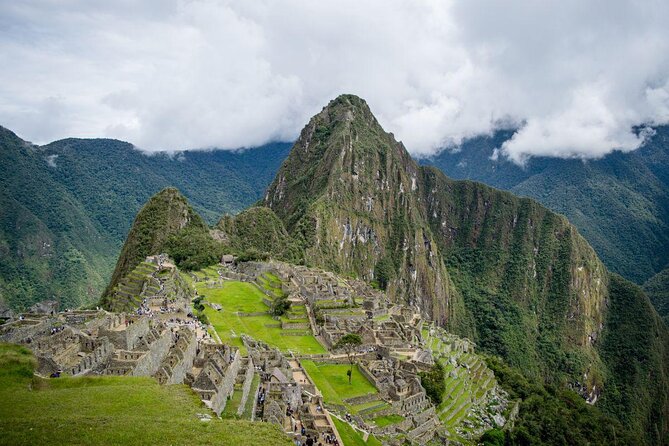
Llactapata is the historical focus of the day. Your guide gives you a thorough tour of the ruins, then points out Machu Picchu in the distance. This first sight is intentionally indirect: you see the famous citadel from across the valley before entering it the following morning.
That viewpoint adds meaning to the final approach. You have already crossed a mountain pass and walked through several climate zones, so Machu Picchu feels like the destination of a route rather than an isolated day trip.
After Llactapata, you descend for about two and a half hours to Hydro, where lunch is served. At 3 pm, you board the train to Aguas Calientes. The day includes about five hours of hiking, making it considerably lighter than day two.
In Aguas Calientes, you check into a hotel and eat dinner at a restaurant. This overnight hotel is a welcome change after the camps. It also places you close to the bus departure for Machu Picchu, though the Machu Picchu bus ticket itself is not included.
The schedule is fairly tight. Make sure you understand the train departure and keep your passport accessible. The tour requires your original passport, and if you received a new one after booking, you should carry both.
Day five: Machu Picchu and the ride back to Cusco
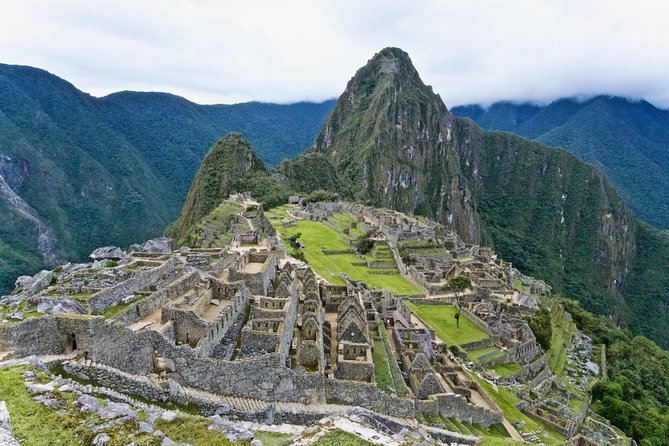
After breakfast at the hotel, you take a bus to Machu Picchu. A guide leads a two-hour walking tour of the site, giving you a structured introduction before you have independent time.
Huayna Picchu is optional and costs extra. If you have selected that climb, the hike begins at 10 am. If not, you have some time at Machu Picchu before returning to Aguas Calientes.
The schedule lists about three hours for the Machu Picchu portion, but you should treat the day as a timed sequence rather than an open-ended visit. Your bus, train, and onward private van all depend on fixed departures. The tour does not include the round-trip bus ticket, so budget for that separately.
You return by train to either Ollantaytambo or Poroy, then continue to Cusco in a private van. The exact rail destination is determined by the operating plan, so ask at the briefing which option applies to your departure.
Day five includes breakfast but not lunch in Aguas Calientes. Bring money for that meal and for any snacks before the train. After four days of walking, the return journey is convenient, but it is still a full travel day.
Guides, group size, and support
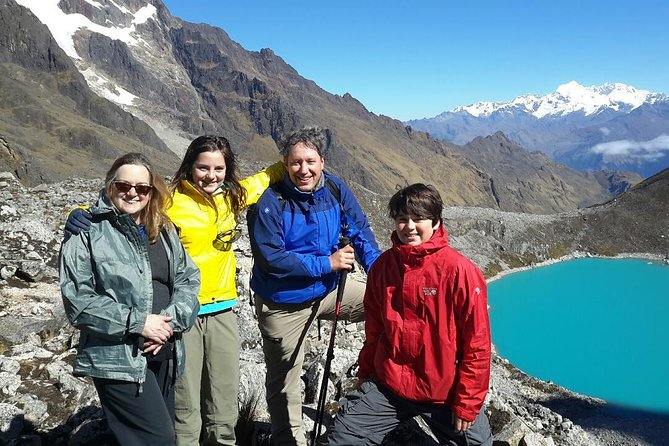
The group maximum is 16 people, small enough for hands-on guidance without requiring a private departure. A bilingual English-speaking guide leads the route, with a second guide possible for larger groups.
Christian is a guide name associated with this program, and his strengths include natural history, plants, wildlife, Andean culture, and Inca history. Eddie, Edy, Hipo, and Dario also appear among guide names connected with departures, so the exact leader may vary.
That variety matters because a guide can shape the entire trek. The strongest guide feedback centers on patience, close attention to individual needs, useful explanations, and the ability to keep morale up on difficult climbs. You should still ask who is assigned to your departure if a particular guide is important to you.
The support crew includes wranglers, horses, chefs, and assistant chefs. An emergency horse is available if needed, while emergency oxygen and a medical kit travel with the group. These provisions do not make the trek risk-free, but they are valuable on a route with major altitude changes and long remote stretches.
What to pack and what the price leaves out
Pack for several climates. You need trekking boots, warm layers, light long pants, gloves, a sun hat, rain protection, socks, sunscreen of SPF 35 or higher, insect repellent, sunglasses, toiletries, toilet paper, wet wipes, and a personal towel.
Bring a headlamp and spare camera batteries. Batteries can drain faster at high altitude, and electricity may not be convenient at camp. Binoculars and a book are optional but useful during quiet time at camp.
A sleeping bag is not included, though one can be rented. Trekking poles are also excluded but recommended, particularly for the steep descents on day two and day four. The Machu Picchu bus ticket, day five lunch, and crew tips are extra.
Service animals are allowed. The tour requires a moderate physical fitness level, and the altitude makes that requirement meaningful. If you are still adjusting to Cusco, use the pre-departure briefing to discuss pacing, symptoms, gear rental, and the amount of luggage assigned to the horse.
Should you book the Salkantay Trek?
I would choose this trip if you want a demanding route to Machu Picchu with the difficult planning handled for you. The best fit is a reasonably active person who values dramatic scenery, local food, a small group, and a guide who can explain the mountains and culture along the way.
I would hesitate if you dislike early starts, shared tents, long descents, or changing weather. The first two days are not casual walks, and the 15,252-foot pass can be a serious hurdle without acclimatization.
For $690, the package gives you a strong mix of guiding, meals, camping equipment, horse support, emergency provisions, a hotel night, trains, and transport back to Cusco. Just add the sleeping bag, poles, Machu Picchu bus, lunch, and tips to your real budget.
The free cancellation policy allows a full refund if you cancel at least 24 hours before the local start time. Within 24 hours, cancellations and changes are not accepted. If your fitness and altitude preparation are in place, this is a well-supported way to reach Machu Picchu by foot while still enjoying a comfortable final night.
FAQ
How long is the Salkantay Trek to Machu Picchu?
The experience lasts five days and four nights.
What time does the trek begin?
Hotel pickup begins at approximately 4:30 am on day one.
How high is Salkantay Pass?
The highest point is 15,252 feet.
Is Humantay Lake included?
Yes. The first day includes a roughly two-hour excursion to Humantay Lake.
Is camping equipment provided?
Yes. The package includes tents, mattresses, pillows, a kitchen tent, a dining tent, tables, chairs, a toilet tent, and a portable toilet.
Can I send personal belongings by horse?
Yes. A horse carries up to 8 kilograms of your personal belongings, packed in a provided duffle bag.
Is a sleeping bag included?
No. You need to bring or rent a down or synthetic sleeping bag.
Is Machu Picchu’s bus ticket included?
No. The round-trip bus ticket to Machu Picchu is not included.
Is the trip suitable for every fitness level?
The tour requires a moderate level of physical fitness. Day two includes the climb to Salkantay Pass and about eight hours of hiking, so preparation and acclimatization are important.
More Hiking & Trekking in Cusco
- From Cusco: Rainbow Mountain Trek
★ 4.5 · 98 reviews - Private Palccoyo Rainbow Hike Without the Crowds
★ 5.0 · 86 reviews - Choquequirao Trek 4 days and 3 nights
★ 5.0 · 81 reviews - Ancascocha Trek To Machu Picchu 4 Days And 3 Nights
★ 5.0 · 77 reviews
More Salkantay Treks
- Salkantay Trek Challenge – 3 Days / 2 Nights
★ 5.0 · 101 reviews - Small Group 5 Days Salkantay and Machu Picchu by Llactapata Tour
★ 5.0 · 88 reviews - Machu Picchu: 5-Day Salkantay Trek with Panoramic Train
★ 5.0 · 79 reviews - Salkantay Trek 4 Days to Machu Picchu by Glamping Sky Lodge Dome
★ 5.0 · 68 reviews
Recently added around Cusco
- Palcoyo colored mountain hike + stone forests★ 4.6 · 3 reviews
- Maras Moray★ 5.0 · 3 reviews
- Full-Day Condor Viewpoint & Inca Sites Tour★ 5.0 · 3 reviews
- From Cusco: Vinicunca Mountain of Colors Excursion + Ticket★ 5.0 · 3 reviews
- Excursion Cusco – Puno – Titicaca Observatory Train★ 5.0 · 3 reviews
- Machu Picchu: Private Tour Guide Service for up to 15 people★ 4.5 · 3 reviews
- Machu Picchu: 1-day tour by Vistadome Observatory train★ 5.0 · 3 reviews
- Cusco: Chonta Canyon and Condor Flight Tour with Lunch★ 5.0 · 3 reviews
Machu Picchu Tours, compared.



4-Day Inca Trail to Machu Picchu with Accommodation
Read our review →
2-Day Trip to the Sacred Valley and Machu Picchu
Read our review →
Machu Picchu 2-Day Inca Trail with Panoramic Train
Read our review →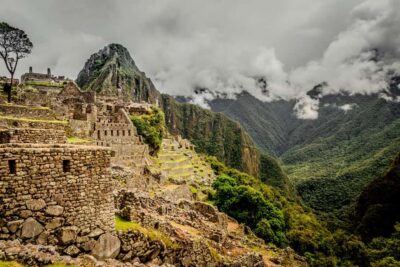
Browse the lists this tour appears in