
Reviewed · MACHU PICCHU TOURS
4 Days Inca Trail To Machu Picchu
The best part of this four-day Inca Trail is the way Machu Picchu arrives at the end of a real journey, not as a quick stop reached by train. You walk past Patallacta, climb to Warmiwañiusca, pass several Inca sites, and enter through the Sun Gate before seeing the citadel below.
I like two things in particular: the practical all-in-one setup, with camping gear, meals, permits, buses, trains, and transfers arranged, and the small group limit of 15 people. The food also gets unusually high praise, with cook Dante preparing generous, restaurant-style meals on some departures.
The main catch is simple: this is a hard mountain hike, not a casual sightseeing tour. Camp facilities are basic, the second day includes a long climb to 13,779 feet, and permits can sell out months ahead, so you need to plan early and prepare your legs.
Key points to know before you book
- 4:20 am Cusco pickup: Day one begins early with a transfer to kilometer 82, the official trail starting point.
- 13,779-foot high point: Warmiwañiusca, also called Dead Woman’s Pass, is the toughest climb of the route.
- Three nights under canvas: You sleep in a two-person tent with a foam mattress, while meals are provided.
- Inca sites along the way: Patallacta, Runcurakay, Chaquicocha, Phuyupatamarca, and Wiñaywayna break up the walking days.
- Sun Gate arrival: On day four, you enter Machu Picchu through Inti Punku before taking a guided tour.
- Book far ahead: The tour is often reserved about 99 days before departure, and one booking note advises planning around four months ahead.
The Inca Trail turns Machu Picchu into a reward
At $725.20 per person, this is not a bargain day trip, but it covers the costly pieces that make the Inca Trail possible. You get the trail and Machu Picchu entrance tickets, three breakfasts, four lunches, three dinners, snacks, tents, foam mattresses, round-trip bus tickets between Aguas Calientes and Machu Picchu, and train transportation.
You also get hotel pickup in Cusco and a return transfer after the train. That matters because arranging each part separately can be a headache, especially after four days of walking. The package leaves some expenses aside, including sleeping bags, walking sticks, unspecified meals, and tips for the guide, porters, and chef.
I see the price as fair if you want a guided trek with food and transport handled for you. It is less attractive if you already own camping gear, prefer to arrange your own logistics, or want a comfortable hotel-based visit to Machu Picchu.
The group limit is 15 people. That is large enough to provide company on the trail, but still manageable for a guide moving through narrow paths and mountain camps. The experience is best for someone who values the full route and the effort involved, rather than someone focused only on seeing the ruins.
more ways to reach machu picchu
- From Cusco: Full-Day Group Tour of Machu Picchu
★ 4.7 · 1,767 reviews - Machu Picchu Day Trip from Cusco
★ 4.5 · 1,644 reviews - Machu Picchu: Full-Day Tour from Cusco with Optional Lunch
★ 4.6 · 927 reviews
Day one: from kilometer 82 to Huayllabamba
Your day begins around 4:20 am with pickup at your Cusco hotel. The early start is not glamorous, but it gets you to kilometer 82, where a checkpoint checks your passport before you begin walking.
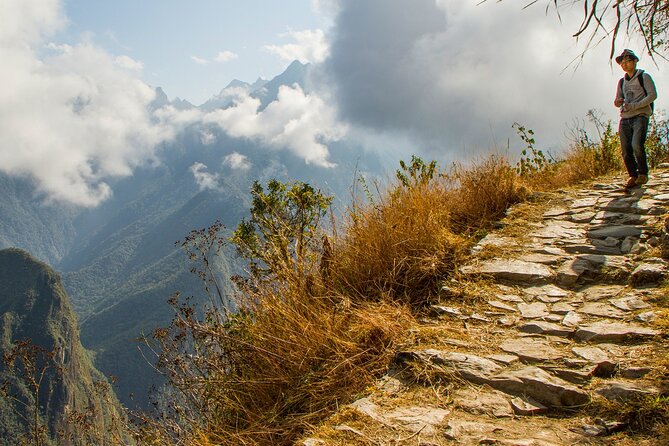
The first section takes about two hours to Patallacta. This is an important opening to the route, since you are already walking among Inca remains instead of simply heading toward a distant destination. Lunch comes there, followed by more walking to the Huayllabamba camp.
The schedule calls this first day relatively easy compared with what follows, but it still combines a very early wake-up, road travel, and several hours on foot. You should treat it as a warm-up, not as a free pass. Pace yourself, eat lunch, and keep snacks and water close.
At camp, dinner is provided and you spend the night in a tent. The camping setup is practical rather than luxurious. A tent is supplied for two people, along with one foam mattress per person. Sleeping bags are not included, but they can be rented from the company, as can walking sticks.
Day two: climbing to Dead Woman’s Pass
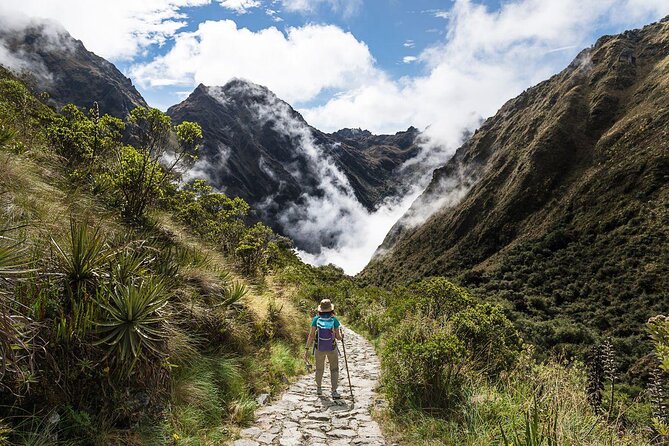
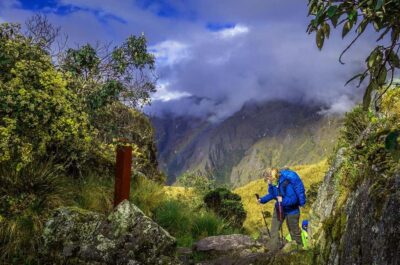
Day two is the test. After breakfast, you climb for about three hours toward Warmiwañiusca, the highest point on the trail at 13,779 feet. The Quechua name is often translated as Dead Woman’s Pass, and the nickname gives you a fair idea of the day’s reputation.
The climb is made harder by the long stair sections. You may find yourself moving slowly, and that is exactly the right approach. The goal is not to race the group uphill. A steady pace gives you a better chance of enjoying the mountain views and arriving with enough energy for the descent.
Reaching the pass is a major moment. You have done the hardest uphill section, and lunch follows before the route drops toward Pacaymayo. The descent is easier on your lungs, but it can still be tiring on your knees and legs.
Dinner and the second night are at Pacaymayo. This is the point where the trip feels most like a genuine trek: high altitude, basic camp life, and a full day of mountain walking. You should be comfortable with several hours outdoors and have at least a moderate level of fitness, as the operator advises.
Day three: stonework, clouds, and Wiñaywayna
The third day covers about 15 kilometers and brings some of the most interesting Inca remains on the route. After breakfast, you pass Runcurakay and Chaquicocha before stopping for lunch.
The route then continues to Phuyupatamarca, whose Quechua name means City Above the Clouds. Even without a long stop, places like this give the walk a stronger sense of purpose. You are not simply crossing a mountain range. You are moving through a chain of old settlements and ceremonial sites.
The final destination is Wiñaywayna, where you have dinner and spend the night. This is a useful staging point for the final morning, but you should not expect a resort-style camp. Basic bathrooms and showers may be available at some camps, but conditions can be simple, and electricity is limited or absent.
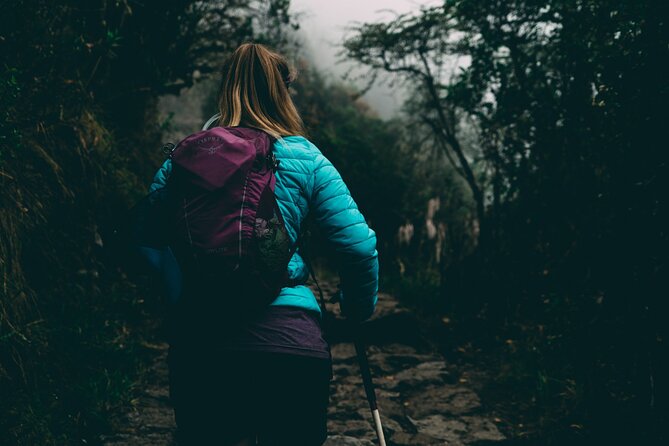
That lack of comfort is part of the tradeoff. You get a closer connection to the trail and less time spent in vehicles, but you give up privacy, hot-room comforts, and reliable power. Pack with that in mind. A headlamp, warm layers, and a way to protect your phone or camera from moisture are sensible choices, though only the first two are directly related to the supplied equipment.
more inca trail departures
- Cusco: 4-Day Inca Trail to Machu Picchu with Accommodation
★ 4.8 · 432 reviews - Cusco: Machu Picchu 2-Day Inca Trail with Panoramic Train
★ 4.9 · 260 reviews - From Cusco: 2-Day Inca Trail to Machu Picchu
★ 4.2 · 244 reviews - Machu Picchu: Inca Trail 2-Day Overnight Guided Tour
★ 4.9 · 203 reviews
Day four: entering through the Sun Gate
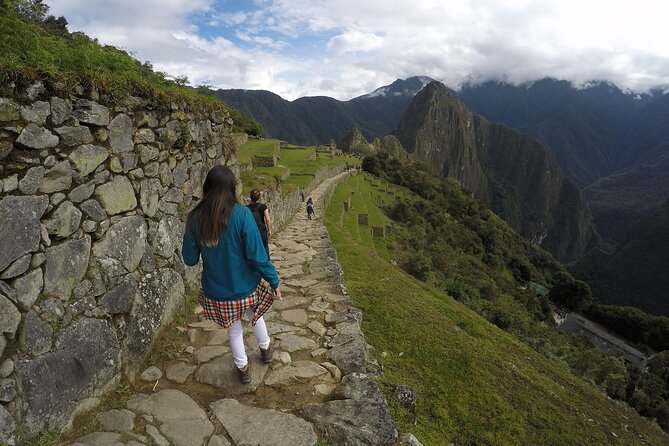
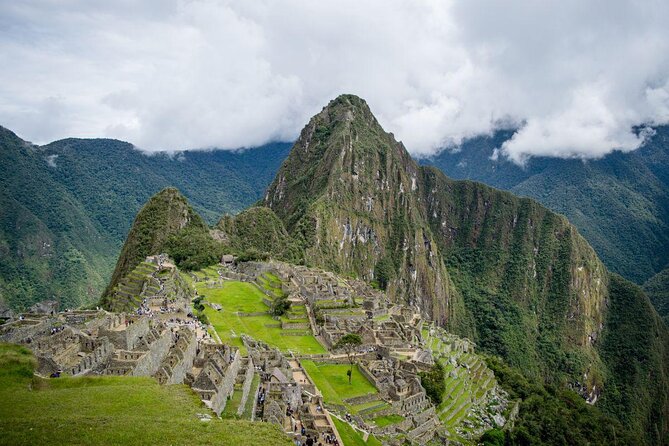
The final morning brings the payoff. You walk through Inti Punku, the Sun Gate, which serves as the traditional entrance to Machu Picchu for people arriving on foot. From there, the route descends toward the citadel at about 7,970 feet.
The walk is listed at about three hours, followed by the Machu Picchu visit. Your entry ticket is included, subject to availability, and a guide leads a tour lasting around two and a half hours. That guided time helps put the buildings, terraces, and route into context instead of leaving you to wander without a plan.
You then have free time for photos and independent exploration. The exact feel of this portion depends on the entry rules and schedule attached to your permit, so do not assume you can roam everywhere or stay as long as you wish.
One important detail: this package does not list Huayna Picchu or Machu Picchu Mountain as included climbs. One company note advises requesting Huayna Picchu in advance if you want it. Treat either extra mountain as a separate planning issue, not an automatic part of the four-day trek.
Aguas Calientes and the journey back to Cusco
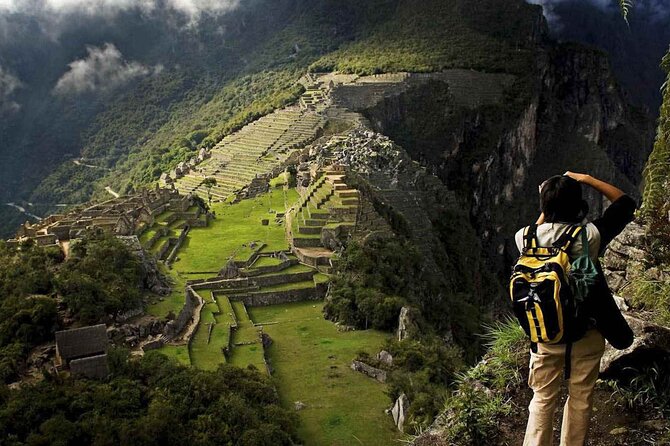
After the Machu Picchu visit, you return to Aguas Calientes for lunch. The day description allows about an hour in town before you go to the train station.
The included train arrangement is described as a round ticket between Ollantaytambo and Aguas Calientes. After the return train reaches Ollantaytambo, a representative is supposed to meet you with a sign and take you to the vehicle for the drive back to Cusco and your hotel.
This last transfer is useful, but it also makes day four a long one. You have already walked into Machu Picchu, toured the site, descended to town, eaten lunch, boarded a train, and then continued by road. If you want a slower ending, consider staying an extra night in Aguas Calientes, an option that has been specifically suggested for seeing the site with more rest.
What the meals and camp service add
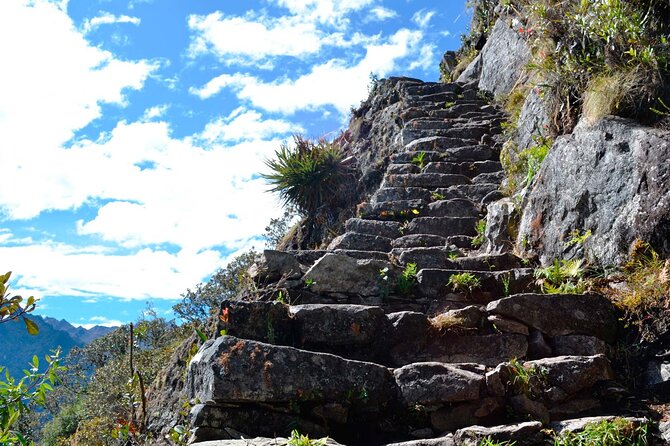
Three breakfasts, four lunches, and three dinners are included, along with three snacks. That is more important than it may sound. You are burning energy for four straight days, and carrying enough food for the whole route would add weight.
The cooking is one of the strongest parts of the operation. Some departures have included chef Dante, whose meals were described as four-course, restaurant-quality food with large portions. You should not expect the exact same chef on every trip, but the food program appears to be treated as a serious part of the experience.
Porters and cooks also make a major difference. They handle much of the camp work while you focus on walking, though the information provided does not spell out the exact baggage limit or personal-bag arrangement. Ask the company what you may hand to the porters before you leave Cusco.
Tips are optional, but they are an important practical consideration. Your team may include a guide, porters, a cook, and an assistant, and you should budget for gratuities if the service meets your expectations.
The guides and the human side of the trek
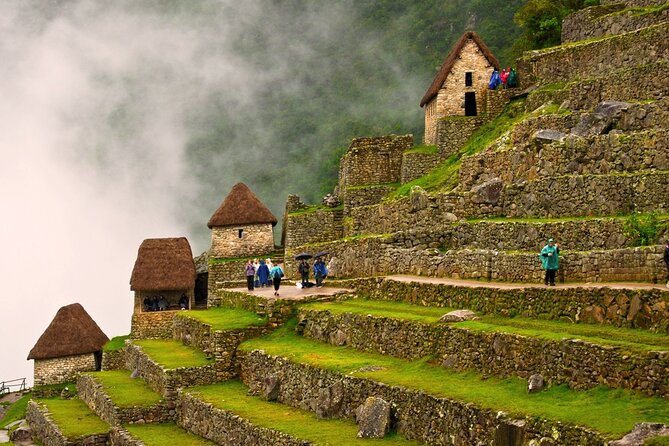
The company has been associated with guides named Alexsandro, Julio, and Marcial, and the guide service is described as fluent in English, positive, and attentive. The guide is not only there to point out ruins. On a demanding route, a good guide sets the pace, explains the sites, and helps the group manage the long climbs.
The most useful quality is patience. People in one group may climb at different speeds, especially on Dead Woman’s Pass. The company’s staff, including porters and cooks, has been praised for patience and organization, which matters far more here than a polished sales pitch.
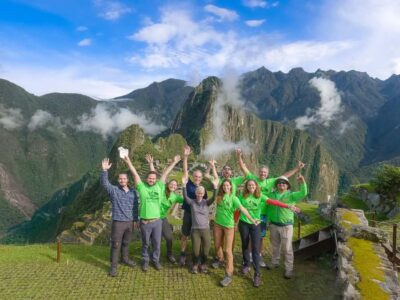
The group limit of 15 helps, but it does not make the trail private. You will share the route with other groups and deal with basic camp conditions. If you want solitude, this is not the right expectation. If you like meeting people while working toward the same goal, the group format can be a plus.
Fitness, altitude, and what to pack
The operator asks for moderate physical fitness, but I would read that as a minimum rather than a promise of ease. The second day is demanding, the third covers about 15 kilometers, and day four combines the final walk with a long return journey.
Altitude is a central part of the challenge. The trail reaches 13,779 feet before dropping to Machu Picchu at 7,970 feet. Your ability to handle steep climbs and thinner air will shape the experience more than the distance alone.
Preparation does not need to be extreme, but you should be honest about your hiking habits. If you have done three or four-day treks before, the format may feel familiar. If you rarely walk uphill, train before arriving in Peru rather than hoping enthusiasm will carry you.
The tour does not include sleeping bags or walking sticks. You can rent both from the company, so confirm prices and arrangements before departure. Since some meals are not included, also ask which meals you need to cover, especially around the transport days.
Booking timing and cancellation details
Permits are subject to availability, and the tour is commonly booked about 99 days in advance. One booking note recommends reserving four months ahead, which is sensible for a fixed-date route with limited permits.
Free cancellation is available if you cancel at least 24 hours before the local start time. Cancellations inside that window are not refunded, and late changes are not accepted. Confirmation is provided when you book.
The provider is listed as MachuPicchu Journey. The return-transfer instructions name Chullos Travel Peru as the representative meeting you at Ollantaytambo, so it is worth checking the exact operating names and contact details before departure.
Who should choose this four-day trek?
You should consider this tour if you want to reach Machu Picchu on foot, prefer a guide-led experience, and value having food, permits, camping, trains, buses, and Cusco transfers arranged together.
It suits hikers who can handle steep climbs, basic facilities, and early starts. It also works well for families or friends who want a shared challenge, provided everyone understands that the route is demanding rather than leisurely.
I would choose another option if you want a soft bed every night, flexible sightseeing time, or a simple rail visit to Machu Picchu. The four-day route asks for effort before it gives you the reward.
Should you book it?
I would book this tour if the physical challenge is part of what attracts you. The route combines major Inca sites, high mountain passes, three nights of camping, and a strong final arrival through the Sun Gate, while the price covers most of the complicated logistics.
Before paying, confirm permit availability, the exact train schedule, baggage arrangements, rental costs, and whether you want an extra mountain such as Huayna Picchu. If you prepare properly and accept the basic camps, this is a well-rounded way to experience Machu Picchu as the destination of a serious four-day journey.
FAQ
How long is the Inca Trail tour?
The tour lasts approximately four days, including the hike, camping, Machu Picchu visit, train journey, and return transfer to Cusco.
What time does pickup begin on day one?
Pickup from your Cusco hotel is scheduled for around 4:20 am.
How high does the trail climb?
The highest point is Warmiwañiusca, also called Dead Woman’s Pass, at approximately 13,779 feet.
How many nights do you camp?
You camp for three nights. A tent for two people and one foam mattress per person are included.
Are meals included?
Three breakfasts, four lunches, three dinners, and three snacks are included. Other meals are not included.
Are Machu Picchu entrance and bus tickets included?
Yes. The Inca Trail and Machu Picchu entrance tickets are included subject to availability, along with round-trip bus tickets between Aguas Calientes and Machu Picchu.
Can I cancel for a full refund?
Yes, if you cancel at least 24 hours before the experience’s local start time. Cancellations made less than 24 hours before the start are not refunded.
More 4-Day Experiences in Cusco
- 4 Day Tour to the Manu National Park
★ 5.0 · 81 reviews - Choquequirao Trek 4 days and 3 nights
★ 5.0 · 81 reviews - Cusco Sacred Valley and Machupicchu 4 Days
★ 5.0 · 80 reviews - Ancascocha Trek To Machu Picchu 4 Days And 3 Nights
★ 5.0 · 77 reviews
Recently added around Cusco
- Palcoyo colored mountain hike + stone forests★ 4.6 · 3 reviews
- Maras Moray★ 5.0 · 3 reviews
- Full-Day Condor Viewpoint & Inca Sites Tour★ 5.0 · 3 reviews
- From Cusco: Vinicunca Mountain of Colors Excursion + Ticket★ 5.0 · 3 reviews
- Excursion Cusco – Puno – Titicaca Observatory Train★ 5.0 · 3 reviews
- Machu Picchu: Private Tour Guide Service for up to 15 people★ 4.5 · 3 reviews
- Machu Picchu: 1-day tour by Vistadome Observatory train★ 5.0 · 3 reviews
- Cusco: Chonta Canyon and Condor Flight Tour with Lunch★ 5.0 · 3 reviews
Machu Picchu Tours, compared.



4-Day Inca Trail to Machu Picchu with Accommodation
Read our review →
2-Day Trip to the Sacred Valley and Machu Picchu
Read our review →
Machu Picchu 2-Day Inca Trail with Panoramic Train
Read our review →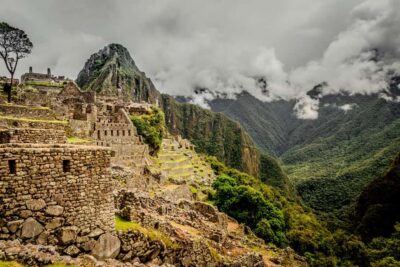
Browse the lists this tour appears in