
Reviewed · MACHU PICCHU TOURS
4 Day Classic Inca Trail to Machu Picchu by 360° Train
The real draw here is the full four-day Inca Trail, not simply the final view of Machu Picchu. You walk past high mountain passes, stone stairways, cloud forest, and several Inca sites before entering the citadel through the Sun Gate. I like the small maximum group of nine, and I like that meals, tents, permits, and the return train are built into one price.
The main caution is the operator’s uneven communication. Recent complaints describe late changes, unclear arrangements, and serious concerns about one guide’s conduct. The company disputes those accounts, so I would confirm your pickup, backup date, sleeping-bag arrangements, guide details, and daily plan in writing before you commit.
Key points at a glance
- Dead Woman’s Pass reaches 4,215 meters: Day 2 is the physical test, with a long climb followed by steep Inca steps.
- The group is capped at nine people: That is small enough for a more personal pace and easier communication on the trail.
- You sleep in a private tent each night: This gives you a defined space after long hiking days, though the sleeping bag arrangement needs checking.
- Meals are included for all four days: You receive three breakfasts, four lunches, and three dinners.
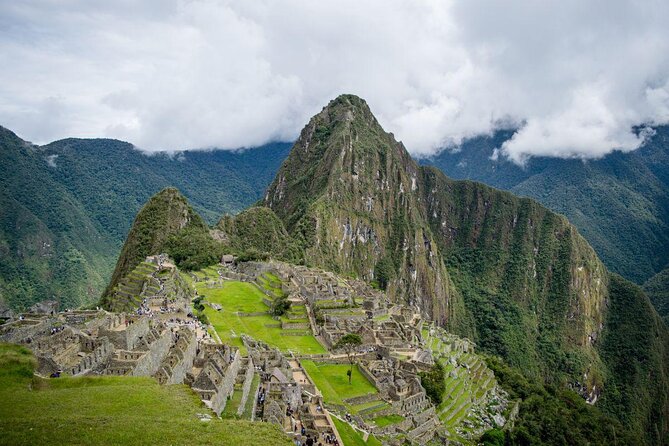
- Machu Picchu is entered through the Sun Gate: The final morning begins with the classic approach to the ruins.
- The package costs $820 per person: That is meaningful value if permits, support staff, meals, camping gear, and rail transport are all handled properly.
What the $820 price really covers
At $820, this is not a casual day trip with a guide and a bus. The price covers the Inca Trail and Machu Picchu tickets, three breakfasts, four lunches, three dinners, private tent accommodation at the camps, and the train from the Machu Picchu area toward Ollantaytambo before the bus ride to Cusco.
That package matters because the Inca Trail requires permits and organized support. You are paying for access to a controlled route, porters, cooks, camping arrangements, and the logistics of getting from the trail to Machu Picchu and back to Cusco. If you tried to assemble those pieces alone, the permit and transport details would quickly become a headache.
Still, value depends on what you expect. This is a strenuous trek with early starts and roughly nine hours of activity each day. You are not paying for a soft adventure. You are paying to walk one of South America’s great routes with food and camp support already arranged.
The package does not include health insurance or tips for the guide, cook, and porters. Budget for those separately. Also ask exactly what private tent means in practice and who carries the sleeping bag. One complaint says a rented sleeping bag and liner had to be carried by the client unless an extra porter was hired. The operator replied that sleeping bags weigh about two kilograms and are normally carried by the person using them when no extra porter is booked.
That detail can matter more than it sounds. A two-kilogram sleeping bag is noticeable on a steep route, especially on Day 2. Get the answer before you pay, not at the trailhead.
more ways to reach machu picchu
- From Cusco: Full-Day Group Tour of Machu Picchu
★ 4.7 · 1,767 reviews - Machu Picchu Day Trip from Cusco
★ 4.5 · 1,644 reviews - Machu Picchu: Full-Day Tour from Cusco with Optional Lunch
★ 4.6 · 927 reviews
Day 1: From KM-82 to Ayapata
Your day begins with a hotel pickup at about 4:00 am. You drive to Piscacucho, also known as KM-82, the usual trailhead for this route. At the checkpoint, your passport must match the information on your Inca Trail permit. Keep both easy to reach.
The opening section is fairly gentle. You walk for the first couple of hours toward Llactapata, an early Inca site that gives you your first sense of how the route blends archaeology with mountain scenery. This is a useful start because your body has time to warm up before the trail turns upward.
After several more hours, you reach the first lunch stop. The support team prepares an organic, fresh meal, which is welcome on a long walking day. Four lunches are included, so lunch is not a simple packed snack or something you must arrange yourself.
The afternoon brings the first serious uphill section. You get breaks along the way, but the day still runs to about nine hours before you reach Ayapata base camp. That makes Day 1 longer than the gentle opening might suggest.
Ayapata is a useful first-night camp because it places you in position for the big climb the next day. You sleep in your private tent and eat dinner at camp. The private setup is a comfort after a long walk, though you should expect a basic campsite rather than a hotel room.
For you, the practical lesson is simple: do not treat Day 1 as an easy warm-up. The early pickup, long drive, checkpoint, several hours of walking, and afternoon climb add up. Have your day pack ready the night before and keep your passport, water, and rain protection close at hand.
Day 2: Dead Woman’s Pass and two thousand-year-old stonework
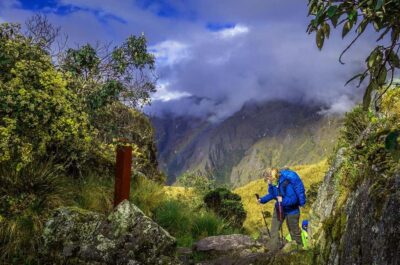
Day 2 is the hardest and most memorable part of the trek. After breakfast, you climb for about five hours toward Dead Woman’s Pass, the route’s high point at 4,215 meters, or 13,779 feet.
At this height, the issue is not just the steepness. Thin air can make every step feel slower. The itinerary allows time for breaks, and you should use them without embarrassment. The goal is steady progress, not speed.
After the pass comes roughly two hours of steep downhill walking on Inca steps. Downhill can be tougher on knees than uphill is on lungs, especially when stone steps are uneven. Trekking poles would be useful, but the supplied information does not confirm that they are provided, so ask before departure if you need them.
Lunch follows the long descent. Then the trail rises and falls again, with another uphill section and two downhill stretches. Along the way you visit Runkurakay and Sayacmarca, two of the route’s important archaeological sites.
Runkurakay is especially atmospheric because it sits high on the trail and feels tied to the mountain route around it. Sayacmarca requires attention to the stone steps and placement. These are not quick roadside photo stops. They are part of the reason the Classic Inca Trail is more than a route to Machu Picchu.
The day ends at Chaquicocha after another roughly nine-hour outing. This is a demanding schedule, but it also gives you a strong sense of the route’s changing character: high pass, steep descent, ceremonial and defensive-looking ruins, then camp.
If you are comparing this with a shorter Machu Picchu trek, Day 2 is the key difference. You earn the final arrival through a real mountain crossing. I would choose this itinerary only if you are comfortable with sustained uphill walking, high altitude, and steep stone descents.
Day 3: Phuyupatamarca, Inti Pata, and Wiñay Wayna
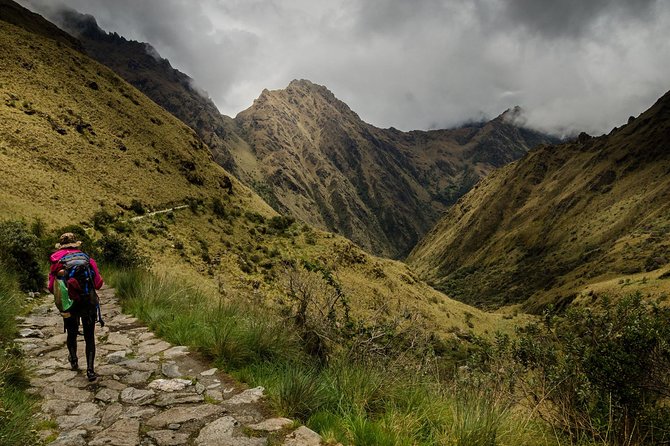
Day 3 is still long, but it shifts the mood from endurance toward discovery. After breakfast, you hike for about two hours to the final high point at Phuyupatamarca, whose name means City in the Clouds.
This section is noted for views, plants, and wildlife. The route continues through changing mountain conditions, and Phuyupatamarca gives you another chance to appreciate how the Incas built into steep terrain rather than avoiding it.
You also visit Inti Pata, or Sun Above the Terraces. The terraces are a reminder that these places were shaped for work, ceremony, food production, and movement, not just for modern photographs.
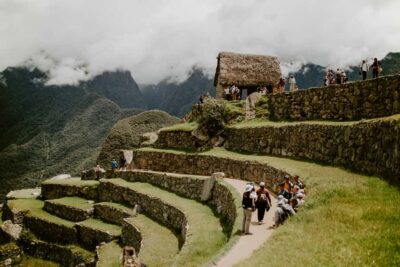
Lunch comes before the visit to Wiñay Wayna. The name is often translated as Forever Young, and the site is one of the most memorable ruins on the trail. Its terraces and stone structures cling to a steep setting, giving you a close look at the route’s architectural skill before Machu Picchu appears the next morning.
After visiting Wiñay Wayna, you return to camp for dinner. The schedule includes three dinners during the trek, and this is also the evening when you say goodbye to the porters. That farewell matters. Porters and cooks make it possible for a small group to eat hot meals and sleep under canvas while walking a demanding route.
The itinerary describes about nine hours for the day, although the walking portion is presented in stages. You should still plan for a full day outdoors. Save some energy for the final morning, which starts early and includes the approach to Machu Picchu itself.
more inca trail departures
- Cusco: 4-Day Inca Trail to Machu Picchu with Accommodation
★ 4.8 · 432 reviews - Cusco: Machu Picchu 2-Day Inca Trail with Panoramic Train
★ 4.9 · 260 reviews - From Cusco: 2-Day Inca Trail to Machu Picchu
★ 4.2 · 244 reviews - Machu Picchu: Inca Trail 2-Day Overnight Guided Tour
★ 4.9 · 203 reviews
Day 4: Entering Machu Picchu through the Sun Gate
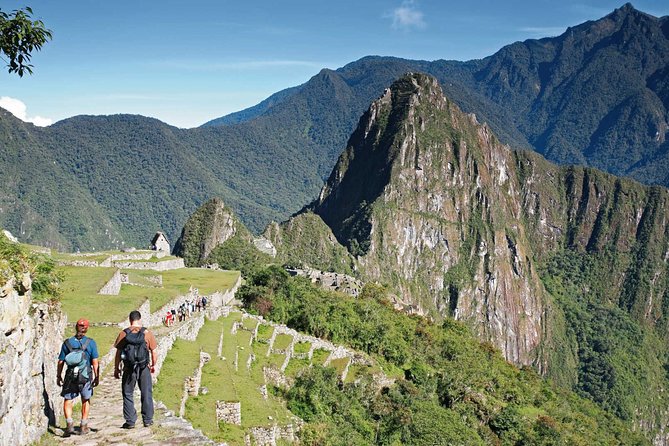
The final morning begins early, with the team waking you at camp. You head to the checkpoint so you can enter Machu Picchu when the site opens, then walk toward the Sun Gate.
For many people, this is the emotional payoff of the route. Instead of arriving by bus and entering through the main visitor access, you approach from the Inca Trail and get your first view of Machu Picchu from above at Inti Punku, the Sun Gate. Weather can affect the view, but the approach remains a fitting end to four days of walking.
From the Sun Gate, you continue toward the citadel and visit the major temples and important areas of Machu Picchu. The information provided does not specify the exact circuit or how long your guided visit lasts, so ask your operator for the day’s current route. Access rules at Machu Picchu can change, and your ticket determines where you can go.
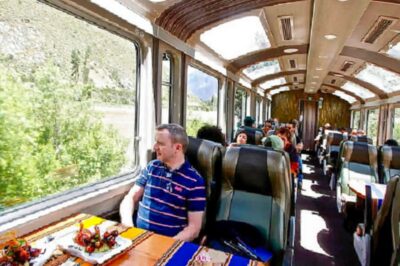
After the visit, you take the train to Ollantaytambo and continue by bus to Cusco. The ticket redemption point is listed in Aguas Calientes, so make sure you understand where the group meets for the rail departure. The last day is again described as roughly nine hours, and that includes a very early start, the site visit, and the return journey.
You may feel tired by the time you reach Cusco. That is normal for a four-day mountain trek. Plan nothing important for the evening if you can avoid it.
Small groups, private tents, and included meals
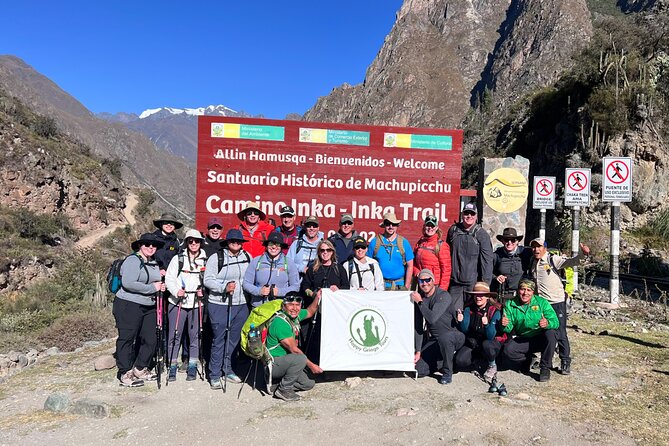
A maximum of nine people is one of the strongest features here. A small group can move more easily through narrow trail sections, and you have a better chance to speak with the guide. It also makes meal and camp routines less crowded.
The tour promises a private tent at each campsite. That does not mean private bathroom facilities or hotel-style comfort. It means you have your own tented sleeping space, which is a fair luxury after a nine-hour day.
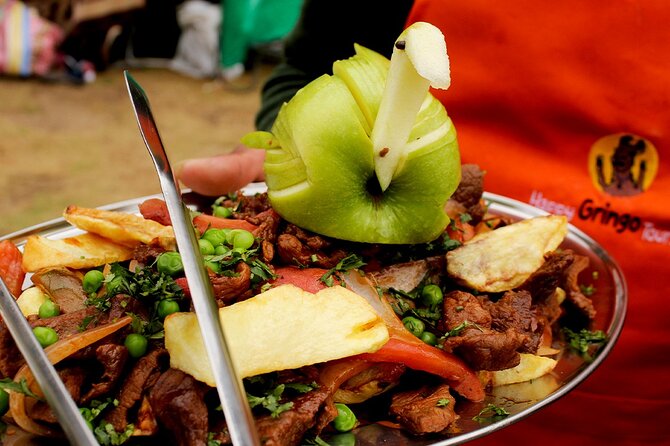
Food is another real advantage. You receive breakfast each morning, lunch every day, and dinner on the first three nights. The meals are described as organic and fresh, with porters waiting at the first lunch stop. Since food is included, you do not need to depend on trail purchases for your main meals.
Ask about water, snacks, and sleeping bags before departure. The supplied details confirm meals, but they do not spell out every drink, snack, or piece of camping equipment. The sleeping-bag complaint makes this especially important.
Fitness, altitude, and the rhythm of the route
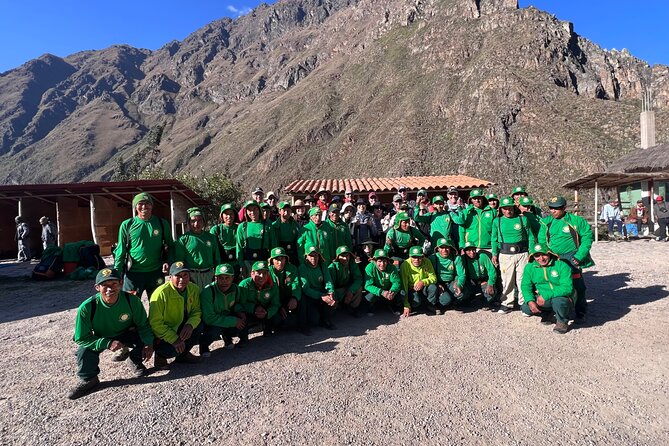
You need a strong physical fitness level for this experience. The daily schedule is listed at about nine hours, and the route includes long climbs, steep descents, uneven Inca steps, and a maximum elevation of 4,215 meters.
Altitude affects people differently. The safest approach is to walk slowly, take the planned breaks, and tell your guide early if you feel unwell. Do not wait until you are struggling badly. The itinerary provides breaks, but it does not promise a private pace or medical support.
The route’s rhythm is demanding: early starts, long walking days, camp dinners, and very early access to Machu Picchu. I would not book this as your first activity immediately after a long international arrival. Give yourself time in Cusco before the trek if your wider schedule allows, though the supplied package does not include an acclimatization program.
The 56-day average booking lead time is a useful warning. Inca Trail permits are limited, so last-minute availability may be difficult. Your passport details must match the permit, and a name or document error can create a major problem.
Communication concerns to settle before departure
The overall score is listed as 4.9 from 62 ratings, with 97 percent recommending the experience. That is a strong public score, and the positive side of the experience appears to be the trail itself, the support crew, the meals, and the guide and team on a successful departure.
But two detailed complaints raise issues you should take seriously. One describes a date change communicated only about a day and a half before departure, causing problems with accommodation and other plans. The operator says a backup date had been accepted and disputes the account.
Another complaint describes missed pickup, confusion about the plan, a sleeping-bag charge, and alleged inappropriate guide behavior. The operator disputes the claims, gives a different account of the pickup and alcohol, and rejects the refund request.
I cannot settle that dispute from the information available. I can tell you how to reduce your risk: request written confirmation of the start date, backup date, pickup point, guide name, sleeping-bag cost, porter allowance, camp arrangements, train departure, and Machu Picchu entry route.
The operator’s replies are also unusually defensive. That does not prove that the complaints are correct, but it is a reason to keep communication clear and save your messages. If something changes, you want a written record of what was agreed.
The cancellation terms are strict. The experience is non-refundable and cannot be changed for any reason after booking. If poor weather or failure to meet the minimum number of people forces cancellation, you are offered another date, another experience, or a full refund. That protection does not cover a change of your own plans.
Who should book this Inca Trail package?
I would consider it if you want the complete Classic Inca Trail, prefer a small group, and value having meals, camping, permits, and the return train in one arrangement. It suits fit hikers who want archaeological sites along the way, not just a fast route to Machu Picchu.
I would hesitate if you need flexible dates, dislike carrying any personal gear, or want polished hotel-level organization. The strict cancellation policy and communication complaints make this a poor match for a tightly packed Peru itinerary.
Before booking, compare the $820 price with other four-day Inca Trail options and ask exactly what those prices include. If the answers arrive promptly and in writing, the package can offer good value. If basic questions remain vague, choose an operator with clearer pre-trip communication.
FAQ
How long is the tour?
The experience lasts approximately four days, with each itinerary day described as about nine hours.
Where does the trek begin?
The tour starts at Piscacucho Estacion de Tren, also called KM-82, after pickup from your hotel in Cusco.
What time is pickup?
The listed start time is 4:00 am.
How high is Dead Woman’s Pass?
Dead Woman’s Pass reaches 4,215 meters, or 13,779 feet.
How large is the group?
The maximum group size is nine people.
Are meals included?
Yes. The package includes three breakfasts, four lunches, and three dinners.
Is camping included?
Yes. You sleep in a private tent at each campsite.
Are the Inca Trail and Machu Picchu tickets included?
Yes. Both the Inca Trail ticket and Machu Picchu ticket are included.
Is the return train included?
Yes. On Day 4, you take the train toward Ollantaytambo, then continue by bus to Cusco.
Are tips and health insurance included?
No. Health insurance and tips for the guide, cook, and porters are not included.
Can I cancel for a refund?
The experience is non-refundable and cannot be changed for any reason. If the operator cancels because of poor weather or an unmet minimum group size, you are offered another date, another experience, or a full refund.
More 4-Day Experiences in Cusco
- Choquequirao Trek 4 days and 3 nights
★ 5.0 · 81 reviews - 4 Day Tour to the Manu National Park
★ 5.0 · 81 reviews - Cusco Sacred Valley and Machupicchu 4 Days
★ 5.0 · 80 reviews - Ancascocha Trek To Machu Picchu 4 Days And 3 Nights
★ 5.0 · 77 reviews
More Train Experiences in Cusco
- The First Class Machu Picchu Train by Inca Rail
★ 4.0 · 182 reviews - From Cusco: 1-day Machu Picchu Tour by Train
★ 4.6 · 138 reviews - 2-Day Machu Picchu Tour by train from Cusco ( All included )
★ 5.0 · 85 reviews - From Cusco: Sacred Valley & Machu Picchu 2-Day Tour by Train
★ 4.9 · 79 reviews
Recently added around Cusco
- Palcoyo colored mountain hike + stone forests★ 4.6 · 3 reviews
- Maras Moray★ 5.0 · 3 reviews
- From Cusco: Vinicunca Mountain of Colors Excursion + Ticket★ 5.0 · 3 reviews
- Full-Day Condor Viewpoint & Inca Sites Tour★ 5.0 · 3 reviews
- Excursion Cusco – Puno – Titicaca Observatory Train★ 5.0 · 3 reviews
- Machu Picchu: Private Tour Guide Service for up to 15 people★ 4.5 · 3 reviews
- Machu Picchu: 1-day tour by Vistadome Observatory train★ 5.0 · 3 reviews
- Cusco: Chonta Canyon and Condor Flight Tour with Lunch★ 5.0 · 3 reviews
Machu Picchu Tours, compared.
4-Day Inca Trail to Machu Picchu with Accommodation
Read our review →
2-Day Trip to the Sacred Valley and Machu Picchu
Read our review →
Machu Picchu 2-Day Inca Trail with Panoramic Train
Read our review →
Browse the lists this tour appears in