
Reviewed · MACHU PICCHU TOURS
Classic Inca Trail 4 days to Machu Picchu
The famous four-day Inca Trail gives you the full approach to Machu Picchu, not just a ride to the ruins. You walk from Km 82 through mountain scenery, jungle, and old Incan sites before reaching the citadel by the Sun Gate. I like the included permits, camping equipment, meals, porters, and return transport. I also like the small maximum group of 16, which should make trail logistics easier.
The main concern is uneven service from Quechuas Expeditions. A guide named Freddy and a cook named Armando were praised for their work on one departure, while the company drew criticism for weak coordination at the end, no treated water, and no clean portable toilet. At $1,050 per person, those gaps matter.
Key points to know before you book
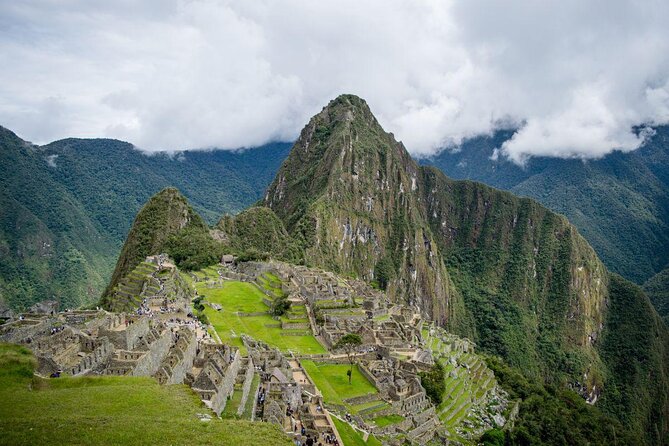
- Arrive through the Sun Gate: The route ends at Machu Picchu’s most famous entrance, rather than taking you straight to the site by bus.
- Four nights are not included: The package covers camping during the trek, but you need to check exactly where each night is spent and what personal lodging you need before or after the hike.
- Porters carry the camp: Tents, cooking gear, food, tables, and chairs are included, so you carry only your day pack and personal items.
- Meals are built in: The package lists four breakfasts, four lunches, and three dinners, with vegetarian food at no extra charge. Breakfast on day one and lunch on day four are excluded.
- The final transfer needs attention: The guide may not be scheduled to escort you through Machu Picchu Pueblo and onto the train, so confirm this before departure.
- You need real hiking fitness: The packing advice includes trekking boots, poles, warm layers, rain gear, and a sleeping bag rated to -11 C, or 12 F.
Why the Classic Inca Trail still earns its fame
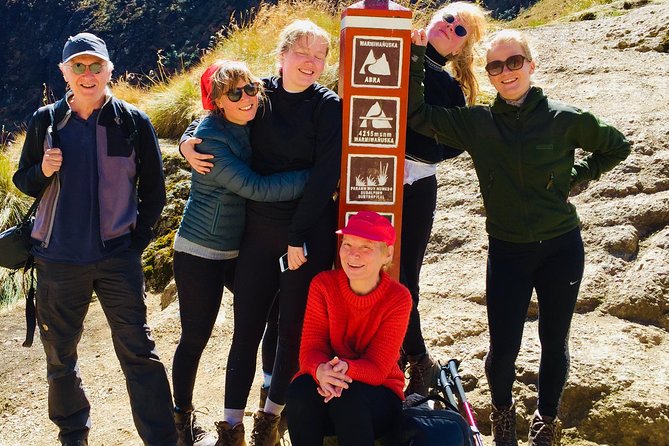
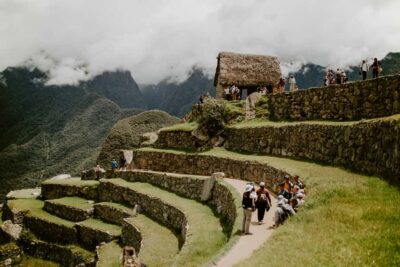
The Inca Trail is not simply a walking route to a famous ruin. It is a four-day journey through old stone paths, Incan sites, changing elevations, and thick vegetation. The reward is arriving at Machu Picchu from the Sun Gate, with the citadel appearing below rather than approaching by the usual bus route.
That arrival gives the trek its emotional punch. You have worked for the view. The route also lets you see Machu Picchu as part of a wider Incan world, instead of treating it as an isolated photo stop.
The pace will be demanding. The operator specifically requires a strong physical fitness level, and the equipment list tells you why. You need used trekking boots, two walking poles, warm clothing, rain protection, sun protection, and a sleeping bag rated for cold conditions. This is not a casual day walk with a tent added on.
The maximum group size is 16 people. That is small enough to keep the group manageable, though the actual feel will depend on the number of people booked for your departure. A smaller group can make meal times, rest stops, and trail instructions less awkward.
more ways to reach machu picchu
- From Cusco: Full-Day Group Tour of Machu Picchu
★ 4.7 · 1,767 reviews - Machu Picchu Day Trip from Cusco
★ 4.5 · 1,644 reviews - Machu Picchu: Full-Day Tour from Cusco with Optional Lunch
★ 4.6 · 927 reviews
Day one: From Cusco to Km 82
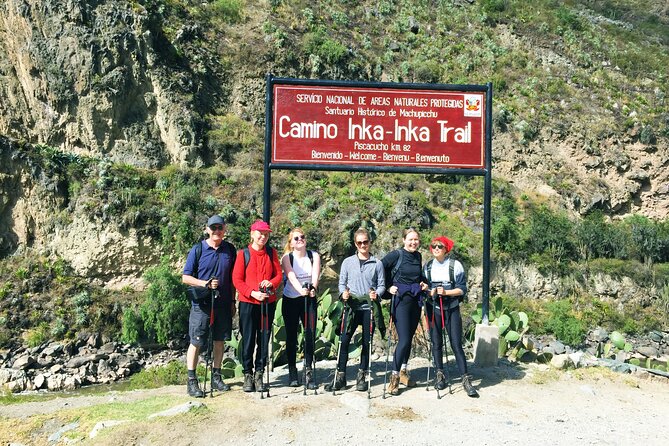
Your first major service is hotel pickup in Cusco, followed by transport to Km 82, the trailhead. This removes one of the trip’s biggest chores: arranging your own connection from Cusco to the start of the hike.
Breakfast on day one is not included, and lunch on the fourth day is also excluded. Plan around that clearly. The food package lists four breakfasts, four lunches, and three dinners, but the exclusions mean you should ask the operator how those meals are allocated across the four days.
At the trailhead, porters take responsibility for the camping equipment and food. They carry the tents, air mats, cooking tent, portable chairs, and tables. This is a major benefit. You still need your own day pack, but you are not expected to haul the full camp.
The first day is also when you learn how well the group is organized. Ask your guide where your personal gear will be stored, what water is available, and how the porter system works. A little clarity early on prevents confusion later.
Days two and three: The demanding middle of the trek
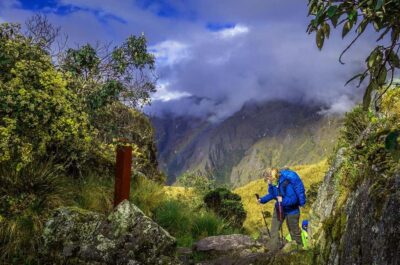
The middle of the route is where the fitness requirement becomes real. You walk through mountain and jungle environments, with the guide leading the way and explaining the Incan sites along the path.
The exact stop names and daily distances are not provided, so I would not book this tour expecting a fixed list of camps or a detailed elevation schedule. Ask for those specifics before paying. They will help you judge if the daily walking fits your fitness and comfort level.
Camping equipment is included, along with cooking and dining gear. This gives you the basic structure of a supported trek. You do not need to bring a tent, cooking kit, table, or chair. You do need to bring personal clothing, toiletries, a towel, medicines, and your sleeping bag unless the operator confirms rental arrangements.
Meals are an important part of the package. The cook prepares the food in camp, and Armando was singled out for producing meals of restaurant quality with basic equipment. That is encouraging, especially after long walking days. Vegetarian meals are available without an added fee.
Still, do not assume every practical food and water detail is covered. One departure had no treated or filtered water supplied, leaving the group to use its own filter. Bring a water bottle and water sterilizing tablets, as the equipment list advises. A personal filter is also sensible if you have one.
Sanitation deserves equal attention. Basic facilities along the Inca Trail can be unpleasant, and one group was not given a clean portable toilet. The package includes camping gear, but it does not promise a private toilet. Ask directly what sanitation arrangements are provided for your departure.
Day four: Machu Picchu through the Sun Gate
The final approach is the reason many people choose this route. You reach Machu Picchu through the Sun Gate, the famous high entrance associated with the Inca Trail. From there, the ruins become the focus of the day.
Your permits and Machu Picchu tickets are included, which is essential because access to the Inca Trail is controlled. You do not want to reach Peru and discover that the key permit or entry ticket is missing from your package.
The end of the hike is also where you should pay close attention to the transport plan. The return package includes an Expedition train from Aguas Calientes to Ollantaytambo, followed by a bus back to Cusco. Lunch on day four is not included.
There was a serious coordination problem on one departure. The guide was scheduled to leave the group at Machu Picchu, and the hikers were expected to find their bus ticket, locate equipment left by the porters in Machu Picchu Pueblo, and make their own way to the train. Freddy, the guide, agreed to stay and help them get through the process.
That extra help made a difficult situation manageable, but you should not rely on a guide changing the plan at the last moment. Before the trek, ask these four questions:
- Will the guide accompany the group from Machu Picchu to Aguas Calientes?
- Who handles the bus ticket to Machu Picchu Pueblo?
- Where will the porters leave personal equipment?
- Who takes the group to the train and confirms the seats?
These are small questions before departure and large questions after four days of hiking.
more inca trail departures
- Cusco: 4-Day Inca Trail to Machu Picchu with Accommodation
★ 4.8 · 432 reviews - Cusco: Machu Picchu 2-Day Inca Trail with Panoramic Train
★ 4.9 · 260 reviews - From Cusco: 2-Day Inca Trail to Machu Picchu
★ 4.2 · 244 reviews - Machu Picchu: Inca Trail 2-Day Overnight Guided Tour
★ 4.9 · 203 reviews
Camping, porters, and the daily comfort level
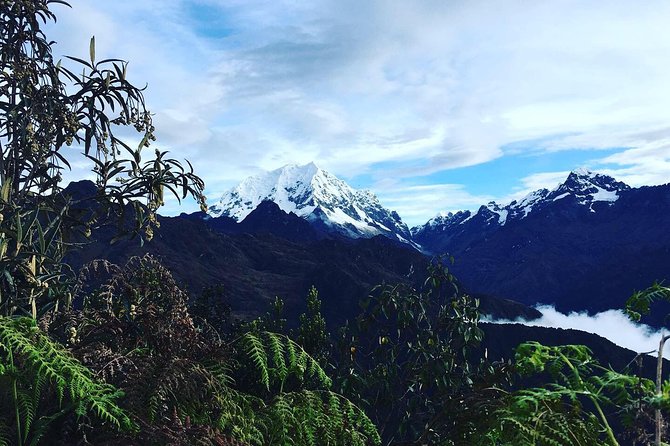
The package is designed as a supported camping trip. Tents, air mats, a cooking tent, chairs, and tables are included. Porters carry the camping equipment and food, leaving you with a day pack.
That is valuable because the route already asks a lot from your legs. Carrying less can help you save energy for the stone paths, uphill sections, and final approach to Machu Picchu. You should still pack lightly. A heavy day pack will make every step harder.
The suggested clothing list is practical for changing conditions. Bring a fleece or wind-stopper jacket, a lightweight sweater, rain protection, wind or rain pants, loose walking trousers, and a fleece layer for your legs. You also need two or three T-shirts, two pairs of wool or synthetic socks, gloves, a warm hat, and a sunhat.
Good footwear is not optional. Use worn-in trekking boots rather than a new pair. Bring poles, a headlamp, sunglasses with UV protection, sun block, lip balm with SPF, insect repellent, and toilet paper.
The sleeping bag requirement is particularly important. The recommended rating is -11 C, or 12 F. If you do not own one, ask if rental is available and confirm the actual rating. Do not assume a light summer sleeping bag will be enough.
Guides, cooks, and porters
The human side of this trip can make or break the experience. Freddy received strong praise for explaining Quechuan history and culture, giving the route more meaning than a simple walk between camps.
Armando, the cook, also made a strong impression by producing elaborate meals with camp equipment. Good food matters on a trek. It gives you energy, warmth, and a welcome pause at the end of a hard day.
The porters were described as capable, helpful, and kind. Their work is easy to overlook because you see the camp rather than the effort behind it. They carry the tents and food that allow you to hike with a lighter pack.
At the same time, a good guide and good support staff do not erase company-level problems. Your guide may be excellent while the office team mishandles equipment, transport, water, or final-day instructions. That seems to be the key tension with this operator.
Confirmation is provided at booking, and the stated operating period runs from November 21, 2025, through January 31, 2027. The listed operating hours are Monday through Sunday, 9:00 AM to 8:00 PM.
Is $1,050 a fair price?
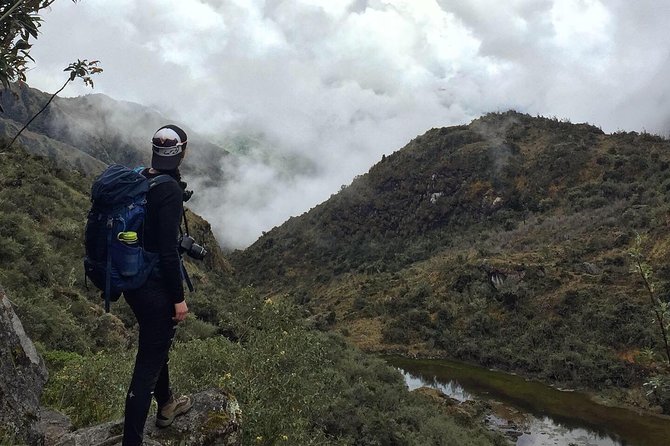
At $1,050 per person, this is a serious purchase, but the package includes many costly pieces. You receive hotel pickup, transport to Km 82, a professional guide, permits, Machu Picchu tickets, camping equipment, porters, meals during most of the trek, and the train and bus return.
If you arranged each item yourself, the coordination would be difficult. The trail permit and Machu Picchu entry are especially important. The included porters also save you from carrying the camp.
The value weakens if the company does not deliver clear help at the end. A high price should include more than tents and tickets. It should also buy reliable instructions, water arrangements, equipment handling, and a clear transfer from the ruins to the train.
I would treat the price as reasonable only after confirming the final-day service in writing. Ask what is included from the moment you enter Machu Picchu until you board the Expedition train. Also ask if drinking water is supplied or if you must treat your own.
The cancellation rule is strict. This experience is non-refundable and cannot be changed for any reason. That makes pre-booking questions even more important. Do not pay until you are comfortable with the food, water, porter, equipment, and transport details.
Who should choose this four-day route?
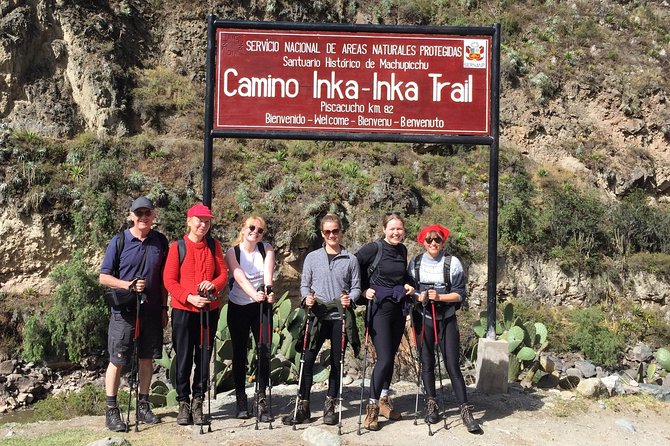
This trek suits you if reaching Machu Picchu on foot matters as much as seeing the ruins. It is a good match for people who want the famous historic route, enjoy camping, and are prepared for four days of physical effort.
It may also suit you if you value a package with most major logistics handled. You do not need to arrange your own trail permit, camp kitchen, porter support, or return train.
I would be cautious if you want hotel-level comfort, a private bathroom, or highly polished administration. The trail itself is demanding, and the reported sanitation and transport problems could make the trip harder than necessary.
You should also think carefully about your equipment. The tour asks for a strong fitness level and a cold-rated sleeping bag. If you lack proper boots, poles, rain gear, or warm layers, the total cost will be higher than the advertised price.
Should you book with Quechuas Expeditions?
Book this tour if the Classic Inca Trail is your priority and you are willing to confirm the practical details before departure. The route, included permits, porters, camp equipment, meals, and Sun Gate arrival create a powerful four-day package.
I would not book it blindly. The strongest parts of the trip appear to be the guide, cook, and porters, with Freddy and Armando receiving especially positive attention. The weak point is the operator’s coordination, particularly after reaching Machu Picchu.
Before committing, get written answers about water, toilets, porter storage, bus tickets, the guide’s final-day presence, and the train connection. If the answers are clear and satisfactory, the tour could be good value for a supported Inca Trail trek. If the answers are vague, choose a company with a more clearly managed finish.
FAQ
Where does the Classic Inca Trail begin?
The tour provides transport from your Cusco hotel to Km 82, the trailhead.
How long does the tour last?
The tour lasts approximately four days.
Does the tour include a guide?
Yes. A professional tour guide is included.
Are camping supplies included?
Yes. The package includes tents, air mats, a cooking tent, portable chairs, and portable tables.
Are porters included?
Yes. Porters carry the camping equipment and food.
What meals are included?
The package lists four breakfasts, four lunches, and three dinners. Breakfast on day one and lunch on day four are not included. Vegetarian meals are available at no extra cost.
Are Inca Trail permits included?
Yes. The package includes Inca Trail permits and Machu Picchu tickets.
Is the return train included?
Yes. The return includes an Expedition train from Aguas Calientes to Ollantaytambo, followed by a bus back to Cusco.
What should I bring for the trek?
Bring suitable trekking boots, a day backpack, two walking poles, a headlamp or torch, a water bottle, rain gear, warm layers, sun protection, insect repellent, personal medicines, toiletries, and a sleeping bag rated to -11 C, or 12 F.
How large is the group?
The maximum group size is 16 people.
Do I need strong physical fitness?
Yes. The tour information states that you should have a strong physical fitness level.
Is the tour refundable?
No. The experience is non-refundable and cannot be changed for any reason.
More 4-Day Experiences in Cusco
- 4 Day Tour to the Manu National Park
★ 5.0 · 81 reviews - Choquequirao Trek 4 days and 3 nights
★ 5.0 · 81 reviews - Cusco Sacred Valley and Machupicchu 4 Days
★ 5.0 · 80 reviews - Ancascocha Trek To Machu Picchu 4 Days And 3 Nights
★ 5.0 · 77 reviews
Recently added around Cusco
- Palcoyo colored mountain hike + stone forests★ 4.6 · 3 reviews
- Maras Moray★ 5.0 · 3 reviews
- Full-Day Condor Viewpoint & Inca Sites Tour★ 5.0 · 3 reviews
- From Cusco: Vinicunca Mountain of Colors Excursion + Ticket★ 5.0 · 3 reviews
- Excursion Cusco – Puno – Titicaca Observatory Train★ 5.0 · 3 reviews
- Machu Picchu: Private Tour Guide Service for up to 15 people★ 4.5 · 3 reviews
- Machu Picchu: 1-day tour by Vistadome Observatory train★ 5.0 · 3 reviews
- Cusco: Chonta Canyon and Condor Flight Tour with Lunch★ 5.0 · 3 reviews
Machu Picchu Tours, compared.
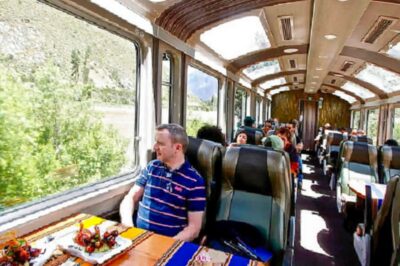
4-Day Inca Trail to Machu Picchu with Accommodation
Read our review →
2-Day Trip to the Sacred Valley and Machu Picchu
Read our review →
Machu Picchu 2-Day Inca Trail with Panoramic Train
Read our review →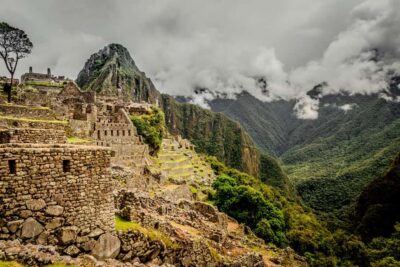
Browse the lists this tour appears in