
Reviewed · SILLAR ROUTE TOURS
Arequipa|| The Sillar Route+Culebrillas Canyon
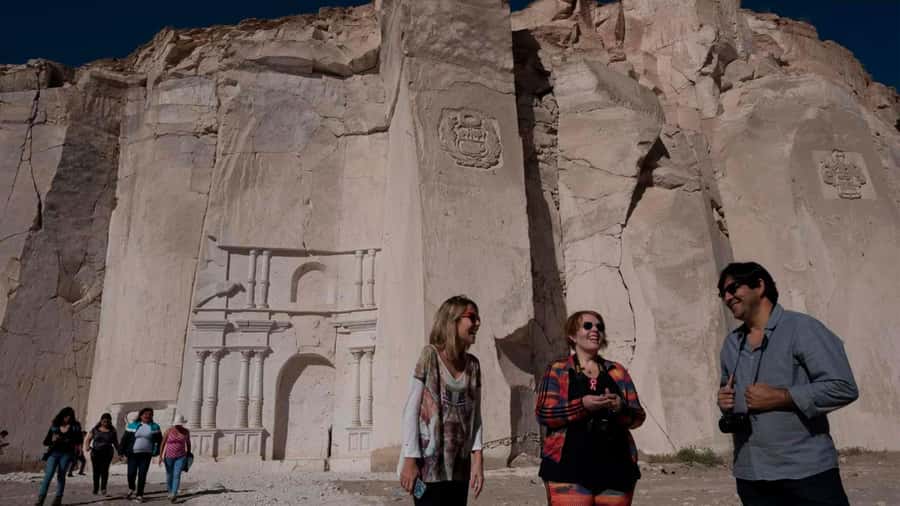
Arequipa’s famous white buildings begin outside the city, in quarries where volcanic stone is cut into blocks by hand. This tour takes you to the Sillar Route, then on to Culebrillas Canyon, where narrow rock walls hold petroglyphs linked to the Wari culture.
I like the direct connection between Arequipa’s architecture and its volcanic source, and I like the short canyon walk with its 15-to-20-meter walls. The main drawback is important: you may not see stonemasons working, and the explanation of the craft may be brief.
Key points to know before you book
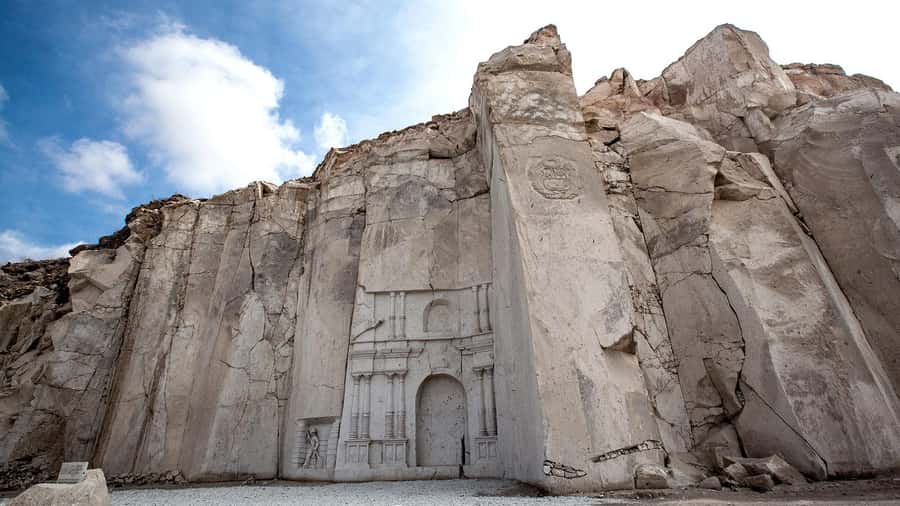
- Volcanic white stone: Learn how lava from the volcanoes around Arequipa became the ashlar blocks used in local buildings.
- Two separate entry fees: Budget S/. 10 for the Añashuayco Quarries and S/. 5 for Culebrillas, in addition to the tour price.
- Culebrillas petroglyphs: Look for symbols carved into the canyon rock and associated with the Wari culture more than a millennium ago.
- Short walking tour: The quarry visit leads into roughly 30 minutes of walking before the Culebrillas section.
- Afternoon schedule: Meet at the Cathedral door in Arequipa’s Main Square between 1:45 and 1:55 PM if using the stated meeting point.
- English or Spanish guide: Transport is by bus or minibus, depending on group size.
Why the Sillar Route matters to Arequipa
Arequipa is known for its pale volcanic stone, often called sillar or ashlar. The material gives the city’s historic buildings their bright appearance and ties the urban center to the volcanoes around the region.
That connection is the best reason to take this excursion. You are not simply looking at another rock formation. You are seeing the source of a building material that shaped the look of Arequipa.
The stone began as volcanic lava. Over time, it became the light-colored rock that quarry workers cut and shape into blocks. The work requires hand tools and care. The supplied information explains that using the wrong method can cause the stone to break, which helps explain why the craft is slower and more demanding than a simple cut-and-carry operation.
I like this kind of visit because it gives you a better way to read the city afterward. Once you know what sillar is, the pale churches and colonial structures around the Plaza de Armas feel less like isolated sights. They become part of a larger story about volcanic ground, quarry work, and local building traditions.
Still, keep your expectations sensible. This excursion is designed to show the quarries and explain the stone, not guarantee a live craft demonstration. At the time of writing, the experience may contain little or no visible stonemason activity. If watching artisans shape blocks is your main reason for going, that uncertainty matters.
more sillar route mornings
- From Arequipa: Sillar Route Trek
★ 4.2 · 461 reviews - Sillar Route and Culebrillas Petroglyphs
★ 4.5 · 89 reviews - Sillar Route in Arequipa and viewpoint of the Volcanoes
★ 4.0 · 71 reviews
From Arequipa to the Añashuayco quarries
The tour begins with pickup from your hotel in Arequipa, then follows the Uchumayo road toward the quarry area. The transport is a bus or minibus, with the vehicle chosen according to group size.
The published meeting information also gives a precise central meeting point: the door of the Cathedral on Arequipa’s Main Square, between 1:45 and 1:55 PM. Because the tour information mentions both hotel pickup and this meeting point, confirm the exact arrangement when you book. If you are told to meet at the cathedral, arrive early. A ten-minute meeting window leaves little room for a late arrival or a wrong corner of the square.
The ride takes you away from central Arequipa and toward the source of the city’s building stone. The trip itself is mainly practical transport, but it sets up the contrast between the finished architecture downtown and the rough quarry work outside the center.
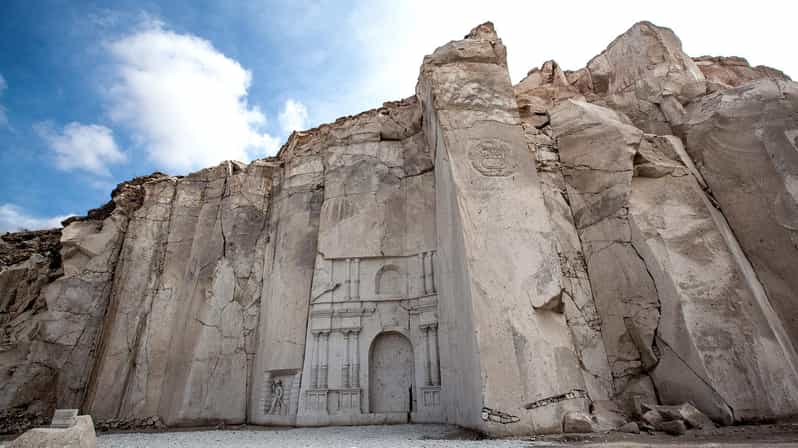
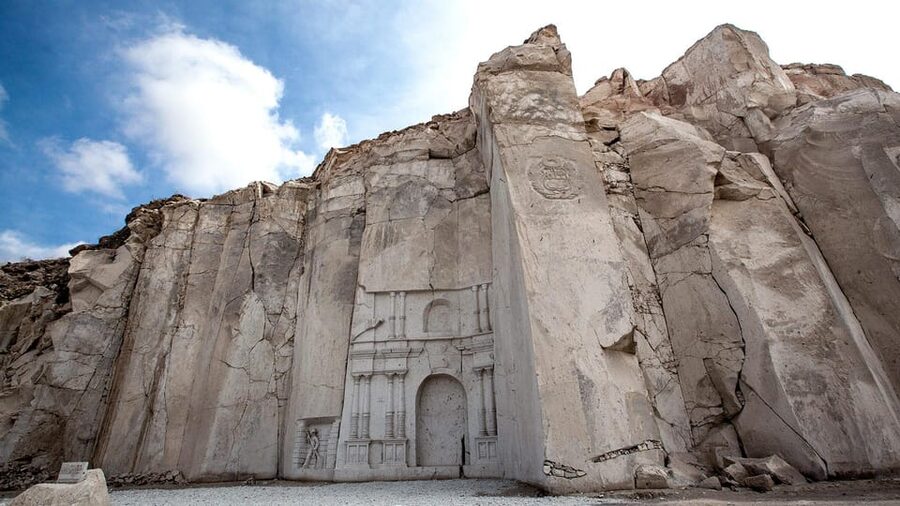
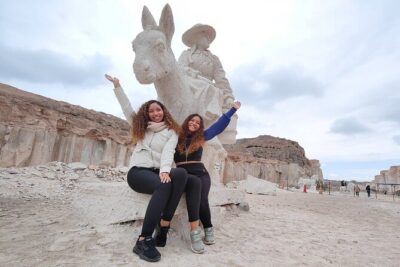
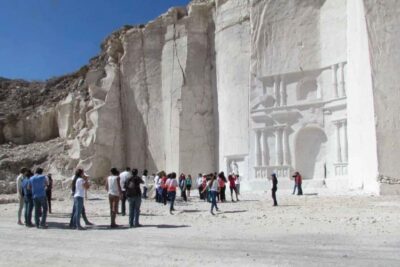
At Añashuayco, the guide is expected to explain the work of the stonemasons and the qualities of the stone. You can learn how the blocks are cut and why handwork is important. The visit also gives you a chance to see the marks and shapes left by quarrying.
The key word here is expected. The craft explanation can be sparse, and a working quarry is not the same as a staged demonstration. You may see cut stone and the quarry setting without seeing artisans actively carving blocks. That makes this stop more useful for understanding the material than for watching a full production process.
The entrance fee is S/. 10 per person and is not part of the $35 tour price. Keep this in mind when comparing the cost with other Arequipa excursions. The extra amount is modest, but the final price is not simply the advertised tour fare.
What you actually learn about ashlar stone
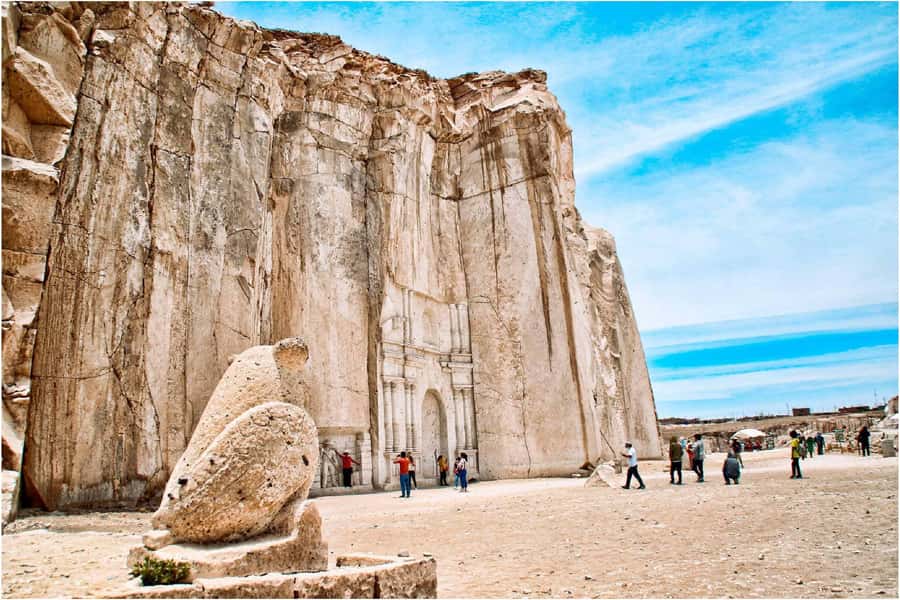
A good guide can make the quarry visit meaningful by linking three points: volcanic lava, manual carving, and Arequipa’s architecture. Those are the pieces that turn a short quarry stop into something more than a photo break.
The stone is not presented as an ordinary construction block. It is a material that needs careful handling. The description notes that exclusive manual work is required because other methods may make the stone break. That detail gives you a useful sense of the skill involved, even if no craftsperson is working in front of you.
The local buildings provide the reason this matters. In central Arequipa, sillar is part of the city’s visual identity. At the quarry, you see the raw material before it becomes part of a church, courtyard, or other regional construction.
I would listen closely during this section and ask direct questions if the explanation feels thin. Ask how the stone is separated, how the blocks are shaped, and what makes a usable piece. The available information does not promise a long technical talk, so a curious question may help you get more from the guide.
Do not plan on buying food during the tour. Food is not included, and the four-hour schedule is built around transport, quarry visits, and walking rather than a meal stop. Eat beforehand or arrange your own snack around the tour, while following any instructions from the operator about food in the vehicle or quarry.
The walk toward Culebrillas Canyon
After the quarry section, the route includes approximately 30 minutes of walking to reach Culebrillas Canyon. This is a useful detail for planning your afternoon. The excursion is not entirely a vehicle-based sightseeing loop.
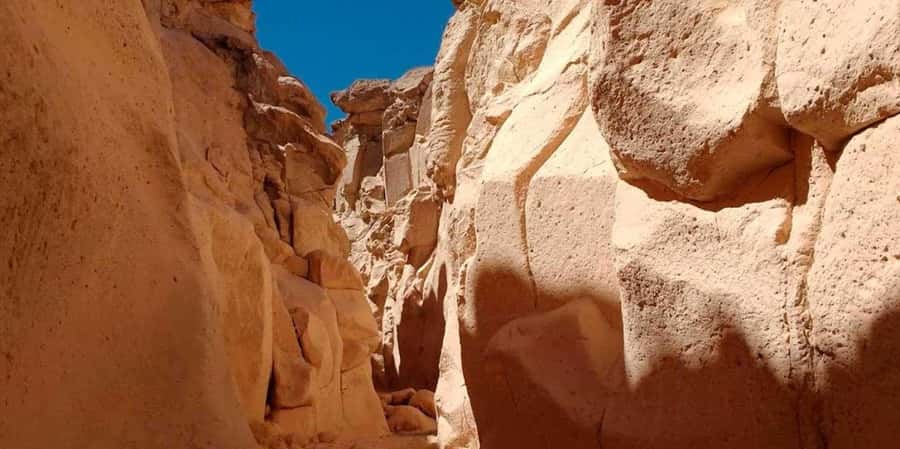
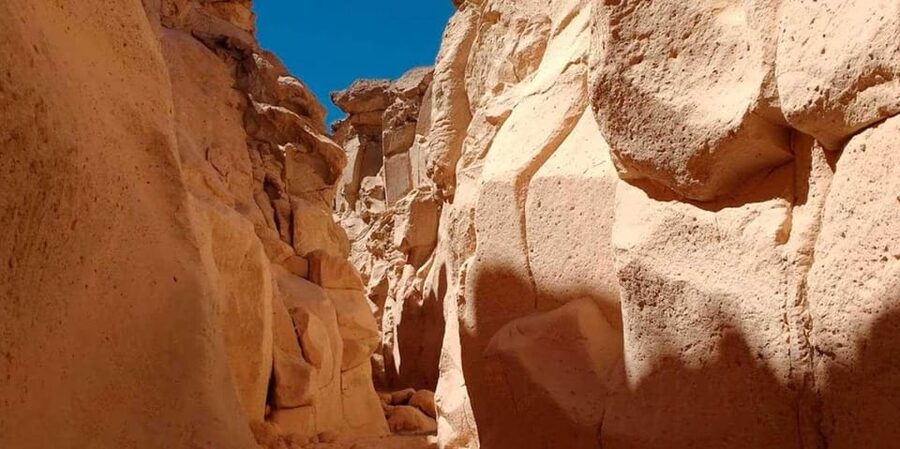
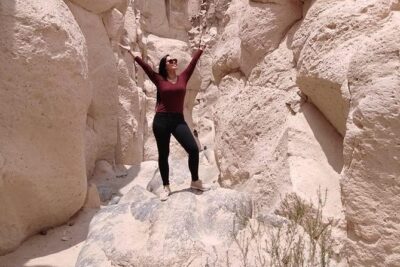
The walk leads to a gorge shaped by nature and the passage of water. Its rock walls rise about 15 to 20 meters, creating a narrower and more enclosed setting than the open quarry area.
You will have time to take photographs, but the visit is also about looking closely at the rock. The canyon’s walls hold petroglyphs, symbols carved into the stone whose exact meaning remains an enigma. These markings are associated with the Wari culture and are more than a thousand years old.
That age gives the stop its strongest sense of place. The quarry shows a living building tradition, while the petroglyphs point to an older human presence. Within one short outing, you move from modern regional stonework to ancient marks cut into the canyon wall.
The word canyon can make the walk sound more strenuous than the supplied details support. The stated walking portion is approximately 30 minutes before the next destination, followed by a walk between the walls. The tour information does not provide a difficulty rating, so you should be prepared for ordinary uneven outdoor ground rather than assuming a paved path.
Wear shoes suitable for walking and allow yourself time to look where you step. The best part of Culebrillas is likely to be the combination of narrow stone walls, natural shapes, and petroglyphs. Rushing through it to take one quick photograph would miss the point.
Somewhere else entirely, still within reach of Arequipa:
- From Arequipa: Colca Canyon Full-Day Guided Tour with Meals
★ 4.5 · 982 reviews - Tour to the Salinas Lagoon and National Reserve in Arequipa
★ 4.5 · 548 reviews - Arequipa: Chili River White Water Rafting with Hotel Pickup
★ 4.8 · 329 reviews - 2-Day Tour Colca Canyon in Arequipa with end in Puno
★ 4.6 · 248 reviews
Seeing the Wari petroglyphs at Culebrillas
The petroglyphs are the most unusual feature of the second stop. They are not presented as a collection with fully explained meanings. Instead, you see symbols engraved in rock and are left with questions about who made them and what they meant.
The connection to the Wari culture places the carvings more than a millennium in the past. That gives the canyon a human story as well as a geological one. The markings are small reminders that the region’s past reaches far beyond colonial Arequipa and its white stone buildings.
You should not expect a museum-style interpretation with every image identified. The information provided says their meaning remains unknown. Your guide can point out the carvings and offer context in English or Spanish, but the exact level of detail may vary.
This is where the tour’s value depends heavily on the guide. The experience includes live guiding in English or Spanish, which is useful because the petroglyphs may not be obvious at first glance. Without a guide, you could easily walk past a symbol or mistake a natural mark for a carving.
Take photographs carefully and avoid touching the rock. The carvings are the reason for visiting this part of the canyon, and preserving them matters more than getting a close-up image.
Price, extra fees, and what the four hours deliver
The tour costs $35 per person. At that price, you receive hotel pickup or central meeting arrangements, transport, return transfer to central Arequipa, and a live guide in English or Spanish.
You also need to add S/. 10 for the Añashuayco Quarries and S/. 5 for the Culebrillas Quarries. That makes S/. 15 in required entrance fees per person, before food or travel insurance.
I consider the price reasonable if you want a short, organized trip that combines two different sights outside the city. Hiring transport separately could be inconvenient, especially for an afternoon excursion with two stops. The tour also removes the need to work out the route to the quarries on your own.
The value is weaker if you want a detailed artisan workshop. The experience does not guarantee that you will watch stonemasons at work, and the practical information about stone carving may be limited. In that case, much of what you are paying for is transport, access, and a guided introduction to the sites.
The four-hour duration fits well into an Arequipa schedule. You can spend the morning visiting central sights, take this outing in the afternoon, and return near the Plaza de Armas after the exploration. The return transfer ends near the square, which is convenient for dinner or an evening walk.
The tour offers free cancellation up to 24 hours before departure for a full refund. It also allows you to reserve now and pay later, which can help if you are still arranging your Arequipa plans. Travel insurance is not included.
Who will get the most from this outing
I would choose this tour if you want to understand where Arequipa’s pale stone comes from and you enjoy adding a small archaeological stop to a short regional trip.
It suits you especially well if:
- You have half a day available after seeing central Arequipa.
- You want transport included rather than arranging a quarry visit yourself.
- You can manage a roughly 30-minute walk and additional walking inside the canyon.
- You are interested in old rock carvings, even when their meaning is not fully known.
- You speak English or Spanish, or want a guide who can work in one of those languages.
- You are comfortable with a quarry visit that may be observational rather than a live workshop.
I would be more cautious if you need a highly detailed lesson in stone carving or consider active artisan demonstrations essential. The excursion may show the quarry setting without showing workers in action, and the explanation of the material can be brief.
Families and mixed-age groups should pay attention to the walking element. The total activity lasts four hours, and the tour includes outdoor walking between the quarry and canyon sites. The supplied details do not state an accessibility rating, so ask the operator about the route if anyone in your group needs a fully accessible path.
Practical details for a smoother afternoon
The stated meeting point is the Cathedral door on the Main Square, with arrival required between 1:45 and 1:55 PM. Even if hotel pickup is arranged, confirm the pickup time and location before the day of departure.
Bring money for the two entrance charges: S/. 10 for Añashuayco and S/. 5 for Culebrillas. The tour price does not cover either fee.
Bring a camera for the canyon walls and petroglyphs, but do not treat the visit as only a photography stop. The carvings may require help from the guide to locate and understand.
Because food is not included, handle your meal plans before or after the outing. The trip returns near the center of Arequipa after about four hours, giving you a practical end point near the Plaza de Armas.
The operator is Transporte Chullos Travel. Transport may be by bus or minibus, depending on the group size. No individual guide names are supplied, so you will receive an English or Spanish-speaking guide without being able to request a named guide from the information provided.
Should you book the Sillar Route and Culebrillas Canyon?
Book it if you want a compact look at two sides of Arequipa: the volcanic stone behind its famous buildings and ancient petroglyphs in a narrow canyon. The combination is worthwhile, the timing works well for an afternoon, and the included transport keeps the outing simple.
Do not book it solely for a guaranteed demonstration of traditional stone carving. You may see the quarries without seeing artisans at work, and the explanation may be shorter than you hope.
For $35 plus S/. 15 in entry fees, I see this as a fair short excursion for curious first-time visitors who want context beyond the city center. Go with realistic expectations, arrive at the meeting point on time, and treat the Sillar Route as a visual introduction to Arequipa’s building stone rather than a full craft workshop.
FAQ
How long does the Sillar Route and Culebrillas Canyon tour last?
The activity lasts four hours, including transport, the quarry visit, walking, and the return transfer to central Arequipa.
Where is the meeting point?
The stated meeting point is at the Cathedral door on the Main Square of Arequipa. You need to arrive between 1:45 and 1:55 PM if using this meeting arrangement.
Is hotel pickup included?
Yes. Hotel pickup in Arequipa and a return transfer to the center of Arequipa are included. Confirm the exact pickup details because the activity also lists the Cathedral door as a meeting point.
Are the entrance fees included in the $35 price?
No. You pay S/. 10 per person for the Añashuayco Quarries and S/. 5 per person for the Culebrillas Quarries.
Is the tour available in English?
Yes. The activity includes a live guide who speaks English or Spanish.
Can I cancel for a full refund?
Yes. You can cancel up to 24 hours in advance for a full refund. You can also reserve now and pay later.
Recently added around Arequipa
- From Arequipa: 1 Day Tour to the Colca Canyon + Buffet lunch★ 4.2 · 3 reviews
- Arequipa: Colca Canyon Trekking 2 days and 1 night + food★ 4.8 · 3 reviews
- Arequipa: Catarata de Pillones and Bosque de Piedras Tour★ 4.3 · 3 reviews
- From Arequipa: Full Day Colca Canyon Tour★ 4.5 · 3 reviews
- 2-Day Colca Canyon Tour to Puno with accommodation★ 3.9 · 3 reviews
- From Arequipa: Colca Canyon and Condor Watching Day Trip★ 3.7 · 3 reviews
- Cooking Class Typical Food in Arequipa★ 3.9 · 3 reviews
- Walking tour through the Historic Center of Arequipa★ 4.0 · 3 reviews
Sillar Route Tours, compared.
Sillar Route in Arequipa and viewpoint of the Volcanoes
Read our review →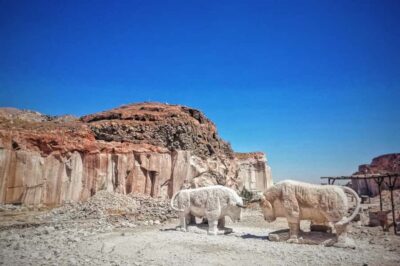
4 hours Tour: Route of Sillar with Trek in Culebrillas
Read our review →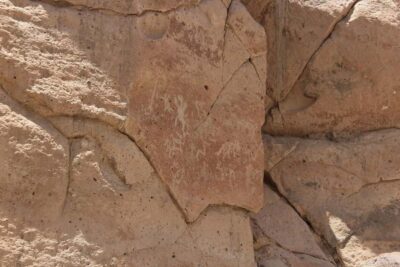
Route of the Sillar | Quarries of Añashuaycos | Half day
Read our review →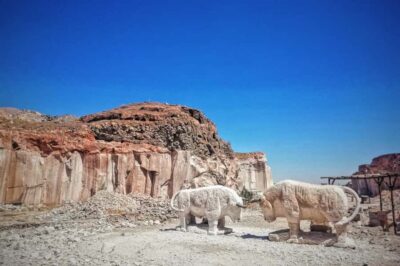
4-hour excursion: Sillar Route with Hiking in Culebrillas
Read our review →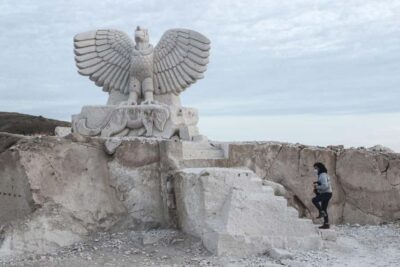
Trek to the Route of the Sillar and Culebrillas in Arequipa
Read our review →Browse the lists this tour appears in