
Reviewed · LIMA TOURS
Lima: Food Tour on Local Market
Lima’s best food lessons happen at the market counter, not behind a polished restaurant door. This three-hour walk takes you through Barrios Altos, Chinatown, Central Market, and local food stops for nine Peruvian snacks, including ceviche, anticuchos, papa rellena, picarones, and lucuma.
I like the range: potatoes, fish, grilled meat, fruit, pastry, and Chinese-Peruvian bites all arrive in one compact route. I also like the cultural thread, especially the explanation of how Chinese cooking shaped Lima. The main caution is pace: nine tastes in three hours can feel like a lot, so arrive hungry but not stuffed.
Key points
- Nine tastings included: Food covers classic Peruvian snacks, drinks, fruit, dessert, and Chinese-Peruvian dishes.
- A real city walk: The route links Barrios Altos, Chinatown, Central Market, street vendors, and small food businesses.
- Ceviche and anticuchos: You get two of Peru’s best-known foods in their everyday local setting.
- Chinese-Peruvian cooking: Siu mai and min pao show how Chinese traditions became part of Lima’s food culture.
- Helpful guides: Tours run in English or Spanish, and Giovanna is one guide named in the experience details.
- Three hours for $75: The price makes the most sense if you value a broad tasting menu plus local context rather than a simple market visit.
Why this Lima food walk works
Lima can be hard to read at first. Its size, busy streets, old districts, and wide food traditions do not always reveal themselves in a single afternoon. This tour gives you a useful starting map through food.
You begin at Jr. Cusco 400 and walk into Barrios Altos. From there, the route moves through central Lima, Chinatown, the Central Market, and several food stops before returning to the starting point. Food is included in the $75 price, so you do not need to keep paying at each stop.
I see this as an introduction rather than a full survey of Peruvian cuisine. You will not sample every regional dish, and the tour does not promise a long sit-down meal. Instead, you get small portions of many familiar foods, with a guide explaining what they are and why they matter.
That format is useful on a first visit. You can learn which dishes deserve a second helping later in your trip, and you get an early sense of how Lima eats on an ordinary day.
More Food Tours in Lima
- Lima: Ultimate Peruvian Food Tour
★ 4.9 · 700 reviews - Lima: Historic Center Street Food, Market, and Eateries Tour
★ 4.9 · 216 reviews - Lima Street Food Tour Beyond Netflix
★ 5.0 · 117 reviews
Barrios Altos begins with familiar Peruvian comfort food
The opening walk through Barrios Altos brings you straight into local eating habits. The first foods include choclo con queso and papa rellena, two simple but filling examples of Peruvian comfort food.
Choclo con queso pairs large-kernel corn with cheese. Papa rellena is a stuffed potato preparation, usually shaped and fried, with a savory filling inside. On this tour, these foods help set up a useful theme: Peru’s cooking often starts with humble ingredients and turns them into something substantial.
The streets matter as much as the first bites. You stroll through the historic area before stopping for more food, so the guide can connect what you see around you with the dishes in hand. That connection is one reason I prefer this kind of route to a tasting held entirely in a restaurant.
You should expect walking between stops, city traffic, and the practical feel of a working district. This is not a staged food show. If you want a quiet, polished setting, the route may feel rough around the edges. If you want a closer look at everyday Lima, that is part of the appeal.
Ceviche gives the tour its famous Peruvian bite
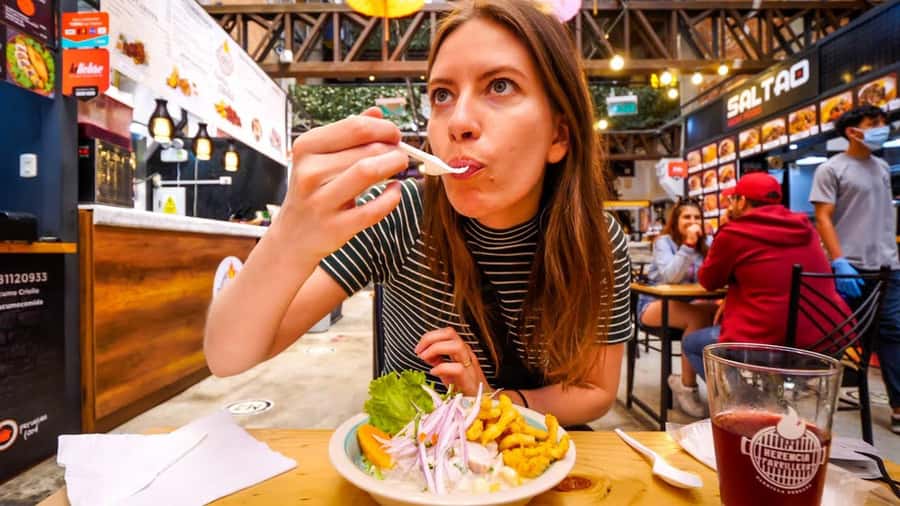
After the first snacks, the route includes a fresh ceviche tasting. Ceviche is one of Peru’s signature foods, and it gives the tour a lighter, sharper change after the potato and corn dishes.
The tasting is useful because it puts a famous dish into the wider setting of Lima’s food culture. You are not only checking ceviche off a list. You are tasting one of the foods that has made Lima a major food destination while standing in the city where it belongs.
The provided details do not specify the fish, preparation time, or portion size, so you should think of this as a tasting rather than a full ceviche lunch. That distinction matters. If ceviche is your main reason for booking, ask the operator what is served on your date.
I would also avoid eating a large breakfast before the tour. The route includes nine foods and drinks, and the advice to arrive with room is practical, not decorative.
Chinatown explains Lima’s Chinese-Peruvian connection
The Chinatown section gives the walk a stronger cultural angle. Here, you taste siu mai and min pao while learning about Chinese culture and its influence on Peruvian society.
These dishes show that Peruvian food is not one isolated tradition. Lima’s cooking developed through contact between different communities, and Chinese-Peruvian food became a lasting part of the city’s identity. The guide’s explanation helps you see Chinatown as more than a place to grab lunch.
Siu mai and min pao also provide a welcome change from the Peruvian snacks earlier in the route. You move from corn and potato to steamed or filled Chinese-style bites, then consider how those flavors became part of Lima’s own food habits.
I especially like this stop for people who want context with their meal. A market tour that only lists ingredients can become forgettable. Here, the food opens a conversation about migration, adaptation, and daily life.
The route information does not say how long you remain in Chinatown or which streets you visit. Expect a guided stop within the wider walk, not a separate extended Chinatown tour.
More Market Tours in Lima
- Market Tour, Tasting of 35 Fruits, and 4-Course Peruvian Cooking Class in Lima
★ 5.0 · 86 reviews - #1 Rated Cooking Classes with Local Market Tour & Pickup
★ 5.0 · 69 reviews - Private Cooking + Market with Maido’s Former Creative Chef (+trasportation)
★ 5.0 · 49 reviews - Lima: Market Tour and Cooking Class with Pisco Sour
★ 5.0 · 3 reviews
Central Market brings the smells and ingredients
At Lima’s Central Market, you get the strongest market portion of the experience. The route takes you through local spices and traditional ingredients, with food stalls and vendors providing the working backdrop.
Markets are valuable because they show food before it reaches the plate. You can connect the finished snacks with the produce, seasonings, and staples used in Lima kitchens. The tour description specifically includes street food, regional food, and a food market visit, so the market is not just a pass-through point.
Here you taste lucuma juice, a sweet fruit drink made from one of Peru’s distinctive native fruits. Lucuma is often associated with desserts and sweet flavors, so the juice gives you a straightforward way to try it.
The market also brings anticuchos and picarones. Anticuchos are grilled skewers and a major part of Peru’s street food tradition. The experience includes a chance to help prepare your own, which adds a small hands-on element to the walk.
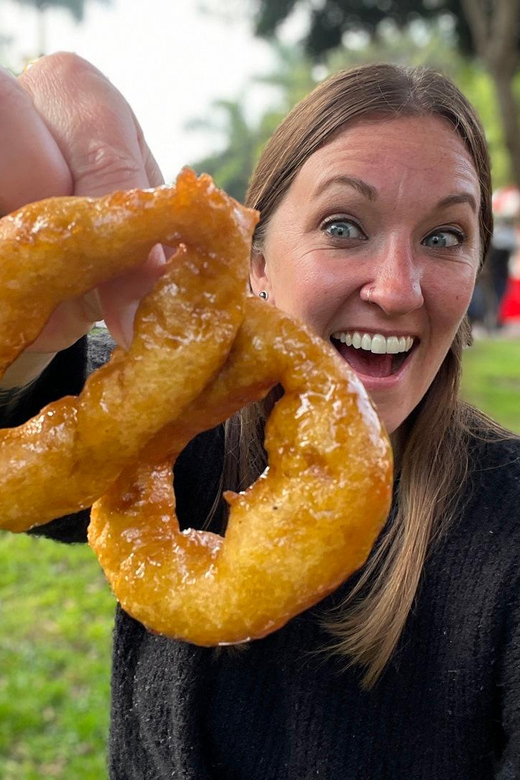
Picarones are a traditional Peruvian dessert, usually fried and ring-shaped. Their sweet finish contrasts well with the savory anticuchos. Together, these two stops show how a street food outing can move from grill smoke to dessert without changing neighborhoods.
Market conditions can vary. Noise, crowds, and changing vendor activity are normal possibilities, and the tour does not promise a private market room or reserved seating. Wear comfortable shoes and keep your attention on the guide while walking.
Chinitos adds a substantial local sandwich
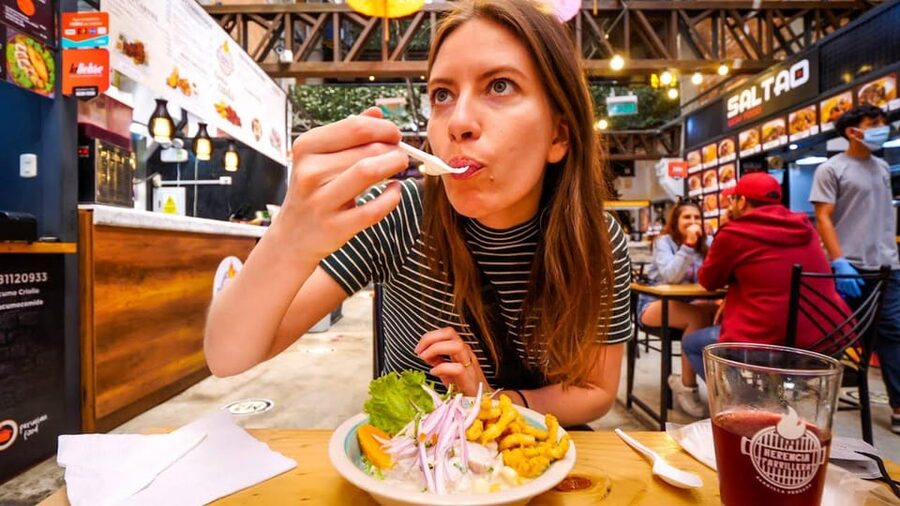
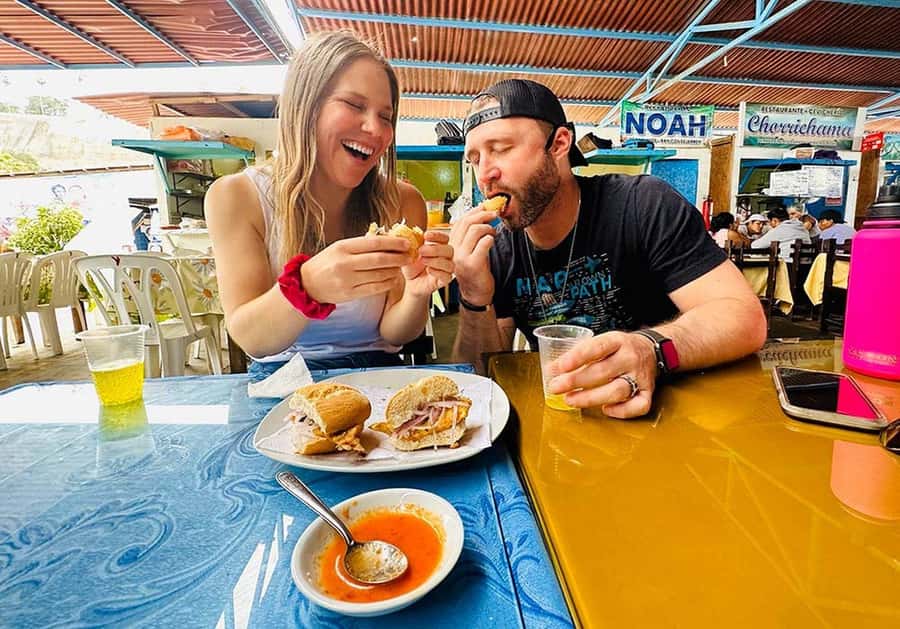
The food journey continues at Chinitos restaurant for pan con chicharrón and emoliente. This is one of the more filling combinations on the route.
Pan con chicharrón is a pork sandwich, and it gives you a taste of the kind of satisfying food many people seek after a morning of walking. Emoliente is a traditional Peruvian drink, often served warm and associated with street vendors. The pairing offers another look at local food habits, this time through a sandwich and a familiar drink rather than a small snack.
This stop may be the point where your appetite catches up with you. You have already sampled several foods, so the portion size matters. The tour gives no exact serving weights, and you should not assume the sandwich is a full meal replacement. Still, it is more substantial than a tiny sample and helps round out the food selection.
The Chinitos visit also gives the route a change of setting. After streets and market counters, you have a named restaurant stop where you can focus on the food. That variety keeps the three-hour program from feeling like one long sequence of vendor stalls.
Bolivarsito closes with fruit and an optional Pisco Sour
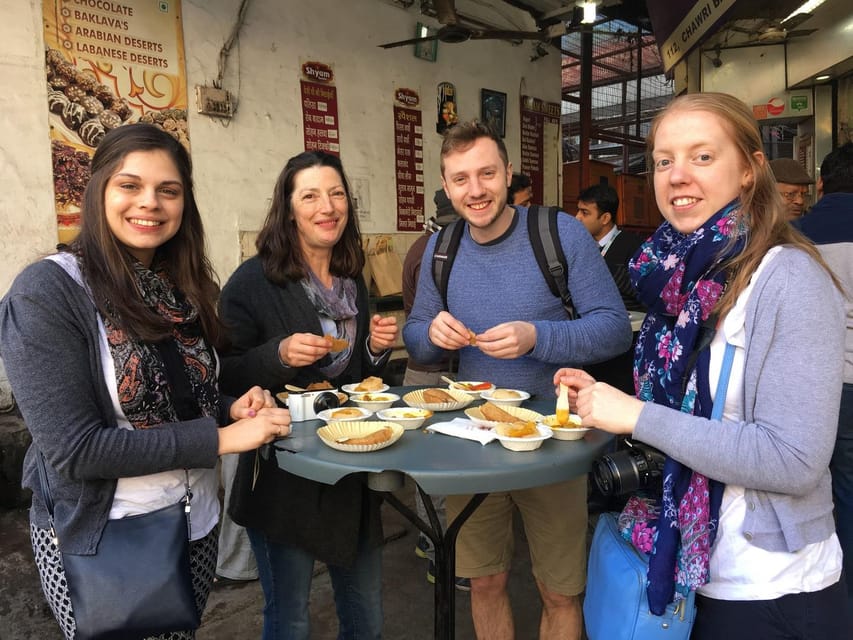
The final stop is Bolivarsito, where you can try seasonal exotic fruits. A guide may also help you identify what you are tasting and explain how the fruit fits into local eating habits.
The selection depends on the season, so do not expect a fixed fruit menu. That uncertainty is a good reason to treat this as a chance to try something new rather than a guaranteed tasting of one particular item.
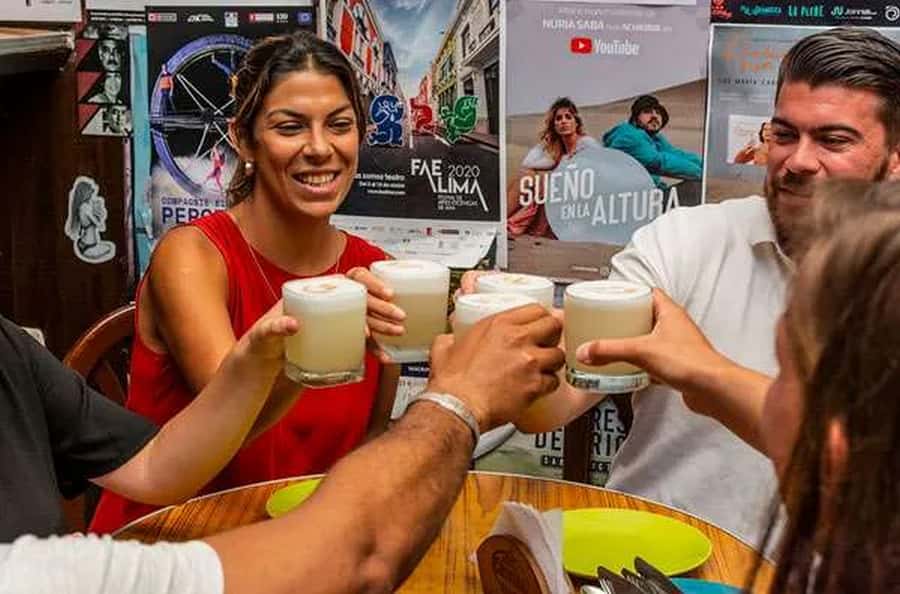
The tour ends back at Jr. Cusco 400. At Bolivarsito, you have the option to order a Pisco Sour, but it is not included in the price. This is an important detail for budget planning. The included food covers the main route, while the cocktail is an extra purchase if you want one.
Ending with fruit and a possible drink gives the tour a relaxed finish. It also means you can decide for yourself if you want the cocktail instead of having it built into the cost.
What the $75 price really covers
At $75 per person, this is not the cheapest way to buy a few snacks in Lima. You could spend less by visiting one market and choosing a couple of foods on your own.
The value comes from the combination of nine included tastings, a certified guide, and a route that links several parts of central Lima. You are paying for interpretation as well as food. That is worthwhile if you want help understanding what you are eating, where it fits into Peruvian culture, and how Lima’s Chinese influence appears on the plate.
The price also removes much of the uncertainty of ordering at unfamiliar stalls. Food is included, and the guide leads you from stop to stop. You do not need to decide which vendor looks trustworthy or worry about ordering the wrong item each time.
Still, $75 may feel high if you mainly want a large lunch. Portions are designed as tastings, and the tour takes three hours. Consider it a guided food lesson with plenty to sample, not an inexpensive way to fill up.
Transportation is not included. The activity begins and ends at Jr. Cusco 400, so you need to arrange your own way to the meeting point and after the tour. That is easy to overlook when comparing prices.
The guide makes the difference
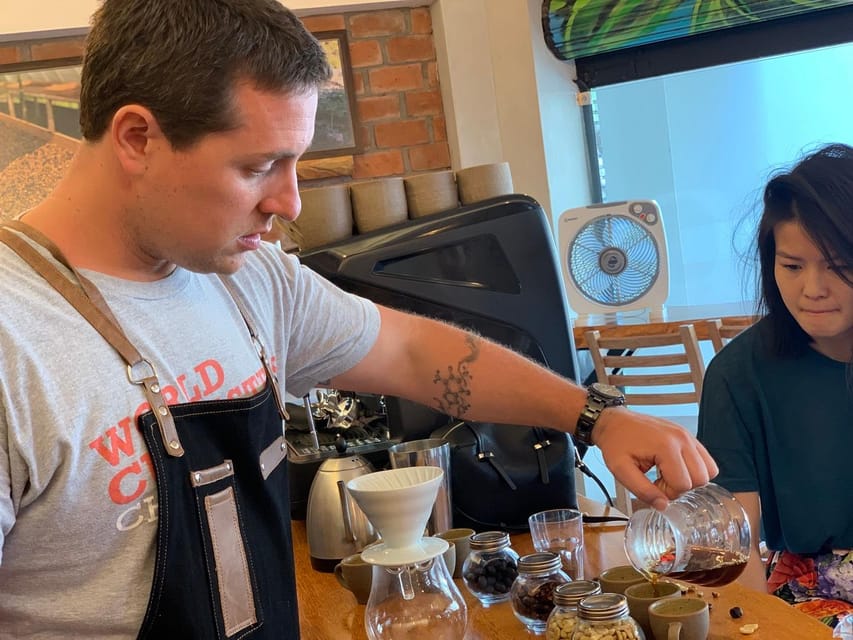
The experience includes a certified guide in English or Spanish. That matters here because the value depends on explanation. Without a guide, you would still taste ceviche or anticuchos, but you might miss the links between ingredients, neighborhoods, and communities.
Giovanna is one named guide associated with this experience. Her approach, based on the available tour details, includes explaining the foods and giving you time to take photos and videos. Another guide, described as well prepared in food and history, used a cutting board to split fruit for sharing. That is a small practical touch, but it shows how the guide can make unusual foods easier to try.
Group size is not specified, and one booking became a private tour. You should not count on a private experience, but it is possible depending on bookings. If that matters to you, confirm the group arrangement before paying.
The route is offered in English and Spanish. Wheelchair access is listed, though a market walk through central streets can still involve tight spaces, uneven surfaces, or busy crossings. If you use a wheelchair, contact the provider before booking to discuss the route on your date.
Who should book this experience
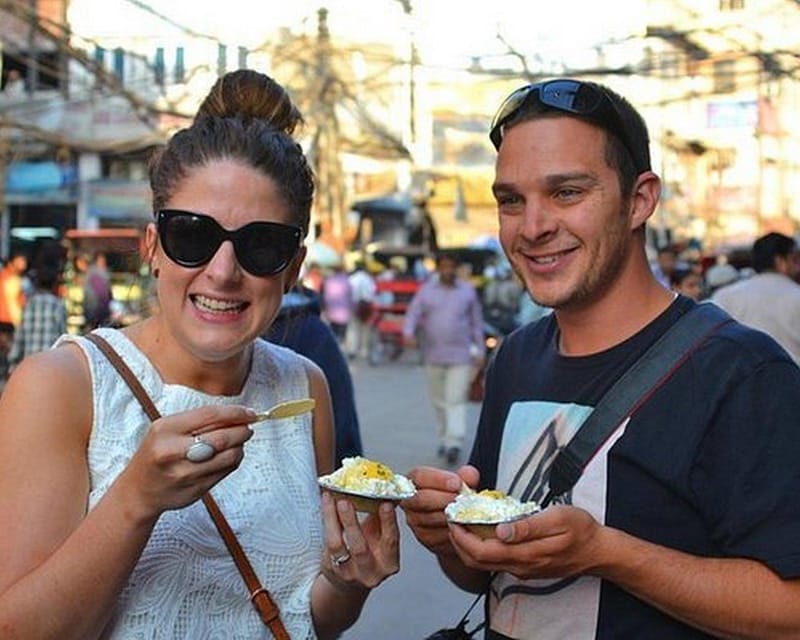
I would recommend this tour to first-time visitors who want a quick introduction to Lima’s food and central districts. It also suits curious eaters who prefer several small tastes over one formal meal.
Families and mixed groups may find the range useful because everyone can try something different. The guide can explain unfamiliar ingredients, and the route includes familiar choices such as fried potato, bread, fruit, and grilled food alongside ceviche and Chinese-Peruvian dishes.
This is also a good fit if you want to understand Lima through its communities. The Chinatown stop and the market visit give the tour more substance than a basic list of snacks.
You may want another option if you need a fully planned meal, have severe dietary restrictions, or dislike walking through busy urban areas. Dietary restrictions can be shared at booking, but the food list includes fish, meat, dairy, wheat-based items, and fried foods. Ask in advance what substitutions are possible rather than assuming every item can be changed.
The tour is less suited to someone who has already spent several days eating across Lima and wants advanced restaurant recommendations. Its strength is orientation and variety, not specialist depth.
Practical advice for a better three hours
Eat lightly beforehand. This is the single most useful tip because the tour includes nine tastings, fruit, and drinks. Arriving hungry helps, but arriving empty after a long morning may make a fast-paced food walk uncomfortable.
Wear shoes suitable for city walking. The route moves through Barrios Altos, Chinatown, the Central Market, and other Lima stops before returning to the starting point. You will get more from the explanations if you are not distracted by sore feet.
Keep a little extra money for the optional Pisco Sour. It is not included, and the tour price does not cover transfers either.
Tell the operator about dietary restrictions when you book. The route contains many different foods, so early notice gives the provider the best chance to explain what is safe or possible.
Free cancellation is available up to 24 hours before the tour for a full refund, and you can reserve now and pay later. Starting times vary, so check availability when choosing your date.
The activity lists an express security check, but the tour details do not explain where or how that applies. Treat the main benefit as the guided food walk, and confirm any security procedure if it affects your schedule.
Should you book the Lima Market Food Tour?
Book it if you want a compact, guided introduction to Lima that combines food with neighborhoods and cultural background. The strongest reasons are the broad nine-stop tasting list, the Chinatown explanation, and the chance to try everyday foods such as anticuchos, pan con chicharrón, and emoliente in local settings.
Think twice if you want a long sit-down lunch, a private group guaranteed in advance, or a low-cost market snack run. At $75, the tour earns its price through the guide and the variety, not through large portions.
For a first afternoon in Lima, I think the route makes a smart choice. You leave knowing what lucuma tastes like, how Peruvian and Chinese food meet, which snacks to seek out again, and how central Lima’s food culture fits together.
FAQ
How long is the Lima Market Food Tour?
The tour lasts three hours.
Where does the tour start?
The meeting point is Jr. Cusco 400.
Where does the tour end?
The route returns to Jr. Cusco 400.
How many foods will I taste?
The experience includes nine popular Peruvian snacks, along with drinks and seasonal fruit.
Is food included in the tour price?
Yes. Food is included in the $75 per-person price.
Is a Pisco Sour included?
No. A Pisco Sour at Bolivarsito is optional and must be paid for separately.
Which languages are available?
The tour is offered in English and Spanish with a live guide.
Can I share dietary restrictions?
Yes. You should tell the provider about dietary restrictions when booking.
Is transportation included?
No. Transfers are not included.
Can I cancel for a full refund?
Yes. You can cancel up to 24 hours in advance for a full refund.
More Markets in Lima
- Lima: Market Tour, 35 Fruits Tasting & Cooking Class
★ 5.0 · 3 reviews - Full Day Lima: Local Market+ CityTour+ Barranco & Miraflores
★ 5.0 · 3 reviews - Cusco: Peruvian Cooking Class, Cocktails & Local Market Tour
★ 4.9 · 512 reviews - Pisac Indian Market and Ollantaytambo Fortress with Lunch
★ 4.5 · 395 reviews
More Food & Drink in Lima
- The 10 Tastings of Lima With Locals: Private Street Food Tour
★ 5.0 · 92 reviews - Trending Flavors: Miraflores Walking Tour Including Food and Drinks Tasting
★ 5.0 · 63 reviews - 5 iconic restaurants of Lima a 3-hour guided food tour in Barranco
★ 4.5 · 48 reviews - Lima Street Food: A gastronomic adventure through the city.
★ 4.5 · 42 reviews
Recently added around Lima
- Enjoy Lima Walking Historic Center, Plaza San Martin and Plaza de Armas★ 5.0 · 3 reviews
- From Lima: City tour Prehispanic + Colonial & Modern Lima★ 5.0 · 3 reviews
- Lima: City Sightseeing Panoramic Bus Tour★ 3.3 · 3 reviews
- City Tour Colonial and Modern Lima for 5 Hours★ 3.2 · 3 reviews
- Lima: Lunuhuaná Extreme All In + Cerro Azul + Rafting + ATV + Canopy★ 4.4 · 3 reviews
- Lima: Shanty Town Exploration★ 5.0 · 3 reviews
- Lima: Tour to Huaca Pucllana and Huaca Mateo Salado★ 5.0 · 3 reviews
- Lima: Historic Center Walking Tour with Pisco Sour Tasting★ 5.0 · 3 reviews
Lima Tours, compared.

Full Day Paracas Ica and Huacachina from Lima All Included
Read our review →
Lima’s Vibrant Heritage: Exploring the City’s Landmarks Half-day
Read our review →

Paracas and the Huacachina Oasis Guided Day Tour
Read our review →
The Charm of Barranco & Pre Inca Pyramid in Miraflores
Read our review →
Full Day to Paracas and Huacachina Desert Oasis
Read our review →
Pachacamac Ruins & Barranco Half-Day Guided Tour
Read our review →Browse the lists this tour appears in