
Reviewed · LIMA TOURS
The 10 Tastings of Lima With Locals: Private Street Food Tour
Lima’s food story makes the most sense on foot, with a sweet bite in a bakery, fruit at Mercado Central, ceviche in the old city, and coffee grown high in the Andes. This private walk ties those tastes to Lima’s squares, churches, markets, and Chinatown.
I like the one-to-one format, since your guide can explain unfamiliar ingredients and adjust the pace. I also like the practical food advice: you leave with ideas for what to order for the rest of your stay. The tradeoff is that three hours passes quickly, and a market walk through central Lima requires a moderate level of fitness.
Key points to know
- Ten food and drink tastings cover sweets, fruit, cheese, olives, dumplings, Andean snacks, ceviche, coffee, and churros.
- A private guide means the route and explanations can respond to your tastes and questions.
- Mercado Central gets the most time, with about 65 minutes devoted to Peruvian produce and local specialties.
- Lima’s historic center is part of the experience, not just a backdrop between snacks.
- Vegetarian alternatives are available, though you should explain your restrictions when booking.
- The tour begins and ends at Jirón de la Unión 958, with no hotel transport included.
A food walk through Lima’s historic center
This is not a sit-down meal with ten courses. It is a compact walking tour built around small tastes, short stops, and the sights of central Lima. You move from one food idea to the next while your guide explains why it belongs in the city’s daily life.
That format works well in Lima. Peruvian cooking can seem like a long list of unfamiliar names when you first arrive. Here, the names come with a flavor, a place, and a bit of local context. You do not just hear about turrón, Andean potatoes, or ceviche. You taste them where the city’s food culture is on display.
The route lasts about three hours. It begins and ends at Jirón de la Unión 958, so you can plan it around other time in the historic center. You select the starting time when booking, a useful feature if you are fitting the walk between museum visits, an arrival day, or dinner plans.
The tour is private, with only you and your guide. That matters more than it might on a standard city walk. If you are unsure about a fruit, curious about a sauce, or avoiding certain ingredients, you can ask without holding up a large group.
More Food Tours in Lima
- Lima: Ultimate Peruvian Food Tour
★ 4.9 · 700 reviews - Lima: Historic Center Street Food, Market, and Eateries Tour
★ 4.9 · 216 reviews - Lima Street Food Tour Beyond Netflix
★ 5.0 · 117 reviews
Turrón near Plaza San Martín
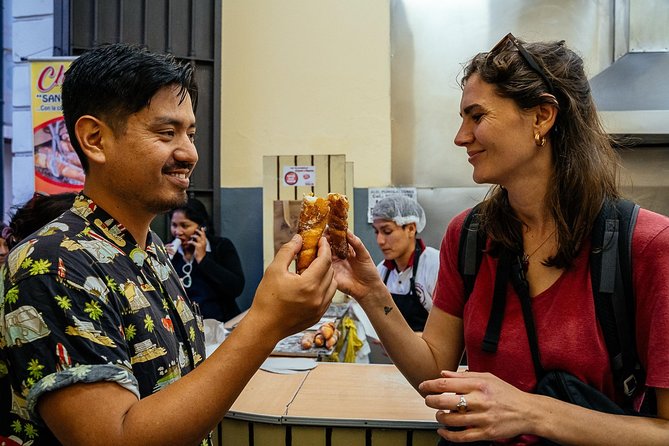
The first taste is turrón at a bakery that has prepared the traditional dessert since 1930. You get about ten minutes here, with a view toward nearby Plaza San Martín and an explanation of the sweet’s roots, which reach back to the 18th century.
Turrón is a good opening bite because it introduces you to a Peruvian specialty before the route turns toward savory food. Expect something sweet and substantial rather than a light pastry. The historical note also gives the tasting a sense of place. You are not eating a generic dessert in a random café. You are starting with a food tied to Lima’s long culinary tradition.
The short stop keeps the tour moving, but it also means you should not expect a full bakery visit. Think of it as a sample and a story, not time to browse every shelf.
Mercado Central: fruit, cheese, olives, and a local drink
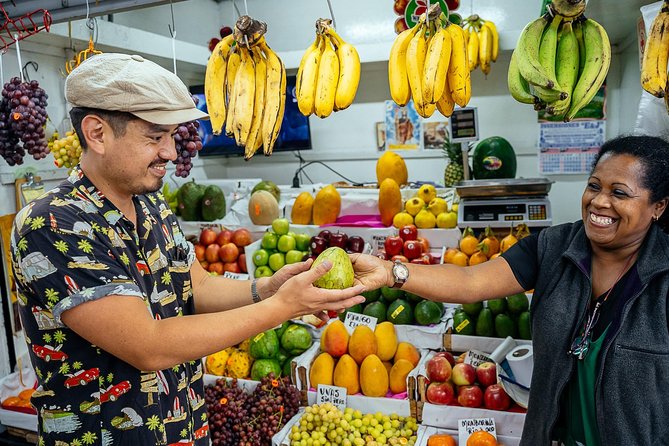
The Mercado Central portion takes about an hour and five minutes, making it the heart of the tour. This is where the range of Peruvian ingredients becomes clearest.
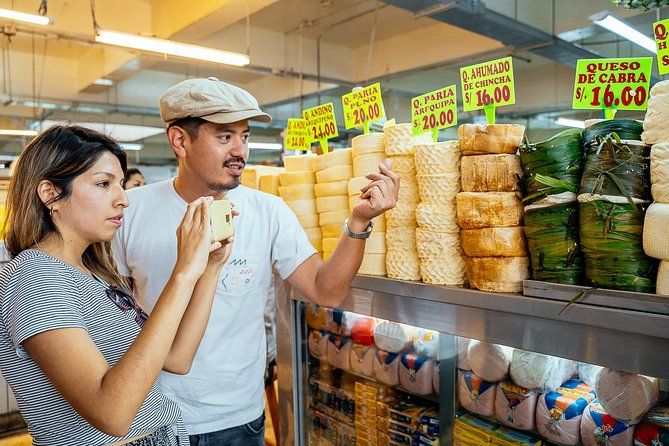
You learn what gives Peruvian cheese its character and taste it with stuffed olives. That pairing is useful because it shows how local ingredients work together. Cheese and olives may be familiar in other countries, but the Peruvian versions give the combination a different accent.
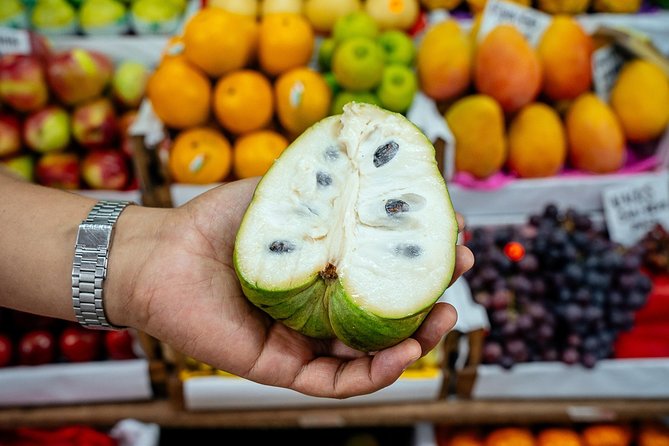
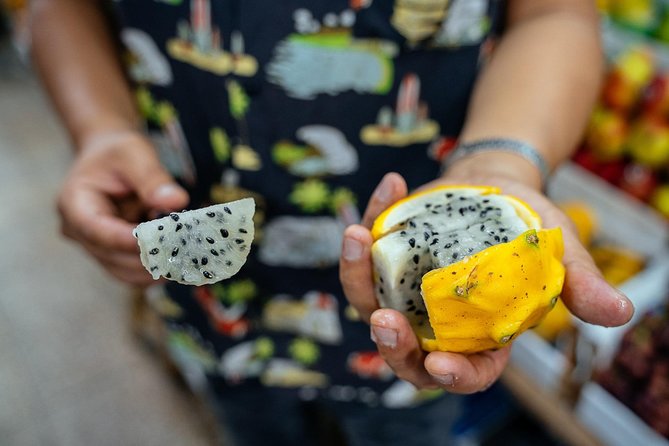
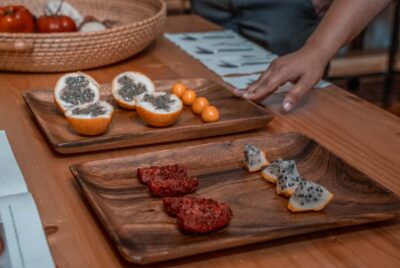
Then the route turns to local fruit. Some of it may be difficult to describe until you taste it, which is part of the appeal. Peru’s geography supports an impressive range of produce, and a market is the right place to encounter it. Rather than seeing fruit arranged for tourists, you get a guide who can tell you what you are trying and how locals enjoy it.
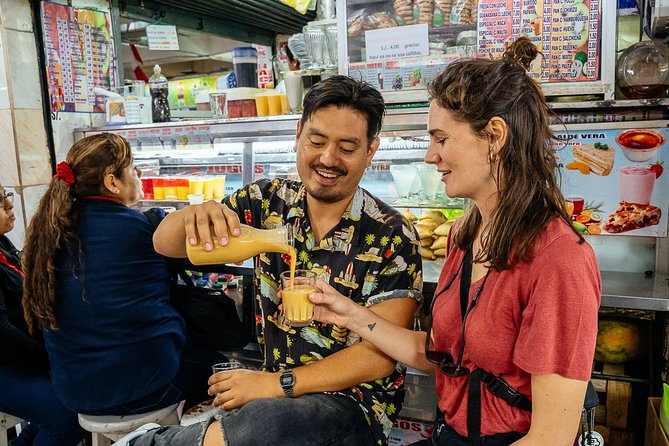
The fruit tasting also becomes a drink. You sip a preparation made with local fruit and see how the same ingredients change when blended or served as a beverage. This is one of the most useful parts of the tour for a first visit, since markets can feel confusing when you are on your own. Your guide helps turn unfamiliar colors, shapes, and smells into food you can recognize later.
The market is also the point where the walking conditions matter most. You should be ready to move through a busy central shopping area, pause on your feet, and keep track of your belongings. The tour information calls for moderate physical fitness, and that is a fair expectation for a three-hour city walk.
Barrio Chino and Peruvian-Chinese dumplings
The stop in Barrio Chino lasts about twenty minutes and focuses on dumplings made with local Peruvian ingredients and Chinese cooking methods. Lima’s Chinese-Peruvian food tradition is one of the city’s defining culinary blends, so this is more than a quick snack.
The tasting helps explain how immigration and local produce shaped the food of Lima. Chinese techniques meet ingredients from Peru, creating something that belongs to both traditions. The setting near the Palacio de Torre Tagle adds a historic visual counterpoint to the food.
This stop is especially good for anyone who wants to understand Lima beyond its famous ceviche. Peruvian cuisine is not one fixed style. It reflects Indigenous ingredients, European influence, Asian cooking, and regional food habits. The dumpling gives you a small but clear example of that mix.
Twenty minutes is enough for a taste and explanation, though not for a long meal. If dumplings are your main reason for booking, keep your expectations in check. They are one part of a much wider food route.
more Lima days to weigh up
- Market Tour, Tasting of 35 Fruits, and 4-Course Peruvian Cooking Class in Lima
★ 5.0 · 86 reviews - Trending Flavors: Miraflores Walking Tour Including Food and Drinks Tasting
★ 5.0 · 63 reviews - 5 iconic restaurants of Lima a 3-hour guided food tour in Barranco
★ 4.5 · 48 reviews - Lima Street Food: A gastronomic adventure through the city.
★ 4.5 · 42 reviews
Andean ingredients beside Lima’s landmarks
Near the Museo Numismático del Perú, you try a group of Andean street foods: potatoes, a hard-boiled egg, lima beans, and giant Peruvian corn. You can add a chili found in Peru’s countryside, which brings extra heat and a stronger rural connection to the tasting.
These foods are simple in appearance, but they show how much Peruvian cooking depends on native crops. Potatoes are central to the country’s food identity, and giant corn has a texture and scale that may surprise you if you know only the small kernels common elsewhere.
This tasting takes about ten minutes. Its strength is contrast. You are eating everyday Andean ingredients while standing near major civic and historic buildings in central Lima. The tour keeps linking food to the city around you rather than treating each bite as an isolated sample.
Along the way, your guide points out the exterior of the Spanish Inquisition and Congress museum and explains parts of Lima’s cultural past. You also see the Cathedral and Government Palace, with time to hear about their history and architecture. These are viewing stops, not interior museum visits, so do not plan on entering either site as part of the tour.
Ceviche and Lima’s oldest open bar
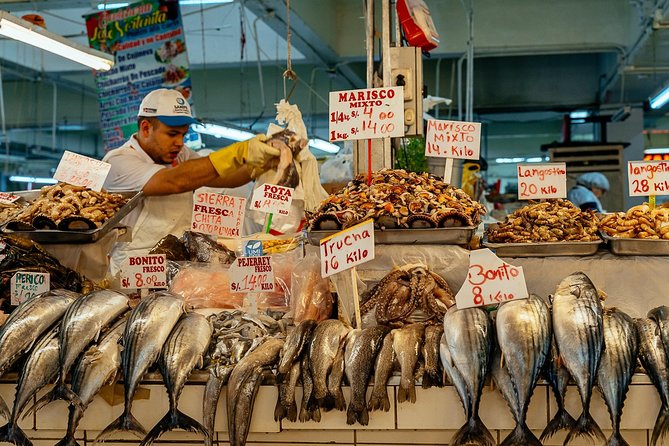
The Centro Histórico stop takes about 25 minutes and introduces you to a local seafood dish made with fish, lemon, onion, salt, and chili. This is the ceviche moment, and it gives you a direct taste of one of Peru’s best-known foods.
The preparation sounds simple, but the balance matters. The citrus, onion, salt, fish, and chili each have a clear role. A guide can help you notice those contrasts instead of reducing the dish to simply fish with lime.
You also visit the oldest bar still open in Peru. The attraction here is as much the setting and local character as the food itself. A historic bar gives the ceviche stop a social context, showing how food and drink fit into the older center of Lima.
Because this is a tasting rather than a full seafood meal, you may want to plan lunch or dinner separately. That is not a flaw, but it is important when judging the tour. Ten samples can add up, yet most are still small portions.
Chanchamayo coffee beside Casa de la Literatura
At Casa de la Literatura Peruana, you spend about 25 minutes learning about Peru’s coffee trade while drinking Chanchamayo coffee. The beans come from the Andes, giving this stop a regional connection that complements the earlier market foods.
Coffee can be a welcome pause after several savory samples. You get time to sit with a cup, take in the nearby landmark, and hear how coffee grown in the highlands reaches the wider market. For you, the value is not only caffeine. It is a chance to connect an everyday drink with Peru’s agricultural regions.
This stop also adds some balance to the route. The experience moves between street food, sweets, market produce, historic buildings, and a more relaxed coffee break. If you enjoy learning how products move from rural areas to city tables, listen closely here.
Peruvian-style churros at San Francisco
The final food stop takes place near the Basílica and Convent of San Francisco and lasts about 25 minutes. The churros are not presented as the Spanish version you may already know. They have a local Peruvian twist, making them a fitting final taste.
Ending with something sweet is sensible after ceviche, chili, cheese, and market produce. The church and convent grounds also give the last stop a strong setting. You get one more chance to connect a food tradition with Lima’s architecture and religious history.
The route does not include a stated interior visit to the convent. The food tasting takes place on its grounds, and the guide explains the surrounding landmark as part of the city walk. If you want to tour the church or its catacombs, you should plan that separately.
What the private format adds
A private tour costs more than joining a group, but the value comes from attention rather than extra attractions. You can ask your guide to explain a strange fruit twice, spend more time on the foods you enjoy, or move past something that does not suit you.
The private setup is also useful for dietary needs. Vegetarian alternatives are offered, though the tour includes seafood and other animal products in its standard food range. Tell your guide about restrictions early, especially if you avoid fish, dairy, eggs, or chili. The supplied details confirm vegetarian options, but they do not promise every possible allergy substitution.
The guide also gives recommendations for the rest of your stay. That practical advice may be worth more than one additional tasting. A good food tour should help you order with confidence later, and this route is designed to do that through direct examples.
Still, private does not mean leisurely in every sense. You cover several parts of the historic center in three hours. You will be walking, standing, sampling, and listening, so comfortable shoes and a willingness to keep moving make sense.
Timing, meeting point, and cancellation terms
The meeting point is Jirón de la Unión 958 in Lima, and the activity returns there at the end. Hotel pickup and drop-off are not included, so you must make your own way to the starting point and arrange your next stop afterward.
The tour is near public transportation, which helps if you are staying outside the historic center. Since the meeting point is fixed, check your route and allow time to arrive before the chosen start time.
Confirmation is provided when you book. Free cancellation is available if you cancel at least 24 hours before the local start time. Within 24 hours, the payment is not refunded, and changes made inside that period are not accepted.
No price is provided in the tour details, so I cannot give a fair dollar-value judgment. Use a simple test: compare the private-tour price with the cost of buying ten small tastings, paying for a guide, and arranging your own explanations of the historic center. If you already know Lima’s food scene and prefer to eat at length, the price may feel high. If you want a focused introduction and personal help choosing what to eat next, the format has a stronger case.
Who should book this Lima food tour?
I would point this experience toward first-time visitors who want a quick grounding in Lima’s food and central sights. It also suits couples, families, and small groups who value private attention and want to choose their own start time.
Food-focused visitors will appreciate the range. You get Peruvian dessert, market fruit, cheese, olives, Chinese-Peruvian dumplings, Andean staples, ceviche, coffee, and churros in one route. History-minded visitors also get a useful walk past the cathedral, Government Palace, Congress, the Spanish Inquisition museum, Palacio de Torre Tagle, Casa de la Literatura Peruana, and San Francisco.
I would be more cautious if you want a long, relaxed lunch, extensive market shopping, or entry into each historic building. This is a tasting walk, not a full museum tour or a restaurant crawl. It also may not suit anyone who struggles with moderate walking or prefers to avoid central-market conditions.
Should you book it?
Book this tour if you want Lima explained through small, varied tastes rather than a single restaurant meal. The private guide, flexible time slot, vegetarian alternatives, and practical food recommendations make it a useful first-day or early-stay activity.
Skip it if you already have a detailed food plan, dislike sampling unfamiliar ingredients, or want generous portions. For most visitors who want an efficient introduction to Lima’s food traditions and historic center, the three-hour route offers a strong mix of eating, walking, and local context.
FAQ
How long is the Lima food tour?
The tour lasts approximately three hours.
Is this a private activity?
Yes. Only your group and your local guide participate.
Where does the tour begin and end?
It begins at Jirón de la Unión 958, Lima 15001, Peru, and ends back at the meeting point.
How many tastings are included?
The experience includes ten food and drink tastings.
Are vegetarian alternatives available?
Yes. Vegetarian alternatives are offered for the tastings.
Is hotel pickup included?
No. Hotel pickup and drop-off are not included, so you must reach the meeting point independently.
Recently added around Lima
- Enjoy Lima Walking Historic Center, Plaza San Martin and Plaza de Armas★ 5.0 · 3 reviews
- From Lima: City tour Prehispanic + Colonial & Modern Lima★ 5.0 · 3 reviews
- Lima: City Sightseeing Panoramic Bus Tour★ 3.3 · 3 reviews
- City Tour Colonial and Modern Lima for 5 Hours★ 3.2 · 3 reviews
- Lima: Lunuhuaná Extreme All In + Cerro Azul + Rafting + ATV + Canopy★ 4.4 · 3 reviews
- Lima: Shanty Town Exploration★ 5.0 · 3 reviews
- Lima: Tour to Huaca Pucllana and Huaca Mateo Salado★ 5.0 · 3 reviews
- Lima: Historic Center Walking Tour with Pisco Sour Tasting★ 5.0 · 3 reviews
Lima Tours, compared.

Full Day Paracas Ica and Huacachina from Lima All Included
Read our review →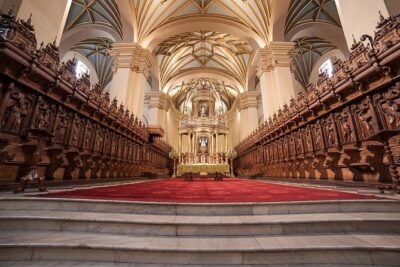
Lima’s Vibrant Heritage: Exploring the City’s Landmarks Half-day
Read our review →

Paracas and the Huacachina Oasis Guided Day Tour
Read our review →
The Charm of Barranco & Pre Inca Pyramid in Miraflores
Read our review →
Full Day to Paracas and Huacachina Desert Oasis
Read our review →
Pachacamac Ruins & Barranco Half-Day Guided Tour
Read our review →Browse the lists this tour appears in