
Reviewed · CUSCO TOURS
Cusco: Peruvian Cooking Class, Cocktails & Local Market Tour
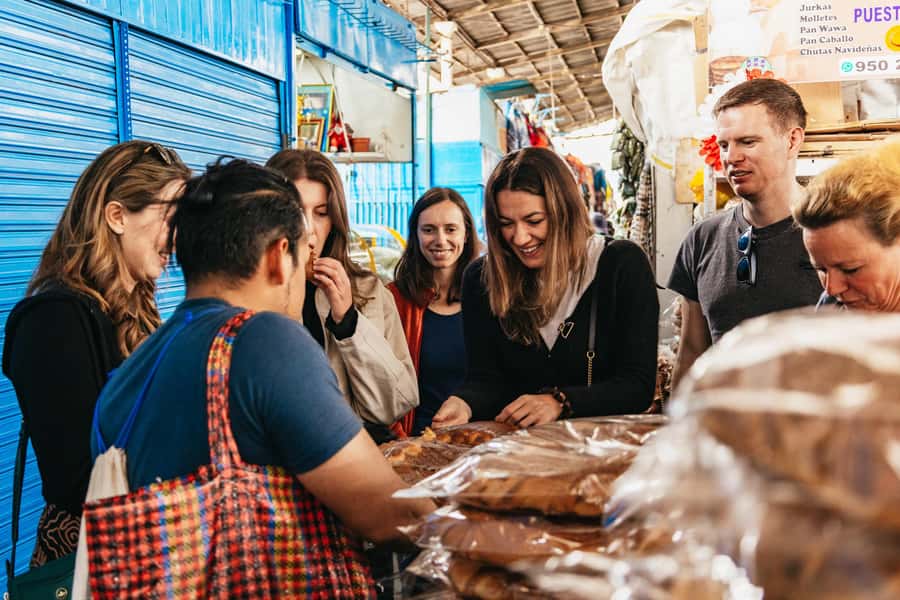
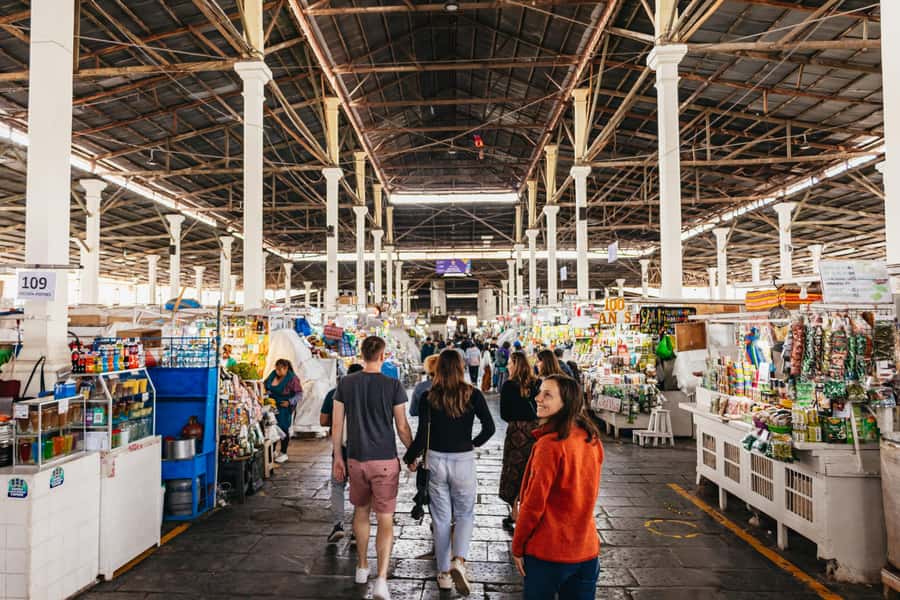
San Pedro Market is the real start of this Cusco cooking class, not a quick photo stop before the kitchen. You’ll walk through stalls of potatoes, quinoa, cacao, bread, cheese, fruit, and chocolate with a chef who explains what you’re seeing and selects ingredients for the meal. It gives Peruvian food a face, a smell, and a place.
I especially like the market-to-table format and the friendly, hands-on teaching from chefs including Jesus, Jorge, and Eric. The small group, capped at 10 people, also makes it easier to ask questions and get help. The main consideration is that the class is offered in English only, and some of the cooking involves assembling and preparing ingredients rather than doing every step from scratch.
Key points to know before booking
- San Pedro Market comes first: Meet at Door Number 1 and explore one of Cusco’s oldest markets before cooking.
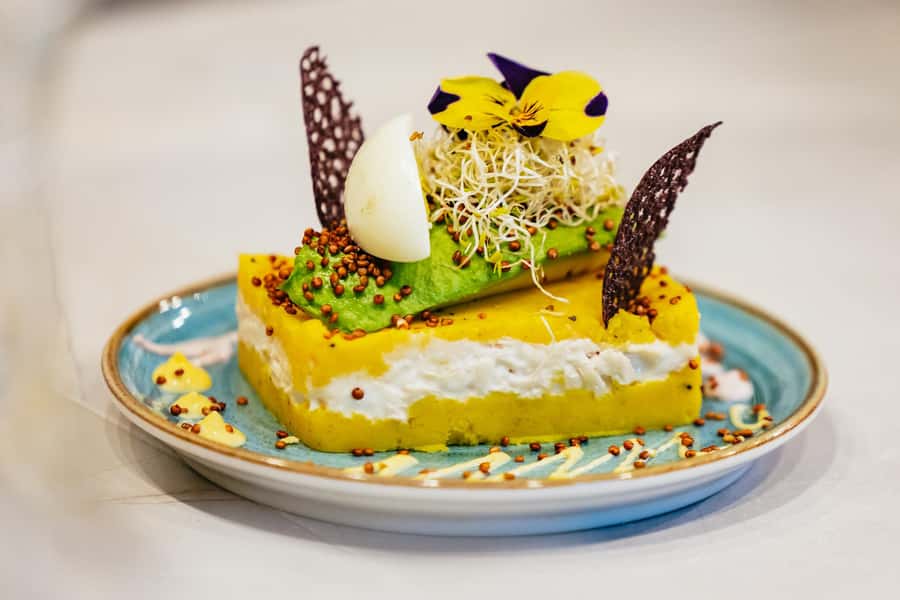
- Three classic dishes are included: Prepare cebiche, causa limeña, and a quinoa tamal, then eat what you make.
- Two pisco cocktails are part of the class: Non-alcoholic versions are available, so you can join in without drinking.
- Chef-led and small-scale: The group limit of 10 gives the class a personal feel, with Chef Jesus and other named instructors leading the work.
- Dietary needs are covered: Vegetarian, vegan, and gluten-free menus are available, though it is wise to repeat your needs at the beginning.
- Plan around a long meal: The four-hour session includes market samples, cooking, cocktails, several dishes, and picarones with honey.
Starting at San Pedro Market in Cusco
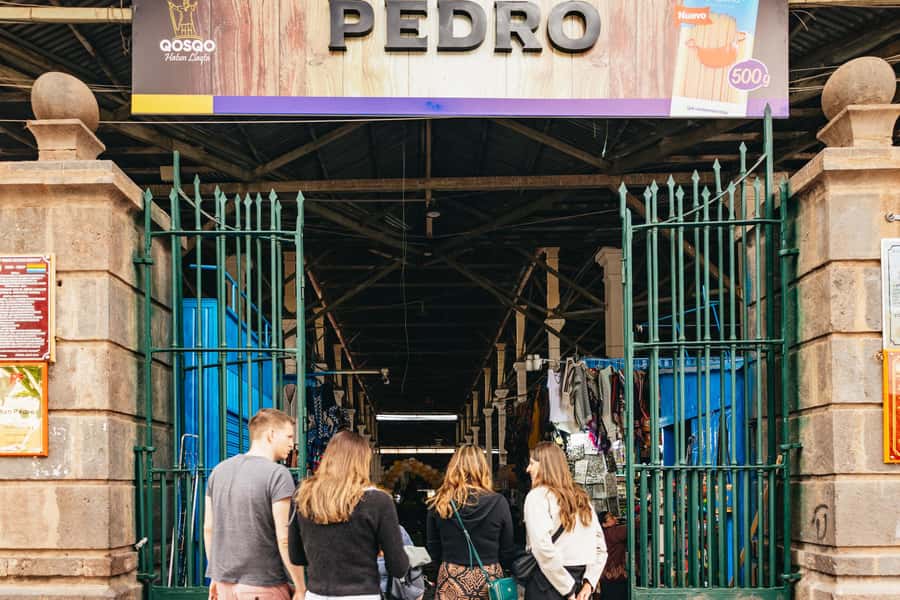
Your meeting point is Door Number 1 at San Pedro Market. From there, the market tour sets the tone for the rest of the afternoon. Instead of treating Peruvian cooking as a list of unfamiliar dish names, you begin with the ingredients that make those dishes possible.
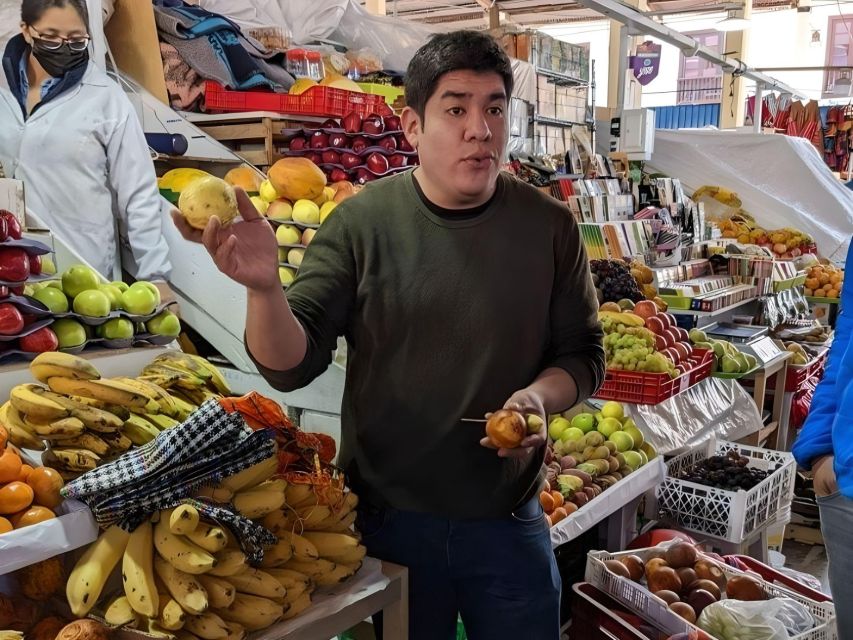
The market is known for its broad selection of local food. You can expect to see different potatoes, quinoa, cacao and chocolate, bread, cheeses, fruit, and other produce used in daily cooking. The tour also includes tastings, with cheese, bread, chocolate, coffee, and fruit specifically noted as part of the experience.
I like this part because it helps you understand the range of Peruvian food before you sit down at the cutting board. You may see a fruit or grain that is new to you, taste it, and then learn how a related ingredient fits into a familiar recipe. That small link between stall and plate is more useful than a market walk that only points out colorful displays.
There is also a practical side. The chef uses the market to choose ingredients for the class, so the visit is connected to what you will soon prepare. You are not just looking at food. You are learning what is fresh, what is local, and how a cook shops for the meal.
Market conditions can vary. One class had to use a local food market because San Pedro Market was closed for cleaning, but the experience still included local produce and ingredient shopping. That is worth keeping in mind if you expect every part of the tour to follow a fixed route.
More Cooking Classes in Cusco
- Cooking class and market tour with a local chef
★ 5.0 · 186 reviews - Private Andean Cooking Class, Pachamanca
★ 5.0 · 54 reviews - Vegan Peruvian Cooking Class Cocktails and Local Market in Cusco
★ 5.0 · 46 reviews
Walking from the market to the cooking studio
After the market visit, you take a short walk to the cooking studio in Cusco’s historic center. The transition is simple, but it gives the class a useful rhythm: first see and taste the ingredients, then work with them in a kitchen.
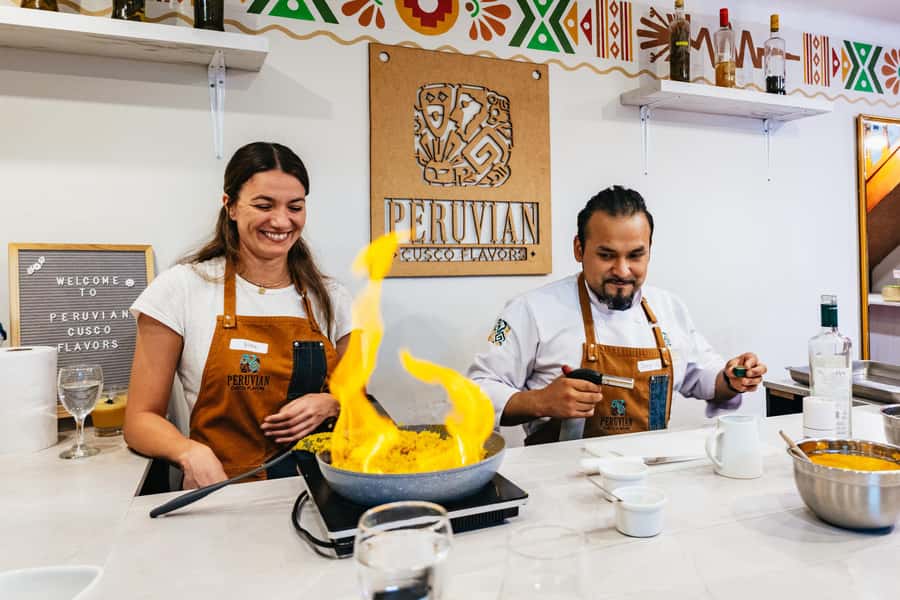
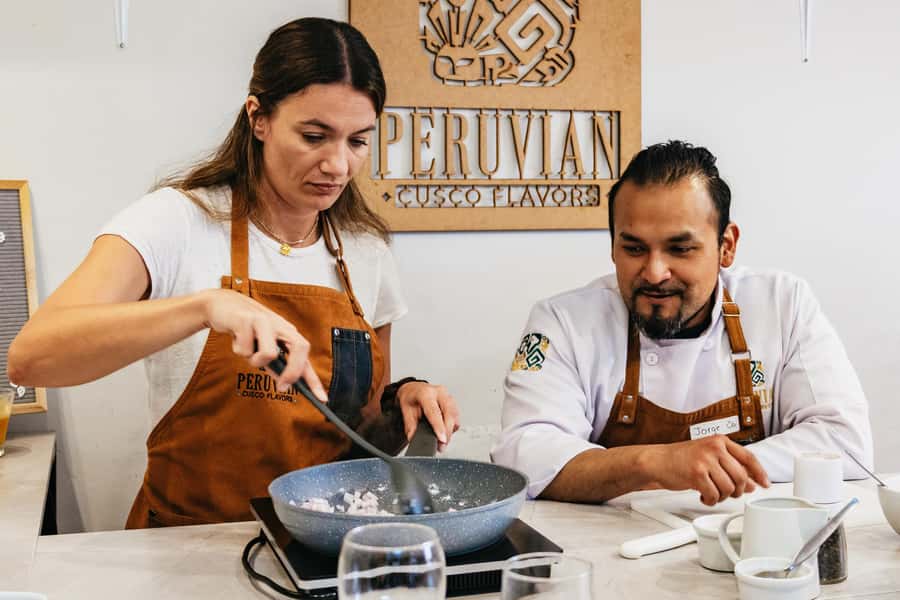
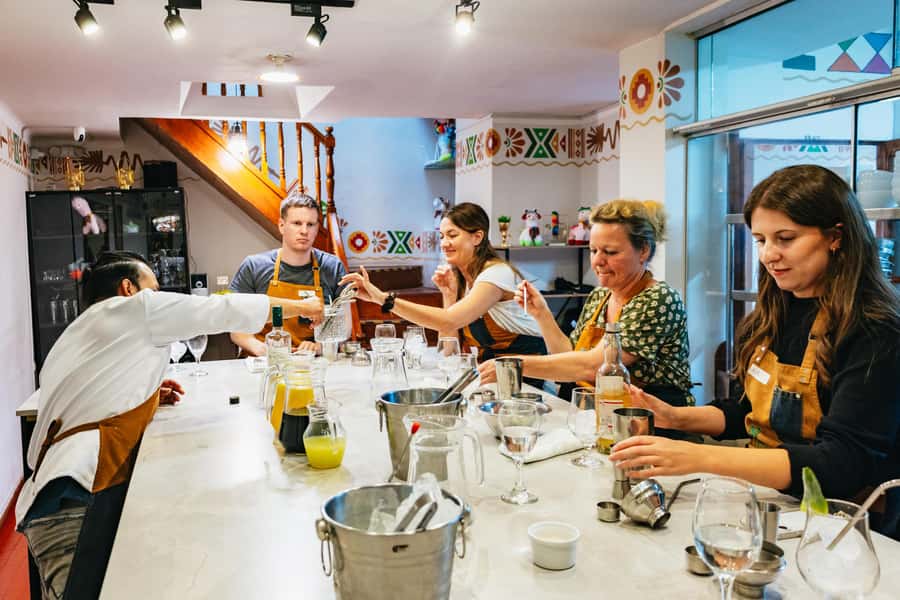
The studio is described as modern and very clean, which matters after the crowded aisles and uneven pace of a public market. You tie on an apron, get set up, and meet the chef and any assistants helping with the session.
The group limit of 10 is one of the better features here. A large cooking class can turn into a demonstration with a few people doing all the work. With a smaller group, you have a better chance of taking part, asking about techniques, and receiving help when a recipe needs a little guidance.
The chefs also add cultural context as they teach. Jesus, Jorge, and Eric are all named in the experience information and participant feedback, so the instructor may vary by date. The common thread is a chef-guide who explains the dishes, talks about Peruvian food, and keeps the class moving in a relaxed way.
Making the two Peruvian cocktails
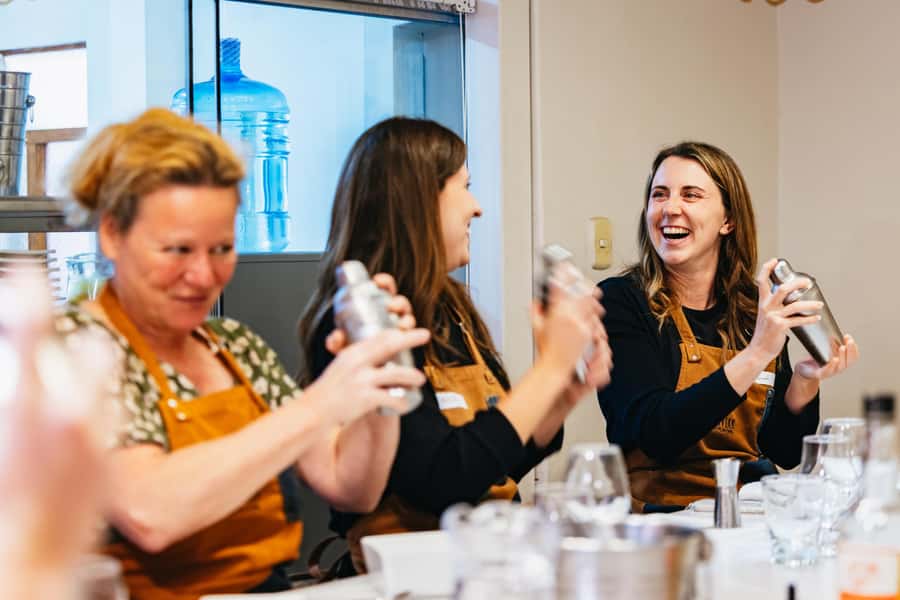
The drinks come early in the kitchen portion. You prepare two pisco cocktails and sip them during the class. This is not simply a drink served while somebody else cooks. The cocktail-making is part of the lesson and gives the group an easy way to settle in.
Pisco is one of Peru’s best-known spirits, so the drinks offer a quick introduction to another part of the country’s food culture. You also get to see how a cocktail comes together instead of receiving a finished glass without context.
Non-alcoholic recipes are available. This is useful for anyone avoiding alcohol, and it also means the activity can work for mixed groups in which some people drink and others do not. Ask for the non-alcoholic option when the class begins so the chef can organize it from the start.
The cocktails add value to the $67 price, but they also affect the pace of the afternoon. You are preparing food, eating several courses, and making two drinks over four hours. I would not schedule this immediately before another substantial meal.
Preparing cebiche, causa limeña, and quinoa tamal
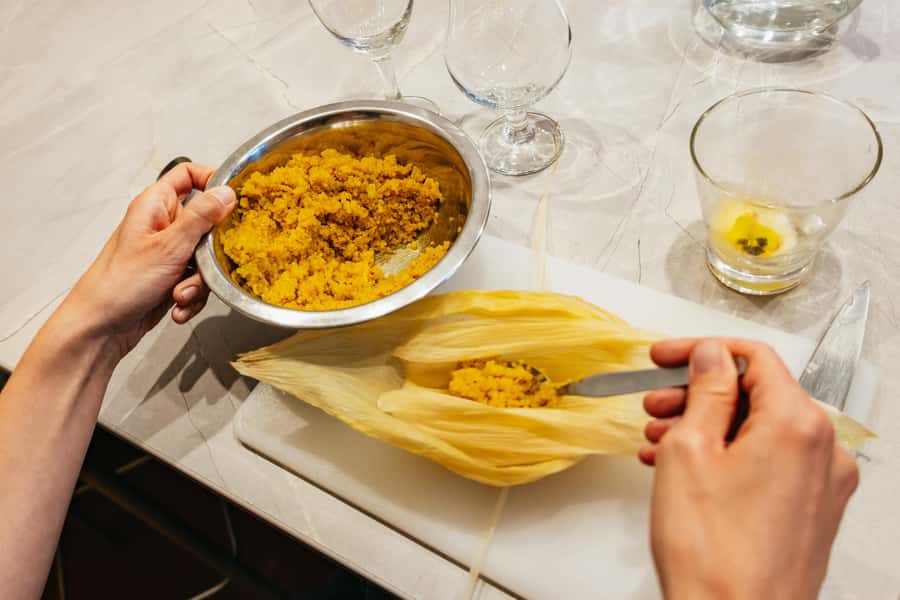
The main lesson covers three beloved Peruvian dishes: cebiche, causa limeña, and quinoa tamal. The chef explains each preparation step by step, with the class taking part in the work and then eating the finished food.
Cebiche is likely to be the most familiar name to many people, but the class gives you a chance to consider it as a complete Peruvian dish rather than a restaurant order. You learn through the ingredients and preparation, then taste the result at the table.
Causa limeña gives the class a different texture and style. It is a potato-based dish that can be arranged and plated with care. One participant noted that the class taught them how to assemble and present the causa, and that it made them feel more capable in the kitchen. That is a fair description of the format: you are not expected to be a professional cook, but you are guided toward a finished plate that looks deliberate.
The quinoa tamal adds another local staple to the menu. Quinoa is one of the ingredients you encounter at the market, so this dish brings the morning’s or afternoon’s food lesson full circle. It also shows you that Peruvian cooking is not limited to the ceviche and potatoes most visitors already know.
One useful expectation to set is that the class is partly hands-on assembly. You do prepare and build dishes, but some components may already be ready so the group can complete the menu within four hours. If your ideal cooking class means doing every task from washing and chopping to the final simmer, this may feel less intensive. If you want a friendly class with good food and clear instruction, the balance works well.
The chef also explains the background of the dishes while you cook. That turns the meal into more than a recipe exercise. You hear why the food matters and how it fits into Peruvian cuisine and culture, while still having time to make the dishes yourself.
Somewhere else entirely, still within reach of Cusco:
- Cusco: Humantay Lake Tour with Breakfast and Buffet Lunch
★ 4.9 · 2,976 reviews - From Cusco: Sacred Valley & Maras Salt Mines Tour with Lunch
★ 4.8 · 2,227 reviews - From Cusco: Moray, Maras Salt Mines & Chinchero Weavers Tour
★ 4.8 · 1,925 reviews - From Cusco: Full-Day Group Tour of Machu Picchu
★ 4.7 · 1,767 reviews
Eating together, then finishing with picarones
Once the food is ready, you sit down and eat around the table with the rest of the group. Water is included, and the meal includes the three prepared dishes, two cocktails, and a tasting of picarones with honey.
Picarones are a sweet Peruvian treat, and they provide a clear finish after the savory food. A sugar-free option is available, as is a gluten-free option. The meal is substantial, so arrive hungry rather than treating the session as a light snack.
The shared table is part of the appeal. Cooking gives people something easy to talk about, and the final meal lets you compare plates, trade stories, and enjoy the food without rushing off to the next sight. Several people described the social side as an important part of the afternoon, especially when the group happened to be lively.
You also receive recipes by email according to the experience details from the class. That makes the activity more useful after you leave Peru. The recipes give you a chance to recreate at least part of the meal at home, even if local ingredients require substitutions.
Dietary options and what to tell the chef
Vegetarian, vegan, and gluten-free menus are available. Non-alcoholic cocktails are also offered. This is a strong point for mixed groups because everyone can take part without watching others eat a different meal.
Still, I would state your dietary needs clearly when you arrive, even if you entered them during booking. One person experienced some confusion about a gluten-free request, while other participants found the staff handled vegetarian, vegan, and gluten-free changes well. Repeating the information at the meeting point is a sensible precaution.
The class can also work for a parent and older child. Children under 10 are not accepted, but a 12-year-old joined one class and took part in the market tour, dishes, and mocktails. The cooking has a social, guided format rather than a serious culinary-school feel, which suits older children who enjoy food and can follow instructions.
How much value do you get for $67?
At $67 per person, this is not the cheapest way to eat in Cusco. You can have a meal at a local restaurant for much less. The price makes more sense when you count the four-hour format, the market tour, food samples, ingredients, chef instruction, two cocktails, three dishes, dessert tasting, and water.
You are paying for an activity and a meal in the same package. The market visit gives you local context, while the kitchen session gives you a practical skill and recipes to take home. For someone who wants to understand Peruvian food rather than simply order it, that combination is good value.
The small group also matters. A 10-person limit is not private instruction, but it is small enough to support a more personal class. You are less likely to spend the whole time standing at the back of a demonstration.
The value is weaker if you dislike group activities, do not drink and have no interest in mocktails, or want advanced technical instruction. It is also a long afternoon, as one participant noted. You should choose it for the whole package, not just for the food.
When to fit this class into your Cusco schedule
This is a smart choice for an early day in Cusco, especially while you are adjusting to the altitude and getting your bearings in the city. The activity is active without being physically demanding, and the market walk gives you a gentle introduction to local life.
It also works near the end of a Peru trip. You leave with recipes, a better sense of local ingredients, and a meal you can remember through taste rather than photographs alone. Several people specifically found it a good way to finish their time in Peru.
Give yourself four hours and avoid booking another food-focused activity right afterward. The combination of tastings, cocktails, three dishes, and picarones can fill you up. Comfortable shoes and comfortable clothing are the only items listed as necessary, but both are sensible for a market walk and kitchen work.
The activity is in English only. If you need another language, this is not the right choice. Free cancellation is available up to 24 hours in advance, and you can reserve now and pay later, which helps if your Cusco schedule may change.
Who will enjoy this Cusco cooking class most?
I would recommend it to you if you like local markets, enjoy learning by doing, and want a social afternoon with food at its center. It suits couples, friends, solo participants, and families with children aged 10 or older.
It is particularly useful for:
- First-time visitors to Peruvian cuisine: You sample ingredients and prepare several classic dishes in one session.
- Food-focused visitors: The market and kitchen connect shopping, cooking, history, and eating.
- Mixed-diet groups: Vegetarian, vegan, and gluten-free alternatives are available.
- People acclimatizing in Cusco: The class offers a cultural activity without a long hike.
- Home cooks: The recipes and plating guidance give you ideas to use after the trip.
I would hesitate only if you want a private class, advanced chef training, or a fully scratch-made menu. The experience is designed to be accessible and social, with some preparation and assembly already handled to keep the afternoon moving.
Should you book it?
Yes, if you want more than a restaurant meal and have four open hours in Cusco. The market tour is the strongest reason to choose this class because it makes the food feel connected to the city. The chef-led cooking, two cocktails, full meal, and picarones then give you plenty to do and eat.
Before booking, check that English works for you, that everyone in your party is at least 10, and that you are comfortable with a small shared group. Tell the chef about dietary needs again at the start. At $67, the class is best seen as a market tour, cooking lesson, and generous meal in one. For that combination, it earns its place on a Cusco itinerary.
FAQ
Where does the Cusco cooking class meet?
Meet at Door Number 1 at San Pedro Market in Cusco.
How long does the experience last?
The activity lasts four hours.
What dishes will I prepare?
You will prepare cebiche, causa limeña, and quinoa tamal.
Are cocktails included?
Yes. Two pisco cocktails are included, and non-alcoholic recipes are available.
Is dessert included?
Yes. You will taste picarones with honey at the end of the experience.
Are vegetarian options available?
Yes. Vegetarian options are available.
Can I request a vegan menu?
Yes. A vegan menu is available.
Can the class accommodate a gluten-free diet?
Yes. A gluten-free menu is available, including a gluten-free option for the picarones tasting. Tell the chef about your needs at the beginning.
Is the experience offered in English?
Yes. The live tour guide and class are available in English only.
Are children allowed to join?
Children under 10 are not permitted. The minimum age is 10.
How many people are in the group?
The class is limited to 10 participants.
What should I bring?
Bring comfortable shoes and comfortable clothes.
Can I cancel for a full refund?
Yes. You can cancel up to 24 hours in advance for a full refund.
Do I have to pay when I reserve?
No. The reserve-now, pay-later option lets you book without paying immediately.
More Shopping Tours in Cusco
- Market Tour, Tasting of 35 Fruits, and 4-Course Peruvian Cooking Class in Lima
★ 5.0 · 86 reviews - Belen Market and La Venecia Loretana Tour With A Local Guide
★ 5.0 · 85 reviews - #1 Rated Cooking Classes with Local Market Tour & Pickup
★ 5.0 · 69 reviews - Private Cooking + Market with Maido’s Former Creative Chef (+trasportation)
★ 5.0 · 49 reviews
More Markets in Cusco
- Pisac Indian Market and Ollantaytambo Fortress with Lunch
★ 4.5 · 395 reviews - Cusco City Sightseeing, San Pedro Market, Cathedral and Qorikancha Temple
★ 4.5 · 139 reviews - Cusco: Peruvian Cooking Class & Market Tour
★ 4.9 · 19 reviews - Lima: Historic Center Street Food, Market, and Eateries Tour
★ 4.9 · 216 reviews
Recently added around Cusco
- Palcoyo colored mountain hike + stone forests★ 4.6 · 3 reviews
- Maras Moray★ 5.0 · 3 reviews
- Full-Day Condor Viewpoint & Inca Sites Tour★ 5.0 · 3 reviews
- From Cusco: Vinicunca Mountain of Colors Excursion + Ticket★ 5.0 · 3 reviews
- Excursion Cusco – Puno – Titicaca Observatory Train★ 5.0 · 3 reviews
- Machu Picchu: Private Tour Guide Service for up to 15 people★ 4.5 · 3 reviews
- Machu Picchu: 1-day tour by Vistadome Observatory train★ 5.0 · 3 reviews
- Cusco: Chonta Canyon and Condor Flight Tour with Lunch★ 5.0 · 3 reviews
Cusco Tours, compared.
Humantay Lake Tour with Breakfast and Buffet Lunch
Read our review →
Sacred Valley & Maras Salt Mines Tour with Lunch
Read our review →
Moray, Maras Salt Mines & Chinchero Weavers Tour
Read our review →
Half-Day City Tour with Sacsayhuaman and Q’enco
Read our review →
Sacred Valley, Pisac, Ollantaytambo, Salt Mines Moray
Read our review →
Browse the lists this tour appears in