
Reviewed · MACHU PICCHU TOURS
5-Day Salkantay Trek to Machupicchu Sky Lodge Dome
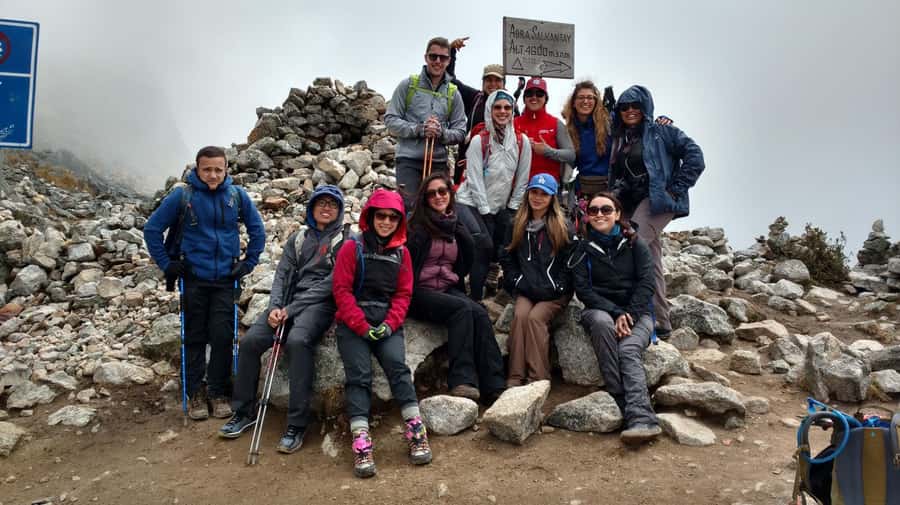
The best part of this five-day Salkantay Trek is the steady change of scenery. You begin among snow-capped peaks, cross the 4,650-meter Salkantay Pass, descend into coffee country, and reach Machu Picchu by train after walking beside the tracks. It feels like several different Peru trips stitched into one demanding route.
I like the private domes with bathrooms and hot showers, a welcome luxury after long days on foot. I also like the coffee-farm stop, where you harvest, roast, and grind coffee rather than simply walk past a plantation. The main caution is altitude: the high pass is serious, and the first dome night can be very cold.
Key points to know before booking
- 4,650-meter Salkantay Pass: This is the trek’s hardest and highest section, with views of Salkantay and Tucarhuay.
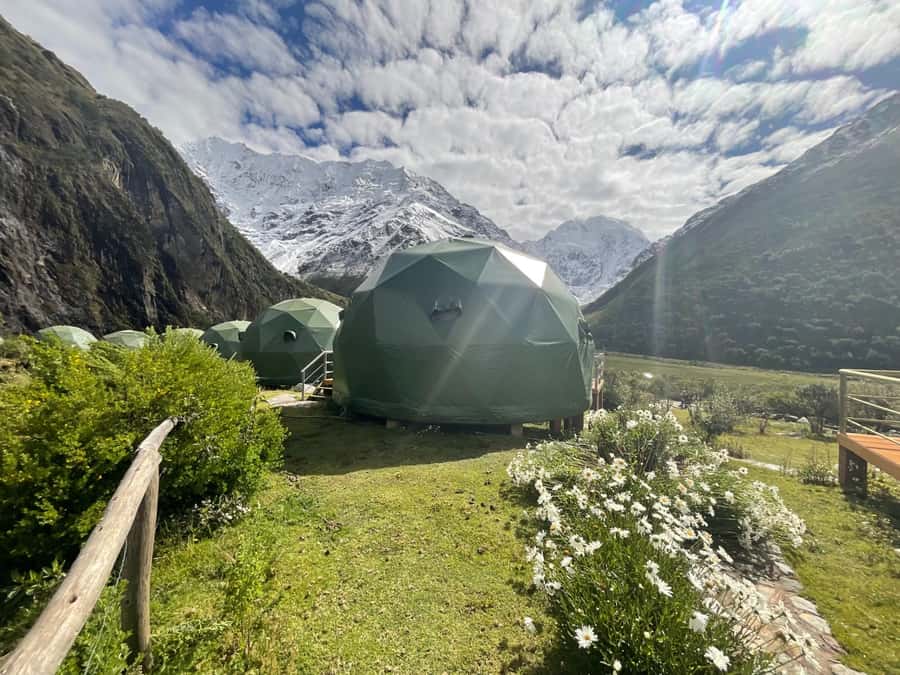
- Private domes: Each dome has a private bathroom and hot shower, though the first night may feel cold.
- Hands-on coffee stop: At La Playa, you help harvest, roast, and grind coffee at the plantation camp.
- First Machu Picchu glimpse: From Llactapata, you may see Machu Picchu across the Urubamba Valley.
- Small groups of up to 10: A compact group makes meal stops and trail pacing easier to manage.
- $700 includes major costs: Transport, guide, cook, meals, domes, hotel, train, Machu Picchu entry, and the uphill bus are covered.
What the $700 price really covers
At $700 per person, this is not a bare-bones hike where you carry everything and sleep on a thin mat. The price includes a bilingual English and Spanish guide, hotel pickup within Cusco’s historic center, transport to the trailhead, a cook, four breakfasts, four lunches, four dinners, four snacks, camping equipment, private domes, one night in Aguas Calientes, Machu Picchu entry, the uphill bus, and the train from Aguas Calientes to Ollantaytambo.
That package has real value. The train alone removes the need to arrange your own return from Aguas Calientes, and the private bathrooms and hot showers make the camping nights easier. Mules and horsemen carry food, equipment, and up to seven kilograms of your personal luggage through the first part of the trek.
The price does not include the first breakfast, final dinner, sleeping bag, or trekking poles. You should also budget for the optional hot springs in Aguas Calientes, which cost 10 soles, and possibly 20 soles to send luggage from La Playa to Hydroelectric and onward by train.
One detail deserves special attention: Machu Picchu entry is included in the package, but you should confirm your entry time and train arrangements before departure. A communication problem about entry tickets caused serious stress for one pair of hikers, who had to shorten the walk by a day to find a workable ticket solution. The guide Roberto helped them navigate the problem, but this is exactly the sort of matter you want settled before leaving Cusco.
More Hiking Tours in Cusco
- From Cusco: 7 Lakes Ausangate Trek with Breakfast and Lunch
★ 4.8 · 360 reviews - Cusco: Rainbow Mountain Tour and Red Valley Hike (Optional)
★ 4.7 · 149 reviews - Cusco: Full-Day Rainbow Mountain & Red Valley Trekking Tour
★ 4.5 · 121 reviews
Day 1: Challacancha, Humantay Lagoon, and the cold dome at Soraypampa
Your pickup comes very early, roughly 4:30 to 5:00 a.m. From Cusco, the van takes about two hours to Mollepata, where breakfast is served. You then continue by private transport for another 40 minutes to Challacancha, the walking start point.
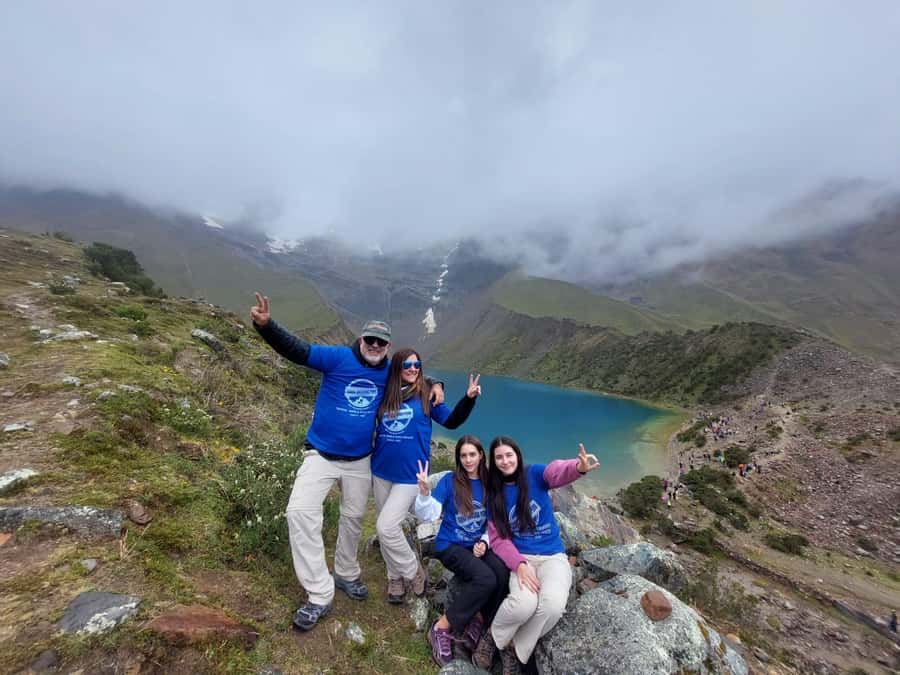
The day’s main prize is Humantay Lagoon. The trail takes you into high mountain country, and the lagoon visit adds a demanding climb to a day that already began before sunrise. The altitude makes this more tiring than the mileage alone suggests. Take it slowly, drink water, and do not treat the first day as a warm-up stroll.
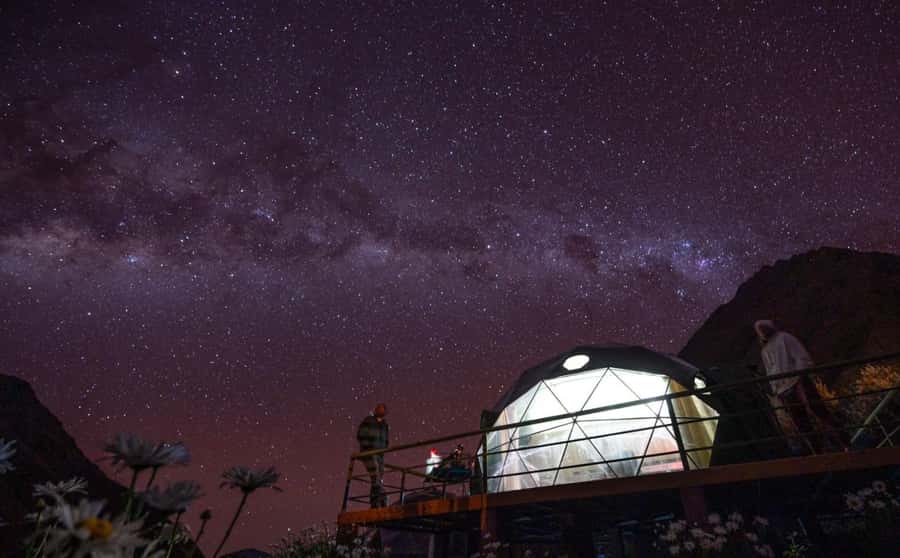
Soraypampa is your first overnight stop, in a geodesic dome. The private bathroom and hot shower are a genuine comfort here, but do not expect tropical warmth. One night can be particularly cold, so bring proper thermal layers, a hat, and gloves. A sleeping bag is not included, so arrange one before the trek.
The first day also includes an Andean ceremony offering to Mother Earth. It gives the route a cultural moment beyond scenery, and it helps mark the transition from city travel to mountain travel. Dinner and an evening in the dome follow, although the early pickup and altitude may leave you ready for bed well before the stars come out.
Day 2: The 4,650-meter Salkantay Pass
Breakfast is around 5:30 a.m., followed by the hardest climb of the route. You head toward the Salkantay Pass, which reaches 4,650 meters, or about 15,200 feet. The pass lies between Salkantay Mountain and Tucarhuay, with snow-capped views on both sides.
This is the day that defines the trek. The air is thin, the conditions can be cold, and snow is possible. You may find the ascent slow and uncomfortable even if you are fit at home. That is normal at this height. The group size, limited to 10 people, matters here because a small group is easier to pace than a large procession.
The views at the pass are the reward, but you should keep your expectations practical. Mountain weather can shift, and visibility is not guaranteed. The route is best for people who want a physical challenge and are prepared to be patient with their bodies.
After the pass, the route heads toward Chaullay, where you spend the night in another dome. This change from high, cold mountains toward lower country is one of the route’s pleasures. You do not simply repeat the same kind of hiking for five days. The vegetation, temperature, and feel of the trail begin to change.
Day 3: From high country to a working coffee plantation
After breakfast at about 6:30 a.m., you walk through the high jungle toward La Playa. The route crosses the Lluskamayo River and several streams, and the walking time is about four hours.
This is a useful middle day because the route moves away from the stark high pass and into warmer country. You will encounter crop-growing areas and a different kind of rural Peru. The change can feel dramatic after the cold of Soraypampa and the exposed heights of Day 2.
The overnight camp is set at a coffee plantation in geodesic domes. Here, the coffee experience is hands-on. You help harvest, roast, and grind the beans, then learn how the drink moves from plant to cup. It is a small activity, but it gives the farm stop purpose and makes the night different from a standard campsite.
Meals are prepared by the trek cook, with cooks such as Mario and Exaltación receiving particularly strong praise for the food. Vegetarian and vegan meals are available at no extra charge if requested in advance. That is worth arranging before you arrive, rather than hoping the kitchen can improvise at the last meal.
Your duffel is carried for you through the third day, up to the seven-kilogram allowance. Keep valuables, medication, rain protection, and anything you need each day in your own daypack.
more ways to reach machu picchu
- From Cusco: Full-Day Group Tour of Machu Picchu
★ 4.7 · 1,767 reviews - Machu Picchu Day Trip from Cusco
★ 4.5 · 1,644 reviews - Machu Picchu: Full-Day Tour from Cusco with Optional Lunch
★ 4.6 · 927 reviews - Cusco: 4-Day Inca Trail to Machu Picchu with Accommodation
★ 4.8 · 432 reviews
Day 4: Llactapata, fruit farms, and the train tracks to Aguas Calientes
Day 4 starts at roughly 6:30 a.m. The goal is to reach Llactapata early. You walk along part of the original Inca trail and pass through an area where local residents grow crops and harvest fruit.
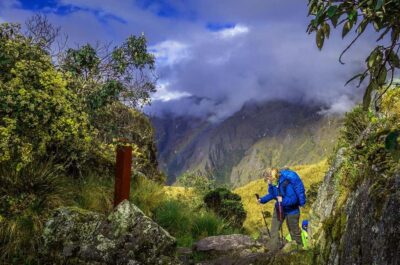
Llactapata offers one of the route’s most memorable viewpoints. From here, you may get your first glimpse of Machu Picchu, with the Urubamba Valley below and Salkantay Mountain behind you. It is not the same view you will see from inside the citadel, and that is precisely why it works. You see the destination from a distance before reaching it.
The route continues toward Santa Teresa and Hydroelectric. Lunch is served at Hydroelectric, followed by about two and a half hours walking beside the railway tracks to Aguas Calientes. The path passes plantations of crops such as coca and bananas.
The track walk is practical rather than scenic at every step. It is also a long finish to an already full day, so tired legs may make this section feel slow. You need to stay aware of the train line and follow your guide’s instructions.
From Day 4 onward, you carry your own bags unless you pay about 20 soles to send luggage by car from La Playa to Hydroelectric and then by train to Aguas Calientes. That option can be worthwhile if you want to reach Machu Picchu with less weight, but the charge is paid directly and is not part of the $700 price.
You spend the night in a hostel or hotel in Aguas Calientes. The accommodation is described as acceptable rather than luxurious, but the important benefit is a proper room after four days outside. The town’s hot springs cost 10 soles to enter and can be a pleasant way to rest your muscles, provided you still have the energy.
Day 5: Sunrise plans at Machu Picchu
The final morning starts around 5:00 a.m. After breakfast, you take the first bus, scheduled to leave at 5:30 a.m. The ride to Machu Picchu takes about 25 minutes. Early access gives you a chance to see the citadel in the morning light, though your exact experience depends on the entry time and conditions.
Your guide leads about two hours inside Machu Picchu. After that, you have time to explore on your own. The included entry is a major reason to confirm the details before the trek begins. Machu Picchu access is managed by timed entry, and optional mountain climbs require advance booking and availability.
Huayna Picchu is listed as an optional climb. It reaches 2,720 meters, about 8,890 feet, and takes around 1 hour and 45 minutes to reach the top. Machu Picchu Mountain is another possible add-on. Do not assume you can decide at the gate. These options need to be booked in advance, and they add a demanding climb after an already strenuous trek.
Your return train may depart around 2:00 p.m., 4:00 p.m., or 6:20 p.m., depending on availability. The ride to Ollantaytambo takes about two hours, followed by private transport back to Cusco. This makes Day 5 a long travel day, especially if you choose a later train, so do not plan an important evening appointment in Cusco.
The domes, food, and people who make the route work
The domes are the tour’s clearest comfort upgrade. You get a private bathroom and hot shower rather than a shared camp setup. Bed quality has been praised, but the first night can be cold, so the domes should not be mistaken for heated hotel rooms.
A kitchen and dining tent are provided, with tables and chairs for meals. You receive four snacks as well as the main meals, which matters on a route with early starts and long uphill sections. The cook is not an extra detail here. Good, regular meals make a hard trek more manageable.
Guides have included Roberto and Abel, while cooks have included Mario and Exaltación. Roberto was especially helpful when ticket arrangements became uncertain, and Abel has been described as professional. The guide can make a major difference on the high pass, in the early morning, and during the long railway walk.
The small group limit of 10 is another practical advantage. You still need to accept that people in a group may walk at different speeds, but a smaller party usually makes communication and meal service easier.
Preparation: altitude matters more than athletic pride
Arrive in Cusco at least two days before the trek. The route begins high, and acclimatization is not optional planning fluff. Give your body time to adjust before you add Humantay Lagoon and the 4,650-meter pass.
Bring warm clothing, sunglasses, a sun hat, cash, a daypack, trekking gear, hiking shoes, and your passport or identity card. Add a sleeping bag because one is not included. Trekking poles are also excluded, and they can be useful on steep sections and during the descent.
Pack your daypack carefully. Your main luggage is carried only through Day 3, and you will need to carry your own bags from Day 4 unless you pay for the transfer option. Keep your passport accessible for Machu Picchu and train travel.
This trek is not suitable for people with back problems, heart problems, mobility impairments, or pregnant women. The activity is marked as wheelchair accessible, but the physical demands of the route make it important to clarify exactly what assistance is available before booking. If you have a medical concern, get professional advice before committing.
Who should choose this Salkantay route?
I would choose this trek if you want Machu Picchu to be the finish of a real mountain journey rather than a stand-alone day trip. You need to enjoy long walks, early starts, changing weather, and a high-altitude pass.
It suits hikers who want more comfort than standard camping provides. The private domes, cooked meals, luggage support, hotel night, train, and bus make the route easier than carrying a full load and arranging every transfer yourself.
I would think twice if you dislike cold nights, have not adjusted to altitude, or want a relaxed holiday. The first pickup is before dawn, Day 2 is demanding, and Day 4 includes a long walk after the Llactapata viewpoint. The reward is variety, not ease.
Should you book the 5-day Salkantay Trek?
Book it if you value a full route through mountains, jungle, coffee country, and Machu Picchu, and if private domes make the price worthwhile. The strongest features are the changing scenery, the Salkantay Pass, the coffee activity, small groups, and a package that includes most major transport and entry costs.
Before paying, ask Terra Quechua Peru to confirm your Machu Picchu entry time, bus, train, hotel, and luggage plan in writing. That one step protects you from the communication problem that can turn a great trek into a hurried one.
At $700, the tour offers solid value for a demanding, well-supported route. It is best for a prepared hiker who wants comfort at night but is still willing to work hard during the day.
FAQ
How difficult is the 5-day Salkantay Trek?
It is a challenging trek, mainly because Day 2 reaches the 4,650-meter Salkantay Pass. You should arrive in Cusco at least two days early to acclimatize.
What accommodation is included?
You spend the first three nights in luxury geodesic domes with private bathrooms and hot showers. The fourth night is in a hostel or hotel in Aguas Calientes.
Are meals included?
Yes. The tour includes four breakfasts, four lunches, four dinners, and four snacks. The first breakfast and final dinner are not included. Vegetarian and vegan meals are available on request at no extra charge.
Is Machu Picchu entry included?
Yes. Machu Picchu tickets and the uphill bus from Aguas Calientes are included. Optional climbs of Huayna Picchu or Machu Picchu Mountain require advance booking and availability.
How much luggage can be carried for me?
Horsemen and mules carry up to seven kilograms of your personal luggage through Day 3. From Day 4, you carry your own bags unless you arrange the optional transfer, which costs about 20 soles.
What is not included in the tour price?
Sleeping bags and trekking poles are not included. You also pay separately for the optional Aguas Calientes hot springs, which cost 10 soles, as well as the first breakfast and final dinner.
More Hiking & Trekking in Cusco
- From Cusco: Rainbow Mountain Trek
★ 4.5 · 98 reviews - Private Palccoyo Rainbow Hike Without the Crowds
★ 5.0 · 86 reviews - Choquequirao Trek 4 days and 3 nights
★ 5.0 · 81 reviews - Ancascocha Trek To Machu Picchu 4 Days And 3 Nights
★ 5.0 · 77 reviews
More Salkantay Treks
- Salkantay Trek Challenge – 3 Days / 2 Nights
★ 5.0 · 101 reviews - Small Group 5 Days Salkantay and Machu Picchu by Llactapata Tour
★ 5.0 · 88 reviews - Machu Picchu: 5-Day Salkantay Trek with Panoramic Train
★ 5.0 · 79 reviews - Salkantay Trek 4 Days to Machu Picchu by Glamping Sky Lodge Dome
★ 5.0 · 68 reviews
Recently added around Cusco
- Palcoyo colored mountain hike + stone forests★ 4.6 · 3 reviews
- Maras Moray★ 5.0 · 3 reviews
- Full-Day Condor Viewpoint & Inca Sites Tour★ 5.0 · 3 reviews
- From Cusco: Vinicunca Mountain of Colors Excursion + Ticket★ 5.0 · 3 reviews
- Excursion Cusco – Puno – Titicaca Observatory Train★ 5.0 · 3 reviews
- Machu Picchu: Private Tour Guide Service for up to 15 people★ 4.5 · 3 reviews
- Machu Picchu: 1-day tour by Vistadome Observatory train★ 5.0 · 3 reviews
- Cusco: Chonta Canyon and Condor Flight Tour with Lunch★ 5.0 · 3 reviews
Machu Picchu Tours, compared.



4-Day Inca Trail to Machu Picchu with Accommodation
Read our review →
2-Day Trip to the Sacred Valley and Machu Picchu
Read our review →
Machu Picchu 2-Day Inca Trail with Panoramic Train
Read our review →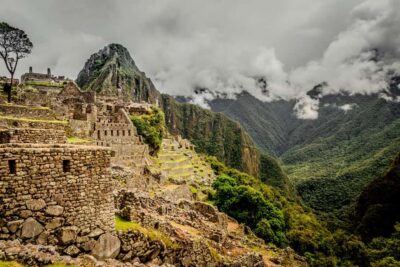
Browse the lists this tour appears in