
Reviewed · MACHU PICCHU TOURS
4 Day Inca Trail To Machu Picchu – Private Service
The best part of this four-day Inca Trail trek is the way ancient ruins appear along a real mountain route, not on a quick bus stop. You walk from Piscacucho through cloud forest, over Dead Woman’s Pass at 4,200 meters, and into Machu Picchu through the Sun Gate.
I like the private format for two reasons: your guide can adjust the pace and give you plenty of time for questions, and the camp operation includes cooks, porters, tents, mattresses, and a dining tent. Guides such as Victor, Guido, Guillermo, Aldo, Rene, Hugo, Felipe, and Wilber have been praised for their warmth, clear explanations, and patient pacing.
The catch is simple: this is a serious hike, not a sightseeing stroll. Day two is steep, the trail has many stone steps, nights can be cold, and the 4:00 am departure from Cusco leaves little room for a slow start. Also, confirm the personal porter fee before booking, since the details list it both as included and not included.
Key points to know before you book
- Dead Woman’s Pass is the physical test: You climb to 4,200 meters on day two, then descend and climb again.
- The private guide changes the feel: Your group walks with its own bilingual guide instead of joining a larger shared party.
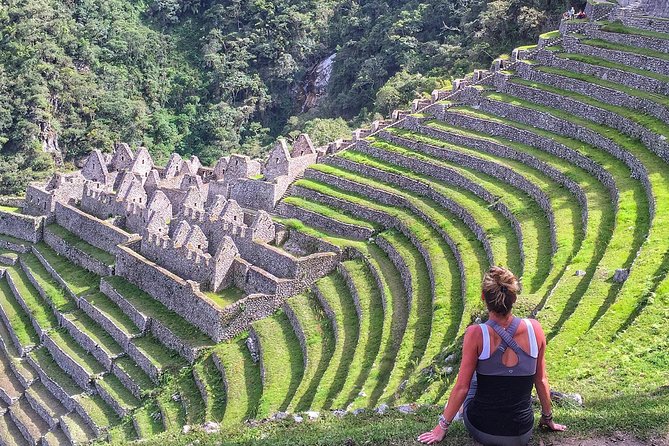
- Wiñay Wayna is a major payoff: This finely terraced Inca site sits close to camp on the third day.
- The support team carries the camp: Porters transport cooking and camping equipment, while cooks prepare three breakfasts, lunches, and dinners.
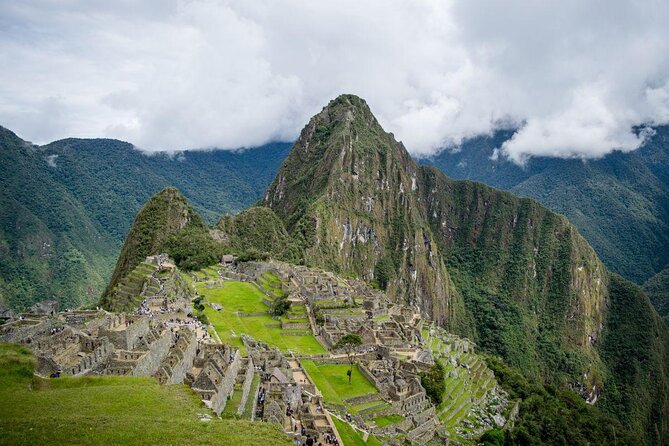
- The final morning starts early: You leave camp before sunrise to reach Intipunku, the Sun Gate, for your first view of Machu Picchu.
- The price covers much more than guiding: At $1,395 per person, transport, camps, meals, porters, Machu Picchu access arrangements, and the train back are part of the package.
What $1,395 buys you on the Inca Trail
At $1,395 per person, this is not a budget walk. It is a full-service trek with a private guide, transport from Cusco to kilometer 82, camping gear, cooks, porters, most meals, the bus down to Aguas Calientes, and a train to Ollantaytambo.
That bundle matters because the Inca Trail is not a walk where you simply show up with a backpack. The route has controlled access, camping regulations, food logistics, and a fixed entry system. A good support crew lets you concentrate on walking, scenery, and ruins instead of worrying about how a dining tent or cooking equipment reaches the next camp.
The private service is the main reason to pay more. You are not sharing your guide with a large mixed group, so you can ask more questions about Inca engineering, local plants, religion, and the meaning of the ruins. If one person in your group needs a slower pace, the day can be handled with more flexibility than on a tightly managed group departure.
The value is strongest for couples, families, or friends who want personal attention and do not mind paying for it. The package also offers group discounts, which may make the price more reasonable for a larger private party.
There are a few costs to watch. A single supplement is listed at $60. Walking sticks are not included. Huayna Picchu requires a separate ticket, and the first breakfast, the final day’s lunch, and the final day’s dinner are excluded. Tips, meals not specified, and travel insurance are also your responsibility.
One detail needs clarification before you pay: the information lists a personal porter for 7 kilograms among the inclusions, then lists that same service under exclusions. Ask Valencia Travel Agency S.a.c. to confirm the current arrangement in writing.
more ways to reach machu picchu
- From Cusco: Full-Day Group Tour of Machu Picchu
★ 4.7 · 1,767 reviews - Machu Picchu Day Trip from Cusco
★ 4.5 · 1,644 reviews - Machu Picchu: Full-Day Tour from Cusco with Optional Lunch
★ 4.6 · 927 reviews
Day one: Piscacucho, Patallacta, and the first camp
Your day begins very early. Pickup is listed for about 4:00 am, with the meeting point at your hotel. The drive continues toward Piscacucho, also known as kilometer 82, where you check in for the trail.
Bring your passport and have your trail ticket ready at the control point. Access is limited, so this is not a casual public footpath. Before you pass through, use the restroom, apply sunscreen and insect repellent, and fill up as needed. You need to bring water for the first morning. After that, the crew provides drinking water that has been boiled.
The trail begins at about 2,720 meters, beside the Vilcanota River. The first section follows the river before turning into the cloud forest. This opening day is a good introduction because the walking is demanding without yet reaching the hardest climb.
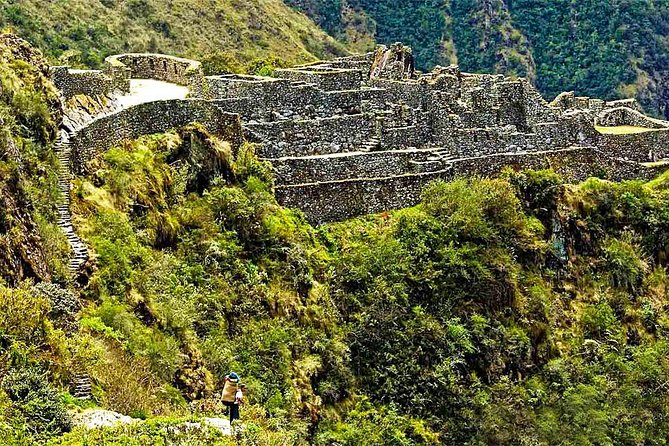
One of the first major views is Huillca Raccay, an Inca fortress set above the route. Soon after comes Patallacta, a broad archaeological site with terraces and structures spread along the valley. Your guide can help explain why the site was placed here and how it fitted into the route toward Machu Picchu.
You also get views toward the Urubamba range and the snow-covered peak of Veronica, known in Quechua as Waqay Willca. The contrast is striking: river valley below, high Andes above, and a path cutting through forest and old stonework.
After roughly seven hours, you reach the first camp near Wayllabamba, at about 3,000 meters. Night temperatures can drop to around 5 degrees Celsius, depending on the month. The included foam mattress and tent help, but you still need warm sleeping clothes and a properly insulated sleeping bag.
Day two: the climb to 4,200 meters
Day two is the day that decides how much you enjoy the trek. Breakfast is prepared by the cooks, and the planned start is about 5:30 am. You need the early light because the climb to Dead Woman’s Pass takes several hours.
The ascent is steep and sustained. The route rises from Wayllabamba toward Abra de Warrmihuañusca, better known as Dead Woman’s Pass. At 4,200 meters, this is the highest point of the four-day route and the most demanding physical section.
Altitude affects people differently. Even a fit person can feel short of breath, tired, or slow at this elevation. A private guide is useful here because the pace can be adjusted to your group rather than set by the fastest person. Take steady steps, drink often, and do not treat the pass as a race.
Reaching the top is a genuine achievement. You then descend toward Pacaymayu, at roughly 3,550 meters, for lunch. The downhill section can be hard on knees and thighs, especially after the climb. I would bring trekking poles even though they are not included, since the route has steep stone steps and long descents.
The vegetation changes as you walk. You may see hummingbirds and other bird species, along with polylepis trees, a native Andean tree associated with the high cloud forest. These details make the day more than a fitness challenge. The plants, birds, and mountain forms show how quickly the environment changes with elevation.
After lunch, the work is not over. You climb for another two hours toward the Runkurakay pass, close to 4,000 meters. Camp is set up by about 5:00 pm, with nighttime temperatures around 4 degrees Celsius.
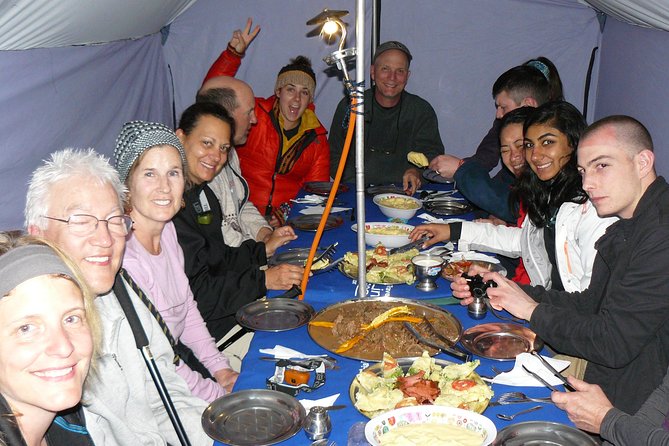
This is the toughest day in terms of effort. It is also the day when the support crew earns its keep. Your porters carry the camping and cooking equipment, and the cooks prepare meals in conditions far removed from a normal kitchen. The included dining tent gives you a place to eat and sit out of the weather.
Day three: Phuyupatamarca, Intipata, and Wiñay Wayna
Day three covers about 10 kilometers in roughly five hours. Compared with day two, the route is more varied and often feels more rewarding because you pass several important sites in a single morning.
A gentle climb leads to Phuyupatamarca, or Town in the Clouds, at about 3,680 meters. The site sits high above valleys and canyons, with broad views across the surrounding mountains. Its terraces and stone structures make clear how much planning went into building along such steep ground.
From there, the route moves through cloud forest and down a long run of approximately 3,000 steps. This is a beautiful section, but do not underestimate it. Downhill steps can be more tiring than an uphill slope, especially after two demanding days.
The trail then reaches Intipata, an agricultural Inca site with terraces built into the mountainside. Here, your guide can connect the farming terraces with the larger Inca system of food production and settlement. The site also gives you another chance to stop, catch your breath, and take in the setting.
By lunchtime, you reach the third camp at Wiñay Wayna, about 2,680 meters. The name means Forever Young. The archaeological site is close to camp and is one of the great rewards of the route.
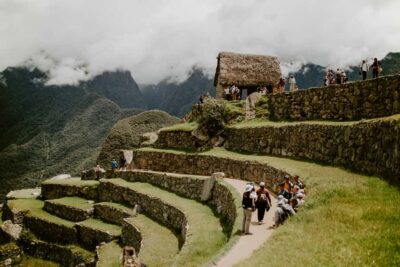
Wiñay Wayna is not just another ruin to tick off. Its terraces, stairways, ceremonial areas, and water channels are arranged on a steep slope above the Urubamba valley. Because you arrive on foot and have already crossed high passes, the site feels connected to the whole journey.
Day three is shorter than day two, but it still includes uneven ground, steps, and altitude changes. Use the afternoon to rest rather than treating camp as a chance for a second hike. You will need the energy for the final morning.
more inca trail departures
- Cusco: 4-Day Inca Trail to Machu Picchu with Accommodation
★ 4.8 · 432 reviews - Cusco: Machu Picchu 2-Day Inca Trail with Panoramic Train
★ 4.9 · 260 reviews - From Cusco: 2-Day Inca Trail to Machu Picchu
★ 4.2 · 244 reviews - Machu Picchu: Inca Trail 2-Day Overnight Guided Tour
★ 4.9 · 203 reviews
Day four: the Sun Gate and Machu Picchu
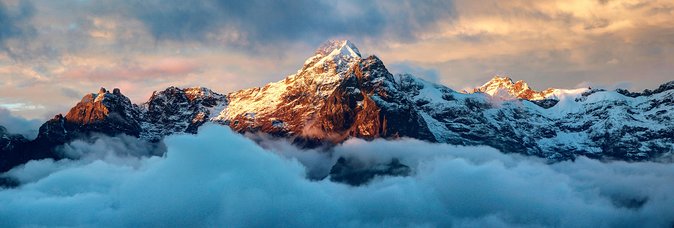
The final day begins before sunrise. From Wiñay Wayna, you walk about 5 kilometers, taking roughly two hours, toward Intipunku, the Sun Gate.
The goal is to reach the gate before sunrise. From Intipunku, at approximately 2,730 meters, you get your first major view of Machu Picchu below, at around 2,400 meters. Weather can shape this moment, so keep expectations flexible. The early start is still worthwhile because entering through the Sun Gate gives the citadel a strong sense of arrival.
The route from the gate continues toward Machu Picchu, where the day’s visit takes place. The supplied information notes about three hours at the site, with admission included. The exact order and length of the guided visit should be confirmed with your guide, especially if you are considering an extra climb.
Huayna Picchu is not included. You need a separate permit, and the available entry sessions are listed as 7:00 to 8:00 am or 10:00 to 11:00 am. A 7:00 am permit may conflict with the guided visit to Machu Picchu, so do not add this climb without checking the schedule first.
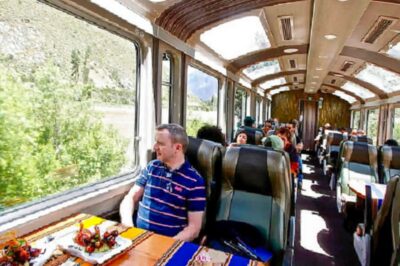
After visiting the citadel, you take a bus down to Aguas Calientes. The return train is included, with service to Ollantaytambo, followed by collection from the Ollantaytambo station on day four.
That transport arrangement is useful. After four days of walking, you do not have to hike back out or arrange your own connection from the valley. The return is still a long travel day, but the main pieces are organized.
Guides, cooks, and porters make the difference
A private guide is more than a person who points out ruins. You want someone who can explain the Incas, answer questions about Peru, read the pace of the group, and keep an eye on the practical side of the trail.
Several guides associated with this service receive especially warm praise, including Victor, Guido, Guillermo, Aldo, Rene, Hugo, Felipe, Genrri, Nico, and Wilber Ramos. Their strengths include clear English, patience with slower walkers, humor, and strong explanations of Inca history and local culture. Your actual guide will depend on the departure, so treat these names as examples rather than a guarantee.
The food is another strong point. Three breakfasts, three lunches, and three dinners are included, prepared by a cook in the camps. Specific cooks praised in the supplied comments include Gregorio, Wilfredo, Felix, and Goyo. One cook even prepared a birthday cake, which tells you that the kitchen crew may be able to handle a special request if you arrange it in advance.
Porters carry the cooking and camping equipment. That support makes the walk manageable, but remember that porters are doing hard physical work on your behalf. Ask about the 7-kilogram personal baggage allowance and the current fee before the trip, then pack within the stated limit.
A first-aid kit and oxygen bottle are carried as part of the support system. They are reassuring inclusions, but they do not replace travel insurance or sensible preparation.
How hard is this four-day route?
The tour calls for a moderate level of physical fitness, but I would interpret that conservatively. Four days of mountain walking include steep climbs, high altitude, cold nights, uneven stone paths, and many stairs.
Day two is the hardest. Day three may feel easier aerobically, but the long descent and thousands of steps can tire your legs. Day four is shorter, though the early start can make it feel demanding.
You should be comfortable walking for several hours at a time and carrying your daypack. The minimum age is 10, but age alone says little about readiness. A physically active child may manage well, while an older but fit adult may also do fine. The key issue is conditioning and comfort at altitude.
Cusco is the departure point, but the supplied details do not specify an acclimatization schedule. Ask the operator how much time you should spend in Cusco before starting the trek. That is an important planning question.
What to pack and what to clarify
Pack for changing temperatures. The route begins in a temperate valley, climbs above 4,000 meters, then drops toward Machu Picchu. Warm night layers, rain protection, sun protection, insect repellent, and sturdy walking shoes all make sense.
You need water for the first morning. After that, boiled drinking water is provided. Walking sticks are not included, so bring your own if you use them.
Before final payment, clarify:
- The exact hotel pickup time, listed as 4:00 am, while one itinerary note says 4:30 am
- The current personal porter arrangement for 7 kilograms
- The sleeping bag policy, since a foam mattress is included but a sleeping bag is not listed
- The exact train timing and destination connection from Ollantaytambo
- The schedule for the Machu Picchu guided visit
- Any special meal requests
Confirmation is issued within 48 hours of booking, subject to availability. Because access to the Inca Trail is limited, do not assume a date is secure until confirmation arrives.
Who should choose this private Inca Trail trek?
I would choose this trip if you want the classic route, prefer your own guide, and value a supported camping experience. It suits people who want to learn as they walk, not simply reach Machu Picchu by the fastest route.
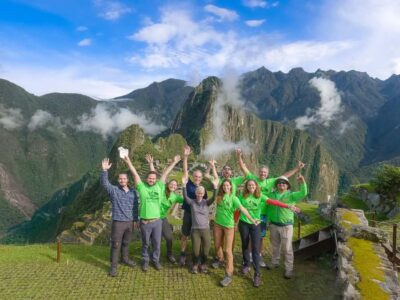
It is also a good fit for a private group of friends or relatives. A group of seven women used the private service and found the personal attention especially useful. Group discounts can improve the value when several people book together.
I would not choose it if you want a gentle approach to Machu Picchu, dislike camping, or have limited experience with steep mountain walking. The route is demanding even with porters, cooks, and a guide.
The non-refundable policy also deserves attention. Once paid, the experience cannot be changed or refunded for any reason. Buy travel insurance, as strongly recommended in the tour details, and be certain about your dates before committing.
Should you book the four-day private service?
Book it if the path matters as much to you as the destination. You will cross high passes, walk through cloud forest, visit Patallacta, Phuyupatamarca, Intipata, and Wiñay Wayna, then reach Machu Picchu through the Sun Gate. That is a far more meaningful approach than treating the citadel as a stand-alone day trip.
The strongest reasons to book are the private guiding, careful camp support, generous meal service, and the chance to walk at your group’s pace. The main warnings are the early mornings, altitude, steep steps, cold nights, extra costs, and unclear personal porter wording.
For a fit group that wants a classic Andean trek with practical support, $1,395 can be fair value. Just confirm every inclusion, especially the porter service and sleeping arrangements, before you pay.
FAQ
What time does the tour begin?
The meeting time is listed as 4:00 am, although one itinerary note mentions 4:30 am for the hotel meeting. Confirm the exact pickup time with Valencia Travel Agency S.a.c.
Is this a private tour?
Yes. Only your group participates, and you receive a professional bilingual guide. An assistant guide is included for groups of nine or more people.
How high does the trek go?
The highest point is Dead Woman’s Pass at Abra de Warrmihuañusca, approximately 4,200 meters or 13,779 feet.
What meals are included?
Three breakfasts, three lunches, and three dinners are included. The first morning’s breakfast, the final day’s lunch, and the final day’s dinner are not included.
Is camping equipment provided?
Yes. The package includes a four-person tent shared by two people, a foam sleeping mattress, a dining tent with tables and chairs, and porters to carry cooking and camping equipment.
Is a personal porter included?
The details are inconsistent. A personal porter for 7 kilograms appears under the inclusions, but the same service also appears under exclusions. Confirm the current arrangement and any fee before booking.
Can I climb Huayna Picchu?
Huayna Picchu is not included. You need to book a separate ticket well in advance, with listed entry sessions from 7:00 to 8:00 am or 10:00 to 11:00 am. A 7:00 am permit may cause you to miss the guided Machu Picchu visit.
More 4-Day Experiences in Cusco
- 4 Day Tour to the Manu National Park
★ 5.0 · 81 reviews - Choquequirao Trek 4 days and 3 nights
★ 5.0 · 81 reviews - Cusco Sacred Valley and Machupicchu 4 Days
★ 5.0 · 80 reviews - Ancascocha Trek To Machu Picchu 4 Days And 3 Nights
★ 5.0 · 77 reviews
Recently added around Cusco
- Palcoyo colored mountain hike + stone forests★ 4.6 · 3 reviews
- Maras Moray★ 5.0 · 3 reviews
- Full-Day Condor Viewpoint & Inca Sites Tour★ 5.0 · 3 reviews
- From Cusco: Vinicunca Mountain of Colors Excursion + Ticket★ 5.0 · 3 reviews
- Excursion Cusco – Puno – Titicaca Observatory Train★ 5.0 · 3 reviews
- Machu Picchu: Private Tour Guide Service for up to 15 people★ 4.5 · 3 reviews
- Machu Picchu: 1-day tour by Vistadome Observatory train★ 5.0 · 3 reviews
- Cusco: Chonta Canyon and Condor Flight Tour with Lunch★ 5.0 · 3 reviews
Machu Picchu Tours, compared.
4-Day Inca Trail to Machu Picchu with Accommodation
Read our review →
2-Day Trip to the Sacred Valley and Machu Picchu
Read our review →
Machu Picchu 2-Day Inca Trail with Panoramic Train
Read our review →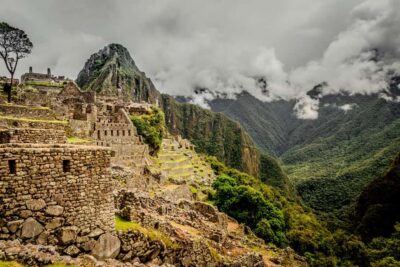
Browse the lists this tour appears in