
Reviewed · MACHU PICCHU TOURS
Inca Trail Machu Picchu 4 Days
Machu Picchu is impressive from any angle, but walking in through Inti Punku, the Sun Gate, gives the ancient city a proper build-up. You spend four days following stone paths through high mountain country, cloud forest, tunnels, and Inca ruins before reaching the citadel around 8:00 am.
I like two things here. First, the trip handles the hard practical work: transport, permits, tents, cooks, meals, porters, and the return train are included. Second, the small group, capped at 10 people, allows the guide to set a steady pace and explain sites such as Llactapata, Runkurakay, and Wiñayhuayna.
The main catch is simple: this is a serious hike, not a casual walk to Machu Picchu. Day 2 takes about nine hours and reaches 4,200 meters at Death Pass. You also need to bring or rent a sleeping bag, pay for your own first breakfast and final lunch, and accept a strict nonrefundable cancellation policy.
Key points to know before you book
- Reach Machu Picchu through the Sun Gate: The final approach begins with an early hike to Inti Punku, giving you a first view of the citadel before the guided visit.
- Cross the 4,200-meter Death Pass: Day 2 is the physical test, with a long climb followed by steep descents and more mountain walking.
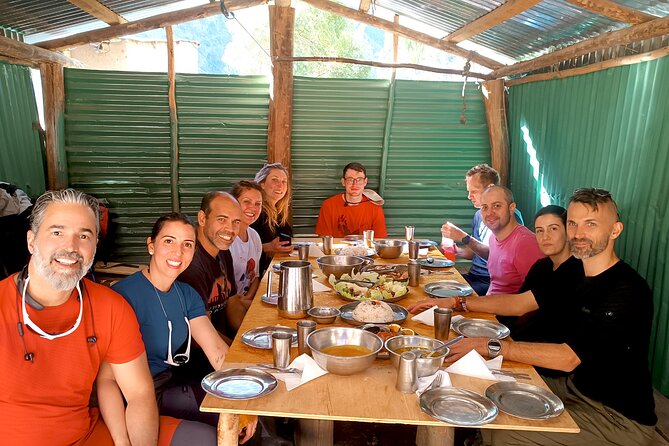
- Sleep in organized camps: Tents, sleeping mats, a dining area, tables, chairs, cooking gear, and portable bathroom equipment are supplied.
- Eat surprisingly well on the trail: Three breakfasts, three lunches, three dinners, and three snacks are included. Camp tea time and a baked cake were special touches on one departure.
- Travel with a small group: The maximum is 10 people, useful when the trail pace and altitude affect everyone differently.
- Budget for the extras: A sleeping bag, breakfast on Day 1, lunch at Machu Picchu or Aguas Calientes, and an extra carrier cost more.
Why the four-day Inca Trail is worth the effort
The classic Inca Trail is not just a route to an archaeological site. It is a changing sequence of old paths, mountain passes, engineered terraces, tunnels, and ruins. The scenery shifts as you climb and descend, so each day feels different.
At $905 per person, this is not a cheap way to reach Machu Picchu. Still, the price covers the costly parts of a regulated trek: entrance to the Inca Trail and Machu Picchu, transport from Cusco to Kilometer 82, camping equipment, cooks, food, porters for camp supplies, guides, first aid, oxygen, the Machu Picchu bus, and the return train to Ollantaytambo, depending on availability.
That package matters. A four-day trek needs far more support than a day walk. Tents, cooking equipment, dining gear, food, and bathroom supplies all have to move along the route. You carry your personal belongings, but the support team handles the camp operation. Several nights include a 30-minute tea period before dinner, which is a small but welcome comfort after a long day.
The experience is best for you if the journey matters as much as the ruins. If you mainly want to see Machu Picchu with the least physical effort, a train-based visit will be easier. Here, the reward comes from earning the first view.
more ways to reach machu picchu
- From Cusco: 2-Day Trip to the Sacred Valley and Machu Picchu
★ 4.6 · 265 reviews - Private Tour to Sacred Valley and Machu Picchu from Cusco
★ 5.0 · 133 reviews - Machu Picchu & Sacred Valley 2-Day Tour
★ 5.0 · 82 reviews
Day 1: Cusco to Kilometer 82 and Ayapata
The day begins at 5:30 am in Cusco, so prepare for an early start. Transport heads toward the Sacred Valley and makes a brief stop in Ollantaytambo, where you have the option of eating breakfast. Breakfast on this first morning is not included, so plan for that cost.
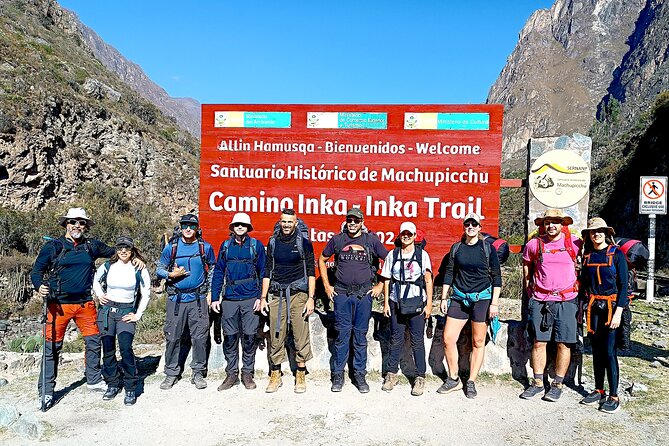
Before the hike starts, the group reaches Kilometer 82. You will present your documents for trail control and registration, meet the rest of the group, and cross the Urubamba River at about 2,200 meters. This is the real beginning of the walk.
The opening section is described as easy to follow, which gives you time to settle into the rhythm of the route. Lunch comes at Miskay, a small riverside spot. The guide uses this break to explain Llactapata and its place in Inca culture and the local economy.
That interpretive work is important. A guide who simply points at stones leaves you with a scenic walk but little understanding. Franklin, one guide named in the feedback, was especially good at explaining why ruins mattered, while also keeping the group together without forcing everyone to move at exactly the same speed.
After lunch, the route continues toward Wayllabamba at 3,100 meters, then climbs to Ayapata, where you spend the night. The day takes about seven hours. It is a long first day, but it is less punishing than Day 2 and gives you an introduction to the camps and the support team.
Day 2: Llulluchapampa and the climb to Death Pass
Day 2 is the hardest part of the trek for most people. Walking time is about nine hours, and the conditions are described as cold. The sensible approach is to move at your own pace and use the short stops to drink, rest, and adjust your layers.
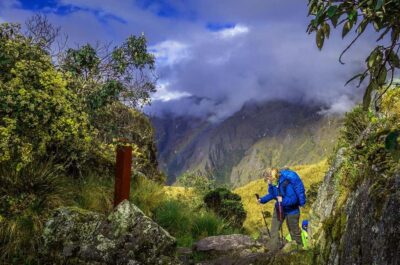
The path climbs for roughly three kilometers to Llulluchapampa at about 3,850 meters. Along the way, you move through rainforest and hear running water. This is a useful reminder that the Inca Trail is not one unchanging mountain scene. The route shifts between open high country and wetter forest.
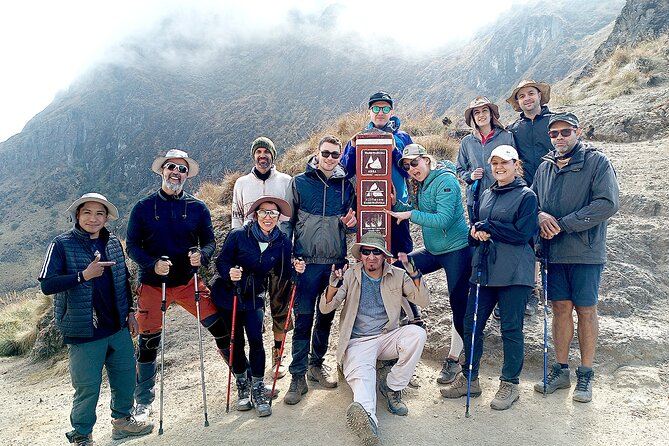
From Llulluchapampa, you continue uphill for two to three hours to Warmihuañusca, better known as Death Pass. At about 4,200 meters, this is the highest point of the trek and the part most likely to test your legs and breathing.
The climb is hard, but the short pause at the summit gives the day a clear turning point. From there, the trail drops steeply toward the Pacaymayu River. Descending is easier on the lungs but can be rough on knees and ankles. You then continue toward Runkurakay Pass before reaching Chaquicocha camp at about 3,650 meters.
The itinerary describes the pace as leisurely, but do not confuse that with easy. A relaxed pace simply means you are not expected to race. A strong fitness level is required, and proper hiking equipment will make the cold, steep sections far more manageable.
Day 3: Phuyupatamarca, tunnels, and Wiñayhuayna
Day 3 takes about six hours and is often the most rewarding day for people who enjoy ruins and changing scenery. The ecosystem shifts again as the route moves through rainforest toward Wiñayhuayna.
The path passes two small lakes near the top of a second pass at around 3,950 meters. From there, the route includes a gentle ascent through a small Inca tunnel. This section shows the practical skill behind the trail. The route is not just a footpath across the mountains. It was shaped to work with steep ground, water, and difficult terrain.
You reach Phuyupatamarca at about 3,600 meters. Its name means city above the clouds. The site is well preserved and includes a long chain of Inca baths. This is the kind of place where a good guide adds real value, explaining how water was managed and why the site was built where it was.
Another tunnel follows before the route reaches Wiñayhuayna, at about 2,650 meters. The name means forever young. Its terraces and stonework make it one of the most memorable archaeological stops on the trail, and the lower altitude usually feels welcome after the previous day.
The day ends with descending views toward Machu Picchu Mountain. You are close now, but the final arrival still waits until morning. That pause is part of the appeal. Instead of rushing directly into the citadel, you spend another night with the route and approach the ruins on foot.
more inca trail departures
- Cusco : Sacred Valley & Inca Trail to Machu Picchu 3 days
★ 5.0 · 57 reviews - Cusco: 4-Day Inca Trail to Machu Picchu with Accommodation
★ 4.8 · 432 reviews - Cusco: Machu Picchu 2-Day Inca Trail with Panoramic Train
★ 4.9 · 260 reviews - From Cusco: 2-Day Inca Trail to Machu Picchu
★ 4.2 · 244 reviews
Day 4: Entering Machu Picchu through Inti Punku
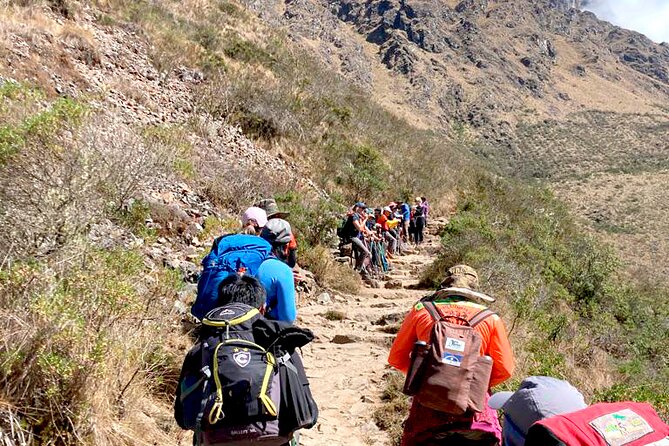
After breakfast, you set out for Inti Punku, the Sun Gate. The last uphill section takes almost an hour. The goal is to reach the gateway in time for the first view of Machu Picchu and, if conditions allow, sunrise over the citadel.
This approach feels different from arriving by bus. You have spent three days climbing, camping, and passing through Inca sites, so the view from Inti Punku connects the final ruins with the path that brought you there. The first sight of Machu Picchu is not an isolated photo stop. It is the end of a demanding route.
You reach the citadel at around 8:00 am. A guided tour lasts approximately two hours and explains the purpose and construction of the archaeological park. Afterward, you have free time to explore on your own.
The planned options include the Inca Bridge, additional monuments within the site, and Huayna Picchu for a wider view. The information provided does not specify whether every optional climb requires a separate reservation, so check your confirmed arrangements before counting on those additions.
Later, you descend to Aguas Calientes for lunch at your own expense. The tour does not include lunch at Machu Picchu or in Aguas Calientes. The return train goes from Machu Picchu Pueblo to Ollantaytambo, subject to availability, followed by transport to Cusco.
One practical warning comes from the timing of this final day. The train connection can require a hurried transfer, so keep your belongings organized and stay alert to instructions. One departure had some schedule pressure, with people needing to move quickly to catch transport.
Camps, food, and the porter operation
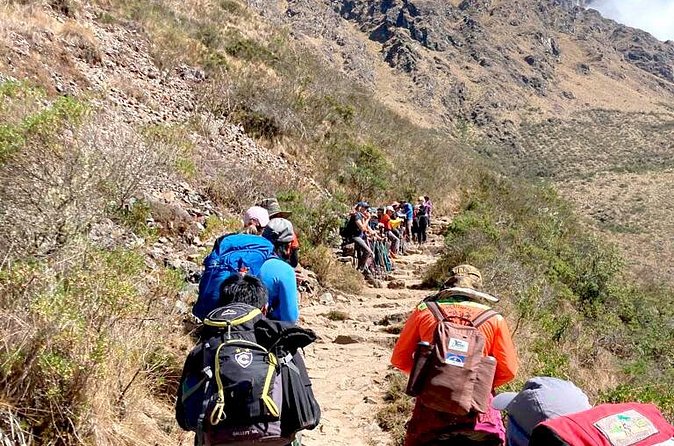
Camping on the Inca Trail is basic, but the supplied equipment covers the main needs. The package includes tents, mats, a bathroom, a dining room, tables, chairs, cooking equipment, and food carriers.
You do not need to carry the entire camp. Porters move the group equipment, food, tents, and cooking supplies. An extra carrier is not included, so if you want help with your personal bag, that is an added cost.
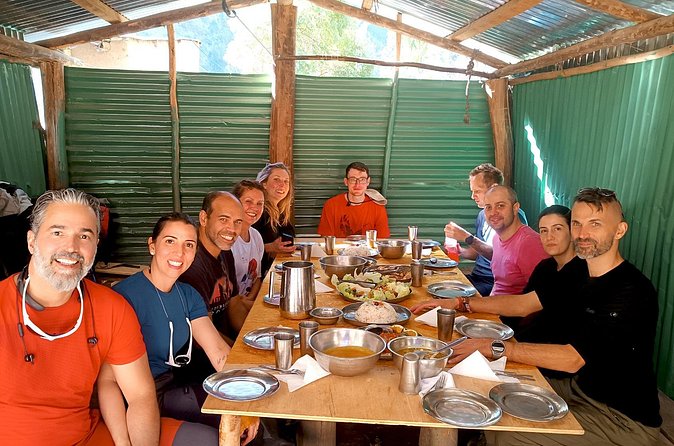
The food is one of the strongest parts of the package. You receive three breakfasts, three lunches, three dinners, and three snacks. The cooks work with a full camp kitchen, and the food has received unusually warm praise for a mountain trek. One group even had a cake baked at camp, along with a 30-minute tea period before dinner.
Your first breakfast and final lunch are different. Breakfast on Day 1 is your responsibility in Ollantaytambo or elsewhere before the trailhead. On Day 4, lunch at Machu Picchu or Aguas Calientes is also not included.
A sleeping bag is not supplied. You will need to bring one or arrange one separately. That is an important cost and packing point, especially because the second night is at a high camp and the itinerary specifically notes cold conditions on Day 2.
Guides, group size, and the human side of the trek
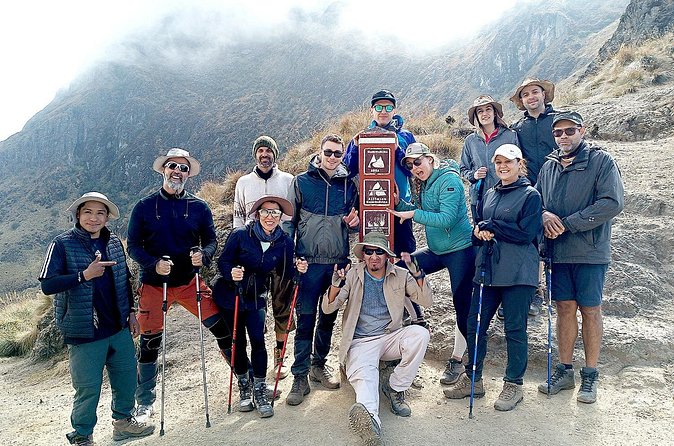
The maximum group size is 10 people. That is small enough for the guide to monitor the group and flexible enough for different walking speeds. The trip is offered with a professional guide in Portuguese or Spanish, with language requested in advance.
Franklin is specifically named as a guide who kept the group together while allowing people time to explore individual sites. He also explained the role of the ruins in Inca culture and economy, which is the kind of context you want on a trail filled with unfamiliar names.
Giuliana is also singled out for her attentive manner and good energy. The wider support crew, including cooks and porters, is a major part of the experience. You see only some of the work directly, but the dining tents, meals, cooking gear, and camp facilities depend on that team.
The support includes oxygen and first-aid equipment. That is reassuring at altitude, but it does not remove the need for preparation. The stated requirement is a strong physical fitness level. You should take that seriously.
What to pack and what to budget
The supplied package leaves several useful items to your responsibility:
- Sleeping bag
- Breakfast on the first day
- Lunch at Machu Picchu or Aguas Calientes
- Extra carrier, if you want one for personal belongings
The trail itself also calls for sensible clothing and footwear. The provided information specifically notes cold weather and the need for appropriate equipment. You should be prepared for steep climbs, long descents, high altitude, and changing conditions between rainforest and exposed mountain sections.
The price includes the major transport pieces, but return train times depend on availability. The Machu Picchu bus from Machu Picchu Pueblo to the archaeological site is included, as are the trail and citadel entrances.
This tour is commonly reserved about 60 days ahead. That lead time matters for a route with controlled access and fixed transport. Confirmation is received at booking, and the experience is available during the stated operating period from July 27, 2023, through November 26, 2026.
The cancellation rule is strict: the booking is nonrefundable and cannot be changed for any reason. Do not reserve until your dates, fitness, and travel plans are firm.
Who should choose this Inca Trail trip
You should consider this trek if you want the full route to Machu Picchu, enjoy long days outdoors, and value having meals, camps, guides, and transport organized in one package.
It suits people who are comfortable with a group schedule but still want some freedom to walk at their own pace. It also works well for families or friends who want a shared challenge, provided everyone meets the fitness requirement.
You may prefer another way to visit Machu Picchu if you dislike camping, struggle with steep mountain trails, or want a short and flexible sightseeing day. Four days is a real commitment, and Day 2 can be demanding even at a measured pace.
Should you book the 4-day Inca Trail?
I would book this tour if the approach matters to you as much as Machu Picchu itself. The price is fair for the permits, transport, food, camp operation, porters, and return train included, and the small group gives the experience a personal feel.
Book only after checking the sleeping bag arrangement, final train timing, language request, and optional Huayna Picchu access. Also allow extra money for breakfast on Day 1, lunch on Day 4, and a possible personal carrier.
The best reason to choose it is the sequence: Death Pass, high mountain ruins, Inca tunnels, Wiñayhuayna, and then Machu Picchu through the Sun Gate. It is demanding, but the arrival has more meaning because you walked there.
FAQ
How long is the Inca Trail Machu Picchu tour?
The tour lasts four days and three nights. The walking times are approximately seven hours on Day 1, nine hours on Day 2, six hours on Day 3, and three hours on Day 4.
Where does the tour begin?
Pickup begins in Cusco at 5:30 am. The group travels toward the Sacred Valley and starts the hike at Kilometer 82 after crossing the Urubamba River.
How high does the route climb?
The highest point is Warmihuañusca, or Death Pass, at about 4,200 meters. The route also reaches Llulluchapampa at about 3,850 meters and Chaquicocha camp at about 3,650 meters.
Is food included?
Yes. The package includes three breakfasts, three lunches, three dinners, and three snacks. Breakfast on the first day and lunch at Machu Picchu or Aguas Calientes are not included.
Is camping equipment provided?
Yes. Tents, mats, a bathroom, a dining room, tables, chairs, cooking equipment, and food carriers are included. A sleeping bag is not included.
Is the return train included?
Yes. The return train from Machu Picchu Pueblo to Ollantaytambo is included, depending on availability. Transport then continues to Cusco.
How large is the group?
The maximum group size is 10 people.
What languages are available for the guide?
The professional guide is available in Portuguese or Spanish. The language should be requested in advance.
Can the tour be canceled or changed?
No. The experience is nonrefundable and cannot be changed for any reason.
More 4-Day Experiences in Sacred Valley
- Cusco Sacred Valley and Machupicchu 4 Days
★ 5.0 · 80 reviews - 4 day – Bucketlist Cusco: Rainbow Mtn, Machu Picchu, Sacred Valley, Humantay
★ 5.0 · 55 reviews - 4-Day: All Included Excursion City Tour, Sacred Valley & MachuPicchu
★ 5.0 · 40 reviews - Puerto Maldonado: 4-Day Tambopata Rainforest Tour
★ 4.6 · 213 reviews
Recently added around Sacred Valley
- From Cusco: Sacred Valley & Moray, Salt Mines with Lunch★ 4.6 · 3 reviews
- Sacred Valley Vip Cusco★ 4.7 · 3 reviews
- From Cusco: Sacred Valley VIP Tour with Buffet Lunch★ 4.7 · 3 reviews
- City Tour Cusco & Valle Sagrado Pisac mas Almuerzo★ 3.6 · 3 reviews
- Cusco: Sacred Valley Day Trip with Maras & Moray Salt Mines★ 5.0 · 3 reviews
- From Cusco: Full-Day Private Sacred Valley Tour★ 5.0 · 3 reviews
- Classic Sacred Valley full day★ 5.0 · 3 reviews
- Sacred Valley Tour 1 Day★ 5.0 · 3 reviews
Machu Picchu Tours, compared.



4-Day Inca Trail to Machu Picchu with Accommodation
Read our review →
2-Day Trip to the Sacred Valley and Machu Picchu
Read our review →
Machu Picchu 2-Day Inca Trail with Panoramic Train
Read our review →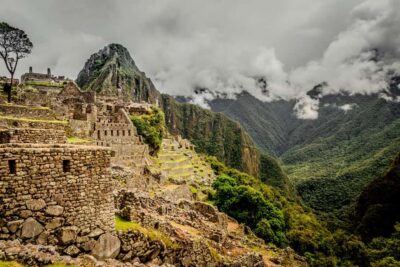
Browse the lists this tour appears in