
Reviewed · SACRED VALLEY TOURS
Sacred Valley Vip Cusco
The striking part of this full-day trip is how much ground it covers: five major Sacred Valley sites in about 12 hours. You move from Chinchero’s Inca walls to Moray’s round terraces, then on to the Maras salt wells, Ollantaytambo, and Pisac.
I like the mix of big archaeological sites and living local culture, especially the Chinchero textile center and Pisac market. I also like the small group limit of 10, which should make a long day easier to manage. The drawback is the pace: five stops in one day leaves little room for lingering, and pickup coordination may need extra attention. Also, budget 20 soles for the Maras salt mines, since that is the reported entrance price, not 10 soles.
Key points at a glance
- Five Sacred Valley stops in one day: Chinchero, Moray, Maras, Ollantaytambo, and Pisac are packed into a 7:00 am to about 7:00 pm schedule.
- Moray’s circular terraces: The unusual Inca agricultural site is one of the day’s most memorable views and a strong reason to choose this route.
- More than ruins: Chinchero includes a colonial church and textile center, while Pisac adds an indigenous market and handicrafts.
- Maras costs extra: The salt mines are reported to charge 20 soles, so do not rely on the lower 10-sol figure.
- Small-group format: The tour is limited to 10 people and runs with a live guide in English or Spanish.
- Lunch is included in the rhythm of the day: A buffet meal in Urubamba breaks up the sightseeing before Ollantaytambo and Pisac.
One long day through the Sacred Valley
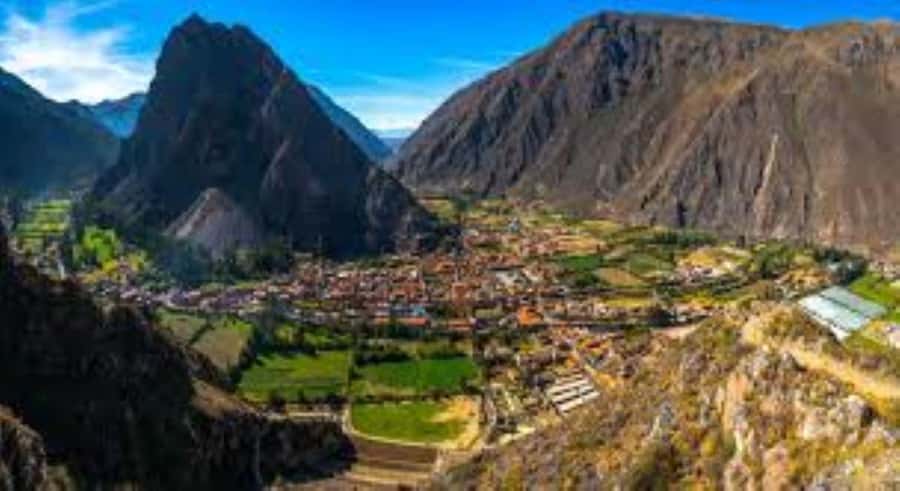
This is the classic see it all Sacred Valley plan. You leave Cusco at 7:00 am and return around 7:00 pm, with a route that links highland villages, Inca engineering, colonial Peru, salt production, and market shopping.
That range is the tour’s main strength. Instead of spending a full day on only one ruin, you get a broad look at how the Sacred Valley works as a cultural region. The tradeoff is simple: this is a sampler, not a slow study of each place.
The small group limit matters here. A 12-hour schedule can become tiring when every stop requires gathering people again, so a maximum of 10 participants is more manageable than a large coach. Still, you should expect a full day on the move, not a relaxed village outing.
The advertised pickup issue is worth taking seriously. Coordination with agencies may not always be smooth, so keep your phone available and confirm the meeting details before departure. This is especially important when your morning begins early and the schedule has little spare time.
more sacred valley days
- From Cusco: Sacred Valley & Maras Salt Mines Tour with Lunch
★ 4.8 · 2,227 reviews - Cusco: Sacred Valley, Pisac, Ollantaytambo, Salt Mines Moray
★ 4.6 · 1,058 reviews - Sacred Valley: Chinchero, Moray, Ollantaytambo & Pisac+Lunch
★ 4.8 · 501 reviews
Chinchero: Inca stonework beside a colonial church
Chinchero begins the cultural side of the day. Here, you see Inca wall construction and a historic colonial church in the same setting. That pairing helps you understand Peru better than a ruin viewed in isolation: older Inca foundations and later Spanish religious architecture occupy one shared place.
Look closely at the stonework. The value is not only in taking a photograph, but in seeing the precision of the construction and the way it remains part of the town’s built environment. The colonial church adds another layer, showing how the site changed after the Spanish arrival.
The stop also includes a visit to a textile center. This gives you something different from the stone sites that follow. You can look at local weaving and consider handicrafts as more than souvenirs, since the textile visit connects the day to continuing local work.
Do not expect Chinchero to be a long, unhurried visit on this itinerary. It is the first stop in a tightly scheduled circuit, so your guide will need to balance explanation, sightseeing, and the rest of the day’s driving.
Moray’s round terraces and Inca agriculture
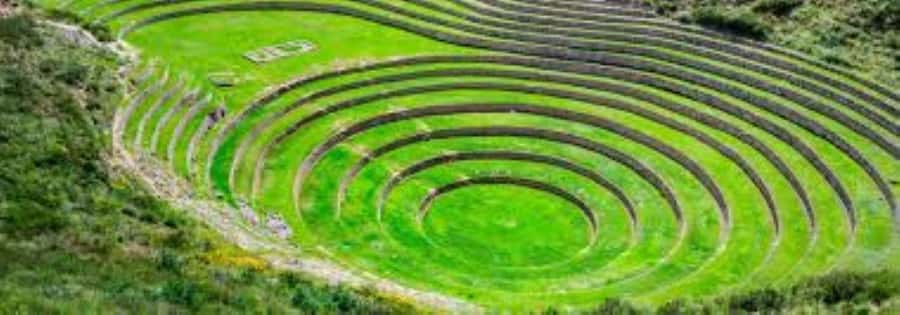
Moray is the visual surprise of the route. Its circular terraces sink into the ground in a pattern that looks almost designed for modern art, yet the site served an agricultural purpose in Inca times.
The terraces are important because they show practical engineering rather than only ceremonial stonework. Their unusual form makes this one of the easiest places to remember from the day, even if you know little about Inca agriculture before arriving.
I would give Moray your full attention. It is one of the stops where a guide’s explanation can add real value, because the shape alone does not tell you how the site was used. English and Spanish guiding is available, so choose the language in which you can follow details most easily.
The limitation is that the visit is still part of a five-stop circuit. You may want more time for photographs or a longer explanation, but the schedule must keep moving toward Maras, lunch, and the afternoon sites.
Maras: more than 3,000 salt wells
The Maras Salt Mines bring a completely different sight. More than 3,000 salt wells spread across the area, creating a patterned scene that has been used since Inca times.
This is a good stop for readers who want to see a working tradition as well as old architecture. The salt wells are not simply abandoned ruins. Their continued use gives the place a direct connection between past and present.
You should plan for an additional entrance charge. The available information gives a reported price of 20 soles, while the lower 10-sol figure may still appear in booking details. Bring enough local currency and treat 20 soles as the safer amount to budget.
That price discrepancy is the clearest practical warning attached to this activity. It does not necessarily make the tour poor value, but unexpected charges can sour an otherwise good day. Ask for confirmation before you go, and keep a little extra cash with you.
The order of Moray followed by Maras also works well visually. First you see an Inca site shaped around farming, then another shaped around salt production. The contrast helps you see how varied the Sacred Valley’s resources were.
more Cusco days to weigh up
- Sacred Valley (VIP) – Full Day Trip
★ 4.5 · 71 reviews - Sacred Valley with Peru Vip : Pisac, Ollantaytambo and Chinchero
★ 5.0 · 69 reviews - Sacred Valley and Machu Picchu Tour in 2 days with Peru Vip
★ 5.0 · 55 reviews - Sacred Valley VIP Tour with Maras and Moray from Cusco
★ 4.5 · 35 reviews
Urubamba: a useful midday pause
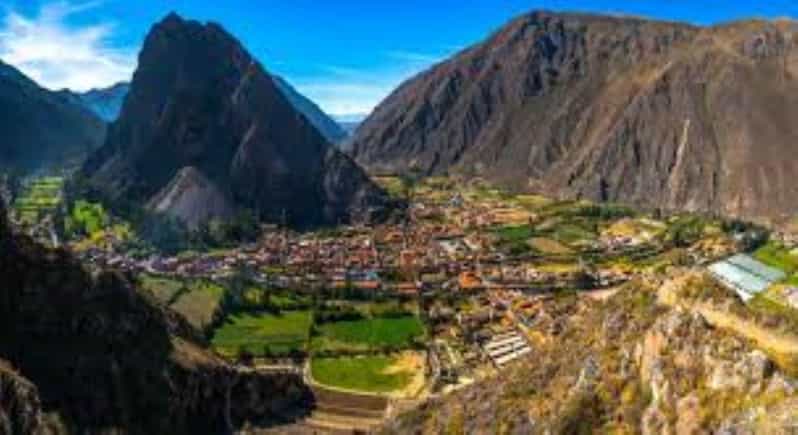
After Maras, the tour stops in Urubamba for a buffet lunch. In a packed schedule, this is more than a meal. It gives you a chance to sit down before the afternoon’s larger archaeological sites.
A buffet can also suit a small mixed group because people do not all need to order the same dish or wait for individual plates. The supplied details do not identify the menu, so you should think of lunch as a practical included break rather than a reason to book the tour by itself.
The timing matters. By this point, you have already visited Chinchero, Moray, and Maras, so the pause helps divide the day into two manageable halves. After lunch, the route turns toward Ollantaytambo and Pisac.
Because the tour returns to Cusco around 7:00 pm, do not expect a leisurely evening after the excursion. If you have another fixed activity that night, leave plenty of margin. A full-day Sacred Valley circuit can run close to its planned end simply because there are many stops to coordinate.
Ollantaytambo, the living Inca city
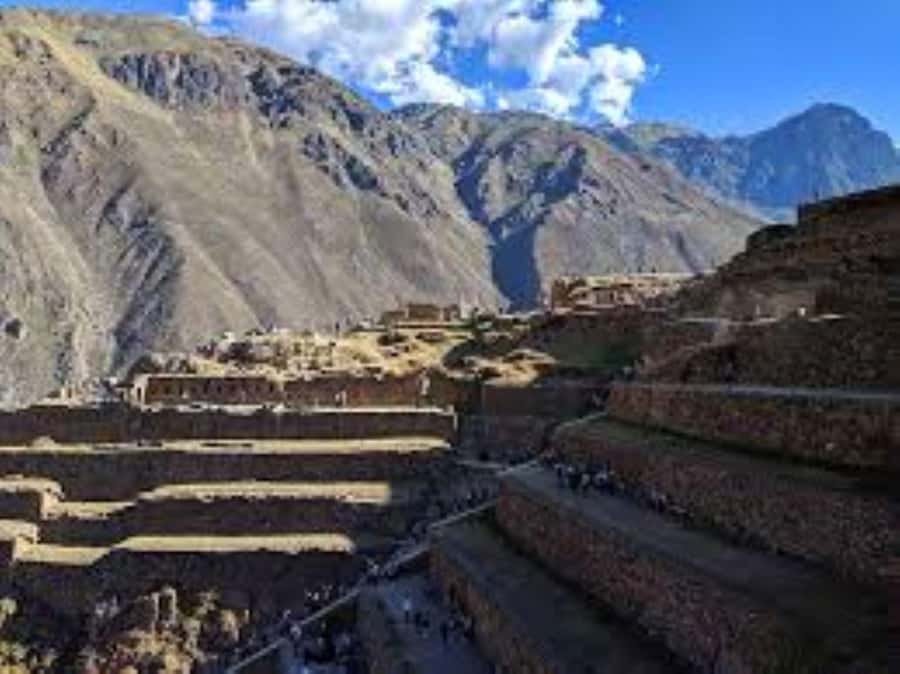
Ollantaytambo is presented as the Last Living Inca City, and that description points to what makes it different from a stand-alone ruin. The town is known for Inca construction that remains part of a lived-in setting.
Here, pay attention to the relationship between the streets, stone buildings, and archaeological remains. You are not only looking at a distant monument. The appeal comes from seeing how an old Inca urban plan still shapes the town around it.
This stop is likely to feel especially important to anyone interested in architecture and city design. Chinchero introduces Inca walls, and Moray introduces agricultural planning. Ollantaytambo brings those ideas into a larger settlement.
The drawback is the afternoon timing. By the time you reach Ollantaytambo, you have already spent hours on the road and at several sites. You may find yourself wishing for more time here, particularly if the archaeological area interests you more than shopping or short photo stops.
The tour’s broad coverage is useful for a first visit to the valley, but it cannot give every location equal weight. If Ollantaytambo is your main priority, compare this itinerary with an option that ends there or allows a longer stay.
Pisac market and the Intihuatana hill
Pisac closes the cultural circuit with two different experiences: the indigenous market in town and the Archaeological Park of Pisac on the slopes of Intihuatana hill.
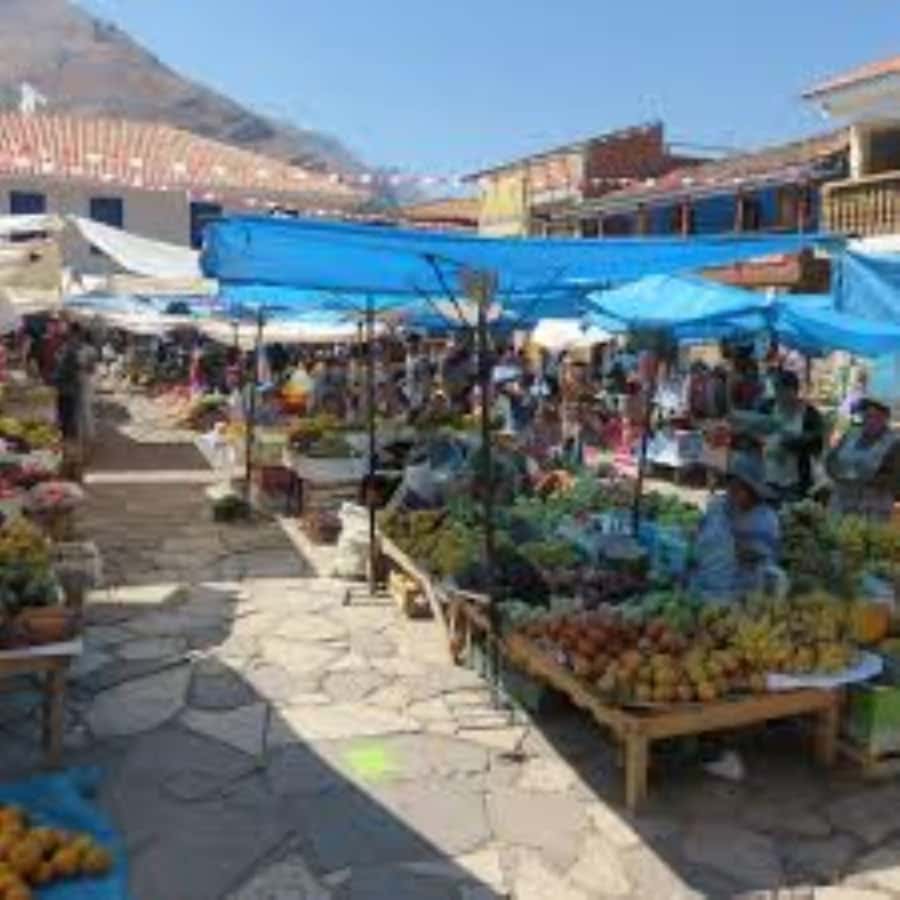
The market is the practical shopping stop. You can look for handicrafts and compare the work on offer before buying. The setting gives the final part of the day a more social feel than the earlier terraces and salt wells.
I would save some shopping energy for Pisac rather than spending all your time at the first textile stop. The itinerary specifically presents the market as a good place for handicrafts, so it is one of the better chances to bring home something connected to the region.
Keep your expectations in check. A market visit during a full-day tour is not the same as spending an entire morning browsing stalls. You will have a limited window, and the group must continue to the archaeological park.
The park adds the historic weight that the market cannot provide. Its finely crafted Inca stone buildings sit on the slopes of Intihuatana hill, giving you another look at Inca construction after Chinchero and Ollantaytambo.
Pisac is a fitting final stop because it combines present-day trade with old stonework. You get a last chance to shop, then a final archaeological site before the return to Cusco. As with the rest of the trip, the variety is impressive, but the clock remains in charge.
What the 10-person format means
The tour is limited to 10 participants, with a live guide in English or Spanish. That is a useful middle ground for this route. You get the structure of a guided group outing without the scale of a large bus tour.
A small group can make explanations easier to follow and may reduce the time spent collecting people at each stop. It can also make the day feel less anonymous. Still, the supplied details do not name an individual guide, so you should not book expecting a particular person.
Language choice is clear: guiding is offered in Spanish and English. Select the language that lets you absorb information without effort, especially at Moray and Ollantaytambo, where context adds much to what you see.
The schedule is the bigger factor than the group size. Even with only 10 people, this remains a 12-hour outing. You need the stamina for an early start, repeated stops, and a return around 7:00 pm.
Is this tour good value?
No tour price is provided here, so I cannot judge the exact cost in soles or compare its price directly with other options. I can judge the structure. You are paying for a guided day that links five major sites, includes a buffet lunch in Urubamba, and handles a route that would be difficult to cover efficiently on your own in one day.
The value is strongest if you want a broad first look at the Sacred Valley. Chinchero, Moray, Maras, Ollantaytambo, and Pisac each offer a different reason to stop, so the day does not feel like five versions of the same ruin.
The value is weaker if you prefer slow travel. You will not have unlimited time at any one location, and the long schedule can make the experience feel like a checklist by late afternoon.
Remember the 20-sol Maras charge when comparing prices. A tour that looks cheap at first can feel less attractive if you are surprised by an extra fee. The booking terms allow cancellation up to 24 hours in advance for a full refund, and you can reserve now and pay later, which gives you some flexibility while plans are still changing.
Who should book this Sacred Valley circuit?
I would recommend it to a first-time Cusco visitor who wants to understand the valley’s range in a single day. It suits you if you like moving between sites, want both archaeological places and local shopping, and prefer a guide to organize the route.
It is also a good fit if you are short on time. Five locations in one day is demanding, but it gives you a useful overview before deciding which places deserve a slower return visit.
You may want another format if you dislike early starts or long days. A private tour could offer more control over timing, while an itinerary ending in Ollantaytambo may work better if you plan to continue through the valley instead of returning to Cusco.
Be realistic about the rhythm. This is not a quiet retreat among mountain villages. It is a packed sightseeing day with a good range of subjects, a small group, and one clear practical concern: confirm the pickup details and budget 20 soles for Maras.
Should you book it?
Book this Sacred Valley tour if your priority is coverage. You will see Inca construction, agricultural terraces, salt wells, a colonial church, a market, and a living Inca town before returning to Cusco the same evening.
Skip it if you want long visits, flexible meal times, or deep focus on one archaeological site. For everyone else, the combination is sensible: the Moray and Maras pairing is memorable, Pisac gives you a real chance to shop for handicrafts, and the 10-person limit keeps a demanding day reasonably manageable.
FAQ
How long does the Sacred Valley tour last?
The tour lasts 12 hours. It begins at 7:00 am and returns to Cusco around 7:00 pm.
Which places are included?
The route includes Chinchero, Moray, the Maras Salt Mines, Ollantaytambo, and Pisac. In Pisac, the schedule includes both the indigenous market and the Archaeological Park.
Is lunch included?
Yes. The itinerary includes a buffet lunch in Urubamba.
What languages are available?
The live guide service is available in English and Spanish.
How large is the group?
The tour is described as a small-group experience limited to 10 participants.
How much should I budget for the Maras Salt Mines?
The available pricing information states that the Maras entrance costs 20 soles. A lower 10-sol amount may appear elsewhere, so budgeting 20 soles is safer.
Can I cancel the booking?
Yes. You can cancel up to 24 hours in advance for a full refund. You can also reserve now and pay later.
Recently added around Cusco
- Palcoyo colored mountain hike + stone forests★ 4.6 · 3 reviews
- Maras Moray★ 5.0 · 3 reviews
- Full-Day Condor Viewpoint & Inca Sites Tour★ 5.0 · 3 reviews
- From Cusco: Vinicunca Mountain of Colors Excursion + Ticket★ 5.0 · 3 reviews
- Excursion Cusco – Puno – Titicaca Observatory Train★ 5.0 · 3 reviews
- Machu Picchu: Private Tour Guide Service for up to 15 people★ 4.5 · 3 reviews
- Cusco: Chonta Canyon and Condor Flight Tour with Lunch★ 5.0 · 3 reviews
- Machu Picchu: 1-day tour by Vistadome Observatory train★ 5.0 · 3 reviews
Sacred Valley Tours, compared.

Sacred Valley & Maras Salt Mines Tour with Lunch
Read our review →
Sacred Valley, Pisac, Ollantaytambo, Salt Mines Moray
Read our review →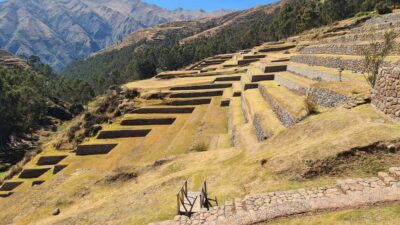


2-Day Trip to the Sacred Valley and Machu Picchu
Read our review →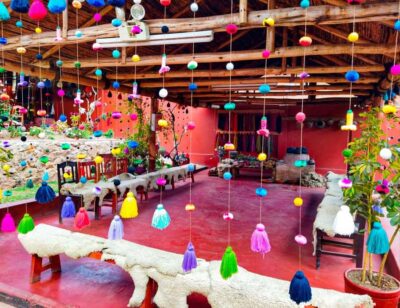
Sacred Valley Pisaq,Ollantaytambo,Chinchero with Lunch
Read our review →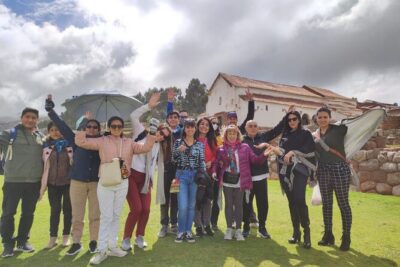
Full-Day Excursion to Sacred Valley, Pisac and Ollantaytambo from Cusco
Read our review →
Food and Culture Full day Tour in the Sacred Valley
Read our review →Browse the lists this tour appears in