
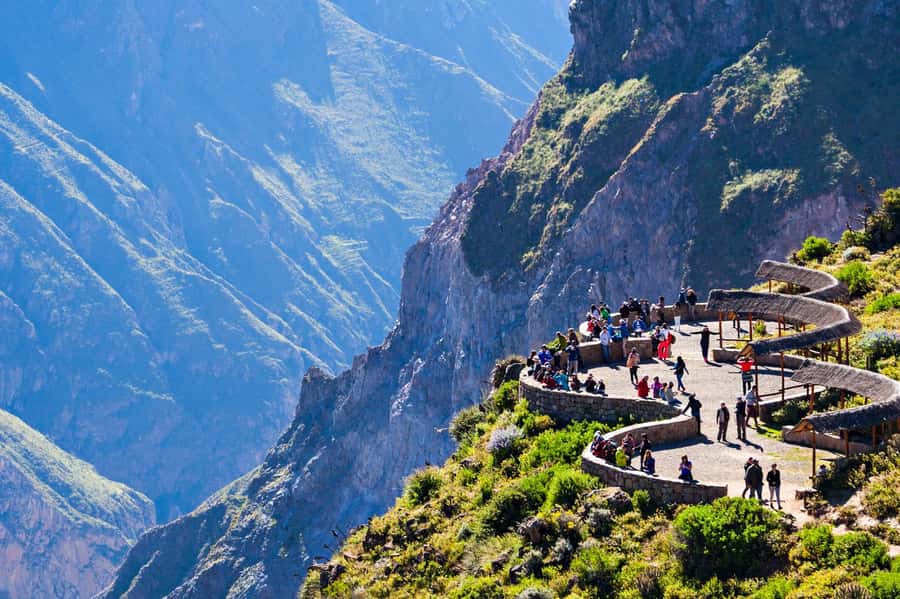
Reviewed · COLCA CANYON TOURS
From Puno to Arequipa: 2 Days/1 Night Colca Canyon Tour
The best part of this Puno to Arequipa journey is that it turns a long transfer into a proper Andean experience. You cross open highlands, watch for flamingos and vicuñas, pause at the 4,830-meter Patapampa viewpoint, then spend the night in Chivay before reaching Colca Canyon and its famous condors.
I like the range of scenery packed into two days, and I like having a hot-springs visit and overnight stay instead of rushing straight from Puno to Arequipa. The main concern is organization: guides and vehicles can vary, with some departures using cramped minibuses and offering little explanation on the first day.
Key points at a glance
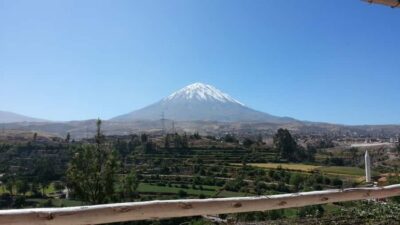
- Patapampa reaches 4,830 meters, with views toward the Hualcahualca, Sabancaya, and Ampato volcanoes.
- Lagunillas Lagoon is a good place to watch Andean flamingos, geese, and gulls.
- Pampa Cañahuas offers a chance to see vicuñas, one of Peru’s national symbols.
- La Calera Hot Springs gives you a relaxing afternoon in Chivay, for an extra S/ 15.
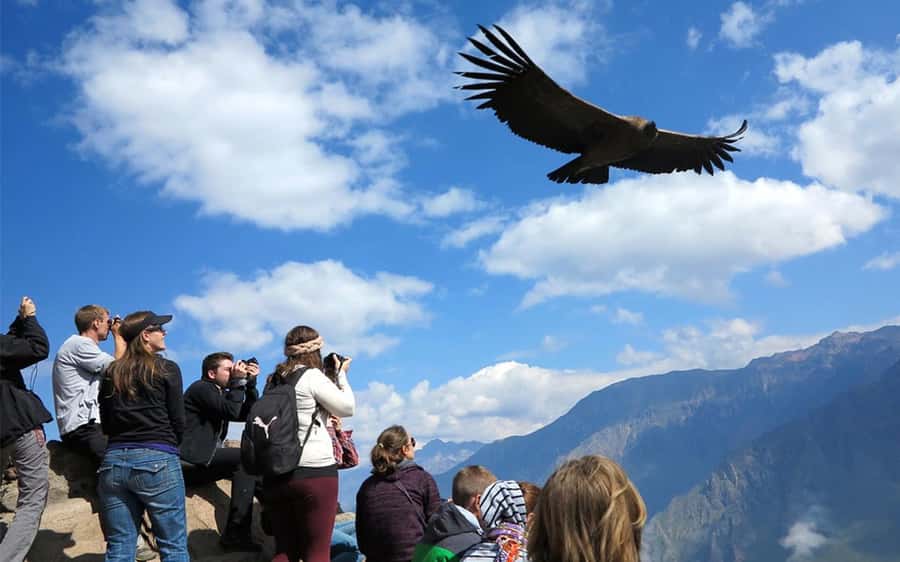
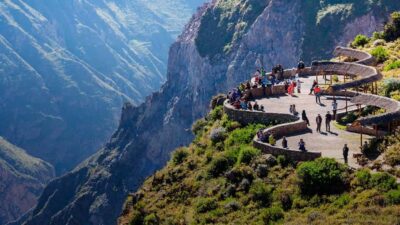
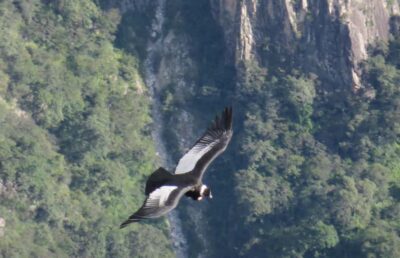
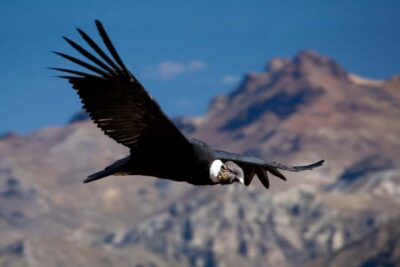
- Cruz del Condor is the tour’s main event, with a chance to watch condors ride the rising air.
- The S/ 70 foreign visitor canyon fee and meals are not included in the $102 price.
Why this two-day route makes sense
The road from Puno to Arequipa is long, but Colca Canyon gives it a purpose. Instead of spending the whole day in a vehicle, you stop at lagoons, high plains, viewpoints, villages, and hot springs. You also avoid making Colca Canyon a tiring day trip from Arequipa.
The tour costs $102 per person. For that price, you receive transport from Puno through Colca to Arequipa, an English- or Spanish-speaking guide, one night in a two-star hotel in Chivay, a private bathroom, hot water, breakfast, Wi-Fi, and a television in the room.
That is fair value if you need to move between Puno and Arequipa and want to see Colca Canyon on the way. The price becomes less attractive once you add the canyon admission, meals, hot springs, and drinks. Foreign visitors pay S/ 70 for the canyon, Latin American visitors pay S/ 40, and the hot springs cost S/ 15.
You should also view this as a transport-based sightseeing tour, not a hiking trip. The schedule gives you several short stops and a one-hour guided visit around Colca Canyon, but it does not include a long walk into the canyon.
more colca canyon trips
- 2-Day Tour Colca Canyon in Arequipa with end in Puno
★ 4.6 · 248 reviews - Turist Bus Colca Canyon (Chivay) To Puno
★ 5.0 · 83 reviews - Tour Fullday Colca Canyon with Breakfast and Typical Lunch
★ 4.3 · 35 reviews
Day 1: Leaving Puno at 6:10 in the morning
Pickup begins at 6:10 am from hotels in central Puno. You should wait in the lobby about 15 minutes early. That early start is necessary because the route includes several stops and the final destination is Chivay, but it also means a very long first day.
The first sections of the trip take you through the high Andean plateau. The scenery is wide, spare, and exposed, with little shelter from the sun or cold. Keep a warm layer close, even if Puno feels mild when you leave.
The vehicle is usually described as a bus or van, but the actual size can vary. Some departures have used a small minibus with limited legroom and tight storage for suitcases. One particularly practical complaint was that luggage made the vehicle feel crowded, so pack with restraint if you can.
Lagunillas Lagoon and Andean birdlife
Lagunillas is one of the first worthwhile stops. The lagoon gives you a chance to look for Andean flamingos, geese, and gulls. Bird sightings depend on the day and conditions, but this stop adds life to an otherwise stark stretch of high country.
You will want binoculars if you already carry a pair, although the tour does not list them as included. Even without them, the lagoon is a welcome break from the road and a chance to take photographs of water, mountains, and birds in the same frame.
This is also where the guide’s quality begins to matter. A good guide can point out the birds and explain how people and animals live at this altitude. On some departures, the first-day commentary has been thin, with the guide acting more like a trip assistant than a full interpreter. If learning about the region matters to you, this is an important limitation to keep in mind.
Pampa Cañahuas and the search for vicuñas
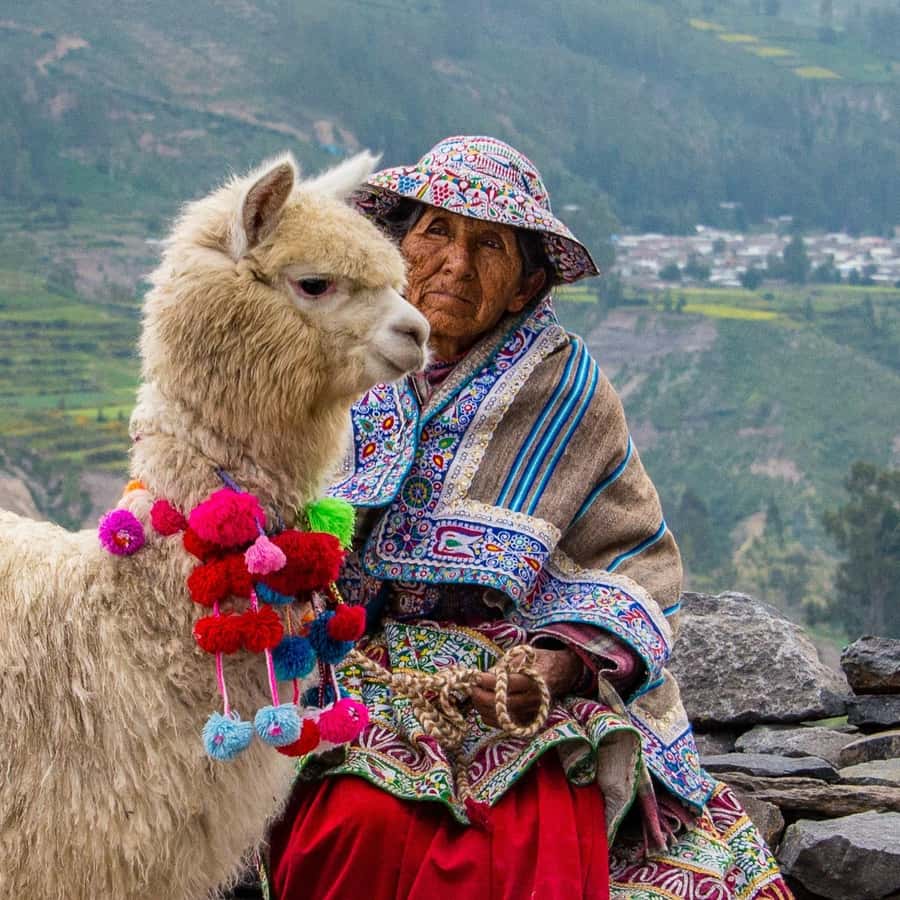
The route continues toward Pampa de Arrieros and Pampa Cañahuas. The main attraction here is the vicuña, a slender wild relative of the alpaca and llama. Vicuñas are part of Peru’s national symbolism, and seeing them in open country is more rewarding than viewing Andean animals only in a farm setting.
You may spot them from the roadside or during a short stop. Do not expect a wildlife safari with long viewing periods. The tour moves on a fixed schedule, so have your camera ready and listen for the guide’s instructions.
There is also a brief stop at Viscachanito, where the group may take coca and give the body time to adjust to the altitude. This is a useful pause, but it does not remove the need to take the high elevation seriously. The day reaches its highest point at Patapampa, so drink water, avoid rushing, and tell the guide or driver if you feel unwell.
more Chivay days to weigh up
- 2 day 1 night trek / Colca Canyon
★ 3.0 · 3 reviews - Lima Evening Tour: Magic Water Circuit & Fountain Show
★ 5.0 · 152 reviews - Lima: Water Magic Circuit, Downtown and Catacombs Night Tour
★ 4.8 · 142 reviews - From Lima: Ballestas Islands and Huacachina Sunset Day Trip
★ 4.7 · 113 reviews
Patapampa at 4,830 meters
Patapampa is called the Viewpoint of the Volcanoes. At 4,830 meters above sea level, it is the highest point on the route and one of the most memorable stops.
From here, you may see the volcanic chain, including Hualcahualca, Sabancaya, and Ampato. The air can feel thin, and the stop may be brief, but the view explains the scale of the Andes better than any map. This is a place for a quick photograph, a slow breath, and sensible pacing.
The altitude is not a minor detail. If you are coming from Puno, you may already have adjusted somewhat, but everyone responds differently. Wear layers, protect yourself from strong sun, and do not treat the viewpoint like a place for strenuous activity.
Chivay, the overnight base
After the high pass, the tour reaches Chivay. The group stops at the main square before you are taken to the hotel. Accommodation is listed as a two-star property with a private bathroom, hot water, Wi-Fi, television, and an American breakfast.
The exact hotel matters because the quality of this part of the trip has not been consistent. Some people have found the overnight arrangement acceptable, while others chose to book their own accommodation instead. If you want a particular standard or need a very specific room setup, contact the provider before booking rather than assuming the basic hotel category will match your expectations.
Chivay is a useful place to spend the night because it breaks up the route and puts you near the canyon for the early morning departure. It also gives you a chance to eat local food and see a small town in the Colca region, rather than treating the valley as a quick roadside stop.
La Calera Hot Springs at 3:00 pm
The optional visit to La Calera Hot Springs is scheduled for 3:00 pm. Entry costs S/ 15, paid separately. After a cold morning at high altitude and hours on the road, warm water can be exactly what your body needs.
I would bring a swimsuit, towel, and a dry change of clothes, though the tour description does not confirm rental or changing-room arrangements. Treat the hot springs as an optional extra, not part of the $102 base price.
The timing is one of the better features of the overnight plan. You arrive in Chivay with enough of the afternoon left for a break, instead of reaching town late and going straight to bed. At night, you can also attend a dinner with a folkloric show, but dinner is not included.
Meals are available from about S/ 35 per person. Drinks may cost extra and can be notably expensive at organized meal stops. Ask for the price before ordering, especially if you are offered a buffet or a set menu.
Day 2: Cruz del Condor and Colca Canyon
Breakfast comes before pickup between 6:30 and 7:00 am. The early departure is essential because the morning is the best time to visit Cruz del Condor, where condors often use rising warm air to soar above the canyon.
The condor viewing is the emotional high point of the trip. These large birds can appear suddenly, gliding below or above the lookout, then vanish against the cliffs. Sightings are never something a tour can guarantee, but this itinerary gives you a proper chance to look.
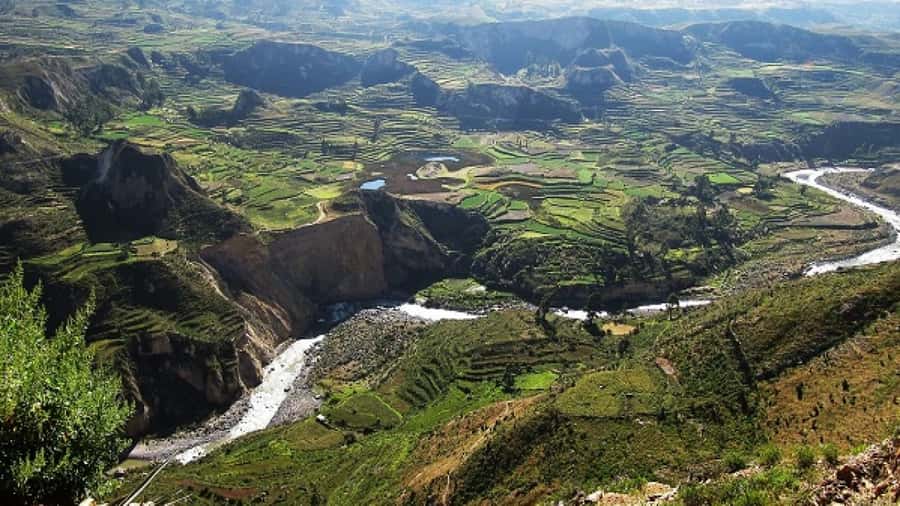
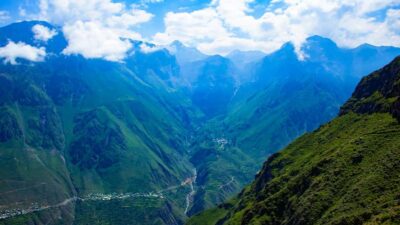
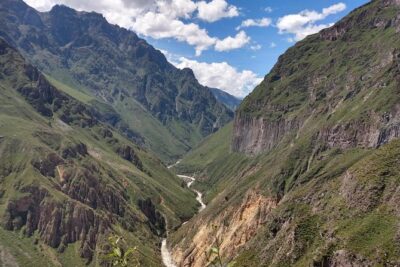
The canyon itself is more than a single viewpoint. You pass through dramatic mountain country and see how villages cling to the slopes and valley floor. The shapes and colors change as the road winds through the region, and the stops help you understand that Colca is a living area, not just a scenic backdrop.
The guided visit lasts about one hour. That is enough for an introduction, photographs, and a look at the main viewpoint, but it is not enough for a detailed canyon walk. If you want treks, longer village visits, or several days in the valley, you need a different plan.
Yanque, Maca, and the Wititi tradition
The route includes traditional villages such as Yanque. You will see a church built in honor of the Immaculate Conception, local crafts, and the Wititi dance, an important cultural expression of the Colca region.
These village stops add meaning to the scenery. They show you how the area’s communities connect religious buildings, dress, dance, farming, and local trade. The visits are brief, so you should listen closely and use the time well.
On the return toward Chivay, the group passes through Maca and visits the Church of Santa Ana. Its interior is decorated with altarpieces covered in gold leaf. This is a small but worthwhile stop, particularly if you appreciate colonial church art and the contrast between a modest village exterior and a richly decorated interior.
The level of explanation can differ between guides. One departure had an especially good guide on the second day, while another had trouble with a guide named Lorena, including a missed hotel transfer and limited English. Another guide, Pablo, was praised for handling the Chivay to Arequipa drive well. Those details suggest that the human side of the tour can change from one departure to another.
Lunch in Chivay and the final road to Arequipa
After the canyon portion, you return to Chivay for lunch, then continue to Arequipa. Arrival is planned for about 5:00 pm.
Lunch is not included. A buffet stop may be offered, sometimes at around S/ 45 plus a drink. You are not required to assume that every meal suggestion is included in your booking, so confirm the cost before sitting down.
This part of the tour has produced mixed experiences because the vehicle may be changed for the Arequipa leg. Some departures have used an old, crowded minivan with little space for legs or luggage. One report also raised concern about seat belts that were not operating properly. That is a serious point, and you should inspect the vehicle before setting off and speak up if basic safety equipment is not working.
The drive itself can be pleasant when the vehicle is comfortable and the driver is careful. The final arrival in Arequipa at about 5:00 pm makes this route useful for people who need to continue their Peru trip without returning to Puno.
What the $102 price really covers
The base cost is attractive because it combines a long intercity transfer with canyon sightseeing and one night of lodging. Booking these elements separately could take more time and create more connections to manage.
Included services are:
- Pickup from a hotel in central Puno
- Tourist transport from Puno through Colca to Arequipa
- English- or Spanish-speaking guide
- One night in a two-star hotel in Chivay
- Private bathroom and hot water
- American breakfast
- Wi-Fi and television in the room
Budget for the following extras:
- Colca Canyon entry: S/ 70 for foreign visitors
- Colca Canyon entry: S/ 40 for Latin American visitors
- La Calera Hot Springs: S/ 15
- Lunch and dinner, with options from about S/ 35
- Drinks and any personal purchases
The canyon admission is paid in cash on the day. It is not included in the tour price, and the provider explains that this fee cannot legally be built into the tour package. Carry enough soles so the payment does not become a last-minute problem.
Transport, guide quality, and comfort
Transport is the biggest uncertainty. You might receive a suitable bus or van, or you might find the luggage area and legroom tight. A full minibus can make a two-day trip feel much longer, especially when you are carrying bags between Puno, Chivay, and Arequipa.
Ask the provider how much luggage is practical and how transfers work at the Chivay hotel. The itinerary involves several different movements, and one poor experience involved a missed pickup between the hotel and hot springs.
Guide service also appears uneven. Some departures have had a prepared, friendly guide on the first day, while others have received almost no information between Puno and Chivay. The second day may be better organized, but you should not book this tour solely for detailed commentary.
The listed rating is 3.6 out of 5 from 83 reviews. That fits the picture: the route and scenery are strong, but vehicle comfort, meal handling, and guiding can make the same itinerary feel very different.
Who should book this Colca Canyon tour?
I would choose this tour if you need to travel from Puno to Arequipa and want to add Colca Canyon without arranging several separate buses and hotels. It suits people who value a packed route, scenic stops, condors, hot springs, and a simple overnight stay more than luxury or a slow pace.
It is also a good fit if you are comfortable with early starts, high altitude, basic accommodation, and meals paid separately. The chance to see vicuñas, flamingos, village churches, and condors gives the transfer real value.
I would hesitate if you need roomy transport, dependable long-form guiding, strict meal control, or a polished small-group experience. Families with lots of luggage and anyone sensitive to cramped seating should ask detailed questions before paying.
Free cancellation is available up to 24 hours before departure, and you can reserve now and pay later. Those terms give you some flexibility, but they do not solve the main practical issue: the actual vehicle and guide may vary.
Should you book it?
Book this tour if your main goal is to connect Puno and Arequipa while seeing the best-known Colca Canyon stops in two days. The condor viewpoint, Patapampa, Chivay, and La Calera make the route worthwhile, and the $102 price is reasonable once you understand what is and is not included.
Skip it or choose a more carefully controlled operator if comfort and guiding are your top priorities. Before booking, confirm the vehicle size, luggage space, hotel name, meal arrangements, and how the Chivay transfers will work. Go in expecting a scenic, practical route with some rough edges, not a luxury excursion.
FAQ
How long does the tour last?
The tour lasts two days and one night. Pickup begins in Puno at about 6:10 am on day one, and arrival in Arequipa is planned for about 5:00 pm on day two.
Where does the tour begin and end?
Pickup is provided from hotels in central Puno. The route passes through Colca Canyon and Chivay before finishing in Arequipa.
Is hotel accommodation included?
Yes. One night in a two-star hotel in Chivay is included, with a private bathroom, hot water, Wi-Fi, television, and an American breakfast.
Are Colca Canyon entrance tickets included?
No. Foreign visitors pay S/ 70, while visitors from Latin America pay S/ 40. The fee is paid in cash on the day of the tour.
How much does La Calera Hot Springs cost?
The hot-springs visit is optional and costs S/ 15. It is not included in the tour price.
Are lunch and dinner included?
No. Lunch and dinner are additional expenses. Meal options are available from about S/ 35 per person, and drinks may cost extra.
What languages are available?
The live guide service is listed in English and Spanish. The quality of English commentary can vary by departure, so confirm your language needs when booking.
More 2-Day Experiences in Chivay
- From Arequipa Trek : 2-Days of Hiking in the Colca Canyon
★ 4.5 · 35 reviews - From Arequipa: Tour Colca Canyon 2 Days with End in Puno
★ 4.2 · 12 reviews - Arequipa: 2-Day Colca Canyon Classic Tour return to Arequipa
★ 4.6 · 10 reviews - Arequipa: 2-day Colca Canyon Trekking, Ending in Puno
★ 4.8 · 8 reviews
Recently added around Chivay
- From Arequipa: 1 Day Tour to the Colca Canyon + Buffet lunch★ 4.2 · 3 reviews
- 2-Day Colca Canyon Tour to Puno with accommodation★ 3.9 · 3 reviews
- From Arequipa: Colca Canyon and Condor Watching Day Trip★ 3.7 · 3 reviews
- Colca Canyon Day Trip: From Arequipa to Puno★ 3.5 · 3 reviews
- 3-day trek to the Colca Canyon from Arequipa ending in Puno★ 4.2 · 3 reviews
- Arequipa : Colca Canyon 2-Day Adventure★ 5.0 · 3 reviews
- 2 day 1 night trek / Colca Canyon★ 3.0 · 3 reviews
- From Arequipa: Colca Canyon Full-Day Tour with Breakfast★ 3.3 · 4 reviews
Colca Canyon Tours, compared.
2-Day Tour Colca Canyon in Arequipa with end in Puno
Read our review →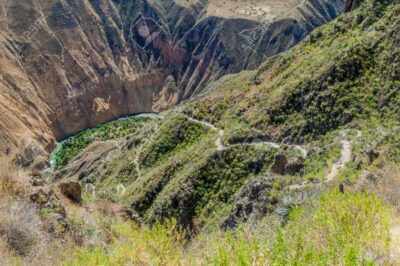
Browse the lists this tour appears in