
Reviewed · COLCA CANYON TOURS
3-day trek to the Colca Canyon from Arequipa ending in Puno
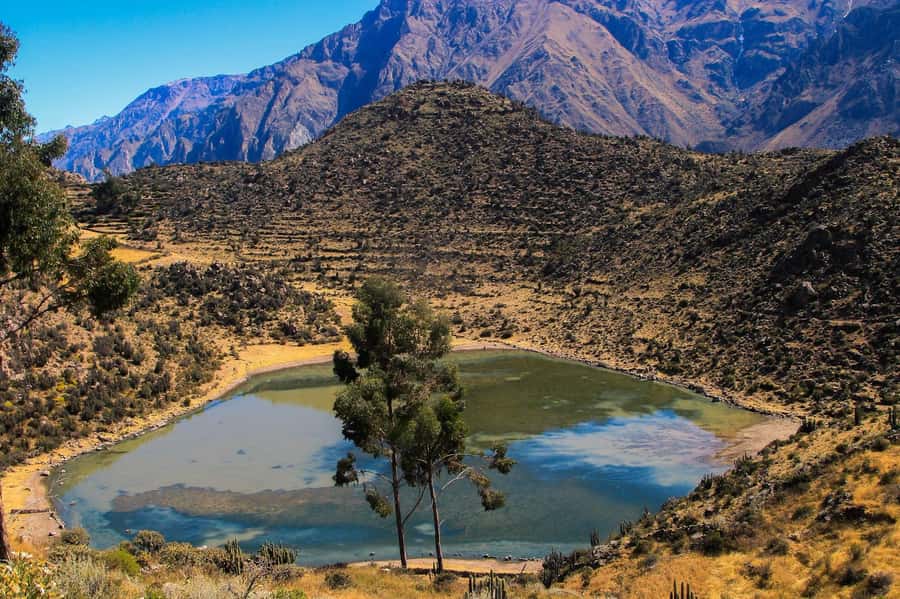
Colca Canyon is not just a viewpoint stop. This trip takes you down into the canyon, through small settlements and old terraces, then back up to Cabanaconde before continuing by bus to Puno. I like the flight of the condors at Cruz del Cóndor and the chance to sleep in simple homes run by local families rather than spending every night in a standard hotel.
I also like the route through San Juan de Chuccho, Cosñirhua, and Malata. You get time to see how people live inside the canyon, not just a quick photo from the road. Guides such as José have been praised for explaining Peru’s animals, plants, and culture in an engaging way.
The main drawback is the early schedule and the demanding final climb. A late departure can shorten time at Cruz del Cóndor and other viewpoints, while breakfast on the last morning comes only after about three hours of uphill walking. Bring food for the climb, and confirm the pickup plan before bed.
Key points to know before booking
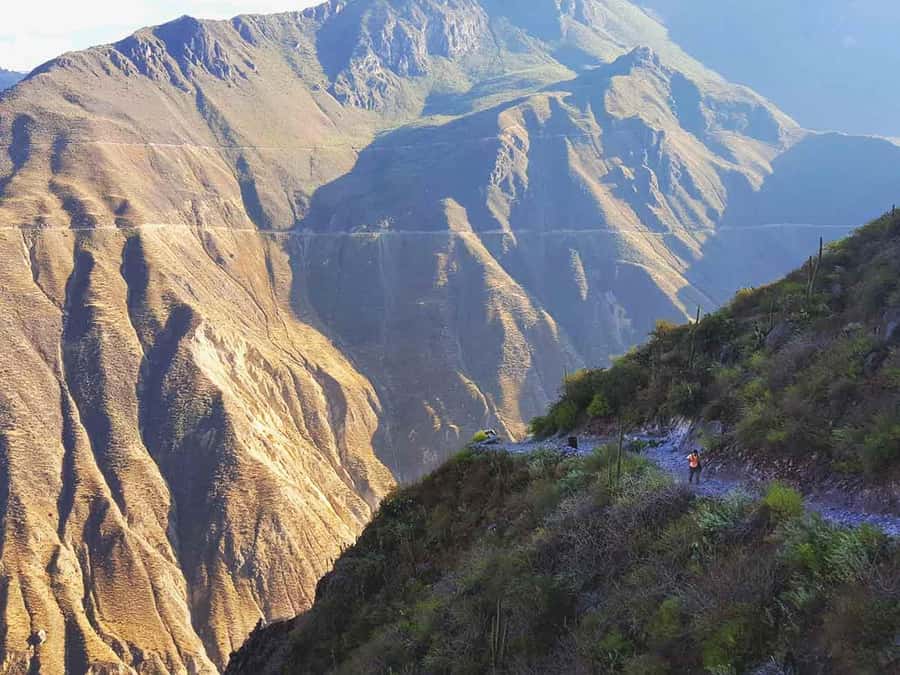
- Three days means a real canyon walk: You spend two nights below the rim, not just one long day in a vehicle.
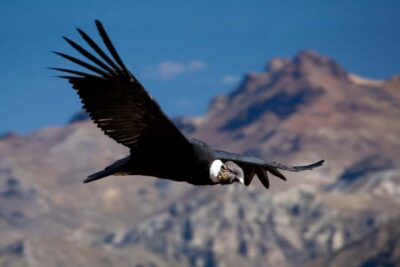
- Cruz del Cóndor comes first: The 3:00 a.m. start aims to reach the famous viewpoint during the best period for condor sightings.
- The final morning is the hardest: The ascent from Sangalle to Cabanaconde begins at 5:00 a.m. and takes about three hours.
- You sleep simply: San Juan de Chuccho and Sangalle provide basic lodge accommodation, including dormitory-style rooms at the local family home.
- The trip ends in Puno: You do not return to Arequipa after the trek. Arrival in Puno is planned for about 7:00 p.m.
- Extra costs need planning: The mandatory Colca tourist ticket costs 70 soles, and the Chacapi hot springs cost extra.
Why this trek is different from a Colca Canyon day trip
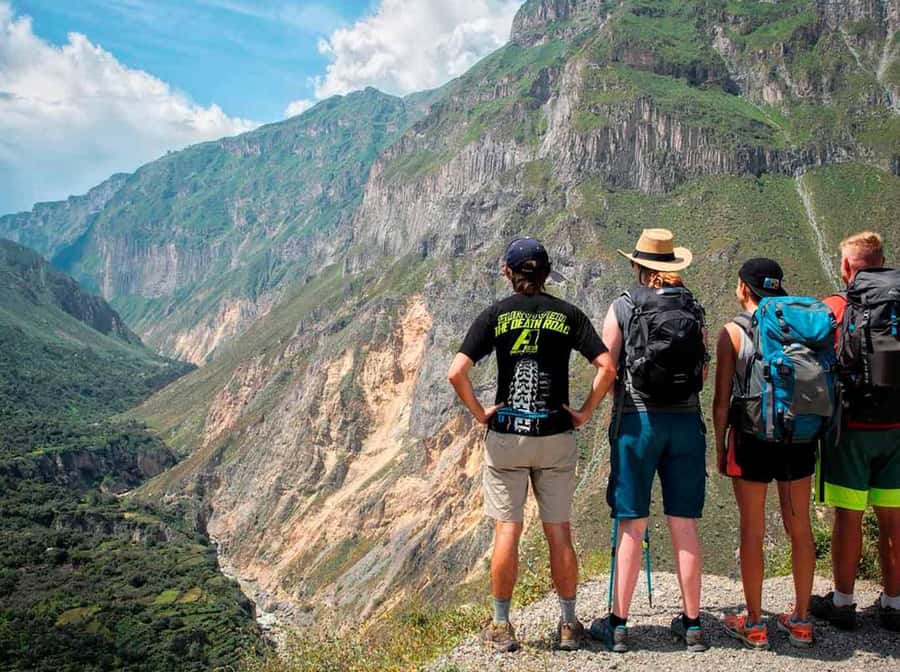
Many Colca visits are built around a bus ride, a viewpoint, lunch, and a return to Arequipa. This route changes the pace. You spend one morning looking into the canyon from above, then walk down into it from Cabanaconde.
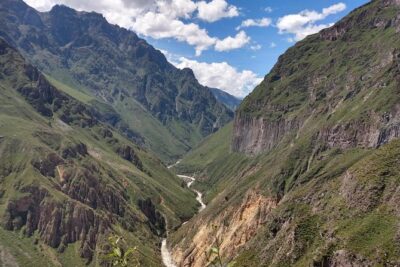
That matters because Colca is best understood through its settlements as well as its scale. The trail links villages, terraces, and the green Sangalle oasis. You have time to notice the change from open rim country to the warmer canyon floor.
The route also solves a common transport problem. Instead of trekking back to Arequipa, you continue to Puno on the third day. At $175 per person, the price includes tourist transport, a professional guide, two nights of lodging, three breakfasts, two lunches, and two dinners. For a three-day route with a long transfer at the end, that is a useful package.
It is not an all-inclusive price, though. Add the 70-sol Colca tourist ticket, the final lunch in Chivay, and the optional hot springs fee. The supplied information gives two different figures for the springs, 15 soles in the exclusions and $5 in the day-three description, so check the current amount before you go.
More Hiking Tours in Arequipa
- From Arequipa Trek : 2-Days of Hiking in the Colca Canyon
★ 4.5 · 35 reviews - Arequipa: 2-day Colca Canyon Trekking, Ending in Puno
★ 4.8 · 8 reviews - 2 day 1 night trek / Colca Canyon
★ 3.0 · 3 reviews
Day one: condors, Cabanaconde, and the trail to San Juan
The day begins very early, with hotel pickup in Arequipa listed for 3:00 a.m. Another instruction asks passengers to wait in the main square half an hour before the tour. Those details do not perfectly match, so confirm the exact meeting point and pickup time with Exploor Trip E.R.L.
The road heads toward Chivay, where breakfast is provided. This first meal is important because the day continues directly to Cruz del Cóndor and then to the trailhead. Do not treat breakfast as a leisurely café stop. You will want to eat well and organize your water and walking gear.
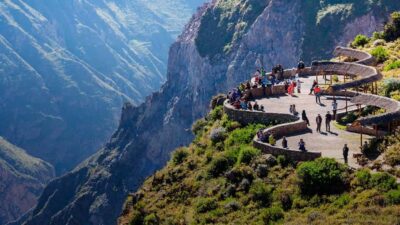
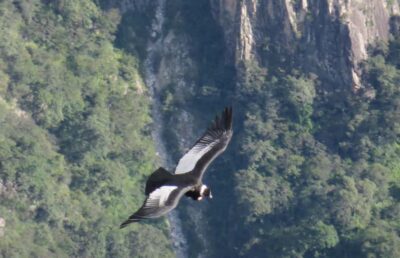
Cruz del Cóndor is the morning’s big opening scene. The viewpoint looks into the canyon and is known for condors riding the rising air. The birds are the draw, but the canyon itself is just as striking. From this high rim, you see the scale of the gorge before you enter it on foot.
Timing matters here. A delayed departure once meant less time at Cruz del Cóndor and the loss of a stop at the Mirador de los Volcanos. You cannot control road delays, but you can ask the guide at the start how much time is planned at each viewpoint. That simple question helps you know what may need to be shortened if the bus runs late.
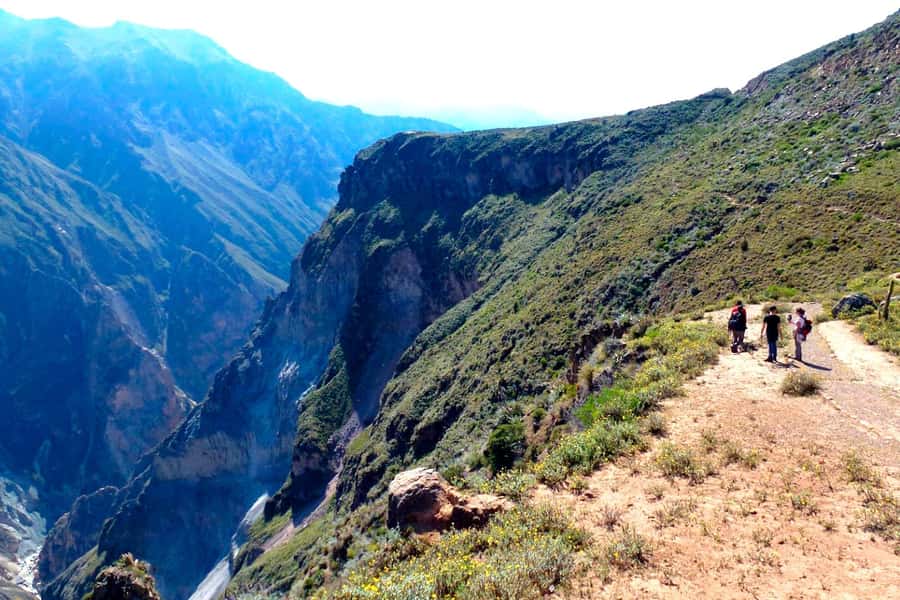
From the viewpoint, transport continues to Cabanaconde. This is where the walking section begins. The route to San Juan de Chuccho takes about three and a half hours. It is not a brief stroll, and the direction into the canyon means you should take care with knees, footing, and pack weight.
The reward is a much closer look at Colca. You walk past local terraces and reach San Juan de Chuccho, where the schedule gives you free time to visit local people and see the agricultural terraces. That pause is valuable. The canyon is not an empty natural monument. It is a place where farming and village life continue on steep ground.
Your overnight stay is at a local family’s home, in basic dormitories. This is a practical, modest stay, not a polished lodge. One recent account praised both the accommodation and the meals, while another warned that bottled water at the first lodging could be expensive. Bring enough water or ask where the nearby lower-priced shop is before buying.
Dinner is included, and you spend the night in the canyon. The basic setting is part of the appeal, but you should be comfortable with shared or dormitory-style arrangements and limited choice. If you need private rooms or hotel-level facilities, this is not the right format.
Day two: three villages and Sangalle’s pools
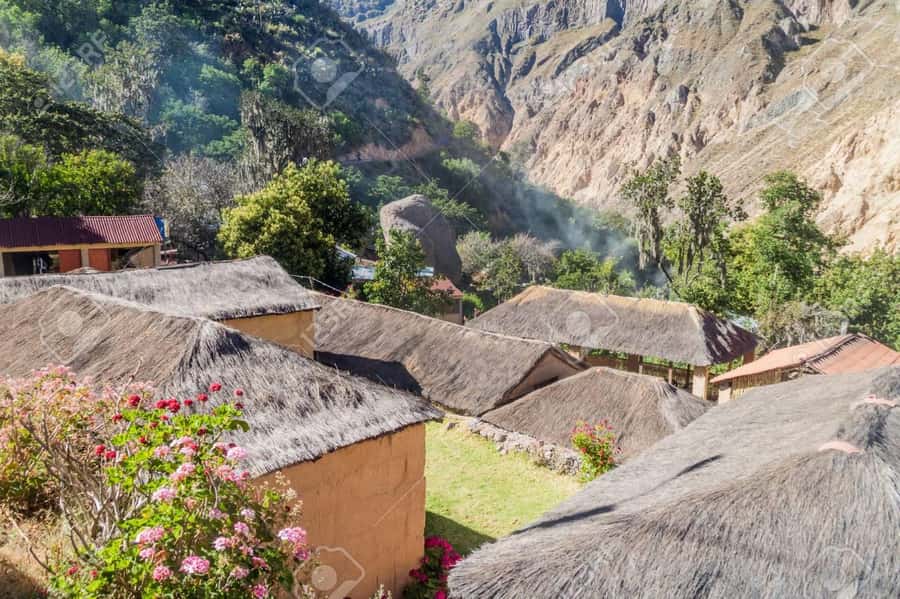
After breakfast, the trail continues toward Sangalle, often called an oasis. The walk takes about three hours, making this the shortest walking day on paper. You pass through Cosñirhua and Malata, two settlements that help break up the route and show more of the inhabited canyon.
These village stops give the day a human scale. You are not simply walking from point A to point B. You are moving between communities connected by the canyon trail. The trip description promises time to visit towns inside Colca, and this is where that promise becomes most visible.
Sangalle is the day’s destination. After arrival, lunch is provided, then you have a free afternoon to use the pools. The warm-water setting offers a welcome rest after the previous day’s descent and the day’s walk. Pack swimwear where you can reach it without unpacking your whole bag.
The free afternoon is one of the better features of the schedule. Some canyon routes rush hikers onward, but this one lets you stop. You can rest, use the pools, and enjoy the change in temperature and vegetation around the canyon floor.
The second night is also at local accommodation in Sangalle. Standards may be basic, so pack a light towel, toiletries, and a small amount of soap. The information does not promise private bathrooms or upgraded rooms, so plan for a functional overnight stay.
Food is included on this day, with breakfast, lunch, and dinner covered across the scheduled meals. Still, carry snacks. The final day starts before dawn, and the timing of the first meal is not ideal for a hard ascent.
Day three: the 5:00 a.m. climb and the road to Puno
The final day starts at 5:00 a.m. with the climb from Sangalle to Cabanaconde. The ascent takes about three hours. This is the physical test of the tour, and it comes before breakfast.
That order is worth taking seriously. Carry bread, fruit, sweets, or another easy snack from Arequipa or an earlier stop. One account specifically described the lack of food before the climb as a problem. Even if the group keeps good time, you should not count on breakfast until you reach Cabanaconde.
Once in Cabanaconde, breakfast is served. The schedule then returns you by vehicle toward Chivay, with several stops along the way. This changes the character of the day from mountain trek to scenic road journey.
Chacapi Thermal Baths are planned as a 40-minute stop. The entrance is not included. The fee is listed inconsistently, so confirm it locally, but set aside money for the optional visit. Forty minutes is enough for a soak, though not for a long spa session.
Chivay is the lunch stop, but the final lunch is not included. The guide transfers you to another tourist bus for the ride to Puno, so keep your day bag organized and do not bury documents, water, or snacks in the luggage compartment.
The road includes a stop at the Pampas Apachetas of Patapampa, described as the highest point of the route, with views toward mountains and volcanoes. You also stop at Toccra Pampa to see alpacas and vicuñas in their natural area. These stops are short, but they help explain the high-country setting around Colca.
Patahuasi provides health facilities, and Lagunillas Lagoon is a place to look for migratory birds. These are roadside pauses rather than long walks. Their value is in giving the transfer variety after the strenuous morning.
Arrival in Puno is expected at about 7:00 p.m. That makes this a full final day. You should not plan an important evening booking immediately after arrival, especially if road conditions or group delays affect the schedule.
more colca canyon trips
- 2-Day Tour Colca Canyon in Arequipa with end in Puno
★ 4.6 · 248 reviews - From Puno to Arequipa: 2 Days/1 Night Colca Canyon Tour
★ 3.6 · 83 reviews - Turist Bus Colca Canyon (Chivay) To Puno
★ 5.0 · 83 reviews - Tour Fullday Colca Canyon with Breakfast and Typical Lunch
★ 4.3 · 35 reviews
The guide and the quality of the experience
The tour includes an official professional guide in English or Spanish. A guide can make a big difference here because the route includes more than walking directions. You will want explanations about the terraces, villages, condors, alpacas, vicuñas, and the canyon’s plants.
José is one guide whose work received especially strong praise. His explanations about Peru’s fauna, flora, and wider culture added real value to the walking days. Guides can vary, so ask at the beginning who is leading your group and what language the explanations will use.
The operation is not immune to basic group-tour problems. A delayed pickup once caused missed or shortened viewpoint stops, and the ascent on one departure started late. Those incidents do not prove that every departure runs poorly, but they do show why you should keep some patience in reserve.
At $175, the tour is good value if you want one booking to cover the canyon trek, two nights, most meals, the transport to Puno, and the guide. The value drops if you want a carefully paced sightseeing day, private rooms, or a predictable departure with no schedule changes.
What to pack for the three days
Keep your main luggage arrangement simple and carry only what you need for the canyon nights. The tour includes transport, but the walking portions are much easier with a light pack.
Bring:
- A refillable water bottle and extra snacks for the dawn ascent
- Sturdy walking shoes with good grip
- A warm layer for the early morning
- Sun protection for exposed sections
- Swimwear for Sangalle and the Chacapi hot springs
- Cash for the Colca ticket, hot springs, final lunch, and drinks
- A small towel and basic toiletries
- A phone or camera with enough battery for the long day
The route description does not state that luggage storage is available in Arequipa, so ask the operator before assuming your larger bags can remain behind.
Who should book this Colca Canyon route?
I would recommend it to you if you want an active visit to Colca and value time in small towns over a quick circuit of viewpoints. It suits hikers who can manage a three-hour descent or canyon walk on the first day and a three-hour uphill climb before breakfast on the last day.
It is also a strong choice if you are heading onward to Puno. The transfer saves you from returning to Arequipa, and the road stops provide a useful bridge between Colca and the high plateau.
I would be more cautious if you dislike very early starts, basic dormitories, or long bus days. The first morning begins at 3:00 a.m., the last day begins at 5:00 a.m., and the final transfer does not reach Puno until evening.
The two nights below the canyon rim are the key reason to choose three days. If your main goal is simply to see Cruz del Cóndor and get a taste of Colca, a shorter visit may fit better. This longer route is for you if the walking, village stops, local lodging, and slower look at canyon life are the main attraction.
Should you book it?
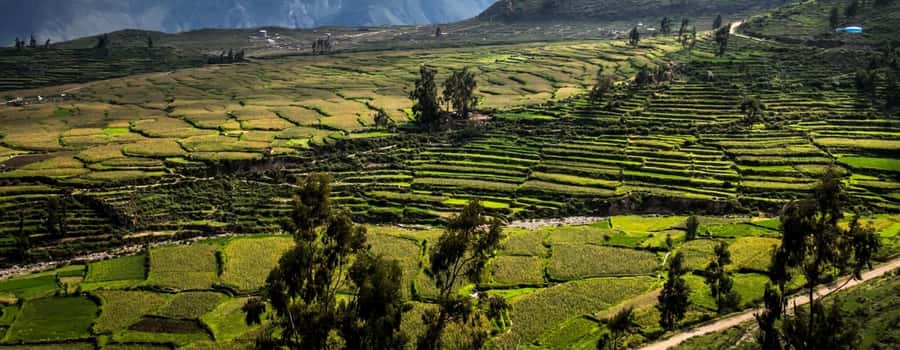
Book this trek if you want the full point-to-point experience from Arequipa into Colca and onward to Puno. The strongest features are the condor viewpoint, the village route through the canyon, the local family lodging, and the Sangalle pool stop.
Before paying, confirm the pickup location, the guide, the current hot springs fee, and how luggage is handled. Then plan for delays, carry food for the final climb, and accept that the lodgings are basic. With those expectations, $175 buys a useful three-day route that combines a serious walk with practical transport between two major Peruvian destinations.
FAQ
How long is the Colca Canyon trek?
The activity lasts three days. Day one includes about three and a half hours of walking from Cabanaconde to San Juan de Chuccho, day two takes about three hours to Sangalle, and day three includes about three hours of uphill walking to Cabanaconde.
What time does pickup begin in Arequipa?
Hotel pickup is scheduled for 3:00 a.m. The meeting instructions also ask passengers to wait in the main square half an hour before the tour, so confirm the exact pickup point and time with the operator.
Does the tour visit Cruz del Cóndor?
Yes. The first day includes a stop at Cruz del Cóndor to see the canyon and look for condors in flight.
Where do you sleep?
You spend the first night at a local family home in San Juan de Chuccho, in basic dormitories. The second night is at accommodation in Sangalle.
Are meals included?
Yes. The package includes three breakfasts, two lunches, and two dinners. Lunch in Chivay on the final day is not included.
Is the Colca tourist ticket included?
No. The mandatory Colca tourist ticket costs 70 soles.
Are the hot springs included?
No. The Chacapi Thermal Baths are optional and require a separate entrance fee. The supplied details list 15 soles in one place and $5 in another, so confirm the current charge.
Does the tour finish in Arequipa?
No. The trek ends in Puno. Arrival is expected at about 7:00 p.m. on the third day.
Is an English-speaking guide available?
Yes. The activity offers live guides in English and Spanish.
More 3-Day Experiences in Chivay
- Tambopata Peruvian Amazon Jungle for Three Days/Two Nights
★ 4.5 · 329 reviews - Salkantay Trek Challenge – 3 Days / 2 Nights
★ 5.0 · 101 reviews - 3-Day All Inclusive Guided Jungle Tour from Iquitos at Maniti Eco-Lodge
★ 4.5 · 74 reviews - Eco Jungle 3 Days – 2 Nights
★ 4.0 · 62 reviews
More Hiking & Trekking in Chivay
- From Arequipa: Sillar Route Trek
★ 4.2 · 461 reviews - From Cusco: 7 Lakes Ausangate Trek with Breakfast and Lunch
★ 4.8 · 360 reviews - From Arequipa: 2-Day Colca Canyon Trekking Tour
★ 4.8 · 243 reviews - Cusco: Rainbow Mountain Tour and Red Valley Hike (Optional)
★ 4.7 · 149 reviews
Recently added around Chivay
- From Arequipa: 1 Day Tour to the Colca Canyon + Buffet lunch★ 4.2 · 3 reviews
- 2-Day Colca Canyon Tour to Puno with accommodation★ 3.9 · 3 reviews
- From Arequipa: Colca Canyon and Condor Watching Day Trip★ 3.7 · 3 reviews
- Colca Canyon Day Trip: From Arequipa to Puno★ 3.5 · 3 reviews
- Arequipa : Colca Canyon 2-Day Adventure★ 5.0 · 3 reviews
- 2 day 1 night trek / Colca Canyon★ 3.0 · 3 reviews
- From Arequipa: Colca Canyon Full-Day Tour with Breakfast★ 3.3 · 4 reviews
- Full Day Trip to Colca Canyon from Arequipa ending in Puno★ 4.5 · 4 reviews
Colca Canyon Tours, compared.
2-Day Tour Colca Canyon in Arequipa with end in Puno
Read our review →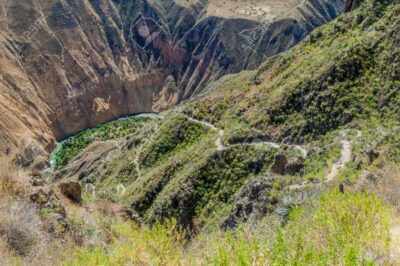
Browse the lists this tour appears in