
Reviewed · COLCA CANYON TOURS
Full Day Trip to Colca Canyon from Arequipa ending in Puno
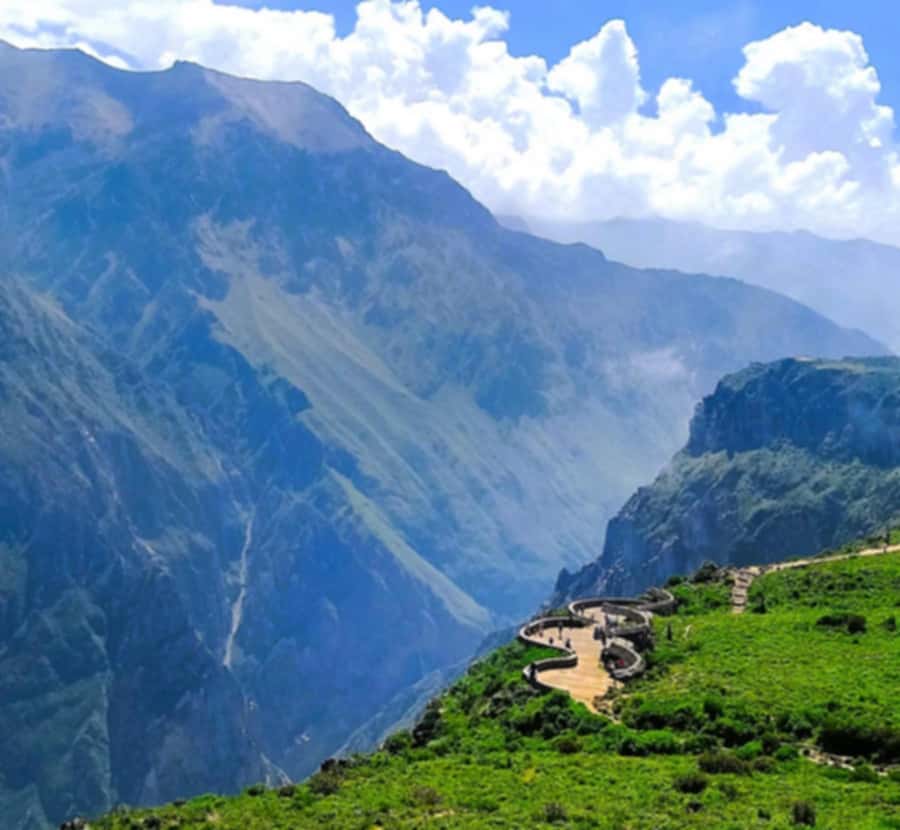
The clever part of this trip is its route: you see the Colca Canyon and continue straight to Puno instead of returning to Arequipa. That saves a full day and avoids arranging a separate transfer through the high Andes. The main prize is Cruz del Condor, where the canyon drops away and Andean condors may ride the morning air below you.
I like the included breakfast, the chance to bring your luggage, and the string of stops between Colca and Puno. You also get hotel pickup in central Arequipa, an English or Spanish guide, and a direct transfer for $83. The tradeoff is the brutal schedule: pickup begins around 2:30 a.m., the day lasts about 16 hours, and one section has received criticism for an uncomfortable minibus and weak English commentary.
Key points to know before booking
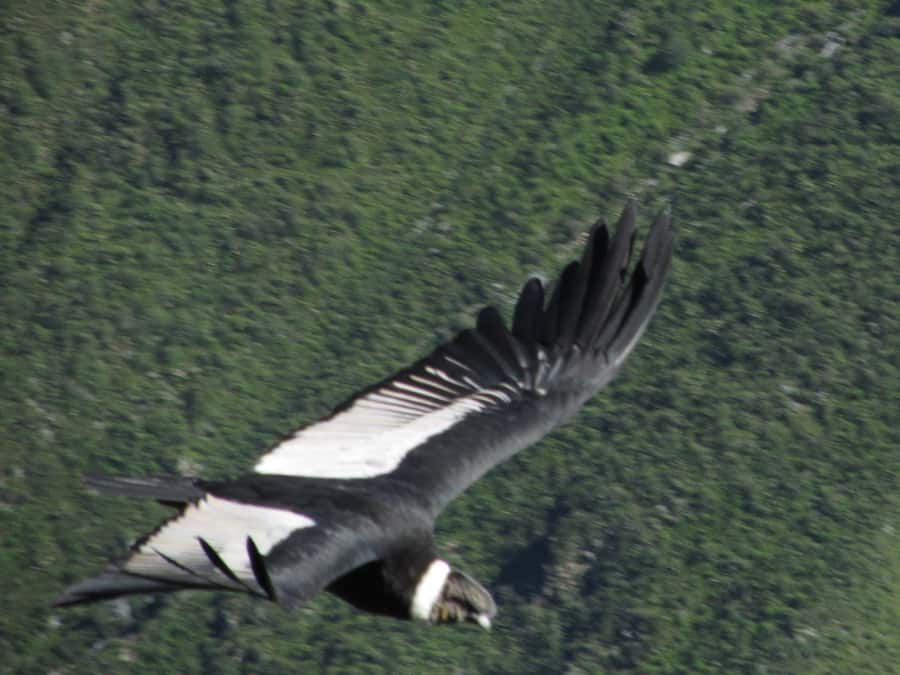
- Cruz del Condor is the centerpiece: Allow about an hour for canyon views and possible condor sightings.
- The route ends in Puno: You can travel onward with your luggage instead of backtracking to Arequipa.
- Patapampa reaches 4,800 meters: The high pass can trigger altitude sickness, so take the risk seriously.
- The $83 price is not the full cost: Add the mandatory $19 tourist entrance ticket, plus lunch and optional hot springs.
- Expect a vehicle change in Chivay: The first transport from Arequipa may be smaller, while the Puno-bound vehicle is described as more spacious.
- Central pickup matters: Pickup is offered in central Arequipa, with a meeting point needed outside that area.
Why this Arequipa to Puno route makes sense
Colca Canyon is often treated as a side trip from Arequipa. That works well if you have time, but it can waste a day when Puno is your next stop. This excursion links the two places in one long push, using the canyon visit as the reason to cross the high country.
You leave Arequipa before sunrise and arrive in Puno around 7 p.m., or earlier if the road and stops move quickly. That is a very long day, but it replaces a separate canyon excursion and intercity transfer. For a tight Peru schedule, that practical saving can matter more than comfort.
The tour costs $83 per person. The required Colca tourist entrance fee adds $19, and lunch is extra. The hot springs also cost extra if you choose to enter. Even after those additions, the price can be good value if you need both the canyon sightseeing and the transfer to Puno. It is less attractive if you want a slow, restful Colca visit with plenty of time in each village.
The operator sends pickup details by WhatsApp the day before departure. I would still confirm your exact pickup point, especially if you are staying outside the central downtown zone. The information lists Alfredo Rodriguez Ballon International Airport as a pickup option, but it also says pickups are only from central Arequipa or a designated meeting point, so airport arrangements deserve a clear check before you pay.
more colca canyon trips
- 2-Day Tour Colca Canyon in Arequipa with end in Puno
★ 4.6 · 248 reviews - Turist Bus Colca Canyon (Chivay) To Puno
★ 5.0 · 83 reviews - From Puno to Arequipa: 2 Days/1 Night Colca Canyon Tour
★ 3.6 · 83 reviews
A 2:30 a.m. start and the road to Chivay
Pickup runs from roughly 2:30 to 3:05 a.m., with instructions to be ready at 2:30. This is not a casual morning departure. Pack your day bag the night before, keep water and warm clothing close, and do not count on a full night’s sleep.
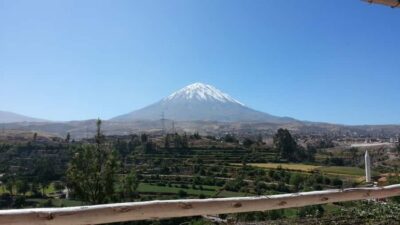
The first drive takes about three hours toward Chivay, the main town of Colca Canyon. The road heads northwest behind snow-covered Chachani. In the darkness, you will see little at first, but the route gradually reaches the colder, higher country around the canyon.
Breakfast is served in Yanque or Chivay. It is a useful pause after the early pickup and gives you something in your stomach before the high-altitude stops. The included meal is described as continental, so do not expect a large Andean feast. You will have lunch later in Chivay, but that meal is not included.
Transport is shared by minibus or minivan. One important practical point comes from the tour’s mixed transport arrangement: after lunch, the guide changes you to another tourist vehicle heading for Puno. One published account found the first bus cramped and uncomfortable, while the second vehicle was more spacious and had a stronger guide. Vehicle comfort can therefore vary, and your experience may depend on the group and the assigned transport.
Cruz del Condor and the great drop of Colca
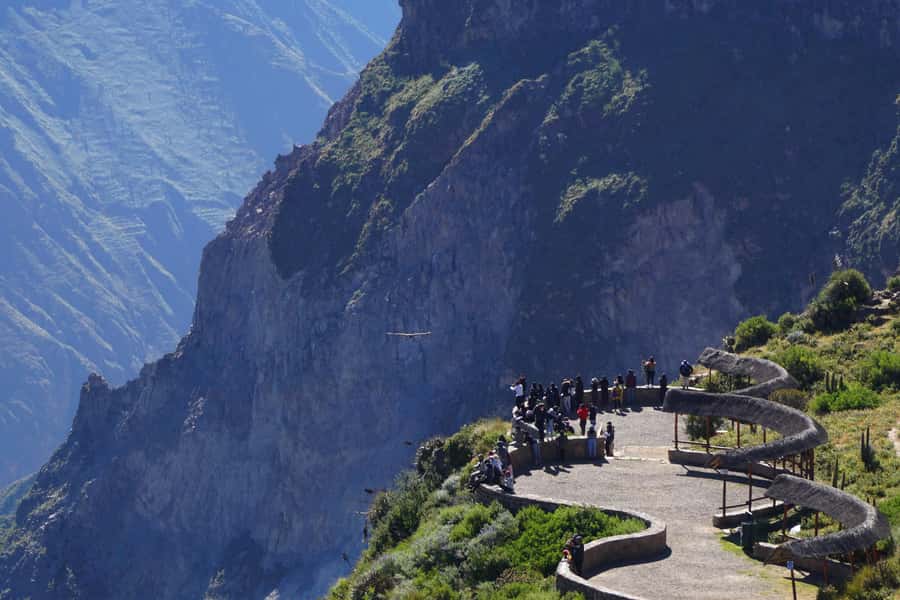
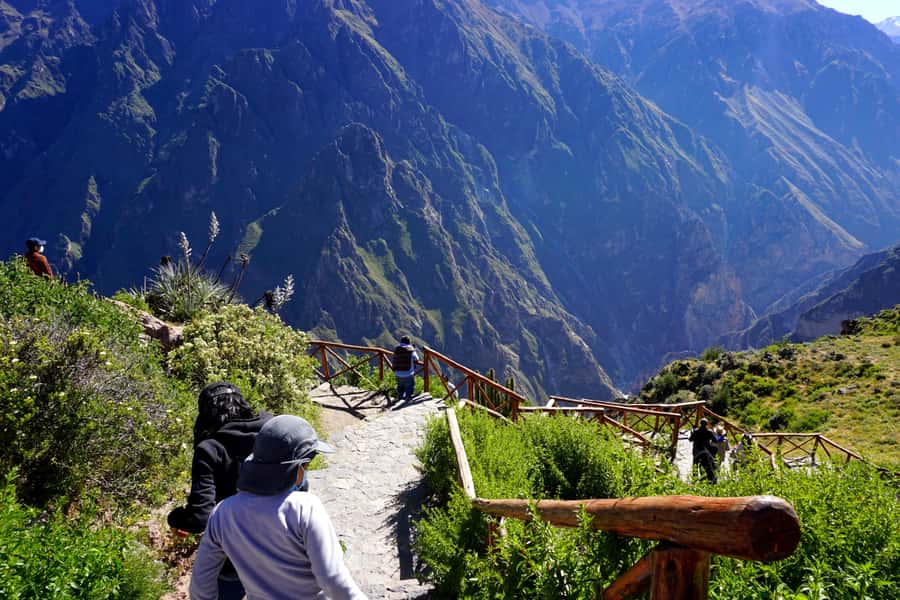
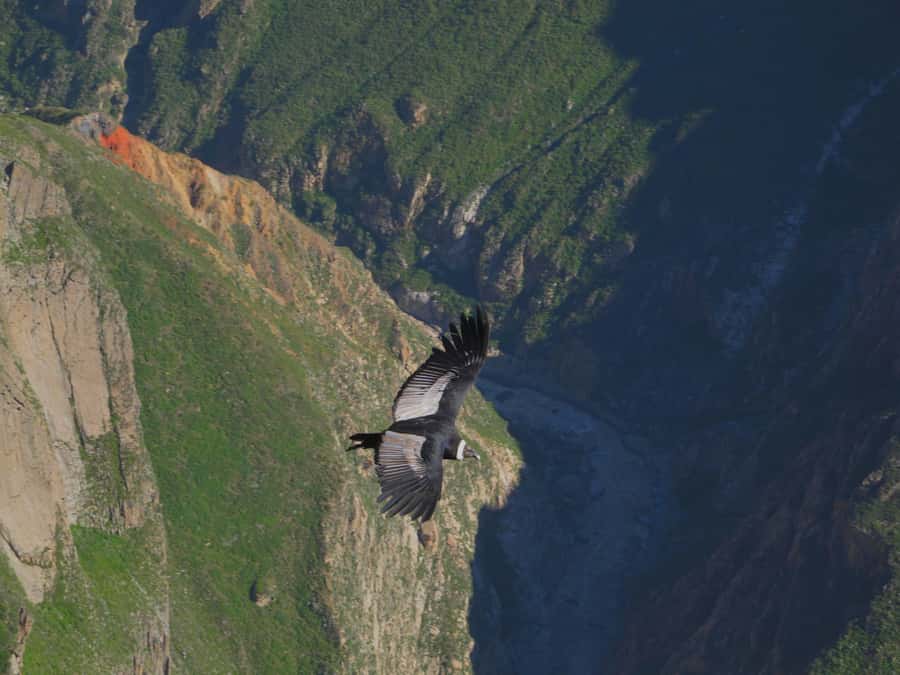
After breakfast, the road continues for about 90 minutes toward Cruz del Condor, the most important stop of the morning. You spend about an hour here, with time for canyon views and condor watching.
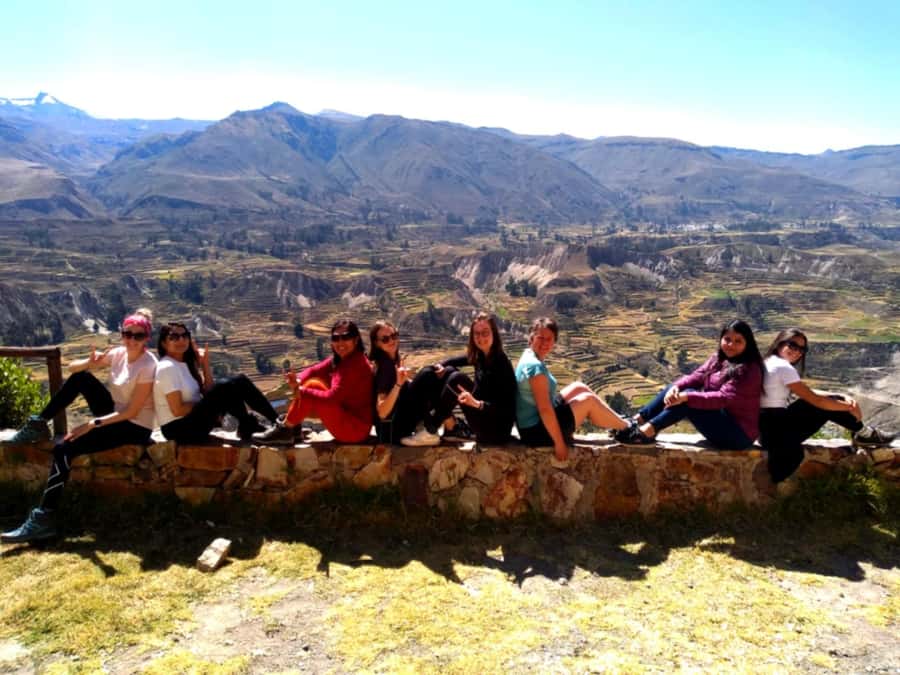
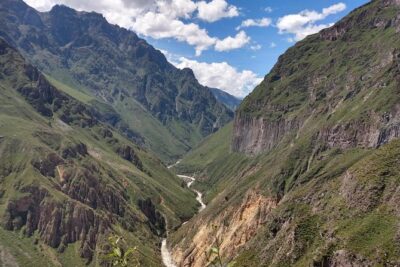
The canyon is not simply a single cliff-edge viewpoint. You see a huge Andean cut in the earth, with steep walls and pre-Inca terraces worked into the slopes. The terraces still support crops such as corn, quinoa, and kiwicha. They show how farming adapted to difficult mountain terrain long before modern roads reached the area.
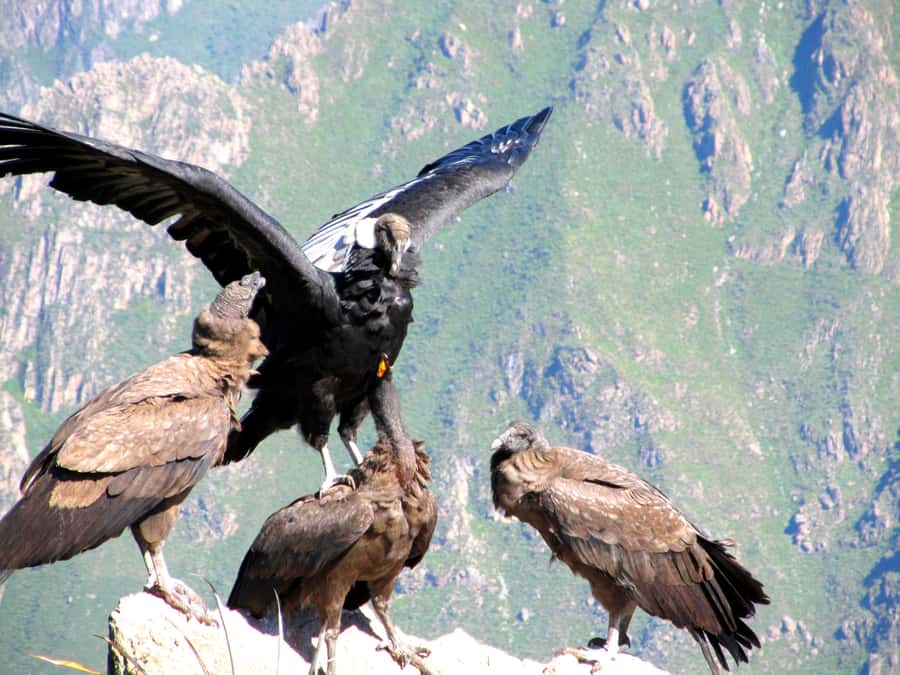
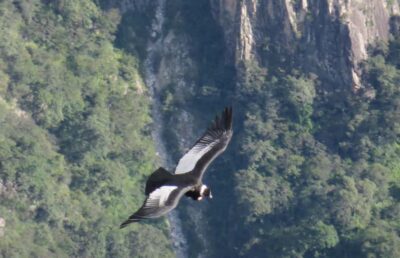
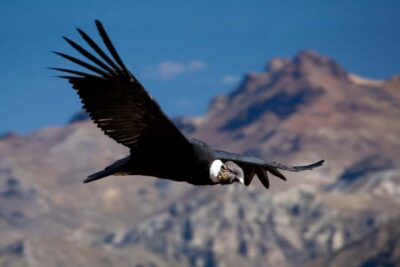
Condors are the famous attraction, but they are wild birds. You may see them gliding on rising air below the viewpoint, often appearing suddenly from the canyon wall. The best approach is patience. Keep your eyes on the open space below and above the cliffs instead of expecting a bird to perform on schedule.
One serious point deserves attention. A French participant reported that the first part of the trip included no proper photo stop at the canyon, despite the dramatic scenery. The planned schedule does include a visit, sightseeing, free time, and wildlife viewing at Colca Canyon, but I would ask the guide exactly where the vehicle will stop and how much time you get outside. If taking photographs is your main goal, that question matters.
The canyon stop is also where the tour’s strengths and weaknesses meet. You get the main sight in a compact schedule, but an hour can feel short when the road is long and the viewpoint is crowded or weather conditions reduce visibility. This is a highlights tour, not a walking exploration of the canyon.
Maca, Yanque, and the human side of Colca
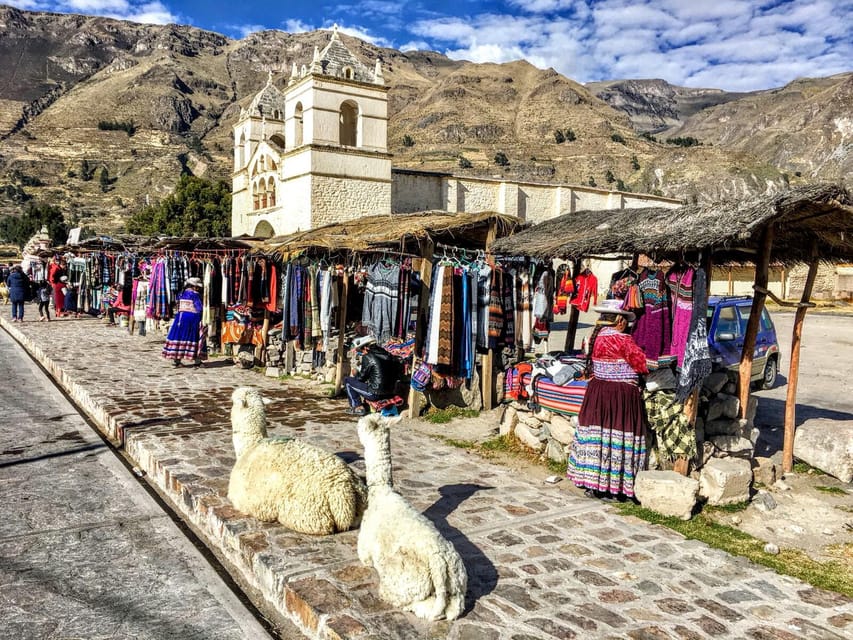
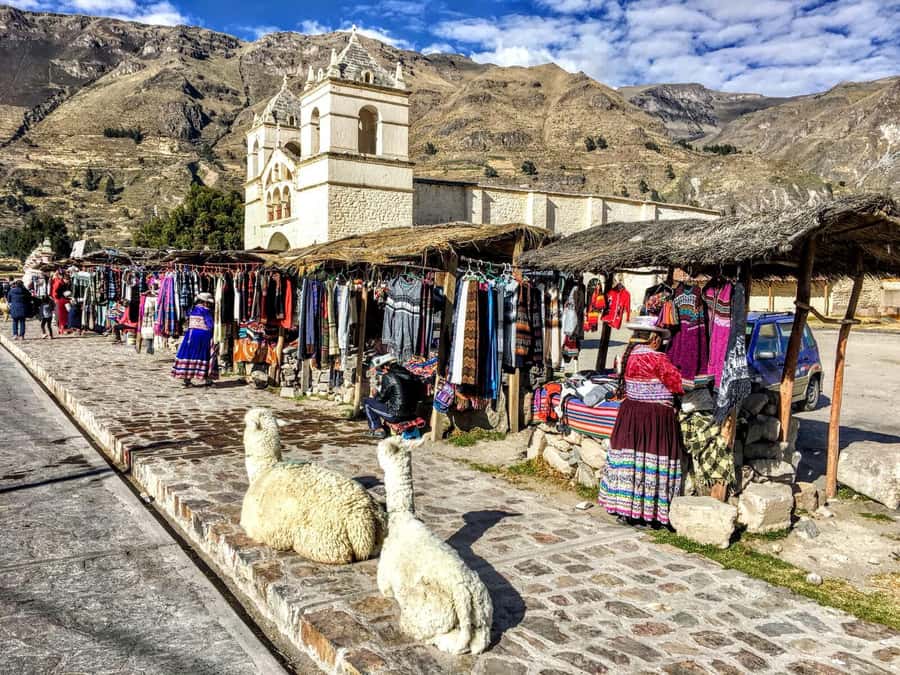
The route includes views and stops around villages such as Yanque and Maca. These places add more than a quick photograph. You may see colonial churches, local clothing with traditional needlework, cultivated terraces, and daily life shaped by the canyon’s slopes.
Maca is listed for a guided visit and photo stop of about an hour. Yanque is connected with the breakfast pause and the early route through the valley. The schedule may shift between the villages depending on road conditions and the group, so think of this as a guided introduction rather than a detailed village tour.
These short stops are valuable because they put the scenery in context. Colca is not empty wilderness. People farm, herd animals, maintain terraces, and live in towns with long-established customs. Look beyond the camera stop and notice the fields cut into the hillsides and the church architecture.
The people you meet may wear traditional dress, but treat that as part of a living community rather than a staged display. The tour moves quickly, so you will not have much independent time to wander. Still, these village pauses keep the morning from becoming only a sequence of mountain viewpoints.
more Chivay days to weigh up
- Full day excursion to Colca Canyon
★ 4.2 · 6 reviews - From Arequipa: Colca Canyon Full-Day Tour with Breakfast
★ 3.3 · 4 reviews - From Lima: Paracas and Huacachina Oasis Full Day Guided Tour
★ 4.7 · 1,780 reviews - From Cusco: Full-Day Group Tour of Machu Picchu
★ 4.7 · 1,767 reviews
The optional hot springs stop
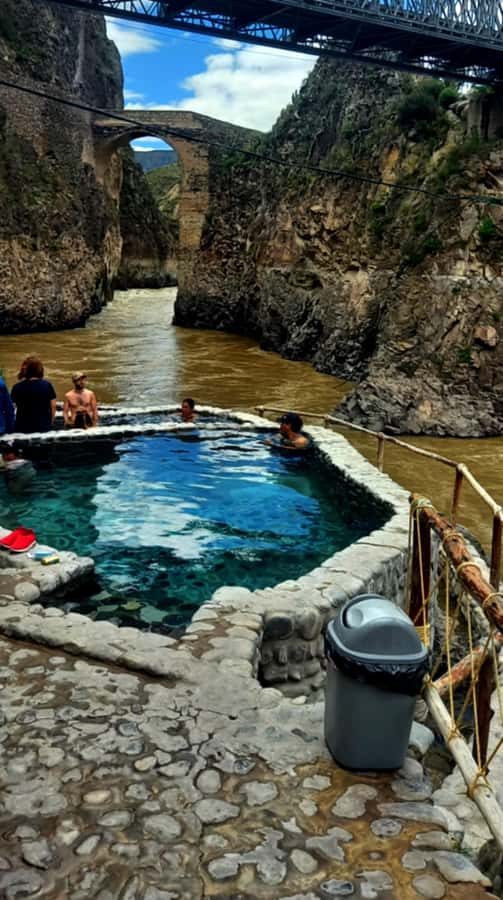
The itinerary allows about 40 to 45 minutes at hot spring pools. This is optional and costs extra. It can be a welcome break after the early start, especially if you enjoy warm water and want to rest your legs before lunch.
I would treat the springs as a bonus, not a reason to book the trip. The main canyon experience and the transfer to Puno are the real purpose of the day. If you enter, carry a swimsuit and towel only if the operator confirms what is available, since the supplied details do not specify changing facilities or towel rental.
There is a time cost as well. Forty-five minutes is enough for a short soak, but not for a leisurely spa visit. If you prefer photographs, village time, or a relaxed lunch, ask how the optional stop affects the rest of the schedule.
Lunch and the switch to the Puno vehicle
Around 12:50 p.m., the group reaches Chivay for lunch and free time. Lunch is not included, so budget separately. Chivay is the main service center in the Colca area and a sensible place for a midday meal before the long road east.
After lunch, the accredited guide transfers you to the other tourist vehicle bound for Puno. This change is a useful feature of the route, but it can also interrupt the flow of the day. Keep your passport, phone, medication, water, and valuables with you rather than buried in the luggage compartment.
The second half is less about one major attraction and more about the high-country scenery. You continue through open Andean country, with several stops that break up the ride. The schedule lists stops of varying lengths, though exact timing can change with traffic, weather, and group delays.
The stronger transport and guiding reported for this section are encouraging, but do not assume a luxury coach. The tour is shared, and vehicle type can vary. If you need extra legroom or have trouble with long rides, this is a point to weigh carefully.
Patapampa at 4,800 meters
The highest stop is the Volcanoes Viewpoint at Patapampa, at about 4,800 meters, or 15,000 feet. Snow-covered mountains and volcanic peaks surround this pass, and the stop gives you a clear sense of how high the road has climbed.
This altitude is not a minor detail. Several people in one account developed mountain sickness, and the group reportedly received no assistance until reaching a hotel in Puno. The tour is not suitable for pregnant women, people with heart problems, children under six, or people over 95. Even if none of those limits applies to you, you should take the altitude warning seriously.
Move slowly at Patapampa. Avoid running, keep warm, drink water, and tell the guide at once if you feel unwell. Headache, nausea, dizziness, or unusual weakness should not be brushed aside for a photograph. The tour details do not promise oxygen or medical support, so do not book this route if you need guaranteed high-altitude assistance.
The stop itself may be brief, but the view is one of the day’s most striking. You are looking across a broad volcanic region rather than down into a canyon. It is a sharp change from the terraces and cliffs of Colca.
Vicuñas, flamingoes, and the road through Cañahuas
After Patapampa, the road enters Pampa Cañahuas National Reserve. This section gives you a chance to see wild vicuñas, along with alpacas and llamas. The animals are part of the high Andean setting, not a separate farm attraction.
Birdlife may include flamingoes, ibis, Andean geese, ducks, and the Andean eagle known as kara kara. Sightings are not guaranteed, so keep expectations sensible. The stops are designed for wildlife viewing from the roadside, not for a long walk or a specialist birding session.
Patahuasi is another break point, followed by Lagunillas. These pauses matter on a long transfer because they let you stretch, take photographs, and see more of the route than you would from a bus window. The precise stop lengths can vary, and some may feel short if you want to explore on foot.
Lagunillas adds water and open mountain views to the day. By this point, you may be tired, but the changing scenery helps prevent the final hours from becoming a featureless ride. Bring snacks for the afternoon, since only breakfast is included and the details do not promise food at every stop.
Who will appreciate this 16-hour day?
I would recommend this trip to you if you need to get from Arequipa to Puno and want to see Colca Canyon on the way. It suits people with limited time, flexible expectations, and enough stamina for a pre-dawn start followed by a full day in a shared vehicle.
It is also a good fit if you want the major sights without planning multiple buses, hotels, and transfers yourself. The guide speaks English or Spanish, and clear communication before departure has been a strong point. The WhatsApp message sent the day before should make the early pickup easier to manage.
I would think twice if comfort is your top concern. The day includes long drives, an early pickup, a vehicle change, and very high altitude. It is also not the right choice if you want a detailed canyon hike, long village visits, or a relaxed hot springs session.
The experience has a posted rating of 4.5 from four ratings, with especially positive comments about advance communication and the quality of one guide. A lower account raises real concerns about the first vehicle, unclear English, altitude sickness support, and insufficient canyon photo time. Those points do not cancel the tour’s value, but they make it wise to confirm the transport, guide language, canyon stop, and altitude plan before departure.
Should you book the Colca Canyon to Puno trip?
Book it if the route is your priority. For $83, plus the $19 entrance fee and your meals, you get a practical combination of Colca Canyon sightseeing and onward transport to central Puno. The condors, terraces, volcanic pass, vicuñas, and highland lakes give you a full taste of southern Peru in one demanding day.
Do not book it simply because the price looks low. The 2:30 a.m. start, possible minibus discomfort, 4,800-meter altitude, and limited time at each stop are central parts of the deal. Confirm your pickup, ask about the first vehicle, and plan for altitude before you go. If you can accept those limits, this is an efficient way to connect two major destinations without giving up Colca Canyon.
FAQ
How long does the trip from Arequipa to Puno take?
The full experience lasts about 16 hours. Pickup begins between approximately 2:30 and 3:05 a.m., and arrival in Puno is expected around 7 p.m. or earlier.
Where can I be picked up in Arequipa?
Pickup is available from the Historical Centre of Arequipa and central downtown hotels. The tour details also list Alfredo Rodriguez Ballon International Airport as a pickup option, but pickup outside central downtown may require meeting at an agreed point, so confirm this in advance.
Is breakfast included?
Yes. A continental breakfast is included, with a stop in Yanque or Chivay.
Is lunch included?
No. Lunch in Chivay is not included in the $83 price.
Do I have to pay an entrance fee for Colca Canyon?
Yes. The mandatory tourist entrance ticket costs $19 per person and is not included.
Is the hot spring visit included?
No. Entry to the hot spring pools costs extra. The schedule allows about 40 to 45 minutes for the optional stop.
Does the tour finish in central Puno?
Yes. Drop-off is at Plaza Mayor de Puno, in the city center.
More 1-Day Tours in Chivay
- From Arequipa: One Day Trip to Colca Canyon Ending in Puno
★ 4.0 · 14 reviews - Offer Price: Colca Canyon One Day in Arequipa with Breakfast
★ 4.5 · 4 reviews - From Arequipa: 1 Day Tour to the Colca Canyon + Buffet lunch
★ 4.2 · 3 reviews - From Arequipa: Colca Canyon and Condor Watching Day Trip
★ 3.7 · 3 reviews
Recently added around Chivay
- From Arequipa: 1 Day Tour to the Colca Canyon + Buffet lunch★ 4.2 · 3 reviews
- 2-Day Colca Canyon Tour to Puno with accommodation★ 3.9 · 3 reviews
- From Arequipa: Colca Canyon and Condor Watching Day Trip★ 3.7 · 3 reviews
- Colca Canyon Day Trip: From Arequipa to Puno★ 3.5 · 3 reviews
- 3-day trek to the Colca Canyon from Arequipa ending in Puno★ 4.2 · 3 reviews
- Arequipa : Colca Canyon 2-Day Adventure★ 5.0 · 3 reviews
- 2 day 1 night trek / Colca Canyon★ 3.0 · 3 reviews
- From Arequipa: Colca Canyon Full-Day Tour with Breakfast★ 3.3 · 4 reviews
Colca Canyon Tours, compared.
2-Day Tour Colca Canyon in Arequipa with end in Puno
Read our review →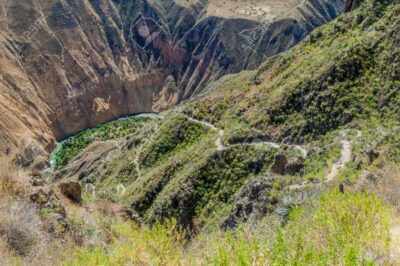
Browse the lists this tour appears in