
Reviewed · COLCA CANYON TOURS
Arequipa: 2-Day Colca Canyon Classic Tour return to Arequipa
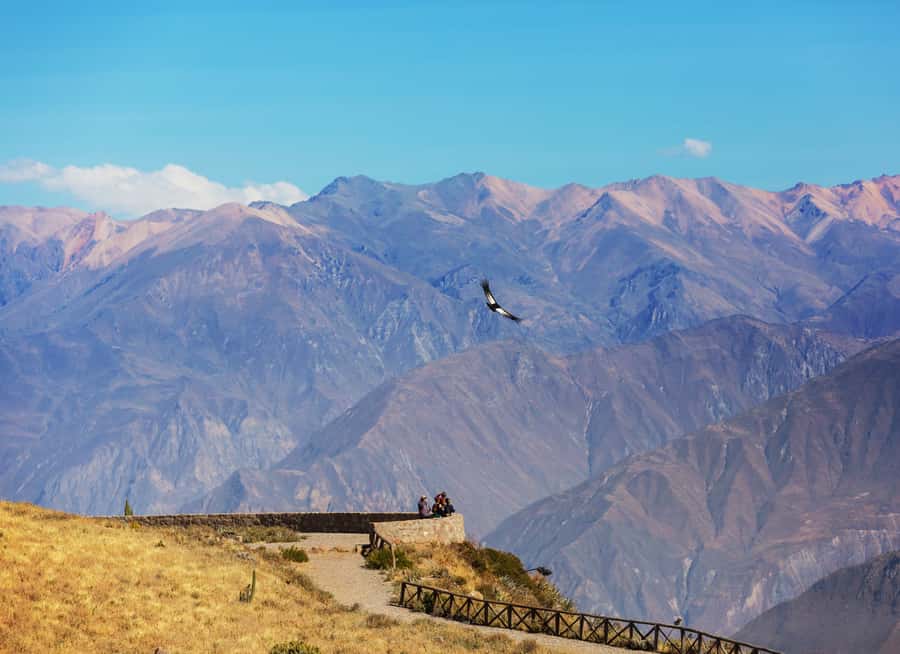
The main reason to take this tour is the early visit to Cruz del Condor, where the canyon opens below you and Andean condors may glide close overhead. You also get a useful taste of the wider Colca Valley, from vicuñas and alpacas to small villages, old churches, hot springs, and pre-Inca tombs.
I like the relaxed two-day pace, since you sleep near Chivay instead of trying to squeeze the canyon into one exhausting day. I also like the variety: the road crosses high puna, passes the 4,910-meter volcano viewpoint, and stops at Maca, Yanque, and other villages. The main drawback is the price structure. The advertised $35 covers transport and guiding, but your final cost rises with the canyon entry fee, hotel, meals, hot springs, and optional dinner show.
Key points before you book
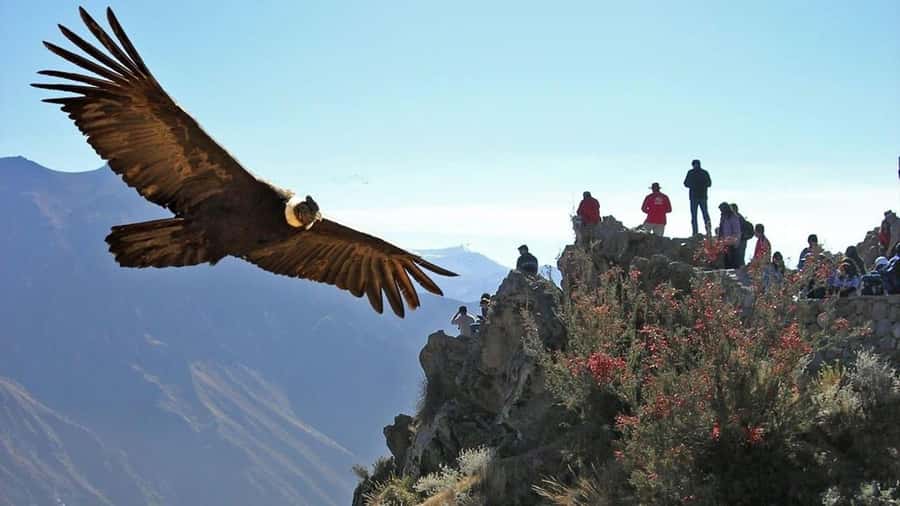
- Condor viewing begins early: The second day starts around 6:30 a.m. for the drive to Cruz del Condor and an optional short uphill walk.
- The highest point reaches 4,910 meters: You pass the volcano viewpoint, so altitude preparation matters.
- Hot springs cost extra: Chacapi near Yanque has thermal pools at about 35 to 38 degrees Celsius.
- The $35 price is not all-inclusive: Add the Colca Canyon ticket, hotel, food, and optional activities.
- You can continue to Puno: A bus from Chivay to Puno is possible for an additional ticket cost, with departure listed at 1 p.m.
- Guiding is available in English and Spanish: Guides such as Juan Pablo and Roy have been praised for clear explanations and patient help.
Leaving Arequipa for the high Andes
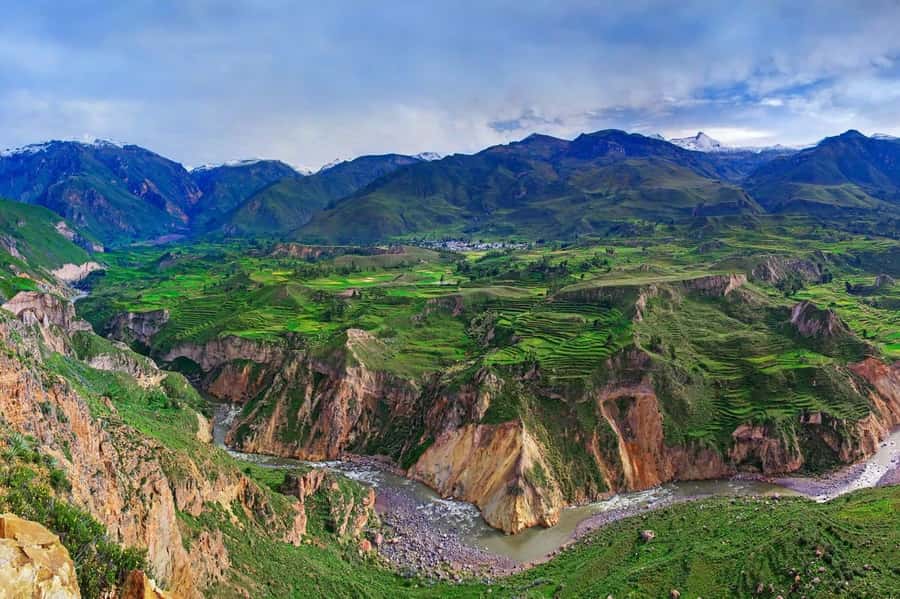
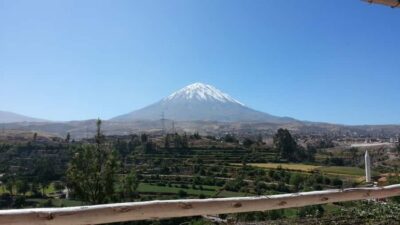
Your pickup begins at your hotel in Arequipa. From there, the road follows the Yura route toward the Colca Valley, with the snowy Chachani area nearby. This is not a quick transfer through empty countryside. The changing altitude gives you a strong sense of how quickly southern Peru shifts from city to high-altitude puna.
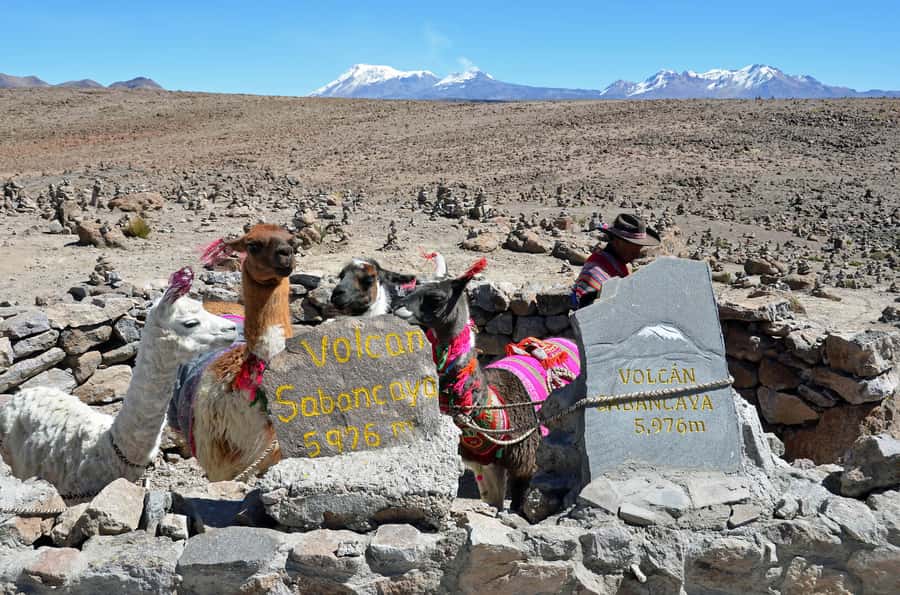
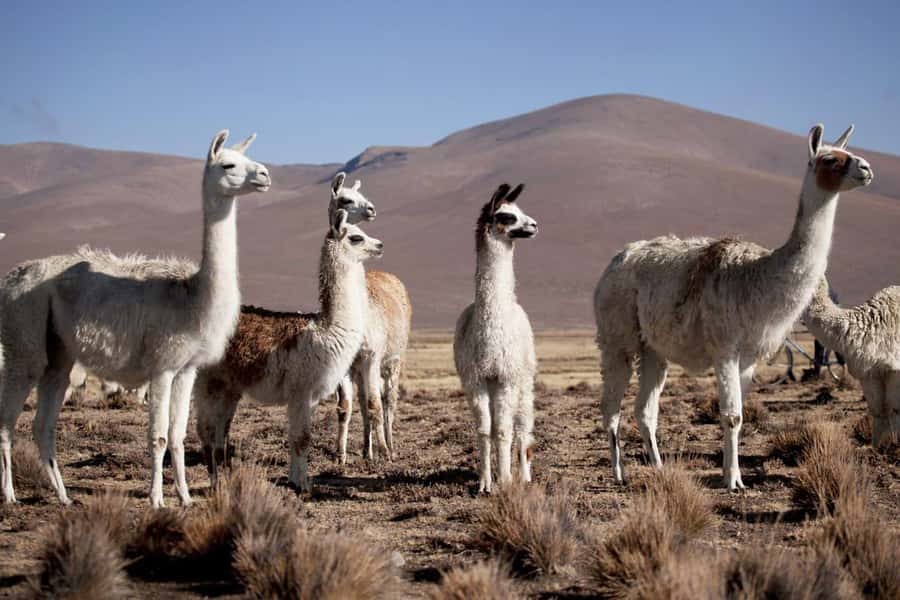
The first major stop is Pampa Cañahuas, inside the Aguada Blanca and Salinas National Reserve. Keep your camera ready for vicuñas, llamas, and alpacas. Vicuñas are especially appealing because they are wild, fine-boned relatives of the llama, often seen moving across the open grassland. The stops also give you a chance to stretch your legs and adjust to the thinner air.
At the Tocra wetlands, you may see migratory birds and, if conditions are right, flamingos. This is a good reminder that the trip is not only about the canyon. The route has wildlife, volcanic scenery, and highland wetlands before you even reach the main attraction.
The road then passes through the crater of Chucura, an extinct volcano. At the volcano viewpoint, you reach the highest point of the trip, about 4,910 meters above sea level. That altitude is impressive, but it can also bring headache, lightheadedness, or shortness of breath. Take the advice to acclimatize seriously, drink water, eat lightly, and avoid rushing around at the viewpoint.
more colca canyon trips
- 2-Day Tour Colca Canyon in Arequipa with end in Puno
★ 4.6 · 248 reviews - From Puno to Arequipa: 2 Days/1 Night Colca Canyon Tour
★ 3.6 · 83 reviews - Turist Bus Colca Canyon (Chivay) To Puno
★ 5.0 · 83 reviews
Arriving in Chivay and choosing your overnight base
You arrive in the Colca Valley and settle into a hotel in Chivay or a nearby town such as Yanque or Coporaque. The exact location matters. If your lodging is outside Chivay, extra transport costs may apply, so confirm the hotel address and transfer arrangements before departure.
The published terms place the hotel cost on you. Some arrangements have used simple properties such as Colibri Inn or Pandora, with basic but clean rooms and breakfast. Do not expect a luxury stay. The purpose of the overnight stop is to put you near the canyon for the early start, not to provide a resort experience.
Breakfast can be adequate but light, depending on the property. If you need a substantial meal before the early morning departure, pack a snack. The tour information also recommends bringing water, snacks, warm clothing, a hat, sunscreen, comfortable clothes, and a camera.
Chivay is useful as a base because it has places to eat and is close to the thermal baths. Smaller nearby towns may offer a quieter night, but they can make transport less simple. If you have a choice, ask how far the hotel is from central Chivay and whether the return pickup is included.
Chacapi hot springs at 35 to 38 degrees
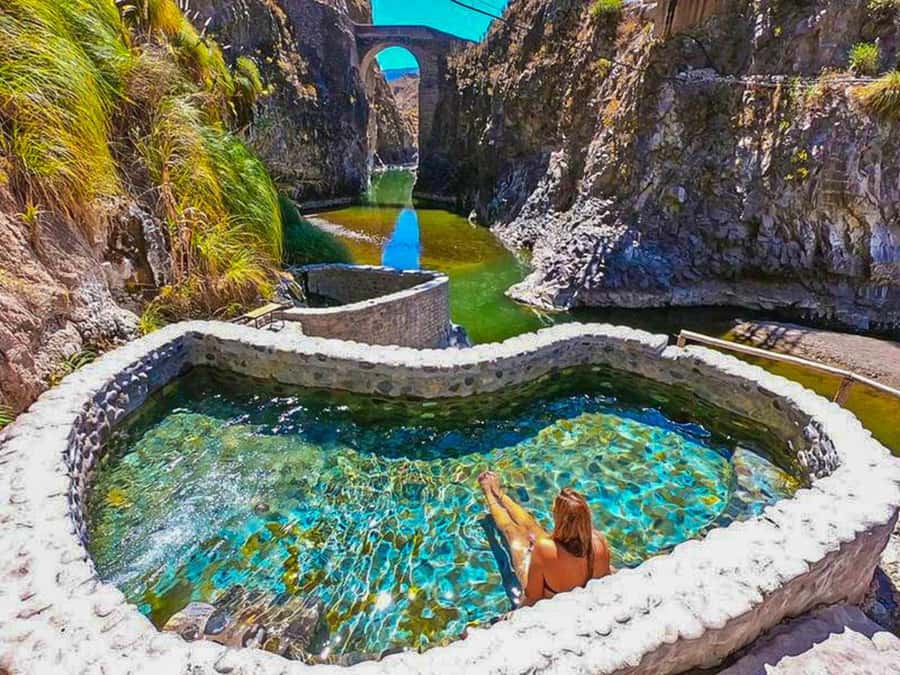
The afternoon visit to the Chacapi thermal baths near Yanque is one of the tour’s best chances to slow down. The water temperature is listed at 35 to 38 degrees Celsius, warm enough for a comfortable soak after the high-altitude road journey.
Admission is optional and costs extra. One supplied price is 15 soles, though you should confirm the current amount before setting out. The baths are not the only optional activity in the area. A large zip line and quad biking may also be available, but both cost extra.
I would treat the hot springs as the sensible add-on and skip the paid extras unless you have plenty of energy and specifically want them. The canyon trip involves an early start and several hours on the road, so a warm soak is more useful than trying to pack every activity into the afternoon.
Dinner, dancing, and extra charges
Dinner can be paired with a folkloric show featuring traditional dances from the area. The meal and show are not included in the basic tour price, and tips may be expected for the performance.
This evening is a tourist-oriented addition rather than the central reason to book the trip. It can be enjoyable if you want a simple introduction to regional music and dance, but budget carefully. Food arrangements are not always flexible. The tour may direct you to a particular buffet or restaurant, with lunch buffets reported at about 40 soles and dinner venues offering music and dancing.
That fixed approach helps keep a group together, but it limits your choice of restaurant. Ask your guide what is included each day so you are not surprised when meals appear on your bill.
more Chivay days to weigh up
- From Arequipa Trek : 2-Days of Hiking in the Colca Canyon
★ 4.5 · 35 reviews - From Arequipa: Tour Colca Canyon 2 Days with End in Puno
★ 4.2 · 12 reviews - Arequipa: 2-day Colca Canyon Trekking, Ending in Puno
★ 4.8 · 8 reviews - From Puno: 2-Day Tour to Colca Canyon ending in Arequipa
★ 4.1 · 4 reviews
The early road to Cruz del Condor
The second day starts around 6:30 a.m. The early departure is essential. Condors are most likely to be seen when morning air currents begin lifting them from the canyon, and the viewpoint becomes busier later in the day.
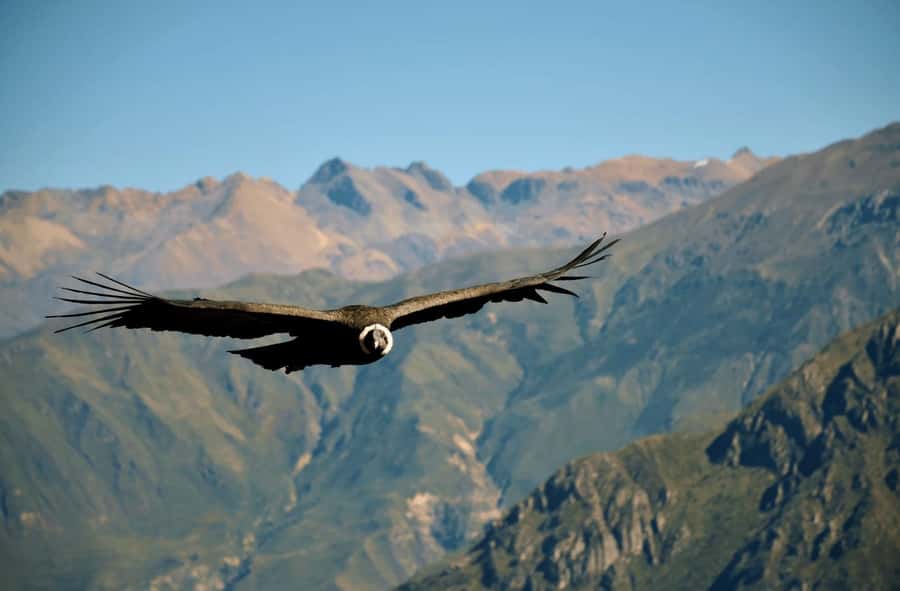
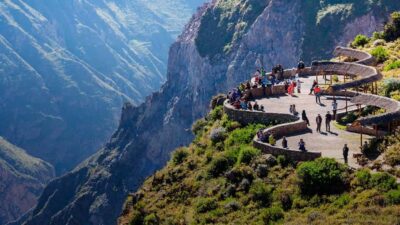
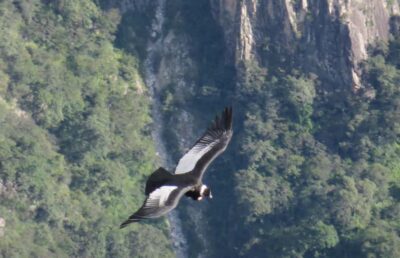
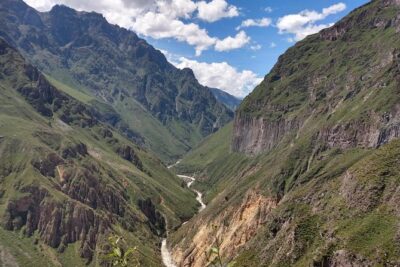
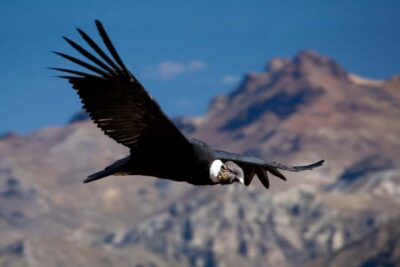
At Cruz del Condor, you look across one of the world’s deepest canyons from a strategic overlook. The canyon itself is the setting, but the condors provide the magic. These large Andean birds can appear below the rim, then rise on warm air and pass overhead. Sightings depend on weather and natural conditions, so no responsible tour can promise a display. Still, this is the trip’s main reward, and the chance of seeing several condors makes the early alarm worthwhile.
The tour may include a short walk up the hill around the canyon to reach the main viewpoint. It is not described as a long trek, but the altitude makes even a short uphill section feel harder than expected. Wear shoes with a good grip, carry water, and walk at a steady pace.
The best advice here is simple: stay patient and keep watching the canyon walls and open air above them. The condors may not appear immediately. The experience works better if you allow yourself time to look rather than treating the viewpoint as a quick photo stop.
Pinchollo, Maca, and Yanque
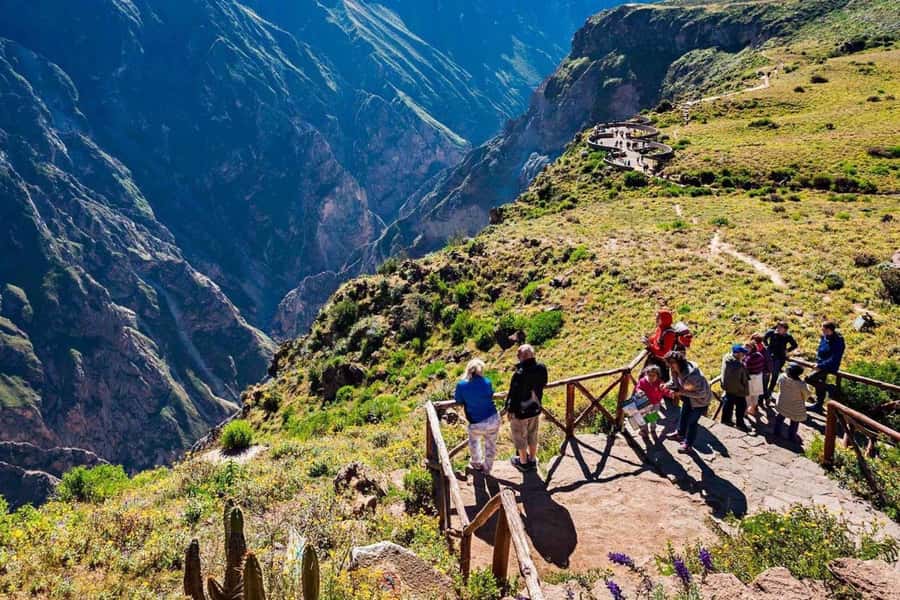
After Cruz del Condor, the route returns through several small towns. Pinchollo, Maca, and Yanque each have colonial churches, usually facing a central square. These are compact village stops, not full town tours. In many cases, you will see the main plaza and church, then continue.
That limited scope is both a strength and a weakness. You get a quick look at the valley’s built heritage without spending the whole day inside a bus, but you should not book this trip expecting long walks through large historic centers. The churches and plazas work best as short pauses between the major viewpoints.
Maca is also associated with the valley’s traditional rural character, while Yanque is convenient for the Chacapi baths. The guide helps connect the stops, explaining the local setting and the importance of the valley’s farming terraces. Guides Juan Pablo and Roy have received particular praise for clear explanations, patient English, and friendly care. English and Spanish guiding is available, but you should make your language preference clear when booking.
Terraces, tombs, and the Choquetico viewpoints
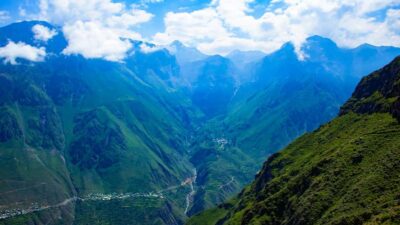
The stops at Choquetico and Antahuilque provide some of the best views beyond Cruz del Condor. From these overlooks, you can see the impressive agricultural terraces cut into the valley sides, along with pre-Inca tombs and models that help explain the area.
The terraces are not just attractive patterns on the hills. They show how earlier communities adapted farming to steep slopes and changing elevations. Looking down from the viewpoints gives you a better sense of the valley as a lived-in agricultural region rather than a single scenic canyon.
The stops are short, so listen closely while the guide is speaking and take photos promptly. This is where a good guide adds real value. A clear explanation turns a view into something you can understand, especially when the guide points out tombs or terrace systems that are easy to miss from the road.
Returning to Arequipa, or continuing to Puno
After returning to Chivay, you have time to find lunch before the direct drive back to Arequipa. Arrival is scheduled for about 4:30 p.m., though road conditions and stop lengths can affect the exact time.
The return to Arequipa is included. If your next destination is Puno, you can instead take a Chivay to Puno bus listed at an additional cost, departing around 1 p.m. This option saves you from returning to Arequipa only to head east again, but the connection needs careful coordination through the agency.
The Puno transfer has been identified as a weak point in the arrangements. Ask exactly where you will board, what time you must leave the tour, and whether your luggage transfers directly. If your plans are tight, do not assume the connection will be effortless.
What the $35 price really buys
At $35 per person, this is an inexpensive way to reach Colca Canyon from Arequipa. The value comes from the tourist transport, hotel pickup, return transport, and bilingual official guide. Those pieces are useful because the canyon is far from Arequipa and the route includes many stops that would be awkward to organize independently.
But $35 is only the starting figure. You must add the mandatory Colca Canyon entrance ticket, listed as 70 soles for foreign visitors, with discounts for South American visitors and Peruvians. You also pay for the hotel, meals not mentioned as included, and hot springs if you choose to enter.
The folkloric dinner, zip line, quad biking, and Puno bus also add to the total. This can still be good value, but compare the complete cost rather than the headline price. The tour is strongest for someone who wants transport and a guide arranged at a low base rate and does not mind paying for extras as they go.
The 4.6 rating from 10 reviews reflects generally strong satisfaction, especially with the guide, driver, condor sighting, and overall organization. The lower scores focus on extra charges, simple accommodation, light breakfast, and the Puno transfer. Those are practical concerns, not minor details, so include them in your decision.
Altitude, weather, and what to pack
Altitude is the main physical issue. The route reaches 4,910 meters, and Cruz del Condor is also high. You should take time to acclimatize in Arequipa before the tour and avoid assuming that a short walk will feel easy.
Pack layers. Mornings can be cold, even if the afternoon near the hot springs feels warm. Bring a hat, sunscreen, water, snacks, comfortable clothing, and a camera. Warm clothing is especially important for the early second-day departure.
Smoking, alcohol, and drugs are not allowed during the activity. The tour also involves long road sections, so snacks are worth carrying even if you plan to buy food during the journey.
Free cancellation is available up to 24 hours before departure for a full refund, and you can reserve now and pay later. Check the available start time when choosing your date, since the second day follows a fixed early schedule.
Who should choose this Colca Canyon tour?
I would choose this tour if you want to see the canyon without arranging several separate buses, guides, and hotel transfers. It suits people who value a clear route, a bilingual guide, and a broad introduction to the valley more than a highly private or luxurious experience.
It is also a good fit if condors are your priority. The early Cruz del Condor visit is the strongest part of the program, and the additional stops give you more context than a simple viewpoint transfer.
You may want another option if you dislike add-on costs, fixed restaurant choices, or basic accommodation. A private tour may offer more control, while arranging the trip locally could cost less, though you would need to handle transport and timing yourself. If you choose this package, confirm the hotel, meals, canyon ticket, hot spring fee, and Puno connection in writing.
Should you book it?
Book this two-day tour if you want a low-cost, well-organized route from Arequipa with a strong chance to see condors and enough time for hot springs and valley villages. The guides, especially Juan Pablo and Roy, appear to be a major strength, and the mix of wildlife, volcanoes, terraces, churches, and canyon viewpoints gives you a full taste of the area.
Do not book it based on the $35 figure alone. Once you add the 70-sol foreigner canyon fee, lodging, meals, and optional activities, the real price is higher. If you accept that structure and prepare for altitude, this is a practical way to make Colca Canyon one of the highlights of your Peru trip.
FAQ
How long does the Colca Canyon tour last?
The tour lasts two days, starting with pickup from your hotel in Arequipa and ending with a return to Arequipa at about 4:30 p.m. on the second day.
Is the Colca Canyon entrance ticket included?
No. The mandatory ticket is listed separately at 70 soles for foreign visitors, with discounts available for South American visitors and Peruvians.
Is hotel accommodation included?
The published tour information states that the hotel in Chivay or a nearby town is the passenger’s responsibility. Confirm the exact accommodation arrangement before booking.
Are the hot springs included?
No. Entry to the Chacapi thermal baths is optional and costs extra. The water temperature is about 35 to 38 degrees Celsius.
Can I continue from Chivay to Puno?
Yes. You can arrange a Chivay to Puno bus instead of returning to Arequipa, at an additional cost. The listed departure time is 1 p.m., and the agency coordinates the arrangement.
What languages are available with the guide?
Guiding is available in English and Spanish. The tour includes a bilingual specialized official guide.
Recently added around Chivay
- From Arequipa: 1 Day Tour to the Colca Canyon + Buffet lunch★ 4.2 · 3 reviews
- 2-Day Colca Canyon Tour to Puno with accommodation★ 3.9 · 3 reviews
- From Arequipa: Colca Canyon and Condor Watching Day Trip★ 3.7 · 3 reviews
- Colca Canyon Day Trip: From Arequipa to Puno★ 3.5 · 3 reviews
- 3-day trek to the Colca Canyon from Arequipa ending in Puno★ 4.2 · 3 reviews
- Arequipa : Colca Canyon 2-Day Adventure★ 5.0 · 3 reviews
- 2 day 1 night trek / Colca Canyon★ 3.0 · 3 reviews
- From Arequipa: Colca Canyon Full-Day Tour with Breakfast★ 3.3 · 4 reviews
Colca Canyon Tours, compared.
2-Day Tour Colca Canyon in Arequipa with end in Puno
Read our review →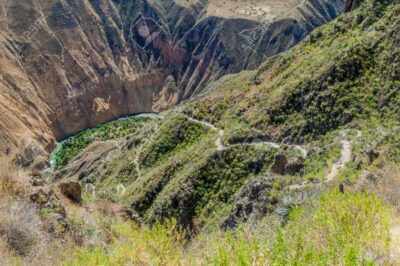
Browse the lists this tour appears in