
Reviewed · CUSCO TOURS
Cusco: Bean to bar chocolate workshop
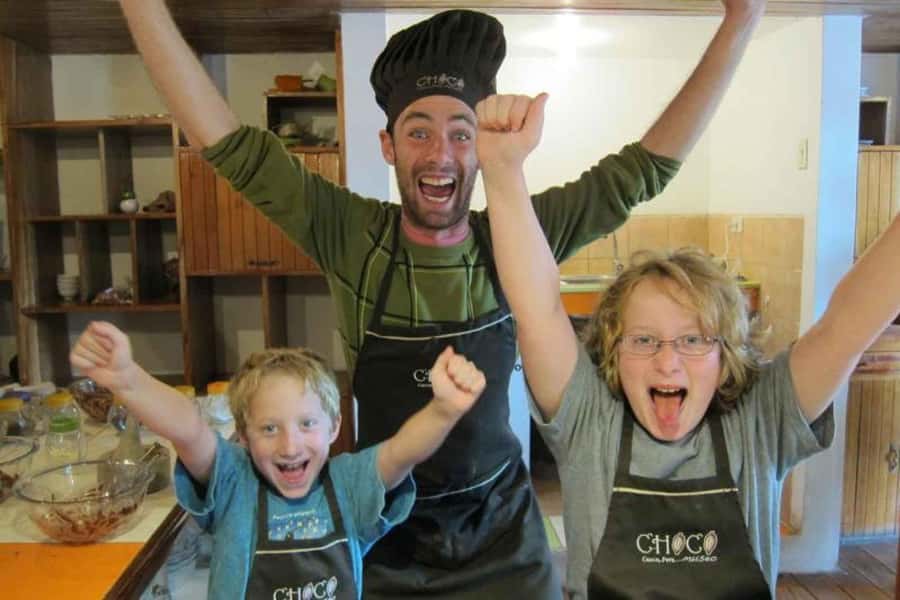
The most rewarding part of this Cusco chocolate workshop is that you do not simply taste a finished bar. You work through the bean-to-bar process, roasting cacao, removing its husk, grinding the nibs by hand, and turning the paste into something you can eat.
I like the hands-on work on a metate, an old-style grinding stone used in the same basic way by the Aztecs. I also like the freedom to build your own organic chocolate bar with your choice of ingredients. The main drawback is that two hours gives you a good introduction, not a full course in chocolate making, and the price is not provided here, so you will need to judge the value when booking.
Key points to know before you book
- You roast and peel the cacao yourself, rather than watching a demonstration from the sidelines.
- You grind cacao nibs on a metate with a mano, linking the class to older chocolate-making methods.
- You make hot chocolate from your own ground paste, including drinks inspired by Maya and conquistador traditions.
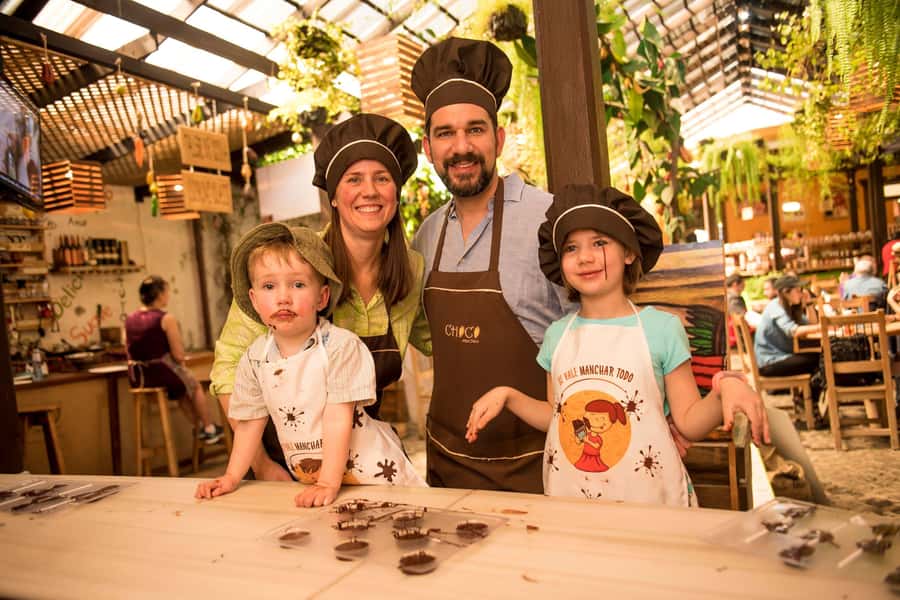
- You take home a handmade chocolate bar, provided you do not eat it during the session.
- The class lasts two hours and is offered with live instruction in English or Spanish.
- The workshop suits curious food lovers, families, couples, and anyone wanting a quieter Cusco activity between major sightseeing days.
Starting with cacao instead of a candy bar
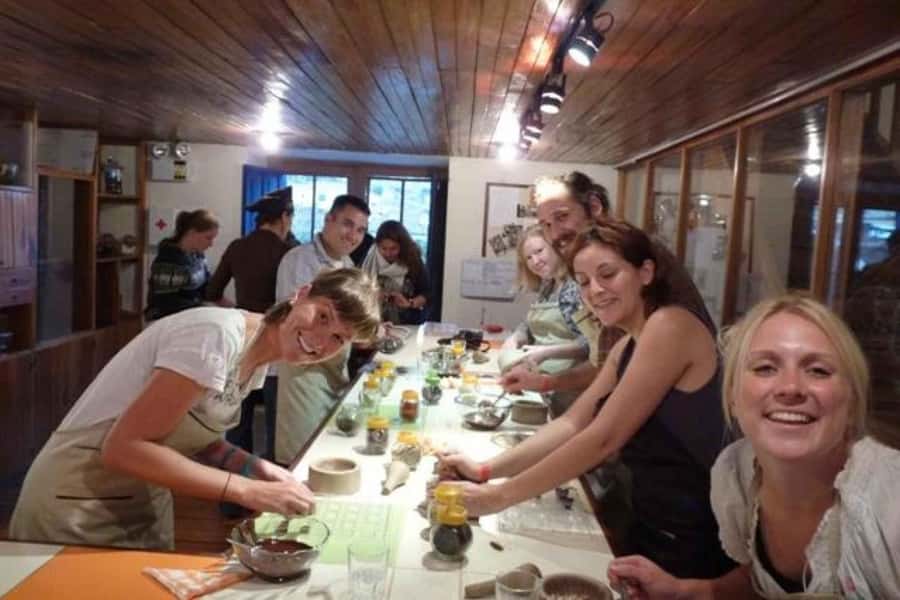
This workshop begins with the raw material, cacao, and follows its change into chocolate. That simple choice makes the class more useful than a standard tasting. You can connect the smell, texture, bitterness, and warmth of the beans with the finished bar in front of you.
The session also gives you a reason to think about Cusco as more than a base for Machu Picchu and mountain trips. Peru is known for cacao, and the workshop explains why Cusco produces chocolate that has earned a strong reputation. The focus is not only on eating, but also on the crop, the process, and the cultural background behind it.
I find that this kind of food activity works well in Cusco because it does not demand a full day or a long transfer. You get a local food experience in two hours, then have the rest of the day for museums, plazas, churches, or a relaxed meal.
The format is interactive, but you should keep your expectations sensible. You are learning the basic stages and making your own chocolate under guidance. You are not operating a full commercial chocolate factory or producing a large supply of finished bars.
more Cusco days to weigh up
- Chocolate Workshop in Cusco with Premium Organic Cacao
★ 5.0 · 75 reviews - Cusco: Chocolate Workshop with the Best Local Organic Cacao
★ 4.5 · 23 reviews - 1.5h Cusco Chocolate Workshop – Truffles & Hot Chocolate
★ 4.3 · 8 reviews
Roasting cacao beans and meeting the raw ingredient
The first practical step is roasting the cacao beans. Heat changes the beans in important ways, bringing out the smell and flavor that you associate with chocolate.
This stage matters because it helps you understand that chocolate does not begin as a sweet treat. The bean has to be prepared before it can become paste, drink, or bar. You can see and smell the change instead of being told about it in a short museum label.
The roasting portion is also a good point for questions. With live guides speaking English or Spanish, you can ask about the beans, the process, and the connection between cacao and Peruvian chocolate. No individual guide names are supplied, so you should expect instruction from the workshop team rather than a named specialist.
The activity description does not state the group size. That means the amount of personal attention may vary. If you want a very quiet class or have specific needs, contact the provider before booking.
Removing the husk and handling cacao nibs
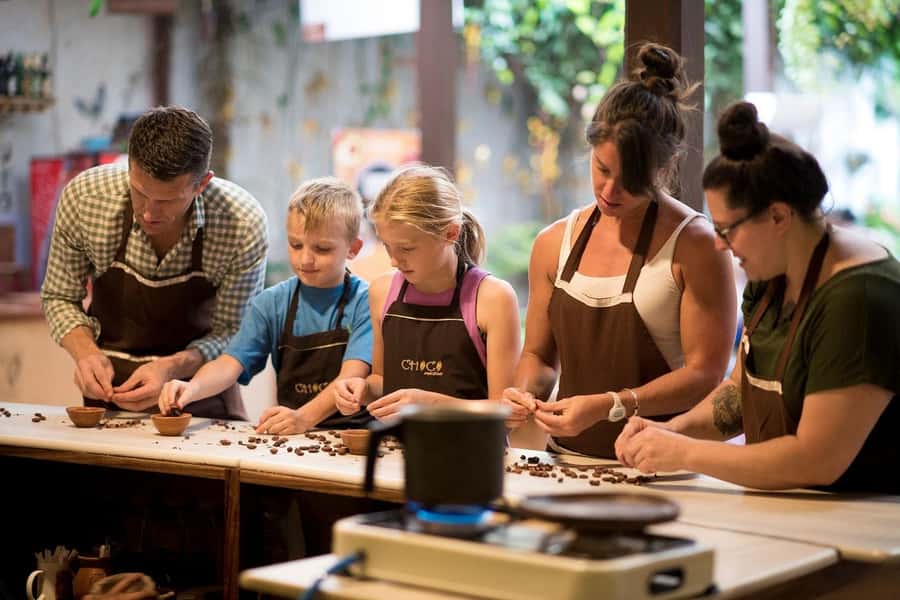
After roasting, you remove the cacao husk. What remains are the cacao nibs, the small pieces that carry the main flavor and fat needed for chocolate making.
This step is easy to overlook when you buy a finished bar. Here, you handle the ingredient directly and see how much preparation comes before the final product. It also gives the class a practical rhythm: roast, peel, grind, and refine.
The husk-removal stage may be especially useful for children and first-time chocolate makers because it turns an abstract process into a series of clear tasks. You are not asked to memorize technical terms. You simply work through each part and see how the ingredient changes.
The workshop calls the chocolates organic, but the supplied details do not explain the exact certification or the source of each ingredient. I would treat organic as part of the advertised experience, while asking the guide if certification or dietary details matter to you.
Grinding the nibs on a metate with a mano
The most distinctive step is grinding the cacao nibs on a metate with a mano. This is the old stone-and-hand method associated with Aztec chocolate making, and it gives the class a clear link to earlier traditions.
You will not get the same speed or smoothness as a modern machine, and that is the point. The metate lets you feel the work involved in breaking down cacao. It turns chocolate from an industrial product into a food that requires time, pressure, and repeated motion.
A recent five-star participant specifically valued roasting, peeling, and grinding the cacao paste for hot chocolate. That detail is important because it shows the class goes beyond molding decorative pieces. You actually make the paste used in one of the drinks.
I would consider this the best part of the workshop for anyone who enjoys food craft. It is also the part most likely to require patience. If you only want to sample chocolate, a tasting may be faster. If you want to understand how chocolate begins, the metate is worth the time.
Somewhere else entirely, still within reach of Cusco:
- Cusco: Humantay Lake Tour with Breakfast and Buffet Lunch
★ 4.9 · 2,976 reviews - From Cusco: Sacred Valley & Maras Salt Mines Tour with Lunch
★ 4.8 · 2,227 reviews - From Cusco: Moray, Maras Salt Mines & Chinchero Weavers Tour
★ 4.8 · 1,925 reviews - From Cusco: Full-Day Group Tour of Machu Picchu
★ 4.7 · 1,767 reviews
Refining cacao paste in a melangeur
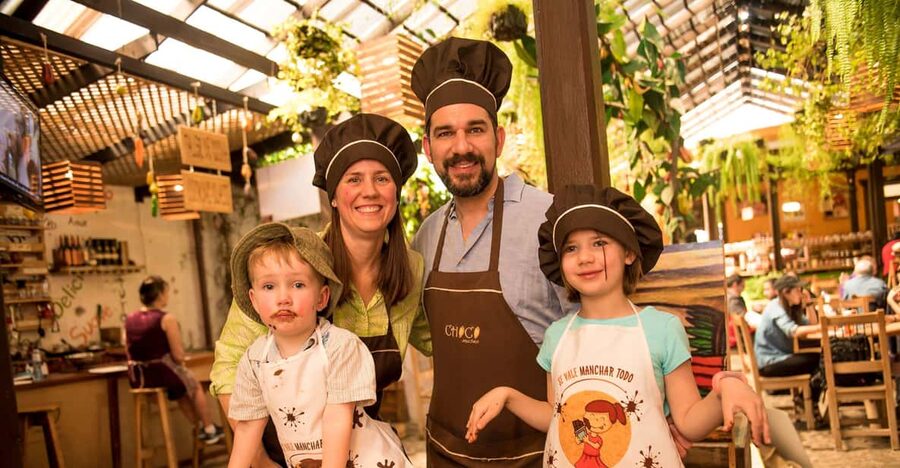
The fourth process is refining the cacao paste in a melangeur. This machine smooths the ground mixture and helps move it toward the texture you expect from chocolate.
The class presents four main stages:
- Roasting the cacao beans
- Removing the cacao husk
- Grinding the nibs on a metate with a mano
- Refining the cacao paste in a melangeur
Together, these steps give you a clear map of chocolate production. The metate shows the traditional hand method, while the melangeur introduces the equipment needed to create a finer texture.
This balance is one of the workshop’s strengths. You get cultural context without being left with only a historical demonstration, and you get practical making without losing sight of older techniques.
The available information does not describe the melangeur’s size, operating time, or how much of the refining you personally control. You should expect the guide to explain and supervise this stage rather than assume you will run a full refining cycle from start to finish.
Maya and conquistador-style hot chocolate
Once the cacao paste is ready, the workshop moves into drinks. You can try hot chocolates linked to Maya and conquistador traditions.
The names suggest two different approaches to chocolate, and tasting them gives you a simple way to compare how chocolate has been prepared and enjoyed across cultures. The activity does not specify the exact ingredients or sweetness of either drink, so ask the guide if you have allergies, dietary restrictions, or a strong preference for sweet or bitter chocolate.
Making hot chocolate from paste you helped grind is more satisfying than receiving a cup without context. You can connect the drink to the earlier work, especially the roasting and metate grinding.
This section also gives the session a welcome pause after the hands-on preparation. You can taste what you have helped create before moving on to the molded chocolates.
Molding your own organic chocolate bar
The final creative stage is molding your own chocolate. You choose ingredients and shape a bar that matches your taste.
The supplied details do not list the available ingredients, so do not assume there will be a particular selection of nuts, fruit, spices, or other additions. The important point is that you get personal choice instead of receiving an identical piece made for every participant.
You can take your handmade chocolates home. That makes the class more than a short snack stop. Your bar becomes a small edible reminder of Cusco, although the information does not state how the chocolates are packaged or how long they keep.
I suggest leaving room in your day and bag for this part. The activity is designed to send you out with your own creations, but chocolate can soften in warm conditions. The provider does not give storage or transport instructions, so ask before leaving if you plan to carry the bar for several days.
Why the two-hour length matters in Cusco
Two hours is a practical length for a city activity. It is long enough to cover the full process, but short enough to fit before or after other plans.
I would place it on a day when you want a break from walking or high-altitude excursions. It can add variety to a Cusco itinerary filled with archaeological sites, mountain viewpoints, and long drives. It also works well if rain changes your outdoor plans, though the available information does not specifically describe the venue’s facilities or seating.
The pace may feel quick if you want detailed instruction on every technical point. Four processes, cultural background, drinks, and a molded bar all need to fit into the same session. The benefit is variety. The tradeoff is that none of the stages can become a long specialist lesson.
The class is offered with a live guide in English or Spanish. That is useful for asking questions as you work, especially during the grinding and refining stages.
Value, booking details, and who will enjoy it
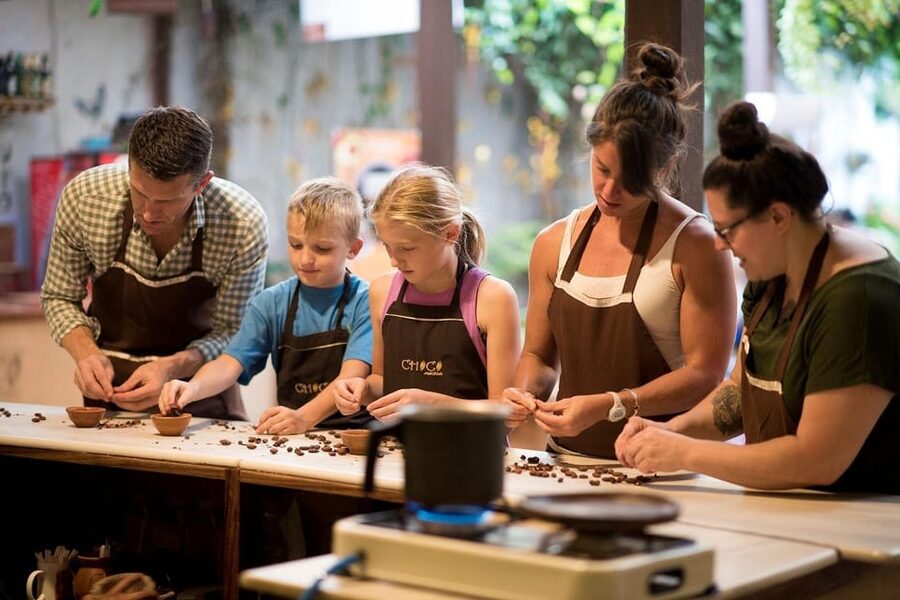
No tour price is provided, so I cannot call it a bargain or an expensive choice. I would judge the value against what you receive: two hours of instruction, a museum and workshop setting, several stages of hands-on preparation, hot chocolate, and handmade chocolates to take away.
For me, the activity offers better value than a simple chocolate purchase if you enjoy learning by doing. The souvenir is part of the appeal, but the process is the real product. If you only want high-end chocolate to eat, buying a bar may be more efficient.
The workshop should suit:
- Couples looking for a short shared activity
- Families wanting a food-based lesson
- Visitors interested in Peruvian cacao
- People who prefer practical experiences to passive sightseeing
- Anyone with a free two-hour gap in Cusco
- Chocolate fans who want to make a bar from their own chosen ingredients
It may be less suitable if you have very limited time, dislike bitter cacao, or want a polished pastry class with advanced techniques. The activity is built around the full journey from bean to bar, so some of the time goes to preparation rather than decoration.
For last-minute reservations, check availability with the provider by email before booking. You also need to enter your phone number with the country code and have WhatsApp, since those details are specifically requested for communication. The booking terms allow cancellation up to 24 hours before the activity for a full refund, and you can reserve now and pay later, which helps if your Cusco schedule may change.
Should you book the Cusco chocolate workshop?
Book it if you want a relaxed, hands-on Cusco experience that connects food with history and technique. The strongest reason to go is the chance to roast, peel, and grind your own cacao before drinking it as hot chocolate and molding your own bar.
I would especially choose this workshop between bigger outings such as Machu Picchu, Rainbow Mountain, or the Sacred Valley. It will not replace those major sights, but it adds a personal, edible memory to your Peru visit.
Skip it if you are looking only for a quick tasting or if your schedule has no room for a two-hour class. For everyone else, this is a focused way to understand chocolate from its first earthy bean to the bar you carry away.
FAQ
How long does the Cusco chocolate workshop last?
The workshop lasts two hours.
What languages are available?
Live guides provide the activity in English and Spanish.
What will I make during the class?
You will make hot chocolate and your own chocolate bar, with ingredients selected to suit your taste. You can take your handmade chocolates home.
Which chocolate-making processes are included?
The class includes roasting cacao beans, removing the cacao husk, grinding cacao nibs on a metate with a mano, and refining the cacao paste in a melangeur.
Can I cancel the booking?
You can cancel up to 24 hours in advance for a full refund.
What should I do for a last-minute reservation?
Check availability with the provider by email before booking. Enter your phone number with the correct country code and make sure you have WhatsApp.
More Workshops in Cusco
- Cusco: Peruvian Cooking Class, Cocktails & Local Market Tour
★ 4.9 · 512 reviews - Cooking class and market tour with a local chef
★ 5.0 · 186 reviews - The First Class Machu Picchu Train by Inca Rail
★ 4.0 · 182 reviews - The Textile Workshop Experience in Cusco Region
★ 5.0 · 118 reviews
Recently added around Cusco
- Palcoyo colored mountain hike + stone forests★ 4.6 · 3 reviews
- Maras Moray★ 5.0 · 3 reviews
- From Cusco: Vinicunca Mountain of Colors Excursion + Ticket★ 5.0 · 3 reviews
- Full-Day Condor Viewpoint & Inca Sites Tour★ 5.0 · 3 reviews
- Excursion Cusco – Puno – Titicaca Observatory Train★ 5.0 · 3 reviews
- Machu Picchu: Private Tour Guide Service for up to 15 people★ 4.5 · 3 reviews
- Machu Picchu: 1-day tour by Vistadome Observatory train★ 5.0 · 3 reviews
- Cusco: Chonta Canyon and Condor Flight Tour with Lunch★ 5.0 · 3 reviews
Cusco Tours, compared.
Humantay Lake Tour with Breakfast and Buffet Lunch
Read our review →
Sacred Valley & Maras Salt Mines Tour with Lunch
Read our review →
Moray, Maras Salt Mines & Chinchero Weavers Tour
Read our review →


Half-Day City Tour with Sacsayhuaman and Q’enco
Read our review →
Sacred Valley, Pisac, Ollantaytambo, Salt Mines Moray
Read our review →
Browse the lists this tour appears in