
Reviewed · CUSCO TOURS
Cusco: Chocolate Workshop with the Best Local Organic Cacao
Cusco’s best chocolate lesson comes with a bonus before the first cacao bean is melted: a sweeping view over the city from Limbus Restobar. In two and a half hours, you learn to turn local organic Chuncho cacao into Belgian-style pralines and mendiants, then leave with roughly 300 grams of chocolate you made yourself.
I like the mix of hands-on work and local food culture, especially the chance to make your own ganache and choose from local jams and organic nuts. I also like the warm, social teaching style associated with instructors such as David, Marco, Ken, Angel, and Alex. The main drawback is that the class does not show the full bean-to-bar process, so anyone hoping to roast and open cacao beans may find it limited.
Key points to know before booking
- Chuncho cacao from the Cusco jungle: Work with a prized local cacao that gives the class a clear Peruvian identity.
- About 31 handmade chocolates: Make around 21 pralines and 10 mendiants, with roughly 300 grams of chocolate included per person.
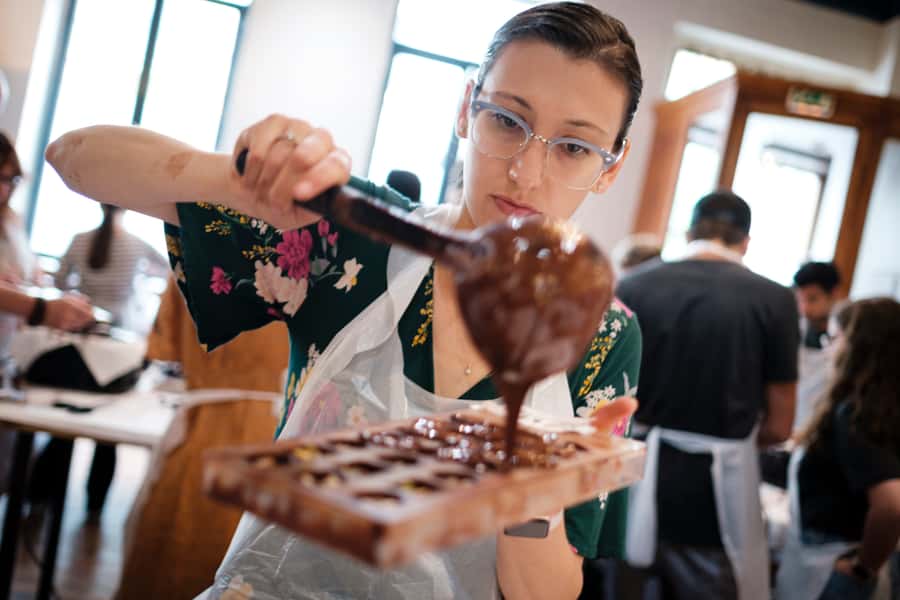
- A hands-on Belgian-style lesson: Learn tempering, prepare ganache, fill molds, and decorate your chocolates.
- Hot chocolate is part of the class: You taste a cup and learn how to make it.
- A memorable meeting place: The class takes place at Limbus Restobar, known for its panoramic Cusco view.
- Adults and children 12 and older: The activity is not suitable for children under 12 or people with diabetes, and spectators are not allowed.
Why Chuncho cacao gives this class a Cusco flavor
This is not simply a generic chocolate-making lesson moved to Peru. The central ingredient is organic Chuncho cacao, a local product from the jungle of the Cusco region. The class uses it to explain why Peruvian chocolate has its own character and why Chuncho cacao is held in such high regard.
You will hear about the cacao bean and its place in Peruvian food culture before starting the practical work. That opening matters. It gives you a reason to pay attention to the flavor, rather than treating the chocolate as just another sweet snack.
The experience also connects two traditions. The cacao is local and artisanal, while the finished chocolates follow a Belgian praline style. That combination makes the class more interesting than a basic truffle demonstration. You get a little of Peru in the ingredient and a little of Belgium in the method.
The lesson is especially useful if you are curious about food origins. You can taste the cacao and then see how technique changes it through melting, tempering, filling, and decoration. The final chocolates are not just souvenirs. They show how one raw ingredient can become several different sweets.
more Cusco days to weigh up
- Chocolate Workshop in Cusco with Premium Organic Cacao
★ 5.0 · 75 reviews - 1.5h Cusco Chocolate Workshop – Truffles & Hot Chocolate
★ 4.3 · 8 reviews - Cusco: Bean to bar chocolate workshop
★ 5.0 · 3 reviews
Arriving at Limbus Restobar in central Cusco
There is no hotel pickup, so you need to make your own way to Limbus Restobar. At reception, say you are there for the chocolate workshop, or ask for el taller de chocolate. The receptionist will direct you to the experience.
The venue is part of the appeal. Limbus is known for its panoramic view across Cusco, and the setting gives the class a pleasant sense of place before the work begins. You are not tucked into an anonymous kitchen. You are making chocolate above the city, with a broad view as a backdrop.
Allow a few minutes to find the reception and get directed to the class. The supplied details do not give a separate street address or a pickup service, so check the exact meeting information when you book.
The class is offered in English, Spanish, and French. That is useful in a mixed group, and the instructors are described as friendly, funny, and easy to follow. David receives especially warm attention for his energy and humor, while Marco, Ken, Angel, and Alex have also led sessions.
The first part: cacao, chocolate, and Peruvian culture
The workshop begins with an introduction to chocolate’s history and cultural place in Peru. This is not a long museum lecture. It leads into the cooking, giving you some context before you handle the ingredients.
You learn why Peruvian chocolate is considered distinctive and why Chuncho cacao is important. The emphasis is on local organic and artisanal production from the Cusco jungle, so the class offers more than a recipe.
This section is also where the instructors help you understand what you are about to make. Pralines are filled chocolates, while mendiants are flatter chocolate discs decorated with toppings. Knowing the difference makes the later work easier and gives your finished box some variety.
The strongest sessions appear to balance explanation with humor. David has been praised for making the class lively, and the instructors are comfortable sharing facts about cacao and Peruvian culture without turning the experience stiff or formal. You should expect conversation and group participation, not a silent cooking demonstration.
Melting and tempering the chocolate
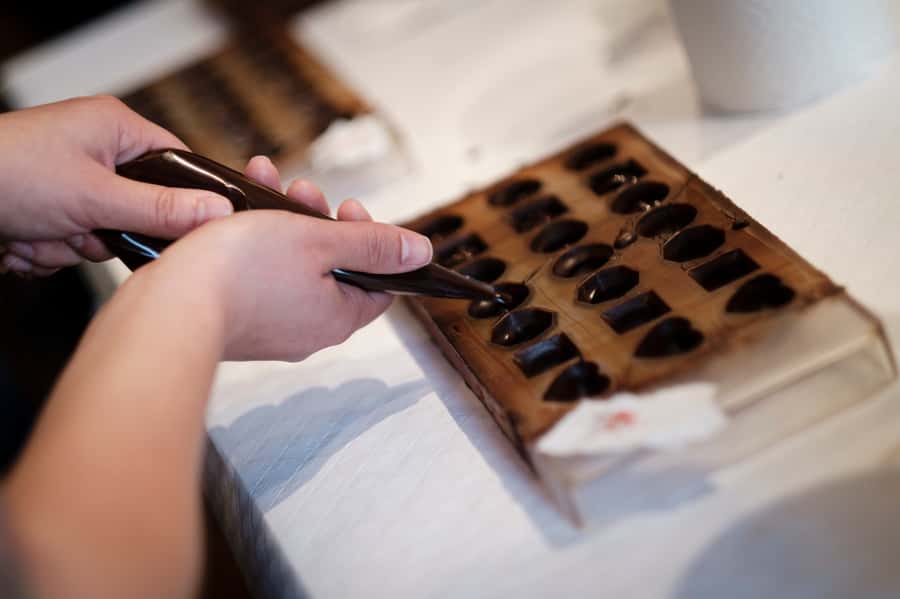
Next comes the technical heart of the lesson: working with melted chocolate and learning tempering techniques. Tempering helps give chocolate a smooth finish, a firm snap, and a more polished look once it sets.
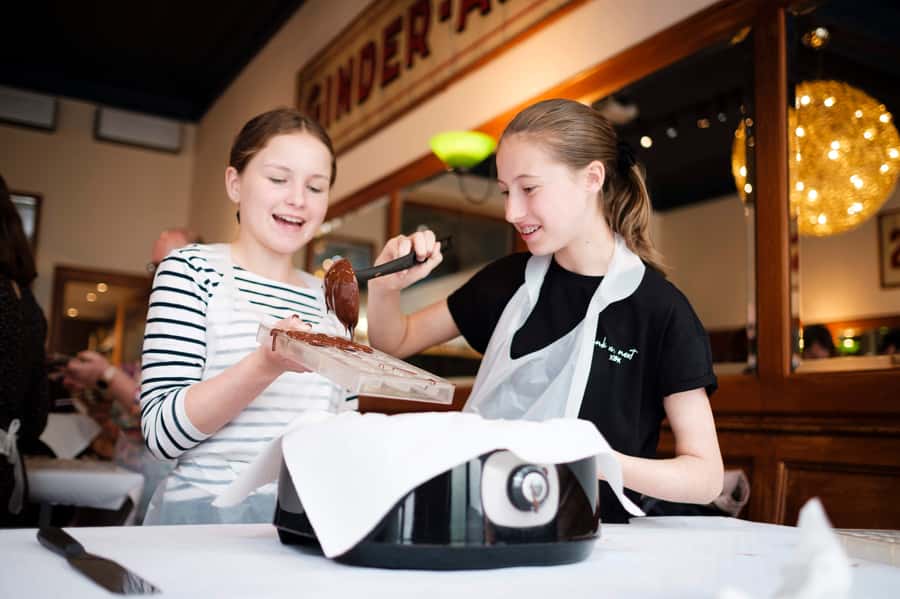
You will make pralines and mendiants from scratch, using the ingredients and utensils provided. The class includes demonstrations, assistance from start to finish, and room for you to work with your own creations.
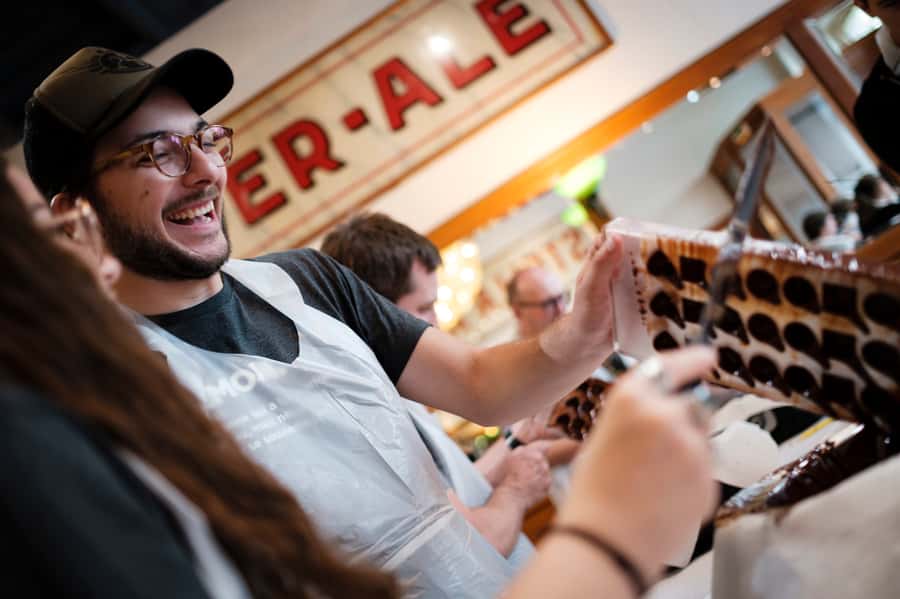
This is the part where the workshop becomes properly hands-on. You are not merely watching an instructor pipe a perfect bonbon. You handle the chocolate, shape it, add fillings, and make choices about decoration.
Do not expect professional pastry-school precision on your first attempt. Some chocolates may look slightly uneven, and that is part of the fun. The point is to understand the basic process and enjoy the result, not to produce a commercial box of identical sweets.
One useful expectation comes from the structure of the class: you work with prepared tools and ingredients rather than processing cacao from the beginning. If you want to see beans roasted, cracked open, and transformed into chocolate liquor, this is not that kind of workshop. The focus begins with usable chocolate and moves toward pralines and mendiants.
Somewhere else entirely, still within reach of Cusco:
- Cusco: Humantay Lake Tour with Breakfast and Buffet Lunch
★ 4.9 · 2,976 reviews - From Cusco: Sacred Valley & Maras Salt Mines Tour with Lunch
★ 4.8 · 2,227 reviews - From Cusco: Moray, Maras Salt Mines & Chinchero Weavers Tour
★ 4.8 · 1,925 reviews - From Cusco: Full-Day Group Tour of Machu Picchu
★ 4.7 · 1,767 reviews
Making ganache and choosing local toppings
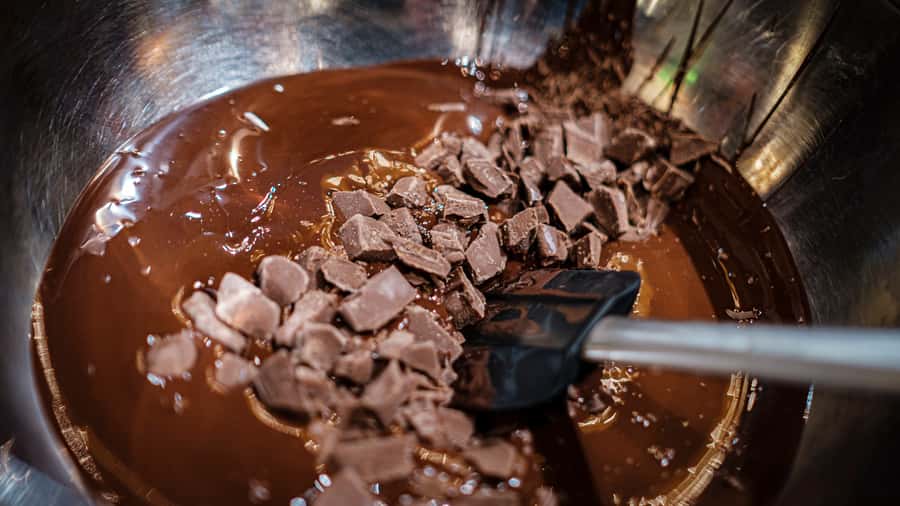
The filling stage gives the experience its creative side. You make a ganache and can choose from a range of toppings and fillings, including homemade local jam and an assortment of local and organic nuts.
This is where I see the best value in the class. You are not handed one fixed recipe and told to copy it. You get to make decisions about flavor and texture, then see how those choices affect the finished bonbon.
The local jam and nuts also keep the activity tied to Cusco. The chocolate is not the only Peruvian element. The toppings give you a chance to combine the smooth richness of ganache with ingredients connected to the region.
Mendiants are simpler to shape than filled pralines, but they give you more freedom with decoration. You can arrange toppings on the chocolate discs and create a box that looks varied rather than mass-produced.
The class promises around 21 pralines and 10 mendiants per person. That is a generous amount for a 150-minute lesson, particularly because you make them yourself. The exact appearance and quantity may depend on your pace and the group, but the included total is listed as about 300 grams of chocolate per person.
The hot chocolate break
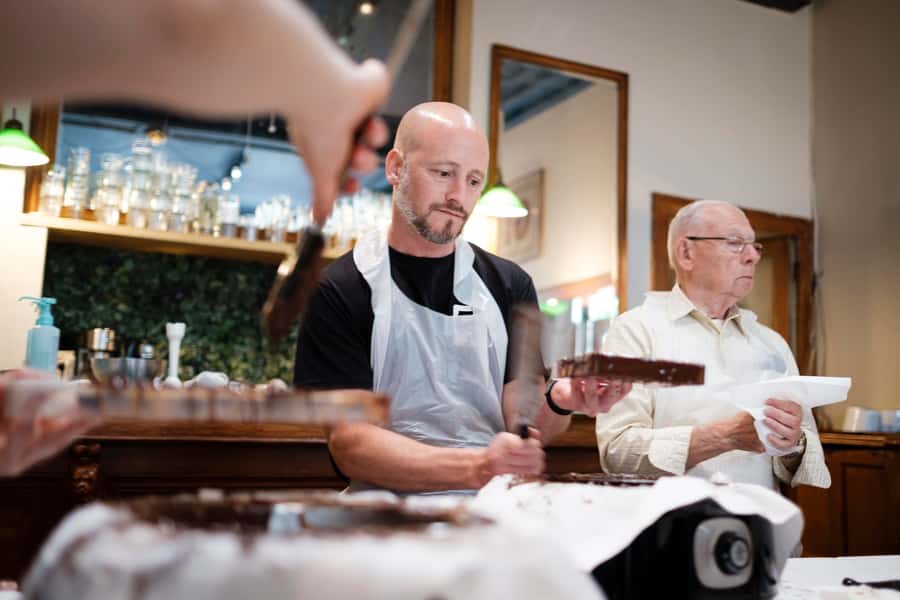
Hot chocolate is not an afterthought here. You taste it during the workshop and learn how to prepare it.
This adds a simple but welcome pause between the more technical steps. It also lets you compare a drinkable chocolate preparation with the molded pralines you are making. The hot chocolate has been singled out as a strong part of the experience, so make sure you do not skip it while concentrating on your molds.
The tasting makes sense in a Cusco food class. Chocolate is not only something to temper and decorate. It is also a drink with a place in local culinary culture. The class uses that contrast to show another side of the cacao.
Filtered water is included as well. That is a small detail, but useful during a two and a half hour activity.
Packing your chocolates to take home
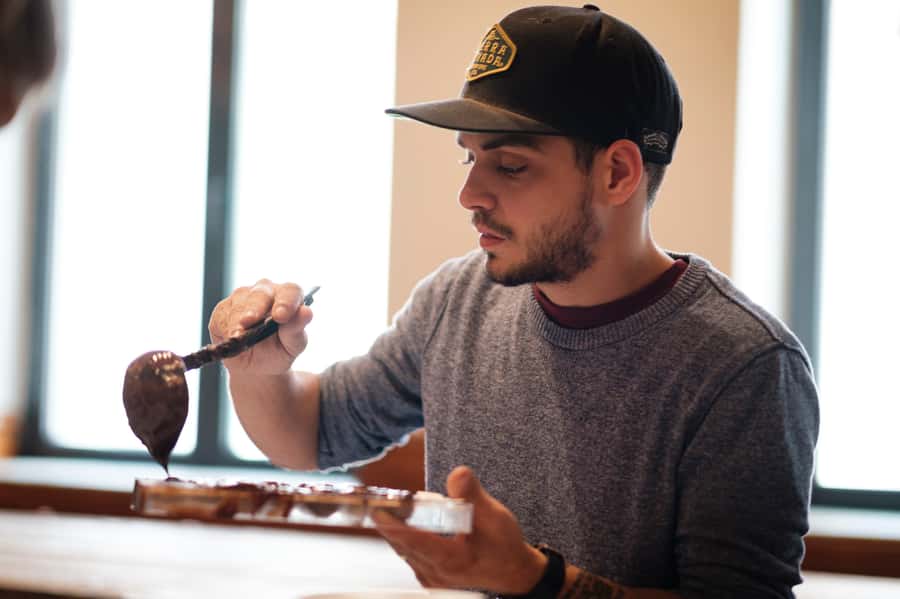
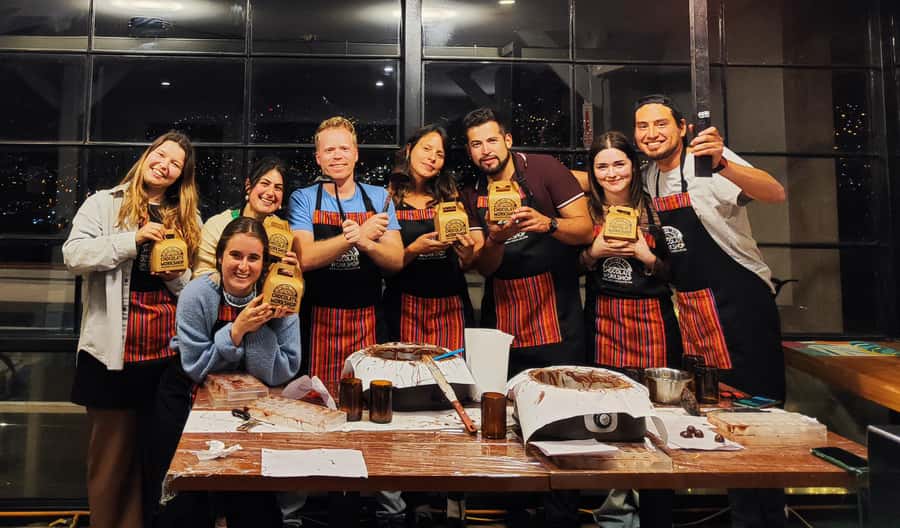
At the end, your chocolates are placed in a personalized box. You can take the box home and share it with family and friends, though you may prefer to keep a few pieces for yourself.
The take-home portion gives the class lasting value. You are not paying for a short tasting that disappears as soon as you leave. You get a tangible result, plus the memory of making it.
Chocolate can be awkward to carry in a warm climate, so treat the box with care after the class. The provided information does not specify temperature-controlled packaging or travel advice, so ask the instructors if you plan to keep the chocolates for several days or carry them onward.
The quantity is also worth considering. Around 21 pralines and 10 mendiants is enough to make this a shareable souvenir, not just a single tasting portion. If you are traveling with family or friends, the box can become a small edible gift from Cusco.
What the $47 price includes
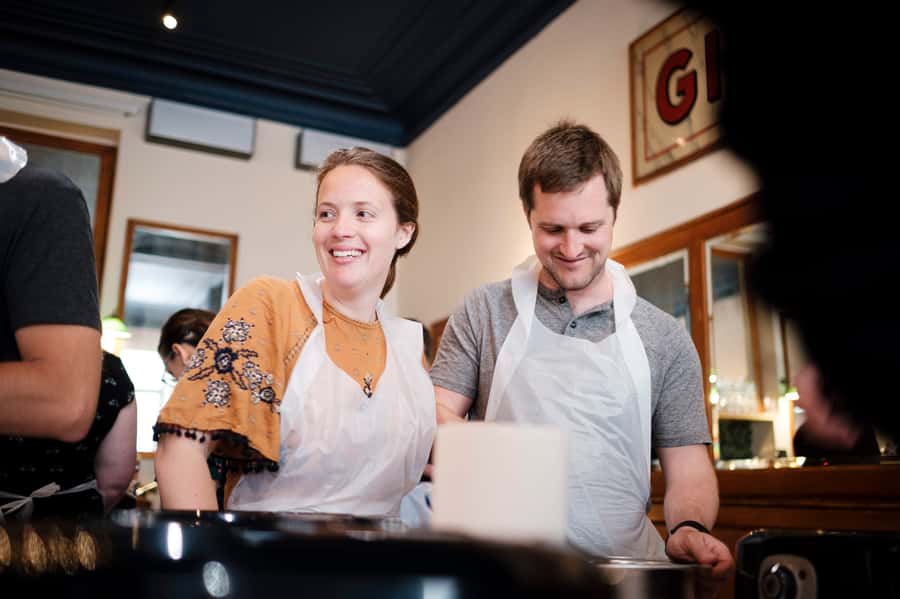
At $47 per person, this is not the cheapest food activity in Cusco. The value depends on how much you want from the class.
You receive a full 150-minute workshop, about 300 grams of chocolate, all ingredients and utensils, hot chocolate, filtered water, personal help throughout, and a take-home box. You also get the panoramic Limbus setting and instruction in a technique you can try again at home.
I consider the price fair for someone who wants an active lesson rather than a short tasting. The volume of chocolate helps. You make around 21 pralines and 10 mendiants, so the included ingredients are a substantial part of what you pay for.
The value is weaker if you mainly want to learn how cacao is harvested and processed. The class explains cacao’s story, but it does not promise roasting, opening, or grinding the beans. You are paying for confectionery skills and a local ingredient, not a full farm-to-bar tour.
There is also no pickup, so transportation to Limbus is your responsibility. That is easy to plan for if you are already in central Cusco, but it is worth remembering when comparing the total cost with activities that include transfers.
Who will enjoy this chocolate workshop most
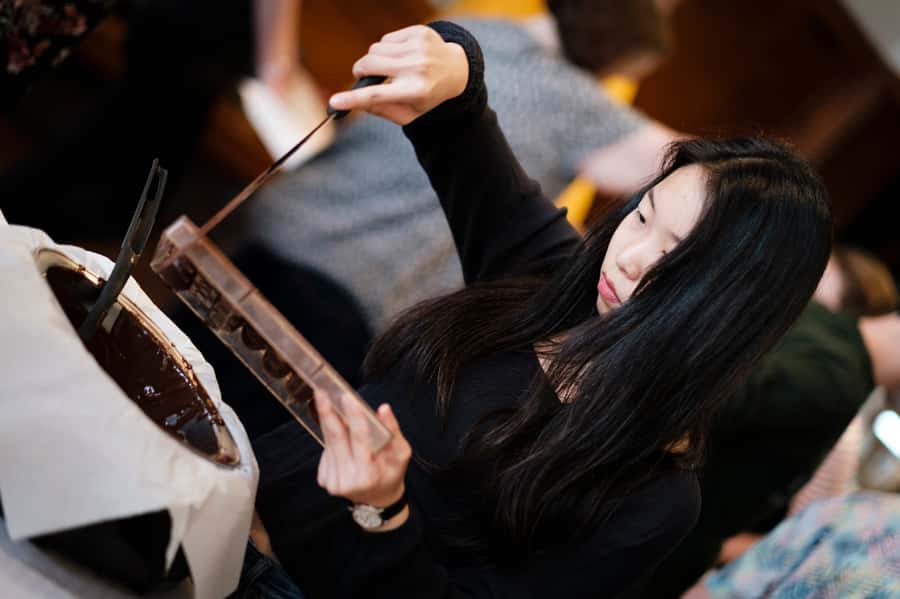
I would recommend this for adults, couples, friends, and families with children aged 12 or older who enjoy making food with their hands. It works well as a lighter activity between Cusco’s more demanding sightseeing days.
You do not need professional cooking experience. The instructors demonstrate the techniques, and assistance is available from beginning to end. A willingness to get a little chocolate on your hands is more important than precision.
It is also a good choice for anyone looking for a social activity. The teaching style is friendly and humorous, and the work naturally creates conversation as people compare fillings and decorations.
People with diabetes should not book this activity. Children under 12 are not allowed, and spectators cannot attend, so every person entering the workshop needs to be a participating customer.
If you are short on time, the 150-minute length is manageable. It is long enough to cover cacao, tempering, fillings, and hot chocolate without taking an entire day. Still, you need to protect the full two and a half hours rather than trying to squeeze the class between tightly timed plans.
Practical tips for a smoother class
Book a starting time that leaves you unhurried. The class meets at Limbus, and you need to check in at reception before being directed to the workshop.
Tell the reception desk clearly that you are attending the chocolate workshop. The phrase el taller de chocolate may help if Spanish is easier for the staff.
Come ready to participate. Since spectators are not allowed, the format is built around active involvement. This is not the place to send one family member in while everyone else watches.
If you care most about the cacao process, ask the instructor early about Chuncho cacao and the stages before the chocolate reaches the workshop. The class gives cultural and ingredient context, but the practical work begins with chocolate ready for confectionery use.
Finally, save room in your schedule for the finished box. You will leave with your own chocolates, so plan to carry them carefully rather than tossing them into a packed day bag under heavy items.
Should you book it?
Book this workshop if you want a friendly, hands-on Cusco activity with a local ingredient, a strong city view, and plenty of chocolate to take home. The best parts are the Chuncho cacao, the personal choice of fillings, the hot chocolate lesson, and the relaxed teaching style linked with David and the wider team.
Skip it if your main goal is to watch cacao beans being roasted and processed from scratch, or if you need a child-friendly activity for under-12s. At $47, it makes the most sense when you value the class itself, not just the sweets.
For most chocolate fans, the combination of Peruvian cacao, Belgian-style pralines, a panoramic venue, and a personal box of handmade treats makes this a worthwhile two and a half hours in Cusco.
FAQ
Where does the chocolate workshop meet?
The workshop meets at Limbus Restobar in Cusco. Go to reception and say you are attending the chocolate workshop, or ask for el taller de chocolate.
Is hotel pickup included?
No. You need to go directly to the workshop meeting point at Limbus Restobar.
How long does the activity last?
The workshop lasts 150 minutes, or two and a half hours.
What languages are available?
Instruction is available in English, Spanish, and French.
How much chocolate can I take home?
You receive about 300 grams of chocolate per person. The workshop information describes this as around 21 pralines and 10 mendiants, packed in a box.
Are children allowed to attend?
Children under 12 are not allowed. Unaccompanied minors are also not allowed, and spectators cannot attend.
Is the workshop suitable for people with diabetes?
No. The activity is listed as unsuitable for people with diabetes.
Recently added around Cusco
- Palcoyo colored mountain hike + stone forests★ 4.6 · 3 reviews
- Maras Moray★ 5.0 · 3 reviews
- Full-Day Condor Viewpoint & Inca Sites Tour★ 5.0 · 3 reviews
- From Cusco: Vinicunca Mountain of Colors Excursion + Ticket★ 5.0 · 3 reviews
- Excursion Cusco – Puno – Titicaca Observatory Train★ 5.0 · 3 reviews
- Machu Picchu: Private Tour Guide Service for up to 15 people★ 4.5 · 3 reviews
- Machu Picchu: 1-day tour by Vistadome Observatory train★ 5.0 · 3 reviews
- Cusco: Chonta Canyon and Condor Flight Tour with Lunch★ 5.0 · 3 reviews
Cusco Tours, compared.
Humantay Lake Tour with Breakfast and Buffet Lunch
Read our review →
Sacred Valley & Maras Salt Mines Tour with Lunch
Read our review →
Moray, Maras Salt Mines & Chinchero Weavers Tour
Read our review →


Half-Day City Tour with Sacsayhuaman and Q’enco
Read our review →
Sacred Valley, Pisac, Ollantaytambo, Salt Mines Moray
Read our review →
Browse the lists this tour appears in