
Reviewed · COLCA CANYON TOURS
2-Day Tour Colca Canyon in Arequipa with end in Puno
Colca Canyon is the star here, but the real surprise is how much ground you cover on the way to Puno. You watch Andean condors at Cruz del Cóndor, soak in Chacapi’s hot springs, and cross high country where vicuñas and alpacas graze.
I like the overnight in Chivay because it breaks up a punishing bus ride and gives you time for a thermal bath. I also like the practical route: you see the Colca area, then continue directly to Puno instead of backtracking to Arequipa.
The catch is the altitude and the long second day. The tour costs $78, but food, Chivay lodging, the $20 Cruz del Cóndor ticket, and the optional $5 hot springs entry come separately.
Key points at a glance
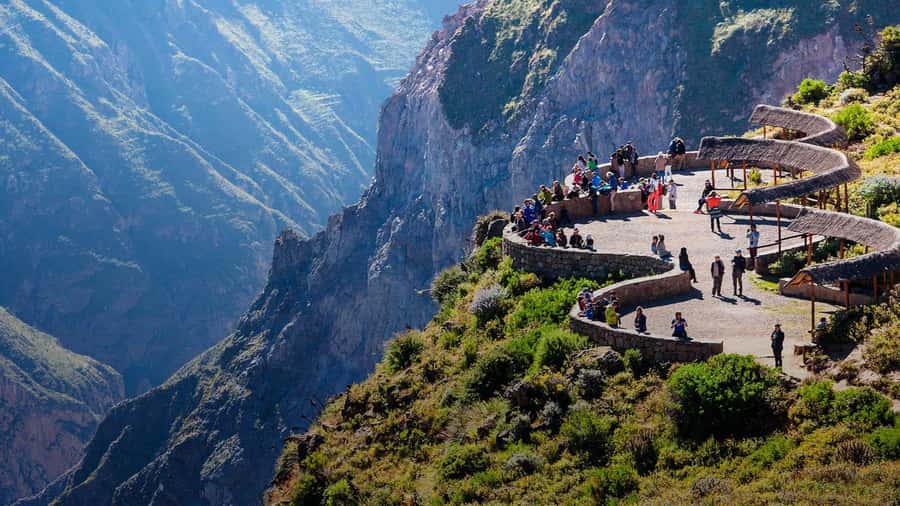
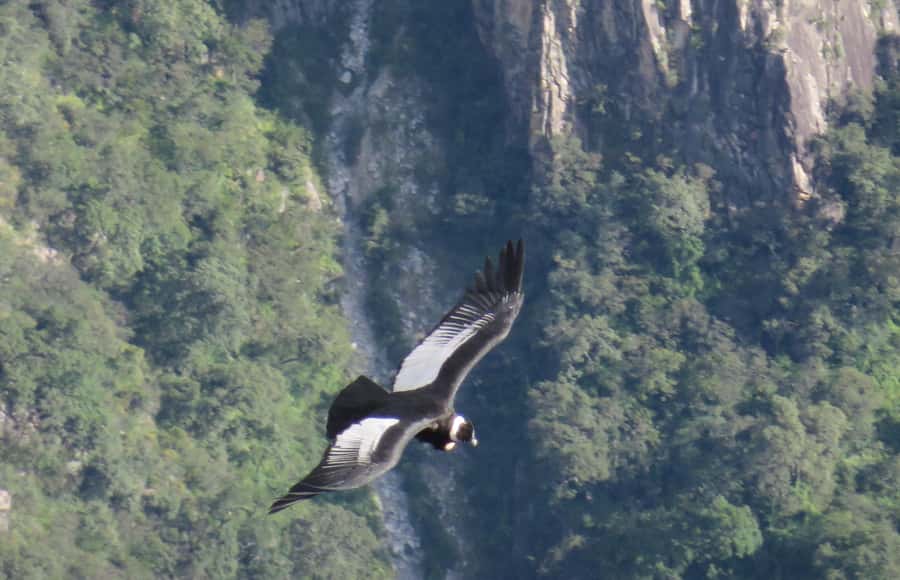
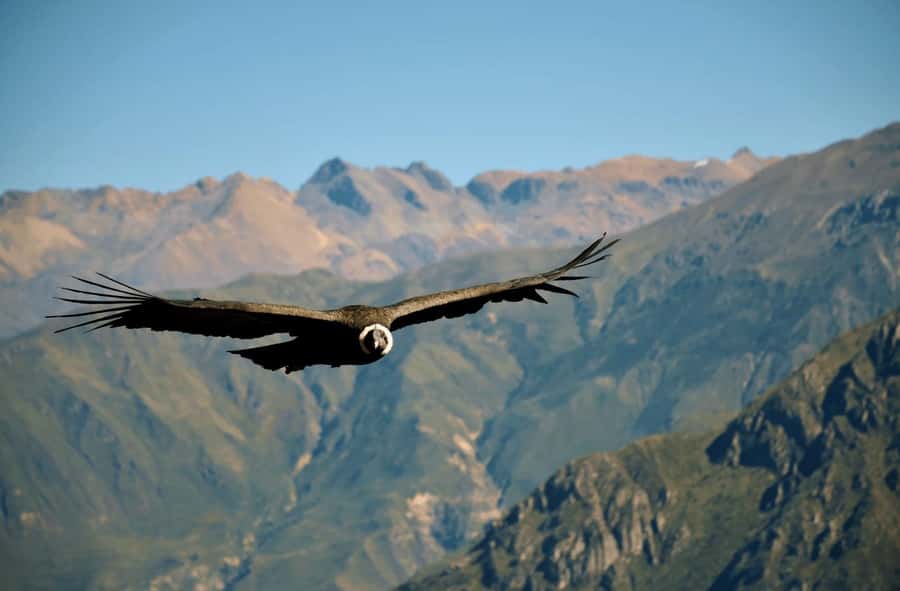
- Condors at Cruz del Cóndor: Spend about 45 minutes at the canyon viewpoint, with the best chance to see the birds gliding above the valley.
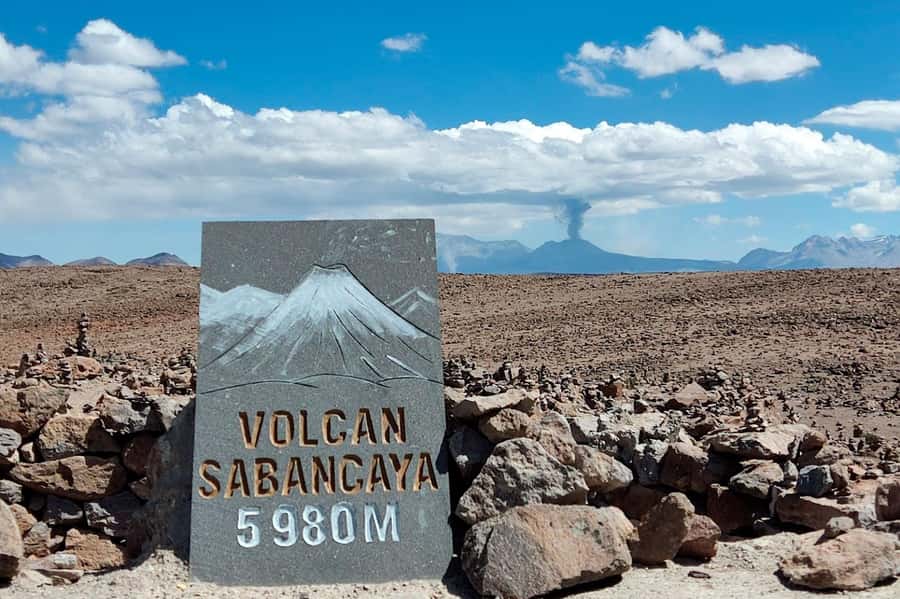
- High-altitude route: Cross the 4,800-meter Mirador de los Volcanes, plus the Salinas and Aguada Blanca reserve and Toccra wetlands.
- One useful overnight: Stay in Chivay, the practical base for the canyon, rather than spending both days on a bus.
- Hot springs and local culture: Add a bath at Chacapi and an evening meal with Andean music and dance.
- Direct finish in Puno: Change vehicles after lunch on day two and reach central Puno around 7:30 p.m.
- Small-group format: Groups are limited to 18, with English- and Spanish-speaking guides and pickup in central Arequipa.
What this two-day route really offers
This is not a hiking tour into the bottom of Colca Canyon. It is a scenic, guided road trip with short stops, viewpoints, wildlife watching, a night in Chivay, and a direct transfer to Puno.
That distinction matters. You get a comfortable introduction to one of Peru’s most famous natural sights without committing to a strenuous canyon trek. In return, you spend many hours in a vehicle. The route works best if you want to connect Arequipa and Puno while seeing the canyon on the way.
The group is capped at 18 people. That is small enough for a guide to answer questions and keep departures organized, though the exact feel depends on the vehicle and the day’s traffic.
Guides have included Juan Pablo, Roy, Cecilia, Lorena, and Mike. Past departures have also had drivers such as Pablo and Edgar. The strongest guiding includes explanations of crops, villages, geology, birds, animals, and local customs, so do ask questions instead of treating the ride as dead time.
more colca canyon trips
- From Puno to Arequipa: 2 Days/1 Night Colca Canyon Tour
★ 3.6 · 83 reviews - Turist Bus Colca Canyon (Chivay) To Puno
★ 5.0 · 83 reviews - Tour Fullday Colca Canyon with Breakfast and Typical Lunch
★ 4.3 · 35 reviews
Day one: Arequipa to Chivay through high country
Pickup runs from about 7:30 to 8:00 a.m. at hotels in central Arequipa. The vehicle can come close to your hotel when traffic permits. If your hotel is in a remote location, you meet at the Cathedral on the main square.
The journey to Chivay takes roughly four hours, including stops. That sounds short on paper, but the route climbs rapidly into the high Andes. Arriving a day early in Arequipa is sensible, especially if you have not adjusted to altitude. Eat lightly before the trip and bring water.
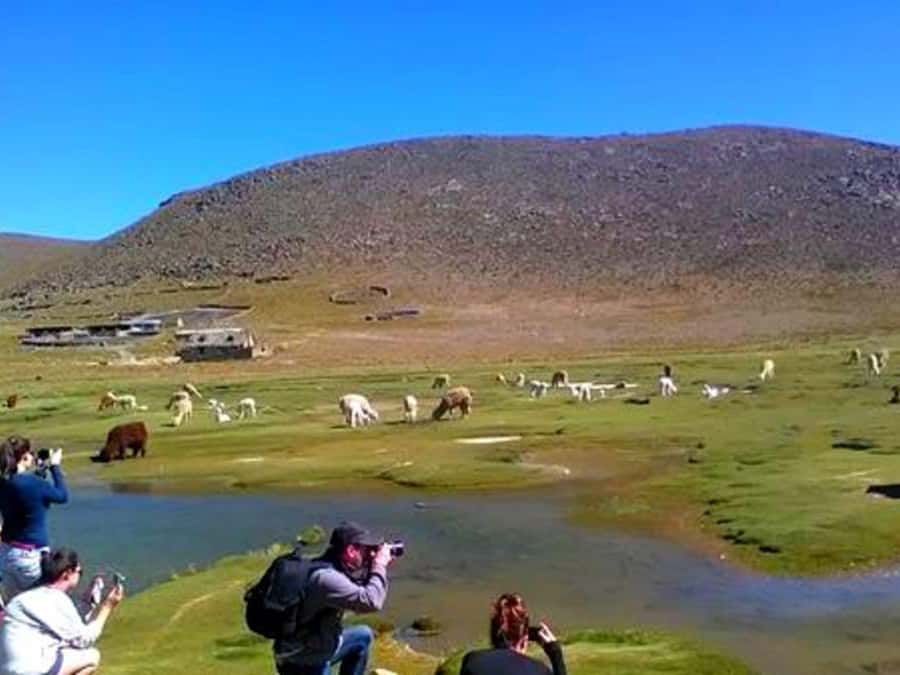
Your first major stop is the Salinas and Aguada Blanca National Reserve. This broad high-altitude reserve is home to vicuñas, the small wild camelids prized for their fine wool. Seeing them in open country is one of the more natural wildlife moments on the route.
The reserve also gives you your first feel for the scale of southern Peru. The air is thin, the vegetation low, and the scenery spare rather than lush. Keep your camera ready, but also give yourself time to simply watch the animals. Vicuñas can be quick and distant.
Coca tea at Patahuasi and alpacas at Toccra
Near Patahuasi, you stop for traditional coca tea. It is offered as a local drink and as a way to help with mountain sickness. It is not a cure, so take the altitude seriously and tell your guide if you feel unwell.
Next comes the Toccra Bofedales, a wetland area where alpacas graze. The contrast with the dry mountain slopes makes this stop worthwhile. You may see a large number of alpacas close to the road, along with the unusual green patches created by high-altitude wetlands.
These stops are brief, but they keep the first day from becoming one long transfer. Some scheduled stops can feel less essential if you are focused only on reaching the canyon. Still, the reserve, tea stop, and wetlands help explain how people and animals live in this severe environment.
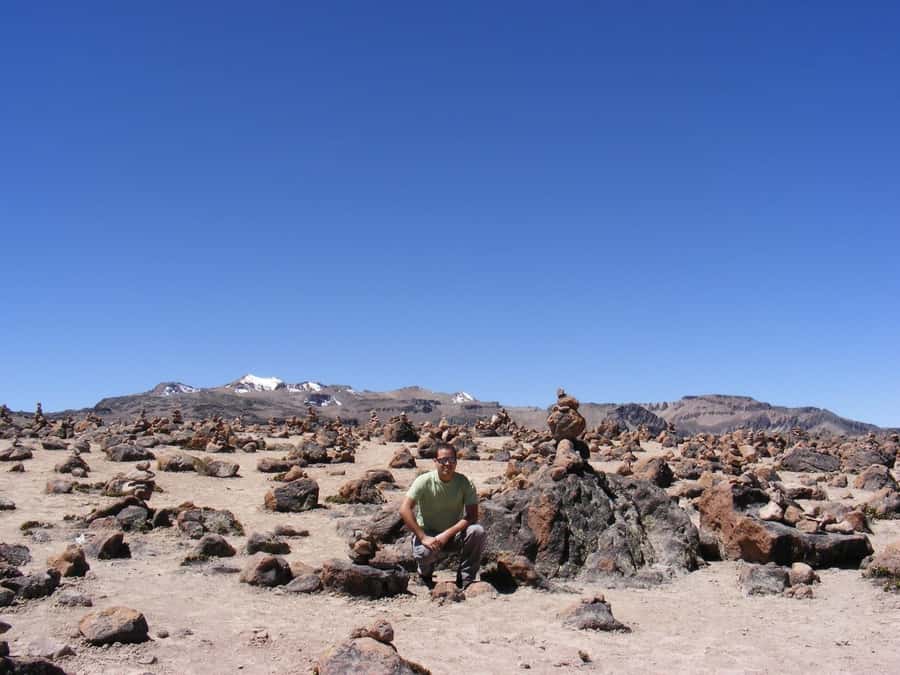
The 4,800-meter Mirador de los Volcanes
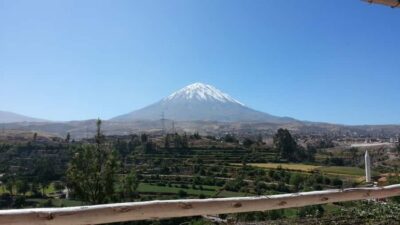
The highest point on the road is the Mirador de los Volcanes at 4,800 meters above sea level. From here, you look across much of the western mountain range before beginning the descent toward Chivay.
This is an impressive stop, but it is also the point where altitude can hit hardest. Move slowly, avoid heavy exertion, and do not confuse a quick photo stop with a harmless altitude experience. If you have spent only a short time in Arequipa, you may feel light-headed or short of breath.
After the viewpoint, Chivay is about 40 minutes away. The town is the base for this visit, and your hotel must be inside Chivay unless you arrange and pay for an extra transfer. That rule is important. A rural property outside town may sound attractive, but it can interfere with the fixed schedule.
more Chivay days to weigh up
- From Arequipa Trek : 2-Days of Hiking in the Colca Canyon
★ 4.5 · 35 reviews - From Arequipa: Tour Colca Canyon 2 Days with End in Puno
★ 4.2 · 12 reviews - Arequipa: 2-Day Colca Canyon Classic Tour return to Arequipa
★ 4.6 · 10 reviews - Arequipa: 2-day Colca Canyon Trekking, Ending in Puno
★ 4.8 · 8 reviews
Afternoon in Chivay: hot springs, dinner, and downtime
The group reaches Chivay around 12:30 p.m. Lunch is not included, then you check into your accommodation. Your hotel cost is also separate, so confirm the room price before booking the tour.
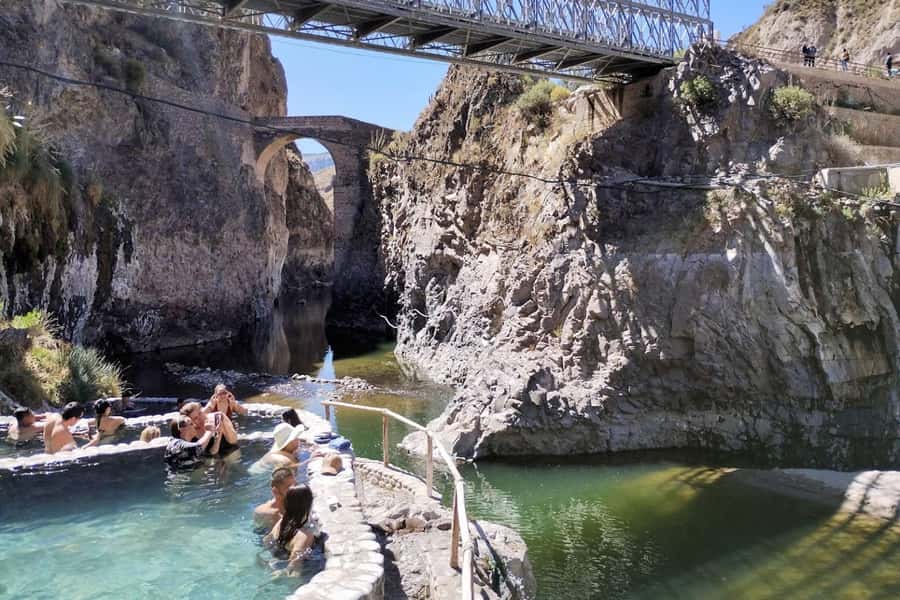
The afternoon is your chance to slow down. Chacapi’s thermal baths are optional and cost about $5 per person. The pools range from 35 to 38 degrees Celsius, making them a pleasant way to loosen up after the morning drive and high-altitude stops.
I would choose the hot springs if you enjoy simple local bathing facilities and want a quiet break. Do not expect a private spa experience. The value is in the warm water, mountain setting, and chance to do very little for an hour.
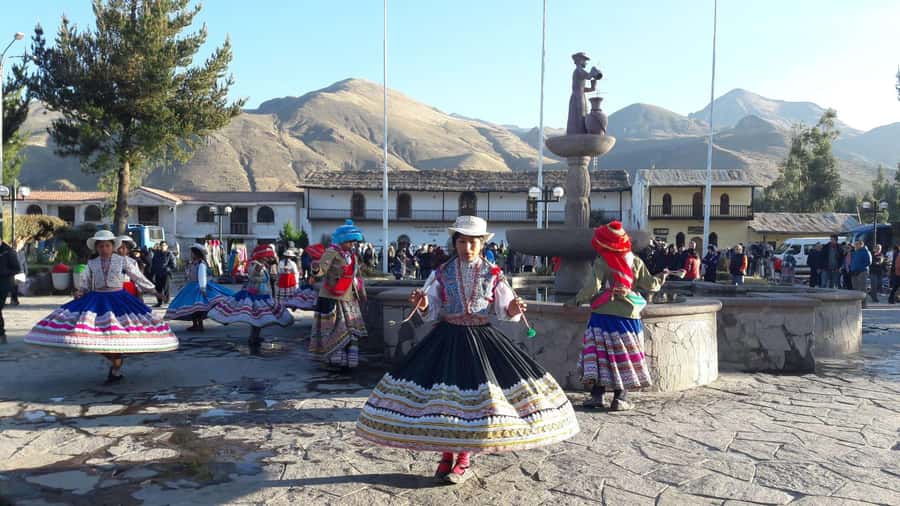
Dinner is also extra. You can add an evening meal with folklore music and traditional dances from the area. This is not essential if you are tired, but it gives the overnight a stronger cultural element and makes Chivay feel like more than a bus stop.
Past groups have found the dinner and entertainment enjoyable, with good value when joining the meal. You should still budget for it rather than assuming it is covered in the tour price.
Day two: condors above the Colca Canyon
After breakfast, you leave for the Mirador de la Cruz del Cóndor, about 30 minutes from Chivay. The mandatory entrance ticket costs $20 per person and is not included.
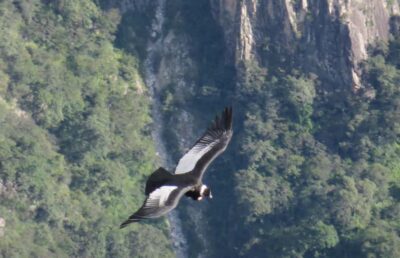
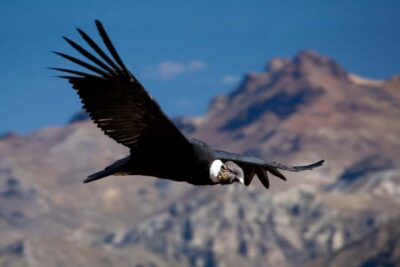
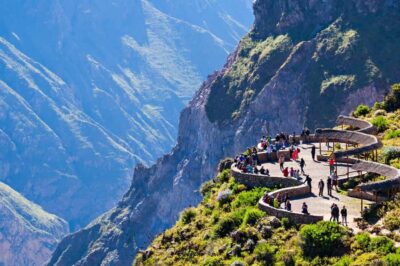
The viewpoint is the main reason to take this trip. You spend about 45 minutes watching the canyon and looking for Andean condors riding the rising air. These huge birds can pass close to the viewpoint, but nature keeps its own schedule. A guide such as Lorena may help time the visit well, yet no tour can promise a particular flight.
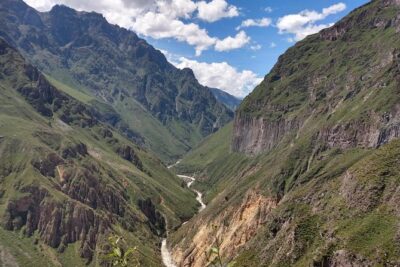
The canyon itself is vast, layered, and dramatic. From the viewpoint, you see the depth of the gorge and the cultivated terraces cut into the valley walls. The stop is more about scale and patience than physical activity. You do not need to hike far to appreciate it.
Bring a warm layer for the morning and keep your phone or camera ready. The condors may appear suddenly, then vanish behind the canyon walls. The best approach is to watch the sky as well as the canyon floor.
Terraces, Maca, and the return to Chivay
On the way back, the vehicle stops at viewpoints over the Andenería del Valle, the agricultural terraces of the Colca Valley. These terraces are not just scenic decoration. They show how farming has adapted to steep mountain terrain over generations.
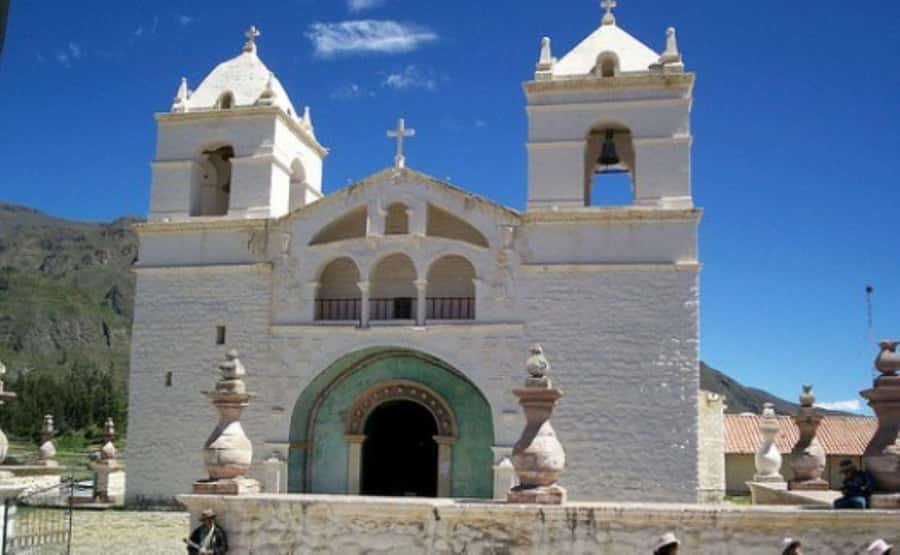
You also stop in Maca, a small town known here for its church and local drinks. The Colca Sour, made with regional products, is an optional taste. If you try it, do so cautiously because alcohol and altitude are not always comfortable companions.
The return to Chivay is scheduled around noon for lunch. Lunch is separate, and buffet meals may be convenient but not always memorable. One useful advantage is choice: you can join the arranged meal or spend less by finding another option, depending on the day’s timing and what the group is offered.
The long road from Colca to Puno
After lunch at about 1:15 p.m., you change vehicles for the journey to Puno. This is an important operational detail. You do not return to Arequipa. Instead, a new tourist vehicle and guide take you across the highlands toward Lake Titicaca’s main city.
The Puno transfer includes stops at scenic points and protected areas for plants and wildlife. It is guided transport rather than a simple taxi ride, so you continue receiving information along the route. Even so, this is a long afternoon and evening on the road.
Some departures have found this section comfortable, with a midway stop. Others have found it tiring after the morning canyon program. I would not schedule a demanding evening activity in Puno. Plan to arrive, check in, eat, and rest.
Arrival is expected around 7:30 p.m. The drop-off is usually at Hotel Conde de Lemus or Gran Unidad School in San Carlos, depending on traffic. Both are about two blocks from Puno’s main square, which is useful if you are staying in the central area.
Is $78 a good value?
At $78 per person, the base price is attractive for a two-day route that includes transport from Arequipa through Colca and onward to Puno. You also receive an English- or Spanish-speaking professional guide, the tourist vehicles, the guided transfer, and ongoing assistance.
But the actual budget is higher. Add these items:
- Chivay accommodation
- Day one lunch and dinner
- Day two lunch
- About $5 for Chacapi hot springs, if you go
- $20 mandatory entry to Cruz del Cóndor
That makes the tour good value mainly because of the route and transport, not because it is an all-inclusive package. If you were arranging separate buses, a canyon visit, a hotel, and a Puno transfer, the convenience could justify the extra costs.
The direct finish in Puno is the biggest money-saving feature in practical terms. You avoid returning to Arequipa and then paying for a separate journey east. For people moving through southern Peru, that saves both time and planning effort.
What to pack and how to handle the altitude
Pack for sharp changes in temperature. The hot springs may be warm, but the 4,800-meter viewpoint can be cold and windy. Bring a light day bag, warm layers, sun protection, comfortable shoes, and a swimsuit if you plan to bathe.
Altitude is the main physical issue. Arequipa itself is high, and the route climbs much higher. Arrive at least one day before departure to adjust, eat lightly, and avoid treating the first morning as a race.
You will not be asked to complete a major hike, but short walks at high elevation can still feel hard. Take the stops slowly. Coca tea is part of the local experience, yet rest and gradual adjustment matter more.
Who should choose this Colca Canyon tour?
I would choose this trip if you want the major Colca sights, prefer road transport to a multi-day hike, and need to continue to Puno. It suits first-time visitors who want a guided route with wildlife, viewpoints, culture, and a little comfort.
It is also a good fit if you like having a guide explain what you are seeing. Juan Pablo has been praised for covering everything from geology and animals to crops and villages, while Roy, Cecilia, Lorena, and Mike have also led well-regarded departures.
I would think twice if you dislike long bus rides or want a quiet, independent visit with flexible timing. The second day begins with condors and canyon views, then turns into a substantial transfer. The tour’s strength is efficiency, not freedom.
Booking details worth knowing
Free cancellation is available up to 24 hours before departure, and you can reserve now and pay later. Starting times depend on availability, with pickup generally from central Arequipa hotels.
Tell the operator where you are staying in Chivay. The itinerary requires a hotel in town, and an out-of-town property can create extra transfer costs.
The service is offered in English and Spanish. Since the group limit is 18, booking early may help if you want a particular date, though no specific guide can be guaranteed.
Should you book it?
Book this tour if you want a well-priced connection from Arequipa to Puno that includes the Colca Canyon’s key viewpoint, condors, highland wildlife, Chivay, and thermal baths. The overnight makes the route more comfortable than a rushed day trip, and it gives you a useful taste of rural Peru.
Skip it if your priority is hiking deep into the canyon, avoiding long vehicle days, or keeping every expense inside one upfront price. For everyone else, the combination of scenery, wildlife, cultural stops, and direct onward transport makes this a practical two-day choice. Just budget for the extras and respect the altitude.
FAQ
How long is the tour?
The experience lasts two days, beginning with pickup in Arequipa and ending in Puno around 7:30 p.m. on day two.
Is hotel pickup included?
Pickup is included for hotels in central Arequipa. If your hotel is remote, the meeting point is at the Cathedral in the main square.
Where do I stay overnight?
You stay in the town of Chivay. If your hotel is outside Chivay, an extra transfer cost may apply.
Is accommodation included in the price?
No. Accommodation in Chivay is not included, so you need to reserve and pay for your hotel separately.
Is the Cruz del Cóndor entrance fee included?
No. The mandatory entrance ticket costs $20 per person and must be paid separately.
How much do the Chacapi hot springs cost?
Entry to the hot springs is optional and costs about $5 per person. The pools range from 35 to 38 degrees Celsius.
Does the tour end in Arequipa?
No. After lunch on day two, you change vehicles and continue to Puno. Drop-off is generally near the city center at Hotel Conde de Lemus or Gran Unidad School in San Carlos.
Recently added around Chivay
- From Arequipa: 1 Day Tour to the Colca Canyon + Buffet lunch★ 4.2 · 3 reviews
- 2-Day Colca Canyon Tour to Puno with accommodation★ 3.9 · 3 reviews
- From Arequipa: Colca Canyon and Condor Watching Day Trip★ 3.7 · 3 reviews
- Colca Canyon Day Trip: From Arequipa to Puno★ 3.5 · 3 reviews
- 3-day trek to the Colca Canyon from Arequipa ending in Puno★ 4.2 · 3 reviews
- Arequipa : Colca Canyon 2-Day Adventure★ 5.0 · 3 reviews
- 2 day 1 night trek / Colca Canyon★ 3.0 · 3 reviews
- From Arequipa: Colca Canyon Full-Day Tour with Breakfast★ 3.3 · 4 reviews
Colca Canyon Tours, compared.
From Puno to Arequipa: 2 Days/1 Night Colca Canyon Tour
Read our review →Browse the lists this tour appears in