
Reviewed · MACHU PICCHU TOURS
Small Group: 4-Day Inca Trail Trek to Machu Picchu
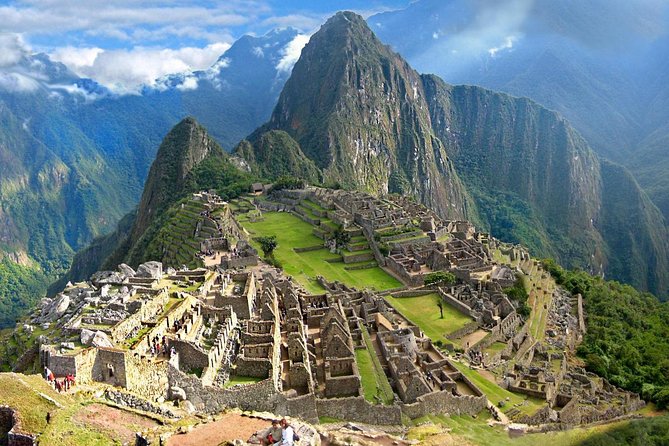
The best thing about this 4-day Inca Trail trek is that Machu Picchu comes at the end of a demanding pilgrimage, not as a quick stop after a train ride. You pass ruined Inca settlements, high mountain passes, cloud forest, and stone paths before entering through the Sun Gate.
I like the small-group format, which gives your guide more room to set a sensible pace and answer questions. I also like the practical support: a chef, porters, a personal porter for 5 kilograms of gear, camping equipment, meals, and transport are included.
The catch is simple: this is a serious high-altitude hike, not a casual walking tour. You will camp for three nights, climb to 4,215 meters, carry your own daypack, and face cold, rain, hail, sun, and steep stone steps. The $850 price is fair for what is covered, but several extras still require planning.
Key points to know before you book
- Dead Woman’s Pass reaches 4,215 meters: Day 2 is the physical test, with a long climb followed by a steep descent to Pacaymayo.
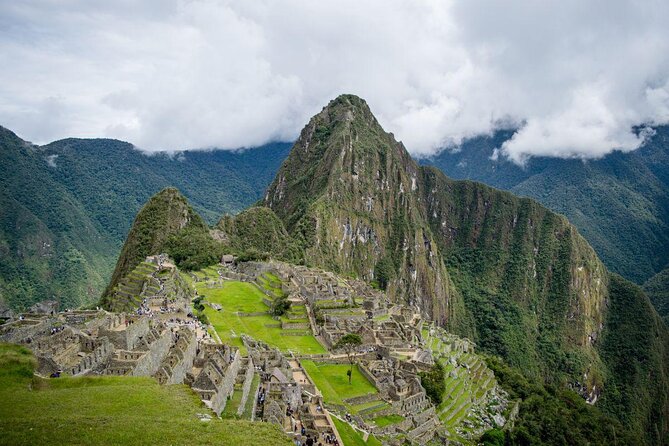
- The Sun Gate gives you your first Machu Picchu view: You enter the citadel on foot after three days on the trail.
- A chef and porter team make camping easier: You get three breakfasts, three lunches, three dinners, hot water in the mornings, a dining tent, and cooking support.
- Your group is small, but confirm the final size: The details refer to both a maximum of 10 and a maximum of 12, while the additional information says no more than 10.
- You need an Inca Trail permit well ahead of time: Permits are limited, and booking at least five months in advance is strongly advised.
- The sleeping bag and some Day 4 costs are extra: Bring or rent a sleeping bag, and budget for Day 4 lunch and dinner, plus any optional mountain ticket.
What the $850 price really covers
At $850 per person, this is not a budget walk where you simply receive a permit and a guide. The fee covers hotel pickup in central Cusco, a private bus to Km 82, the trail entrance, camping, a professional English-speaking guide, a chef, cooking and camping porters, a personal porter for 5 kilograms, and the return train and bus to Cusco.
You also get a spacious four-person tent shared by two people, an inflatable sleeping mattress, an inflatable pillow, a dining tent with tables and chairs, a first-aid kit, an oxygen bottle, water after the first four hours, and hot water each morning. Those details matter after a long day on uneven stone paths.
The food is one of the strongest parts of the package. I would not expect restaurant service in the mountains, but the cooking team has produced varied three-course meals, including good vegetarian choices. Past guides and cooks have included Freddy, Edwin, Herlin, Ronald, Paul, Mario, Herminios, and Nazario, though your exact team will depend on the departure.
You still need a sleeping bag. The local operator can rent one, but the price is not stated, so ask before departure. You also pay separately for Huayna Picchu or Machu Picchu Mountain, if you want either optional climb. Day 1 breakfast is not included, and Day 4 lunch and dinner are also your responsibility.
The package includes a bus from Machu Picchu down to Aguas Calientes, then a train to Ollantaytambo and private van transport back to Cusco. For a four-day trek with staff, meals, admission, and return transport, I consider the price reasonable. The value is best for someone who wants a supported trek rather than a bare-bones camping trip.
More Hiking Tours in Cusco
- From Cusco: 7 Lakes Ausangate Trek with Breakfast and Lunch
★ 4.8 · 360 reviews - Cusco: Rainbow Mountain Tour and Red Valley Hike (Optional)
★ 4.7 · 149 reviews - Cusco: Full-Day Rainbow Mountain & Red Valley Trekking Tour
★ 4.5 · 121 reviews
Day 1: Km 82 to Wayllabamba
Pickup begins at 5:00 a.m., so have your bag ready the night before. You travel by private bus through Chinchero, Urubamba, and Ollantaytambo before reaching Km 82 after about two and a half hours.
Since breakfast is not included, you need to arrange food before departure or bring something with you. This is a small detail, but an early start and a first day of hiking make it important.
Km 82 is the official beginning of the Inca Trail. The route first climbs toward Wilka Rakay, where you get views of Patallacta and the Kusichaca Valley. Patallacta is one of the first major Inca sites on the route, and seeing it from above helps you understand how the trail connected settlements rather than simply leading to Machu Picchu.
The first day lasts about five hours. You walk through Andean scenery with old stonework and changing plant life before reaching Wayllabamba at 3,000 meters. The distance is shorter than the next two days, but do not treat Day 1 as a warm-up you can rush. A steady start helps you conserve energy for the high pass ahead.
At camp, the team sets up the tents while you rest and eat dinner. The camping is rustic, as it must be, but the large shared tents, mattresses, dining shelter, and hot morning water make it more manageable. You should still expect basic conditions, cold nights, and limited personal space.
Day 2: The hard climb to Dead Woman’s Pass
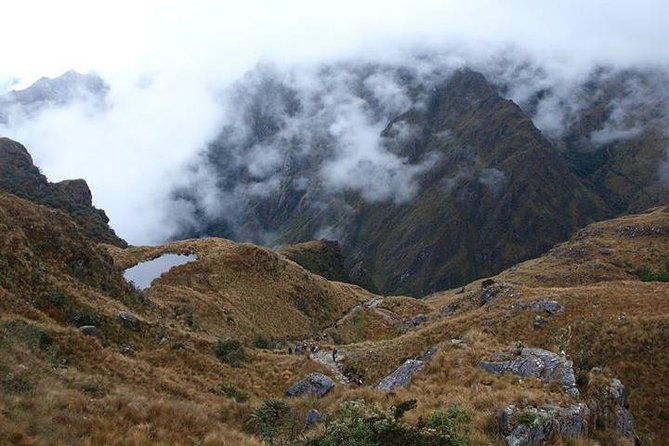
Day 2 is the section that defines the trek. After breakfast, you climb for about an hour to Tres Piedras, then continue into cloud forest before reaching Warmihuañusca, better known as Dead Woman’s Pass.
At 4,215 meters, this is the highest point of the route described here. The climb is demanding because of both the altitude and the sustained ascent. You might feel strong at the start and suddenly slow down as the air gets thinner. Keep your pace easy, drink regularly, and let the guide know early if you feel unwell.
The reward is a broad view over the Andean mountains and high grasslands. Reaching the pass is a genuine achievement, but the day is not finished. From the top, you make a steep descent to Pacaymayo at 3,600 meters.
That downhill section can be rough on knees and ankles. Walking poles are not listed among the inclusions, so bring your own if you use them. Good walking boots, warm layers, gloves, a hat, and rain protection are essential. The weather can change quickly, and past departures have faced heavy rain, hail, cold, and strong sun.
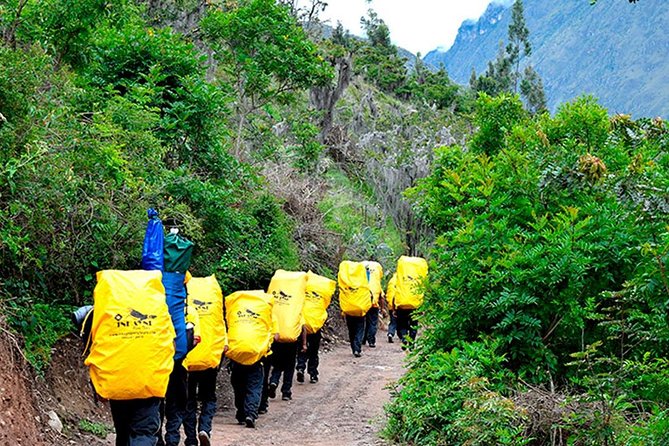
Day 2 takes about seven hours. You end at Pacaymayo tired, but the camp meal and the support team help you recover. This is also where the value of the porters becomes clear. They carry cooking and camping equipment, while your personal porter can carry 5 kilograms of your gear. You still need a daypack with water, rainwear, medication, sunscreen, and anything you need during the day.
Day 3: Ruins, passes, and cloud forest
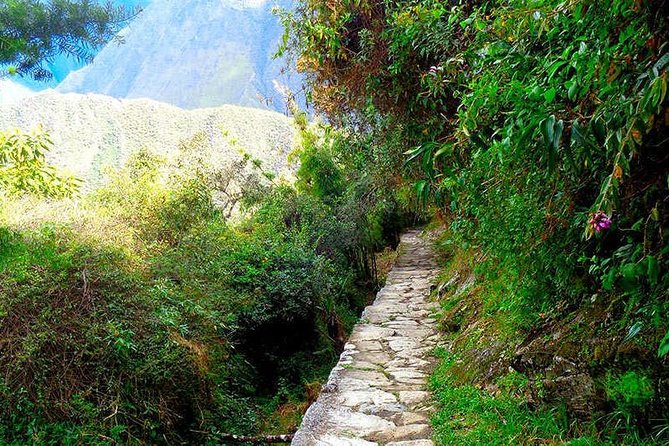
Day 3 is the longest day, at about eight hours, but it is also the most varied. You begin with a 45-minute climb to Runkurakay, a rounded Inca resting site built for people moving along the route. Another 45-minute ascent takes you to Runkurakay Pass at 4,000 meters.
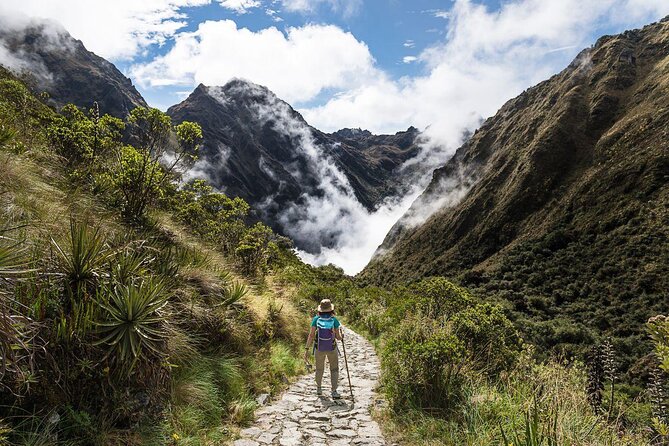
From there, the trail descends toward Sayacmarca. This Inca site sits on a steep mountainside, with stone structures that make the builders’ command of difficult terrain easy to see. The path itself is part of the attraction. In places, you walk on carefully fitted Inca stonework that still guides you through the mountains.
You continue to Chaquicocha for lunch, then enter high Andean cloud forest. The vegetation becomes thicker, and the surroundings feel very different from the open slopes around Dead Woman’s Pass. You should be ready for wet ground, mist, and changing temperatures.
The route follows a narrow ridge toward Phuyupatamarca Pass. From here, you may see the Sacred Valley, high peaks, and Machu Picchu, depending on the weather. These high viewpoints reward you for the previous day’s effort, but they also remind you that the trail is not a flat route to a single ruin.
The final descent leads past ceremonial places and agricultural terraces to Wiñayhuayna, the last camp before Machu Picchu. This is the point when the end feels close, but you still need to rest. Day 4 starts early, and the final approach includes another stretch of stone steps.
more ways to reach machu picchu
- From Cusco: Full-Day Group Tour of Machu Picchu
★ 4.7 · 1,767 reviews - Machu Picchu Day Trip from Cusco
★ 4.5 · 1,644 reviews - Machu Picchu: Full-Day Tour from Cusco with Optional Lunch
★ 4.6 · 927 reviews - Cusco: 4-Day Inca Trail to Machu Picchu with Accommodation
★ 4.8 · 432 reviews
Day 4: Entering Machu Picchu through the Sun Gate
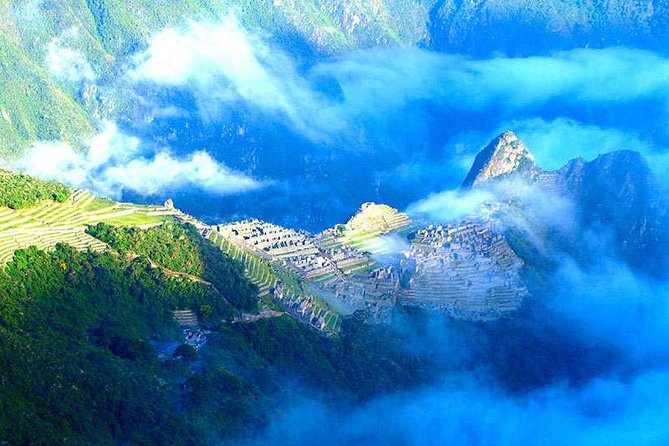
You leave early for the final section of the trail. The walk to Inti Punku, or Sun Gate, takes about an hour and is described as relatively easy compared with the previous days.
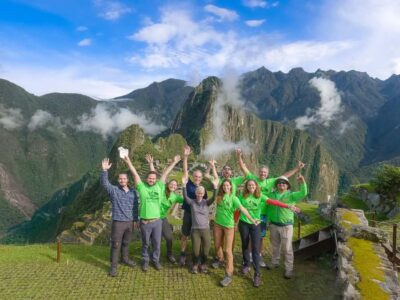
The first view of Machu Picchu from Inti Punku is the emotional payoff of the route. If the weather cooperates, you may see the morning light over the Andes and the citadel below. Clouds can hide the view, so keep your expectations flexible. The walk is still meaningful even when the sunrise does not perform on schedule.
From the Sun Gate, you descend for about 45 minutes to the upper terraces. This is where you can take the familiar wide views of Machu Picchu. Your guide then leads you through the citadel, including temples, ceremonial areas, terraces, and storage structures.
There is an important ticket detail here. If you want to re-enter Machu Picchu after leaving, you need a new ticket at extra cost. Huayna Picchu and Machu Picchu Mountain also require advance booking and separate admission. Do not assume either hike is included in the $850 fee.
After the citadel visit, you take the bus to Aguas Calientes. You have time for a break and lunch before the train to Ollantaytambo, followed by a private van to Cusco. The full day lasts about nine hours, so this is not a relaxed afternoon after the ruins. You are still managing transport, luggage, and the fatigue of four days on foot.
Day 4 lunch and dinner are not included. Check your return schedule and budget for those meals. The return transport is included, which removes one major worry after the hike.
What the guide and crew add to the experience
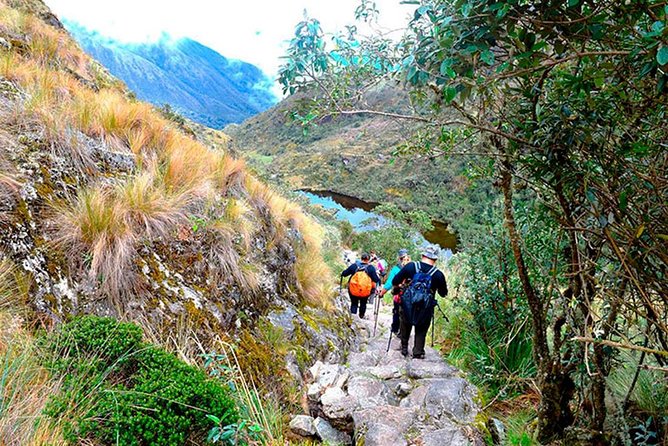
The guide is more than a person who points out ruins. On a route like this, your guide controls the pace, explains Inca sites, watches how the group is coping, and helps you make sensible choices when altitude or weather becomes a problem.
Freddy, also called Papa Freddy in personal accounts, received especially warm praise for combining history, culture, nature, and reflective stories. Paul was remembered for small activities and local insights that made the ruins feel more personal. Ronald brought enthusiasm and a strong connection to Machu Picchu, Peru, and his own ancestry. Herlin was described as friendly, energetic, and good at sharing stories during a physically hard walk.
Guide assignments can change, so you should not book solely on the assumption that one named guide will lead your departure. Still, these examples give you a useful picture of the type of guiding the company aims to provide.
The porters, called Chasquis in the supplied information, are central to the trip. They carry tents, cooking supplies, and group equipment over the same steep passes you cross. The arrangement lets you hike with a lighter load, but it is worth remembering the human effort behind that convenience. Pack carefully, keep your personal load within the stated 5-kilogram allowance, and treat the support crew with respect.
Food, tents, and the practical side of camping
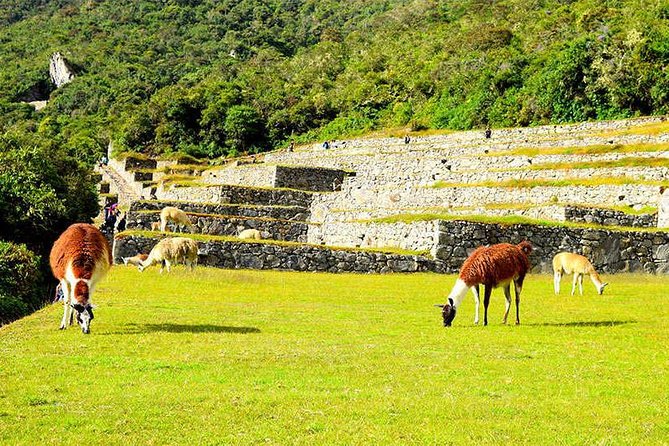
Three breakfasts, three lunches, and three dinners are included. The cooking team prepares meals in camp, and the food can be surprisingly varied for a trek. Vegetarian requests are possible, but you need to tell the operator in advance.
You sleep two people to a spacious four-person tent. An inflatable mattress and pillow are included, though you need to carry the pillow. A sleeping bag is not included and can be rented locally. Ask about the rental before you arrive, since no rental price is provided.
Water is included after the first four hours of hiking. Bring enough for the opening section on Day 1, and carry a reusable bottle or bladder that is comfortable to use while walking. Sunscreen of factor 35 or higher, insect repellent, hand sanitizer, toiletries, personal medication, and a torch with spare batteries belong in your daypack.
The packing list is practical rather than fashionable: walking boots, a waterproof jacket or rain poncho, a warm jacket, hat, gloves, T-shirts, and comfortable trousers. You need clothing for both cold high passes and warmer, wet sections below. Keep spare dry layers protected from rain.
Fitness, altitude, and who should choose this trek
The stated requirement is moderate physical fitness, but I would interpret that carefully. Four days of hiking, steep ascents and descents, high altitude, and basic camping demand more than ordinary sightseeing fitness.
The highest point is 4,215 meters, and the trail includes another pass at 4,000 meters. You should be comfortable walking for five to eight hours in a day and handling uneven stone paths. The itinerary does not provide total mileage, so focus on time, altitude, and terrain rather than trying to judge the trip by distance alone.
This trek suits you if you want the historic route, enjoy active travel, and accept discomfort as part of the experience. It can work for older children who are genuinely fit, since the minimum age is six, but the altitude and long days matter more than the age rule. Families should assess each child honestly.
The trek is not recommended for anyone with back problems, heart disease, or other serious medical conditions. Travel insurance is strongly recommended. You also need your current passport on the day of the trek. Students who want a discount should bring a valid ISIC card.
Permits and the booking decision
The Inca Trail has been regulated in Peru since 2000. Only 500 people are allowed to start each morning, and that total includes hikers, guides, porters, and cooks. This protects the route and camping areas, but it also means permits can disappear quickly.
Book at least five months ahead if you can. A booking made within two days of departure is subject to availability, with confirmation potentially taking up to 48 hours. Since the activity is non-refundable and cannot be changed after booking, make sure your dates, fitness, passport, and flight details are settled first.
There is a small inconsistency in the published group information: one section says the maximum is 12, while another says the maximum is 10. The tour is presented as a small-group experience, but I would ask the operator to confirm the actual limit before paying.
Should you book this Inca Trail trek?
Book this trek if you want the classic walk into Machu Picchu, not simply a visit to the ruins. The strongest reasons are the complete support system, the small group, the locally based guide and porter team, the good camp food, and the chance to enter through the Sun Gate after three demanding days.
Skip it if you want private rooms, flexible meal times, easy walking, or a guaranteed sunrise view. The trail can be wet, cold, exhausting, and uncomfortable, and Day 2 is a real test.
For a prepared hiker who values the route as much as the destination, the $850 package offers solid value. Confirm the group size, sleeping-bag cost, optional mountain tickets, and meal arrangements before booking, then reserve early. This is the kind of trip where the trail itself becomes the main memory.
FAQ
How long does the Inca Trail trek last?
The trek lasts approximately four days. The listed hiking times are about five hours on Day 1, seven hours on Day 2, eight hours on Day 3, and nine hours on Day 4, including the Machu Picchu visit and return transport.
What time does pickup begin?
Pickup begins at 5:00 a.m. from your hotel in central Cusco.
What is the highest point on the trek?
The highest point is Dead Woman’s Pass, or Abra de Warmihuañusca, at 4,215 meters, or 13,828 feet.
How large is the group?
The activity is described as having no more than 10 participants in the additional information. Another section lists a maximum of 12, so you should confirm the final group limit with the operator.
Are meals included?
Three breakfasts, three lunches, and three dinners are included. Breakfast on Day 1 and lunch and dinner on Day 4 are not included. Vegetarian meals can be requested in advance.
Is a sleeping bag included?
No. A sleeping bag can be rented from the local tour operator, but the rental price is not provided.
Are Huayna Picchu and Machu Picchu Mountain included?
No. Entrance to Huayna Picchu Mountain is not included. The itinerary also says that Huayna Picchu or Machu Picchu Mountain requires advance booking and an additional ticket.
What transport is included?
The package includes hotel pickup, a private bus to Km 82, a bus from Machu Picchu to Aguas Calientes, the return train to Ollantaytambo, and private van transport back to Cusco.
What documents and equipment do I need?
Bring your original passport, and an ISIC card if you want to qualify for a student discount. You should also bring walking boots, waterproof clothing, warm layers, sunscreen, insect repellent, toiletries, hand sanitizer, personal medication, and a torch with spare batteries.
More Hiking & Trekking in Cusco
- Salkantay Trek Challenge – 3 Days / 2 Nights
★ 5.0 · 101 reviews - From Cusco: Rainbow Mountain Trek
★ 4.5 · 98 reviews - Private Palccoyo Rainbow Hike Without the Crowds
★ 5.0 · 86 reviews - Choquequirao Trek 4 days and 3 nights
★ 5.0 · 81 reviews
More Inca Trail Departures
- Cusco: Machu Picchu 2-Day Inca Trail with Panoramic Train
★ 4.9 · 260 reviews - From Cusco: 2-Day Inca Trail to Machu Picchu
★ 4.2 · 244 reviews - Machu Picchu: Inca Trail 2-Day Overnight Guided Tour
★ 4.9 · 203 reviews - Short Inca trail to MachuPicchu || 2days – 1nigth ||
★ 5.0 · 103 reviews
Recently added around Cusco
- Palcoyo colored mountain hike + stone forests★ 4.6 · 3 reviews
- Maras Moray★ 5.0 · 3 reviews
- Full-Day Condor Viewpoint & Inca Sites Tour★ 5.0 · 3 reviews
- From Cusco: Vinicunca Mountain of Colors Excursion + Ticket★ 5.0 · 3 reviews
- Excursion Cusco – Puno – Titicaca Observatory Train★ 5.0 · 3 reviews
- Machu Picchu: Private Tour Guide Service for up to 15 people★ 4.5 · 3 reviews
- Cusco: Chonta Canyon and Condor Flight Tour with Lunch★ 5.0 · 3 reviews
- Machu Picchu: 1-day tour by Vistadome Observatory train★ 5.0 · 3 reviews
Machu Picchu Tours, compared.



4-Day Inca Trail to Machu Picchu with Accommodation
Read our review →
2-Day Trip to the Sacred Valley and Machu Picchu
Read our review →
Machu Picchu 2-Day Inca Trail with Panoramic Train
Read our review →
Browse the lists this tour appears in