
Reviewed · TRUJILLO TOURS
Chiclayo: Chaparri Ecological Reserve Tour
Chappari is not a quick photo stop. It is a full day in Peru’s dry forest, where winding trails lead to the Enchanted Garden, a bear rescue center, mountain-spirit sites, and some of northern Peru’s best birdwatching. The conservation work gives this outing real purpose.
I like the mix of wildlife, culture, and scenery. I also like that the tour includes pickup, transport, and an official Spanish-speaking guide, which matters on a remote route. The main drawback is simple: wild animals are wild, so tapirs, pumas, jaguars, and spectacled bears cannot be promised in their natural habitat. The road into the reserve can also be very rough.
Key points to know before you book
- A long day from Chiclayo: You travel about 80 kilometers to Chongoyape, then continue toward the reserve.
- Three distinct routes: The Spectacled Bear, Huachuma or San Pedro, and White-winged Guan routes each show a different side of Chaparri.
- Birdwatching is a major strength: Look for parrots, parakeets, owls, woodpeckers, hummingbirds, and other dry-forest species.
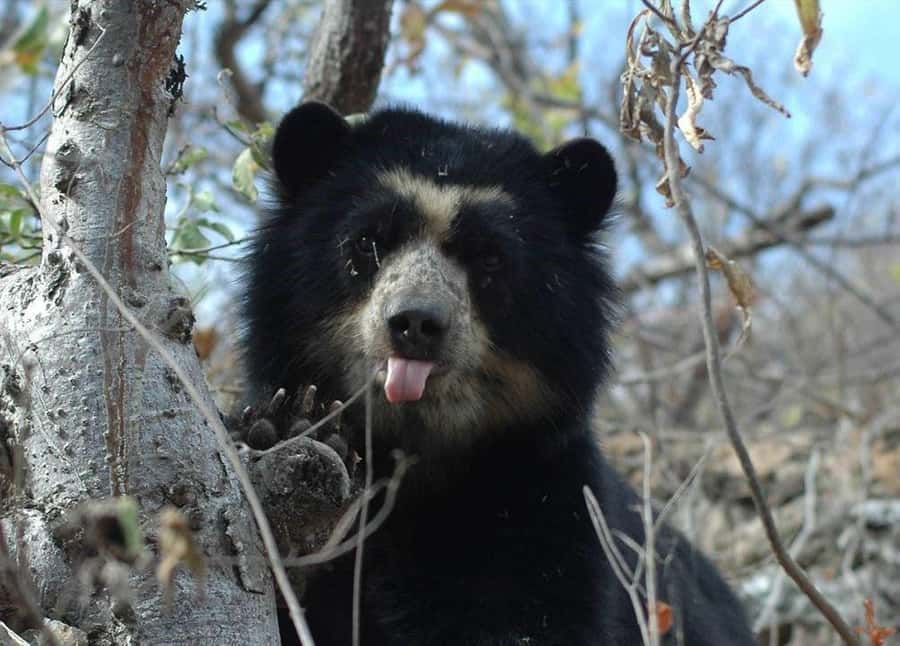
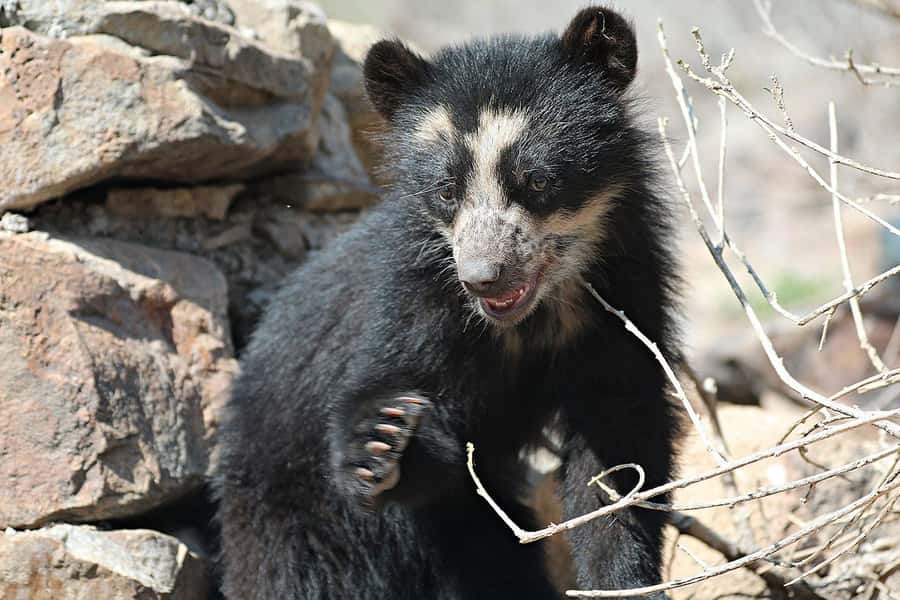
- A real bear rescue center: Meet Cuto, a spectacled bear rescued from a circus, while learning about rehabilitation and release work.
- Expect rough roads and basic conditions: Comfortable shoes, sun protection, drinks, snacks, and a flashlight are sensible.
- Good value at $79: The price includes hotel or airport pickup, transport, and a guide, but not food or the S/. 30 entrance fee.
Why Chaparri is worth the long ride from Chiclayo
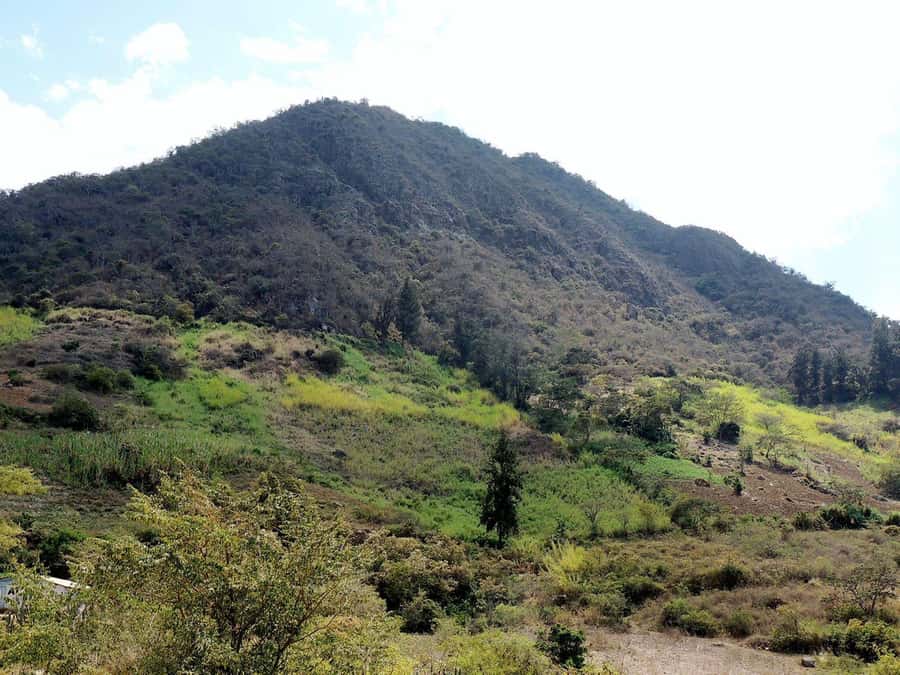
Chiclayo is famous for archaeological sites and excellent food, but Chaparri offers a very different day out. The reserve protects a large section of northern Peru’s dry forest, an ecosystem that can look stark at first glance yet supports an impressive range of life.
The Chaparri Private Conservation Area covers 34,142 hectares. Cerro Chaparri is regarded as a sacred mountain by local residents, so this is not only a wildlife visit. The mountain carries spiritual meaning, and the Huachuma route explains how shamanic sessions connect with respect for the Apus, or mountain spirits.
I like that the day does not treat nature as a backdrop. You see conservation in practice, learn about local beliefs, and finish with an explanation of how the dry forest survives. That gives the scenery more meaning than a simple drive into the countryside.
The tour costs $79 per person, with the park entrance fee of S/. 30 paid separately. Food and drinks are also extra. For a full day with pickup, transport, and a guide, that is a reasonable package, especially if you are staying in Chiclayo and do not want to arrange transport to a remote reserve yourself.
Other Trujillo days that pair with this one:
- Guided Tour of Historic and Monumental Trujillo
★ 5.0 · 930 reviews - Visit Trujillo Medieval Scene and Route of the Discoverers
★ 5.0 · 204 reviews - Guided tour in Trujillo at Sunset “El Collector de Atardeceres”
★ 5.0 · 88 reviews
The road to Chongoyape and the Chaparri entrance
Pickup is provided from your Chiclayo hotel or the airport. The first major point is Chongoyape, about 80 kilometers southeast of Chiclayo. From there, the route continues toward Chaparri with a local guide.
The transfer is part of the experience, not just dead time. You pass through changing scenery and may get a look at northern Peruvian food traditions along the way. One especially memorable detail from the day is the chance to encounter ancestral cooking on the road, a reminder that this region is more than a route between tourist sights.
The final roads to the reserve can be heavily rutted and uncomfortable. I would not choose this outing if you dislike bumpy vehicle rides, and you should keep your expectations realistic about travel time because no exact departure or return hour is provided. The operator sends the organization details by WhatsApp and email the day before, so check those messages closely.
Bring water, snacks, sunscreen, a hat, and sunglasses. A flashlight is also listed among the useful items, which suggests that some parts of the visit may have limited light or require extra visibility. Wear shoes you can walk in comfortably on uneven trails.
The Enchanted Garden and three Chaparri routes
The main visit begins at the Enchanted Garden in the Chaparri Private Conservation Area. From here, the day uses three named routes: the Spectacled Bear route, the Huachuma or San Pedro route, and the White-winged Guan route.
The names are useful because they signal the variety of the visit. This is not one long, featureless walk. You move through different points of interest, with the guide explaining plants, wildlife, local beliefs, and the conservation work tied to the area.
The Spectacled Bear route focuses attention on one of the reserve’s best-known protected animals. The Andean bear, also called the spectacled bear, is endangered, and Chaparri supports efforts to protect and reintroduce the species. The reserve is also home to other threatened animals, including the Andean condor and White-winged Guan.
The White-winged Guan route is especially appealing if you enjoy birds. The species has faced serious pressure, so seeing it connected to a protected habitat gives the walk a clear conservation purpose. Your guide can also help you notice smaller birds that are easy to miss when you are focused only on large mammals.
The Huachuma route adds a cultural layer. You learn about San Pedro, shamanic sessions, and the importance of mountain spirits. The subject is presented through the reserve’s local setting, not as a detached museum lecture. Approach it with respect, and listen carefully to the guide’s explanations.
Birdwatching in a dry forest full of small surprises
Birdwatching may be the most reliable highlight of this day. Large mammals are difficult to spot in the wild, but the dry forest holds a long list of birds, and a trained eye can find them in the trees, scrub, and open spaces.
Possible species include the Red-headed Parrot, Peruvian Owl, Emerald Parakeet, Bush Nightjar, Tumbes Swift, Short-tailed Starlet, Scarlet-backed Woodpecker, Peruvian Woodpecker, Tumbes Woodpecker, and Eyebrow Wren, also known as the Nightingale. Royal vultures, eagles, herons, and hummingbirds are also part of the wider birdlife described for the area.
The guide is important here. A bird can be present without being obvious, and the day’s enjoyment depends partly on slowing down and looking closely. A French visitor praised the guide’s ability to pick out many small, beautiful birds, which matches the kind of skill you need in a dry forest.
Bring binoculars if you have them, although they are not listed as included. Keep your camera ready, but do not let it replace your eyes. The reserve’s appeal is often in the small movement above you or the brief call from thick vegetation.
Somewhere else entirely, still within reach of Trujillo:
- Full Day Tour Huacas, Chan Chan & Huanchaco – Trujillo
★ 4.5 · 64 reviews - Piramids of Tucume Tour, Sican Museum and Lambayeque city tour
★ 5.0 · 30 reviews - Pyramids of the Sun and the Moon, Huanchaco and Chan Chan
★ 4.8 · 11 reviews - Trujillo Shore Excursion from Salaverry Port
★ 5.0 · 9 reviews
The spectacled bear rescue center and Cuto
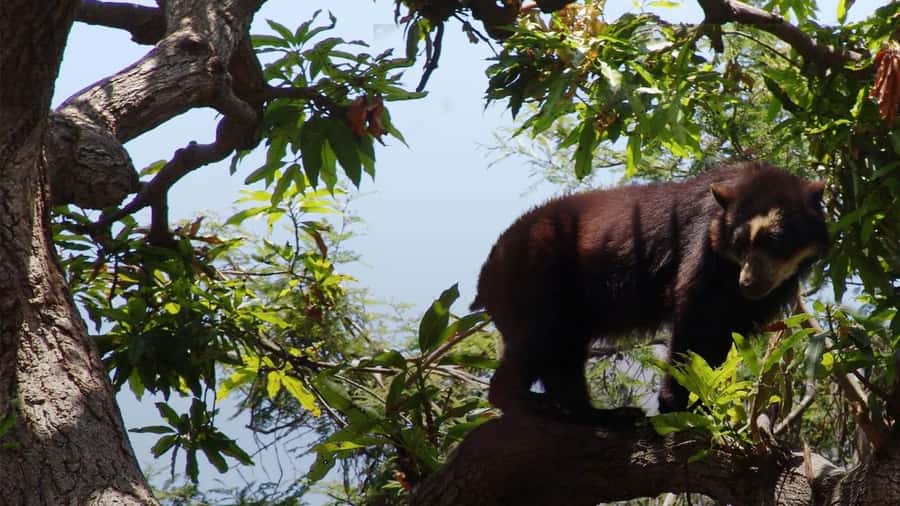
The rescue center is one of the clearest reasons to choose this tour. Bears rescued from illegal captivity are rehabilitated here and taught, as far as possible, to live independently before release into the wild.
You also meet Cuto, a permanent resident rescued from a circus. His presence gives the conservation story a personal face, but it is important to understand the distinction between seeing a rescued bear in a managed setting and spotting an animal in the forest.
The center does not turn the visit into a guaranteed wildlife encounter. It shows why rescue work is needed and how difficult rehabilitation can be. Some bears can return to their habitat, while others may remain under care when release is not possible.
This is also where the tour handles expectations honestly. Spectacled bears, pumas, jaguars, and tapirs may live in or be associated with the reserve, but they are not actors waiting beside the trail. A French visitor specifically noted how difficult it is to see bears or pumas in their natural setting, while Cuto and another female bear could be appreciated in the park.
That is not a failure. It is the normal tradeoff of a genuine wildlife area. You get a better chance to understand the animals and the threats they face, but not a guarantee of dramatic sightings.
Reptiles, amphibians, and the Huachuma route
After the bear center, the visit continues along the Huachuma route and reaches the reptary. Here you learn about snakes found in the area, along with amphibians, their ways of living, and their physical traits.
This stop rounds out the visit. Dry forests are often judged by their large mammals, yet reptiles and amphibians are part of the same system. The reptary gives you a closer look at animals you might not notice on the trails, especially when they are camouflaged or active at different times of day.
The Huachuma route also explains the meaning of San Pedro and shamanism in the region. The important point is context. You are not simply being shown a plant or told an exotic story. You are learning how residents connect the mountain, spiritual practice, and respect for the natural world.
Waterfalls, trails, and the limits of a one-day visit
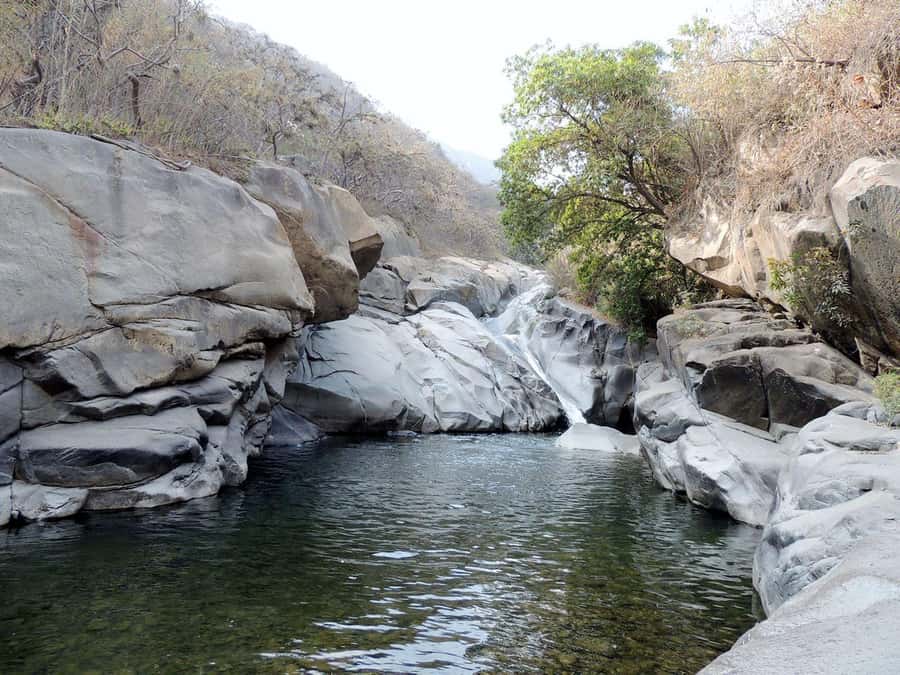
The reserve includes winding trails and hidden waterfalls, and the natural setting is one of the day’s main rewards. Exact trail lengths and walking times are not provided, so you should not assume a fixed level of hiking or a fully predictable route.
Expect a day that mixes vehicle travel, short walks, stops for explanation, and wildlife observation. Comfortable shoes are essential. A hat and sunscreen are equally important because shade may vary along the route.
The word hidden should not make you expect a large, roaring waterfall. Conditions in a dry forest can change, and the size or flow of water may depend on the season. Still, these quieter water points help show how life persists in a dry environment.
The reserve’s beauty is not polished or manicured. You may find dusty tracks, rough roads, scrub, rock, and long views instead of formal paths. I see that as part of the appeal, but it may disappoint anyone expecting a comfortable park with smooth walkways and frequent facilities.
The Interpretation Center explains the bigger picture
Near the end of the Chaparri visit, the Interpretation Center brings the day’s subjects together. Displays explain the area’s biodiversity, the value of the dry forest, and ways to protect it.
This is a useful final stop because the reserve contains many separate stories. You have seen or discussed birds, bears, snakes, plants, mountain beliefs, and reintroduction work. The center shows how those pieces fit within one ecosystem.
I especially like the timing. After walking the routes and visiting the rescue center, the information feels connected to places you have just seen. It is easier to understand why protecting a large area matters when you have already crossed part of it.
Tinajones Reservoir adds a second setting
After Chaparri, the tour takes a detour to Tinajones Reservoir, which supplies water to the Lambayeque region. This gives you a final change of scenery before returning to Chiclayo.
The reservoir is also a place to watch birds. Eagles and herons may be seen, along with other water-associated species. It is a modest but sensible addition to the day because it shows another role played by water in a region where the dry forest is such an important environment.
The stop also breaks up the return journey. You are not simply leaving the reserve and heading straight back to town. Instead, the final view connects wildlife with agriculture, water supply, and the wider Lambayeque region.
What the $79 price really covers
At $79, the tour is not an all-inclusive day. You pay separately for the S/. 30 park entrance fee, and you must provide your own food and drinks.
Still, the included services cover the parts that are hardest to arrange independently: pickup from a Chiclayo hotel or the airport, tourist transport, and an official tourism guide. The reserve is remote, and the rough approach road makes reliable transport useful.
The guide’s role is particularly important for bird identification, the Huachuma explanations, the reptary, and the conservation center. If you tried to reach the area without a guide, you could see the scenery but miss much of the meaning.
The value is strongest for a visitor who wants one organized day outside Chiclayo and does not have a private vehicle. It is less attractive if your main goal is a guaranteed puma, jaguar, or bear sighting. No responsible reserve can promise that.
Who should book this Chaparri day trip?
I would choose this outing if you care about conservation, birds, dry-forest ecology, and local spiritual traditions. It also suits anyone who wants a quieter break from museums and archaeological sites.
It is a good match for photographers and birdwatchers, provided you bring patience and do not expect every species on the list to appear. Families may appreciate the bear center and reptary, though the rough road and full-day schedule could be tiring for some children.
I would think twice if you need precise timing, comfortable roads, English guiding, or a short excursion. The live guide service is in Spanish, and the activity lasts a full day. You should also be comfortable with a basic, outdoor setting rather than a polished attraction.
Cancellation is flexible up to 24 hours before departure, and you can reserve now and pay later. Availability and start times need to be checked for your date. The operator provides final excursion details by WhatsApp and email the day before.
Should you book the Chaparri Ecological Reserve Tour?
Book it if you want to see a serious conservation project and a lesser-known side of northern Peru. The bear rescue center, the three routes, the birdlife, and the Tinajones stop give the day more substance than a simple nature drive.
Do not book it solely for pumas, jaguars, tapirs, or wild bears. Treat those as possible wildlife, not guaranteed sightings. The stronger promise is a varied day of dry-forest scenery, endemic birds, local beliefs, rescued animals, and practical conservation work.
At $79 plus the entrance fee and your own food, I consider it a fair choice for an organized escape from Chiclayo. Pack for sun, dust, walking, and rough roads, then let the small birds and the larger conservation story carry the day.
FAQ
Where is the Chaparri Ecological Reserve?
The reserve is in the Lambayeque Region of Peru. The tour travels from Chiclayo to Chongoyape, about 80 kilometers southeast of Chiclayo, before continuing to the conservation area.
How long does the tour last?
The experience lasts one full day. Exact departure times depend on availability and should be checked for your chosen date.
Is pickup included?
Yes. Pickup is included from your hotel or the airport in Chiclayo.
What language is the guide service?
The live tour guide service is in Spanish.
Is the park entrance fee included?
No. The entrance fee is separate and listed as S/. 30, although the amount may change.
Are food and drinks included?
No. You need to bring or purchase your own food and drinks. Snacks and drinks are specifically recommended.
What should I bring?
Bring comfortable shoes, sunglasses, a sun hat, sunscreen, snacks, drinks, and a flashlight.
Recently added around Trujillo
- Trujillo: El Brujo Complex Archaeological Tour with Tickets★ 4.6 · 3 reviews
- Guided Tours Trujillo Essential★ 5.0 · 5 reviews
- From Trujillo: Temple of the Moon and Sun and Chan Chan★ 3.3 · 5 reviews
- From Trujillo: Complete full day tour with museums★ 5.0 · 5 reviews
- Guided Walking Tour in Trujillo Through the Centuries★ 4.5 · 8 reviews
- Shore Excursion from Salaverry port★ 4.5 · 8 reviews
- Trujillo Shore Excursion from Salaverry Port★ 5.0 · 9 reviews
- Pyramids of the Sun and the Moon, Huanchaco and Chan Chan★ 4.1 · 9 reviews
Trujillo Tours, compared.
Guided Tour of Historic and Monumental Trujillo
Read our review →
Visit Trujillo Medieval Scene and Route of the Discoverers
Read our review →
Guided tour in Trujillo at Sunset “El Collector de Atardeceres”
Read our review →
Full Day Tour Huacas, Chan Chan & Huanchaco – Trujillo
Read our review →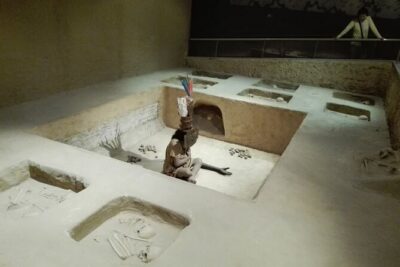
Piramids of Tucume Tour, Sican Museum and Lambayeque city tour
Read our review →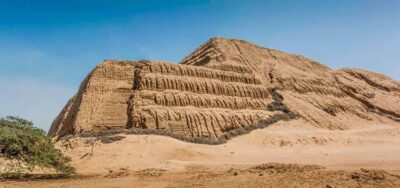
Pyramids of the Sun and the Moon, Huanchaco and Chan Chan
Read our review →Pyramids of the Sun and the Moon, Huanchaco and Chan Chan
Read our review →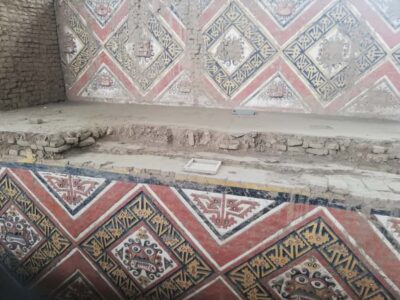
Browse the lists this tour appears in