
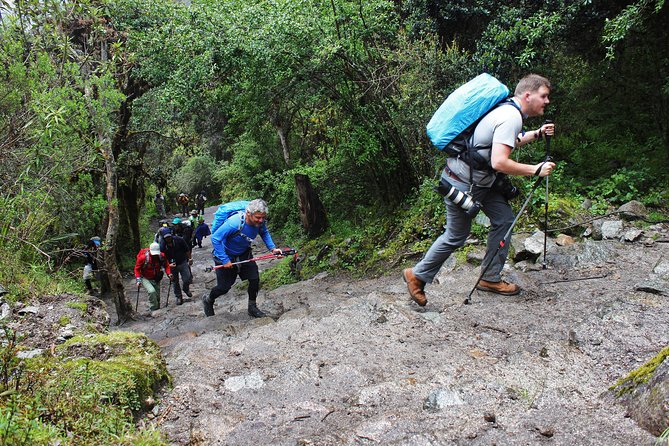
Reviewed · MACHU PICCHU TOURS
7-Day: Inca Trail Trek to Machu Picchu Group Tour
The best part of this 7-day Inca Trail tour is the way you reach Machu Picchu on foot, through the Sun Gate, rather than simply arriving by train. You pass Inca terraces, cloud forest, high mountain passes, and sites such as Phuyupatamarca and Wiñay Wayna before seeing the citadel below you.
I like the useful two-day start in Cusco, which gives you time to adjust to the altitude before hiking. I also like the practical support: a cook, porters for group equipment, camping gear, meals, permits, buses, trains, airport transfers, and an emergency oxygen bottle are gathered into one booking. Guide Alex is described as friendly and accommodating, and the food and porter service receive especially strong praise.
The catch is simple: this is a demanding trek, not a gentle sightseeing holiday. You must carry your personal belongings and sleeping bag, climb to 4,200 meters, and accept a strict non-refundable cancellation policy. The early starts and basic camping will reward prepared hikers, but they may wear down anyone expecting comfort.
Key points to know before you book
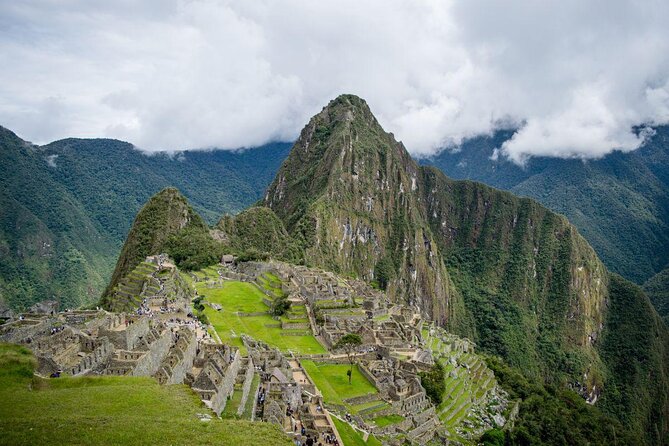
- The Sun Gate entrance is the payoff: You reach Intipunku before sunrise and get your first view of Machu Picchu from the classic Inca approach.
- Dead Woman’s Pass is the hardest test: The trail climbs to 4,200 meters, with cold nights and a steep ascent after an early breakfast.
- Two free days in Cusco help with altitude: You arrive on day one, then have another full day to explore before hiking begins.
- A cook and porters handle the camp operation: Meals are prepared in a dining tent, while porters carry company equipment and help set up camp.
- The group is capped at 16 people: Groups of nine or more receive an assistant guide as well as the main professional guide.
- The $1,145 price covers the major moving parts: Permits, meals, tents, buses, trains, guides, and airport transfers are included, but not sleeping bags, personal porter service, or a single supplement.
Why this Inca Trail plan works
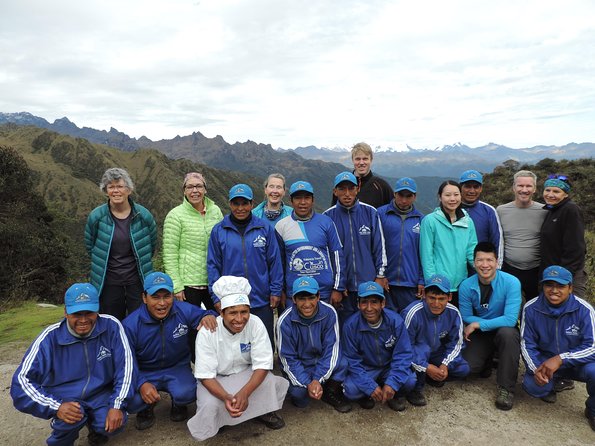
The tour takes seven days, but only four are spent hiking the Inca Trail. That is a sensible arrangement for Cusco, where altitude can affect even fit people. You arrive at Alejandro Velasco Astete International Airport, transfer to your hotel, attend a short welcome briefing, and have time to get oriented in the old Inca capital.
The second day is free. You can use it for Cusco’s churches, Spanish mansions, Inca remains, archaeological sights, and restaurants. More important, you can keep the day easy if your body needs time at altitude. I consider this free day a real strength. A rushed arrival followed by a hard mountain walk is a poor way to begin this route.
The hiking portion is organized as a classic four-day Inca Trail journey. Your permit and entry check are handled at Piscacucho, also called Kilometer 82. The route has limited access, so securing a place and carrying your passport is essential. The tour takes care of the larger administrative burden, which is one of the main reasons to choose an organized group trip here.
More Hiking Tours in Cusco
- From Cusco: 7 Lakes Ausangate Trek with Breakfast and Lunch
★ 4.8 · 360 reviews - Cusco: Rainbow Mountain Tour and Red Valley Hike (Optional)
★ 4.7 · 149 reviews - Cusco: Full-Day Rainbow Mountain & Red Valley Trekking Tour
★ 4.5 · 121 reviews
Day 1 and Day 2: Cusco before the boots go on
Your airport pickup is arranged for arrival day. After reaching your hotel, your guide holds a welcome meeting with a quick briefing about the trek. The remaining time is yours, which gives you a chance to walk around Cusco or simply rest.
Cusco is more than a staging point. It was the capital of the Inca Empire and remains one of the best places to see Inca stonework alongside Spanish colonial buildings. The schedule leaves room for both sightseeing and recovery, though you should not fill every hour with strenuous activity.
Day two is completely free. I would use it to buy or rent anything missing from your hiking kit, confirm that your boots are comfortable, and keep meals fairly sensible. The tour does not include your first breakfast or last lunch along the trail, and personal items remain your responsibility.
Day 3: From Huillca Raccay to Wayllabamba
The first serious day begins at 4:30 a.m. from your hotel. You travel by bus toward Piscacucho, where your passport, tickets, and Inca Trail access are checked. Use the restrooms there, apply sunscreen, and put on insect repellent before entering the trail.
The route begins at about 2,720 meters beside the Vilcanota River. The first hours lead through the Inca Valley, with the Urubamba mountain range ahead and views toward Veronica, a snow-covered peak reaching about 5,860 meters.
The walk to Huillca Raccay takes roughly five hours, followed by another section toward Wayllabamba Camp. The day totals about six hours of walking, depending on the group’s pace and stops. This first stage is a useful introduction because it is long enough to test your legs without immediately placing you at the highest point.
Camp is near Wayllabamba, at about 3,000 meters. Night temperatures can fall to around 5 degrees Celsius, depending on the month. A four-person tent is supplied for every two people, along with a foam sleeping mattress. You need to bring or rent your own sleeping bag, and an inflatable mattress is also excluded.
The camp setup is one of the tour’s practical advantages. A professional chef works in a dining tent with tables and chairs, while porters carry the company equipment. You are still camping, but you are not expected to organize the kitchen, dining area, or group supplies after a full day of walking.
Day 4: Dead Woman’s Pass and Runkurakay
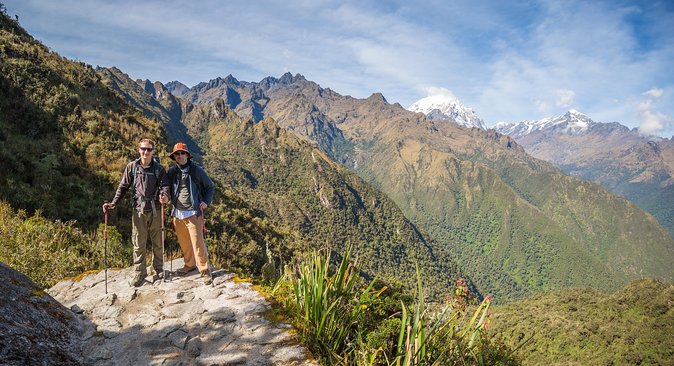
Day four is the toughest section for most hikers. You start around 5:30 a.m. and climb toward Abra de Warrmihuañusca, better known as Dead Woman’s Pass. At 4,200 meters, it is the highest point of the trek.
The climb is steep and takes about four hours. The name is memorable, and so is the effort required. You should expect thinner air, a slow pace, and a strong need for patience. A good fitness level is required, but fitness alone does not remove the effects of altitude. The earlier Cusco days matter here.
After the pass, the trail descends toward Pacaymayu at about 3,550 meters for lunch. The route offers chances to see hummingbirds and other bird species, along with polylepis trees that grow in the high cloud forest. These details help break up the physical work and give the day a sense of place beyond simply gaining and losing altitude.
After lunch, you climb again for about two hours toward Runkurakay Pass, close to 4,000 meters. Camp is reached around 5 p.m., with nighttime temperatures near 4 degrees Celsius. You will appreciate a hot meal and an organized tent area by then.
This day is where the tour’s support team matters most. The chef, guide, and porters reduce the number of tasks you need to manage. Still, do not mistake organized support for an easy trek. The altitude and repeated climbs remain yours to handle.
more ways to reach machu picchu
- From Cusco: Full-Day Group Tour of Machu Picchu
★ 4.7 · 1,767 reviews - Machu Picchu Day Trip from Cusco
★ 4.5 · 1,644 reviews - Machu Picchu: Full-Day Tour from Cusco with Optional Lunch
★ 4.6 · 927 reviews - Cusco: 4-Day Inca Trail to Machu Picchu with Accommodation
★ 4.8 · 432 reviews
Day 5: Phuyupatamarca, Intipata, and Wiñay Wayna
The next day covers about 10 kilometers, or roughly five hours of walking. Compared with Dead Woman’s Pass, the route feels more varied and rewarding. You climb gently toward Phuyupatamarca, whose name means Town in the Clouds.
At about 3,680 meters, Phuyupatamarca offers broad views of mountains, canyons, and the surrounding high country. The site is one of the most atmospheric stops on the route because of its position above the cloud forest and its carefully built terraces and stonework.
From there, the trail works through cloud forest and down around 3,000 stone steps near Intipata. The steps are an important practical warning. Descending can be hard on knees, especially after two days of climbing, so walking sticks are worth considering. They are not included, and the tour specifically lists them as an item you must arrange yourself.
The day ends near Wiñay Wayna at about 2,680 meters. You reach camp around lunchtime after four to five hours, leaving time to visit the archaeological site. Wiñay Wayna means Forever Young and is one of the most impressive Inca sites on the route, with terraces built into the mountainside.
This is also the point when the destination begins to feel close. You are no longer simply crossing the Andes. You are following the final approach used by the Inca route itself, with Machu Picchu waiting beyond the last section.
Day 6: Sunrise at Intipunku and Machu Picchu
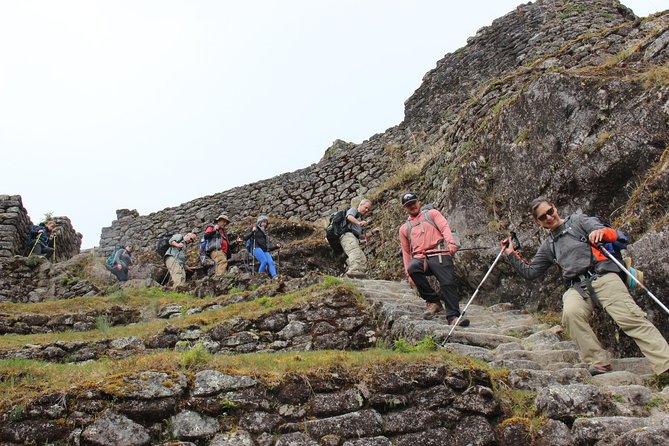
The final trail morning begins early, with breakfast followed by a roughly two-hour walk of about five kilometers. The goal is Intipunku, the Sun Gate, at approximately 2,730 meters.
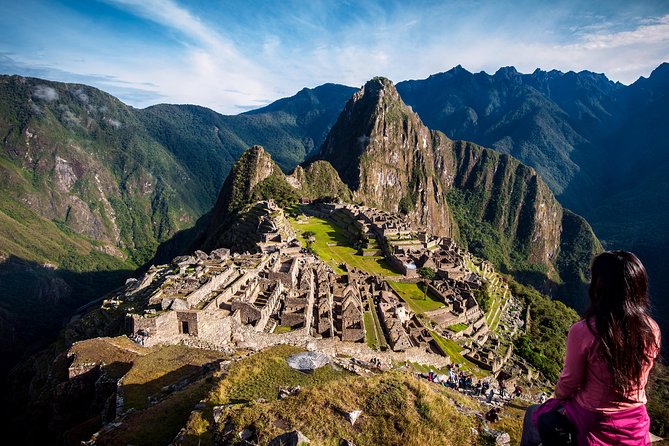
The timing is designed to get you there before sunrise. Weather controls what you see, of course, but the approach is special even when clouds soften the view. From Intipunku, Machu Picchu appears below at about 2,400 meters, reached by the same historic route rather than by a modern transport shortcut.
You then walk down to the viewpoint for the familiar postcard angle and join a guided visit of the archaeological site. The guide leads the main tour, then gives you about two hours to explore independently or attempt Machu Picchu Mountain or Huayna Picchu Mountain.
Do not assume either mountain hike is automatically part of the package. The itinerary allows time for one, but entry availability and separate tickets are not specified here. Ask about those mountain permits before booking if that is a major reason for choosing the tour.
After Machu Picchu, you meet the guide in Aguas Calientes. You can reach the town by bus or on foot, then have lunch there. The return journey uses a train from Aguas Calientes to Ollantaytambo, followed by a bus to Cusco. This makes for a long final day, but it avoids arranging several separate tickets on your own.
Food, camping, and what you carry
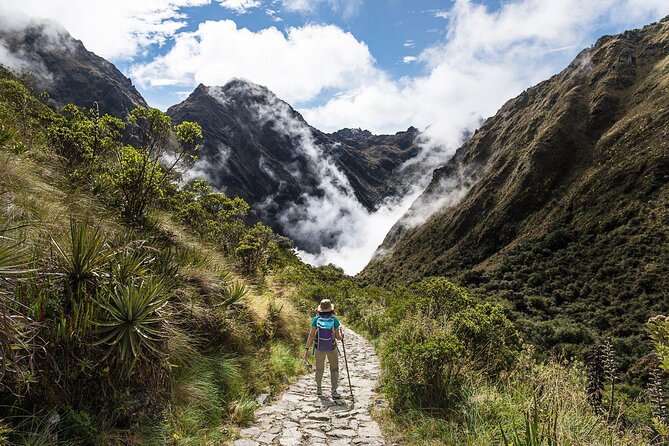
Three dinners, five breakfasts, and three lunches are included, along with water. The chef and dining tent are particularly useful after long walking days. Food quality is one of the strongest parts of the experience, and the trail team is praised for making camp meals a bright point of the trek.
The equipment list covers a four-person tent shared by two people, foam sleeping mattresses, and group gear carried by porters. Oxygen bottles and a first aid kit are also carried for emergencies. These are reassuring provisions, but they do not replace sensible preparation or medical advice.
You carry your own personal belongings, sleeping bag, and any extra rental equipment. An extra personal porter is not included. That distinction matters: porters support the company operation, but you should not expect someone to carry your entire personal pack unless you pay for that service.
A single supplement costs $180 for accommodation and tent arrangements. Vegetarian meals are available if you request them when booking. Sleeping bags, inflatable mattresses, and walking sticks are separate costs, so add them to your real budget rather than treating the $1,145 price as the final figure.
What the $1,145 price really buys
At $1,145 per person, the tour is priced as a full-service trek rather than a bare permit and guide arrangement. You receive airport pickup and drop-off, a professional guide, the bus to Kilometer 82, Machu Picchu transport, the train to Ollantaytambo, the return bus to Cusco, meals, water, camping equipment, porters for group gear, and the required trail operation.
That bundle has real value because the Inca Trail involves permits, limited access, camping logistics, transport connections, and food planning. Managing each part separately would take time and could create expensive mistakes, especially around entry and train tickets.
The price does not include all personal costs. Budget for a sleeping bag, possible walking sticks, an inflatable mattress if preferred, an extra porter, meals not listed, and the first breakfast and last lunch along the trail. If you want a private tent arrangement, add the $180 single supplement.
The group maximum is 16 people. Groups of nine or more receive an assistant guide, which can help keep a mixed-pace group together. A group of this size is not intimate, but it is still small enough for a guide to offer practical direction and monitor the day’s progress.
Who should choose this trek
This tour suits you if reaching Machu Picchu by the original footpath matters more than having a soft bed every night. It is a good fit for hikers who want a structured trip, prefer not to arrange permits and transport themselves, and enjoy having meals and camp operations handled by a local team.
It also suits people who want time in Cusco before and after the trek. The free second day is useful for adjusting to altitude, while the last morning gives you a little breathing room before the airport transfer.
You should think twice if you have limited hiking experience, dislike cold nights, or expect a relaxed route. The tour requires strong physical fitness, includes very early starts, and reaches 4,200 meters. The minimum age is 10, but age alone says little about a child’s readiness for this effort.
The cancellation rule is unusually strict: the experience is non-refundable and cannot be changed after booking. Confirmation arrives within 48 hours, subject to availability. The company may cancel if the minimum number of participants is not reached, in which case you are offered another date or experience, or a full refund.
Final call: is this Inca Trail tour a good buy?
I would choose this tour if you want the classic Inca Trail, a capped group of 16, and a well-supported camp operation without spending your planning time on permits, meals, and transport. The combination of Cusco acclimatization days, an early Sun Gate arrival, a chef, porters, and return transport gives the $1,145 price solid value.
I would not book it casually. First confirm what sleeping bag and personal porter rental will cost, decide if you need a mountain ticket at Machu Picchu, and make sure you can manage long climbs at altitude. If you prepare properly, this offers a demanding but memorable way to arrive at Machu Picchu, with the route itself providing much of the reward.
FAQ
How long is the tour?
The tour lasts approximately seven days, including arrival and departure in Cusco, two days around Cusco, four days on the Inca Trail, and the Machu Picchu visit.
Where does the tour begin and end?
Airport pickup and drop-off are provided at Alejandro Velasco Astete International Airport in Cusco. The trek begins after transport to Kilometer 82 and ends with return transport to Cusco.
What time is the meeting?
The meeting time is 4:30 a.m. on the first hiking day, when you travel toward Piscacucho for Inca Trail entry checks.
How large is the group?
The maximum group size is 16 people. An assistant guide is provided for groups of nine or more.
Are meals included?
Three dinners, five breakfasts, and three lunches are included, as well as water. The first breakfast and last lunch along the Inca Trail are not included, and other unlisted meals are also excluded.
Is camping equipment provided?
A four-person tent shared by two people and a foam sleeping mattress are provided. Sleeping bags, inflatable mattresses, and walking sticks are not included.
Can I request vegetarian food?
Yes. A vegetarian option is available, but you must request it when booking.
Is the tour suitable for children?
The minimum age is 10 years. All participants should also have a strong physical fitness level because the trek reaches 4,200 meters and includes steep climbs.
More Hiking & Trekking in Cusco
- Salkantay Trek Challenge – 3 Days / 2 Nights
★ 5.0 · 101 reviews - From Cusco: Rainbow Mountain Trek
★ 4.5 · 98 reviews - Private Palccoyo Rainbow Hike Without the Crowds
★ 5.0 · 86 reviews - Choquequirao Trek 4 days and 3 nights
★ 5.0 · 81 reviews
More Inca Trail Departures
- Cusco: Machu Picchu 2-Day Inca Trail with Panoramic Train
★ 4.9 · 260 reviews - From Cusco: 2-Day Inca Trail to Machu Picchu
★ 4.2 · 244 reviews - Machu Picchu: Inca Trail 2-Day Overnight Guided Tour
★ 4.9 · 203 reviews - Short Inca trail to MachuPicchu || 2days – 1nigth ||
★ 5.0 · 103 reviews
Recently added around Cusco
- Palcoyo colored mountain hike + stone forests★ 4.6 · 3 reviews
- Maras Moray★ 5.0 · 3 reviews
- Full-Day Condor Viewpoint & Inca Sites Tour★ 5.0 · 3 reviews
- From Cusco: Vinicunca Mountain of Colors Excursion + Ticket★ 5.0 · 3 reviews
- Excursion Cusco – Puno – Titicaca Observatory Train★ 5.0 · 3 reviews
- Machu Picchu: Private Tour Guide Service for up to 15 people★ 4.5 · 3 reviews
- Machu Picchu: 1-day tour by Vistadome Observatory train★ 5.0 · 3 reviews
- Cusco: Chonta Canyon and Condor Flight Tour with Lunch★ 5.0 · 3 reviews
Machu Picchu Tours, compared.



4-Day Inca Trail to Machu Picchu with Accommodation
Read our review →
2-Day Trip to the Sacred Valley and Machu Picchu
Read our review →
Machu Picchu 2-Day Inca Trail with Panoramic Train
Read our review →
Browse the lists this tour appears in