
Reviewed · MACHU PICCHU TOURS
4 Day Inca Trail Trek to Machu Picchu Multi day tour
The great prize here is not simply reaching Machu Picchu. It is arriving on foot through an ancient Inca road, passing stone ruins, high mountain passes, cloud forest, and the Sun Gate before seeing the citadel below. Dead Woman’s Pass reaches 4,215 meters, so this is a real mountain trek, not a gentle sightseeing walk.
I like two things right away. First, the camping setup gives you useful comfort, with two people sharing a four-person Eureka tent and a personal porter carrying up to 7 kilograms of belongings. Second, the guides, including Nico, César, Plinio, and others, are praised for managing the group’s pace and explaining Inca history clearly. The chef and porters also make a major difference, with meals that go far beyond basic trail food.
The main caution is simple: this trek is physically demanding. You climb steeply, descend long stone stairways, sleep in tents, and spend time at high altitude. The 4:30 a.m. start and non-refundable booking also require serious planning.
Key points before you book
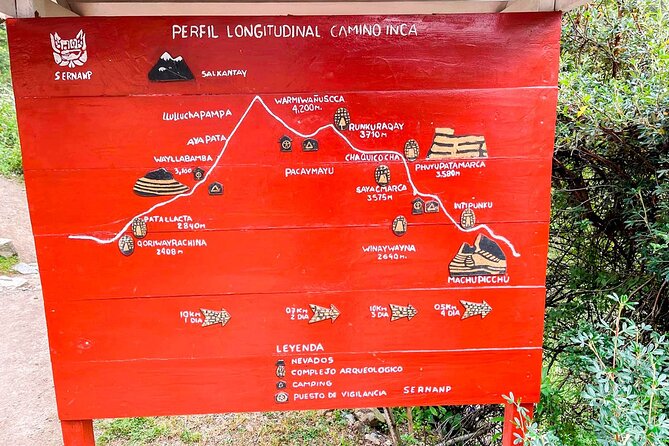
- 42 kilometers on the classic Inca Trail: Walk from Km 82 to Machu Picchu through mountain passes, cloud forest, and jungle.
- Dead Woman’s Pass is the big test: The route climbs to 4,215 meters, or 13,828 feet, on day two.
- Three nights of camping: Two people use each four-person tent, giving you more room and better luggage security.
- Strong support team: A guide, trekking chef, super porters, and emergency oxygen are included.
- Food is a real strength: Three breakfasts, lunches, and dinners are provided, with the chef preparing meals at camp.
- Small group size: The maximum is 16 people, a useful balance between companionship and manageable group movement.
The Inca Trail at a glance
This four-day trek begins near Cusco and finishes at Machu Picchu. The route covers about 26 miles, or 42 kilometers, but the distance alone does not tell the full story. The stone steps, steep climbs, altitude, and changing weather make the trail feel harder than a normal four-day hike.
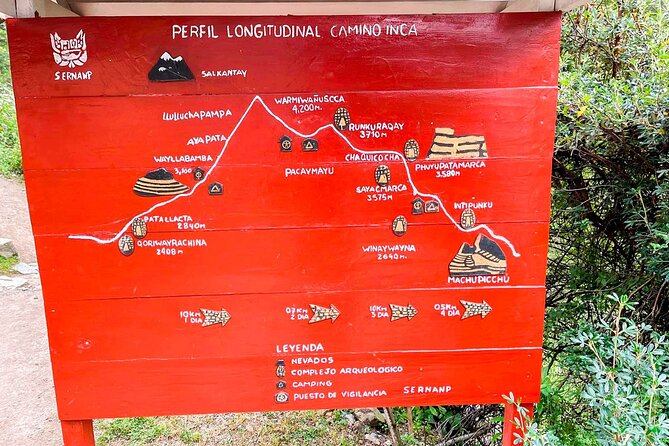
You move through several distinct zones. The first day follows the Vilcanota River and open Andean country. The second day climbs into high-altitude grassland and over Warmiwañusca, better known as Dead Woman’s Pass. Day three brings ruins, stone paths, cloud forest, and the terraces of Wiñay Wayna. Day four ends at the Sun Gate and Machu Picchu.
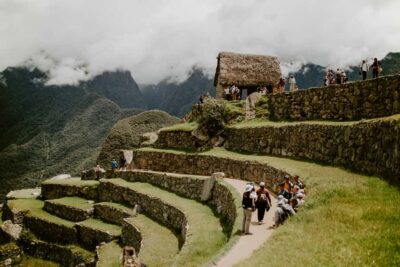
The route is valuable because the archaeological sites are part of the walk, not separate bus stops. You see places such as Runkurakay, Sayacmarca, Phuyupatamarca, and Wiñay Wayna while following the old road that once linked Inca settlements. Your guide gives the ruins meaning, so the hike is not only about scenery and endurance.
The tour costs $930 per person. That is a substantial price, but it covers the permit, Machu Picchu entry, three nights of camping, meals, cooking equipment, porters, guide services, water at campsites, and the return train and bus. You are paying for a regulated trek with a large support operation, not just a walking guide.
More Hiking Tours in Cusco
- From Cusco: 7 Lakes Ausangate Trek with Breakfast and Lunch
★ 4.8 · 360 reviews - Cusco: Rainbow Mountain Tour and Red Valley Hike (Optional)
★ 4.7 · 149 reviews - Cusco: Full-Day Rainbow Mountain & Red Valley Trekking Tour
★ 4.5 · 121 reviews
Day one: Km 82 and the Vilcanota River
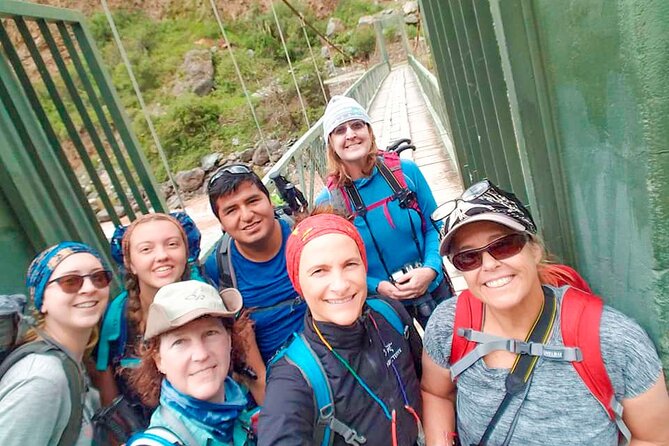
The day starts early, with pickup from your hotel in Cusco at about 4:30 a.m. Tourist transportation carries you through the Urubamba Valley to Km 82, the usual starting point for this section of the Inca Trail.
After crossing the Vilcanota River, you begin on a trail beside the river and through the surrounding Andean countryside. The first day covers about 12 kilometers, or 7.5 miles, over roughly eight hours. It is rated moderate compared with the days ahead, though eight hours of walking is still a serious first day.
You pass through Huayllabamba and may have the chance to interact with local people along the route. The early sections help you settle into the rhythm of the trek. You are walking, eating, resting, and camping as a group, with the guide setting the pace.
The first day is not the most dramatic section of the route, but it matters. It gives you time to adjust before the high pass on day two. I would treat it as a preparation day rather than trying to race through it. Save your legs, drink the water provided by the chef, and pay attention to how your body handles the altitude.
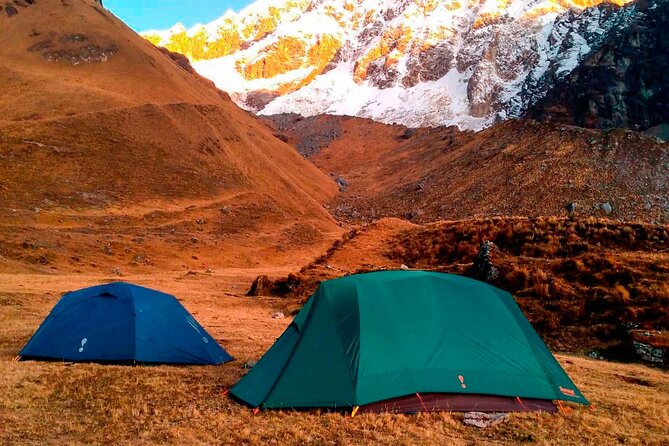
The campsite marks your first night outdoors. Three nights of camping are included, along with a kitchen tent, dining tent, tables, chairs, cooking equipment, and a toilet tent. This is basic mountain camping, but the four-person tents are used by only two people, which gives you a little more space than a tightly packed arrangement.
Day two: the hard climb to Dead Woman’s Pass
Day two is the physical center of the trip. After an early wake-up and breakfast, you climb toward Warmiwañusca, or Dead Woman’s Pass, at 4,215 meters.
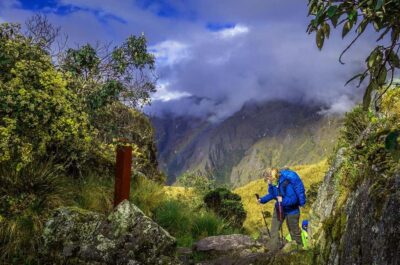
This is where fitness matters. The climb is long and steep, and high altitude can make every step feel slower. The reward is the view from the pass, with mountains and valleys stretching around you. After a short rest, you descend into the Pacaymayo Valley, where the night’s camp is located.
The route changes noticeably during this day. High-altitude grasslands give way to cloud forest, where orchids and bromeliads appear. You get a strong sense of how quickly the Andes shift with elevation.
The day takes about eight hours. The ascent is the demanding part, but the descent also deserves respect. Stone steps and uneven surfaces can work your knees and ankles hard after the pass. Hiking poles are not included, though they can be rented for $20. If you use poles on steep trails, this is the day they may feel most useful.
The support crew matters here. Your personal super porter carries up to 7 kilograms of your belongings, while other porters handle food, tents, and cooking gear. You still need to carry your daypack, but you are not hauling all your camping equipment. Emergency oxygen is included in the first-aid kit, an important safety provision at this altitude.
Day three: ruins, cloud forest, and Wiñay Wayna
Day three covers about six hours and is often the most varied day for scenery and archaeology. You climb to the second pass, Runkurakay, at 3,970 meters, then descend toward Sayacmarca at 3,624 meters.
Sayacmarca is an impressive stone site reached along the trail. From there, the path continues through cloud forest and past smaller ruins before climbing again to Phuyupatamarca, the third pass, at 3,670 meters.
The route then drops toward Wiñay Wayna, one of the most memorable archaeological sites on the trek. Its terraces and ritual baths show the careful engineering built into the Inca road system. After two high passes, arriving at camp near Wiñay Wayna feels like a well-earned change of pace.
The campsite sits at about 2,650 meters and offers views of the surrounding mountains. The lower elevation can feel easier than the previous night, but the day still includes repeated climbs and descents. This is not a recovery day in the usual sense.
Day three is also where a good guide earns their keep. The guides named in the tour feedback, including Nico, César, César Coavoy, and Plinio, are noted for sharing history, encouraging the group, and adjusting the pace to different abilities. That last point is especially useful when a group includes people with mixed fitness levels.
more ways to reach machu picchu
- From Cusco: Full-Day Group Tour of Machu Picchu
★ 4.7 · 1,767 reviews - Machu Picchu Day Trip from Cusco
★ 4.5 · 1,644 reviews - Machu Picchu: Full-Day Tour from Cusco with Optional Lunch
★ 4.6 · 927 reviews - Cusco: 4-Day Inca Trail to Machu Picchu with Accommodation
★ 4.8 · 432 reviews
Day four: the Sun Gate and Machu Picchu
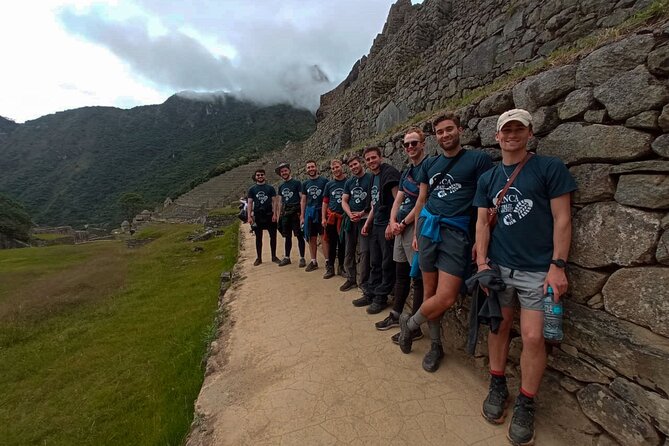
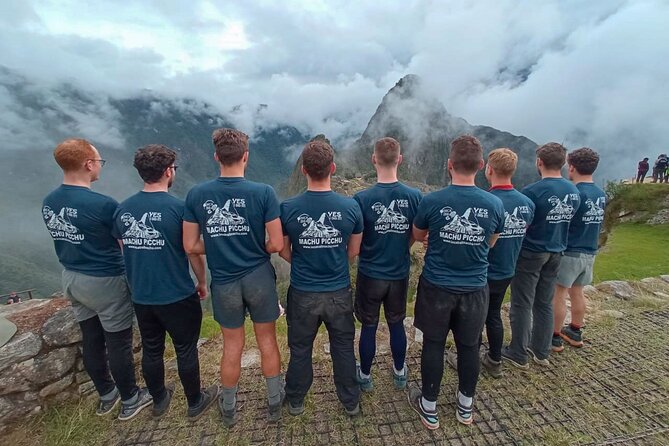
The final day begins early. After breakfast, you walk to the checkpoint for the last stretch of the Inca Trail. The goal is Inti Punku, the Sun Gate, where Machu Picchu first comes into view.
This approach gives you something a road transfer cannot: the citadel appears after several days of walking through the mountains. The Sun Gate provides a broad view of Machu Picchu and the peaks around it. Weather can affect what you see, so the first view may be clear, misty, or partly hidden, but reaching the gate remains a powerful finish to the trek.
From the Sun Gate, you continue to Machu Picchu for a guided visit. The tour includes the entrance fee and a guided tour of the sanctuary. The site was rediscovered by Hiram Bingham in 1911, and your guide can place the stonework, terraces, and ceremonial areas into their wider Inca setting.
You then take the shuttle bus down to Aguas Calientes. Lunch there is not included, so plan to pay for your own meal. After lunch, the return journey uses the tourist train to Ollantaytambo, followed by a tourist bus to Cusco.
This final day combines hiking, sightseeing, and a long transfer. It is worth knowing that you do not simply finish at Machu Picchu and go straight to a hotel. You still have the bus, lunch stop, train, and road journey ahead.
What the camping setup is really like
Camping for three nights means you should be comfortable with early mornings, shared camp facilities, and changing weather. The tour provides a kitchen and dining tent, a toilet tent, tables, chairs, utensils, gas, and a comfort sleeping-roll mattress.
The sleeping bag is not included and costs $25 to rent. An inflatable rest mattress costs another $20. Hiking poles cost $20. These extras are not huge beside the tour price, but they should be added to your budget before booking.
The four-person Eureka tents are occupied by two people. That arrangement gives you more room for changing clothes and organizing your kit. It also means you are not sleeping four people to a tent simply because the tent has four places.
Water is supplied at every campsite by the chef. Meals include three breakfasts, three lunches, and three dinners. The food is one of the strongest parts of the operation, with the chef preparing plentiful meals in a setting where cooking is far from easy. Previous guide teams have included chefs such as Clemente, Leo, and Jesus, and the meals are repeatedly singled out as a pleasant surprise.
You should still bring personal snacks if you have particular dietary needs or simply eat often on long hikes. The supplied information does not specify special diets, so ask the operator before booking if this matters to you.
Guides, porters, and group size
The maximum group size is 16 people. That is large enough to create a social atmosphere but small enough for the guide to keep track of the group. The guide’s role is not limited to pointing out ruins. A good guide watches the group’s pace, explains the route, and helps people handle difficult sections.
Nico Raul is praised for being attentive and helpful. César is noted for managing the walk according to the group’s abilities. Plinio is credited with encouragement and care during the trek, while César Coavoy is praised for adding humor and historical detail. Staff can change, so you should not book on the assumption that one named guide is guaranteed, but these examples show the level of guide support associated with the experience.
Porters carry the heavy shared gear and your duffel. A personal porter carries up to 7 kilograms, which leaves you with a lighter daypack. The porters are a central part of making the trek workable, and the tour includes their support rather than asking you to arrange it separately.
The guide and support team also help solo participants fit into the group. You can book alone, but this is still a group trek, not a private departure. The maximum of 16 people is clearly stated, while the minimum group size is not.
Is $930 good value?
At $930, this is not a budget walk. Yet the package includes many costs that can add up quickly on the Inca Trail.
Included are the pre-trek briefing, transport from Cusco to Km 82, the Inca Trail permit, Machu Picchu entry, three nights of camping, a guide, chef, personal porter, shared porters, tents, cooking equipment, meals, campsite water, emergency oxygen, rain poncho, shuttle bus from Machu Picchu, tourist train, and bus back to Cusco.
That list makes the price easier to understand. The permit and limited access to the Inca Trail are not optional purchases you can avoid. Nor are the porters, camps, meals, and return transport minor details. The tour also includes taxes and fees, so the advertised price is closer to the final cost than a bare trail-only rate.
You still need money for the first breakfast, the final lunch in Aguas Calientes, sleeping bag rental, hiking poles, an inflatable mattress if wanted, tips, souvenirs, and travel insurance. The tour is non-refundable and cannot be amended after booking, so confirm your dates, fitness, and equipment plans before paying.
Who should choose this trek?
This tour fits you best if you want Machu Picchu to be the end of a real mountain journey rather than a short visit from Aguas Calientes. It also suits people who value a guide-led experience, archaeological stops, support from porters, and cooked meals at camp.
You need a strong level of physical fitness. The route includes eight-hour hiking days, a pass above 4,200 meters, steep descents, uneven stone paths, and early starts. A history-minded hiker will get more from the route than someone focused only on reaching the viewpoint.
Older hikers can still consider it, but age is less important than preparation and honest pacing. The guide can manage the group pace, but no one can remove the altitude or the climbs. Build your fitness before arriving and allow time in Cusco to adjust to high elevation, though the supplied details do not specify an acclimatization program.
Should you book the 4-day Inca Trail?
Book it if you want the classic walking approach, can handle demanding high-altitude hiking, and value a well-supported camp operation. The combination of the Sun Gate, major ruins, porters, chef, permits, and return transport gives the $930 price solid value for a four-day trek.
Skip it if you want a relaxed Machu Picchu visit, dislike camping, or are not ready for Dead Woman’s Pass. Also be certain about your dates because the booking is non-refundable. For the right hiker, this is a demanding but well-equipped route that turns Machu Picchu from a single sight into the finish line of a four-day journey.
FAQ
Where does the Inca Trail trek begin?
The trek begins at Km 82, reached by tourist transportation from Cusco through the Urubamba Valley.
How long is the Inca Trail route?
The route covers approximately 42 kilometers, or 26 miles, over four days.
How high is Dead Woman’s Pass?
Dead Woman’s Pass, or Warmiwañusca, reaches 4,215 meters, or 13,828 feet.
How many nights are spent camping?
The tour includes three nights of camping.
What meals are included?
Three breakfasts, three lunches, and three dinners are included. The first breakfast and final lunch in Aguas Calientes are not included.
Is a sleeping bag included?
No. A sleeping bag can be rented for $25.
Are hiking poles included?
No. Hiking poles can be rented for $20.
How much luggage can the personal porter carry?
The personal super porter carries up to 7 kilograms, listed as 11 pounds, of personal belongings in your duffel bag.
Is transportation back to Cusco included?
Yes. The package includes the shuttle bus from Machu Picchu to Aguas Calientes, the tourist train to Ollantaytambo, and the tourist bus from Ollantaytambo to Cusco.
How large is the group?
The maximum group size is 16 people.
What time does the tour start?
Pickup begins at 4:30 a.m.
Is travel insurance included?
No. Peru travel insurance is not included.
More Hiking & Trekking in Cusco
- Salkantay Trek Challenge – 3 Days / 2 Nights
★ 5.0 · 101 reviews - From Cusco: Rainbow Mountain Trek
★ 4.5 · 98 reviews - Private Palccoyo Rainbow Hike Without the Crowds
★ 5.0 · 86 reviews - Choquequirao Trek 4 days and 3 nights
★ 5.0 · 81 reviews
More Inca Trail Departures
- Cusco: Machu Picchu 2-Day Inca Trail with Panoramic Train
★ 4.9 · 260 reviews - From Cusco: 2-Day Inca Trail to Machu Picchu
★ 4.2 · 244 reviews - Machu Picchu: Inca Trail 2-Day Overnight Guided Tour
★ 4.9 · 203 reviews - Short Inca trail to MachuPicchu || 2days – 1nigth ||
★ 5.0 · 103 reviews
Recently added around Cusco
- Palcoyo colored mountain hike + stone forests★ 4.6 · 3 reviews
- Maras Moray★ 5.0 · 3 reviews
- Full-Day Condor Viewpoint & Inca Sites Tour★ 5.0 · 3 reviews
- From Cusco: Vinicunca Mountain of Colors Excursion + Ticket★ 5.0 · 3 reviews
- Excursion Cusco – Puno – Titicaca Observatory Train★ 5.0 · 3 reviews
- Machu Picchu: Private Tour Guide Service for up to 15 people★ 4.5 · 3 reviews
- Cusco: Chonta Canyon and Condor Flight Tour with Lunch★ 5.0 · 3 reviews
- Machu Picchu: 1-day tour by Vistadome Observatory train★ 5.0 · 3 reviews
Machu Picchu Tours, compared.
4-Day Inca Trail to Machu Picchu with Accommodation
Read our review →
2-Day Trip to the Sacred Valley and Machu Picchu
Read our review →
Machu Picchu 2-Day Inca Trail with Panoramic Train
Read our review →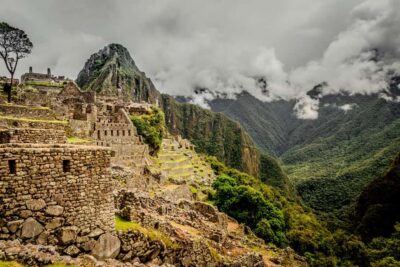
Browse the lists this tour appears in