
Reviewed · SACRED VALLEY TOURS
Sacred Valley Textile Workshop – Dyeing & Weaving in Cusco
The special thing here is that you do not simply watch an artisan weave. You collect leaves, prepare natural dyes, work with alpaca wool, and try a backstrap loom under the patient guidance of Ruth Pimentel and other master weavers. I especially like the plant walk and the shared lunch, two details that turn a craft lesson into a personal encounter with Andean life.
I also like the private transport and small-scale setting. Your day begins with hotel pickup at 8:30 a.m., and guides such as Nayda, Delia, Edwin, or Pedro help with translation and local context. The main drawback is the drive: reaching the workshop can take about an hour to an hour and a half each way, so this is a full-day outing, not a quick activity between Cusco sights.
Key details to know before booking
- You make a textile piece yourself: Choose from items such as a bracelet, bookmark, or headband, with help when the weaving gets tricky.
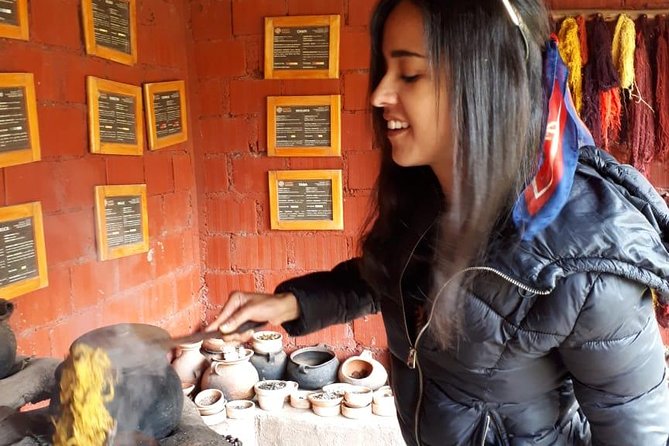
- Natural dyes begin with a walk: You gather leaves, herbs, and other plant materials before preparing the dye bath.
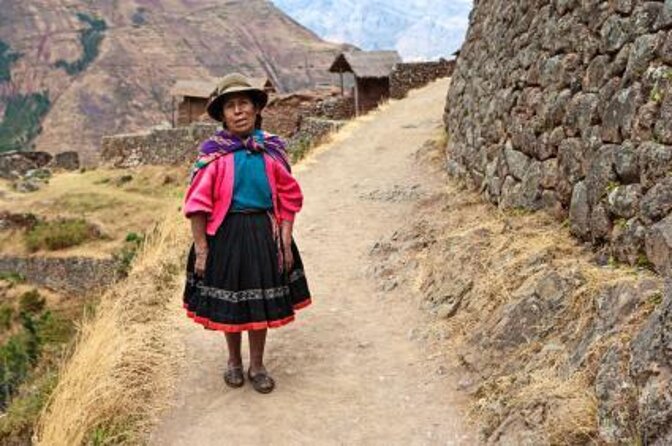
- Master weavers teach the craft: Ruth Pimentel and women from Andean weaving communities explain spinning, dyeing, pattern work, and loom technique.
- Lunch is part of the cultural exchange: A home-style meal, plus coffee, tea, or a snack, is included.
- The trip takes most of the day: Pickup is at 8:30 a.m., and the countryside drive may last 60 to 90 minutes each way.
- You leave with something personal: Your finished piece and the yarn you dyed can go home with you, often with presentation packaging and provenance information.
Why this Cusco textile workshop feels different
Many craft visits in Peru follow a familiar pattern: watch a demonstration, hear a short explanation, then shop. This workshop takes a slower and more useful route. You get your hands into the process, and each stage helps you understand the next.
You begin at a private atelier in the hills near Cusco. Ruth Pimentel welcomes you and introduces the family and community traditions behind the work. She is presented as Peru’s only UNESCO-awarded Indigenous master weaver, and the workshop is tied to a social-impact effort that supports the continuation of local textile skills.
The setting matters. The drive out of Cusco gives you time to leave the city behind and see countryside views on the way toward the Sacred Valley area. Scenic stops may be possible, but the road time is also the main practical cost of the experience. Plan for a full day, with your return to Cusco later in the afternoon or evening.
This is best understood as a cultural class with a meal and countryside journey attached. You will not master Andean weaving in one day. You will, however, gain a clear sense of the labor, patience, and precision behind even a small finished band.
more sacred valley days
- From Cusco: Sacred Valley & Maras Salt Mines Tour with Lunch
★ 4.8 · 2,227 reviews - Cusco: Sacred Valley, Pisac, Ollantaytambo, Salt Mines Moray
★ 4.6 · 1,058 reviews - Sacred Valley: Chinchero, Moray, Ollantaytambo & Pisac+Lunch
★ 4.8 · 501 reviews
The journey from Cusco to the workshop
Hotel pickup is offered by private transport, with the standard start time listed as 8:30 a.m. That takes the pressure off finding a taxi or figuring out a rural meeting point. Drivers such as Pedro have also helped with practical needs along the way, including local banking or cash matters, though you should not count on that as a formal part of the tour.
The drive to the workshop is generally about an hour, and one account put it closer to an hour and a half. That difference can depend on the starting point, traffic, and final location. Ask for a realistic return time when you book, especially if you have an evening train, flight, or another fixed plan.
The road is not wasted time. You pass through countryside and may stop for photographs. I would treat the ride as part of the day rather than an inconvenience, but I would not schedule another major attraction afterward. The workshop itself lasts for hours, and the weaving process moves at a calm pace.
The tour is private, so your own group participates rather than a large busload. That is useful when you want to ask questions, need translation, or prefer not to rush through the hands-on work.
Gathering plants for Andean natural dyes
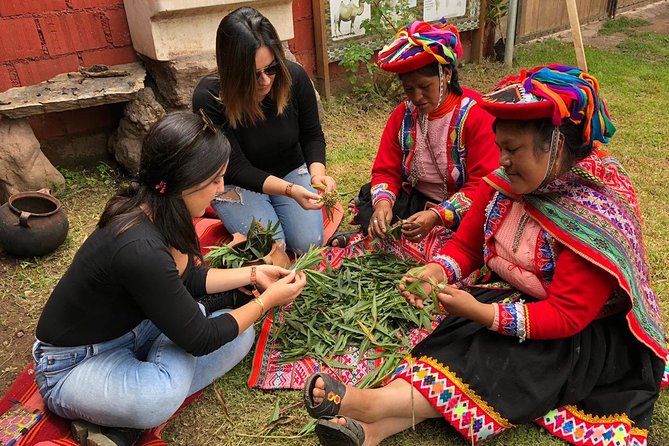
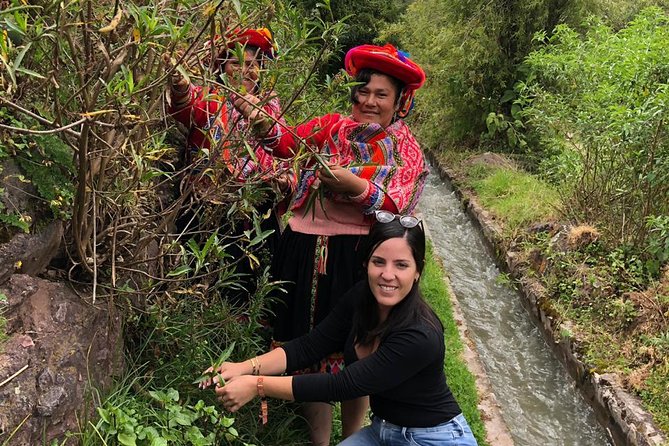
One of the strongest parts of the day comes before the loom. You walk out to gather leaves, herbs, and other plant materials used to color yarn. The same plants may also have medicinal or household uses, giving this portion a wider meaning than a simple materials collection.
Your guide translates the explanations from the weavers. You may learn about the purpose of different plants, how they are prepared, and how the final color depends on the material used. The exact plants are seasonal, so the dyeing palette can vary by time of year.
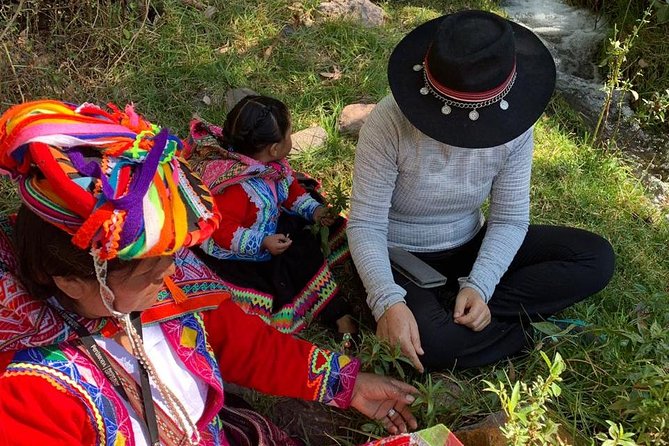
This is a good place to ask questions. You can learn how local knowledge connects food, medicine, clothing, and the surrounding countryside. A short walk becomes a lesson in how Andean communities have worked with available materials for generations.
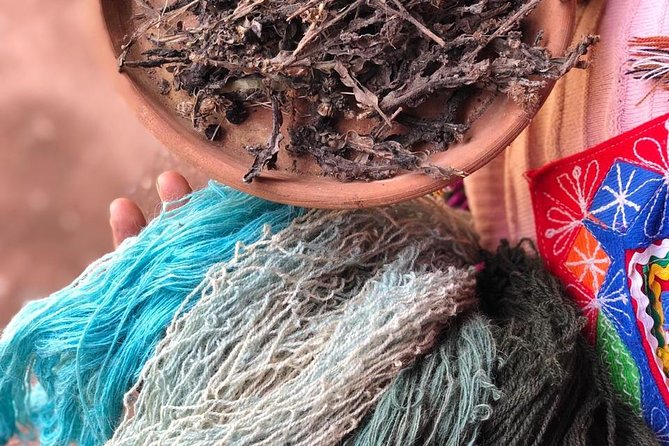
After gathering the materials, you help prepare the dye bath. You then color alpaca yarn using traditional methods. The work is physical but accessible, and the instructors guide you through the process rather than expecting prior craft experience.
The experience may include a snack or coffee and tea before the main meal. It is worth wearing clothes you do not mind getting near plant dyes, even though the activity is presented as suitable for most people.
From alpaca fiber to yarn
The workshop also covers the steps before dyeing and weaving. Depending on the day and the order of instruction, you may work with alpaca wool, learn to make yarn, spin fibers, wind yarn into balls, and prepare colored strands.
This sequence is important. Finished textiles can look simple from a distance, but the work begins long before the first pattern appears. When you try to create or organize the yarn yourself, you see how much care is needed to keep the fibers even and usable.
You may also select several already dyed colors for your own piece. Past participants have made bracelets, bookmarks, and headbands, sometimes called a bincha. You can usually expect close help from the weavers, since the technique is not easy to pick up on the first try.
That difficulty is part of the value. The result may show a few uneven spots, but that gives you a better understanding of the skill involved. You are not buying a factory-made souvenir. You are making a small object with direct guidance from people who have practiced the craft for years.
more Cusco days to weigh up
- Cusco: Peruvian Cooking Class, Cocktails & Local Market Tour
★ 4.9 · 512 reviews - Cooking class and market tour with a local chef
★ 5.0 · 186 reviews - The First Class Machu Picchu Train by Inca Rail
★ 4.0 · 182 reviews - The Textile Workshop Experience in Cusco Region
★ 5.0 · 118 reviews
Learning the backstrap loom
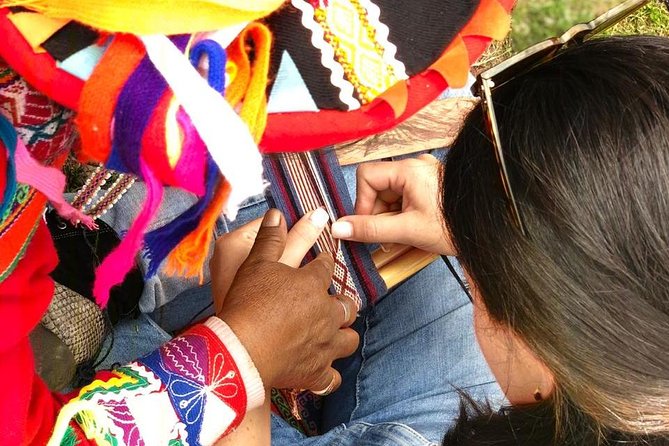
The backstrap loom is the workshop’s main challenge and its clearest lesson. You sit low, often on the floor, while the loom is secured around the body and adjusted for tension. Be prepared to sit for several hours and to work in a posture that may not suit everyone.
The weavers demonstrate how to arrange the yarn, keep the tension steady, and build the pattern row by row. Their hands move quickly and precisely. Your own work will be slower. That contrast is useful, not embarrassing, because it makes the skill visible.
You may weave a bracelet, bookmark, or headband. The item you create depends on the selected format and the amount of time available. Some pieces are started by the artisans so you can see the correct method, then finished with your own hands.
A guide such as Nayda can translate the technical instructions and help you communicate with the weavers. She has been singled out for patience, warmth, and clear explanations, while Delia and other instructors provide direct support at the loom.
Do not book this expecting a polished professional textile by the end of the day. Book it to understand the process and bring home a modest piece that you helped create. The workshop may also let you take home yarn you dyed yourself.
Sharing lunch with the weaving community
Lunch is not an afterthought. It gives the group time to sit together, talk, and compare notes after the morning’s work. Meals have included fresh fruit, vegetables, yucca, avocado, passion fruit, pineapple, papaya, and other home-style foods. One account also mentioned guinea pig as a local delicacy during the day, but it should not be assumed as the standard meal.
The food is served as part of the welcome. Guides translate conversations, and you may learn a little Quechua while talking about where you come from and how the craft is practiced. That exchange is one reason this experience feels more personal than a quick workshop demonstration.
Coffee or tea is included, along with lunch. Dietary needs are not described in the supplied details, so contact the provider ahead of time if you need a specific meal plan.
The pace around lunch is relaxed. You may have a short break afterward, which helps before returning to the loom. If you are using this day to get used to Cusco’s altitude, the slower schedule and countryside setting may suit you, but you should still be mindful of how you feel and tell your guide if you need to pause.
Meeting Ruth, Nayda, Delia, and the other weavers
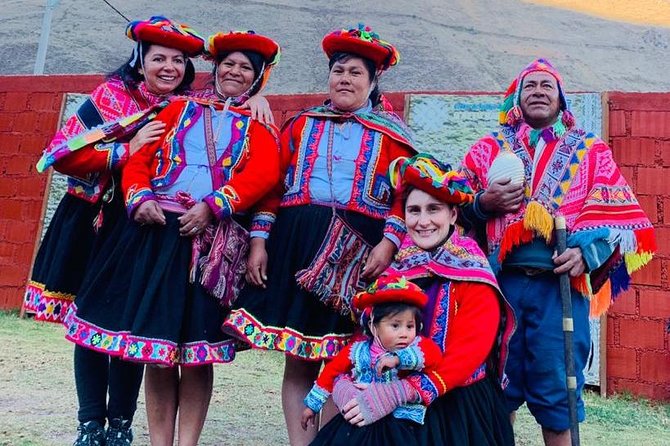
The people teaching the workshop are central to its appeal. Ruth Pimentel is the named master weaver and host, while women from communities including Parobamba and Patabamba share their techniques and daily knowledge. Names connected with the teaching team include Delia, Natividad, Lucia, Martina, Dalia, Julia, Maria, Marilus, Selena, and Ruth.
Not every instructor will necessarily be present on every date. The experience description names Ruth and master weavers from Parobamba, while past participants have worked with different members of the wider family and community team. You can expect instruction through translation, but the exact guide lineup may vary.
Edwin Pimentel has also led and translated parts of the day. Nayda is a particularly useful name to request if she is available, especially if you want detailed explanations or need help communicating in English. She has also assisted solo participants, so you do not need a companion to make the booking worthwhile.
The workshop’s strongest social point is the direct contact with the artisans. You are learning with them, eating with them, and seeing the work at close range. The experience is designed to support living textile traditions rather than present weaving as a frozen museum display.
What you take home
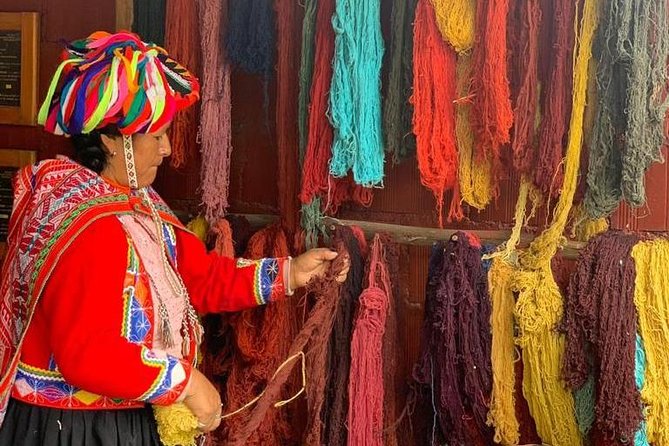
Your finished textile item is the obvious souvenir, but it is not the only thing you may bring back. Depending on the activity format, you can leave with a bracelet, bookmark, or headband, as well as yarn you dyed during the workshop.
The description also promises elegant packaging and a signed provenance card for a bespoke creation. Ask your guide what will be included on your date, since past participants received different types of small pieces.
There is a shop at the workshop, with handmade goods made by the women. You can purchase directly from the artisans and see the work before deciding. Prices have been described as more reasonable than expected, but the supplied information does not give a standard price list.
Buying something is optional. The workshop already gives you a personal textile, and you do not need to shop to take part fully.
Is $420 a fair price?
At $420 per person, this is a costly day compared with a basic group visit to the Sacred Valley. The price makes more sense if you value private transport, a full day of instruction, translation, lunch, and direct work with master weavers.
You are paying for more than a finished bracelet. The day includes the journey from Cusco, plant gathering, natural dye preparation, alpaca yarn work, loom instruction, food, and time with the community. A private format also gives you more room to ask questions and work at your own speed.
The value is strongest for people who care about textiles, craft, Indigenous traditions, or thoughtful cultural tourism. If you only want a quick souvenir or a short introduction, the cost and long drive may feel excessive.
I would also compare the price with your overall Cusco plan. This replaces most of a sightseeing day. That is not a flaw, but you should choose it instead of trying to squeeze it between Machu Picchu plans, ruins, or a long Sacred Valley circuit.
Free cancellation is available until 24 hours before the 8:30 a.m. start. Changes or cancellations inside that window are not accepted for a refund. The activity requires good weather, and if poor weather forces cancellation, you can choose another date or receive a full refund.
Who should book this day?
I would recommend it most strongly to:
- Textile artists, designers, knitters, weavers, and anyone who enjoys making things by hand.
- Families with older children who can sit, listen, and work carefully.
- Solo visitors who want a friendly, guided cultural activity.
- Couples looking for a slower day away from major archaeological sites.
- Anyone who wants to support local artisans through direct contact and optional purchases.
You should think twice if you dislike long drives, sitting on the floor, repetitive handwork, or activities that require patience. The weaving is genuinely difficult at first, and the schedule is too long for someone seeking a quick morning outing.
Most people can participate, and service animals are allowed. The workshop is near public transportation, but private pickup is the simpler choice.
Should you book the Sacred Valley textile workshop?
Book it if you want to understand how an Andean textile is made from plant, fiber, color, pattern, and patient handwork. The best parts are unusually specific: collecting dye plants, meeting Ruth and the other weavers, sharing lunch, and struggling through the backstrap loom yourself.
Skip it if your Cusco schedule is tight or if $420 feels too high for a handmade activity. The drive takes time, and your finished item will be small. For the right person, though, this is a meaningful day that gives you more than a souvenir. It gives you a practical respect for the people whose hands keep these textile traditions alive.
FAQ
Where does the Sacred Valley textile workshop take place?
The workshop takes place at a private atelier in the hills near Cusco, in the Sacred Valley area. The day includes travel toward Calca and nearby Andean weaving communities.
What time does the tour start?
Hotel pickup and the listed start time are at 8:30 a.m.
How long does the experience last?
The workshop lasts approximately eight hours. Including the drive from Cusco and back, you should plan for a full day.
How long is the drive from Cusco?
The drive is generally about one hour to one and a half hours each way, depending on the route and conditions.
Is transportation included?
Yes. Hotel pickup by private transport is offered.
What will I make during the workshop?
You may make a bracelet, bookmark, or headband, depending on the activity format and the time available. You may also take home yarn that you dyed yourself.
Is lunch included?
Yes. Lunch and coffee or tea are included. A snack may also be served during the day.
Do I need previous weaving experience?
No previous experience is stated as required. Master weavers and guides provide hands-on instruction, though the backstrap weaving can be challenging for beginners.
Can I cancel for a refund?
You can cancel for a full refund up to 24 hours before the experience begins. Cancellations or changes made less than 24 hours before the start are not accepted for a refund. If poor weather causes the provider to cancel, you can choose another date or receive a full refund.
Recently added around Cusco
- Palcoyo colored mountain hike + stone forests★ 4.6 · 3 reviews
- Maras Moray★ 5.0 · 3 reviews
- Full-Day Condor Viewpoint & Inca Sites Tour★ 5.0 · 3 reviews
- From Cusco: Vinicunca Mountain of Colors Excursion + Ticket★ 5.0 · 3 reviews
- Excursion Cusco – Puno – Titicaca Observatory Train★ 5.0 · 3 reviews
- Machu Picchu: Private Tour Guide Service for up to 15 people★ 4.5 · 3 reviews
- Machu Picchu: 1-day tour by Vistadome Observatory train★ 5.0 · 3 reviews
- Cusco: Chonta Canyon and Condor Flight Tour with Lunch★ 5.0 · 3 reviews
Sacred Valley Tours, compared.
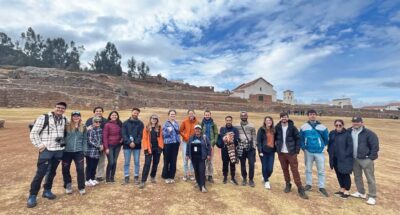
Sacred Valley & Maras Salt Mines Tour with Lunch
Read our review →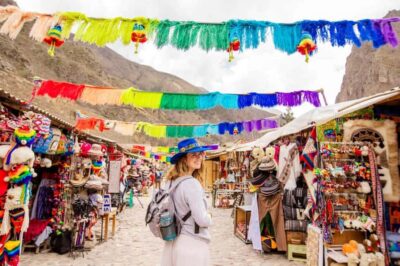
Sacred Valley, Pisac, Ollantaytambo, Salt Mines Moray
Read our review →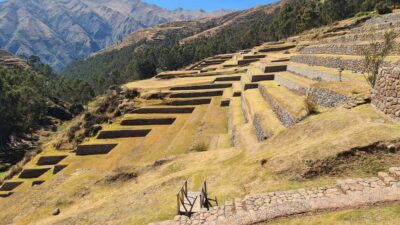

2-Day Trip to the Sacred Valley and Machu Picchu
Read our review →
Sacred Valley Pisaq,Ollantaytambo,Chinchero with Lunch
Read our review →
Full-Day Excursion to Sacred Valley, Pisac and Ollantaytambo from Cusco
Read our review →
Food and Culture Full day Tour in the Sacred Valley
Read our review →Browse the lists this tour appears in