
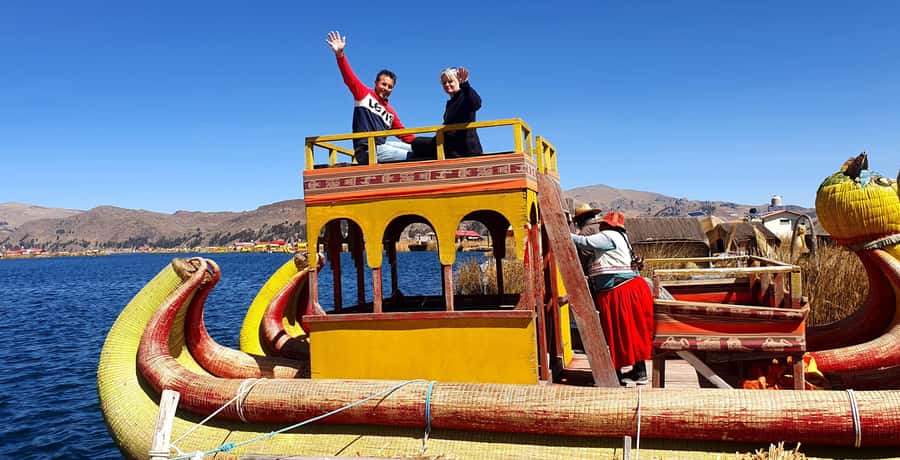
Reviewed · LAKE TITICACA TOURS
From Puno: 3-Hour Uros Floating Islands Tour
The Uros floating islands are built from layers of totora reeds, and walking on them feels unlike anything you can do on the mainland. You’ll cross Lake Titicaca by motorboat, meet island families, and see how fresh reeds keep an entire community afloat. The 3-hour schedule fits neatly into a short stay in Puno.
I like the choice of three departure times, especially the 3:00 PM option for anyone arriving late or saving the morning for another plan. I also like the chance to book a private or small-group outing, since guides such as Richard, Hugo, Omar, and Samuel have helped visitors ask more questions and set their own pace. The main drawback is that the visit can feel commercial, with craft sales and an optional reed-boat charge, and busy stops may not feel as personal as you hoped.
Key points to know before you go
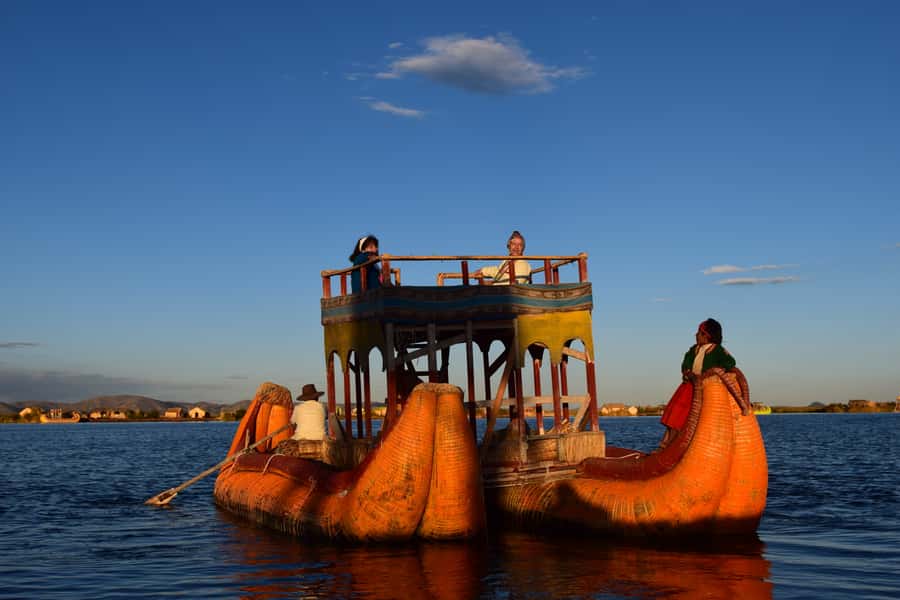
- Totora reeds hold the islands together: You’ll learn how the Uros build, repair, and re-layer the floating ground beneath your feet.
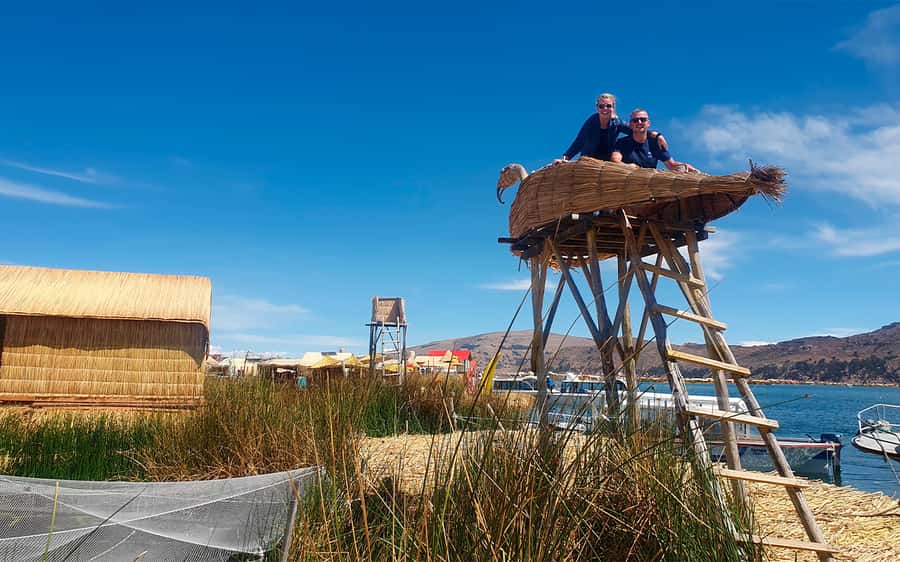
- Two islands offer two different moods: The first focuses on homes and community life, while the second has lookout platforms, crafts, snacks, and broad lake views.
- Private tours can change the experience: A private boat and guide give you more time for questions and less waiting for other people.
- The ride from Puno is short: Expect about 25 to 30 minutes each way, leaving roughly 90 minutes on the islands.
- The reed boat costs extra: A traditional totora boat ride lasts about 20 minutes and costs S/20, or about $5, paid directly to the families.
- The tour is not wheelchair accessible: You should also bring a passport or ID card.
Why the Uros islands are worth your morning
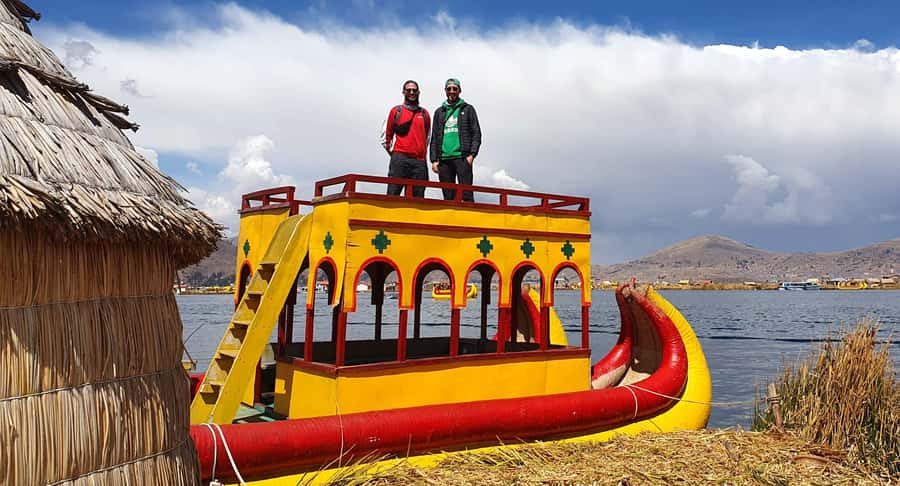
Puno sits high above Lake Titicaca, but the Uros islands feel like a separate world. The islands are made from totora reeds, a plant that grows around the lake. Reeds form the ground, houses, boats, and many of the objects sold to visitors.
The important thing is not simply that the islands float. It is that the Uros must keep adding new reed layers as older material breaks down. Your guide will explain this process on the first island, where you can walk near family homes and see how daily life is arranged on a small patch of floating ground.
I find this most useful when you treat the visit as a chance to understand a living culture, not just to take a clever photograph. The tour gives you a direct introduction to the Uros way of life, but the setting is also built for visitors, so you should expect a mixture of cultural explanation, shopping, and staged demonstrations.
The experience has earned a 4.4 rating from 67 reviews, with especially strong praise for the guides and private outings. Several guides are named in the feedback: Richard, Hugo, Omar, and Samuel. Their value is not just translation. A good guide gives you the background needed to understand what you are seeing and helps conversations with local families go beyond a quick photo.
more lake titicaca island days
- From Puno: Uros, Amantaní & Taquile Islands 2-Day Tour
★ 4.5 · 452 reviews - From Puno: Floating Islands of the Uros Half-Day Tour
★ 4.4 · 394 reviews - Lake Titicaca 2-Day Tour to Uros, Amantani and Taquile
★ 4.4 · 199 reviews
From Puno’s parks to the lake
Pickup is available from central meeting points including Plaza Mayor de Puno, Pino Park, and Parque de las Aguas. Hotel pickup and drop-off are included when available through the booking arrangement, though the listed meeting points may be used instead.
At the port, you board a motorboat with panoramic windows. The ride takes about 25 minutes according to the itinerary, or roughly 30 minutes in the general description. Either way, this is a manageable crossing rather than a long boat trip.
The ride gives you time to watch Puno recede and the open water stretch toward the Andes. A top deck is available on some boats, and one visitor particularly liked it for the views. Bring a warm layer, even if the day begins in sunshine. The high altitude and open water can make the ride feel cooler than expected, although the supplied details do not specify onboard heating.
Three departures run daily at 9:00 AM, 12:00 PM, and 3:00 PM. The early trip is useful if you want the rest of the day free, while midday can fit around an earlier arrival in Puno. The 3:00 PM departure helps if your morning is already occupied, though you should check the available start time before booking.
The first floating island: homes, reeds, and daily life
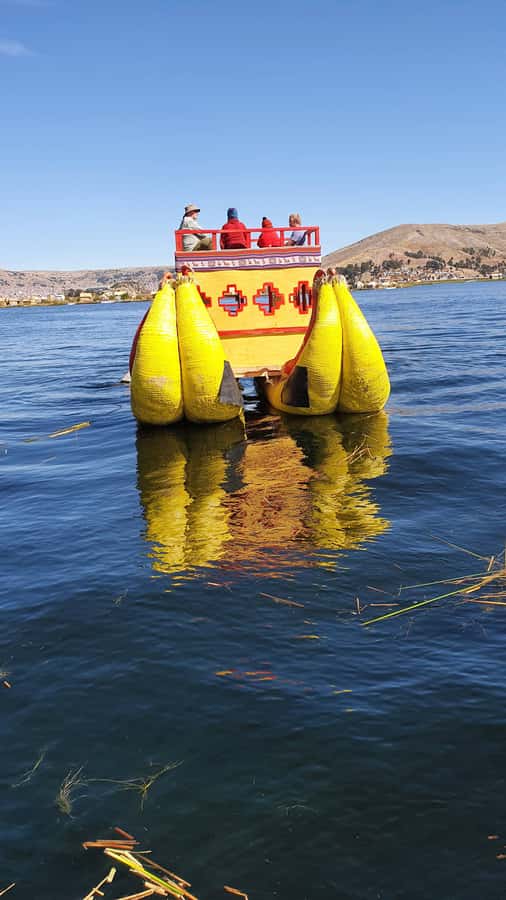
The first island is the main teaching stop. Here, your guide explains how the Uros build the islands and how the families maintain them. You’ll hear about the layers of totora reeds and the need to add fresh material as the lower layers decay.
You can walk around the island, visit family houses, and ask questions about daily routines. This is the part of the tour that gives the visit its substance. Without it, the islands would be little more than an unusual photo stop. With a good bilingual guide, the reeds become an explanation of how people adapt their homes and work to life on the lake.
Several guides received specific praise for their English and personal approach. Richard is described as especially good for one-on-one questions. Omar grew up on the floating islands, which gives him a direct connection to the place. Samuel was praised for explaining not only the Uros people but also the lake and wider Puno region. Hugo is also named as a friendly guide with a strong interest in local history.
You may be invited to try on traditional Uros clothing for a photograph. That can be fun, but I would keep your expectations sensible. It is a short visitor activity, not a full cultural performance, and your most useful time may come from asking how the islands are built or how families use the limited space.
The first island can also be the point where the tour feels most commercial. Families may show you handmade goods and encourage purchases. Buying something is optional, but you should be ready for sales conversations. One visitor found that interaction with the Uros people focused mainly on buying things, while another felt the experience was intimate and personal. Both reactions are possible, depending on the crowd, the guide, and your own expectations.
The second island and its wide lake views
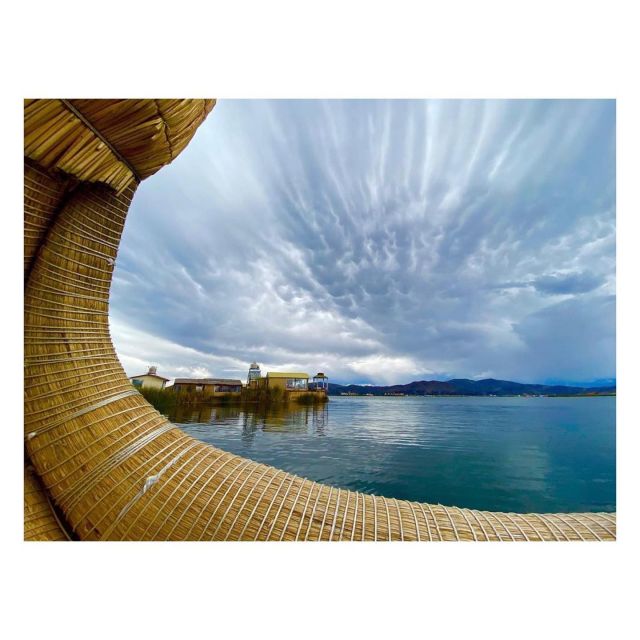
The second stop is described as more relaxed. Wooden lookout platforms give you open views across Lake Titicaca, and you’ll have time to look around at your own pace.
This is a good place to step back from the explanations and take in the setting. The lake and distant Andes provide the broadest views of the outing, while the first island is better for learning about construction and family life.
You can browse handmade crafts, get a snack, or have your passport stamped with a Uros seal. The stamp is a small keepsake rather than a major attraction, but it gives the stop a bit of character. Meals are not included, so snacks or purchases here are at your own expense.
The second island is also where you may notice the limits of a short tour. The total visit to the islands lasts about 1.5 hours, with the rest of the three-hour schedule used for boat travel and transfers. That is enough for an introduction, but not enough for a slow, unstructured visit.
more Puno days to weigh up
- Cusco: 3-Hour Horse Riding Tour to the Temple of the Moon
★ 5.0 · 105 reviews - 5 iconic restaurants of Lima a 3-hour guided food tour in Barranco
★ 4.5 · 48 reviews - Belen Market & Floating City 2-3 Hour Private Tour
★ 4.9 · 38 reviews - Private Guide in Machu Picchu for 3 Hours
★ 4.2 · 17 reviews
Should you take the optional reed-boat ride?
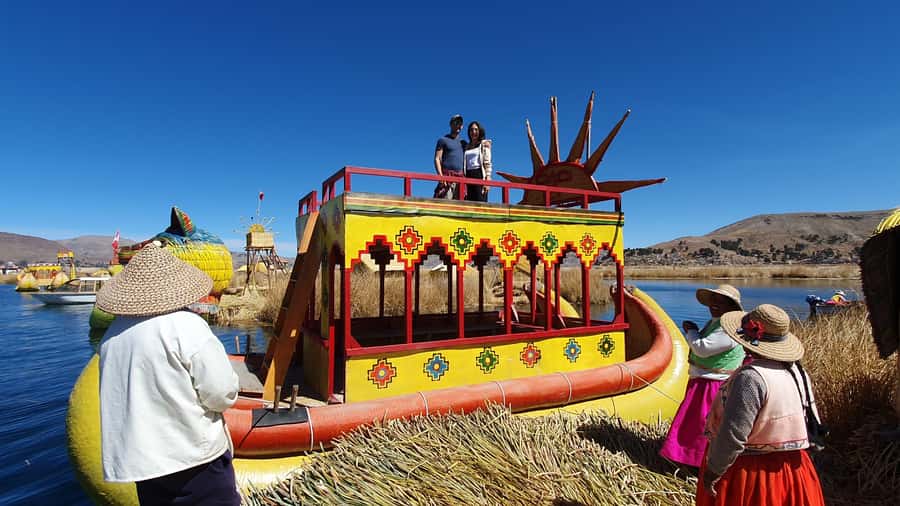
A traditional totora reed-boat ride costs S/20, or about $5, and lasts approximately 20 minutes. You pay the families directly, and the ride is not included in the tour price.
I see this as an optional add-on rather than a must-do. It gives you another way to experience the reed construction and creates a memorable view of the islands from the water. If you have never ridden in a reed boat, the small extra cost may be worthwhile.
On the other hand, the boat transfer to and from Puno already gives you plenty of time on the lake. If you are trying to keep the outing simple or avoid extra purchases, you can skip the ride and use the free time to walk, ask questions, or look across the water from the lookout platform.
Private or small group: the choice that matters most
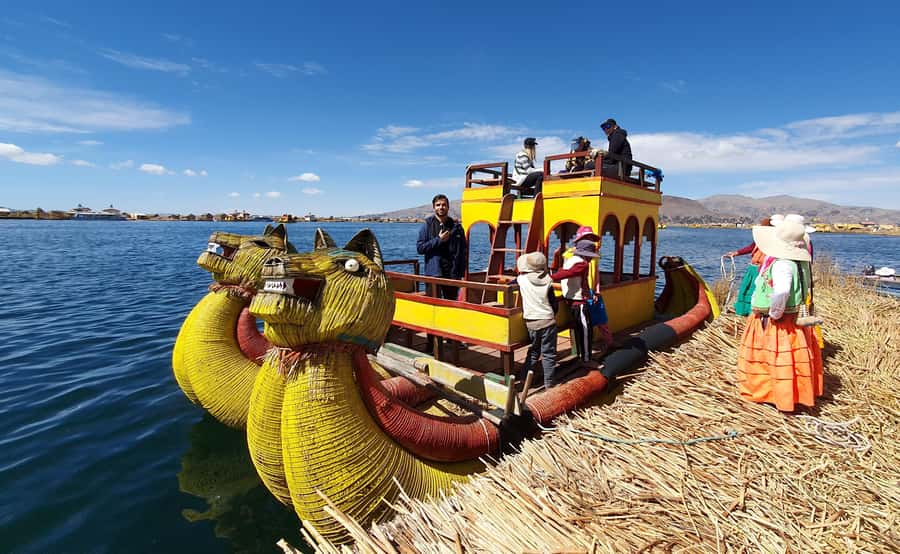
The basic price is $39 per person, including the guide, entrance fees, motorboat transportation, and hotel pickup and drop-off. For a three-hour excursion, that is a fair price if you want a straightforward introduction to the Uros islands without arranging transport yourself.
The biggest decision is not the departure time. It is the group format. Private and small-group options are available, and several people found that the extra cost made a real difference. One couple paid about $30 more for a private arrangement and received a private boat, more control over timing, and direct time with a local family. Another private group appreciated not having to wait for anyone else.
A private option can also help if you want to ask detailed questions or are traveling with family. Guides such as Richard were praised for clear English and a personal approach. You may be able to spend longer at a stop or move on sooner, depending on the arrangement.
The group option can still work well, especially when you want the lower price. One person felt that a group visit would have been perfectly suitable because there were not many people around at the time. Still, crowds vary, and another person found the islands busy and less personal.
Read the booking choices carefully. The private-tour option may not be immediately obvious in the booking screen, and you may need to scroll down to find the customization choices. If personal attention matters to you, confirm the group type before paying.
How authentic will the visit feel?
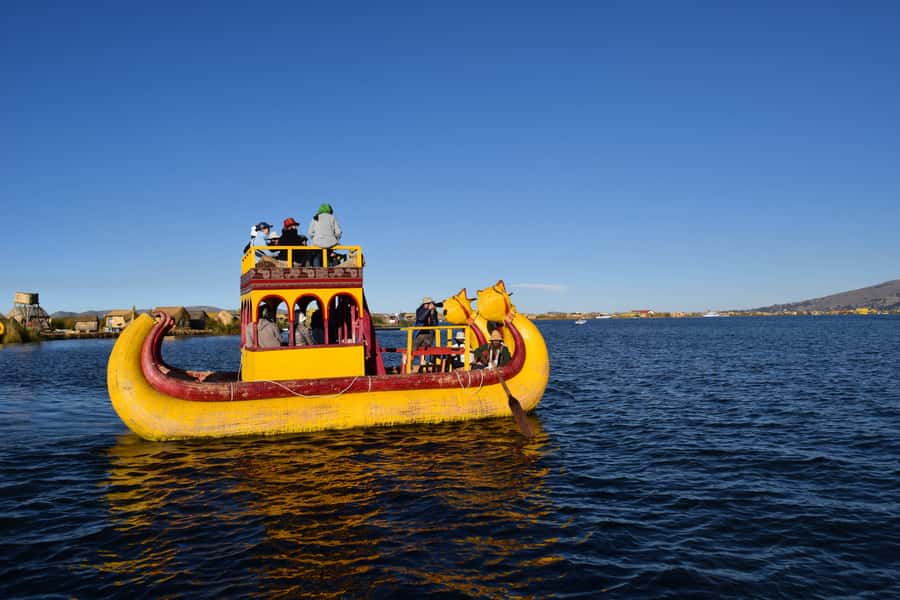
The Uros islands are a real place where Uros families live, but tourism is part of their economy and presentation. You should expect demonstrations, traditional clothing for photographs, handmade crafts, and possible requests to buy goods. That does not automatically make the visit false, but it does mean the experience has a visitor-facing side.
I would avoid expecting a quiet anthropological study. This is a short, organized introduction. You’ll be shown how the islands are made, meet families, and hear about their way of life, but you will also follow a set route and have opportunities to spend money.
Your guide has a major effect on how the visit feels. Ask practical questions about the reeds, house construction, cooking, education, work, and how families manage life on the lake. Guides such as Omar, who grew up on the islands, can add personal context. A private format gives you more time to ask those questions without holding up a larger group.
The most respectful approach is simple: ask before taking close-up photographs, listen when families explain their work, and buy only what you actually want. You can enjoy the visit without treating the community as a stage set.
Timing, comfort, and what to bring

The tour lasts three hours, including the boat ride from Puno and the return trip. It is a good fit for a half-day, especially if you have limited time in Puno or want to pair it with another activity.
Wear shoes that feel secure underfoot. The islands are made of reeds, and the surface may feel springy or uneven. The tour is not suitable for wheelchair users, so anyone with mobility concerns should consider the walking surface and boat transfers before booking.
Bring your passport or ID card. You may want it for identification, and it is also useful if you choose to get the Uros passport stamp. Meals are not included, so plan to buy a snack on the island or eat before or after the outing.
Smoking indoors is not allowed. The provided information does not list other restrictions, so ask the operator if you have a specific concern about luggage, photography, or mobility.
Free cancellation is available up to 24 hours before departure for a full refund, and you can reserve now and pay later. Those policies are useful if your Puno plans may change, but always check the exact terms shown for your selected departure and group option.
Who will get the most from this tour?
I would recommend this outing to you if you want a short, organized introduction to Lake Titicaca and have only half a day available. It suits first-time visitors who want to see the floating islands without arranging port transport, boat tickets, and a local guide separately.
Families may like the short travel time and the visual nature of the visit. The private option is especially helpful if children need a flexible pace. Couples and photographers may also prefer a private boat for quieter time on the water.
You may want a different plan if you dislike organized stops, sales activity, or staged cultural demonstrations. The tour gives you access to a remarkable community, but it does not promise a completely private or untouched encounter. If you book the standard group option during a busy period, the island may feel crowded.
Should you book the Uros floating islands tour?
Book it if you want an efficient, affordable way to see the Uros islands from Puno. The $39 price includes the guide, entrance fees, motorboat, and pickup arrangements, so the basic package offers solid value for a three-hour visit.
Choose the private or small-group version if your budget allows and you care about asking questions, avoiding delays, or setting your own pace. Guides such as Richard, Hugo, Omar, and Samuel have been praised for clear English and strong local explanations, but the private format gives that guidance more room to work.
Skip the optional reed boat if you want to avoid extra costs, and go in prepared for craft sales. With those expectations set, this is a memorable and practical introduction to one of Lake Titicaca’s most unusual communities.
FAQ
How long does the Uros floating islands tour last?
The tour lasts approximately three hours, including about 25 minutes of water transport each way and roughly 1.5 hours visiting the islands.
What departure times are available?
Departures are available at 9:00 AM, 12:00 PM, and 3:00 PM. Check availability for your preferred date and time.
Where can I meet the tour?
Pickup or meeting points include Plaza Mayor de Puno, Pino Park, Parque de las Aguas, and Puno. Hotel pickup and drop-off are included when arranged through the activity.
Is a guide included?
Yes. A live bilingual guide is included, with Spanish and English available. Guides named in the supplied information include Richard, Hugo, Omar, and Samuel.
Is the reed-boat ride included in the price?
No. The optional traditional totora reed-boat ride costs S/20, or about $5 per person, and lasts approximately 20 minutes.
Are meals included?
No. Meals are not included, although you can buy a snack during the island visit.
What should I bring?
Bring your passport or ID card. You should also wear secure footwear suitable for walking on reed surfaces.
Is the tour suitable for wheelchair users?
No. The experience is not suitable for wheelchair users.
Recently added around Puno
- From Puno: Travel to Cusco in Titicaca Train All Inclusive★ 3.9 · 3 reviews
- 5h tour from Puno to Aramu Muru portal and Inca Ruins★ 4.6 · 3 reviews
- Puno: Two-day excursion to Uros, Amantani and Taquile★ 4.2 · 3 reviews
- Discover the Celestial Wonder of Sillustani: Towers of Time★ 4.2 · 3 reviews
- FromPuno: Uros and Amantani Islands Full-Day Tour with Lunch★ 4.5 · 4 reviews
- From Puno: Excursion to Uros and Taquile Islands + Income★ 4.7 · 4 reviews
- Puno: Lake Titicaca, Uros, and Taquile Full-Day Tour★ 4.5 · 4 reviews
- Puno: 2-day Uros Kayak Tour with Homestay at Amantani Island★ 4.6 · 4 reviews
Lake Titicaca Tours, compared.

Lake Titicaca 2-Day Tour to Uros, Amantani and Taquile
Read our review →
Full-Day Tour of Lake Titicaca and Uros & Taquile
Read our review →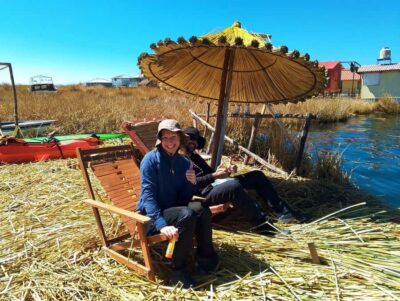

Browse the lists this tour appears in