
Reviewed · LAKE TITICACA TOURS
From Puno: Floating Islands of the Uros Half-Day Tour
The Uros islands seem to float like a carefully built illusion, but every island is made from layers of totora reeds, an aquatic plant gathered from Lake Titicaca. In about three hours, you can see how the reeds support homes, boats, cooking, and daily life for the Uros people.
I like the short format, which fits neatly into a busy day in Puno, and I like the chance to learn from local guides such as Freddy, Roly, Robbie, or Franky. The main drawback is that the visit includes a strong shopping element, and the traditional reed boat costs another 15 soles per person.
Key points to know before you go
- Totora reeds hold the islands together: You see how the plant is layered, woven, traded, and used in everyday life.
- The tour lasts three hours: That makes it a good choice if you have only a morning or afternoon free in Puno.
- Local guides add real context: Freddy and Franky, among others, grew up in the Uros community and can explain island life from personal experience.
- The reed boat costs extra: The traditional Balsa de Totora ride is not included and costs 15 soles per person.
- Expect shopping on the island: Local crafts and other goods are displayed for sale, so bring small spending money only if you want souvenirs.
- The lake views are part of the reward: The boat ride gives you a broad view of Lake Titicaca that you cannot get from Puno’s shore.
Why the Uros islands are worth three hours
The Uros floating islands are one of Lake Titicaca’s most unusual sights. Instead of walking onto a fixed piece of land, you step onto a surface built from totora, a reed that grows in the shallow waters of the lake.
The islands are linked with a long Uros tradition that reaches back to pre-Inca times. The tour presents this history in a compact way, helping you understand why the community developed such a close relationship with the water and the plants growing in it.
I find the visit most valuable when you pay attention to the practical details. The islands are not simply decorative platforms. Totora is used in their construction, in houses and boats, for cooking, and in food. That one plant supports much of the community’s material life.
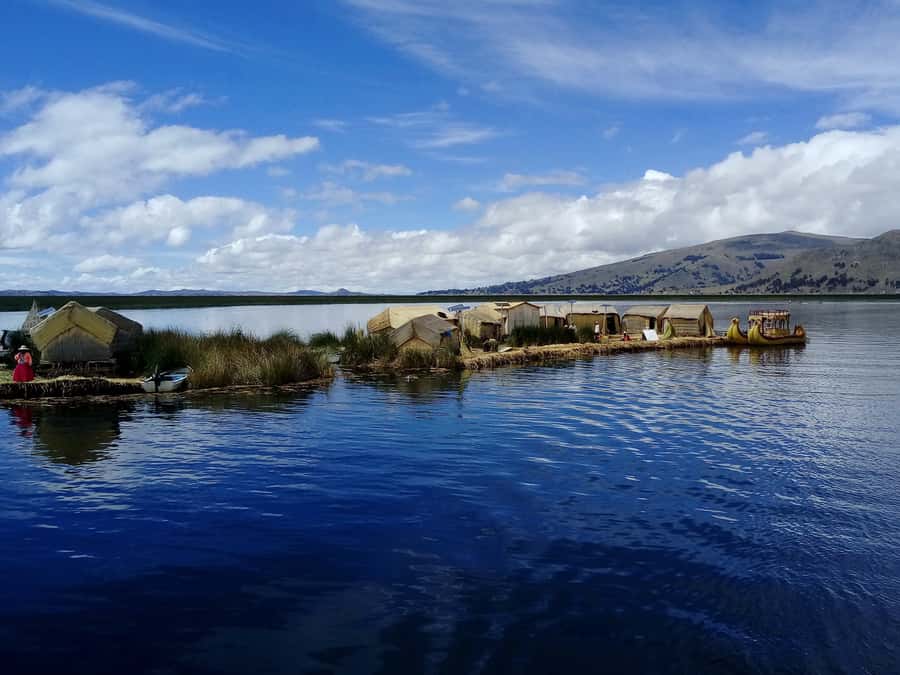
The setting also gives you a fresh view of Lake Titicaca. From Puno, you see the lake from the edge. From the boat and the floating islands, you are surrounded by open water, wide skies, and the unusual sight of homes and walkways resting on reed foundations.
more lake titicaca island days
- From Puno: Uros, Amantaní & Taquile Islands 2-Day Tour
★ 4.5 · 452 reviews - Lake Titicaca 2-Day Tour to Uros, Amantani and Taquile
★ 4.4 · 199 reviews - Puno: Full-Day Tour of Lake Titicaca and Uros & Taquile
★ 4.4 · 178 reviews
Leaving Puno for the lake
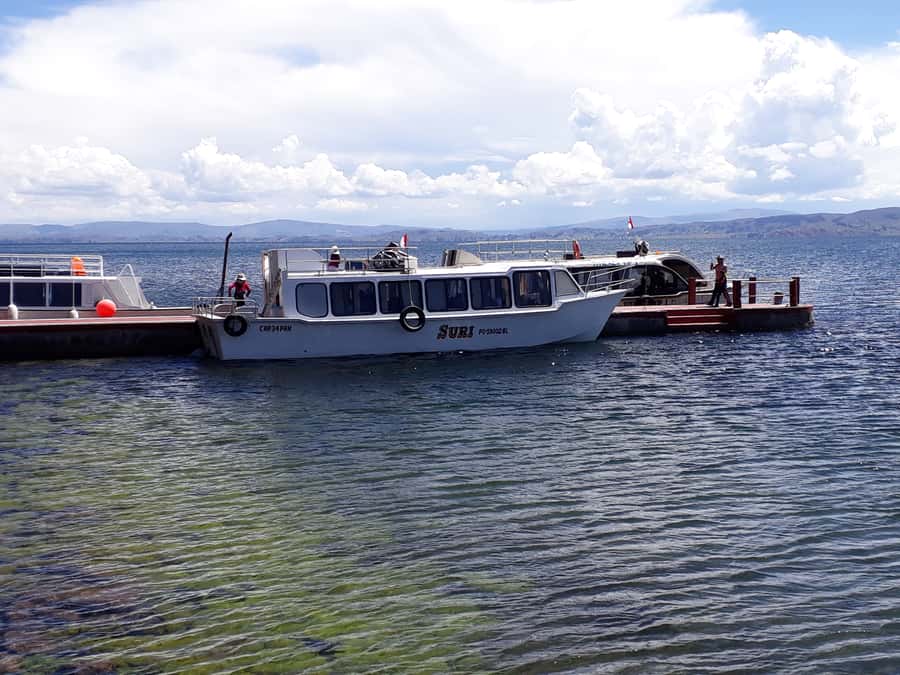
If you select hotel pickup, the tour collects you from a hotel in central Puno. The van ride to the port takes about 10 to 15 minutes, depending on the exact pickup point.
At the port, you board the boat for the trip to the Uros islands. The ride takes roughly 30 minutes each way, so transportation is a meaningful part of the three-hour schedule rather than a quick transfer between stops.
I like this timing because it gives you a real sense of the lake without committing to a full-day trip. You get enough time to watch Puno recede, take in the open water, and prepare for the change from city streets to a reed-built community.
The boat itself has been described as clean and comfortable, although the exact vessel and group size can vary. Some departures have been intimate, even with only two people aboard, while others may bring together a larger group at the island.
Bring your passport or ID card. Large bags and luggage are not allowed, so this outing works best when you leave your main bags at your hotel or with your accommodation.
Stepping onto a totora island
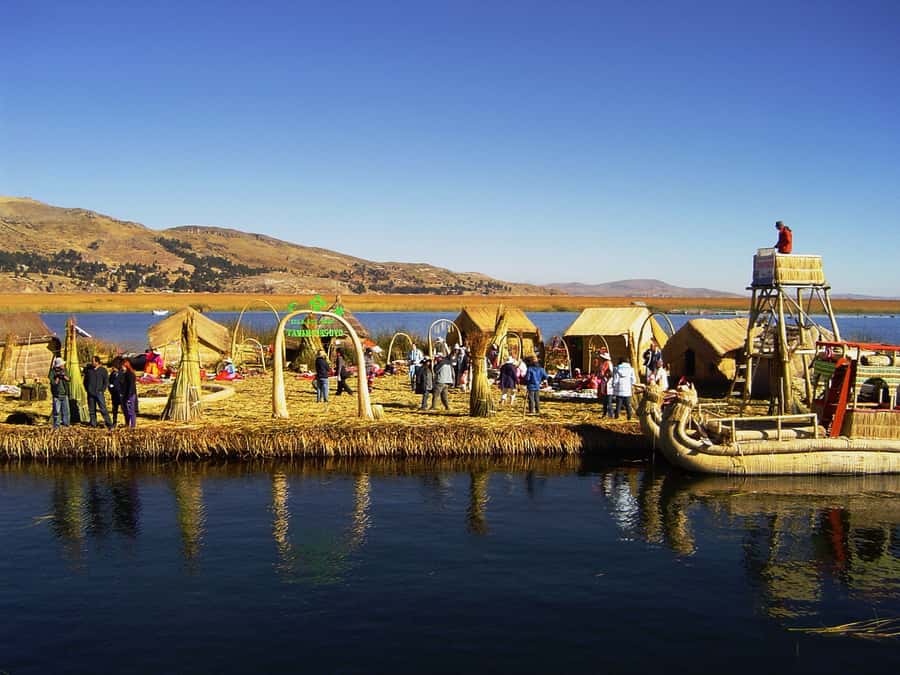
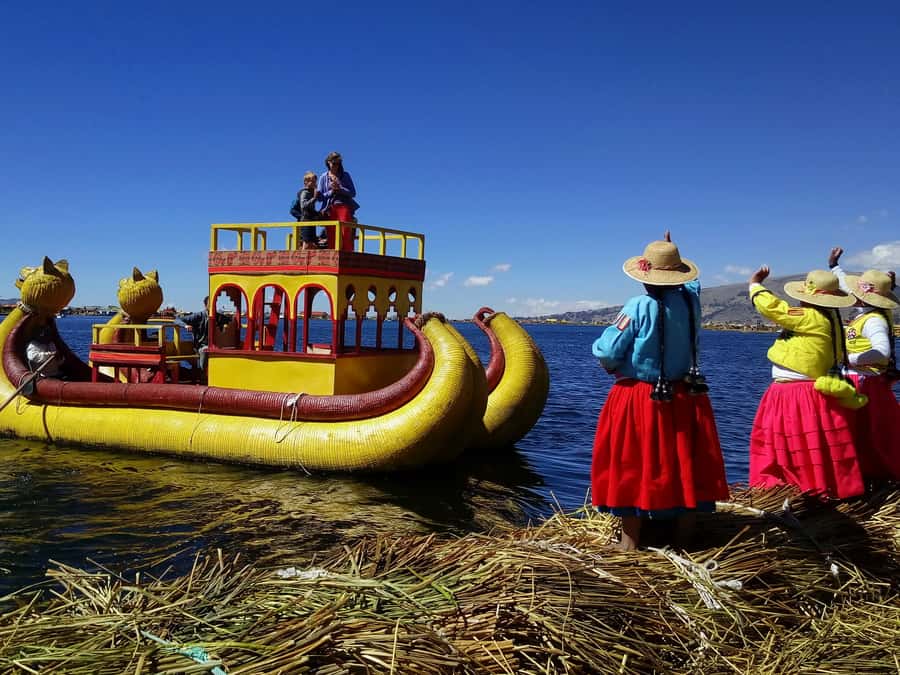
The first sight is the main event: a low, golden-brown island made from plant material, with reed houses, pathways, boats, and views in every direction. The surface can feel surprising underfoot because you are walking on layers of reeds rather than solid earth.
A local host explains how the island is built. Totora is woven and laid down in layers, with fresh material added over time as the upper reeds decay. This constant maintenance is part of what keeps the surface usable.
The demonstration turns an extraordinary sight into something you can understand. You are not only looking at an island. You are learning how people gather a local plant, shape it, and use it to create a place to live.
The community is often described as numbering around 2,000 people across roughly 80 floating islands. The tour gives you an introduction to this way of life, not a complete portrait of every Uros family or island. Keep that distinction in mind: this is a short cultural visit, not an extended stay in the community.
Guides who grew up on the islands can make the explanation more personal. Freddy is especially associated with clear English, Spanish, and Aymara, while Roly and Franky have also been praised for explaining the community in an approachable way. Your guide may be someone else, but English and Spanish guiding are offered.
What you actually do during the 105-minute island visit
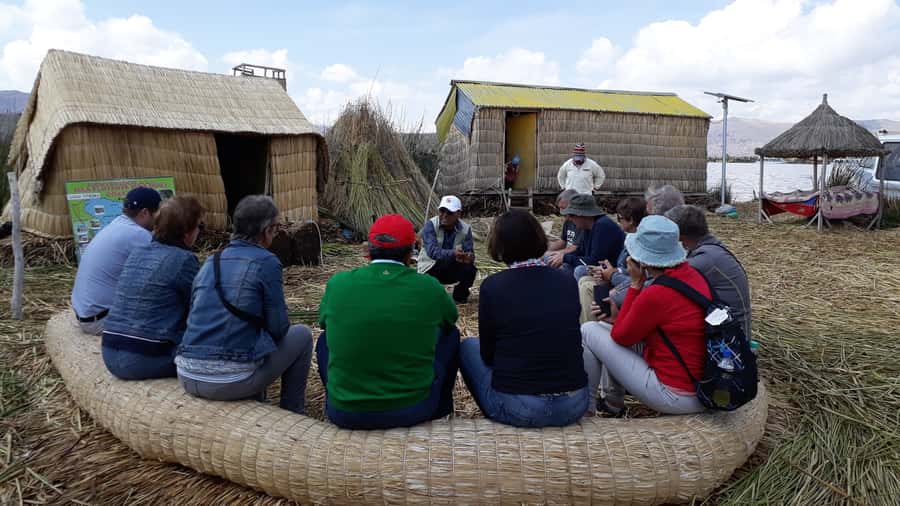
You spend about 105 minutes on the islands, including the guided talk, walking time, photos, shopping, and the optional boat activity.
The guided portion covers the island’s construction, the history of the Uros, and the uses of totora. You may also learn a few Aymara phrases, depending on your guide. This is a nice touch because it connects the visit with the language and identity of the people you are meeting.
You have free time to look around and take photographs. The views are excellent, especially with the reed structures and the lake forming the backdrop. If you book an afternoon departure, the return boat may reach Puno near sunset, which can add a fine final scene to the outing.
The island hosts may invite you to see local clothing, crafts, carpets, or other goods. You may also be invited to wear traditional clothing for photographs. These moments can be fun, but the sales presentation is part of the experience and can feel more forceful than some people expect.
I suggest deciding in advance how you want to handle shopping. Buy something if you find a useful or meaningful craft, but do not feel that you must purchase an expensive item to show respect. Some people found the prices higher than elsewhere in Peru, while others appreciated buying directly from the local community.
more Puno days to weigh up
- Sillustani: Chullpas de Sillustani Afternoon Half-Day Tour
★ 5.0 · 6 reviews - Cusco: Half-Day City Tour with Sacsayhuaman and Q’enco
★ 4.6 · 1,129 reviews - Lima’s Vibrant Heritage: Exploring the City’s Landmarks Half-day
★ 4.5 · 581 reviews - Lima: Pachacamac Ruins & Barranco Half-Day Guided Tour
★ 4.6 · 296 reviews
The extra reed boat ride and second island stop
The traditional reed boat ride is not included in the advertised price. It costs 15 soles per person and is paid directly to the Uros people on the spot.
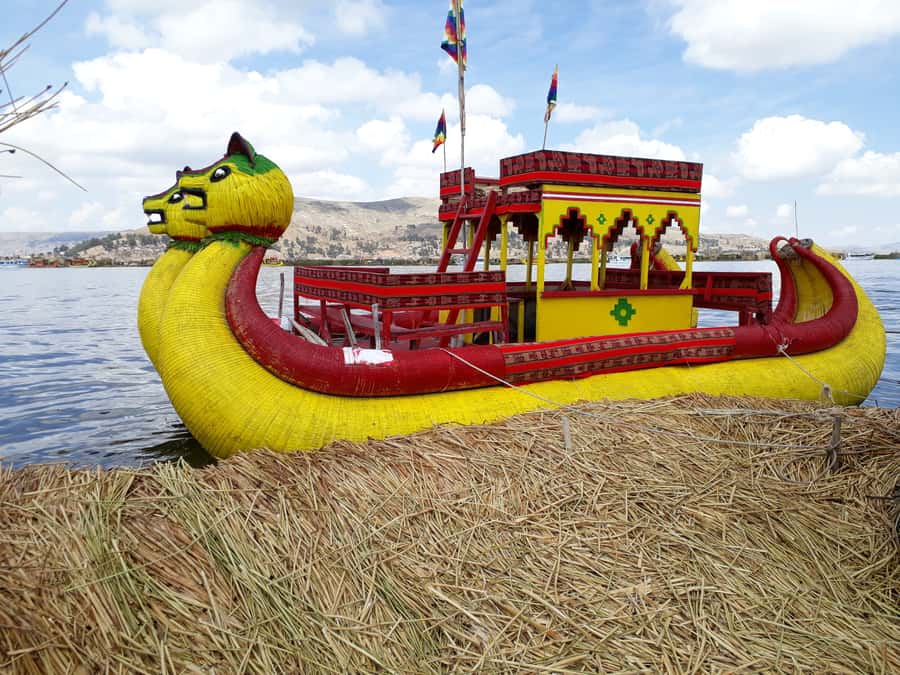
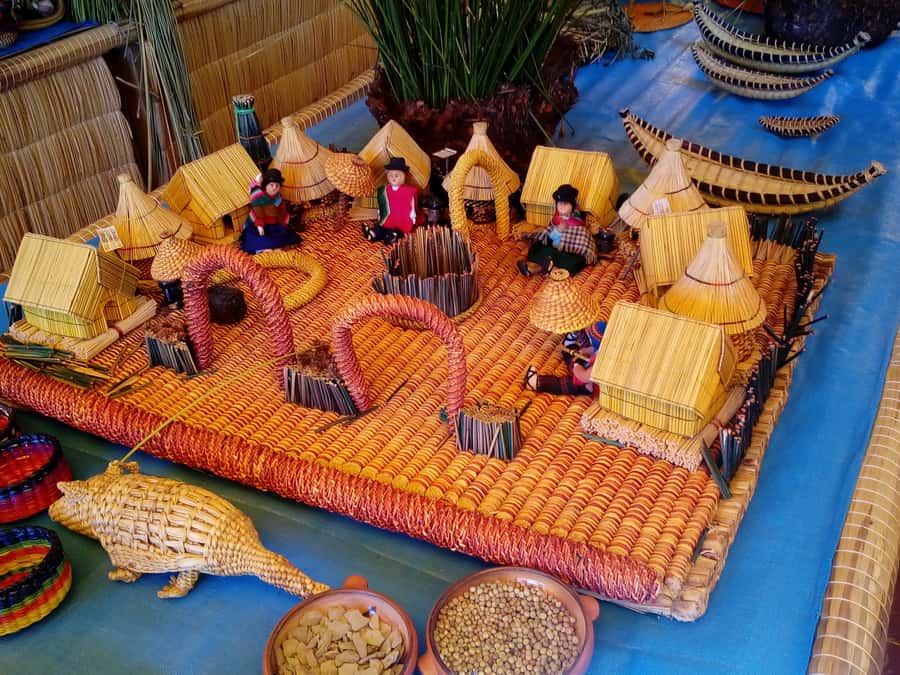
The boat, called a Balsa de Totora, is made from the same aquatic plant used to construct the islands. It offers a close look at traditional water transport and can be a pleasant part of the visit, especially if you want a more hands-on experience.
Still, you should know exactly what you are paying for. The ride is an optional extra in the tour description, but some departures treat it as a standard part of the island program. One practical review described the payment as effectively required, so bring 15 soles per person if you want to avoid confusion.
The boat often takes you toward another island or a small stop with basic facilities such as a restaurant and toilet. Do not expect a second major cultural visit. The main value is the ride itself, not necessarily what you find at the destination.
If your priority is seeing more homes and families, you may prefer to spend that time on the first island. If you enjoy traditional transport and want the full experience, the extra fee is modest. Ask your guide what the stop will include before paying.
How the shopping affects the cultural visit
The commercial side deserves an honest explanation. The Uros community sells crafts, clothing, and other goods, and the tour makes room for these sales after the cultural demonstration.
This is understandable because tourism helps support local livelihoods, but it can change the tone of the visit. You may move from learning about island construction to looking at carpets and souvenirs fairly quickly.
The pressure is not the same on every departure. Some people found the hosts friendly and relaxed, while others felt the sales pitch was hard to escape or noticed that similar products were cheaper elsewhere.
I would treat shopping as an optional part of the visit, not its purpose. Listen to the explanation, look carefully at the handmade items, and buy only what you genuinely want. A small purchase made directly from the community can be a thoughtful way to support the people who host the tour, but it should not be an obligation.
Price, timing, and overall value
At $10 per person, this is an unusually affordable way to reach the Uros islands. The price includes the boat transfer, island entrance, and bilingual English and Spanish guiding. Central Puno hotel pickup and drop-off are included if you choose that option.
The low price makes sense only when you account for the extras. Food and drinks are not included, and the reed boat requires another 15 soles per person. Even with that addition, the outing remains good value for someone who wants a focused introduction to Lake Titicaca.
The three-hour length is a major advantage. A full-day Lake Titicaca trip may suit you if you want a longer excursion, but this half-day option leaves room for Puno’s sights, meals, rest, or onward travel.
The schedule typically includes about 10 minutes by van, 30 minutes by boat, 105 minutes on the islands, and the return journey. Allow a little flexibility around the stated three hours because pickup and drop-off times can vary.
Who should book this half-day tour
This tour suits you if you are staying in Puno for a short time or want a manageable first look at Lake Titicaca. It is also a good match if you want a cultural visit without giving up an entire day.
You will get the most from it if you are curious about construction methods, local materials, and the practical side of island life. The experience is more than a photo stop, but it is still a brief and organized introduction.
It may not suit you if you dislike commercial visits or do not want to walk on an uneven surface. The activity is not suitable for people with mobility impairments, and pets and large bags are not allowed.
The tour runs in sun or rain, so bring protection for changing weather. Lake Titicaca can look calm and bright, but the open setting makes weather more noticeable than it is in town.
A few practical tips for a better visit
- Bring your passport or ID card, as requested for the activity.
- Carry 15 soles per person if you may take the reed boat.
- Wear shoes that feel secure on a soft or uneven reed surface.
- Bring a light rain layer and sun protection because the tour operates in all weather.
- Leave luggage and large bags at your hotel.
- If you dislike shopping pressure, say politely that you are only looking.
- Consider an afternoon departure if you would like the possibility of returning near sunset.
- Listen for details from the guide about the specific island and host you visit, since the style of the presentation can vary.
Should you book it?
Book this tour if you want a short, inexpensive way to see one of Lake Titicaca’s most unusual communities. The reed construction demonstration, open-water ride, and chance to meet local hosts make it a worthwhile addition to a Puno stay.
Go in with realistic expectations. This is a structured cultural visit with shopping and an optional paid boat ride, not an untouched encounter with island life. If that balance works for you, the three-hour format offers a lot for the money, especially when you have only part of a day available.
FAQ
How long is the Uros floating islands tour?
The tour lasts about three hours, including van transfers, boat travel, and time on the islands.
Where does the tour begin?
Pickup is available from hotels located in central Puno if you select the pickup option.
How long does the boat ride to the islands take?
The boat trip from Puno’s main port to the Uros islands takes about 30 minutes. The return journey also takes about 30 minutes.
Is the entrance fee to the Uros islands included?
Yes. Entrance to the Uros island is included in the tour price.
Is a tour guide included?
Yes. The tour includes a live bilingual guide in English and Spanish.
Who might lead the tour?
Guides can vary, but named guides associated with departures include Freddy, Roly, Robbie, and Franky. Freddy and Franky have been described as having grown up in the Uros community.
Does the traditional reed boat ride cost extra?
Yes. The Balsa de Totora ride is not included and costs 15 soles per person, paid directly to the Uros people.
Are food and drinks included?
No. Food and drinks are not included in the tour price.
What should I bring?
Bring your passport or ID card. Sun and rain protection are also useful because the tour operates in both sunny and rainy conditions.
Can I bring luggage or a pet?
No. Pets and large bags or luggage are not allowed on the activity.
Is the tour suitable for people with mobility impairments?
No. The activity is listed as unsuitable for people with mobility impairments.
Can I cancel the booking?
You can cancel up to 24 hours in advance for a full refund. You can also reserve now and pay later, which keeps your plans flexible.
Recently added around Puno
- From Puno: Travel to Cusco in Titicaca Train All Inclusive★ 3.9 · 3 reviews
- 5h tour from Puno to Aramu Muru portal and Inca Ruins★ 4.6 · 3 reviews
- Puno: Two-day excursion to Uros, Amantani and Taquile★ 4.2 · 3 reviews
- Discover the Celestial Wonder of Sillustani: Towers of Time★ 4.2 · 3 reviews
- FromPuno: Uros and Amantani Islands Full-Day Tour with Lunch★ 4.5 · 4 reviews
- From Puno: Excursion to Uros and Taquile Islands + Income★ 4.7 · 4 reviews
- Puno: Lake Titicaca, Uros, and Taquile Full-Day Tour★ 4.5 · 4 reviews
- Puno: 2-day Uros Kayak Tour with Homestay at Amantani Island★ 4.6 · 4 reviews
Lake Titicaca Tours, compared.

Lake Titicaca 2-Day Tour to Uros, Amantani and Taquile
Read our review →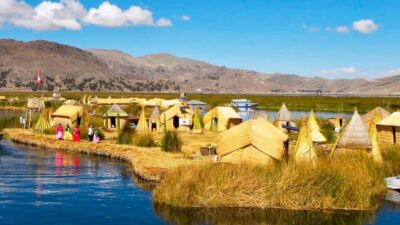
Full-Day Tour of Lake Titicaca and Uros & Taquile
Read our review →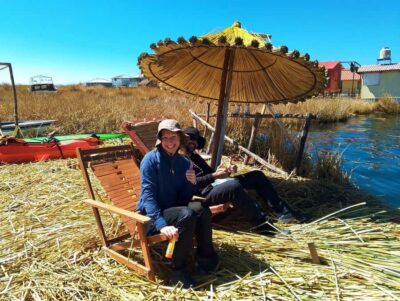

Browse the lists this tour appears in