
Reviewed · CUSCO TOURS
From Cusco: Ollantaytambo Fortress Half-Day Private Tour
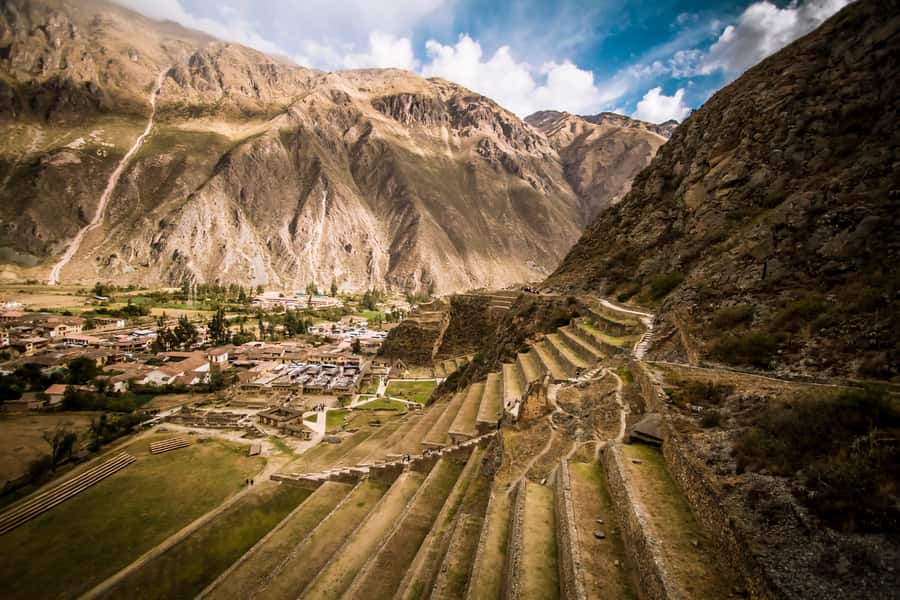
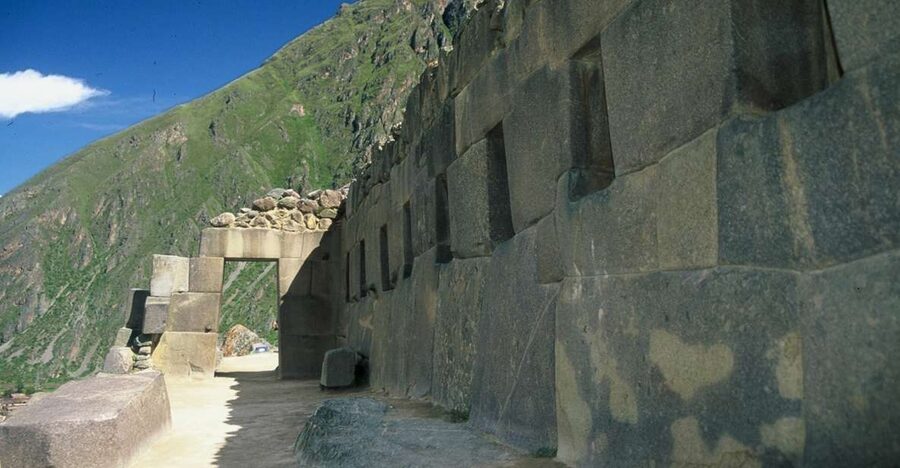
Ollantaytambo is more than a ruin above the Sacred Valley. It is a living Inca town, with narrow cobbled lanes, old canals, agricultural terraces, and homes built around shared courtyards. The fortress rises above it all, reached by 150 stone steps and crowned by the massive pink granite blocks of the Temple of the Sun.
I like the private format, which lets you explore the site at your own pace, and I like the unusual mix of archaeology and daily life. You are not only looking at abandoned walls. You also see a town where residents still follow traditions passed down from their Inca ancestors. The main drawback is that five hours goes quickly, and the steep climb can be tiring, especially at Cusco’s high altitude.
Key points to know before you book
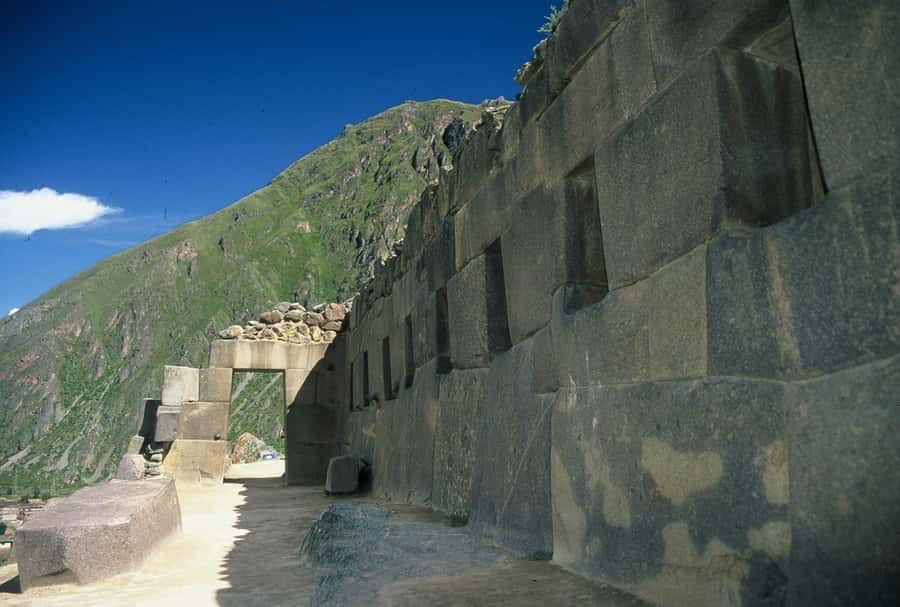
- The Temple of the Sun requires a climb: You will ascend about 150 steps from the lower part of the fortress to the upper ceremonial area.
- Six pink granite monoliths dominate the site: Each huge stone weighs more than 50 tons.
- Ollantaytambo is both ruin and living town: Its streets, canals, homes, and courtyards continue to be used.
- A private guide shapes the visit: English and Spanish guiding are available, with time to ask questions and move at your own pace.
- The Cusco Tourist Ticket is extra: You need the BTC to enter Ollantaytambo Fortress.
- Pickup is limited to Cusco’s Historic Center: Airbnb and private residence pickup is not included.
Why Ollantaytambo feels different from other Inca sites
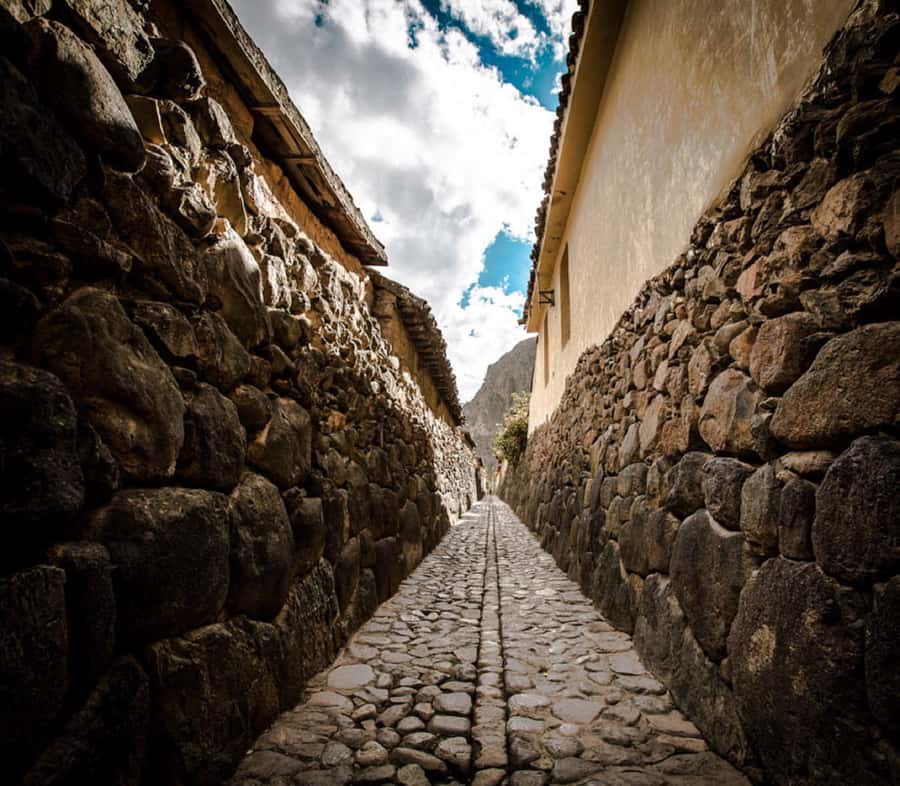
Many archaeological sites ask you to imagine how people once lived. Ollantaytambo gives you both the remains and the town that grew from them. The original street plan is still visible in the narrow lanes, and the old channels continue to shape the town’s layout.
The name Ollantaytambo comes from the Quechua Ulla-nta-wi, meaning place to see down. The name makes sense once you reach the fortress. From the upper terraces, you look across the town and along the Sacred Valley, with the Urubamba River below.
This was not simply a royal residence or a defensive wall. Ollantaytambo served as a religious, military, and agricultural center. The terraces helped support farming, the ceremonial buildings served religious purposes, and the high position made the site useful in battle.
That combination gives the visit more depth. You can look at the stonework, then connect it to food production, worship, defense, and town planning. I find that much more rewarding than a quick stop for photographs.
more Cusco days to weigh up
- Cusco: Half-Day City Tour with Sacsayhuaman and Q’enco
★ 4.6 · 1,129 reviews - Cusco: City Tour | Half-Day Tour to 4 Archaeological Sites
★ 4.6 · 206 reviews - Cusco: Half-Day City Tour
★ 4.2 · 129 reviews
The drive from Cusco and what the private format adds
The tour lasts five hours and includes round-trip transportation from hotels in Cusco’s Historic Center. The exact departure time depends on availability, so check the schedule before booking.
A private vehicle is useful here because the visit involves several different parts: the fortress, the archaeological terraces, and the town itself. With your own guide, you can spend more time on the details that interest you and less time waiting for a large group to gather.
Your guide speaks English or Spanish and accompanies you through the archaeological complex. The guide can also help connect the structures to the wider story of Ollantaytambo, including its role in the conflict between Manco Inca and the Spanish forces led by Hernando Pizarro. Manco Inca defeated those troops here, making the fortress important not only for its architecture but also for its place in the resistance to the Spanish conquest.
Pickup is included only from hotels in the Historic Center of Cusco. If you are staying in an Airbnb or another private residence, you need to contact the operator before the tour to arrange a meeting point. This is a small detail, but it matters. Do not assume a vehicle will come to an outlying address.
Climbing the 150 steps to the upper fortress
The main physical challenge comes early in the visit. From the lower section of the fortress, you climb roughly 150 steps to reach the upper area.
You should wear comfortable shoes with a good grip. The site has cobbled surfaces, stone stairs, and uneven ground. Comfortable clothing, sunscreen, and water are sensible choices for the bright Andean sun, although water is not listed as an included item.
The climb is not a technical hike, but it is still a real effort at altitude. Cusco sits high, and Ollantaytambo is also in the Andean highlands. Take your time rather than racing upward. The private format helps because you are not being pushed to match a large group’s pace.
At the top, the reward is the Temple of the Sun area and the broad view over the town and valley. The setting explains the Quechua meaning of Ollantaytambo better than any written description. You can see why this was a strong place to monitor movement through the valley.
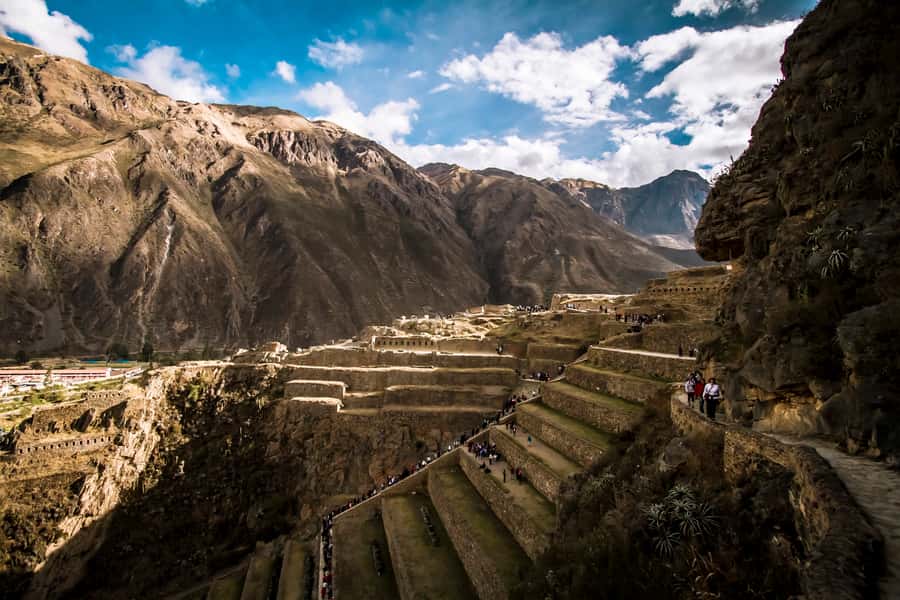
The climb also helps you read the fortress as a planned complex. The structures are not scattered randomly. Platforms, terraces, and large buildings work together, showing how the Incas used the slope for ceremony, agriculture, and defense.
The Temple of the Sun and its six giant stones
The Temple of the Sun is the visual centerpiece of the upper fortress. Its most striking feature is a row of six huge pink granite monoliths. Each weighs more than 50 tons.
The scale of these blocks is difficult to grasp from a photograph. You are looking at stones that had to be quarried, shaped, moved, and positioned without modern machinery. Their size draws attention immediately, but the careful stonework around them rewards a slower look.
The tour description also highlights the Terrace of the Ten Niches. This is another useful stop for understanding how the fortress was organized. Niches are a common feature in Inca architecture, and here they form part of the ceremonial and architectural design of the complex.
A guide is particularly helpful at this point because the stones alone do not explain the site’s full purpose. You can ask about the religious role of the upper buildings, the defensive position, and the relationship between the fortress and the town below.
Do not expect a quiet museum-style visit. This is an open archaeological complex, with stairs, terraces, and exposed stonework. The appeal comes from seeing the buildings in their mountain setting, not from polished indoor displays.
Somewhere else entirely, still within reach of Cusco:
- Cusco: Humantay Lake Tour with Breakfast and Buffet Lunch
★ 4.9 · 2,976 reviews - From Cusco: Sacred Valley & Maras Salt Mines Tour with Lunch
★ 4.8 · 2,227 reviews - From Cusco: Moray, Maras Salt Mines & Chinchero Weavers Tour
★ 4.8 · 1,925 reviews - From Cusco: Full-Day Group Tour of Machu Picchu
★ 4.7 · 1,767 reviews
Terraces, stone platforms, and the military story
Ollantaytambo’s agricultural terraces are one of the clearest signs that the complex was built for practical use as well as ceremony. The platforms climb the slope and show how the Incas made productive use of difficult mountain ground.
The stonework is impressive, but the terraces also tell you something about organization. A major center needed food, workers, storage, and water. Ollantaytambo’s agricultural design formed part of that larger system.
The fortress had a military role too. Its elevated position gave defenders control over the valley approach. This became important when Manco Inca faced Hernando Pizarro’s Spanish troops and won here.
That military episode adds a useful human layer to the visit. You are not only studying construction methods. You are standing in a place where the balance of power briefly shifted back toward the Inca side.
The site includes imposing buildings more than four meters high, along with platforms and walls made from carefully worked stone. Some areas feel grand and ceremonial, while others make more sense as part of a defensive or agricultural system. A good guide should help you move between those different functions instead of presenting Ollantaytambo as one single-purpose ruin.
Walking through the living Inca town
The half-day visit ends with a short stop in Ollantaytambo town. This part is easy to underestimate. The fortress gets the photographs, but the town may be the most distinctive part of the experience.
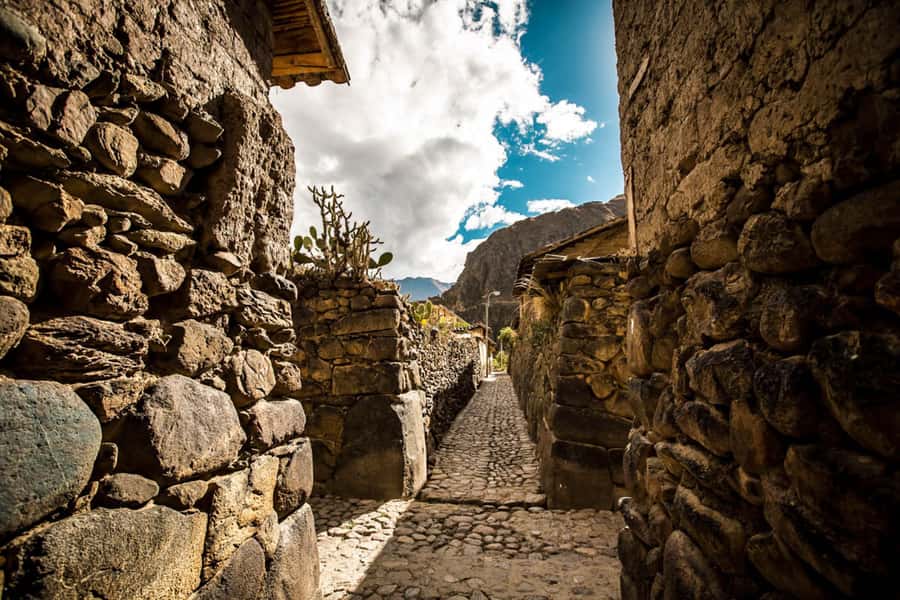
The streets are narrow, straight, and cobbled. Many have remained in continuous use since the Inca period. The old layout is still visible, with blocks and courtyards arranged around shared entrances.
Each block, or cancha, is made up of houses that open toward a central patio. Several homes share the same entrance, creating a pattern very different from the detached houses and broad streets familiar to many modern visitors.
The town’s canals are another detail worth noticing. Water channels run through the settlement and remind you that the Inca plan included daily needs, not only impressive public buildings.
The streets open toward the Urubamba River, and small shops add a modern layer without erasing the older layout. You may find the town more approachable than the upper fortress because it shows how Inca planning continues to shape ordinary life.
Residents still maintain traditions inherited from their Inca ancestors. The town is not a reconstructed park or an empty archaeological model. People live and work here. That makes it important to behave with care: keep the focus on the architecture and setting, and remember that the homes and courtyards are part of a real community.
What $126 per person gets you
At $126 per person, this is not the cheapest way to see Ollantaytambo. The price reflects a private five-hour outing from Cusco, round-trip hotel transportation from the Historic Center, and a bilingual professional guide.
The value is strongest if you want a focused visit without joining a larger group. You get direct access to your guide and can spend your limited time on the fortress and town rather than combining several Sacred Valley stops in a rushed day.
It is less attractive if you are already staying in Ollantaytambo or traveling through the Sacred Valley independently. In that case, paying for transportation from Cusco may not make sense.
The Cusco Tourist Ticket, known as the BTC, is not included. You must obtain it separately to enter the fortress, so add that cost to your budget. Personal expenses are also extra, including anything you choose to buy in town.
There is a tax note for Peruvian citizens and foreign passengers who have stayed in Peru for more than 60 days. The listed rates do not apply in those cases because sales taxes are not included in the stated total and may be collected by the local operator.
Who will enjoy this half-day tour most
I would recommend this outing to you if you want to focus on Ollantaytambo rather than squeeze several Sacred Valley sites into one long day. The private setup suits couples, families with older children, and small groups that prefer to ask questions and move at a comfortable pace.
It also works well if you are staying in Cusco and want a guided introduction before continuing elsewhere in the Sacred Valley. Ollantaytambo is about 80 kilometers from Cusco and about 40 kilometers from Machu Picchu, so its location can fit naturally into a wider Peru itinerary.
The tour is not suitable for wheelchair users. The stairs, uneven cobbles, terraces, and archaeological terrain make the site difficult to navigate with a wheelchair.
You should also think carefully about the 150-step climb if you have trouble with stairs or are still adjusting to the altitude. Comfortable shoes are essential. The tour is only five hours, but the physical effort can make it feel more demanding than a simple town walk.
Practical advice for making the most of the visit
Wear shoes you can trust on stone steps and uneven paths. Sandals or smooth-soled shoes will make the climb less comfortable.
Use sunscreen and wear comfortable clothes. The site is outdoors, and bright high-altitude sunlight can catch you off guard even when the air feels cool.
Keep some time for the town after the fortress. It is tempting to hurry through the streets after seeing the large stones above, but the old courtyards, canals, and narrow lanes explain how Ollantaytambo remains connected to its Inca design.
Confirm your pickup location before the day of the tour. Hotel pickup is available from the Historic Center, but private residences are excluded unless you arrange a meeting point in advance.
Finally, purchase the BTC before you go. Without it, the included transportation and guide do not solve the main entry requirement.
Should you book the Ollantaytambo Fortress tour?
Book it if you want a private, focused look at one of the Sacred Valley’s most important Inca centers, with transportation from central Cusco and a bilingual guide to explain the fortress and town.
The strongest reasons are the scale of the Temple of the Sun, the chance to walk through a living Inca street plan, and the freedom of a private group. The main cautions are the extra BTC cost, the limited five-hour schedule, and the steep, uneven climb.
If you value context and convenience, $126 per person can be fair for a private outing. If you are watching every dollar or already have transport through the valley, independent visiting may offer better value. For many people based in Cusco, though, this is a practical way to see Ollantaytambo without giving up the town’s human side.
FAQ
How long does the Ollantaytambo tour last?
The tour lasts five hours, including transportation from Cusco’s Historic Center, the fortress visit, and the short walk through Ollantaytambo town.
Is transportation from Cusco included?
Yes. Round-trip transportation is included for pickups and drop-offs at hotels located in Cusco’s Historic Center.
Can I be picked up from an Airbnb?
Pickup from private residences and Airbnb properties is not included. You should contact the operator several days before the tour to arrange a meeting point.
Is the Cusco Tourist Ticket included?
No. You need to purchase the Cusco Tourist Ticket, or BTC, separately to visit Ollantaytambo Fortress.
What languages does the guide speak?
The professional guide can conduct the tour in English or Spanish.
Is this a private tour?
Yes. The activity is operated for a private group rather than as a shared group tour.
How difficult is the fortress visit?
You climb about 150 steps from the lower section of the fortress to the upper area. Comfortable shoes and clothing are recommended, and the site is not suitable for wheelchair users.
Can I cancel the booking?
You can cancel up to 24 hours in advance for a full refund. The activity also offers a reserve-now, pay-later option.
Recently added around Cusco
- Palcoyo colored mountain hike + stone forests★ 4.6 · 3 reviews
- Maras Moray★ 5.0 · 3 reviews
- Full-Day Condor Viewpoint & Inca Sites Tour★ 5.0 · 3 reviews
- From Cusco: Vinicunca Mountain of Colors Excursion + Ticket★ 5.0 · 3 reviews
- Excursion Cusco – Puno – Titicaca Observatory Train★ 5.0 · 3 reviews
- Machu Picchu: Private Tour Guide Service for up to 15 people★ 4.5 · 3 reviews
- Machu Picchu: 1-day tour by Vistadome Observatory train★ 5.0 · 3 reviews
- Cusco: Chonta Canyon and Condor Flight Tour with Lunch★ 5.0 · 3 reviews
Cusco Tours, compared.
Humantay Lake Tour with Breakfast and Buffet Lunch
Read our review →
Sacred Valley & Maras Salt Mines Tour with Lunch
Read our review →
Moray, Maras Salt Mines & Chinchero Weavers Tour
Read our review →


Half-Day City Tour with Sacsayhuaman and Q’enco
Read our review →
Sacred Valley, Pisac, Ollantaytambo, Salt Mines Moray
Read our review →