
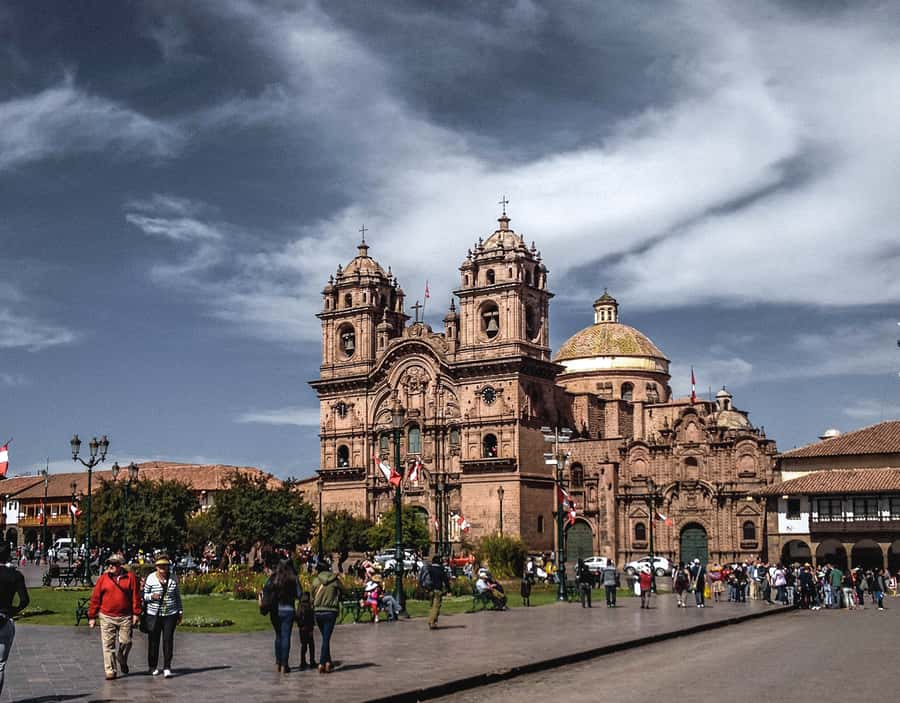
Reviewed · CUSCO TOURS
Cusco: Half-Day City Tour
Cusco’s best introduction may be its stonework. In six hours, you move from the city’s Spanish cathedral to Inca sites built with huge, tightly fitted blocks, ceremonial rock, water channels, and old military walls. Sacsayhuaman is the star, but the smaller sites help you understand how the Inca capital was protected and supplied.
I like the low $17 price and the hotel pickup in Cusco’s historic center. I also like the range: Qenqo, Puca Pucara, Tambomachay, Sacsayhuaman, Coricancha, and the cathedral give you both Inca and colonial Cusco in one outing. Guides such as Clara, Janet, Silvia, Wally, and José have earned special praise for clear storytelling and patience.
The catch is that the advertised six-hour route changes by departure time. Morning tours visit only four archaeological sites, while afternoon tours add Coricancha and the cathedral. Entrance fees are extra, and the stop at a textile shop can feel out of place if you want only archaeology.
Key points to know before booking
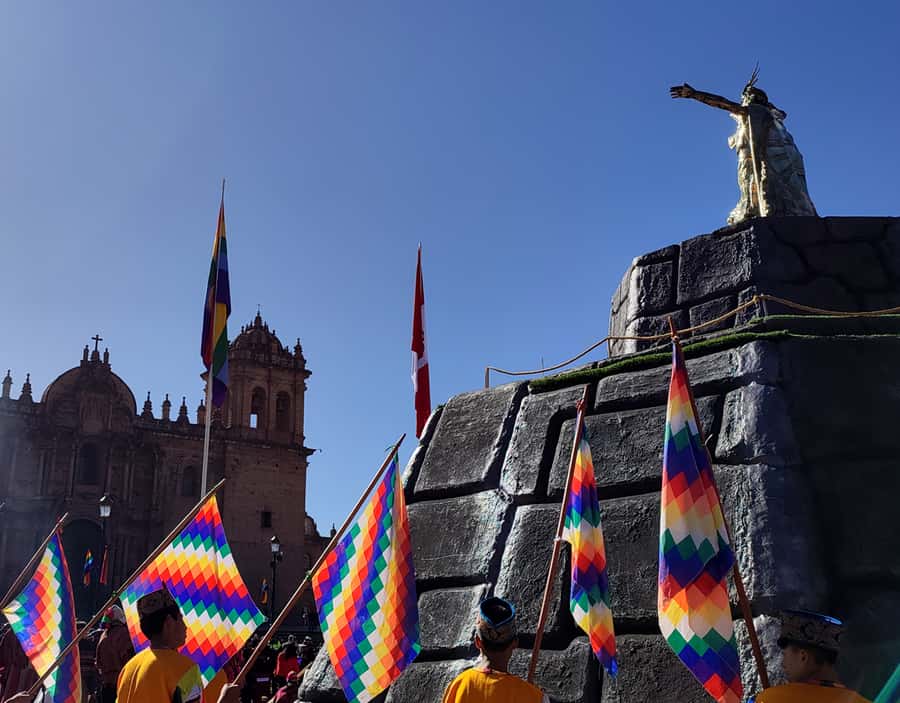
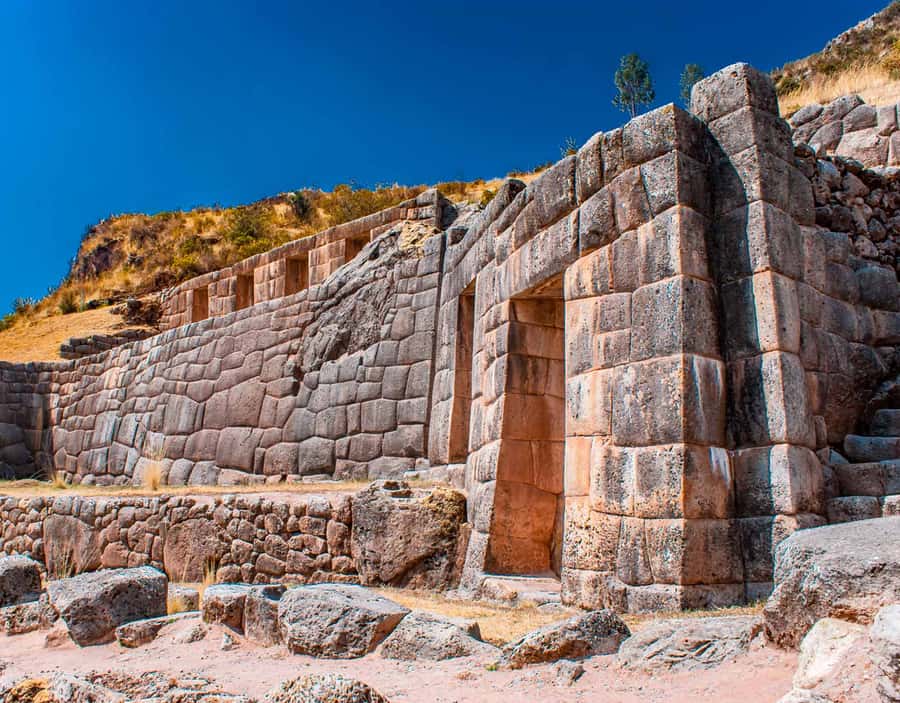
- Sacsayhuaman gives you the biggest Inca stonework: Expect massive limestone blocks and wide views over Cusco.
- Morning and afternoon routes differ: Morning departures cover four sites, while afternoon departures include Coricancha and the cathedral.
- The $17 fare is only the tour cost: Add 70 soles for the outer archaeological sites, 15 soles for Coricancha, and 40 soles for the cathedral.
- Hotel pickup is limited to the historic center: If your vehicle cannot reach your hotel, you receive a nearby meeting point.
- A bilingual guide shapes the experience: English and Spanish are offered, but ask how the group will be handled if language numbers are uneven.
- Prepare for sun, rain, and walking: Bring water, sunscreen, a hat, comfortable shoes, long pants, and a waterproof jacket.
Why this six-hour Cusco tour works
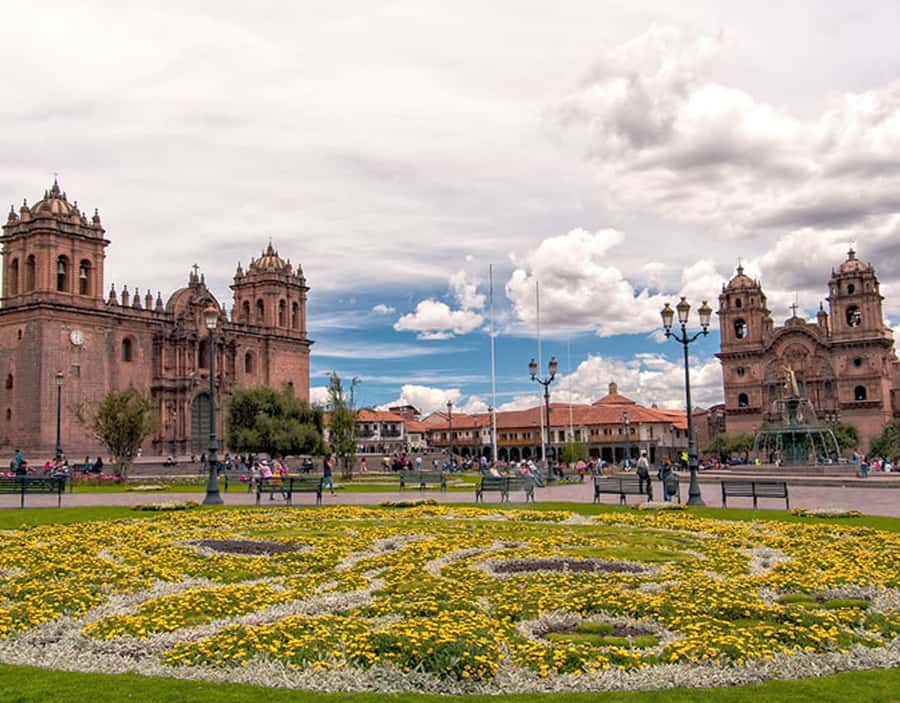
Cusco can feel confusing at first. The city sits high in the Andes, its streets mix Inca foundations with Spanish churches, and the major ruins are scattered on the hills outside the center. This tour gives you a sensible first look without asking you to organize several taxis, entry tickets, and guides yourself.
The route is really two experiences joined together. The first part visits four archaeological sites north of Cusco. The later city section, offered with afternoon departures, adds Coricancha and the Basilica Cathedral. That combination matters because the Inca sites make more sense when you also see the places where Spanish power took over the old capital.
You travel in tourist transportation with a professional bilingual guide. Pickup is included from a hotel in the historic center, but a hotel must be reachable by vehicle. Private accommodation and hotels on narrow streets may use a nearby meeting point instead.
At $17 per person, the transport and guide are a strong deal. The real cost is higher once you add the required entrance fees, so do not treat the headline price as the full budget. Still, even with those extras, this is a practical way to see several major places in one day.
More City Tours in Cusco
- Cusco: Half-Day City Tour with Sacsayhuaman and Q’enco
★ 4.6 · 1,129 reviews - City Tour Cusco Qoricancha Sacsayhuaman y Tambomachay
★ 4.7 · 617 reviews - Cusco: Sightseeing Tour of the City on an Open-Top Bus
★ 4.0 · 481 reviews
Qenko, where natural rock became a ritual site
Qenko, also written Q’enco, begins the archaeological portion of the visit. It is a natural rock formation shaped and used as a ceremonial center. The site is less about grand walls than about how the Incas worked with stone already present in the hills.
Your guide has about 40 minutes here. That is enough time to see the carved rock and hear how the site may have been used for ceremonies, but it is not a long independent exploration. Listen closely, since the guide’s explanation gives the place its meaning.
Qenko is a useful early stop because it shows a different side of Inca construction. At Sacsayhuaman, the engineering is huge and imposing. At Qenko, the focus is ritual, rock, and the natural setting.
Wear shoes with a good grip. The tour information specifically calls for comfortable shoes, and you should take that seriously at the archaeological sites. Add sunscreen and water, since Cusco’s strong sun can catch you even on a cool day.
Puca Pucara and the old road system
Puca Pucara is associated with military use and guard posts. You will see remains of staircases, streets, houses, and courtyards, giving you a better sense of a working complex rather than a single monument.
The site helps explain how movement around Cusco was watched and controlled. Its name is often translated as Red Fortress, though the important thing for you is the position and layout: this was a place connected with defense and travel.
The planned visit lasts about 40 minutes. That makes Puca Pucara a quick, guided look rather than a slow archaeological study. Your guide will point out the remains and explain their role, while you get time for photographs and a short walk.
The value here comes from the sequence. After seeing Qenko as a ceremonial site, you see Puca Pucara in a defensive setting. The two stops are close enough in the route to make a useful contrast.
Tambomachay and the Inca relationship with water
Tambomachay lies about nine kilometers outside Cusco and is known as the Baths of the Incas. Its water source and channels led to the name, but the site may also have served as a temple connected with water and purification.
This is one of the more delicate stops on the route. Rather than giant walls, you are looking at stonework shaped around flowing water. It gives you a chance to think about engineering in a quieter form: controlling and presenting water as part of both practical and sacred life.
You receive around 40 minutes with a guide. Ask questions if you want more context about how the water system worked, since the exact purpose of the site is presented as a possibility rather than a settled fact.
Bring a waterproof jacket or raincoat. Cusco weather can change quickly, and the tour specifically recommends rain protection. Long pants, a hat, water, and sunscreen with at least SPF 30 are also sensible for this stop.
more Cusco days to weigh up
- Cusco: City Tour | Half-Day Tour to 4 Archaeological Sites
★ 4.6 · 206 reviews - From Cusco: Moray, Maras Salt Mines & Chinchero Weavers Half-Day
★ 5.0 · 126 reviews - Cusco: Half-Day Horseback Riding at Devil’s Balcony
★ 4.9 · 89 reviews - Sacsayhuaman Temple, Tambomachay and Puca Pucara Half-Day Tour
★ 4.5 · 59 reviews
Sacsayhuaman and the biggest stones of the day
Sacsayhuaman is the major stop, and it deserves the most attention. Chroniclers described it as a solar shrine built by the last Inca dynasties. It also helped protect Cusco from attacks coming from the east, or Antis.
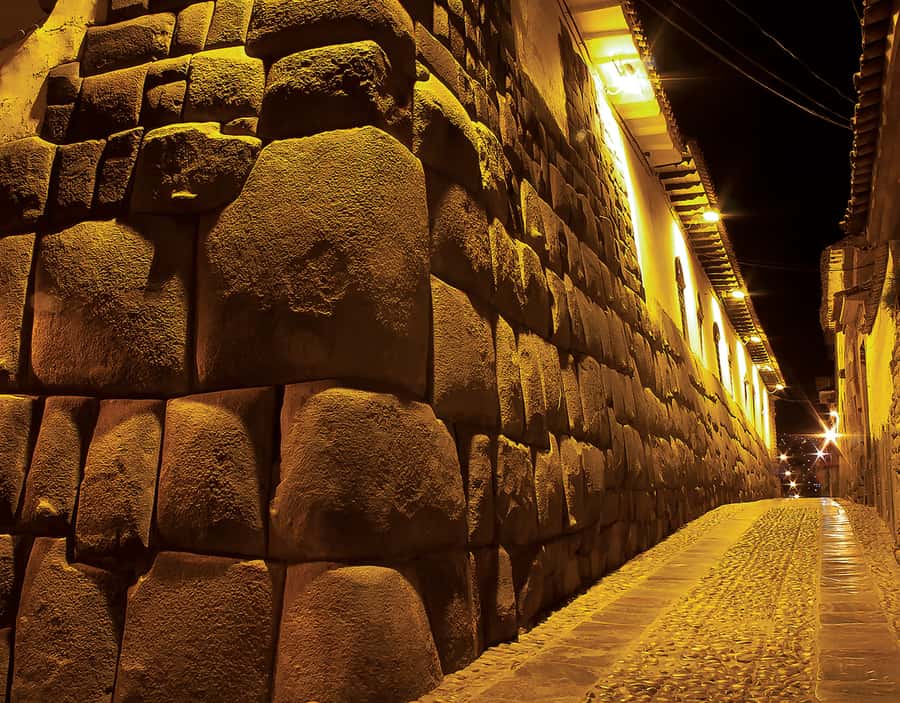
The enormous limestone blocks are the main event. Inca stonemasons fitted the stones with remarkable precision, and the walls show why Cusco is famous for engineering as much as for ceremony. You can see why this site leaves a stronger impression than the smaller ruins.
The planned guided visit is about 40 minutes, which is useful but fairly tight. One specific criticism of the tour is that some guides may make one main stop and then ask you to meet at the exit, rather than walking through the site in greater detail. If Sacsayhuaman is your top priority, stay near the guide and ask where the full explanation will happen.
The site is also where the pace may feel most challenging. The day includes several stops, walking, vehicle transfers, and altitude. You should not expect a leisurely half-day in one ruin. You are fitting a broad introduction to Cusco into a compact schedule.
Coricancha, the Inca temple beneath Spanish Cusco
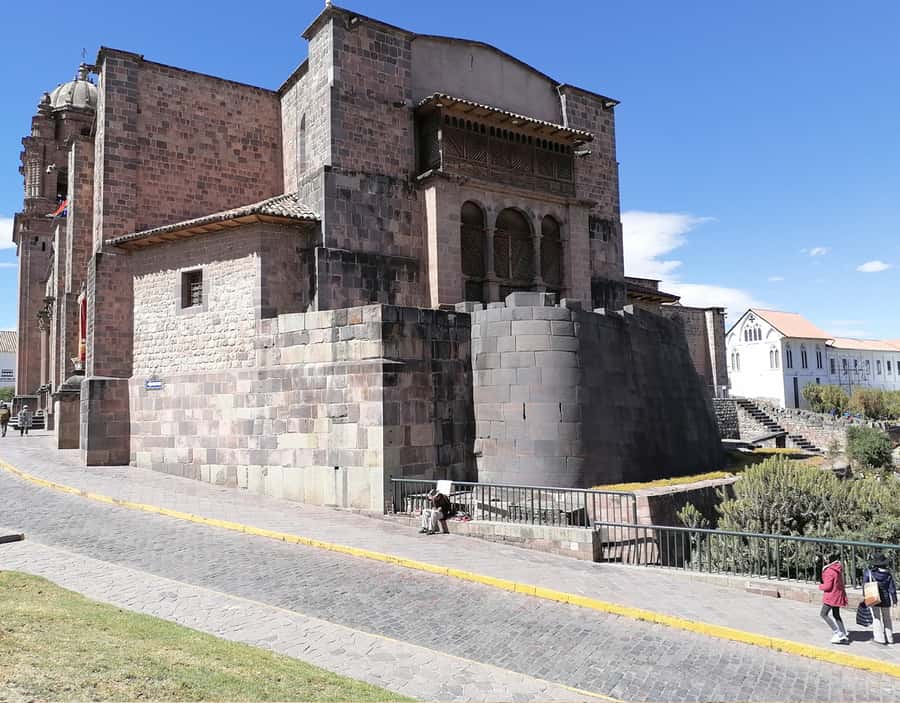
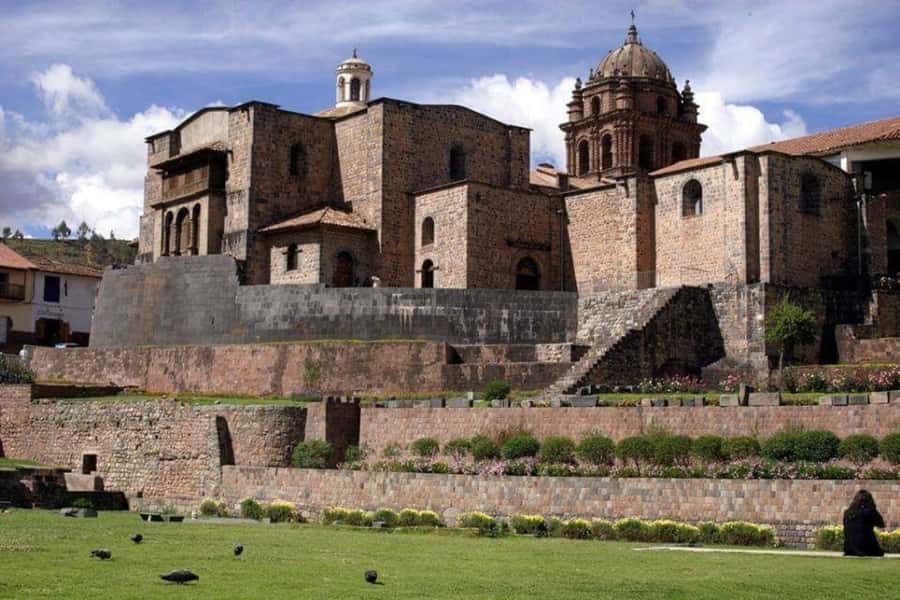
Afternoon departures add Coricancha, once the most important temple of the Inca Empire. Its perfect stone construction gives you a close look at the standards of Inca masonry in the center of modern Cusco.
Coricancha matters because it links the ruins outside town with the city you are walking through every day. The Spanish built the Church of Santo Domingo over the Inca temple, so the site shows the physical collision of two cultures and religious systems.
The visit lasts about one hour, making it the longest stop listed. That extra time is welcome. You can study the stone joints, listen to the guide’s explanation, and see why the temple was so important.
The entrance fee is 15 soles, paid separately. If you are choosing between a morning and afternoon departure, Coricancha is one of the main reasons to choose the afternoon. The morning route does not include it.
Cusco Cathedral and the Spanish layer
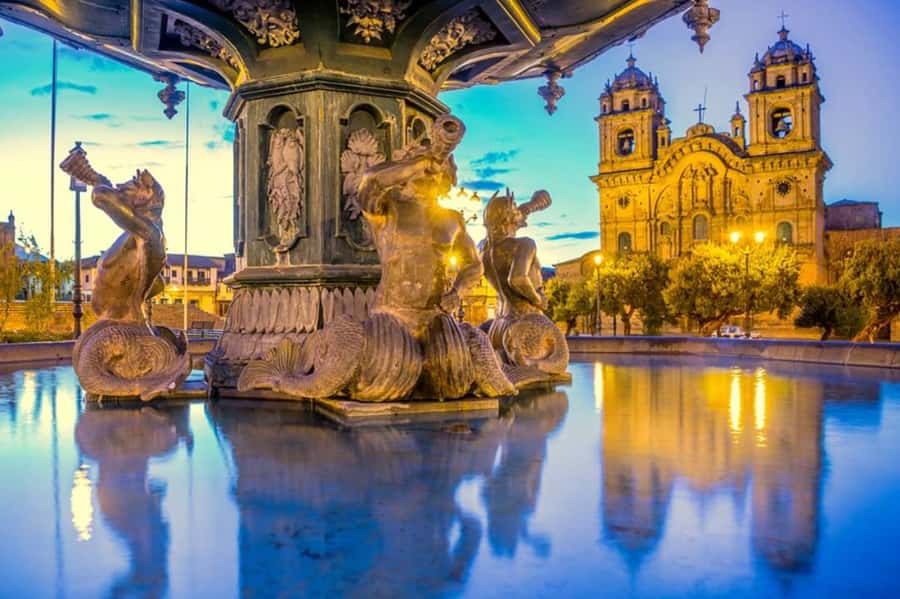
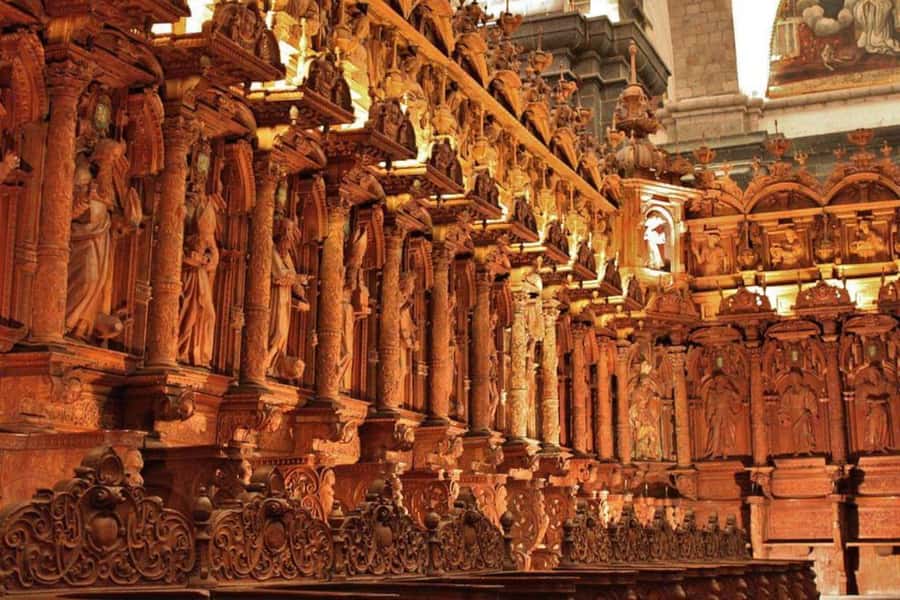
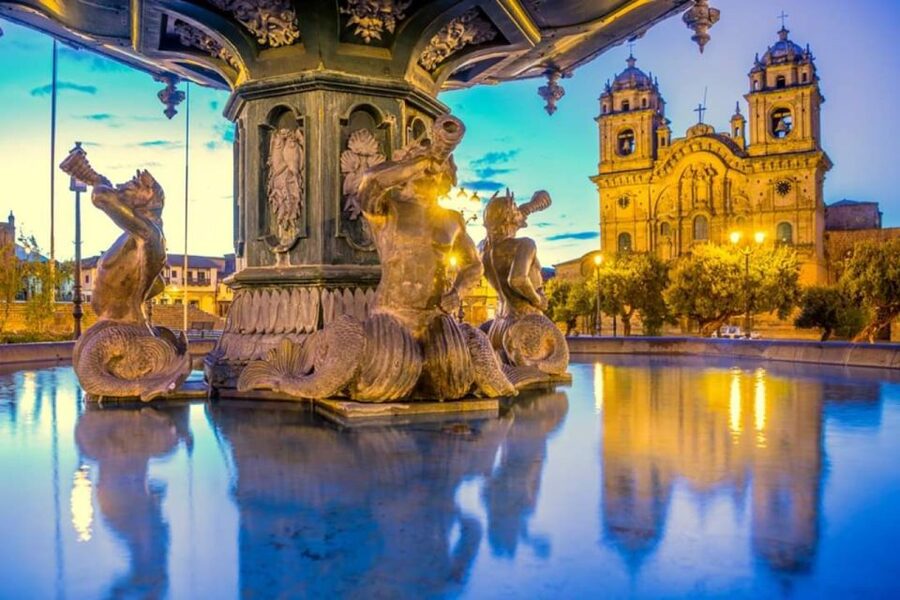
The Basilica Cathedral began construction in 1560 and occupies the main square, Plaza Mayor del Cusco. Its inclusion gives the afternoon tour a clear second half: after Inca temples and hilltop ruins, you see the grand Catholic center built during Spanish rule.
The cathedral is not simply another church stop. It helps you understand the city’s layered identity. Inca foundations, Spanish institutions, colonial art, and modern Cusco all meet around the square.
The guided visit lasts about 40 minutes. The entrance fee is 40 soles and is not included in the tour price. Check your departure time carefully, since morning tours visit only Sacsayhuaman, Qenko, Puca Pucara, and Tambomachay.
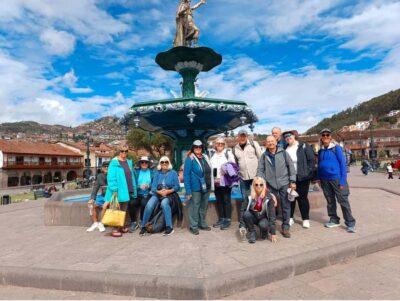
The tour finishes at Plaza Mayor del Cusco. That is convenient if you want to continue exploring on foot, find lunch, or return to your hotel independently. It also means the final drop-off is not necessarily back at your hotel.
Guides, languages, and group experience
The tour offers English and Spanish, with a professional bilingual guide. Several guides have received particularly strong praise, including Silvia for her patience with children, Clara for her detailed explanations and energy, Janet for her presentation, Wally for giving visitors a helpful introduction to Cusco, and José for leading English-speaking groups.
Those names are useful, but you should not assume a particular guide on your date. The quality of a history tour depends heavily on the person leading it, and the comments about these guides show what to value: clear answers, stories about Inca life, patience, and enough energy to handle a busy route.
One English-language booking had a less satisfying language balance because the participant was the only English speaker in the group. The guide still provided some English, but not the full amount expected. If you book an English tour, confirm the language arrangement at the start and stay close to the guide during site explanations.
The group may use two vehicles at different points. That does not have to be a problem, but keep track of your guide and vehicle. A small group can make questions easier and reduce waiting, though the exact group size is not guaranteed.
The textile shop and the pace of the day
One part of the experience may include a stop at a textile shop. If you want alpaca clothing or textiles, this can be useful. If you are focused on ruins, it can feel like time taken from Sacsayhuaman or another archaeological stop.
You should also expect a brisk rhythm. Each major archaeological stop is planned for about 40 minutes, and the listed transfer to the first complex takes about 40 minutes. This is a sightseeing sampler, not a slow walking tour.
That pace suits you if you have only one free day in Cusco, are arriving before a longer trip, or want help getting your bearings. It may frustrate you if you prefer to read every sign, wander without a schedule, or spend a full morning at Sacsayhuaman alone.
What the extra fees mean for value
The $17 price covers tourist transportation and the bilingual guide. It does not cover:
- The cathedral: 40 soles
- Coricancha: 15 soles
- The archaeological sites outside the city: 70 soles
That adds 125 soles if you take the afternoon route and enter everything listed. The archaeological ticket covers the four outer sites together, so you should not assume the $17 includes access simply because the tour visits the ruins.
One useful tip is to arrange the archaeological ticket in advance if possible. It can also be bought at the sites, but buying ahead may save time and reduce last-minute confusion. Carry cash, as the tour instructions specifically recommend it.
At the full additional cost, the tour remains valuable because transport between scattered sites and a guide are included. You are paying for structure and interpretation, not just a ride past the ruins. But compare the total with a private tour or independent taxis if you strongly prefer a slower pace.
How to prepare for Cusco’s weather and altitude
The practical packing list is simple:
- Comfortable walking shoes
- Water
- Passport
- Cash
- Long pants
- A sun hat
- Sunscreen rated SPF 30 or higher
- A waterproof jacket or raincoat
Do not bring luggage or large bags. Pets are not allowed, and video recording is listed as prohibited. A small day bag is the sensible choice, but keep it compact.
You will be outside at several archaeological sites, so the sun matters even if the air feels cool. The tour’s six-hour length also means you should eat beforehand or carry a suitable snack if permitted, though the supplied information does not promise food or a meal stop.
The pickup is included only in the historic center. If you are staying elsewhere, you should not assume door-to-door service. If your hotel is on a street that vehicles cannot reach, the operator provides the nearest meeting point.
Free cancellation is available up to 24 hours before departure, and you can reserve now and pay later. Those terms are useful if your Cusco schedule may change, but confirm the available start time when booking because the duration is six hours and departure options affect the route.
Who should book this experience
I would choose this tour if you have limited time and want a broad first look at Cusco. It is especially useful for first-time visitors who want a guide to explain the difference between a ceremonial rock site, a defensive complex, a water temple, and a major Inca sanctuary.
Families may also like the structure. Silvia was praised for being patient with children, and the vehicle transfers cut down on the effort of arranging transport between each stop. Still, the walking and altitude can make the schedule tiring for young children or anyone who needs frequent rests.
The tour also suits history-minded visitors who want both major eras represented. Choose an afternoon departure if Coricancha and the cathedral matter to you. Choose the morning only if the four outer ruins are your priority and you prefer to keep the city churches for another time.
I would hesitate if you want a private, unhurried archaeological visit. The short stop at each site, possible textile-shop visit, extra fees, and mixed-language group are the main limitations. Sacsayhuaman can also deserve more time than the schedule allows.
Should you book the Cusco half-day tour?
Book it if you want maximum coverage for a modest base price and can accept a brisk schedule. The combination of Sacsayhuaman, Qenko, Puca Pucara, and Tambomachay gives you a solid introduction to the Inca sites around Cusco.
For the fullest version, select an afternoon departure and budget for all entrance fees. Keep your expectations clear: this is a guided overview, not an archaeological expedition. With comfortable shoes, sun protection, cash for tickets, and a few good questions ready, it can be a very efficient first day in Cusco.
FAQ
How long does the Cusco City Tour last?
The tour lasts six hours, including transportation and guided visits to the listed sites.
Where does hotel pickup take place?
Pickup is available from hotels in Cusco’s historic center. If a hotel cannot be reached by vehicle, or if you stay in private accommodation, you receive the nearest meeting point.
Which sites are visited on a morning departure?
Morning tours visit Sacsayhuaman, Qenko, Puca Pucara, and Tambomachay. The cathedral and Coricancha are not included in the morning route.
Does an afternoon departure include Coricancha and the cathedral?
Yes. Afternoon departures also include the UNESCO-listed Basilica Cathedral and Coricancha.
Are entrance fees included in the $17 price?
No. The cathedral costs 40 soles, Coricancha costs 15 soles, and the tourist ticket for the outer archaeological sites costs 70 soles.
What languages are available?
The professional guide conducts the tour in English and Spanish. Language balance can vary depending on the group.
Can I cancel the booking?
You can cancel up to 24 hours in advance for a full refund. The activity also allows you to reserve now and pay later.
Recently added around Cusco
- Palcoyo colored mountain hike + stone forests★ 4.6 · 3 reviews
- Maras Moray★ 5.0 · 3 reviews
- From Cusco: Vinicunca Mountain of Colors Excursion + Ticket★ 5.0 · 3 reviews
- Full-Day Condor Viewpoint & Inca Sites Tour★ 5.0 · 3 reviews
- Excursion Cusco – Puno – Titicaca Observatory Train★ 5.0 · 3 reviews
- Machu Picchu: Private Tour Guide Service for up to 15 people★ 4.5 · 3 reviews
- Machu Picchu: 1-day tour by Vistadome Observatory train★ 5.0 · 3 reviews
- Cusco: Chonta Canyon and Condor Flight Tour with Lunch★ 5.0 · 3 reviews
Cusco Tours, compared.
Humantay Lake Tour with Breakfast and Buffet Lunch
Read our review →
Sacred Valley & Maras Salt Mines Tour with Lunch
Read our review →
Moray, Maras Salt Mines & Chinchero Weavers Tour
Read our review →
Half-Day City Tour with Sacsayhuaman and Q’enco
Read our review →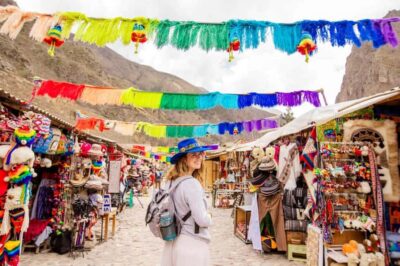
Sacred Valley, Pisac, Ollantaytambo, Salt Mines Moray
Read our review →
Browse the lists this tour appears in