

Reviewed · CUSCO RUINS TOURS
Cusco: Sacsayhuaman, Qenqo, Puca Pucara & Tambomachay Tour
Sacsayhuaman is the star here: huge stones, fitted with remarkable care, form walls that make Cusco’s Inca past feel immediate. I like that this tour pairs it with the smaller ceremonial site of Qenqo and the water shrine at Tambomachay, giving you more than one view of Inca life. I also like the included pickup and round-trip transport, a real help when four sites sit outside central Cusco.
The main drawback is that entry fees are not included, so the $21 price is only part of your final cost. The tour is also listed with a Spanish-language guide, while the inclusions describe the guide as bilingual, so confirm the language before booking if you need English. The 9:00 AM and 1:00 PM schedules add Qoricancha, which makes those departures the better value if the timing works.
Key points to know before you go
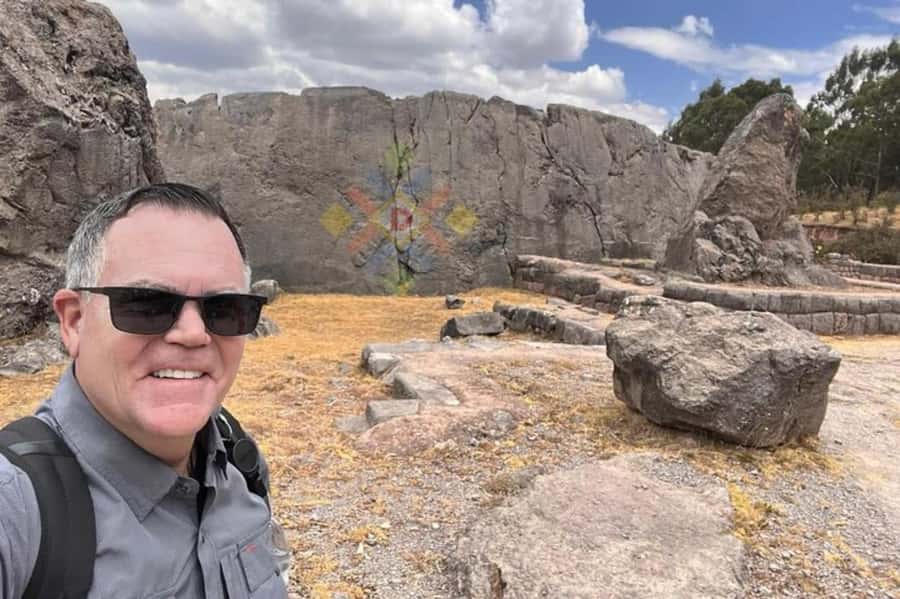
- Sacsayhuaman brings the big visual impact, with massive Inca stone walls above Cusco.
- Qenqo adds a darker, more puzzling stop, with narrow passages and ceremonial altars.
- Puca Pucara explains defense and control, showing the practical side of the Inca road system.
- Tambomachay focuses on water, with aqueducts and fountains that display careful engineering.
- 9:00 AM and 1:00 PM departures include Qoricancha, the former Temple of the Sun.
- The $21 price covers transport and a guide, but admission to every archaeological site is extra.
Four Inca sites in one half-day
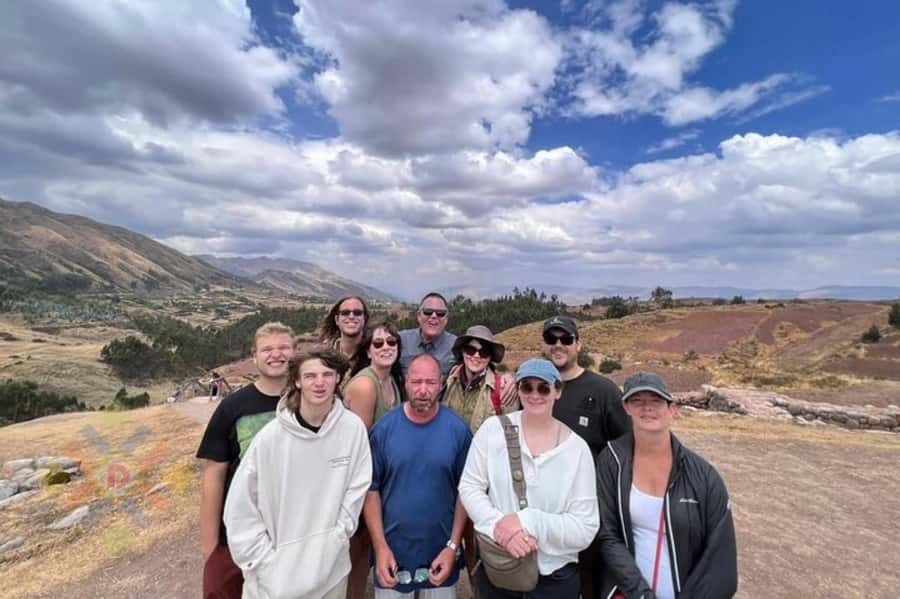
This 270-minute tour gives you a quick but useful introduction to the archaeological sites around Cusco. You are not spending a full day at one major ruin. Instead, you move from fortress to ceremony, defense, and water worship in a single outing.
I like this format for a first visit because the stops work together. Sacsayhuaman shows the scale of Inca construction. Qenqo brings you closer to ritual spaces. Puca Pucara explains military planning. Tambomachay finishes with water, one of the most important forces in Andean life.
The pace will be fairly brisk. Four sites, transport, explanations, and possible pickup time all fit into four and a half hours. You should expect an overview rather than long, unhurried time at each place. That tradeoff suits you if you want orientation before exploring Cusco on your own.
Pickup, round-trip transportation, and a guide are included. The tour ends with drop-off in central Cusco, so you can continue with lunch, museums, or a walk through the city without arranging your own return.
more ruins above cusco
- Cusco: Half-Day City Tour with Sacsayhuaman and Q’enco
★ 4.6 · 1,129 reviews - City Tour Cusco Qoricancha Sacsayhuaman y Tambomachay
★ 4.7 · 617 reviews - Cusco City Sightseeing, San Pedro Market, Cathedral and Qorikancha Temple
★ 4.5 · 139 reviews
Sacsayhuaman and the power of stone
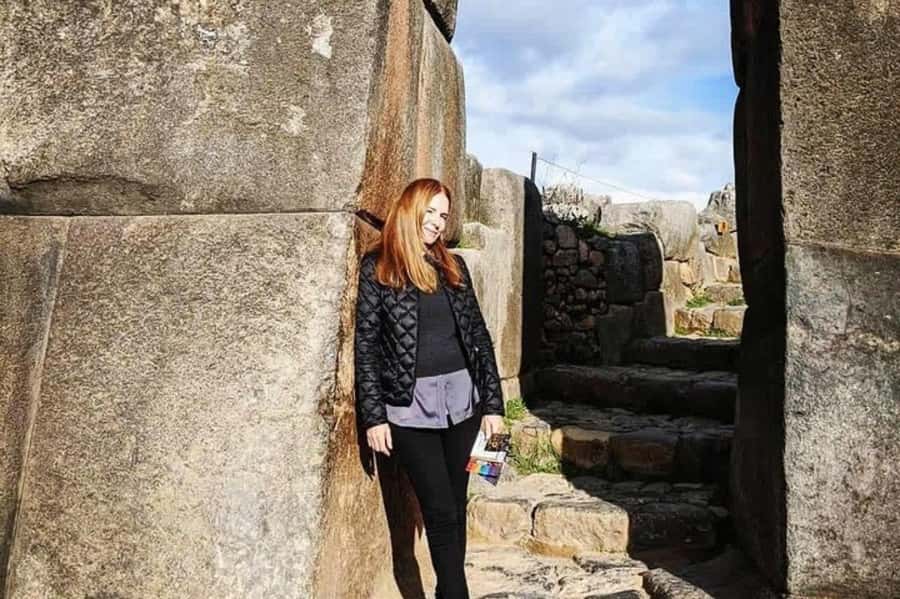
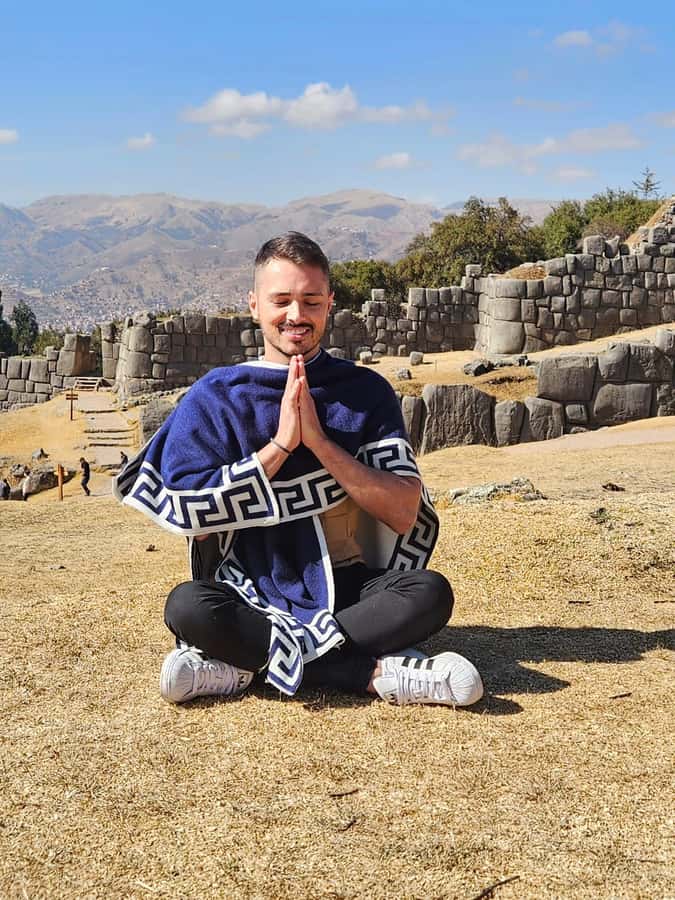
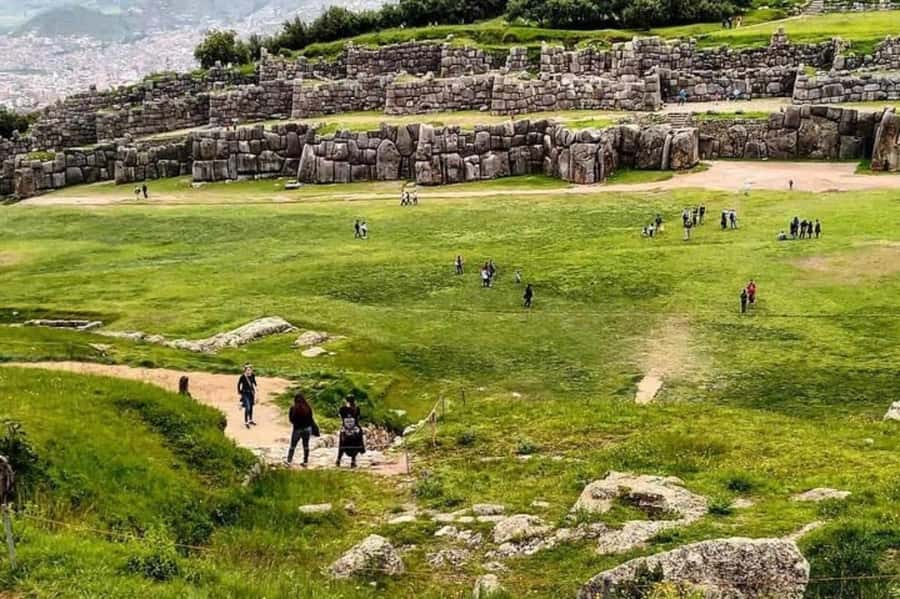
Sacsayhuaman is the first stop that makes many people pause. Its massive stone walls show how much effort the Inca state could command, and the scale is hard to grasp from photographs alone.
The walls are built from enormous stones fitted tightly together. The important point is not only the size of the blocks. It is the care of the joins and the way the construction follows the shape of the site. Your guide can help turn a striking pile of stone into a place with a clear role in Cusco’s past.
The site is often described as a fortress, though its use was tied to ceremony and power as well as defense. This is where a live guide adds value. Without context, you may simply see giant walls and open ground. With an explanation, you can better understand why Sacsayhuaman mattered to the Inca capital.
The high setting also gives you broad views around Cusco. Bring a hat, water, and shoes with a firm sole. The tour information does not promise a particular walking route or surface, so sensible footwear is the safe choice.
Sacsayhuaman is also the stop most likely to attract your attention, which creates a practical issue. If you want quiet time for photographs or close inspection, the half-day schedule may feel short. If your priority is seeing the main sights efficiently, its inclusion is a strong reason to book.
Qenqo’s narrow ceremonial spaces
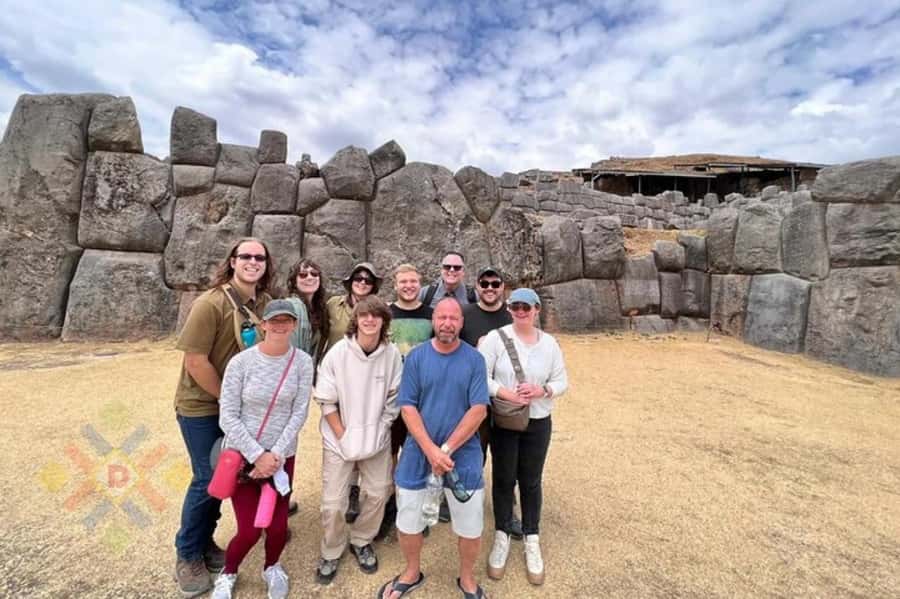
Qenko, also written Q’enqo, changes the mood. Instead of open walls and broad views, you get an archaeological complex known for labyrinthine passages and ceremonial altars.
This stop asks you to look closely. The interest comes from the shape of the site and the way its carved and enclosed spaces were used. Your guide’s explanation matters here because the meaning is less obvious than at Sacsayhuaman.
I like Qenqo as part of this route because it prevents the tour from becoming a parade of huge stones. It gives you a smaller, more intimate place where ceremony and ritual take center stage. The contrast helps you see that Inca planning was not only about fortifications and impressive construction.
The word labyrinthine suggests a more confined visit than the open setting at Sacsayhuaman. If you dislike narrow passages, keep that in mind. The tour information does not provide detailed accessibility notes, so you should ask the provider about the route if you have mobility concerns.
Qenqo is also a place where you will benefit from listening rather than rushing to the next photograph. The site may not deliver the instant visual punch of Sacsayhuaman, but it adds needed meaning to the day.
Puca Pucara and the defensive network
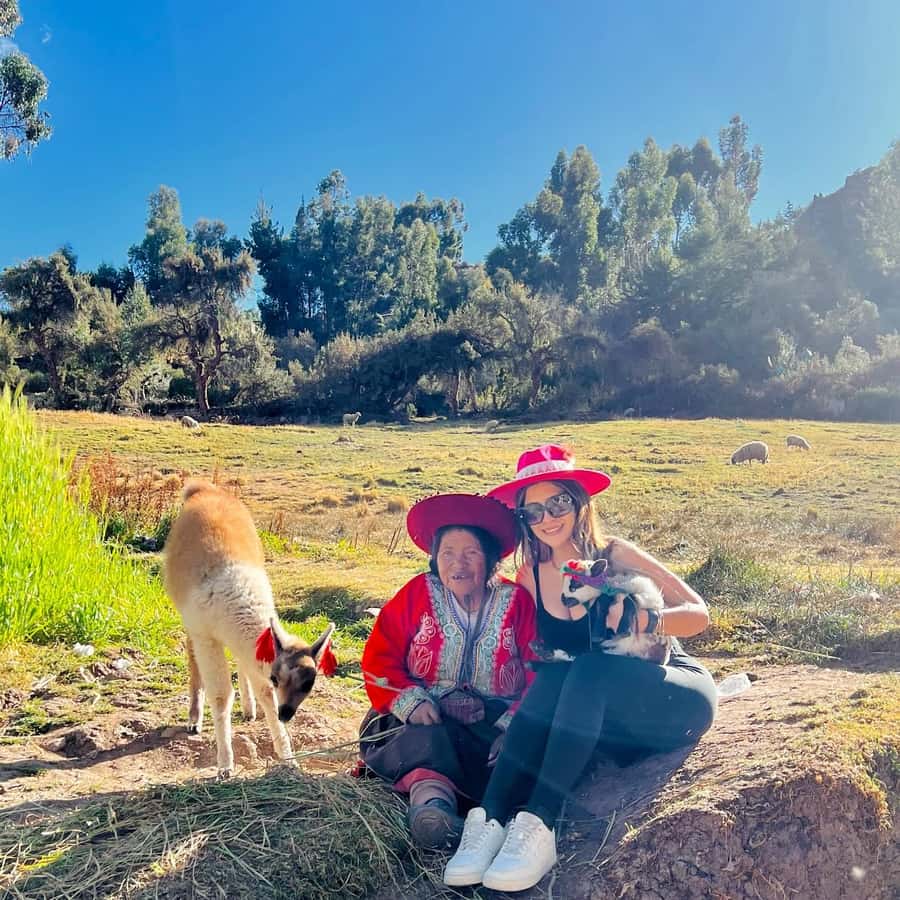
Puca Pucara introduces the military side of the route. It was a military construction, and the visit focuses on its strategic role in protecting Cusco.
The site helps explain how the Inca capital was connected to a wider system of movement and watchfulness. You are not just looking at another ruin. You are considering why this position mattered and how a settlement could help control access to the city.
I find this stop valuable because it fills a gap left by the more ceremonial sites. The tour moves from power and ritual to practical planning. That variety makes the four-stop route feel thoughtfully arranged rather than repetitive.
Puca Pucara may be less dramatic to you than Sacsayhuaman. Its value is mainly in the explanation and the position it held within Cusco’s defenses. Go in expecting context, not a second giant fortress.
The surrounding scenery is part of the appeal. You can see how the site relates to the high ground around Cusco, though the supplied details do not identify a specific viewpoint or guarantee a certain amount of free time.
Somewhere else entirely, still within reach of Cusco:
- Cusco: Humantay Lake Tour with Breakfast and Buffet Lunch
★ 4.9 · 2,976 reviews - From Cusco: Sacred Valley & Maras Salt Mines Tour with Lunch
★ 4.8 · 2,227 reviews - From Cusco: Moray, Maras Salt Mines & Chinchero Weavers Tour
★ 4.8 · 1,925 reviews - From Cusco: Full-Day Group Tour of Machu Picchu
★ 4.7 · 1,767 reviews
Tambomachay and the Inca worship of water
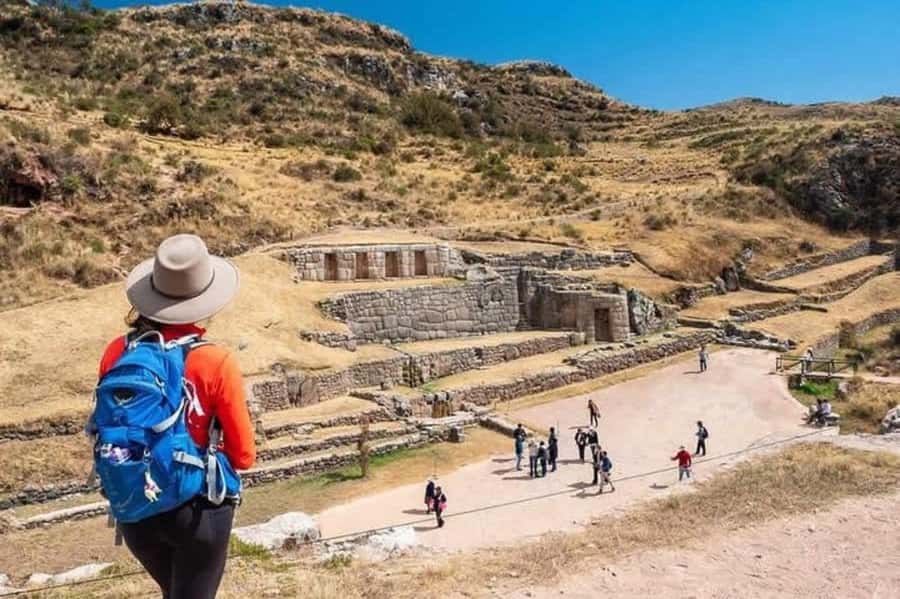
Tambomachay closes the archaeological circuit with a different kind of monument. This center was dedicated to the worship of water, and its aqueducts and fountains show the Incas’ skill in directing and presenting it.
Water at Tambomachay was not treated as a plain utility. The site joined engineering and worship. Channels, fountains, and carefully managed flow gave practical technology a ceremonial purpose.
I like this final stop because it leaves you with a detail you can carry into the rest of your time in Peru: Inca engineering was often tied to belief. The stones and channels are worth seeing on their own, but the connection between water, order, and sacred space gives them greater force.
Tambomachay is also a calmer counterpoint to the heavy walls at Sacsayhuaman. The route ends not with military power, but with flowing water and careful design. That makes the sequence feel balanced.
As with the other archaeological sites, admission is extra. You should also remember that the tour does not list food, drinks, travel insurance, or other services beyond transport and guiding.
Qoricancha makes the best scheduled add-on
If you choose the 9:00 AM or 1:00 PM departure, the tour includes Qoricancha, the Temple of the Sun. This is an important distinction when comparing departure times.
Qoricancha was a sacred site that once glittered with gold. Its location in Cusco gives the tour a city-based finish or starting point, depending on the schedule, alongside the sites outside the center.
The contrast is useful. Sacsayhuaman, Qenqo, Puca Pucara, and Tambomachay show you archaeological sites in their broader settings. Qoricancha brings you back to the heart of the Inca capital and focuses attention on religious importance and wealth.
Admission to Qoricancha is not included, just like the other listed sites. Since the added visit is tied only to the 9:00 AM and 1:00 PM schedules, check the exact departure before paying. If you want all five sites and can manage either time, these schedules offer the fullest version of the experience.
What the $21 price really covers
At $21 per person, the tour is priced as a low-cost way to organize transport and a guided route around several Cusco sites. The value is strongest if you do not want to arrange separate taxis or work out the order of the stops yourself.
Pickup and round-trip transportation remove one of the day’s practical chores. A central drop-off also gives you a useful end point. The guide adds structure and historical explanation, which matters most at Qenko and Puca Pucara, where the purpose of the remains may not be obvious.
You must budget for admission separately. Sacsayhuaman, Qenqo, Tambomachay, Puca Pucara, and Qoricancha are all listed as exclusions. The tour price therefore should not be treated as the full cost of sightseeing.
I would compare the total expense with the cost of arranging transport and guides independently. For one person or a couple, $21 can be a sensible starting price. For a larger group, private transport might offer more control, but that option is not part of this experience and could cost more.
The free cancellation rule is useful if your plans are still moving: you can cancel up to three days in advance for a full refund. Travel insurance and unspecified extra services are not included.
Language, timing, and the right type of visitor
The activity information lists Spanish as the tour language, while the inclusions describe a bilingual guide. I would confirm this point before booking if you require English commentary. The provider is DonPeruTours, and no individual guide name is supplied.
The tour lasts 270 minutes. That makes it a half-day plan rather than a full-day commitment. I like it for a first morning or afternoon in Cusco, especially when you want to keep the other half of the day open.
The 9:00 AM and 1:00 PM options include Qoricancha. Other start times may cover only the four outer sites, so check availability carefully. The information does not give exact departure times beyond those two schedules.
This tour is best for you if:
- You want a compact introduction to several major sites.
- You value included pickup and transport.
- You want a guide to explain ceremonial and military roles.
- You are comfortable paying entry fees separately.
- You prefer a half-day outing to a longer archaeological excursion.
It may not suit children under five or people over 75, both of whom are listed as not suitable. The route also may not be ideal if you need detailed accessibility support, since no such information is provided.
How I would plan the day
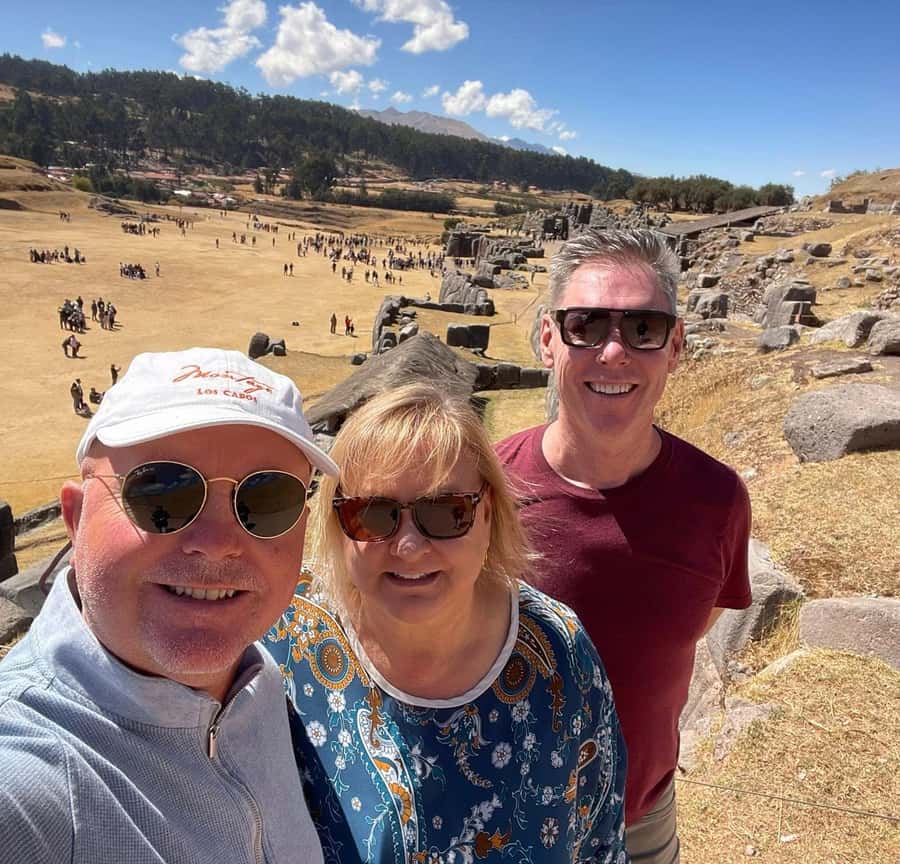
I would choose 9:00 AM or 1:00 PM if Qoricancha matters to me. The extra stop adds another layer to the story of Cusco and gives the $21 booking more value, provided I am ready for separate admission charges.
Before leaving, I would confirm the guide language, pickup details, and which sites are included in my chosen schedule. I would also set aside money for all admissions, since none of the listed entry fees are covered.
For the visit itself, I would wear practical shoes and bring water and sun protection. The tour includes historic sites and open surroundings, but it does not include meals or other personal services.
I would keep my expectations realistic. This is a well-organized sightseeing circuit, not a private archaeological study. You get the benefit of transportation and a prepared route, but you give up some control over how long you spend at each stop.
Should you book this Cusco ruins tour?
I would book it if you want to see the four sites outside Cusco without handling transport yourself. Sacsayhuaman supplies the dramatic centerpiece, while Qenko, Puca Pucara, and Tambomachay give the day a useful range of ceremonial, defensive, and engineering themes.
The strongest choice is a 9:00 AM or 1:00 PM departure if you also want Qoricancha. Just add every admission fee to the advertised price and confirm the language of the guide before booking.
Skip it if you want a slow, private visit or if separate site fees make the total cost less appealing. For a short, organized introduction to Cusco’s Inca sites, though, the route is practical and well judged.
FAQ
How long does the tour last?
The tour lasts 270 minutes, or four and a half hours.
What sites are included?
The main route visits Sacsayhuaman, Qenqo, Puca Pucara, and Tambomachay.
Is Qoricancha included?
Qoricancha is included for the 9:00 AM and 1:00 PM schedules. Its entry fee is not included.
Are admission fees included in the $21 price?
No. Entry to Sacsayhuaman, Qenqo, Tambomachay, Puca Pucara, and Qoricancha is listed separately from the tour price.
What does the tour price include?
Pickup, round-trip transportation, and a bilingual guide are included.
What language is the tour conducted in?
The activity information lists Spanish as the language. The inclusions describe the guide as bilingual, so confirm the available language before booking.
Where does the tour end?
The tour ends with drop-off in central Cusco.
Can I cancel for a refund?
Yes. You can cancel up to three days in advance for a full refund.
Are children under five allowed?
The tour is listed as not suitable for children under five.
Is the tour suitable for people over 75?
The activity is listed as not suitable for people over 75.
Recently added around Cusco
- Palcoyo colored mountain hike + stone forests★ 4.6 · 3 reviews
- Maras Moray★ 5.0 · 3 reviews
- Full-Day Condor Viewpoint & Inca Sites Tour★ 5.0 · 3 reviews
- From Cusco: Vinicunca Mountain of Colors Excursion + Ticket★ 5.0 · 3 reviews
- Excursion Cusco – Puno – Titicaca Observatory Train★ 5.0 · 3 reviews
- Machu Picchu: Private Tour Guide Service for up to 15 people★ 4.5 · 3 reviews
- Cusco: Chonta Canyon and Condor Flight Tour with Lunch★ 5.0 · 3 reviews
- Machu Picchu: 1-day tour by Vistadome Observatory train★ 5.0 · 3 reviews
Cusco Ruins Tours, compared.

Half-Day City Tour with Sacsayhuaman and Q’enco
Read our review →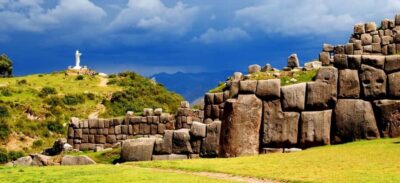
City Tour Cusco Qoricancha Sacsayhuaman y Tambomachay
Read our review →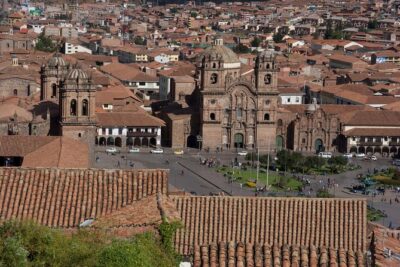
Cusco City Sightseeing, San Pedro Market, Cathedral and Qorikancha Temple
Read our review →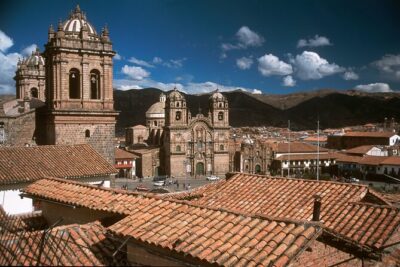
Cusco City Sightseeing and Sacsayhuaman Archeological Park Tour
Read our review →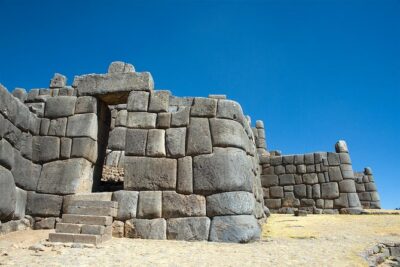
Cusco 4-Hour Private Tour Including Sacsayhuaman and Qenqo
Read our review →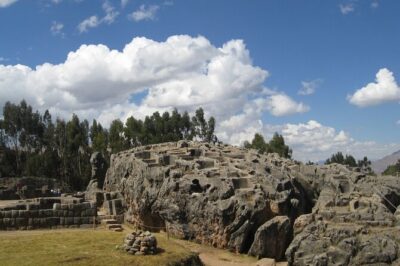
Sacsayhuaman Temple, Tambomachay and Puca Pucara Half-Day Tour
Read our review →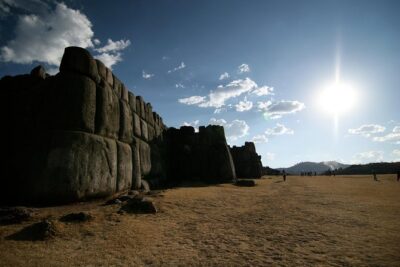
Half-Day City Tour of Cusco Including Tambomachay
Read our review →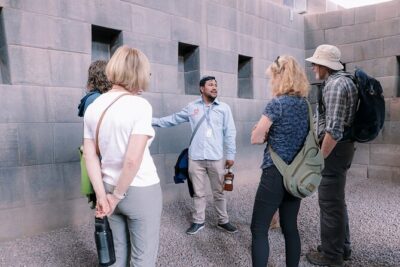
Private Cusco City Tour with Sacsayhuaman & Inca Sites
Read our review →Browse the lists this tour appears in