
Reviewed · CUSCO RUINS TOURS
Cusco City Sightseeing and Sacsayhuaman Archeological Park Tour
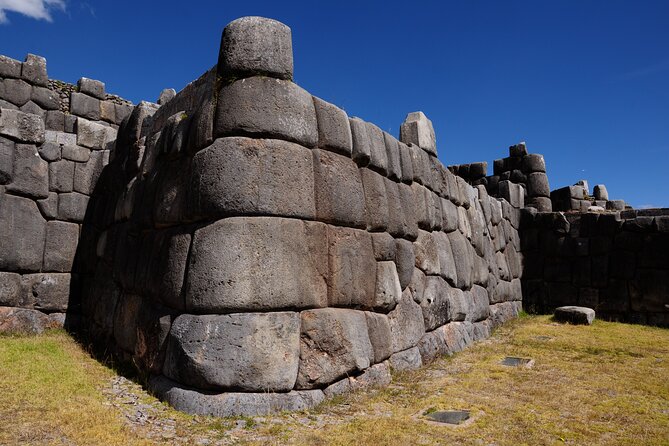
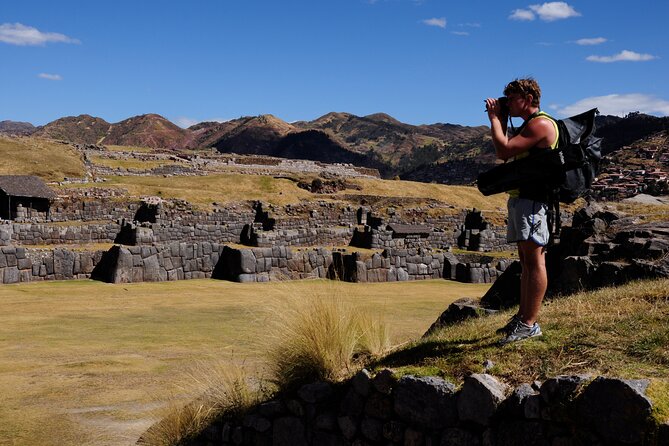
Sacsayhuaman is the star here: huge Inca stones, some about 13 feet tall, fit together so tightly that a sheet of paper can seem too thick to slide between them. I like the way this tour links that famous site with smaller ruins such as Qenqo and Tambomachay, and I like having transport for the steep roads above Cusco.
The other strength is the guides. People such as Alvaro Jimenez, Yuber, Rommel, Niko, Clara, and Aracely have been praised for lively storytelling and strong knowledge of Inca culture. My main caution is ticket confusion: the $79 price may refer to an option without entrance fees, so check your exact selection before paying. Pickup and bilingual commentary also need close attention.
Key points at a glance
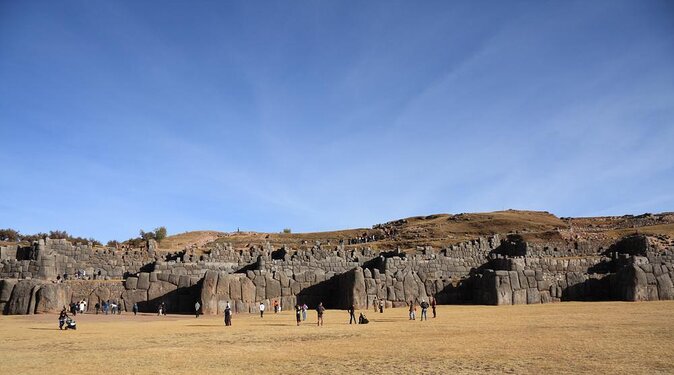
- Sacsayhuaman’s giant stonework: See walls built from blocks up to 13 feet tall, with views over Cusco.
- Four highland archaeological sites: Qenqo, Puca Pucara, and Tambomachay add ceremony, defense, and water worship to the story.
- Inca and Spanish Cusco together: Visit Qorikancha, Plaza de Armas, and Cusco Cathedral in one half-day outing.
- Small-group format: The vehicle carries no more than 15 people, making it easier to hear your guide than on a large coach tour.
- Bilingual service: English and Spanish are used together, which can affect the pace and amount of English explanation.
- Check the fare carefully: Some bookings include entrance tickets and others do not.
Why Sacsayhuaman is the right place to begin
I like starting outside the city center, where Cusco opens below you and the scale of the Inca work becomes clear. Sacsayhuaman sits on a hill above the northern edge of town, so your first impression is not another church or narrow street. It is a broad view and a wall of enormous stones.
The site often gets called a fortress because of its massive zigzag walls, but your guide will help place it in the wider world of Inca ceremony, power, and engineering. The stones are cut in different shapes and fitted with striking precision. That detail is more useful than simply hearing that the walls are old. You can look closely at the joints and see why the masonry remains the main event.
The Inca worldview is also part of the explanation. Condors, pumas, and snakes represent three connected realms in Inca belief. The symbols give the stones a cultural meaning that a quick photo stop would miss.
You should allow for walking on uneven ground and some uphill or downhill paths. The tour does not list a difficult hiking requirement, and most people can participate, but Sacsayhuaman is an archaeological site rather than a smooth city pavement. Wear shoes that feel secure.
More City Tours in Cusco
- Cusco: Half-Day City Tour with Sacsayhuaman and Q’enco
★ 4.6 · 1,129 reviews - City Tour Cusco Qoricancha Sacsayhuaman y Tambomachay
★ 4.7 · 617 reviews - Cusco: Sightseeing Tour of the City on an Open-Top Bus
★ 4.0 · 481 reviews
Qenqo, Puca Pucara, and Tambomachay in one circuit
After Sacsayhuaman, the vehicle carries you to three smaller sites. This is where the tour earns its keep. You could visit the main ruins independently, but arranging transport between four sites above Cusco takes time and planning.
Qenqo is associated with ceremony and sacred space. You’ll see the ancient temple of Puma and a carved ceremonial altar. The site is atmospheric, and the guide’s interpretation matters because the surviving stonework alone does not explain how the place was used.
Puca Pucara has a different role. Its remains are linked to defense and military control within the Inca Empire. The ruins are less visually overpowering than Sacsayhuaman, but they help show that the network above Cusco was not made only for temples and royal display.
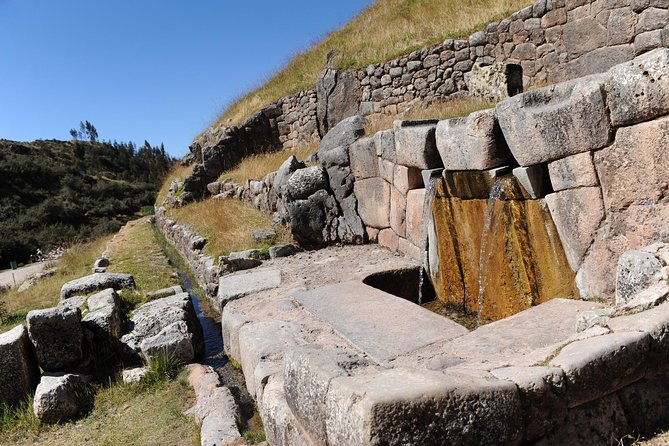
Tambomachay brings water into the story. Aqueducts, channels, and waterfalls run through the site, which may have served as a ceremonial water center or a retreat for wealthy Incas. The careful stone channels make this stop worthwhile even if you are more interested in engineering than ritual.
The four-site sequence gives you a useful set of contrasts:
- Sacsayhuaman shows state power and monumental masonry.
- Qenqo focuses on ceremony and sacred stone.
- Puca Pucara points to defense and movement.
- Tambomachay connects water with ritual and status.
The listed time for the archaeological park portion is about two hours. In practice, timing can stretch, especially when the group includes both English and Spanish speakers or when traffic and ticket checks slow the schedule.
Qorikancha: where Inca wealth met a Spanish convent
The tour then returns toward central Cusco for Qorikancha, the Temple of the Sun. This stop is important because it shows how Spanish colonial buildings were placed over major Inca foundations.
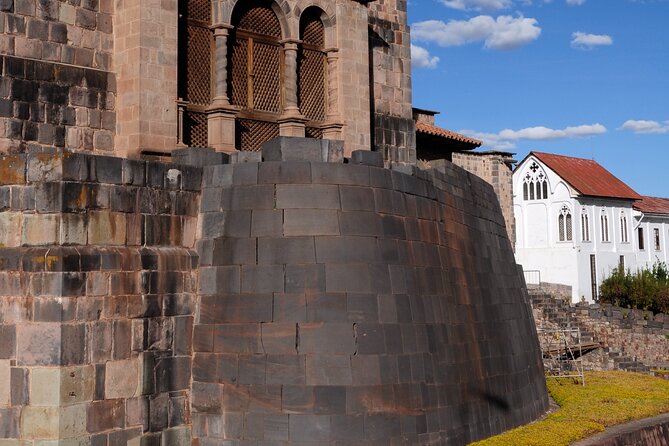
Qorikancha was once said to be covered in gold, a detail that impressed the Spanish conquerors. The surviving site lets you study the contrast between finely fitted Inca masonry and the later Santo Domingo Convent built above it.
I find Qorikancha especially useful after Sacsayhuaman. At the hilltop ruins, you see the size and force of the Inca state. At Qorikancha, you see how that power was altered, reused, and partly covered after the Spanish conquest. The two places tell different parts of the same story.
The itinerary lists about one hour for this part of the experience, though the actual order and time at each location may shift. If your main interest is Inca construction, pay close attention here. If your priority is colonial art, the Cathedral later in the tour receives more attention.
Plaza de Armas and Cusco Cathedral
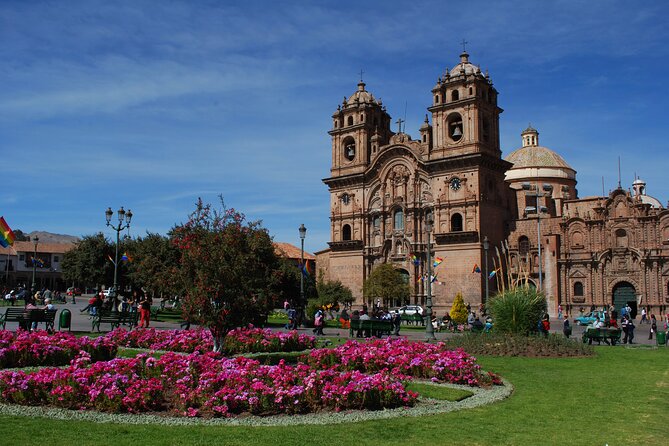
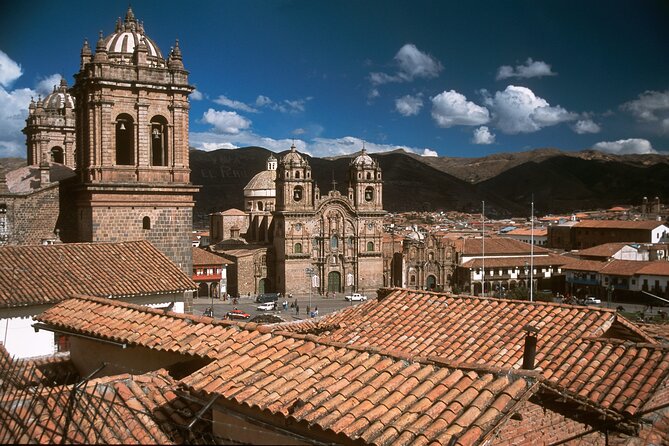
Back in the center, you’ll walk through Plaza de Armas, Cusco’s main square. The square gives you a quick sense of the city’s colonial core, with Cusco Cathedral and the Church of the Society of Jesus facing the open space.
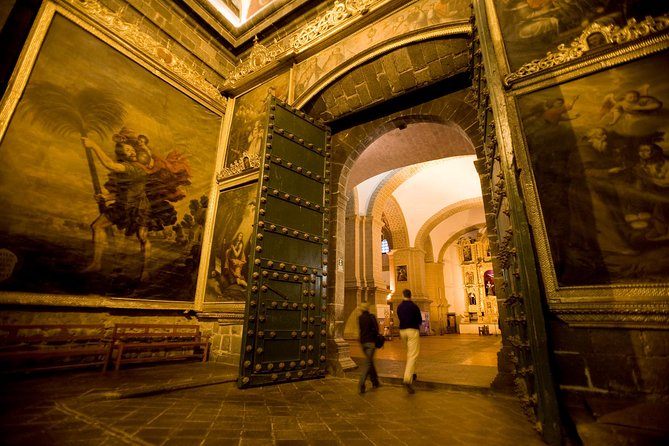
Inside the Cathedral, the focus moves to late-Gothic and Baroque design, stained glass, colonial-era paintings, and religious treasures. One important artwork is the Señor de los Temblores, described as the oldest surviving painting in Cusco. Your guide can connect the building and artwork to the Spanish religious presence that followed the Inca period.
This part of the tour is more structured than the ruins. You are not simply looking at stone walls and mountain views. You are entering a working religious site, so dress with care. Shorts are not allowed in religious sites, and photography is forbidden inside the Cathedral.
The Cathedral visit is listed at about one hour. That is enough time for an overview, but not for a slow study of every painting or chapel. If religious art is a major interest, you may want to return later on your own, if permitted by the site.
more ruins above cusco
- Cusco City Sightseeing, San Pedro Market, Cathedral and Qorikancha Temple
★ 4.5 · 139 reviews - Cusco 4-Hour Private Tour Including Sacsayhuaman and Qenqo
★ 5.0 · 77 reviews - Half-Day City Tour of Cusco Including Tambomachay
★ 4.5 · 59 reviews - Sacsayhuaman Temple, Tambomachay and Puca Pucara Half-Day Tour
★ 4.5 · 59 reviews
What the guide adds to the experience
This tour rises or falls on the guide. The route covers a lot, and many details are easy to miss without explanation. Strong guides have included Alvaro Jimenez, Yuber, Rommel, Niko, Clara, Julio, Abraham, Adrial, Alain, and Aracely.
Niko has a background as a history professor, while another guide was described as a descendant of the Inca people. Those details do not guarantee who you will receive, but they show the range of guide profiles used for this outing. The most useful guides do more than repeat dates. They explain how the sites fit together and make room for questions.
Several guides have been praised for humor, energy, and the ability to adapt the explanation to a family, solo visitor, or someone with a specific research interest. That flexibility can make a real difference. One guide tailored the visit to a guest’s particular project, while another kept children engaged during the ruins and city stops.
There is one important limit. This is a bilingual English and Spanish tour, not a guaranteed English-only departure. If the vehicle contains many Spanish speakers, the guide may alternate languages throughout the day. That can lengthen the tour and reduce the amount of detail you hear in English. If your understanding of the history is the main reason for booking, confirm how the language service is organized before you commit.
Small group, air conditioning, and the timing question
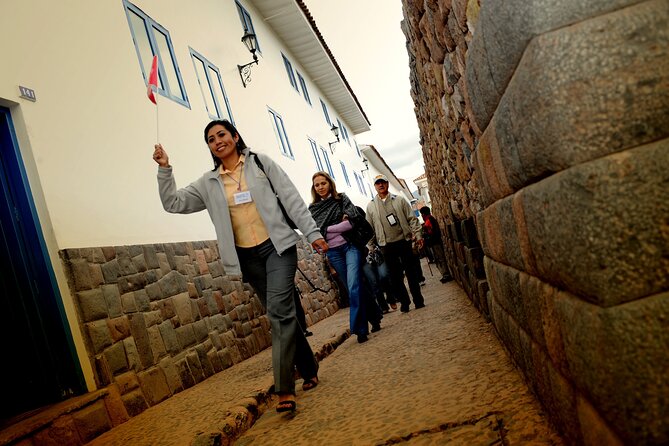
The group is capped at 15 people. That is a sensible size for Sacsayhuaman, where you want to hear the guide without standing in a large crowd. It also lets the guide respond to questions more easily than a full-size coach tour.
The air-conditioned vehicle is useful in Cusco’s changing weather and for the roads connecting the sites. It also saves your legs for the archaeological stops. You cover more ground than you would on foot, especially between Qenqo, Puca Pucara, and Tambomachay.
The advertised duration is about 3 hours and 30 minutes. I would keep more time open than that. Some departures have run closer to four or five hours because of pickups, bilingual explanations, ticket issues, traffic, or extra stops. Do not schedule a tight dinner reservation immediately afterward.
Hotel pickup and drop-off are included, but vehicle access is not possible in every hotel area. You may be asked to walk to a nearby meeting point, and central streets can make individual pickups slow. The Plaza de Armas is a practical fallback meeting area, so confirm the exact pickup instructions the day before.
Weather can change quickly. One especially wet departure still reached the planned sights, but rain clearly affects comfort and views. Bring a light waterproof layer and dress for sun, wind, and cooler conditions at the higher sites. That advice matters even on a bright morning.
Is $79 a fair price?
At $79 per person, the value depends on the ticket option and your priorities. Transport, a live bilingual guide, hotel pickup and drop-off, and access to several scattered sites can make the price reasonable. You are paying for a half-day route that would be awkward to arrange alone.
The problem is that the booking has two versions: one with entrance tickets and one without. If you choose the non-ticket option, admission is not included. Some people have been asked to pay additional soles on the day, creating a far higher final cost than expected.
I would not book until the confirmation clearly states which sites are covered. The included-ticket version should cover Sacsayhuaman Archaeological Park, Qorikancha, and the Cathedral, according to the tour details. If you already plan to buy a broader Cusco or archaeological passport, the non-ticket option might work, but calculate the total first.
The value is strongest for a first day in Cusco, especially if you want orientation before visiting the Sacred Valley or Machu Picchu. The tour gives you a basic map of Inca religious, military, ceremonial, and colonial sites without requiring you to manage local transport.
It is less appealing if you want a slow art tour, an English-only group, or a detailed technical lesson on earthquake-resistant Inca construction. One part of the route can also feel long if you care mainly about Sacsayhuaman and Qorikancha.
Who should book this Cusco tour?
I would recommend it to first-time visitors who want to cover the main sites above and inside Cusco in one outing. It also suits families, solo visitors, and couples who prefer a guide and vehicle rather than arranging several short taxi rides.
It can work well as an acclimatization day because the route introduces the city and nearby ruins without committing you to a full-day valley excursion. You still need to take the altitude seriously, move at your own pace, and tell the guide if you need a pause.
Families should find the short stops and vehicle transfers manageable, though children may tire during the uneven sections at the ruins. The small group helps, and guides such as Aracely have handled mixed-age groups with patience.
I would skip it if your schedule is extremely tight or if the only available departure is heavily Spanish-speaking and you need detailed English commentary. I would also avoid the non-ticket fare unless you already understand the local admission system.
Final verdict: a useful first look at Cusco
Book this tour if you want a broad, well-organized introduction to Cusco’s Inca and colonial sides. Sacsayhuaman is the clear highlight, but Qenqo, Puca Pucara, Tambomachay, Qorikancha, and the Cathedral make the day more worthwhile than a single-ruin visit.
The overall rating of 4.3 from 101 ratings fits the experience: strong guiding and a smart route, with real concerns about ticket wording, pickup reliability, bilingual pacing, and longer-than-advertised departures.
Before paying, confirm three things: tickets included, the exact pickup point, and how much of the commentary will be in English. If those details are clear, this is a practical way to get your bearings in Cusco and see major sites that are spread across the city and hills above it.
FAQ
How long does the Cusco City Sightseeing and Sacsayhuaman tour last?
The advertised duration is approximately 3 hours and 30 minutes. Some departures have taken four to five hours, so keep extra time free after the tour.
What sites are included in the route?
The route includes Sacsayhuaman, Qenqo, Puca Pucara, Tambomachay, Qorikancha, Plaza de Armas, and Cusco Cathedral.
Is transportation included?
Yes. An air-conditioned vehicle and hotel pickup and drop-off are listed as included. Some hotels are in areas where vehicles cannot enter, so you may need to walk to a nearby pickup point.
Is the tour conducted in English?
The guide service is bilingual in English and Spanish. It is not described as an English-only tour, so the amount of English explanation can depend on the group.
How many people can join the tour?
The maximum group size is 15 people.
Are entrance tickets included in the $79 price?
There are two booking options, one with tickets and one without. The non-ticket option does not include admission, so check your selected option carefully before booking.
Can I wear shorts at the religious sites?
No. Shorts are not allowed in the religious sites included in the tour.
Can I take photos inside Cusco Cathedral?
No. Photography is forbidden inside the Cathedral.
What is the cancellation policy?
You can cancel for a full refund if you do so at least 24 hours before the experience begins. Cancellations or changes made less than 24 hours before the start time are not accepted for a refund.
Recently added around Cusco
- Palcoyo colored mountain hike + stone forests★ 4.6 · 3 reviews
- Maras Moray★ 5.0 · 3 reviews
- From Cusco: Vinicunca Mountain of Colors Excursion + Ticket★ 5.0 · 3 reviews
- Full-Day Condor Viewpoint & Inca Sites Tour★ 5.0 · 3 reviews
- Excursion Cusco – Puno – Titicaca Observatory Train★ 5.0 · 3 reviews
- Machu Picchu: Private Tour Guide Service for up to 15 people★ 4.5 · 3 reviews
- Machu Picchu: 1-day tour by Vistadome Observatory train★ 5.0 · 3 reviews
- Cusco: Chonta Canyon and Condor Flight Tour with Lunch★ 5.0 · 3 reviews
Cusco Ruins Tours, compared.
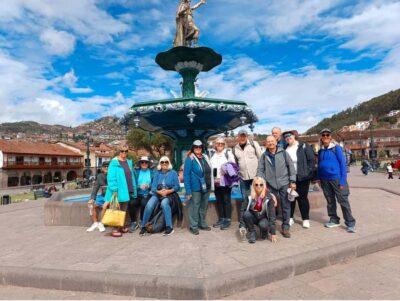
Half-Day City Tour with Sacsayhuaman and Q’enco
Read our review →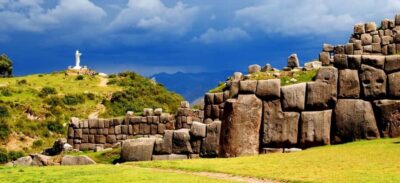
City Tour Cusco Qoricancha Sacsayhuaman y Tambomachay
Read our review →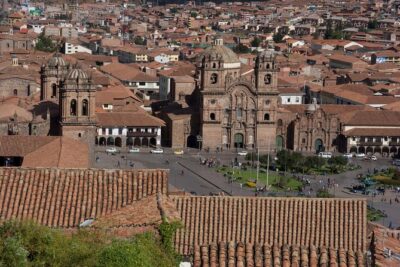
Cusco City Sightseeing, San Pedro Market, Cathedral and Qorikancha Temple
Read our review →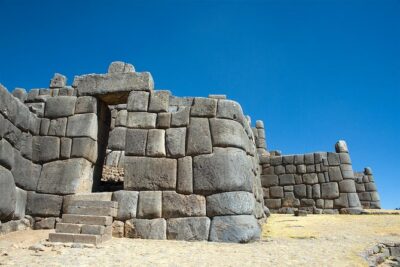
Cusco 4-Hour Private Tour Including Sacsayhuaman and Qenqo
Read our review →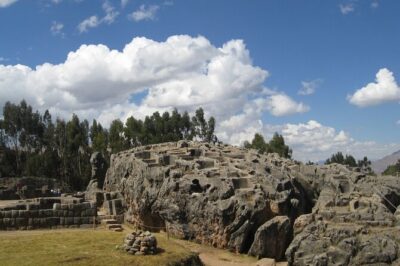
Sacsayhuaman Temple, Tambomachay and Puca Pucara Half-Day Tour
Read our review →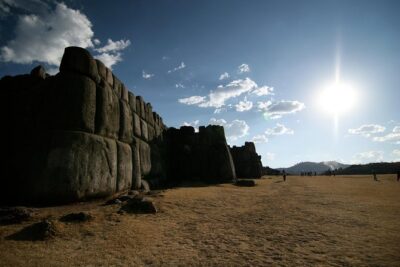
Half-Day City Tour of Cusco Including Tambomachay
Read our review →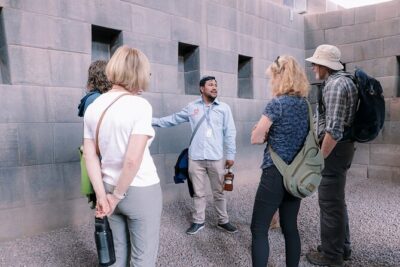
Private Cusco City Tour with Sacsayhuaman & Inca Sites
Read our review →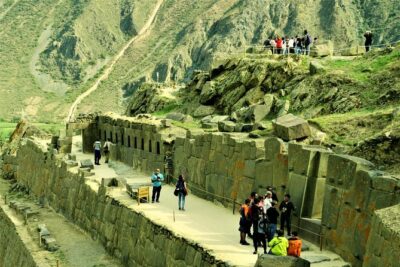
Cusco City Tour with Sacsayhuaman & Inca Sites – Small Group
Read our review →Browse the lists this tour appears in