
Reviewed · SACRED VALLEY TOURS
Cusco: Sacred Valley and Salt Mines Ending in Ollantaytambo
The best thing about this tour is how much of the Sacred Valley you see in one day. You move from Chinchero’s weaving traditions to Moray’s huge circular terraces, then on to the Maras Salt Mines and Ollantaytambo’s fortress. I especially like the variety of places and the practical finish near the train station. At $40, hotel pickup and guided transport make this a strong value.
The tradeoff is time. You cover a wide area in roughly 12 hours, so each stop gets a brisk visit. If you prefer slow walks, long photo sessions, or quiet archaeological exploration, the schedule may feel rushed.
Key points
- Four major Sacred Valley stops: Visit Chinchero, Moray, Maras, and Ollantaytambo in one day.
- More than 4,000 salt wells: See the working Maras Salt Mines, where Andean salt is still extracted.
- A useful train-day ending: Finish near Ollantaytambo train station at about 3:30 PM.
- Strong bilingual guiding: Jhonnattan has been praised for switching smoothly between English and Spanish.
- High-altitude sightseeing: Chinchero sits at 3,772 meters, so comfortable pacing, water, and sun protection matter.
- Lunch needs checking: The published details list the buffet lunch as extra, though one booking included a buffet, so confirm what your reservation covers.
Why this route covers so much of the Sacred Valley
I like this tour because it treats the Sacred Valley as more than a string of famous ruins. You see agriculture, textiles, salt production, colonial art, Inca engineering, and mountain villages in one sweep.
The day begins with pickup at your Cusco hotel. From there, tourist transport carries you into the Sacred Valley, with a live guide speaking English or Spanish. The route is efficient rather than leisurely. You should expect a full day of movement, short visits, and regular chances to take photos.
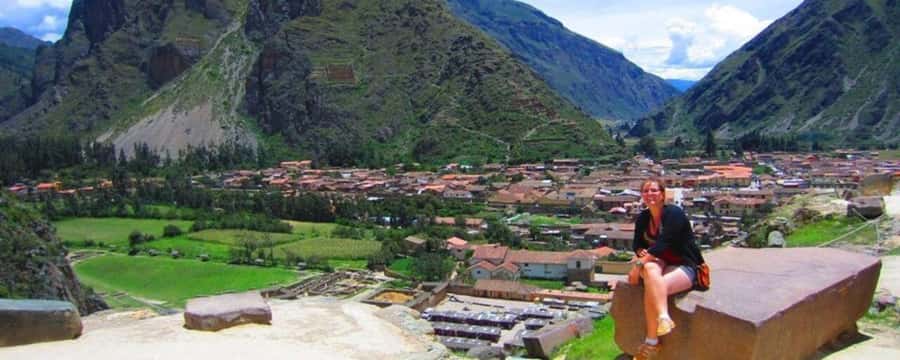
The setting changes as you go. Fields spread across the valley floor, villages sit below high peaks, and snow-capped mountains frame the route. These views help explain why the Incas valued this area so highly. The Sacred Valley was not just scenic. Its fields, water, and altitude made it important for food production and settlement.
At $40 per person, the tour offers a lot for the price. Hotel pickup, transport, guiding, four named stops, and the final drop-off near the Ollantaytambo train station are included. Entrance fees are not included, and the published information also lists the Urubamba buffet as extra. That means the final cost will be higher than $40, but the basic package still gives you broad coverage without arranging several separate rides.
more sacred valley days
- Cusco:Sacred Valley Pisaq,Ollantaytambo,Chinchero with Lunch
★ 4.8 · 183 reviews - from Urubamba & Ollantaytambo:Sacred Valley Full-Day Private
★ 4.9 · 31 reviews - Super Sacred Valley
★ 3.8 · 6 reviews
Chinchero at 3,772 meters
Chinchero is your first major stop and one of the most useful places on the route for seeing how Andean traditions continue today. The town sits at 3,772 meters above sea level, higher than most of the other stops, so take the first part of the morning at an easy pace.
You visit archaeological remains, a 17th-century colonial church, and a local market. The church contains canvases from the Cusco School, a colonial painting tradition known for its religious art. The combination of Inca foundations and Spanish colonial decoration gives Chinchero a layered feel without requiring a long museum visit.
The market is also part of the experience. You can look at handmade textiles and, according to the tour details, barter in the traditional way. The focus is on textiles made by Andean women, so this is a good place to pay attention to weaving rather than treating the stop as a quick shopping break.
I would keep some small spending money handy if you want to buy a textile or another local item, though the tour does not require you to purchase anything. The stop is useful even if you only watch the demonstrations, listen to the guide, and take in the town.
Because Chinchero is high, bring water and sunscreen from the start. The sun can feel strong even when the air is cool. Comfortable shoes are important here and throughout the day, since the schedule includes archaeological sites and uneven walking areas.
Moray’s circular terraces and Inca farming experiments
Moray is one of the most unusual stops on the route. Its circular agricultural terraces sink into the ground in broad rings, creating a shape that looks almost theatrical from above.
The site is described as an experimental agricultural center. That detail matters. You are not simply looking at decorative stonework. The terraces show the practical side of Inca planning and farming, with different levels creating changing conditions for crops.
Your guide can help connect the shape of Moray to the wider valley. The surrounding fields and mountain setting make it easier to see how agriculture shaped daily life in the region. I find this stop more rewarding when you take a moment to look beyond the circles and notice the working fields nearby.
Moray is also a strong photo stop, but the tour’s pace affects how long you can spend framing pictures or walking around. Since this is one of several major visits, you should plan for an overview rather than a private, unhurried exploration.
Entrance fees for Moray are separate. Keep this in mind when comparing the $40 price with other Sacred Valley options. The fee is not part of the advertised inclusions, and you should have the required entrance money ready rather than assuming the guide will cover it.
The Maras Salt Mines and 4,000 working wells
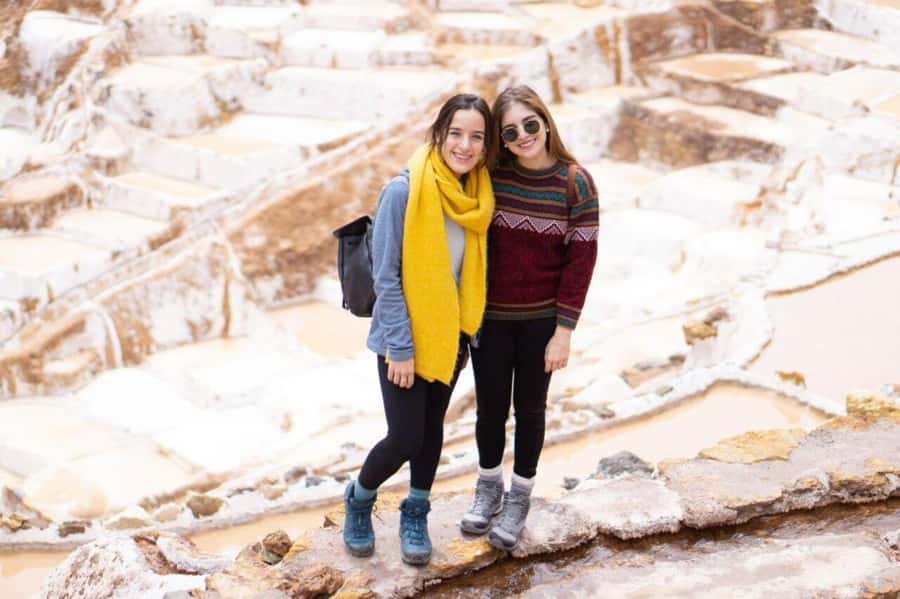
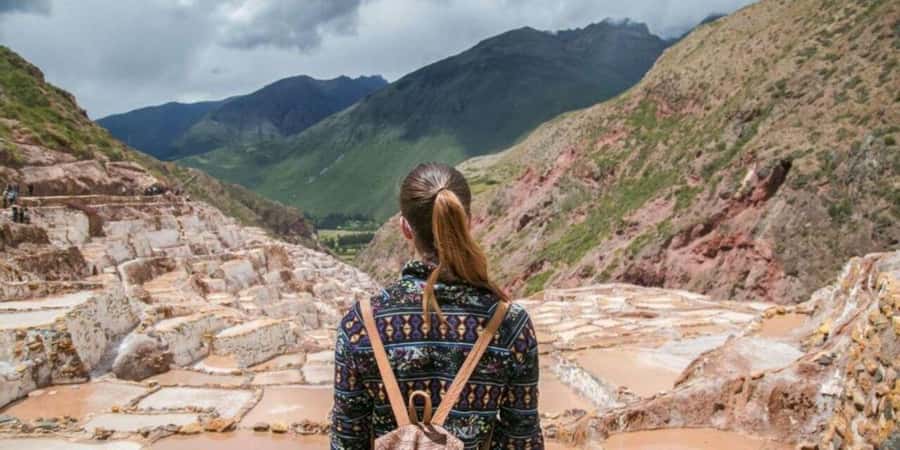
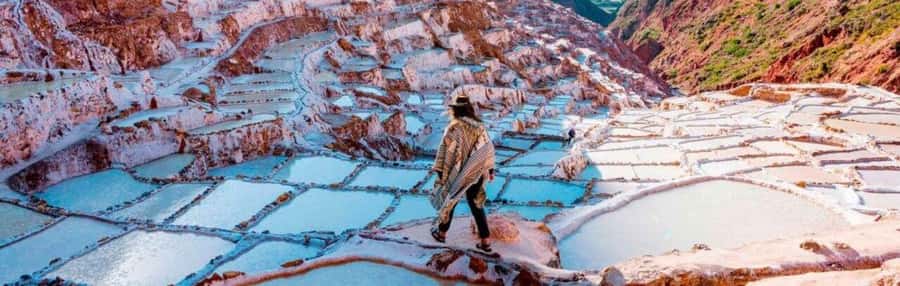
The Maras Salt Mines bring a completely different sight. More than 4,000 wells spread across the mountainside, each holding saltwater that can be processed into salt.
The site shows how a simple natural resource became a major local product. Instead of one large industrial operation, you see many small pools packed together, creating a striking pattern against the surrounding hills.
The salt is described as some of the best in the world, and the visit gives you a direct look at how it is extracted. This is one of the tour’s most distinctive stops because it is both scenic and functional. You are seeing a place connected to present-day production, not only an archaeological remnant.
Maras also has a separate entrance charge. It is easy to overlook this because the salt mines are often grouped with the Sacred Valley sightseeing route, but the tour information clearly says the fee is not included. Add it to your budget before booking.
Sun protection matters here. Wear a hat, use sunscreen, and carry water. You will be outside for much of the day, and the high-altitude sun can be strong. Shoes with a firm sole will make the walking more comfortable.
more maras and moray mornings
- From Cusco: Chinchero, Moray, Maras and Ollantaytambo
★ 4.5 · 83 reviews - From Cusco:Chinchero, Moray, Maras, Ollantaytambo with lunch
★ 5.0 · 3 reviews - From Cusco: Sacred Valley & Moray, Salt Mines with Lunch
★ 4.6 · 3 reviews - Cusco | Visit Maras, Moray, Chinchero, Pisac | Valle Vip
★ 4.4 · 3 reviews
Urubamba lunch and a pause in the middle of the day
The itinerary continues to Urubamba for a buffet lunch at a typical local restaurant. The meal is meant to give you a taste of regional flavors while also providing a practical break between sightseeing stops.
There is an important price detail here. The published inclusions say the buffet lunch is not included. However, one booking specifically described hotel pickup and a lovely buffet lunch as part of the day. Because those details do not match perfectly, check your exact reservation before you go. Do not assume the meal is included simply because a buffet appears in the schedule.
A buffet can work well on a fast-moving group tour. You choose what you want, avoid a long ordering process, and get back on the road on time. The downside is that it is less personal than a small meal where you choose dishes from a menu. Still, for a 12-hour route, a quick local meal is a sensible arrangement.
Ollantaytambo, the tour’s most useful ending
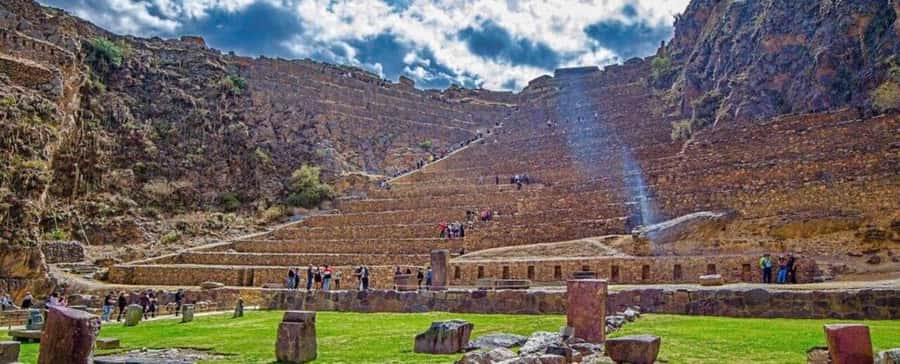
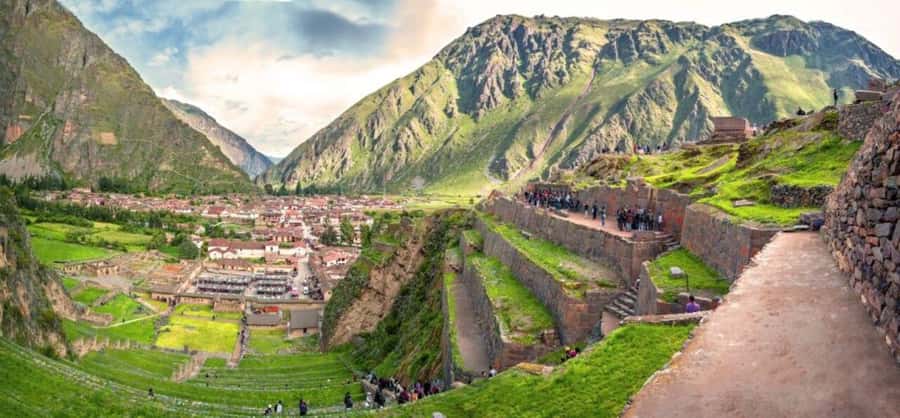
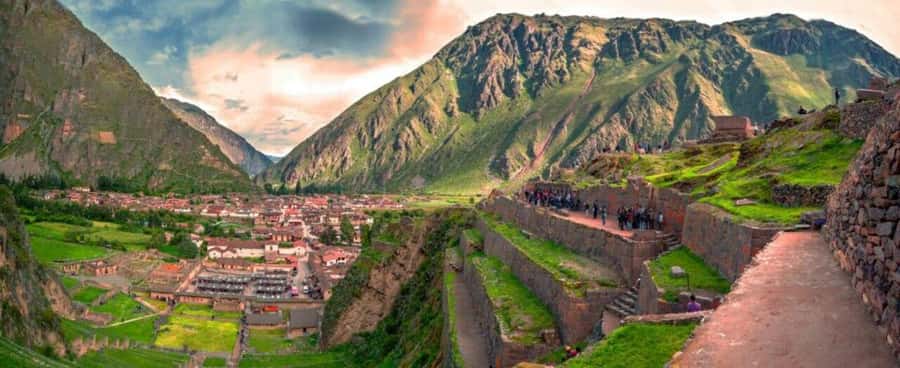
The final major stop is Ollantaytambo, often called a living Inca city because the town still follows much of its old layout. You visit the military fortress built to protect the Sacred Valley from possible invaders.
This is not just a final photo stop. Ollantaytambo gives the day a strong historical finish, with massive stonework, steep terraces, and a town that remains connected to the old Inca plan. After seeing farming terraces at Moray and salt wells at Maras, you end with a major defensive site tied to the valley’s political and military role.
The tour ends at about 3:30 PM, with transport dropping you near the Ollantaytambo train station. This is a valuable feature if you are continuing toward Machu Picchu by train or staying in Ollantaytambo. It saves you from returning all the way to Cusco and makes the tour more than a simple round trip.
You should plan your onward arrangements carefully. The tour promises a drop-off near the station, not a private transfer to a particular hotel or train platform. If your train leaves soon after the tour ends, leave enough time for the handoff and station procedures.
The pace: efficient, but not relaxed
The main weakness is the tight schedule. One direct assessment of the day found that it felt rushed from site to site, while another described it as speedy but still worthwhile because it covered the sights, history, and photo stops.
That is the right way to think about this experience. You get breadth, not long stretches of free time. The tour is designed for someone who wants to see the major highlights in one day, especially if time in Cusco is limited.
I would choose this route if you want an introduction to the Sacred Valley before continuing to Ollantaytambo. I would look for a slower, smaller tour if your priority is detailed photography, extended walks, or independent time at each ruin.
The guide makes a difference on a schedule like this. Jhonnattan has been singled out for professional guiding and for switching between English and Spanish with ease. Clear explanations matter when you have only a short time at each site. A good guide helps you understand what you are seeing before the group moves on.
What to bring for this high-altitude day
Pack lightly, but do not leave out the basics. You will spend much of the day outdoors, with walking at several stops.
Bring:
- Comfortable walking shoes
- A hat
- Sunscreen
- Water
- A camera
- Clothing suitable for walking and changing conditions
The tour information gives no detailed packing advice beyond these basics, so I would keep your clothing practical rather than dressing for a formal lunch. Chinchero’s elevation is the main concern early in the day, while sun exposure matters at the archaeological sites and salt mines.
You should also budget for the Moray and Maras entrance fees, plus lunch unless your specific booking says otherwise. The tour price looks low because several costs remain outside the base fare.
Who will get the most from this tour
This is a good match for you if you want to:
- See several Sacred Valley highlights in one day
- Avoid arranging separate transport from Cusco
- Finish near Ollantaytambo rather than returning to Cusco
- Learn about the area from an English or Spanish-speaking guide
- Combine archaeology, agriculture, textiles, and local production
- Keep the starting price near $40 per person
It is less suitable if you want a quiet day with plenty of time at each stop. Families and active sightseers may appreciate the variety, while anyone sensitive to long days or high-altitude walking should think carefully about the 12-hour schedule.
The route also works well as part of a larger Peru plan. You can see several Sacred Valley sites, eat in Urubamba, and then continue from Ollantaytambo. That saves a separate day, though you should not pack the schedule so tightly that you have no time to enjoy the town or manage your onward transport.
Should you book this $40 Sacred Valley tour?
I would book it if your goal is maximum coverage and a convenient ending in Ollantaytambo. The combination of Chinchero, Moray, Maras, Urubamba, and Ollantaytambo is hard to match at this starting price, especially with hotel pickup and a bilingual guide included.
Go in knowing that the day moves quickly. Add the entrance fees and confirm the lunch arrangement before paying. If you can accept short visits and a full day on the road, this is a practical first look at the Sacred Valley with a useful train-station finish.
FAQ
How long does the Sacred Valley tour last?
The tour lasts 12 hours. The transport drop-off near Ollantaytambo train station is scheduled for about 3:30 PM.
Where does the tour begin?
The tour begins with hotel pickup in Cusco.
Where does the tour end?
It ends near the Ollantaytambo train station, rather than returning you to Cusco.
Which places are included in the sightseeing route?
The route includes Chinchero, Moray, the Maras Salt Mines, Urubamba, and Ollantaytambo.
Is lunch included in the $40 price?
The published tour details list the buffet lunch in Urubamba as not included. One booking described a buffet lunch as part of the day, so confirm the meal arrangement for your specific reservation.
Are entrance fees included?
No. Entrance fees are not included. The details specifically state that the fees for Moray and Maras must be paid separately.
What languages does the guide speak?
Live guiding is available in English and Spanish.
What should I bring?
Bring comfortable shoes, a hat, sunscreen, water, suitable walking clothes, and a camera.
Can I cancel the booking for a refund?
You can cancel up to 24 hours in advance for a full refund. The tour also offers a reserve-now-and-pay-later option.
Recently added around Urubamba
- From Cusco:Chinchero, Moray, Maras, Ollantaytambo with lunch★ 5.0 · 3 reviews
- From Cusco: Sacred Valley & Moray, Salt Mines with Lunch★ 4.6 · 3 reviews
- From Cusco: Sacred Valley VIP Tour with Buffet Lunch★ 4.7 · 3 reviews
- Peru in 5 days: Lima, Cusco, Machupicchu & Rainbow Mountain★ 5.0 · 3 reviews
- Guided tour of Cusco and its 4 ruins★ 3.8 · 3 reviews
- Cusco | Visit Maras, Moray, Chinchero, Pisac | Valle Vip★ 4.4 · 3 reviews
- 1 Day – Humantay Lake★ 3.1 · 3 reviews
- Classic Sacred Valley full day★ 5.0 · 3 reviews
Sacred Valley Tours, compared.

Sacred Valley & Maras Salt Mines Tour with Lunch
Read our review →
Sacred Valley, Pisac, Ollantaytambo, Salt Mines Moray
Read our review →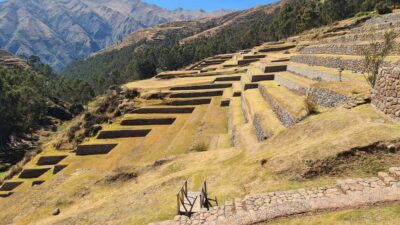


2-Day Trip to the Sacred Valley and Machu Picchu
Read our review →
Sacred Valley Pisaq,Ollantaytambo,Chinchero with Lunch
Read our review →
Full-Day Excursion to Sacred Valley, Pisac and Ollantaytambo from Cusco
Read our review →
Food and Culture Full day Tour in the Sacred Valley
Read our review →Browse the lists this tour appears in