
Reviewed · CUSCO RUINS TOURS
Cusco: Pisac, Sacsayhuaman, Q’enqo, and Tambomachay Tour
Pisac gives this six-hour outing its best change of pace. You move from artisan stalls and village streets to Inca terraces, then return toward Cusco for Sacsayhuaman, Q’enqo, Tambomachay, and a view of Puka-Pukara. I like the mix of market life and major archaeological sites, and I like that the private format lets your guide explain details at your speed. The main drawback is the vehicle: one booking for four adults found the car too tight, so ask about transport if your party is larger than two.
I also like the Taray Viewpoint, which gives you a wide view across the Sacred Valley before the ruins near Cusco. Guides can make a big difference here. Juan Carlos, a trained archaeologist, is especially well suited to travelers who want careful, evidence-based explanations, while Jessica has been praised for both guiding and driving.
Key points to know before booking
- Pisac combines a market visit with an archaeological park, so you get local crafts and Inca remains in one stop.
- Taray Viewpoint offers the broadest view of the Sacred Valley, including its many agricultural terraces.
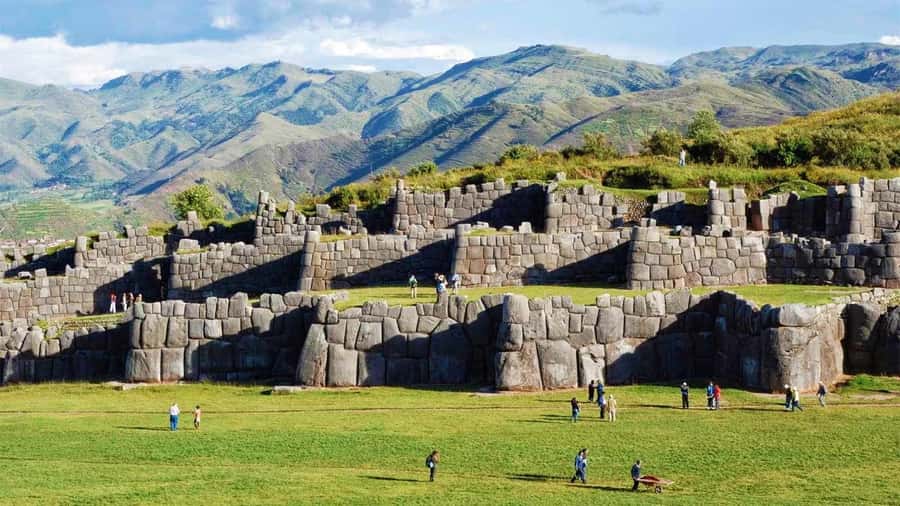
- Sacsayhuaman, Q’enqo, Tambomachay, and Puka-Pukara are close to Cusco, making this a practical way to see several important sites in one outing.
- The private group format gives you a more personal guide experience, with English and Spanish available.
- The US$77 price does not include entrance tickets, which cost S/70 for foreign visitors and S/40 for Peruvians.
- Comfortable shoes matter, since the day includes walking at several archaeological sites and weather can change.
Pisac brings village life and Inca terraces together
The tour begins with pickup at your hotel in Cusco’s historic center. If your hotel lies outside that area, you receive a separate meeting point through prior coordination. From there, transport takes you toward Pisac in the Sacred Valley.
Pisac is useful as a first stop because it gives you more than a standard ruin visit. You can walk through the town, browse artisan stalls, and spend time at the famous market. The market adds a human side to the day, though the shopping portion will appeal most if you enjoy looking at local crafts and have room in your luggage.
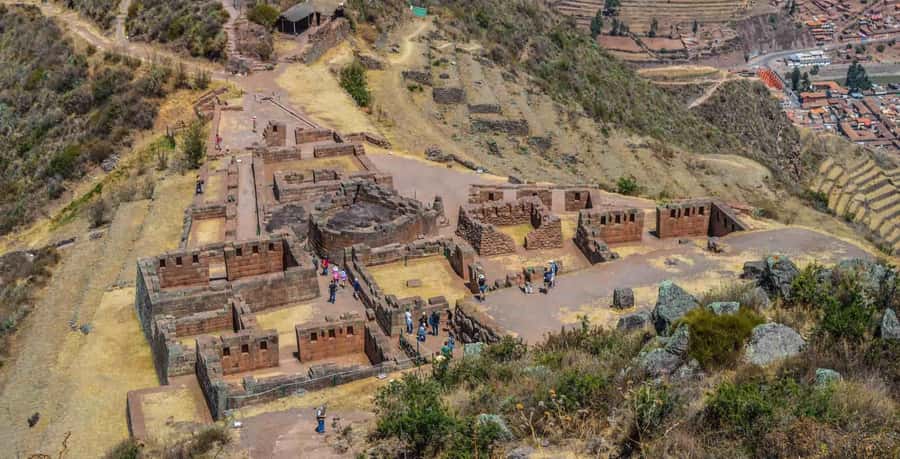
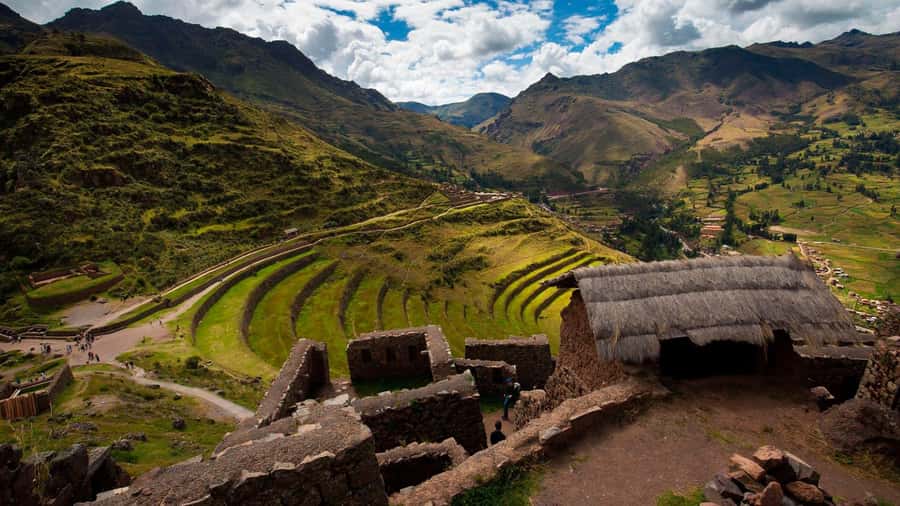
Your guide then takes you to the Pisac archaeological park. The site is one of the important Inca places in the Sacred Valley, with terraces that show how carefully the Incas shaped steep mountain slopes for farming. I find the terraces especially valuable for understanding Inca engineering. They are not just scenic backdrops. They show how food production, water control, and settlement were tied together.
Because the tour includes both the town and the archaeological park, you should expect a varied stop rather than a quick photo break. The market and streets can feel quite different from the stonework above the valley. Your guide’s role matters here, since a good explanation can connect what you see in the fields and terraces with the larger story of Inca rule and the Spanish conquest.
The supplied schedule does not give an exact length for the Pisac stop. That means the pace may depend on traffic, market conditions, and the interests of your private group. If you want plenty of time for shopping, ask your guide at the start how much time is available.
more ruins above cusco
- Cusco: Half-Day City Tour with Sacsayhuaman and Q’enco
★ 4.6 · 1,129 reviews - City Tour Cusco Qoricancha Sacsayhuaman y Tambomachay
★ 4.7 · 617 reviews - Cusco City Sightseeing, San Pedro Market, Cathedral and Qorikancha Temple
★ 4.5 · 139 reviews
Taray Viewpoint puts the Sacred Valley in perspective
On the return toward Cusco, the tour stops at Taray Viewpoint. This is one of the most useful pauses on the route because it lets you look across a broad section of the Sacred Valley rather than seeing the valley in small pieces from the road.
From the viewpoint, you can admire the scale of the terraces and the way the settlements sit among the mountains. Bring your camera, but also take a moment to let your guide point out the features that are easy to miss in a quick glance. The viewpoint is a visual bridge between Pisac and the sites near Cusco.
Sun protection is important here. The tour operates at high elevation, and the information for this outing specifically advises a hat, sunscreen, and water. Weather can vary, so clothing that works for both sun and cooler conditions is sensible.
Sacsayhuaman is the day’s great stonework lesson
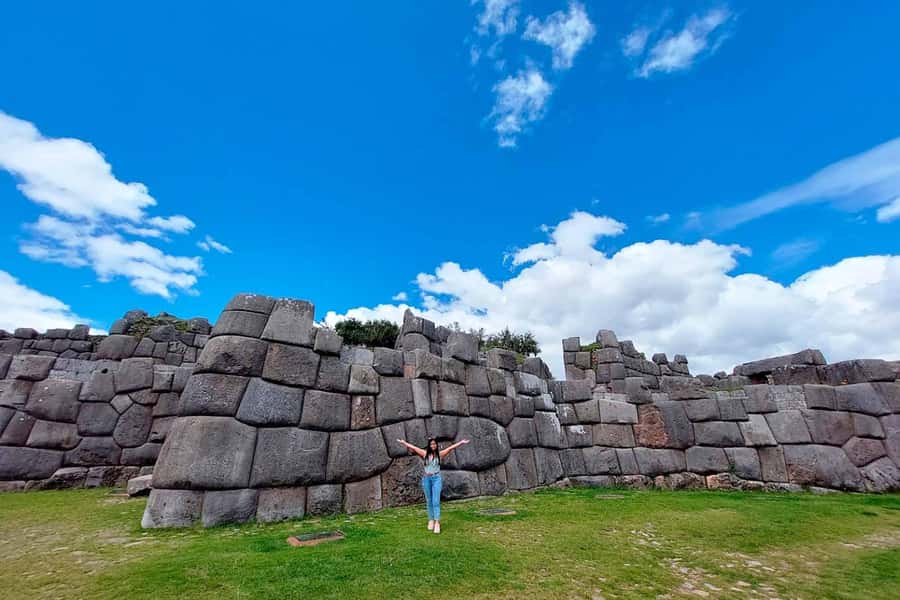
Back near Cusco, the tour visits Sacsayhuaman, described as a ceremonial fort made of stone monuments. This is the largest and most visually striking site on the Cusco portion of the route.
The stone construction is the main event. Your guide can help you look beyond the size of the blocks and explain the site’s ceremonial and defensive role. The stop also gives context for Cusco itself, since Sacsayhuaman sits above the city and forms part of the wider Inca center.
I would give Sacsayhuaman your full attention, even though the itinerary includes several more places. It is easy to rush through a large site when you know other stops are waiting. The private format helps because you can ask questions and spend a little more time on details that interest you.
Walking shoes are essential. The tour is not suitable for wheelchair users or people with back problems, and the uneven archaeological sites can be tiring. The information does not give a precise walking distance, so anyone with mobility concerns should ask for more detail before booking.
Q’enqo shows a more ritual side of Inca life
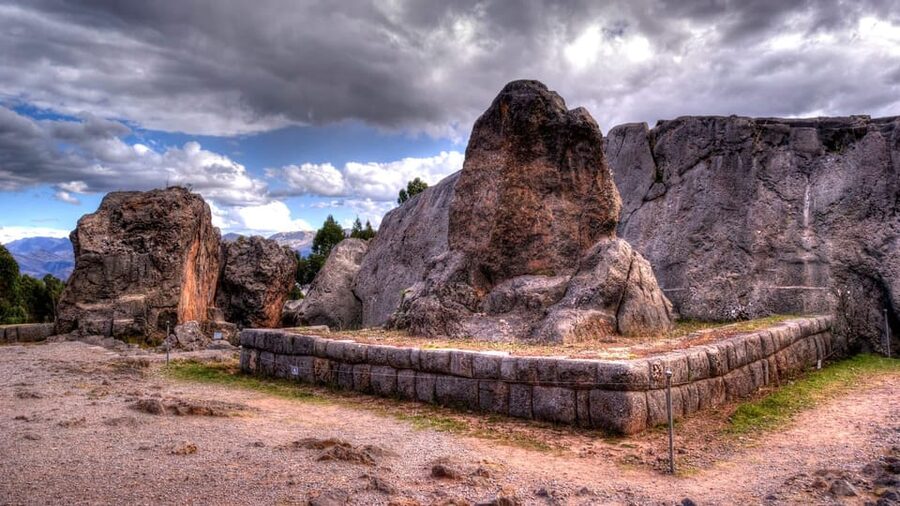
Q’enqo is a ritual site where sacrifices once took place. Compared with Sacsayhuaman, it is a more contained stop, but its purpose gives the route a different tone.
This is where a guide’s explanation can add real value. Ruins can look like simple walls and carved stone if you do not know what you are seeing. A guide can explain the ritual use of the place and set it within Inca religious practice, while also making clear what is established and what remains uncertain.
The site is part of a compact group of ruins close to Cusco, so Q’enqo fits naturally after Sacsayhuaman. You will not spend the day sitting in a vehicle between distant attractions. Still, each stop involves walking and standing, so plan for a physically active outing rather than a sightseeing drive with occasional photographs.
Somewhere else entirely, still within reach of Cusco:
- Cusco: Humantay Lake Tour with Breakfast and Buffet Lunch
★ 4.9 · 2,976 reviews - From Cusco: Sacred Valley & Maras Salt Mines Tour with Lunch
★ 4.8 · 2,227 reviews - From Cusco: Moray, Maras Salt Mines & Chinchero Weavers Tour
★ 4.8 · 1,925 reviews - From Cusco: Full-Day Group Tour of Machu Picchu
★ 4.7 · 1,767 reviews
Tambomachay focuses on water and worship
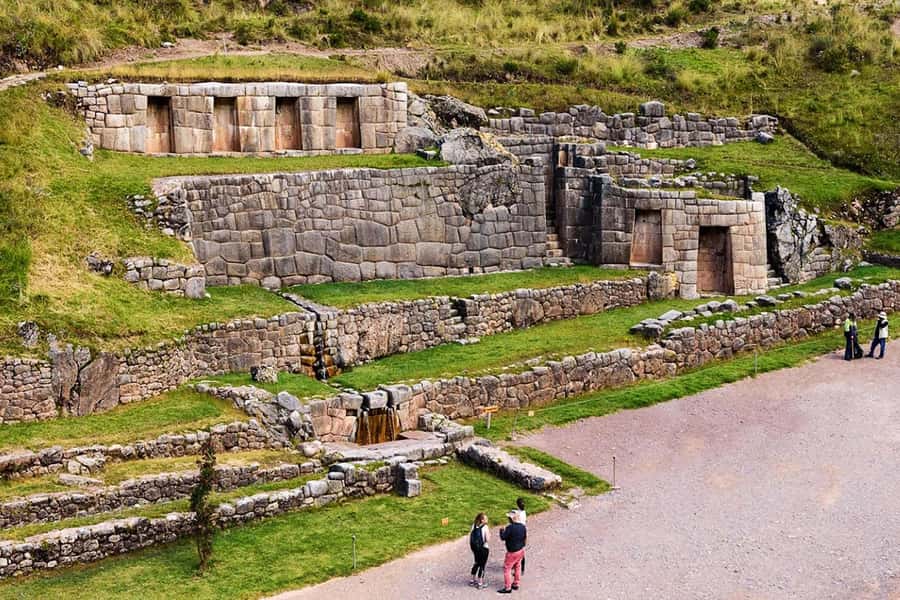
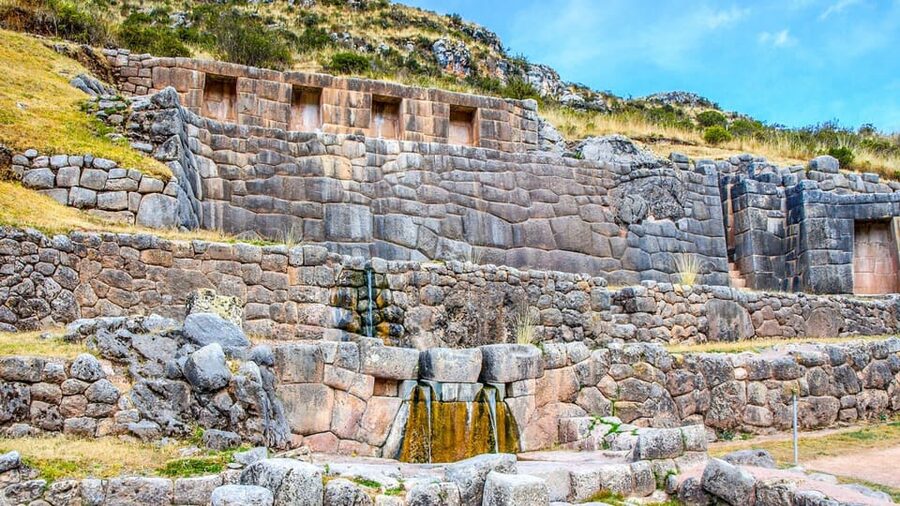
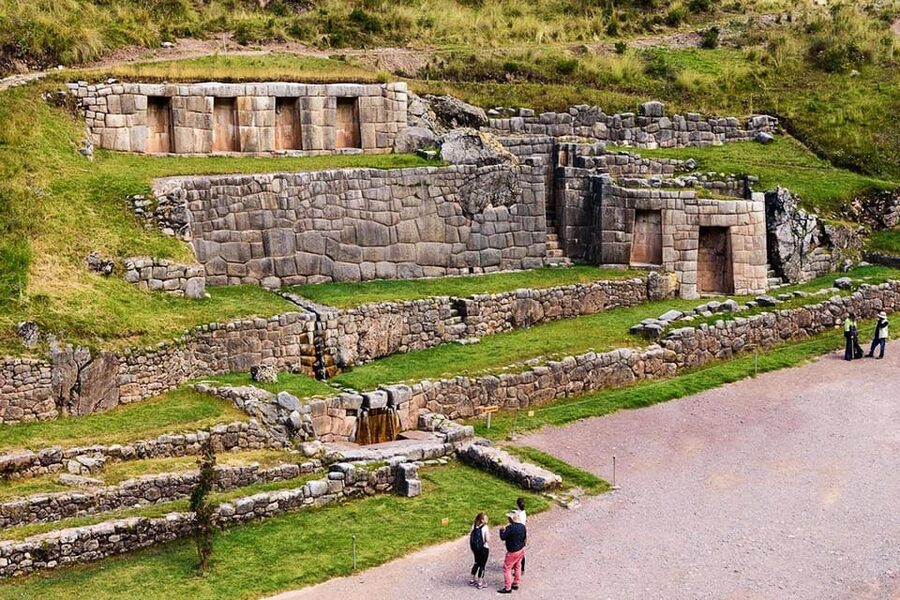
Tambomachay is a temple dedicated to the worship of the God of Water. Its inclusion gives you a chance to consider how important water was to Inca religion, farming, and daily life.
The site works well after Q’enqo because it changes the subject from ritual sacrifice to water worship. That variety keeps the Cusco ruins from blending together. I would listen closely to the explanation here, since the meaning of water channels and temple remains is not always obvious from the stones alone.
Bring water for yourself as well. That sounds simple, but the tour’s advice is practical: wear comfortable shoes, carry sunscreen, and use a hat. Weather may shift during the six-hour outing, so avoid dressing for only one condition.
Puka-Pukara provides a final road-side view
The final archaeological stop is a panoramic view of Puka-Pukara, an ancient tambo, or guard post, along the Inca roads. Unlike the other sites, the itinerary emphasizes the panorama rather than a full exploration of the ruins.
Puka-Pukara helps explain the network behind the Inca state. Roads needed places for control, rest, and movement, and a tambo was part of that system. Even a brief stop can help you see the sites as connected parts of a working empire, not isolated monuments.
The view also gives you a last chance for photographs before returning to Cusco. If you prefer long visits at fewer locations, the number of stops may feel busy. If you want a broad introduction to the main sites around Cusco, the compact route is a strong fit.
What the guides add to the experience
A private tour is only as good as the person leading it. The strongest guide feedback attached to this experience centers on clear explanations, warmth, and subject knowledge.
Juan Carlos is a trained archaeologist who has guided this route. His approach is particularly suited to you if you enjoy asking questions about construction, ritual, and historical evidence. He is also reported to have recommended an excellent restaurant near Pisac, an appealing extra if lunch arrangements are part of your conversation with the guide. The tour information itself does not include a meal, so do not assume food is covered in the price.
Jessica has worked as both driver and guide. She received praise for being kind, capable, and able to handle a problem involving the vehicle booking. That detail matters because driving and guiding are separate skills, especially on a six-hour route with several stops.
Guide assignment is not guaranteed. You should treat Juan Carlos and Jessica as examples of guides connected with this outing, not as a promise that one of them will lead your group. English and Spanish are available.
The six-hour schedule is efficient, but not slow paced
The stated duration is six hours, despite the day being described in some places as a full-day experience. In practical terms, plan on a long half-day outing with several major stops, not an all-day expedition with extended time at each location.
Hotel pickup and drop-off make the schedule easier. You do not need to find a taxi to a departure office, and you return to your Cusco hotel after the route. Pickup applies to hotels within the historic center. If yours is farther away, confirm the alternate meeting point before the morning of the tour.
Transport is by car or minibus. This choice matters more than it might sound. A compact car may work well for one or two adults, but a booking for four adults resulted in an uncomfortable fit. If you are traveling with three or four adults, ask in advance what vehicle will be assigned and whether luggage will be carried.
The private group setup is a clear advantage for families, couples, and small groups who want to ask questions without matching the pace of a large coach. It may also help if you want to spend less time shopping and more time at ruins, though the final schedule remains subject to the route and available time.
The US$77 price needs one extra calculation
The advertised price is US$77 per person. That covers hotel pickup and drop-off, transport by car or minibus, and an English or Spanish speaking guide.
Entrance tickets are separate. Foreign visitors pay S/70, listed as about US$18.70 per person. Peruvian visitors pay S/40, listed as about US$10.70. Add that cost before comparing this tour with alternatives.
For the price, I see the main value in the route and the private guide. You cover Pisac, the Taray Viewpoint, and four sites around Cusco without arranging several separate rides. A strong guide can also turn a quick look at stone walls and terraces into a useful lesson about Inca society, ritual, roads, and the Spanish conquest.
The value is less clear if you want a slow market morning, a long lunch, or extended time at every ruin. Six hours is enough to sample the route, but the number of stops naturally limits how long you can linger. Also remember that the vehicle issue could affect comfort for larger groups.
The free cancellation policy allows cancellation up to 24 hours ahead for a full refund, and you can reserve now and pay later. Those terms make it easier to keep plans flexible, especially when your Cusco schedule depends on weather or changing travel arrangements.
Who will get the most from this route
I would choose this outing if you have limited time in Cusco and want a guided introduction to both Pisac and the ruins close to the city. It works especially well for you if you prefer a private group, want hotel pickup, and like having someone explain what you are seeing.
It is also a good choice for history-minded visitors. Juan Carlos’s archaeological training suggests the route can support detailed questions rather than only basic dates and labels. If you care about evidence and want clear explanations, request a guide with that kind of background if availability allows.
The tour may be less suitable if you have back problems, use a wheelchair, or find uneven walking difficult. It may also disappoint you if shopping is your main goal, since the day gives the market only one part of a wider itinerary.
Pack comfortable shoes, a hat, sunscreen, water, and a camera. Smoking is not allowed. Since the tour warns of changing weather, bring clothing that can handle both sun and cooler conditions.
Should you book the Pisac and Cusco ruins tour?
Book it if you want an efficient private route through Pisac, Taray, Sacsayhuaman, Q’enqo, Tambomachay, and Puka-Pukara, with a guide who can connect the sites to Inca life and the Spanish conquest. The market, valley viewpoint, major stonework, ritual site, water temple, and road station give you a well-rounded first look at the area.
Before paying, confirm the vehicle size for your group and remember to add the archaeological entrance fee. If you have mobility concerns or want a quiet, unhurried day, choose a slower itinerary. For most able-bodied visitors with one free day and a real interest in the Incas, this tour offers a practical amount of history and scenery for the time.
FAQ
How long does the tour last?
The tour lasts six hours, including pickup and return to hotels in Cusco.
What places does the tour visit?
The route includes the town and market of Pisac, the Pisac archaeological park, Taray Viewpoint, Sacsayhuaman, Q’enqo, Tambomachay, and a panoramic view of Puka-Pukara.
Is hotel pickup included?
Yes. Pickup and drop-off are included for hotels within Cusco’s historic center. If your hotel is farther away, a meeting point is arranged in advance.
Are entrance tickets included?
No. Archaeological site admission is paid separately. The listed price is S/70, about US$18.70, for foreign visitors and S/40, about US$10.70, for Peruvians.
What languages are available?
The live guide is available in English or Spanish.
Is this a private tour?
Yes. The activity is operated as a private group tour.
What type of transport is used?
Transport is provided by car or minibus.
What should I bring?
Bring comfortable shoes, a hat, sunscreen, water, and a camera. Clothing should be suitable for walking and changing weather.
Can wheelchair users join?
No. The activity is not suitable for wheelchair users. It is also not suitable for people with back problems.
Can I cancel the booking?
Yes. You can cancel up to 24 hours in advance for a full refund. The activity also allows you to reserve now and pay later.
Recently added around Cusco
- Palcoyo colored mountain hike + stone forests★ 4.6 · 3 reviews
- Maras Moray★ 5.0 · 3 reviews
- From Cusco: Vinicunca Mountain of Colors Excursion + Ticket★ 5.0 · 3 reviews
- Full-Day Condor Viewpoint & Inca Sites Tour★ 5.0 · 3 reviews
- Excursion Cusco – Puno – Titicaca Observatory Train★ 5.0 · 3 reviews
- Machu Picchu: Private Tour Guide Service for up to 15 people★ 4.5 · 3 reviews
- Machu Picchu: 1-day tour by Vistadome Observatory train★ 5.0 · 3 reviews
- Cusco: Chonta Canyon and Condor Flight Tour with Lunch★ 5.0 · 3 reviews
Cusco Ruins Tours, compared.

Half-Day City Tour with Sacsayhuaman and Q’enco
Read our review →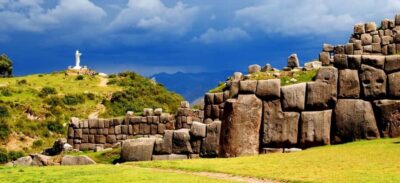
City Tour Cusco Qoricancha Sacsayhuaman y Tambomachay
Read our review →
Cusco City Sightseeing, San Pedro Market, Cathedral and Qorikancha Temple
Read our review →
Cusco City Sightseeing and Sacsayhuaman Archeological Park Tour
Read our review →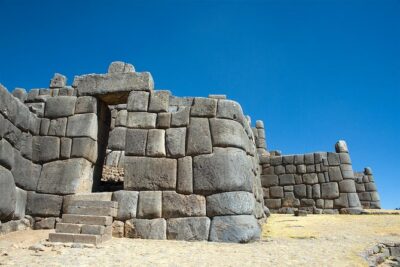
Cusco 4-Hour Private Tour Including Sacsayhuaman and Qenqo
Read our review →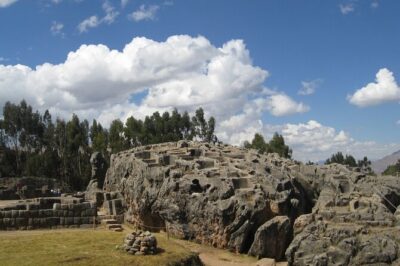
Sacsayhuaman Temple, Tambomachay and Puca Pucara Half-Day Tour
Read our review →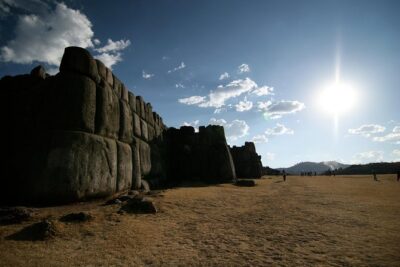
Half-Day City Tour of Cusco Including Tambomachay
Read our review →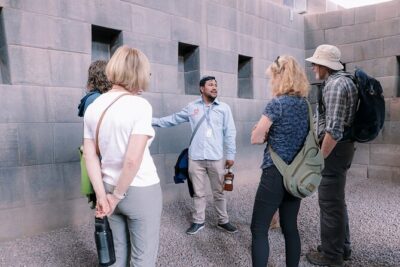
Private Cusco City Tour with Sacsayhuaman & Inca Sites
Read our review →Browse the lists this tour appears in